

 Stories





Bedrooms are the places where we are reborn each day, which is why they are deserving of particular attention. Our bodies are extraordinary machines, capable of regenerating themselves whilst we sleep, and our daily wellbeing depends, at least in part, on the quality of that sleep.
Design anniversaries: 9 furnishing icons that make history
Text by
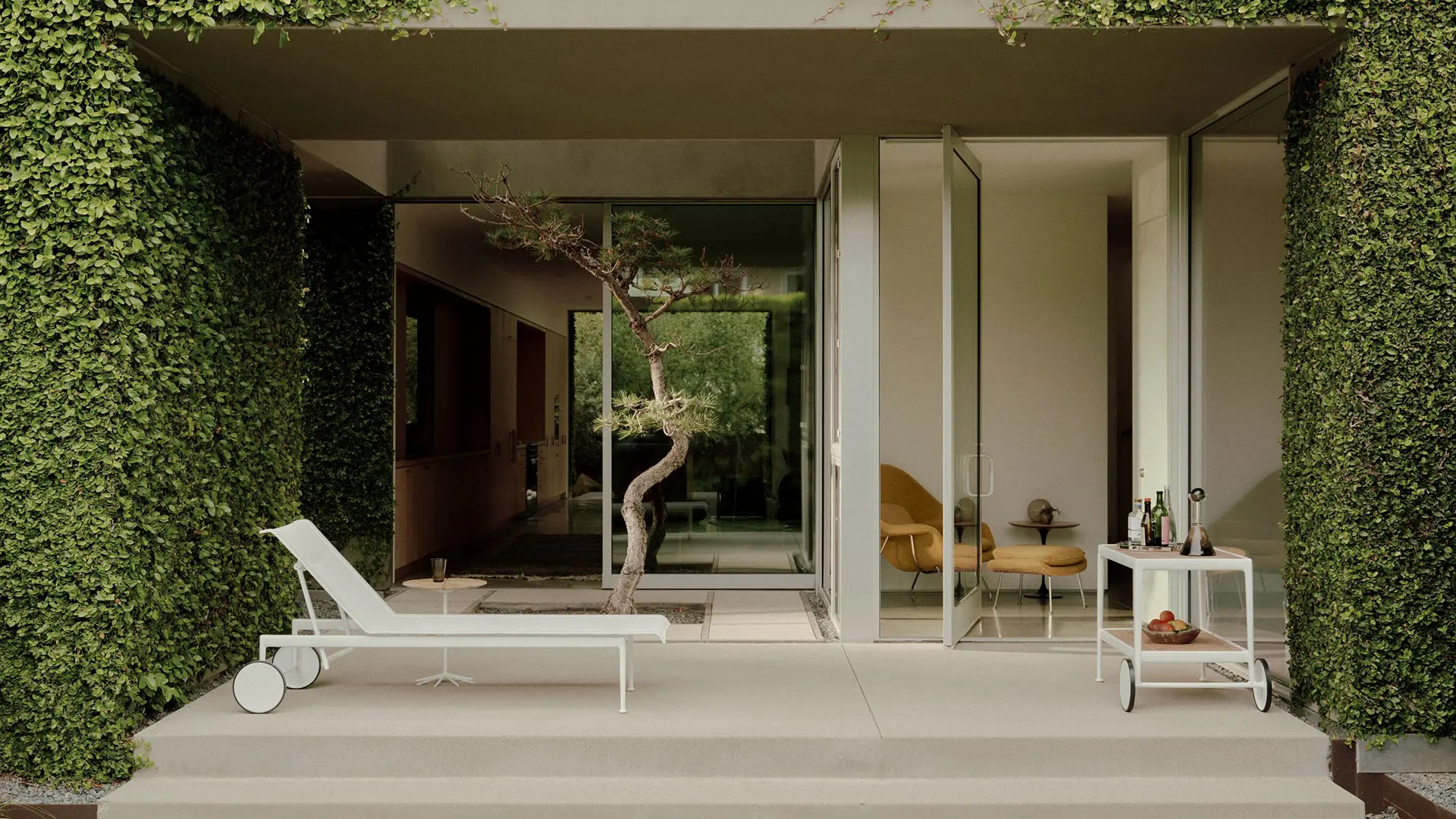
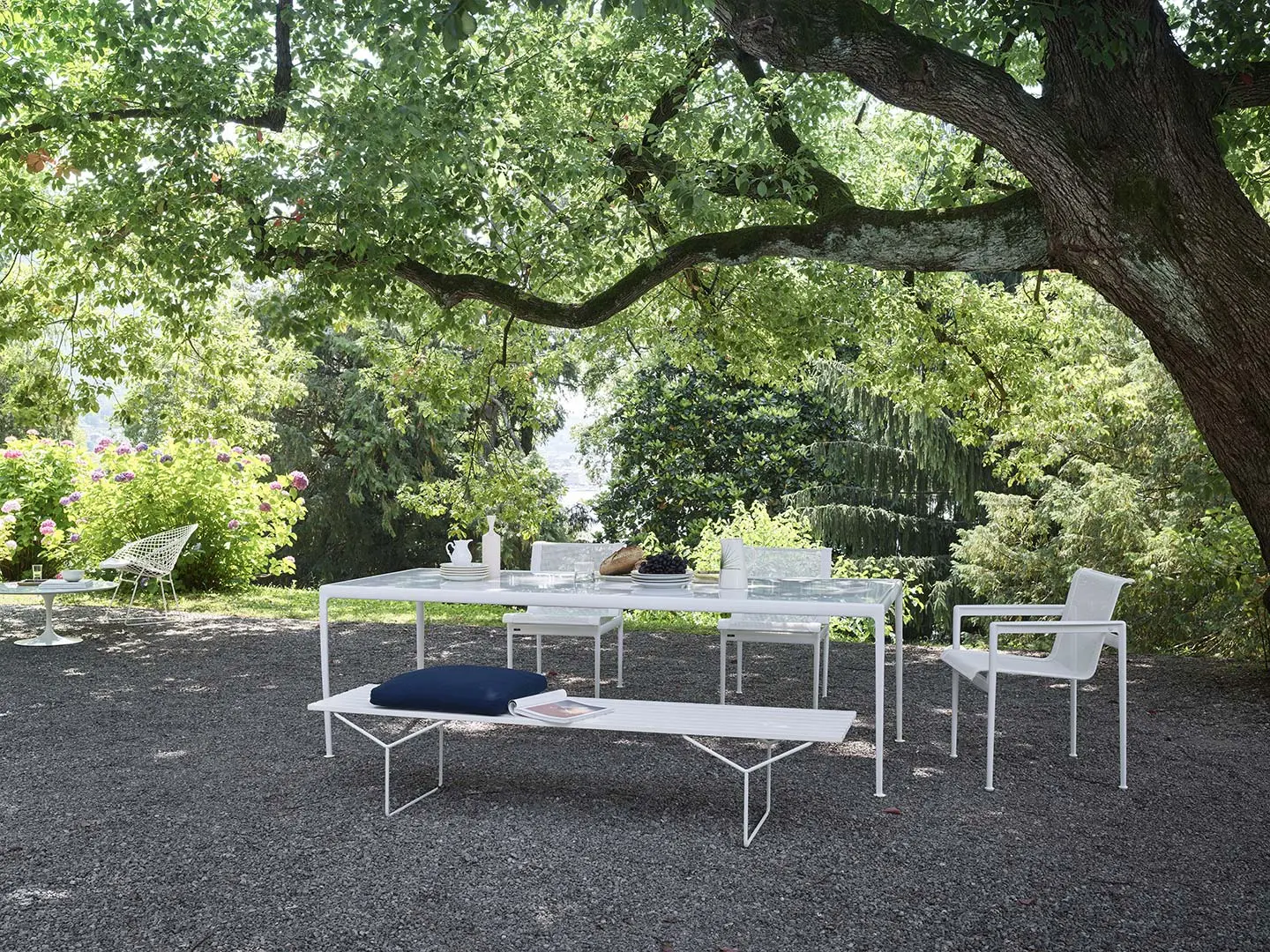
1966 Collection (Leisure Collection), Knoll, designed by Richard Schultz, Ph: Federico Cedrone
From Marc Sadler's lamp to Eileen Gray’s bold armchair: some design icons are celebrating significant anniversaries. A story told in chapters, retracing both their history and their enduring relevance today
10 years
Piuma chair, designed by Piero Lissoni, Kartell
With a weight of just 2.2 kilos and a shell with a minimum thickness (maximum 2 millimetres) it is the contemporary ultralight chair. It is one of the most revolutionary products from the leading company for innovation Made in Italy in terms of technologies and materials. This was the first time that the material – a complex thermoplastic polymer reinforced with carbon fibres – was injection moulded. In addition to its enviable lightness, the armchair is absolutely reliable in terms of durability and feels very pleasant thanks to the soft-touch effect finish. Flexible, stackable and available in various colours – white, grey, sage green, mustard, rust orange and black – this Red Dot Award Best of the Best 2017 piece is also suitable for outdoor use.
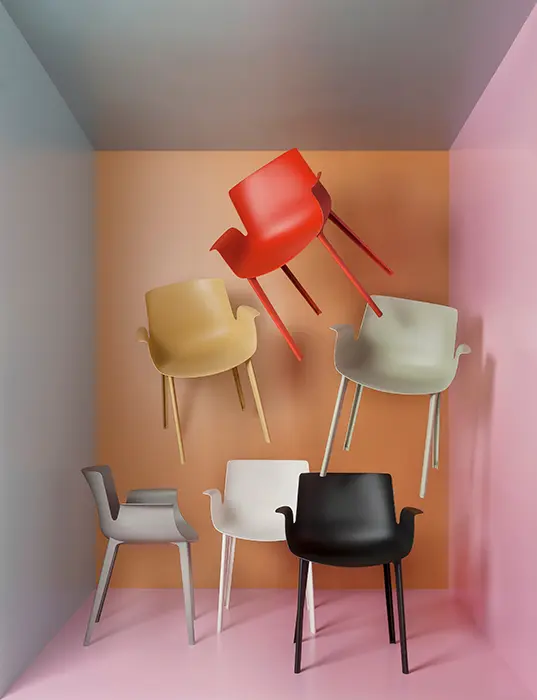
Piuma, Kartell, designed by Piero Lissoni
10 years
Argo Libro, designed by Mara R&D, Mara
Argo Libro celebrates its tenth anniversary— a milestone that reflects the developing of one of Mara’s most representative systems. Originally conceived to meet the growing demand for flexibility in work environments, it has established itself as a solution capable of combining advanced engineering, ease of use, and formal quality.
Ten years after the launch, Argo Libro continues its evolution while preserving its core identity.
To celebrate this journey, a special limited edition is introduced — an entirely polished steel finish like in a mirror: a surface that tells a story.
Argo Libro is thus transformed into an object that reflects spaces, people, and change, like glowing pages where gestures, encounters, and ideas take shape.
An invitation to appreciate oneself in the project, to reflect both metaphorically and physically in its story.
"Libro responds to an increasingly relevant need: the flexibility of spaces. It is designed for the contract world—offices, coworking spaces, and educational environments where configurations change quickly, as well as for hospitality and sophisticated residential contexts. Those who choose Libro look for dynamic furniture, capable of adapting over the time and supporting the evolving spaces." Laura Marchina, Managing Director Mara.
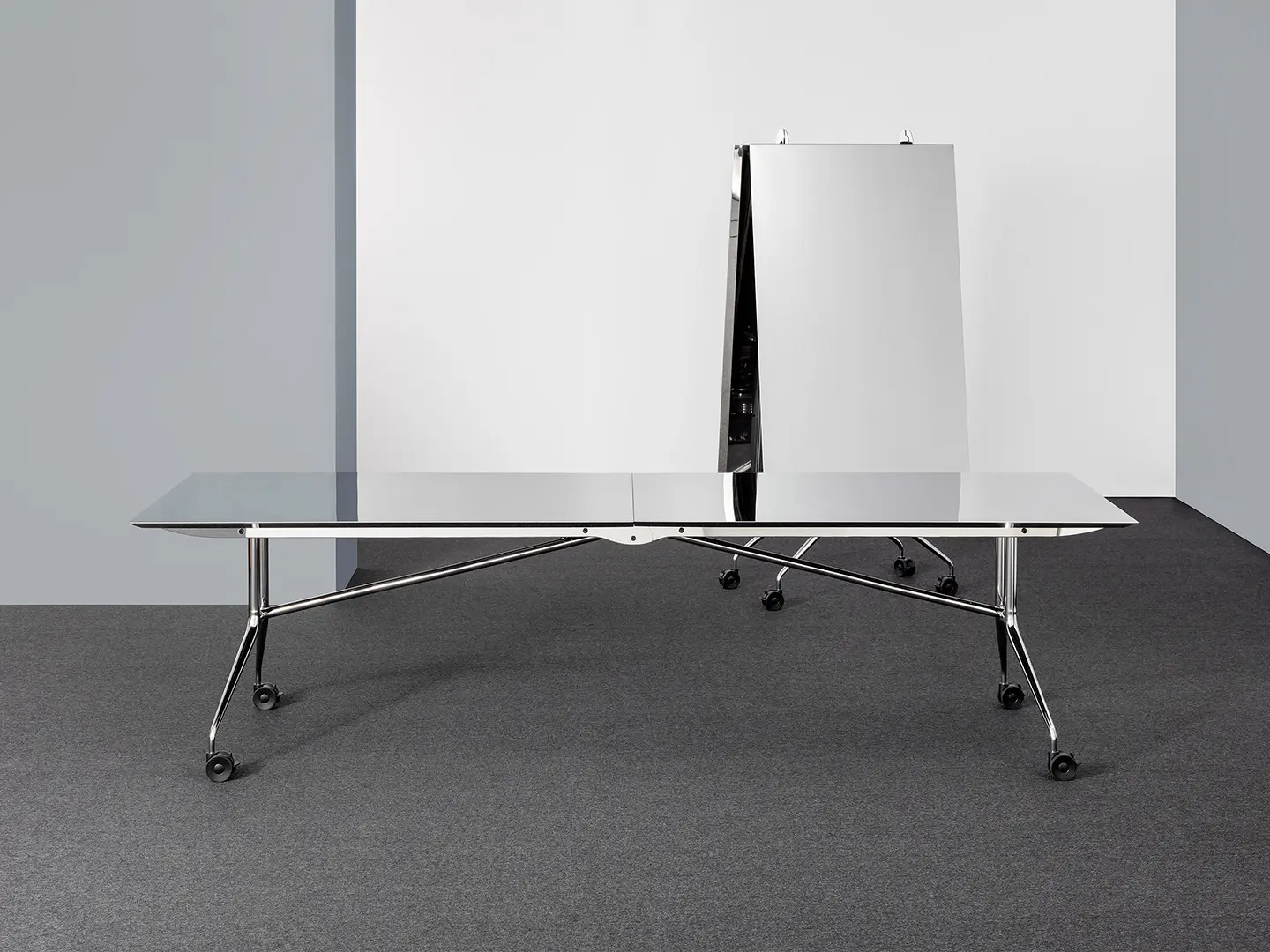
Argo Libro limited edition, Mara, designed by Mara R&D
15 years
Sampei floor lamp, designed by Enzo Calabrese – Davide Groppi, Davide Groppi
A lamp that outdoes itself to excite and amaze. It rests on the ground, but is apparently suspended, thanks to a slender stem in statically very resistant carbon fibre, capable of reaching a height of 440 cm. Meticulous research and equal amounts of experimentation have transformed a flexible and telescopic fishing rod into an iconic, elegant and refined object that responds to the slightest shift with a delicate swaying movement, transmitting a rhythm of slow waiting, just like fishing – in this case fishing for light. The lamp, in fact, uses the concept of the “hook” to capture attention, creating a particularly intimate atmosphere. Available for both indoor and outdoor use, in a white or black version, it projects a pleasant light from above that can be adjusted to 20 different angles. Winner of the Compasso d’Oro ADI Award 2014.
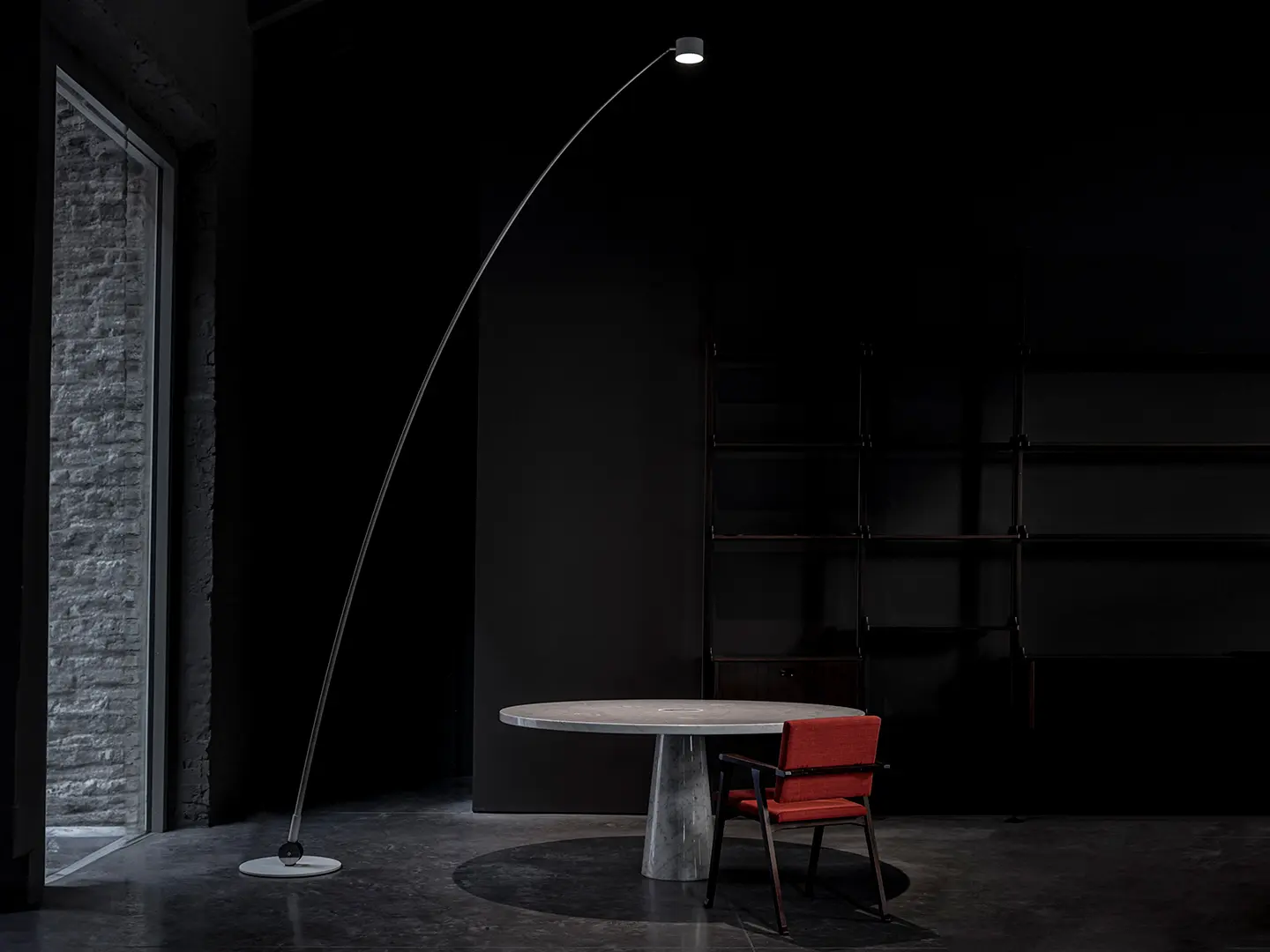
Sampei, Davide Groppi, designed by Enzo Calabrese - Davide Groppi
20 years
Twiggy lamp, designed by Marc Sadler, Foscarini
An icon of arc lamps, which has given rise to a family of various sizes and functions: suspension, floor, wall, ceiling, table, outdoor. A classic that continues to be renewed, even in the colours (with Burgundy the latest shade) and materials – wood -, but always notable for an elegant and supple line. The latest addition, Twiggy Elle, presented to celebrate its 15th birthday, stresses the versatility of its family likeness with a new rod that takes the diffuser – adjustable in three different positions – even further away from the base, so offering greater freedom in the design of spaces. Its versatility explodes in the Twiggy Wood version with oak diffuser. The new look travels in symbiosis with a decisive technical update to the lighting unit, redesigned as a single, fully enclosed body, with a reduced height that ensures more light is reflected, enhancing the inside of the lampshade.
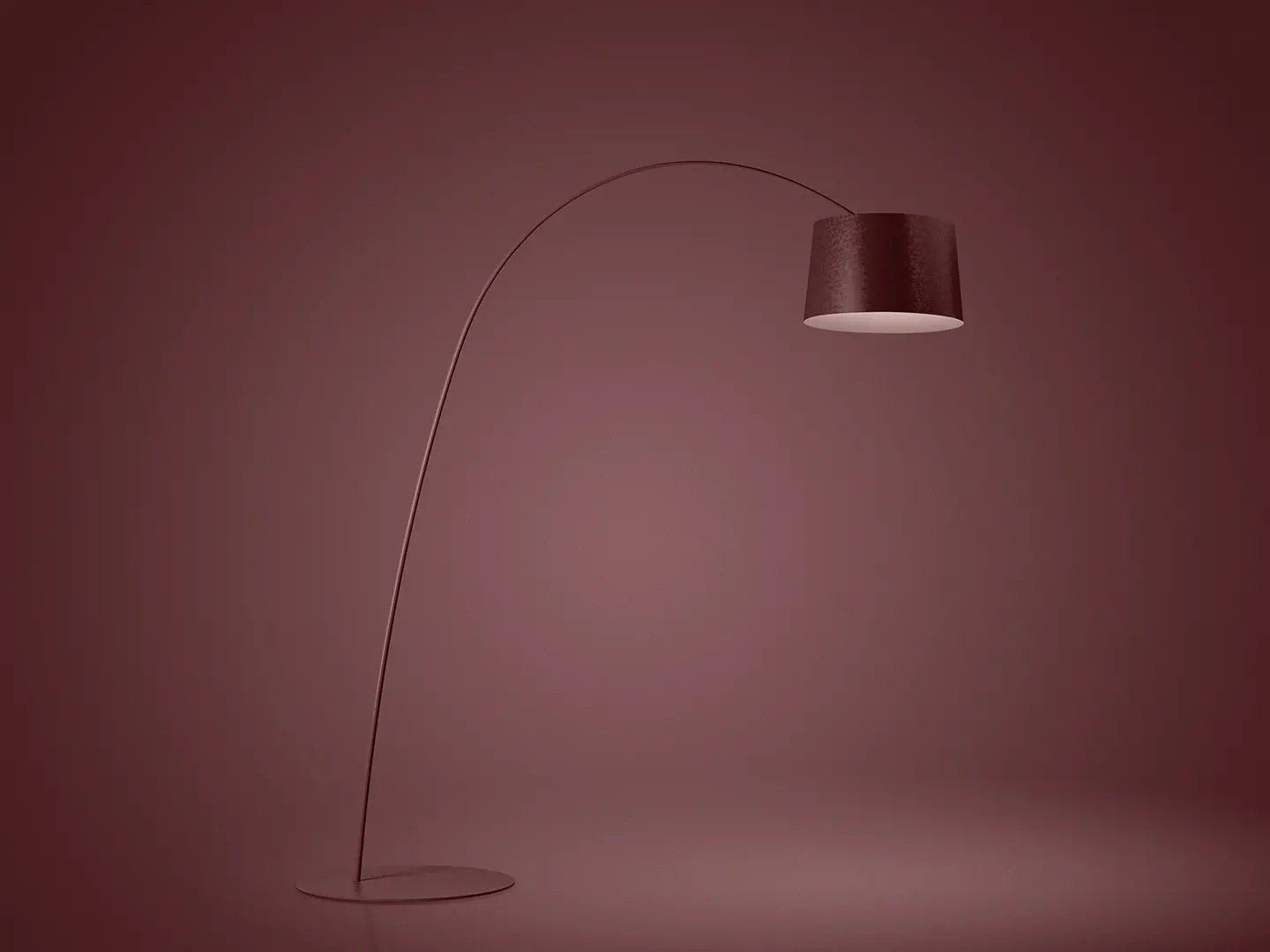
Twiggy Burgundy, Foscarini, designed by Marc Sadler
45 years
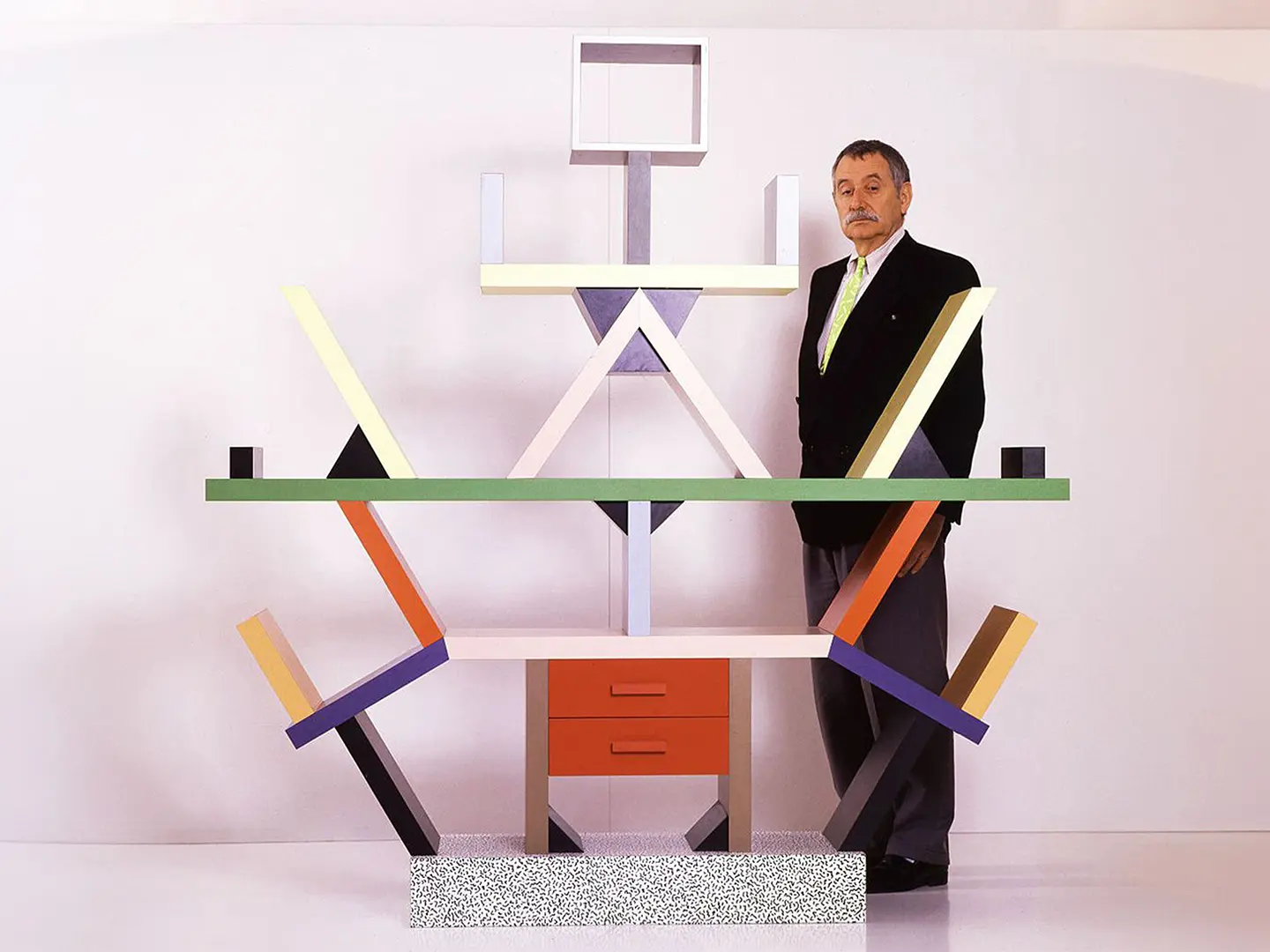
Carlton bookcase, designed by Ettore Sottsass, Memphis
A totem, which immediately became the symbol of the whole output of Memphis, the group formed in December 1980 by Ettore Sottsass with the declared intention of irreverently transgressing the rules of good design. A wooden bookcase covered in decorative laminate, characterized by bright colours and above all sloping shelves. It is a sculpture, the absolute protagonist of inhabited space, with an immediate allusion to archaic and anthropomorphic forms, presented at the Salone del Mobile in 1981. It is also a serious game that seems to reproduce an unstable house of cards in the search for new expressive potential. Also usable as a partition wall, revolutionizing the functionalist logic of living, the bookcase is in the design collection of the MoMA, New York.