

 Salone Selection

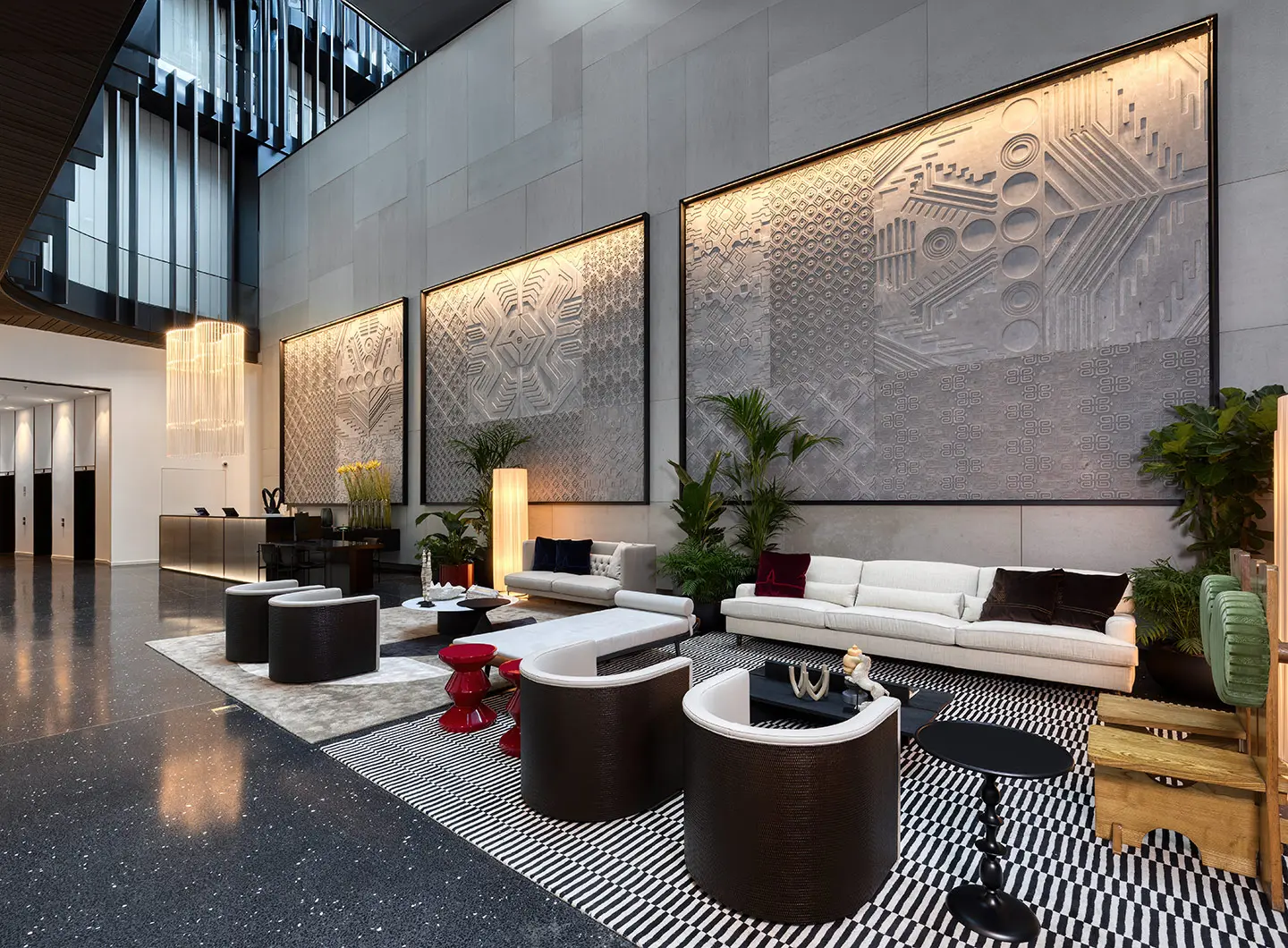
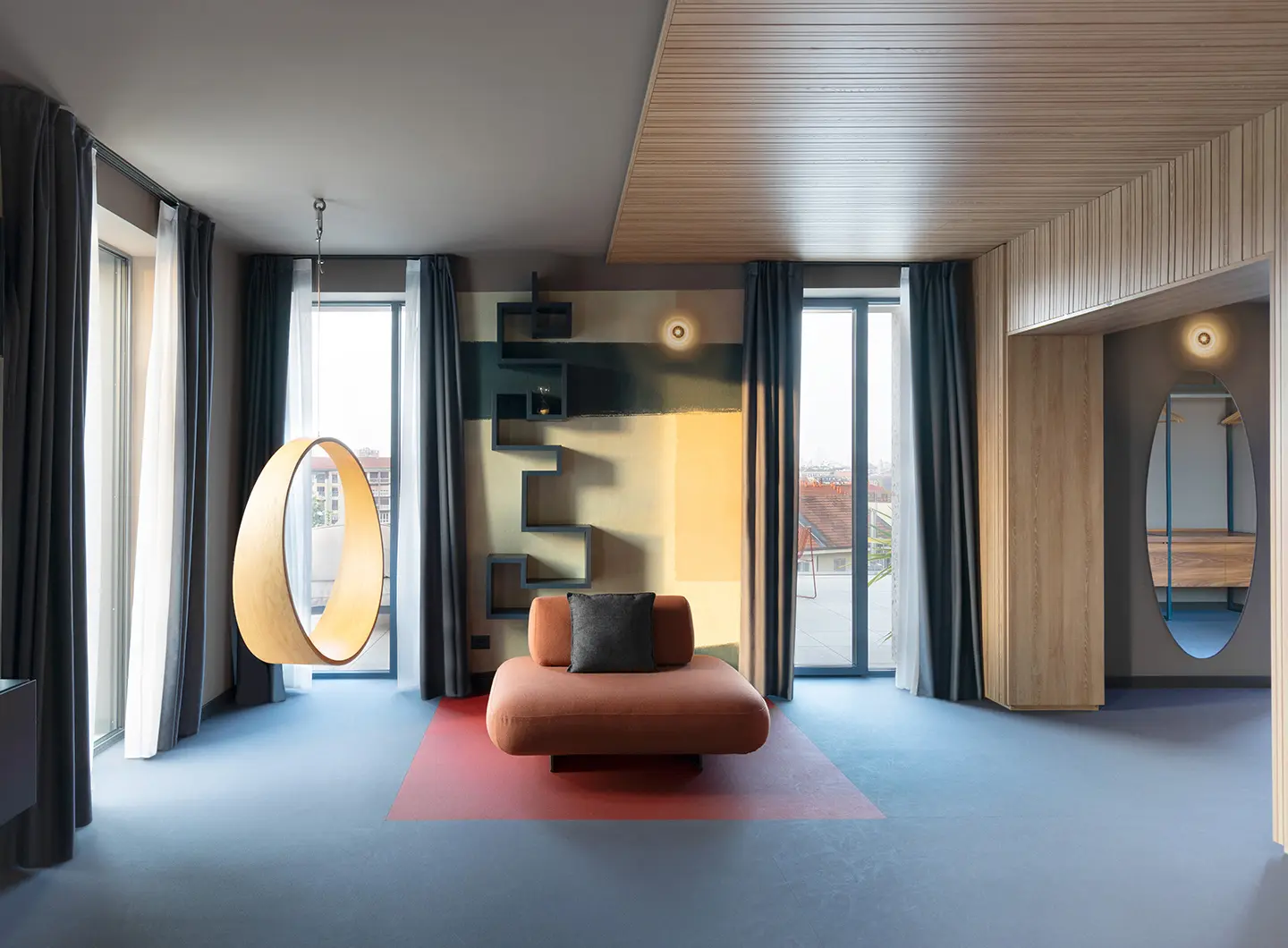
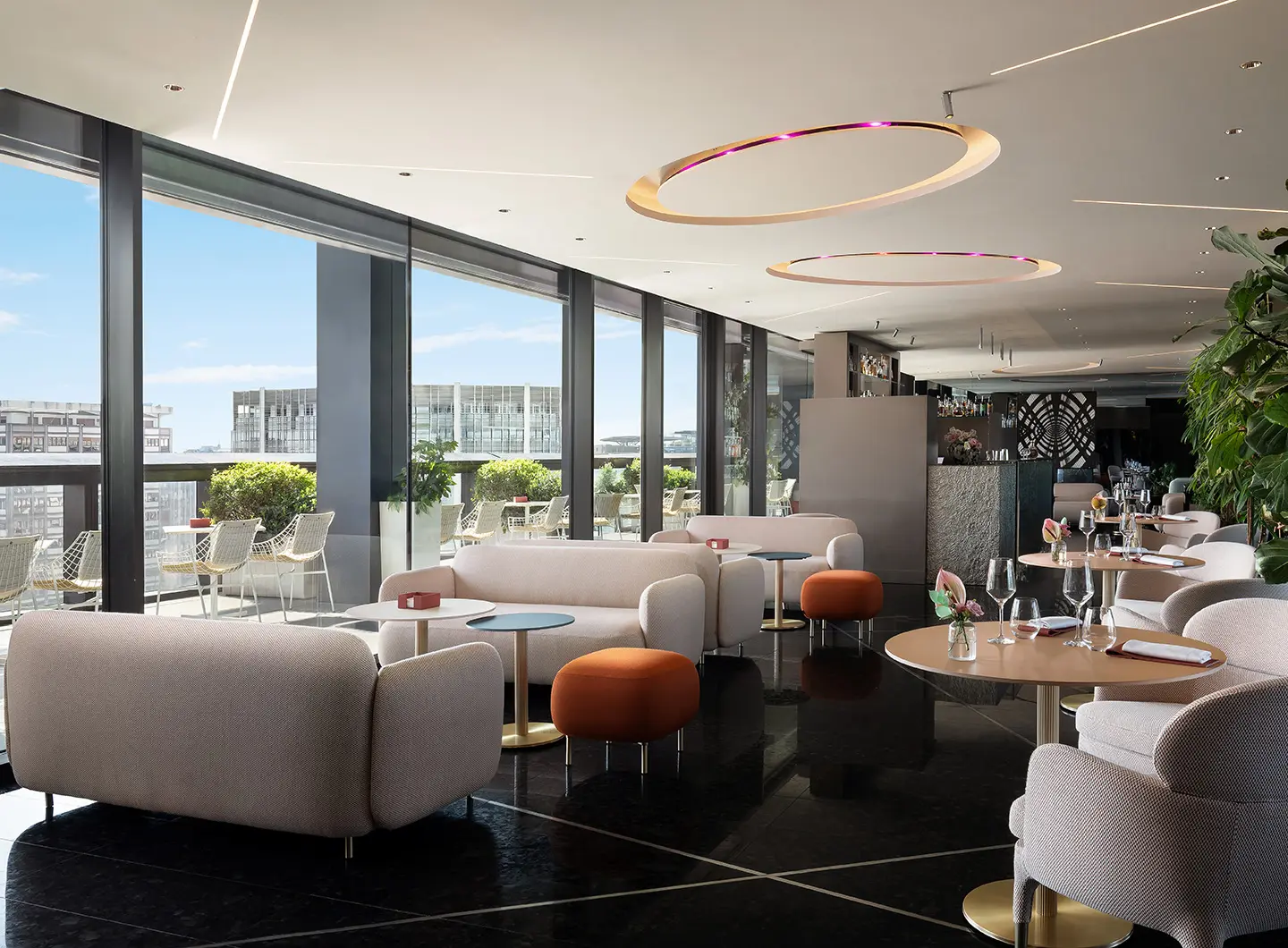
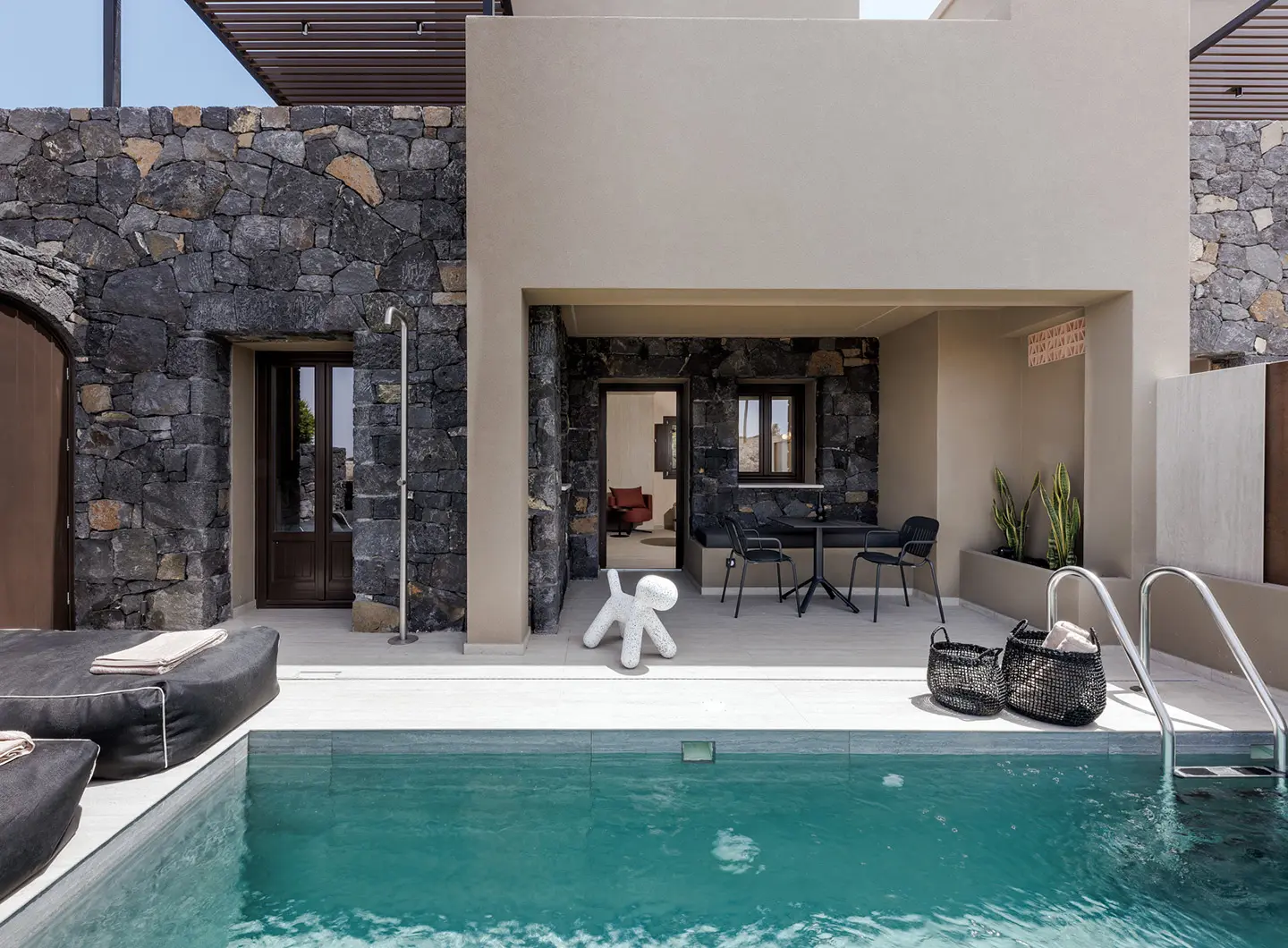




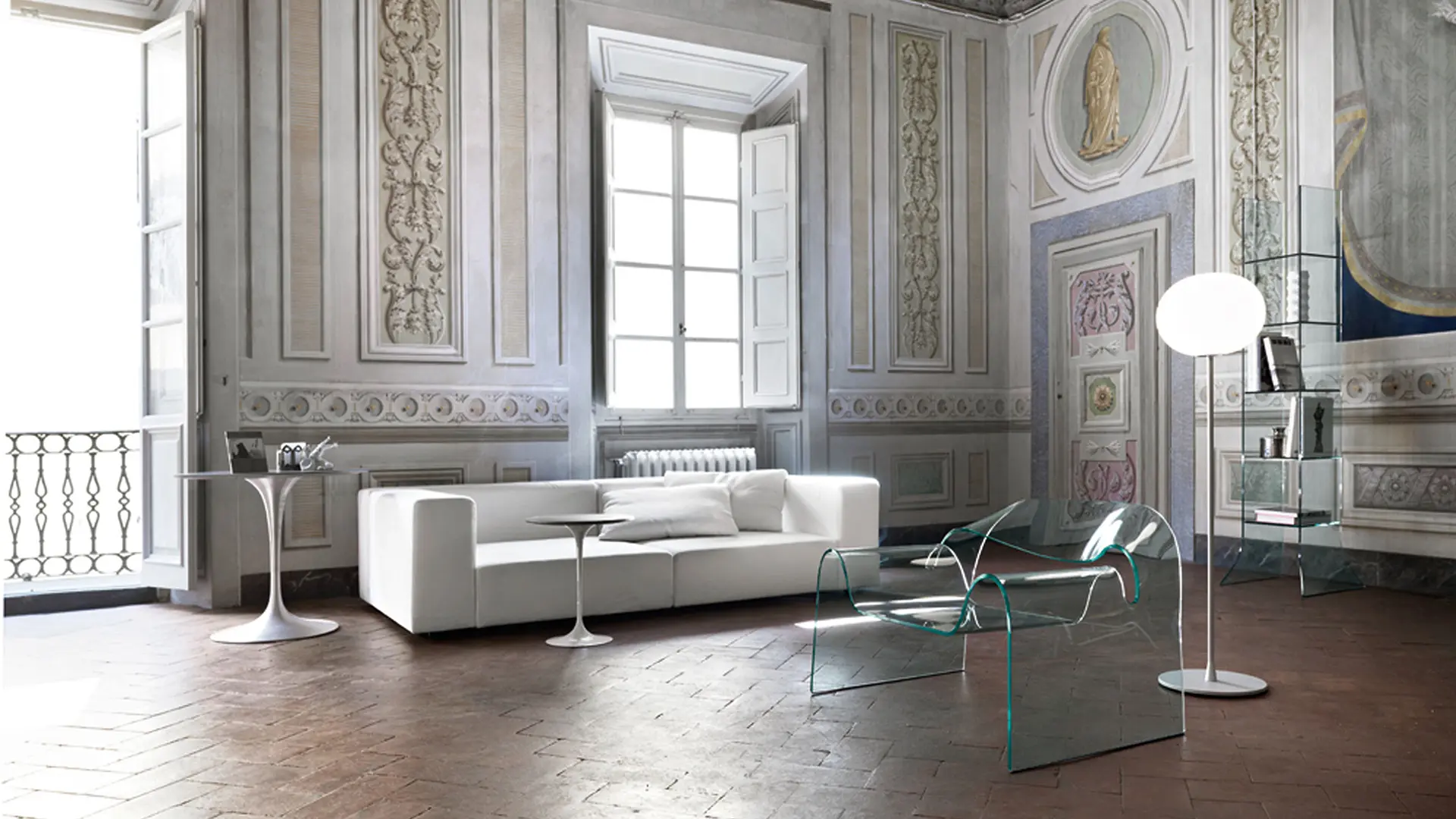
From the wardrobe that becomes "invisible" after use to the floating and incorporeal seat. 10 pieces by Sottsass, Magistretti, Starck and other designers who have made history. A mix of rigour and vision.
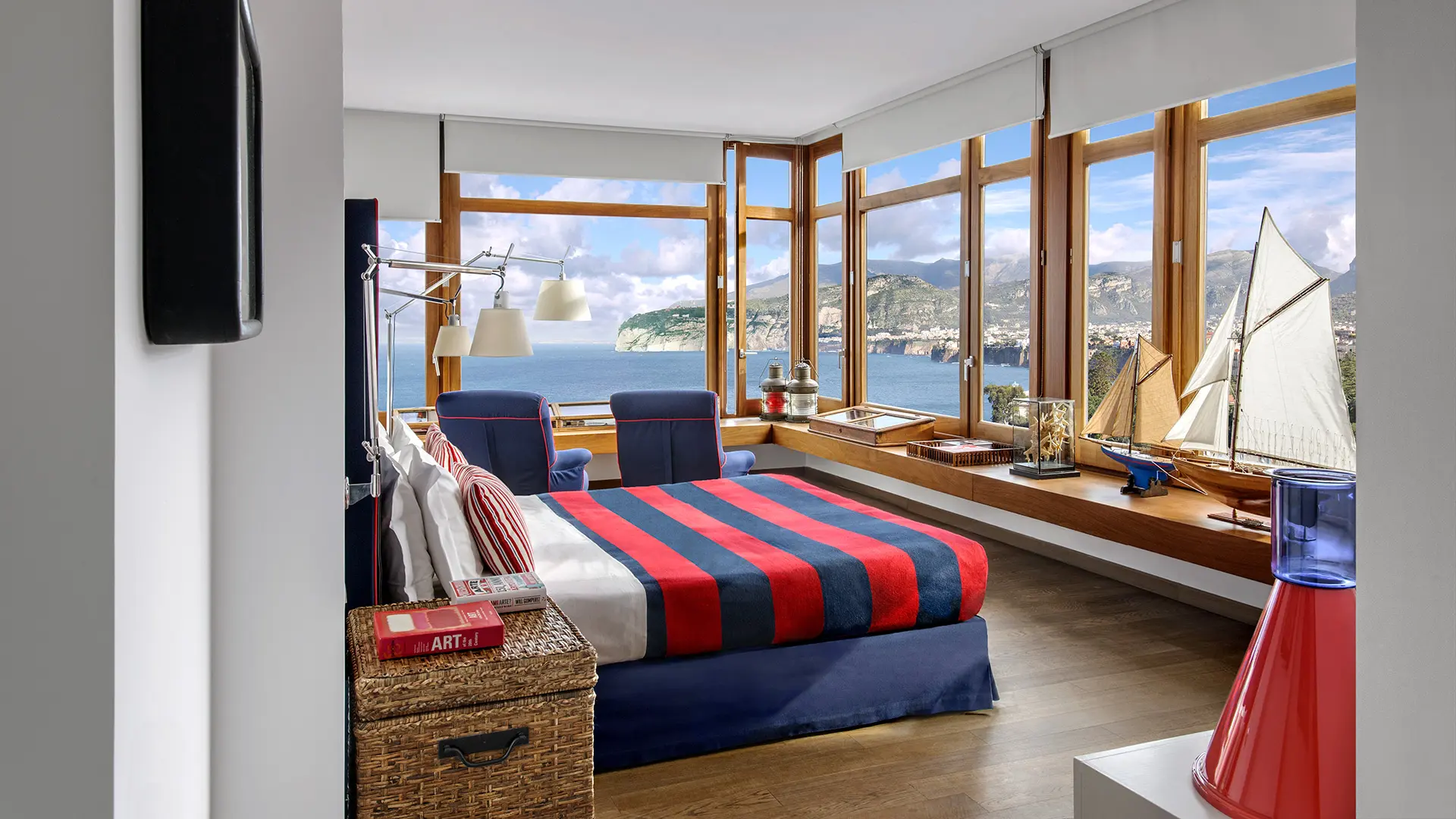
Maison La Minervetta, Sorrento, Italy, designed by Ettore Sottsass, Memphis, Gufram and Bitossi Ceramiche
The distance between an exceptional location and a memorable experience? In hospitality, design takes care to fill it. As these hotels around Europe show
How much does design count when it comes to hospitality? A whole lot more today, industry insiders agree. On the wave of the growth of the luxury market, but with interesting forays into all segments of positioning, design is transforming hotels into increasingly identitarian places, capable of making personalization and attention to detail tangible. A standout feature that the economic data also confirm. Investments by hotel groups are growing, identifying the uniqueness of the experience as a competitive brand lever (CBRE, Hotel Brand Performance 2025). And customer sensitivity to design-oriented hotels is growing, as shown by surveys among those who say they are willing to pay a premium to stay in those where a sense of place and the value of authenticity are rewarded (see the McKinsey & Company report on luxury & the experience economy, 2022–2023).
Maison La Minervetta, Sorrento, Italy
Whether design translates into a subtle, understated presence or is dramatically displayed, the hotel is transformed into a stage where the culture of design is embraced, exhibited and experienced. We can start our review with design hotels that have the air, albeit casual, of a small museum-house. Literally embedded in the cliffs of Sorrento, Maison La Minervetta has been welcoming travellers looking for a cosy and familiar boutique hotel since 1954. The interiors are a fresh blend of artworks, local craftsmanship and design furnishings. Ceramic wall tiles from Vietri, interpreted in shades of blue, recall the immediate presence of the sea and form the backdrop for works by Michelangelo Pistoletto, Vanessa Beecroft and Mario Schifano, as well as Danish design classics and an impressive collection of radical design pieces, notable among them a special tribute to Ettore Sottsass – the collection of vases from Bitossi Ceramiche is splendid, as are the pieces from Gufram and Memphis, including the Carlton bookcase. In the rooms, each with its own decor, the eye takes in the graphic character of the furnishings and wall coverings, but the most striking sight is Vesuvius, which dominates through the wall-windows overlooking the Gulf of Naples.
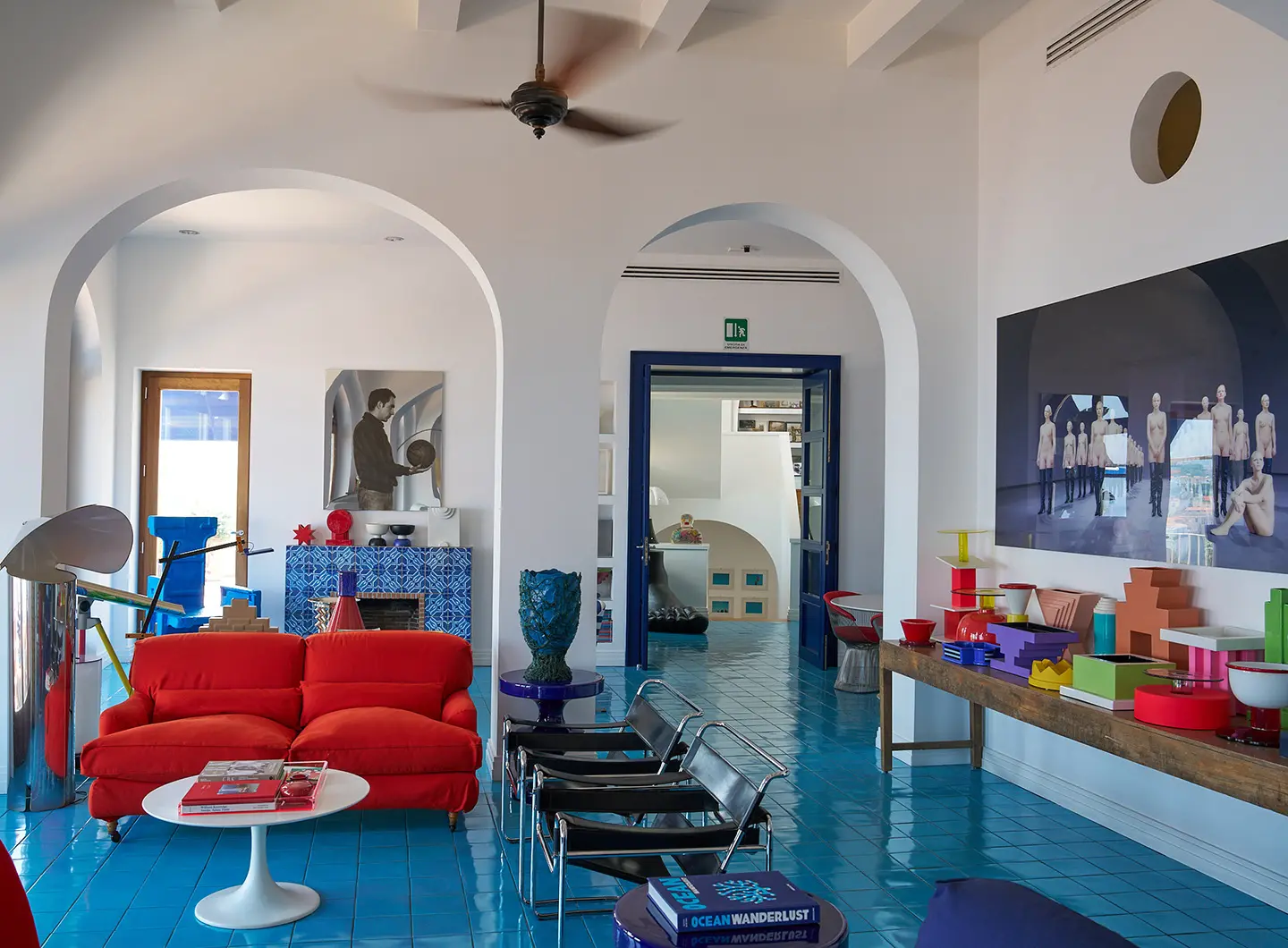
Maison La Minervetta, Sorrento, Italy, designed by Ettore Sottsass, Memphis, Gufram and Bitossi Ceramiche
Byblos Hotel, Saint-Tropez, France
Staying on the coast, but moving to France, the village of Saint-Tropez remains a mythological location when it comes to the French Riviera. Equally mythical is the Byblos hotel, which since 1967 has embodied the jet-set spirit that has animated this city since Brigitte Bardot’s heyday in the movies. The rooftop, recently renovated, has the Sky Bar, overlooking the bay: the project by UGO Architecture chose the Rotin Collection by Ethimo, the result of a recent collaboration with Studio Zanellato/Bortotto, with its original, exposed structure in pickled teak.
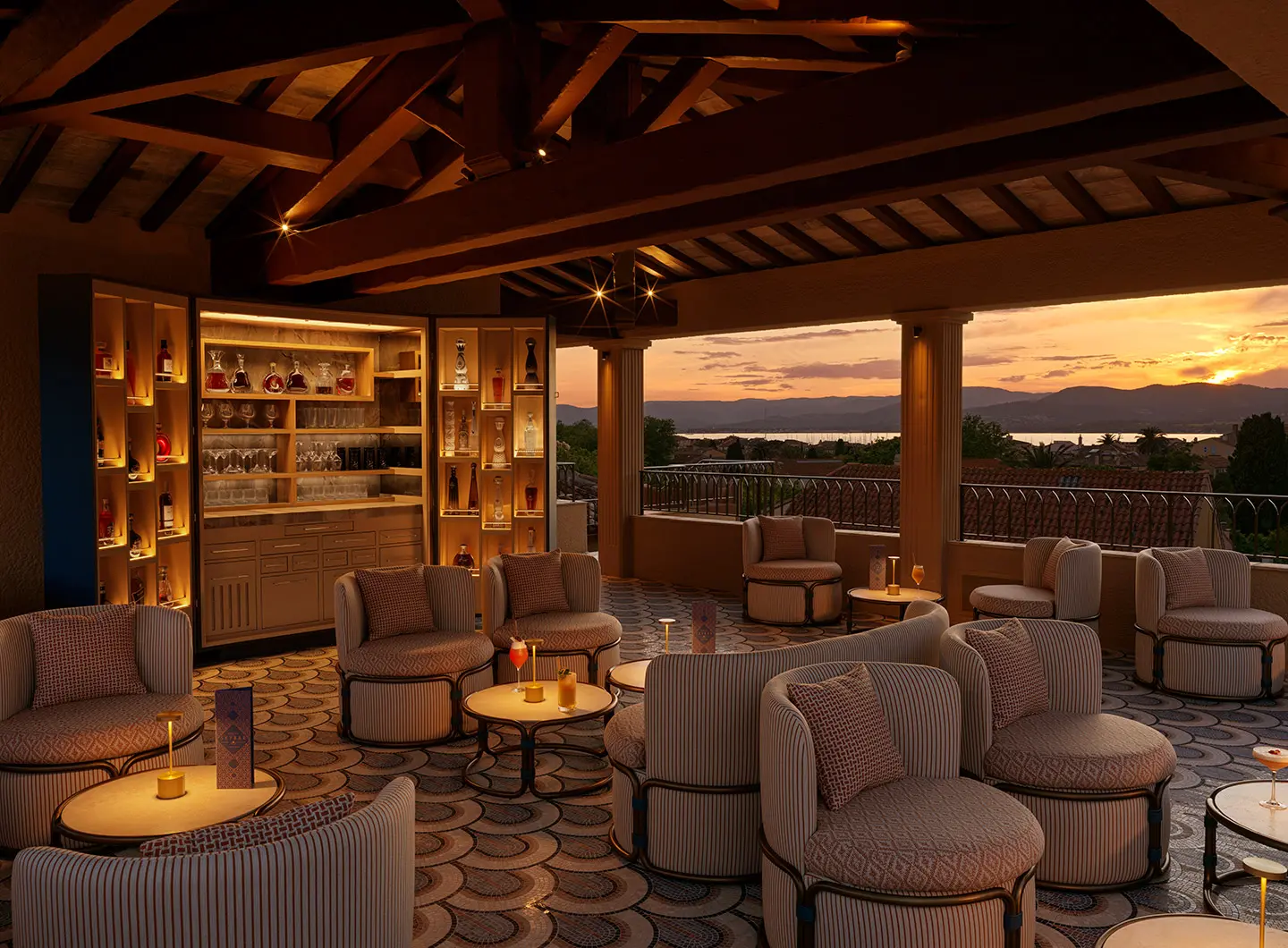
Byblos Hotel, Saint-Tropez, France, Sky Bar designed by UGO Architecture with furnishings by Ethimo in collaboration with Studio Zanellato/Bortotto - ©Stephen Julliard
Villa Colette, Cap Ferret, France
At Cap Ferret facing the Atlantic Ocean, Villa Colette, a new project by Philippe Starck, has recently been inaugurated. The interiors reflect the master’s undisputed ability to give hotels a personal, never sterile character. This stems from the mix of upholstery and materials, including ceramics, mirrors, fabrics and wickerwork, and the ability to update classic types and forms, such as the Cy sofa bed by Campeggi. There is also a small narrative implication: the concept animating the renovation of the structure, a nineteenth-century villa in neoclassical style, is inspired by a fictional character, a French actress called Colette, where the villa becomes the buen retiro that might have hosted her in the 1930s.
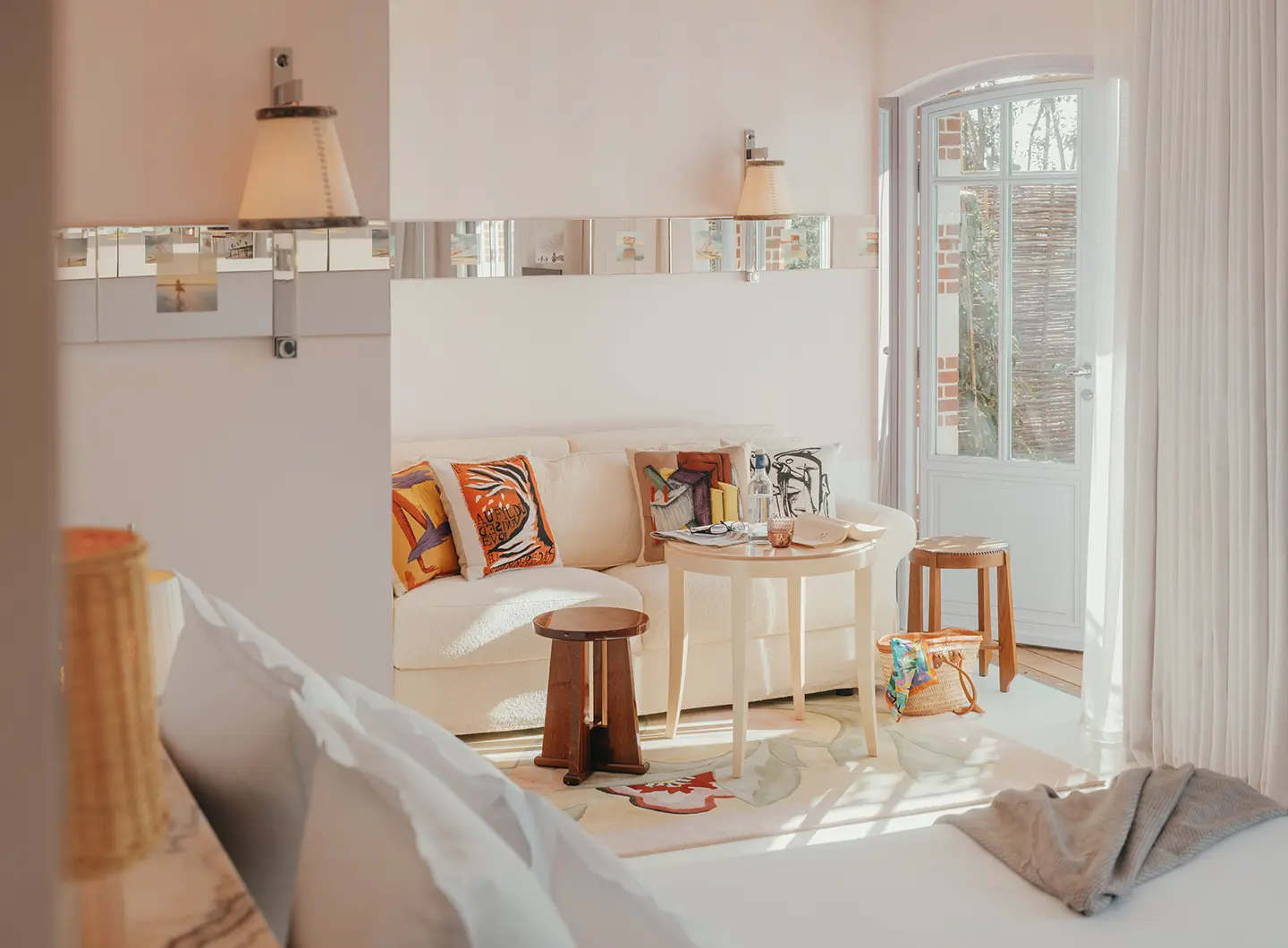
Villa Colette, Cap Ferret, France, designed by Philippe Starck
25Hours Hotel Piazza San Paolino, Florence, Italy
Even cities of art do not escape the temptation to reinterpret their cultural heritage with a literary makeover. In Florence, Paola Navone with OTTO Studio looked at the Divine Comedy in the transformation of the city’s historic Monte de’ Pegni into the 25Hours Hotel Piazza San Paolino. The impressive communal areas, generously welcoming with seats by Gervasoni and Baxter, have established themselves as the city’s new spectacular salon. And in the guests’ rooms the theme of Dante’s universe offers a choice between the restful Paradise or the vibrant Inferno.
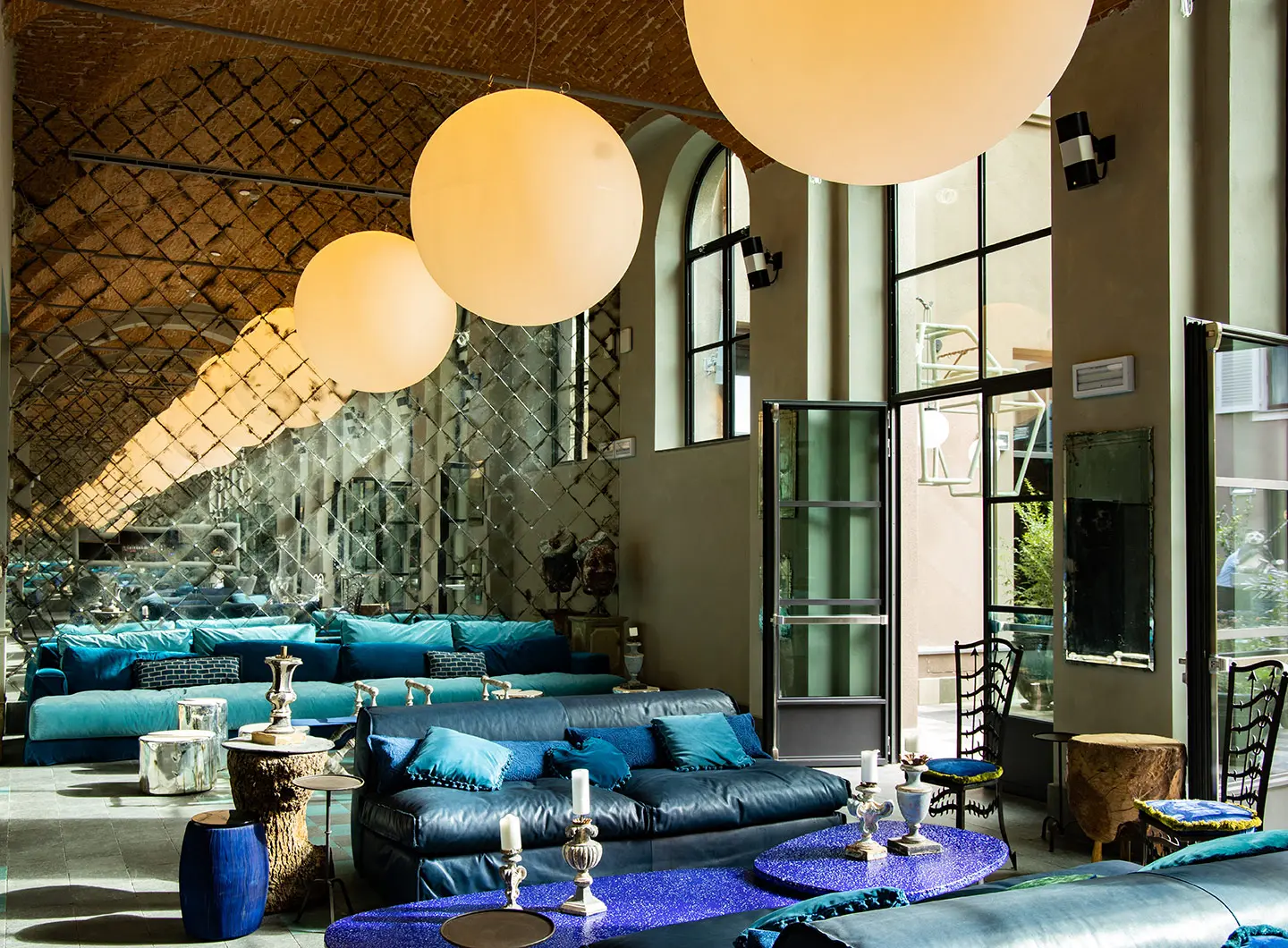
25hours Hotel Piazza San Paolino, Florence, Italy, designed by Paola Navone / OTTO Studio - ©Dario Garofalo
Casa Howard, Florence, Italy
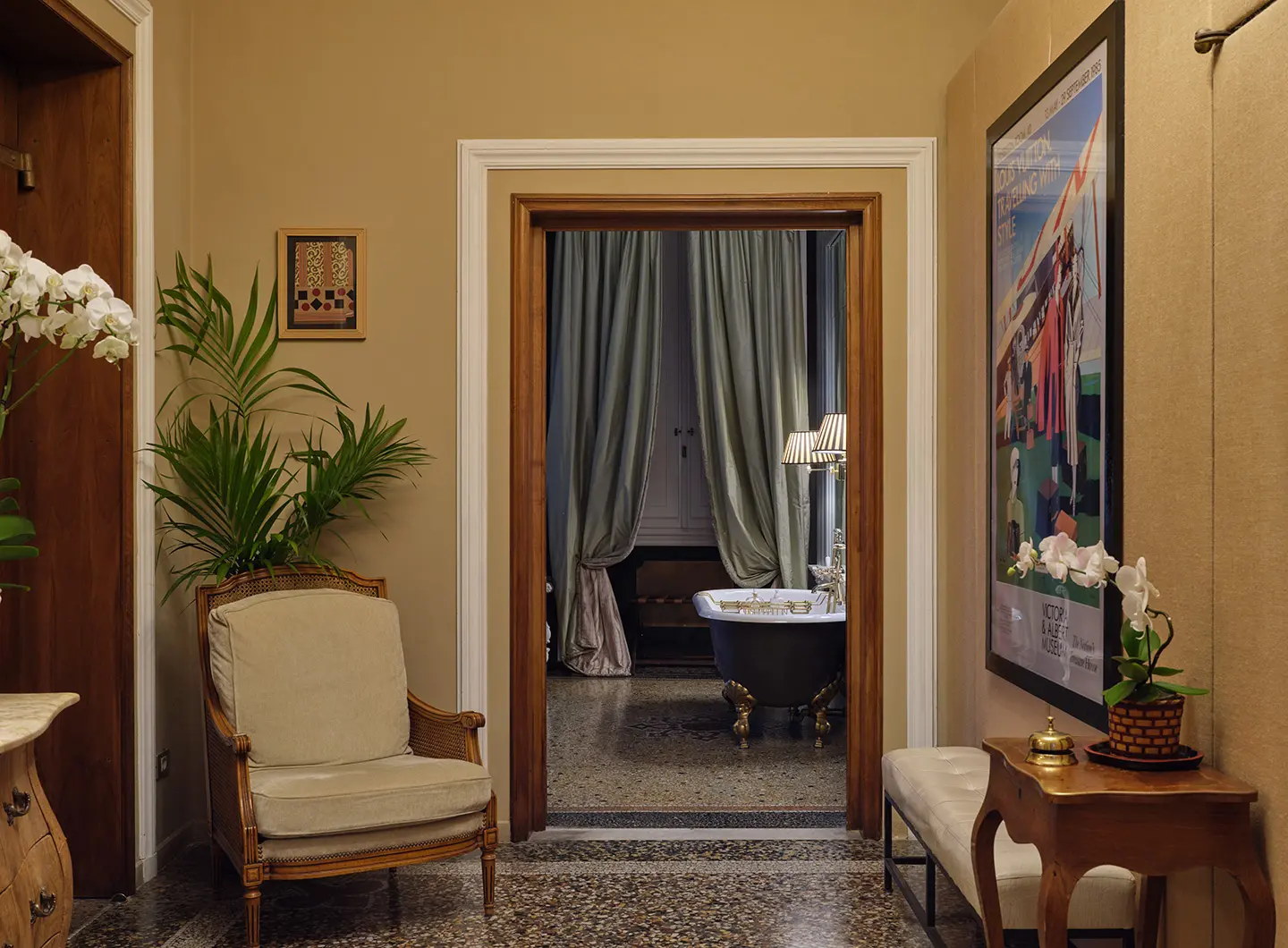
Also in Florence, Casa Howard embodies a historic sixteenth-century residence like a cocoon dominated by bright colours and fine fabrics. In each room, antiques and furnishings in a classic contemporary style create a timeless dimension – not immune to eclectic incursions even in postmodern style – while the freestanding cast iron bathtubs by Devon&Devon dominate the middle of the rooms as a scenic invitation to relax.