


 Stories

China accounts for 72% of the Asia-Pacific contract market potential
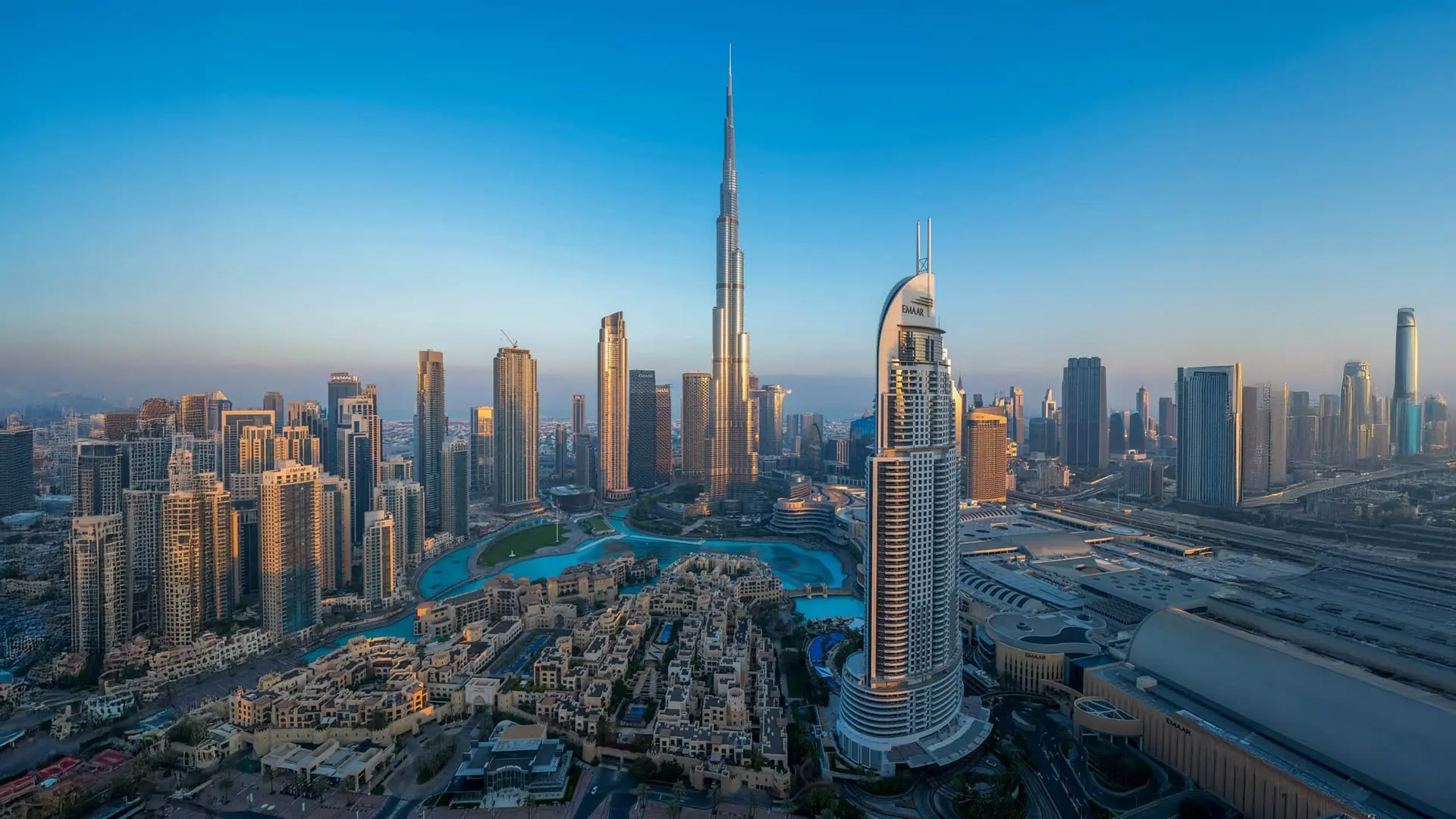
Ph. Burj Khalifa
From the Burj Khalifa to the China Zun, the following are the tallest buildings on the planet according to the Council on Vertical Urbanism, the Chicago-based non-profit organisation that has been setting the criteria for measuring their height since 1996
È il 1996 l’anno in cui il Council on Tall Buildings and Urban Habitat (CTBUH) compila la prima classifica dei grattacieli più alti del mondo. Lo fa per risolvere una questione: sono più alte le Petronas Towers di Kuala Lumpur o la Sears Tower di Chicago? Le torri malesi hanno il tetto più basso, ma presentano delle guglie, mentre la Sears ha “solo” delle antenne. È in questo contesto che l’ente no-profit stabilisce un criterio fondamentale, ancora oggi in vigore: nel calcolo dell’altezza di un grattacielo le guglie contano, mentre antenne, insegne e apparati tecnici no.
The Council on Tall Buildings and Urban Habitat (CTBUH) compiled its first ranking of the world’s tallest skyscrapers back in 1996. It did so in order to resolve the issue of whether the Petronas Towers in Kuala Lumpur was taller than the Sears Tower in Chicago or vice versa. The Malaysian towers have a lower roof, but feature spires, whilst the Sears Tower ‘only’ has aerials. This formed the background to the non-profit organisation’s establishment of a fundamental criterion, still in force today - when calculating the height of a skyscraper, spires count, whereas aerials, signs and technical equipment do not.
Other rules introduced by the CTBUH stipulate that height is measured from the main pedestrian entrance to the architectural top; that in order to be classified as a building rather than a tower, at least 50 per cent of the height must be occupiable. This criterion, for example, excludes the Tokyo Skytree, which at 634 metres would be third in this ranking, ahead of the Shanghai Tower - it is a telecommunications tower, not a skyscraper. Furthermore, to feature in the ranking, a skyscraper must be complete: the structure must be finished, the cladding complete, and the doors open to the public. The following is therefore a ranking of existing and accessible buildings; construction sites, however advanced, are excluded.
The well-known knock-on effect of these criteria is ‘vanity height’ i.e. the portion of a building having no functional purpose, serving only to boost its ranking. The Burj Khalifa boasts 244 metres of this, almost a third of its total height.
In October 2025, the CTBUH changed its name to the Council on Vertical Urbanism. The database remains the same – The Skyscraper Centre – and it is still the only source recognised by the industry.
Meanwhile, the rankings have come to a standstill. The Burj Khalifa has been number one since January 2010 - sixteen years, the longest supremacy since the days of the Empire State Building. The two buildings expected to overtake it are subject to intermittent construction – the Jeddah Tower, at 1,008 metres, which was halted in 2017 and resumed in 2023; and the Dubai Creek Tower, which has experienced several interruptions. The kilometre remains the dream that architecture has been pursuing for a century, and which remains as yet unfulfilled.
The following are the ten tallest buildings in the world according to the non-profit organisation.
Burj Khalifa, Dubai, 828 m
Designed by Adrian Smith for SOM, it is supported by a buttressed core, a concrete spine running through the entire building. Originally intended to be called Burj Dubai - it took its name from the ruler of Abu Dhabi, who stepped in with his own funds when the financial crisis brought construction to a halt.
Merdeka 118, Kuala Lumpur, 679 m
The name means ‘independence’, and the 118 storeys are referred to in the name. The faceted façade reflects light in different ways according to the time of day. Designed by Fender Katsalidis, it has stolen the Malaysian record from the Petronas Towers – just a few hundred metres away – which they had held since 1998.
Shanghai Tower, Shanghai, 632 m
The 120-degree twist running the entire height of the tower is not merely a design feature: it reduces the wind load on the structure by around a quarter. The American firm Gensler has wrapped the tower in a double-skin glass façade, with 270 wind turbines housed in the cavity between the two façades.
Makkah Royal Clock Tower, La Mecca, 601 m
Designed by the Lebanese firm Dar Al-Handasah, it forms part of the Abraj Al-Bait, a complex of seven towers built adjacent to the Great Mosque. The clock is visible from over 25 kilometres away. The complex accommodates Hajj pilgrims, and it is the tallest skyscraper ever built for an explicitly religious purpose.
Ping An Finance Center, Shenzhen, 599 m
Four corner columns that taper as they rise. The cladding is made of stainless steel - 1,700 tonnes -designed to withstand Shenzhen’s subtropical humidity. Designed by Kohn Pedersen Fox, it is the tallest building in the ranking to be dedicated entirely to office space.
Read also: Urban regeneration in Italy. Stories, prospects, projects
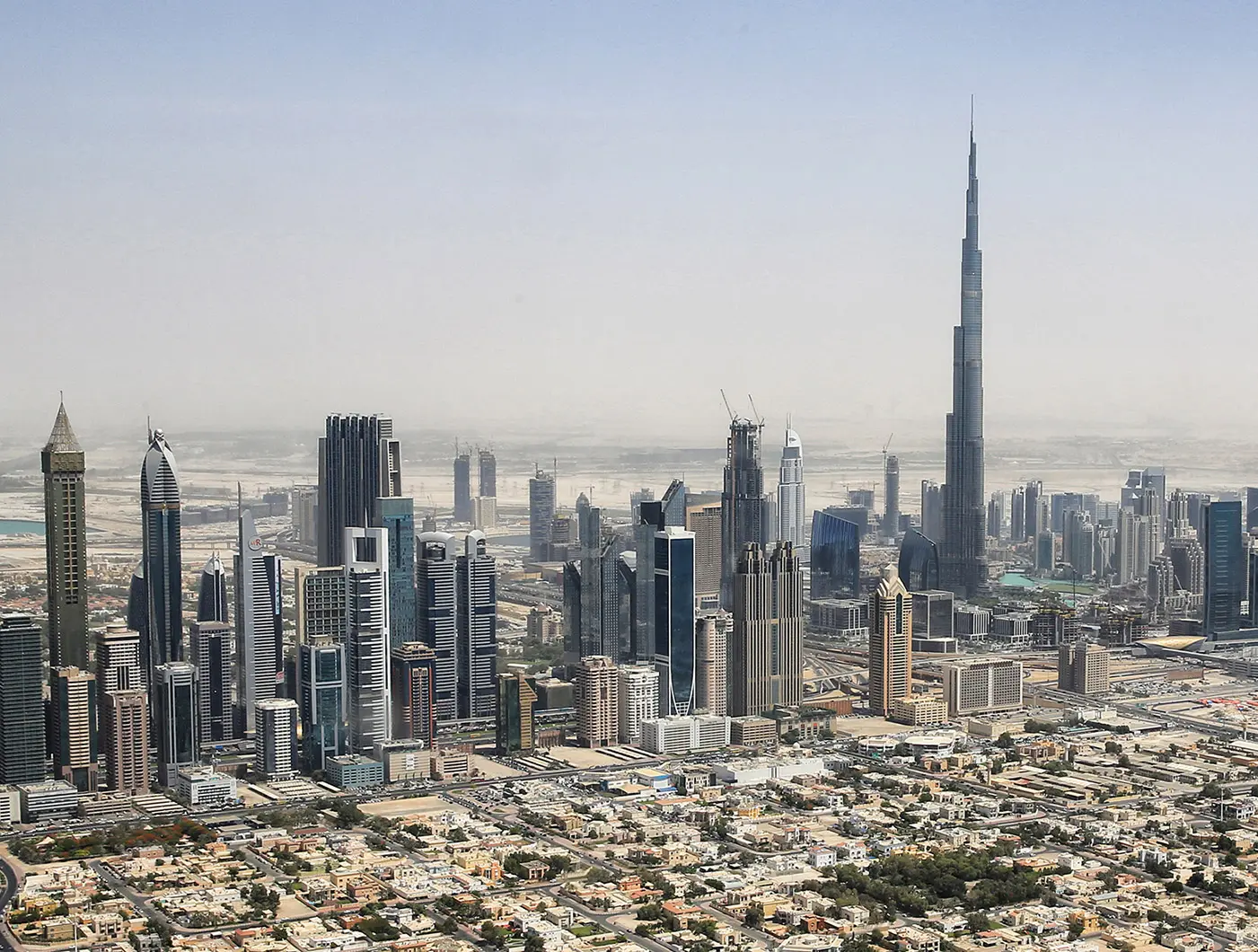
Burj Khalifa, Dubai - Ph. Tim Reckmann / Wikimedia Commons
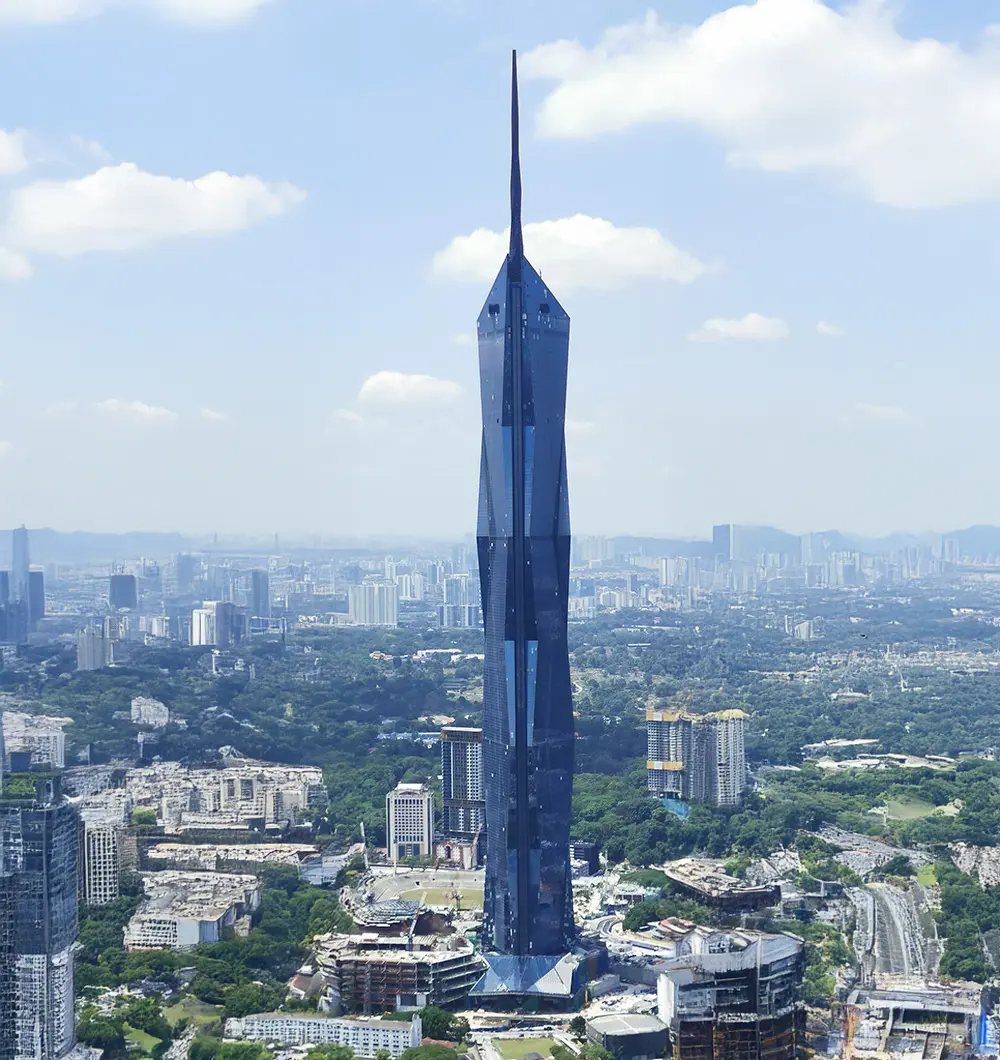
Merdeka 118, Kuala Lumpur - Ph. InterEdit88 / Wikimedia Commons
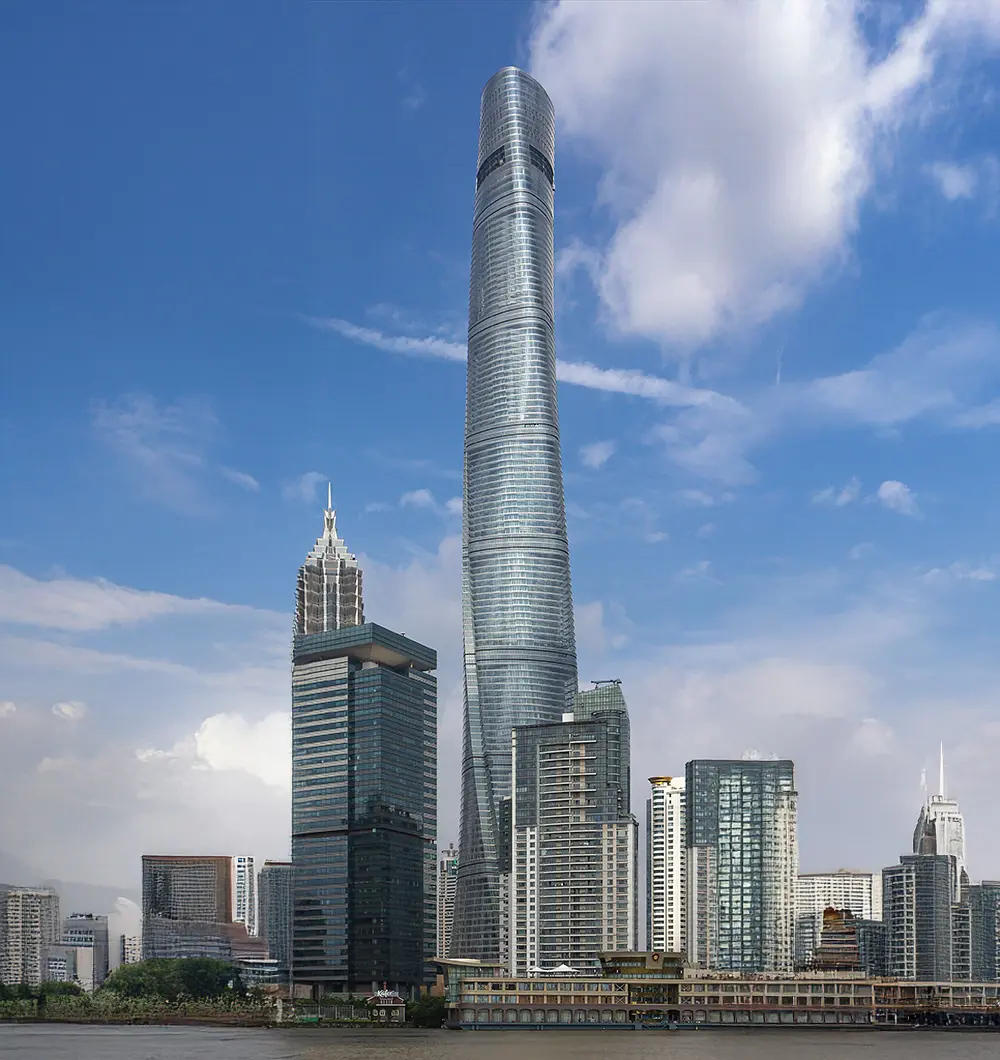
Shanghai Tower, Shanghai - Ph. Stefan Fussan / Wikimedia Commons
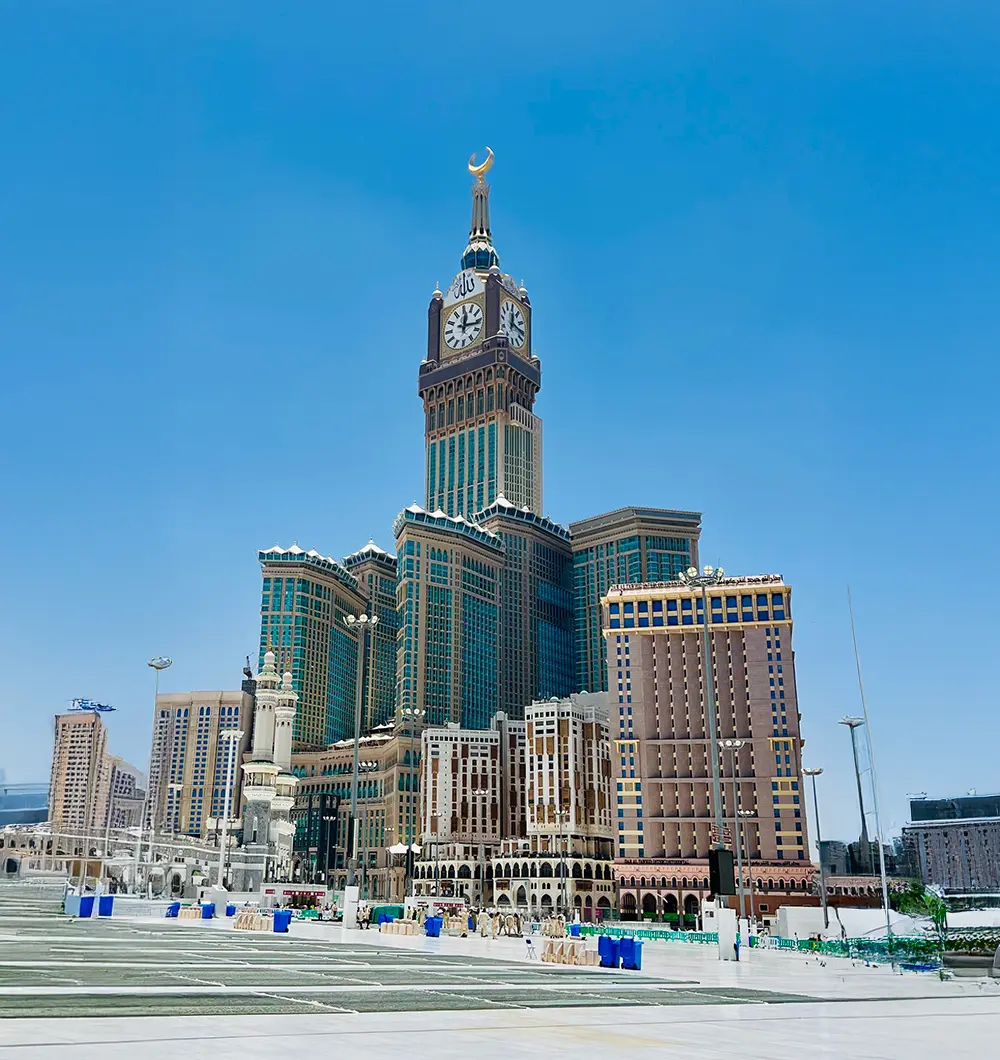
Makkah Royal Clock Tower, La Mecca - Ph. Rubel Miah
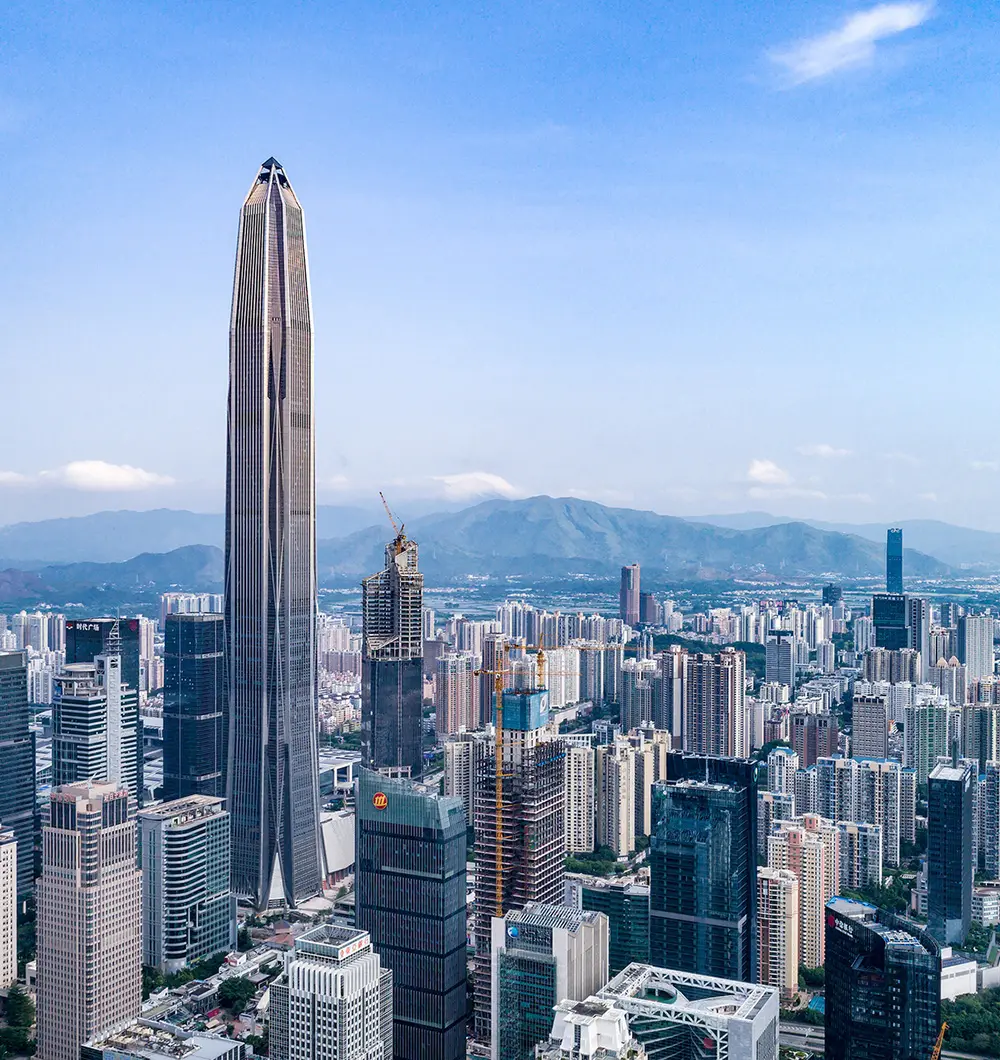
Ping An Finance Center, Shenzhen - Ph. Tim Griffith


Lotte World Tower, Seoul, 555 m
Designed by the same firm as the Ping An Tower and completed in the same year. Its tapered silhouette draws inspiration from traditional Korean ceramics and brushwork. The Seoul Sky observation deck with a glass floor is on the 118th floor. The building houses a hotel, residential units, offices and retail space within a single structure.
One World Trade Center, New York, 541 m
541 metres equals 1,776 feet: the year of the Declaration of Independence. Designed by SOM, it stands on the site of the Twin Towers. It is the only US building in the top ten, and the only one in the whole of the Western Hemisphere.
Guangzhou CTF Finance Centre, Guangzhou, 530 m
Joint eighth place, to the nearest metre, and the third building in the ranking designed by Kohn Pedersen Fox. It comprises a hotel, residential units and offices across 111 storeys, featuring some of the world’s fastest lifts. It is situated in Zhujiang New Town, a financial district built almost entirely over the last twenty years.
Tianjin CTF Finance Centre, Tianjin, 530 m
The other building in eighth place. Same client, the Chow Tai Fook Group; exactly the same height; 14 storeys lower. SOM designed a curved structure with an aerodynamic function: to ‘confuse the wind’, reducing the formation of vortices. It is the tallest building in the world under 100 storeys high.
CITIC Tower, Beijing, 528 m
The British firm TFP Farrells modelled the tower on the zun, the Chinese ritual vessel from which it takes its name and shape - wide at the base, narrow in the middle, and wide again at the top. It is the tallest building in Beijing and the only one of the ten given over entirely to offices.
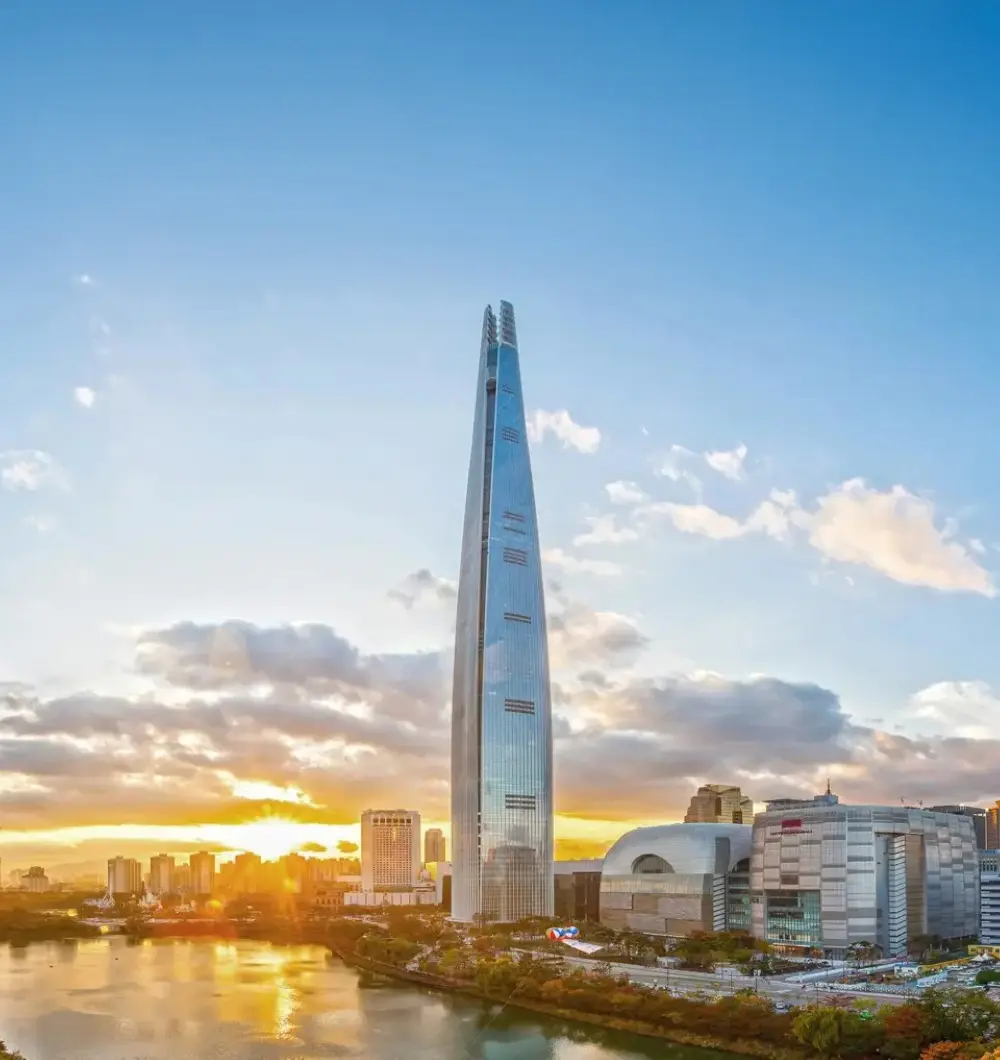
Lotte World Tower, Seul - Ph. Courtesy KPF
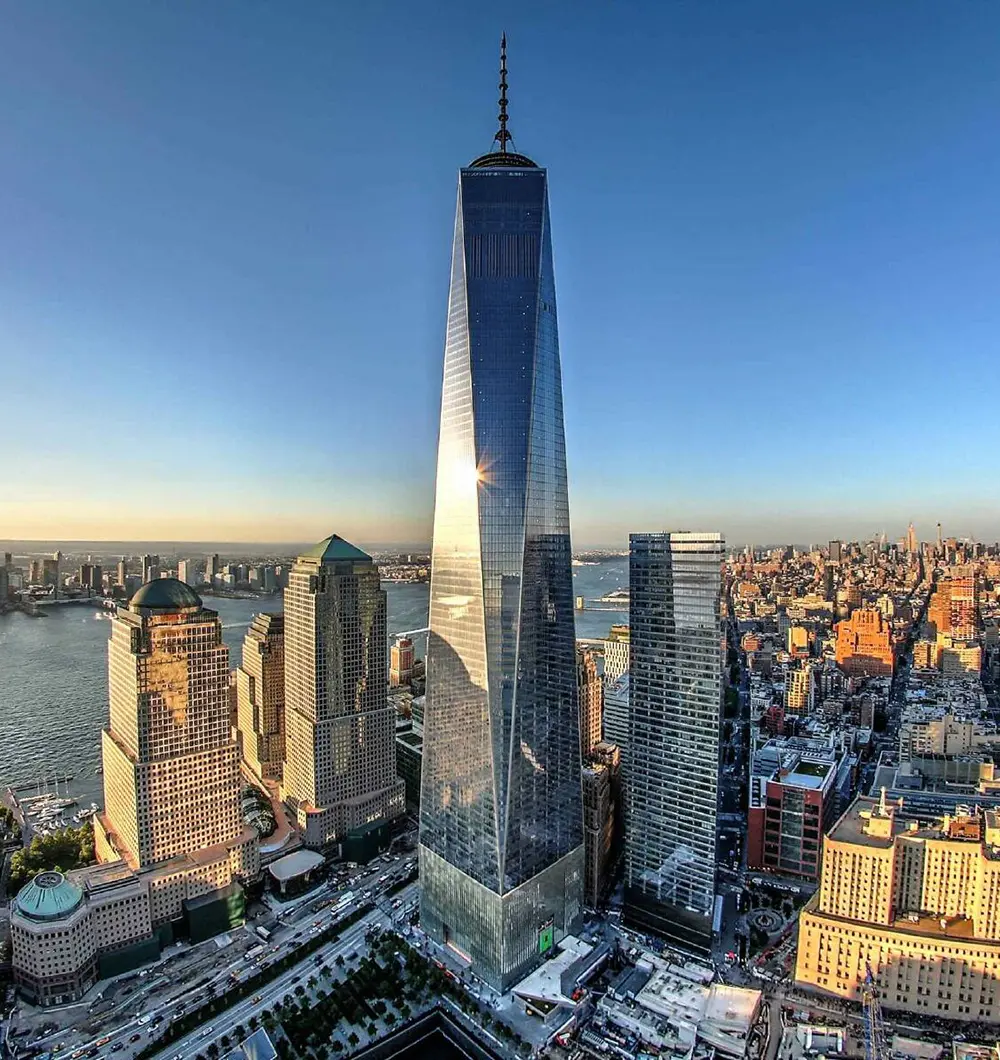
One World Trade Center, New York -
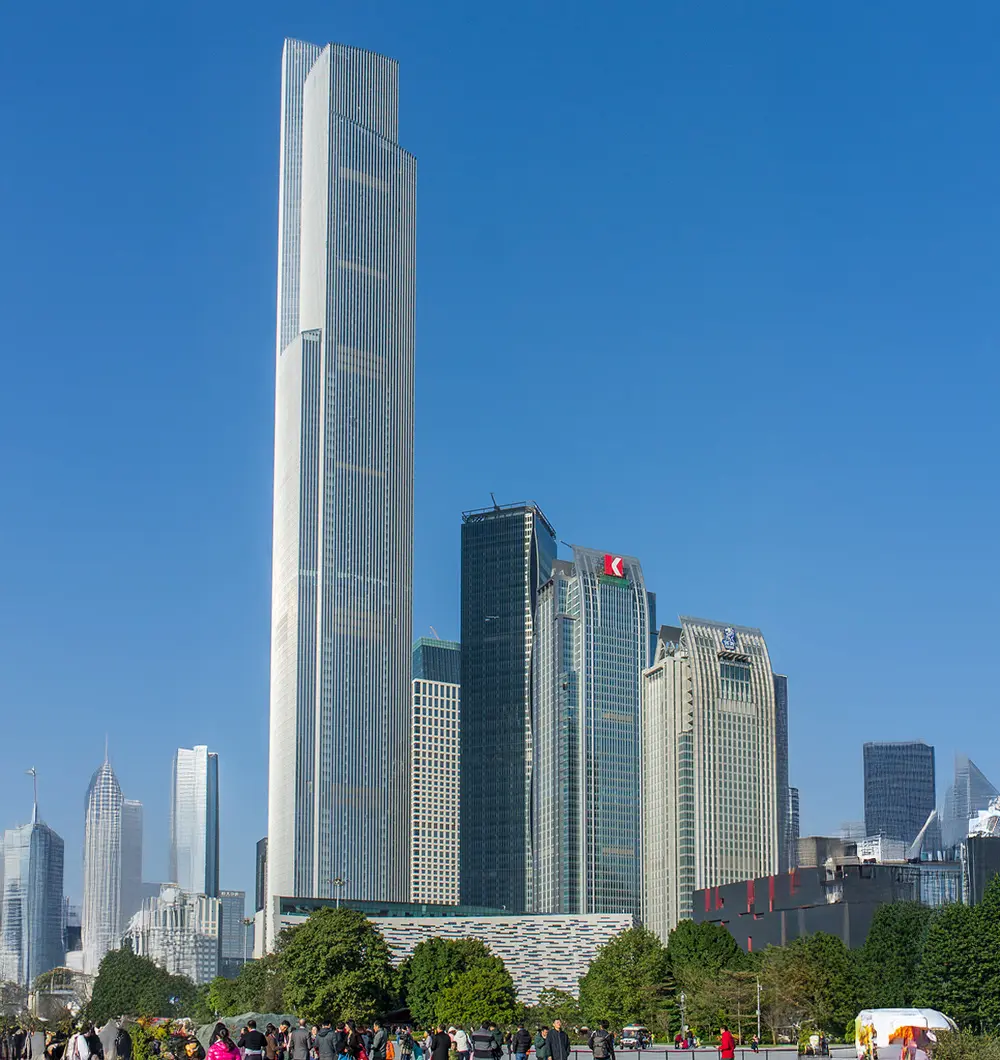
Guangzhou CTF Finance Centre, Guangzhou - Ph. Shujianyang / Wikimedia Commons
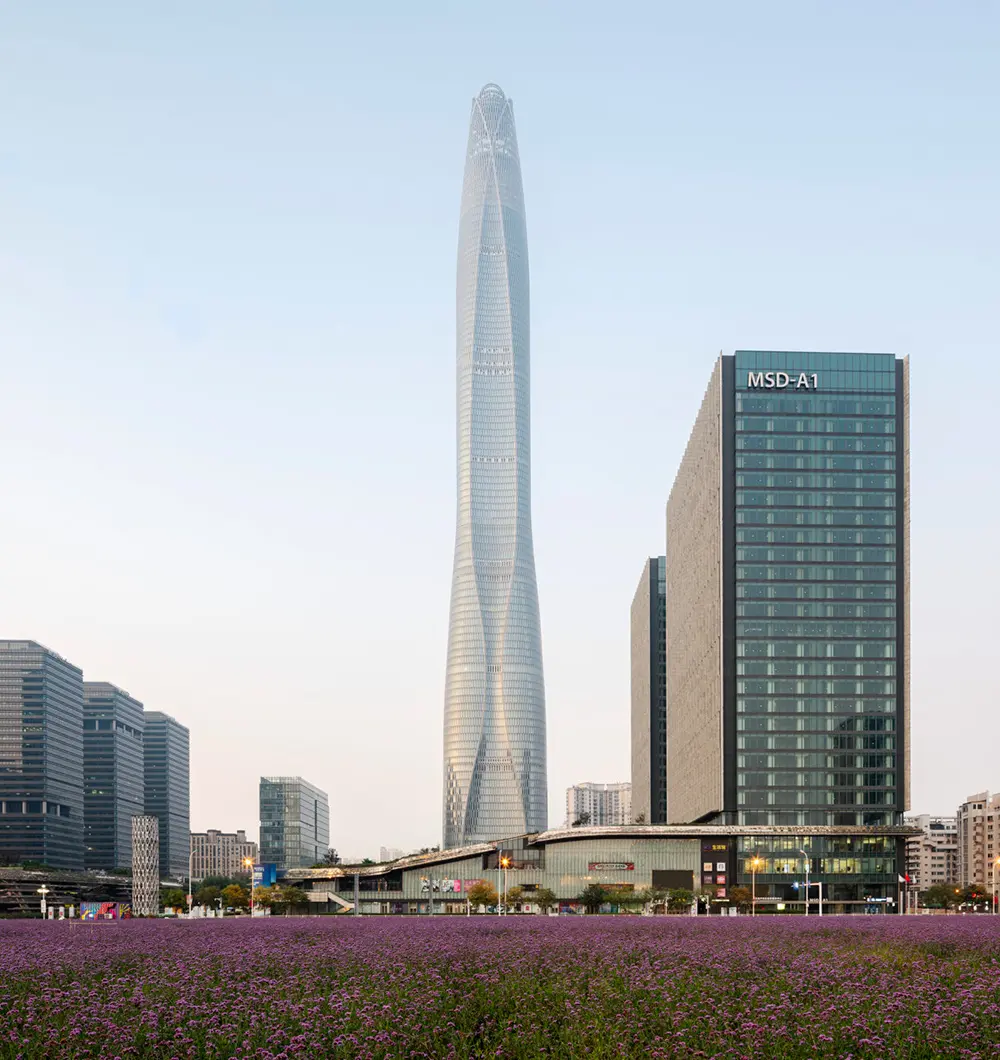
Tianjin CTF Finance Centre, Tianjin - Ph. Seth Powers, courtesy SOM
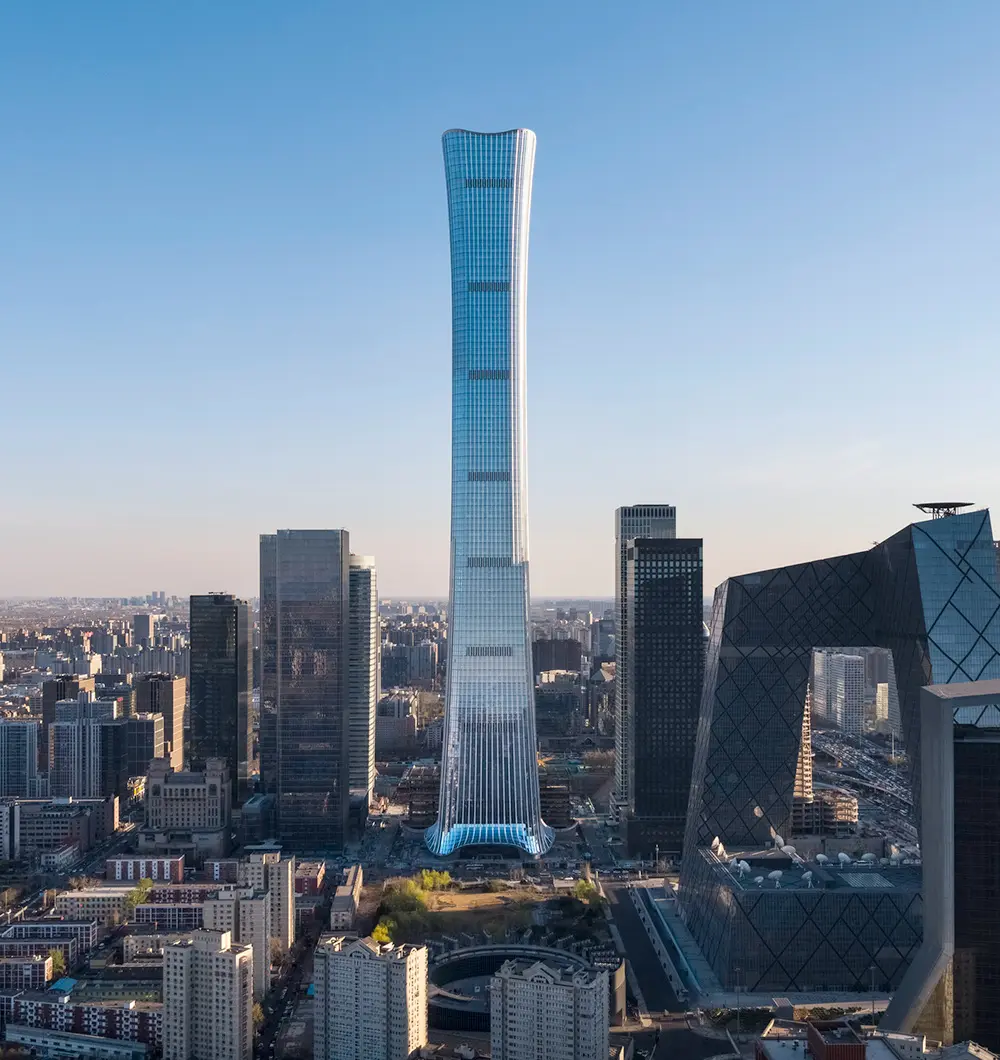
CITIC Tower, Pechino - Ph. Courtesy KPF
30 July 2026
Share




Shanghai World Financial Center, Oriental Pearl Tower and the city’s other iconic buildings
From Pudong's iconic skyscrapers and the Oriental Pearl Tower to first edition of the Salone Contract Tour, stop and the latest architectural landmarks along the Huangpu River: a journey into contemporary Shanghai


