

 Stories





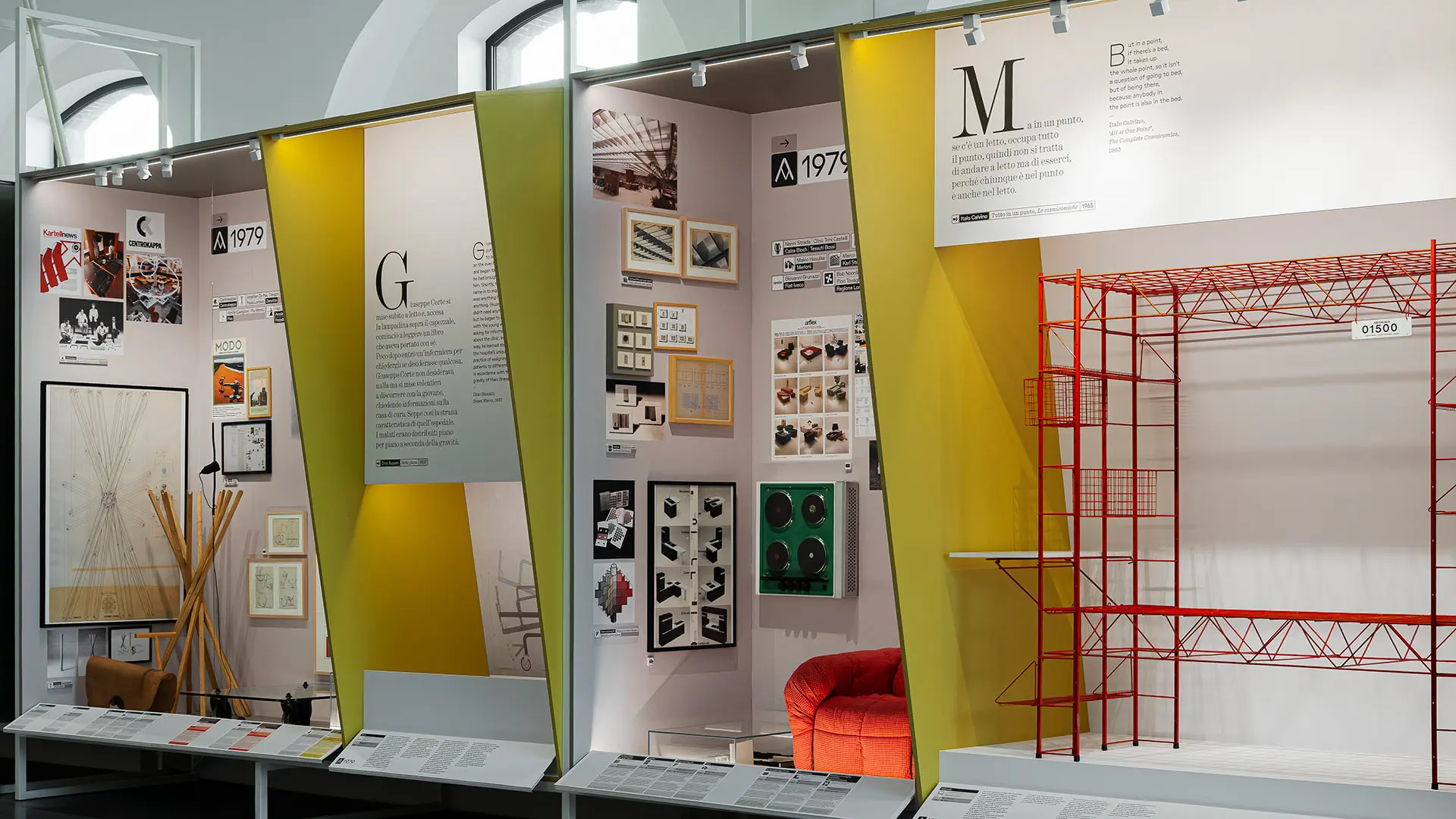
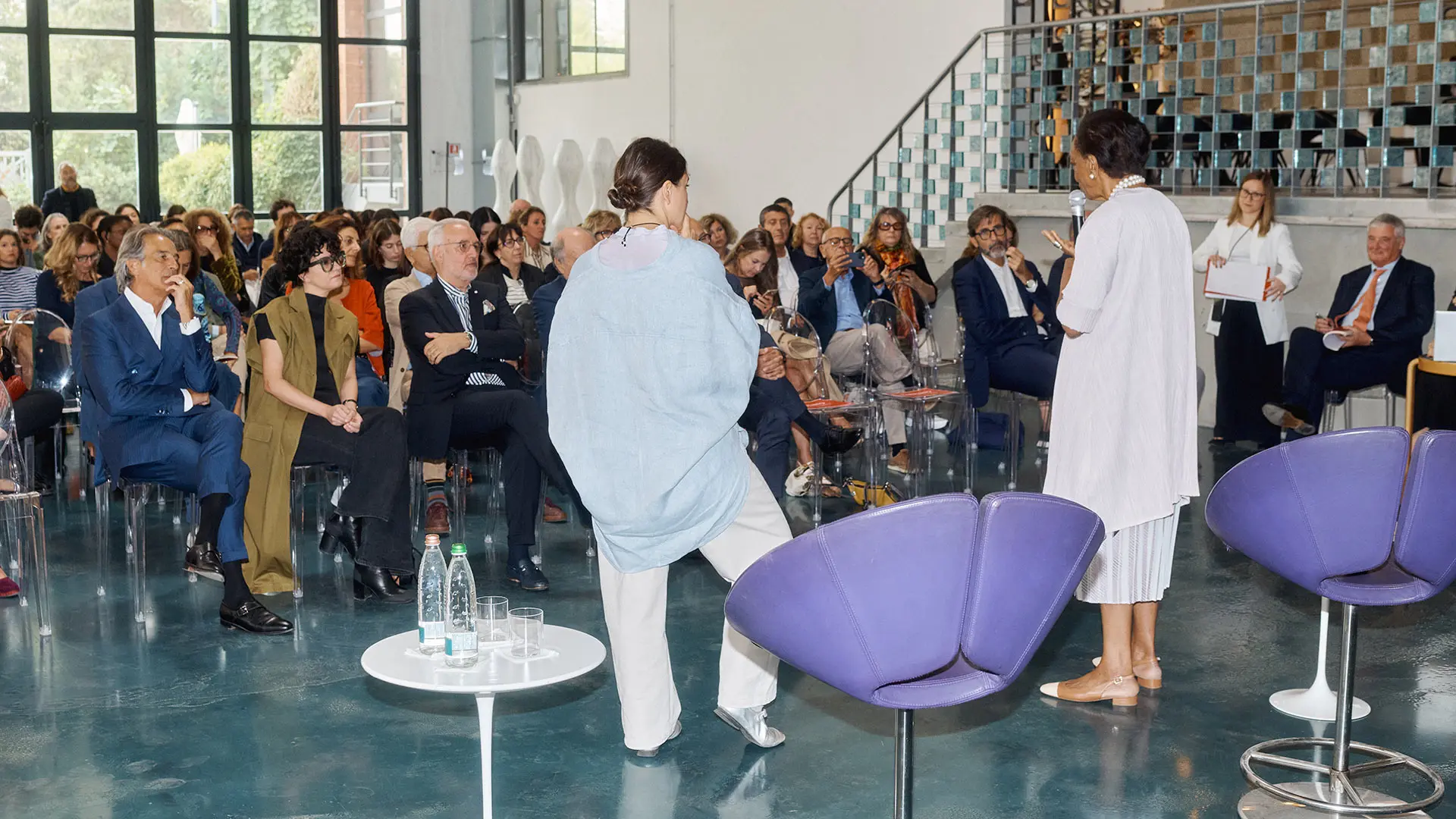
Five years since it opened, the museum in Milan presents the first new scientific reordering of its Historical Collection. Curator Maite García Sanchis relates how the way of interpreting over seventy years of design is changing, while Domitilla Dardi explains why the “Anthological” study enables the award-winning objects to dialogue with literature

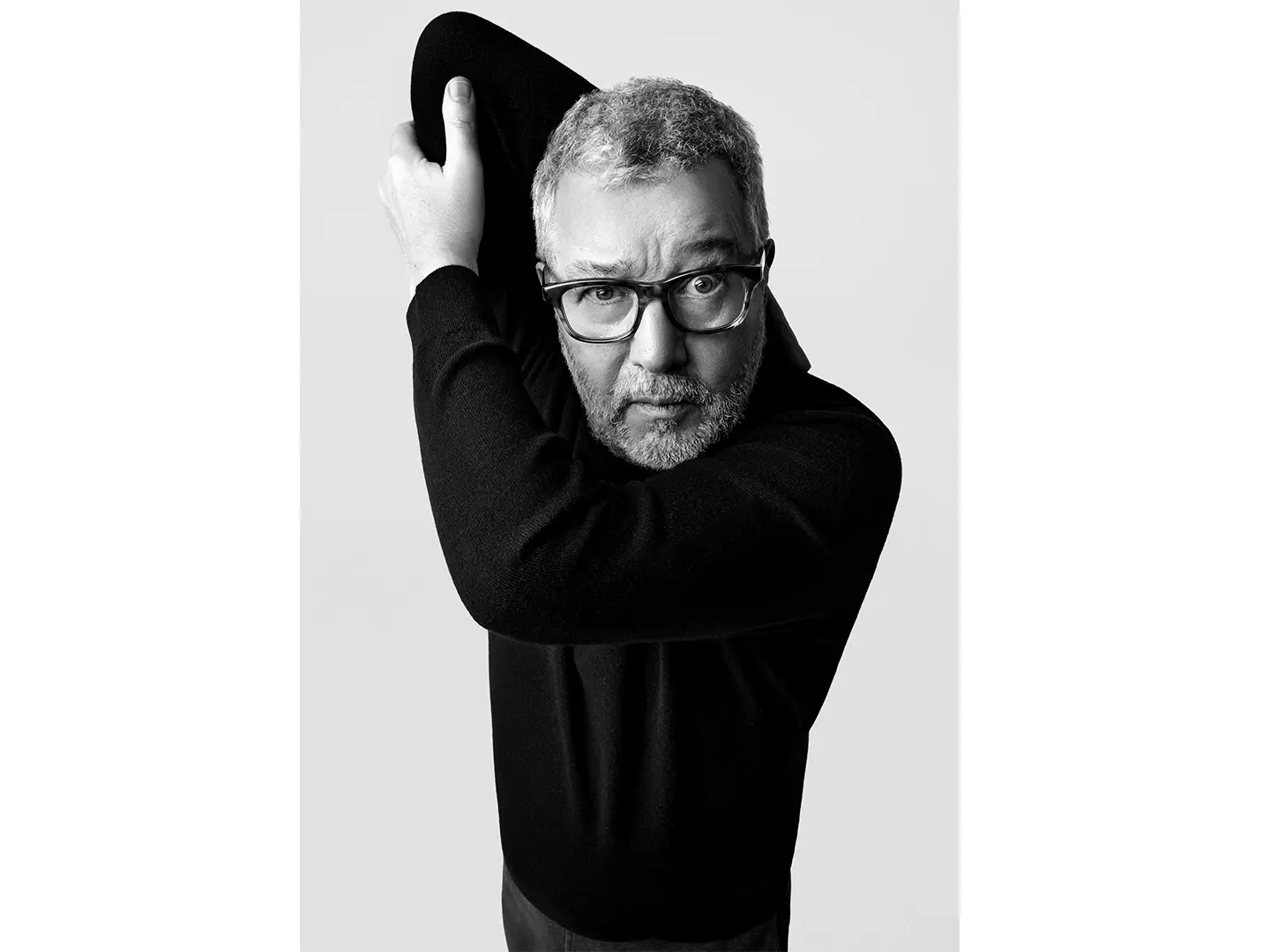
Philippe Starck, architect and designer
Before him, the object counted more than the designer. As of 1984, the designer has become the object. The story of a career built on image, and the objects that contradict it
Over a thirty-year period, Philippe Starck designed both the most useless lemon squeezer of the 20th century and the world’s best-selling plastic chair. He has declared that he is not a designer and invented the figure of the celebrity designer. He announced his own retirement but has yet to retire.
Born in Paris in 1949 to an aeronautical engineer – a detail that critics invariably cite to explain the aerodynamic shapes and ultra-lightweight structures of his designs – Starck took a half-hearted approach to his studies at the École Nissim de Camondo and emerged as a self-taught designer. He never studied architecture: the title of architect was conferred upon him by the Ordre des Architectes in recognition of the experimental nature of his early works.
The birth of the first design star
The period 1982-1984 marked a turning point in Philippe Starck’s early career. In 1982 he was commissioned to redesign some of the rooms in President François Mitterrand’s private apartments in the Elysée Palace. Two years later he designed the interiors of the Café Costes, in front of the Beaubourg, where he mixed postmodernist influences with Italian design and French decorative tradition. This marked the birth of the first true design star in the history of the discipline.
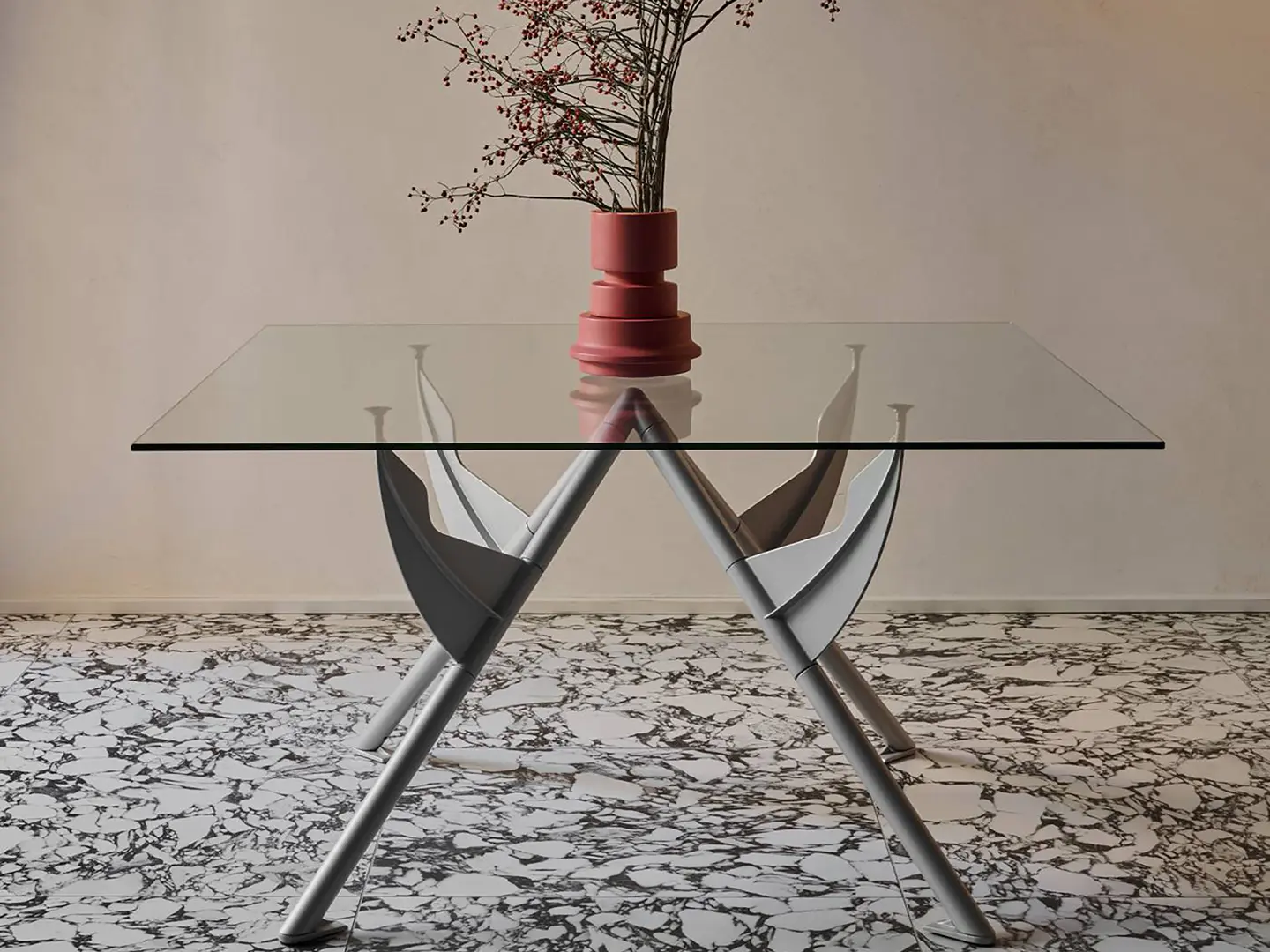
Philippe Starck, President M table, 1984. Produced by Baleri Italia
The architect and theorist Andrea Branzi cogently described the construction of his public persona. Regarded as an enfant terrible, Starck presents with the seemingly naive irony of a French “country boy”, behind which lies a highly controlled professionalism – he is a “careful strategist of his own brand’s promotional policy.” Design historians Domitilla Dardi and Vanni Pasca, authors of the Design History Handbook, analyse this progression towards stardom in depth, noting how Starck lends his face and body to product advertising campaigns, having himself portrayed as a juggler balancing a small armchair on his finger, for instance. The two scholars conclude that Starck appears to be conducting an experiment in Body Art in which his body becomes the medium itself, representing the changing role of the designer and, equally, the very ‘Statute’ of design.
Italy as a test bed
Whilst French commissions brought him fame, it was in Italy that his design language found an industrial application. The intermediary was the entrepreneur Enrico Baleri, the first to introduce him to the world of industry, who recognised him as “an extraordinary scenographer, capable of depicting both Heaven and Hell.” His collaboration with Claudio Luti then led to a partnership with Kartell, which entrusted Starck with exploring plastic materials - from the Dr. Glob (1990) to the Attila and Napoleon stools shaped like garden gnomes (1999), right through to the transparent Ghost series.
Read also: Gae Aulenti: architecture and design as a unitary practice
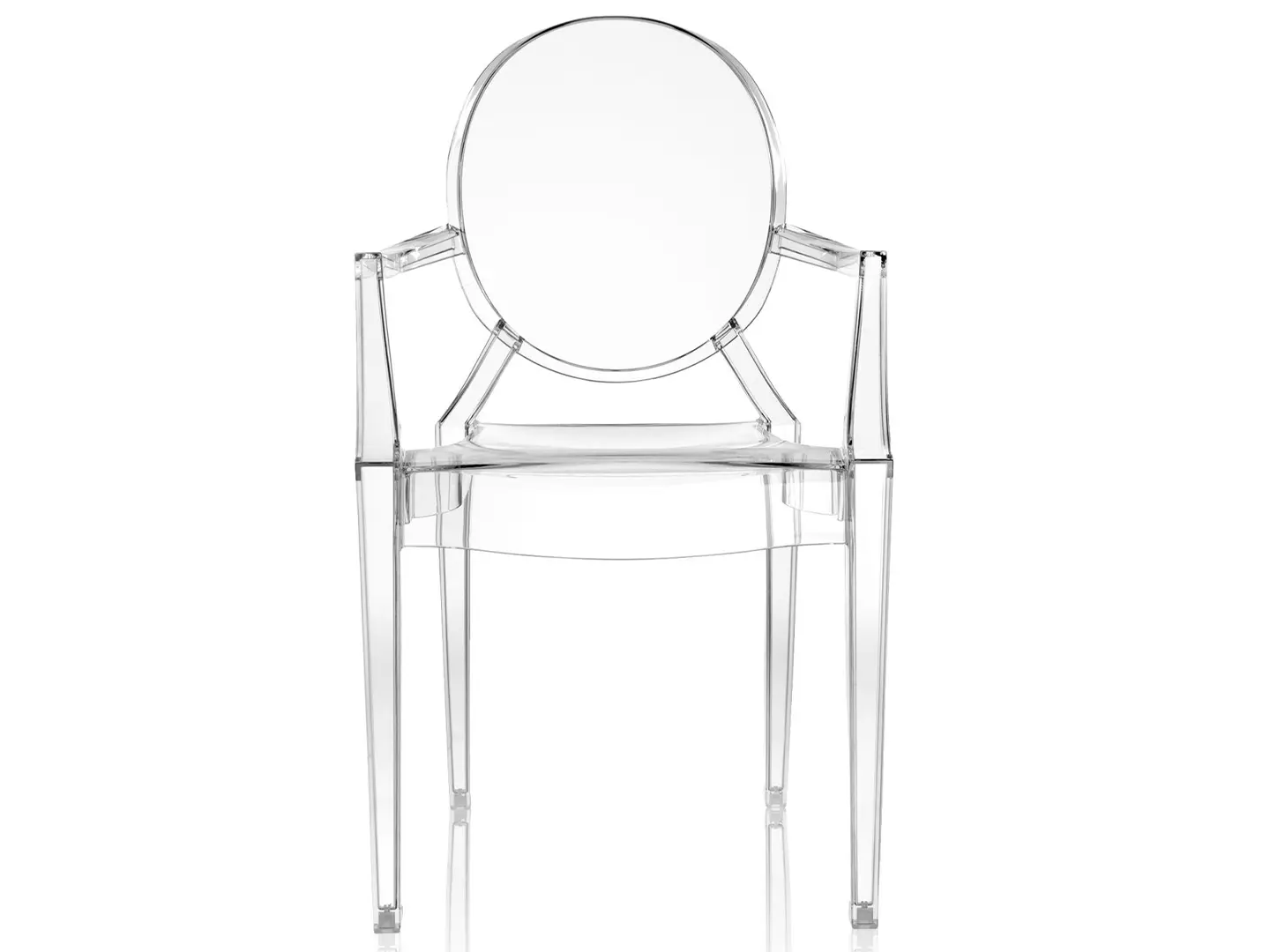
Louis Ghost Chair, Kartell, design Philippe Starck - Courtesy Kartell
Louis Ghost, a promise kept
With the Louis Ghost (2002), Starck fulfilled the promise he has upheld throughout his career: “For twenty years, I have created objects that could be bought by as many people as possible, contrary to the elitism of design.” He took a symbol of exclusivity – the Louis XVI-style armchair – and dematerialised it, reinterpreting it as a polycarbonate ghost. The challenge was engineering-based rather than aesthetic: the chair is produced in a single injection-moulded piece, despite the complexity of the backrest and armrests. It is this that enables costs to be cut and large quantities to be produced. The Louis Ghost has become one of the world’s best-selling chairs, and democratisation has ceased to be merely a slogan.
Axor Starck, and the limits of water
In a catalogue comprising thousands of items, the mixer tap that Starck designed in 1994 for Axor (a high-end Hansgrohe brand) is worthy of note for one specific reason. No memorable shape, no provocation, no recognisable signature. Starck explained that the design was inspired by the concept of a farm: the spring, the pipe, the bucket, the pump. Historically, the first thing used to obtain water was the pump, and his aim was simply to make a mixer tap as straightforward as that. The greatest challenge was bucking the trends of a market convinced taps could be changed every two years, “like a miniskirt.” When he presented the design, someone commented: “Yes, it’s lovely, but you know, it’s not very Starck.” Thirty years on, the collection continues to feature in the catalogue, whilst a large proportion of the objects designed by the studio have aged as objects that aspire to become iconic tend to do: fast.

Axor Starck Mixer tap, Axor, design Philippe Starck
The designer who didn't want to be a designer
Philippe Starck’s career has been studded with about-turns. In a 1997 interview with Juli Capella for Domus, he announced a retirement that would never come to pass – “in two years’ time, when I’m 50, I’ll stop designing” – and uttered the most pithy of statements: “Design holds no interest for me. Making a chair, a lamp, a television – I’m no longer interested in that. I’m not a designer; I’m a politician.” This same impatience fuelled the concept of non-design, which Starck exemplified with the Miss Sissi lamp, designed for Flos in 1991: the designer merged into a sort of collective memory, to the point where it was impossible to say that it was he who designed it; everyone designed it. The inventor of design stardom himself declared his desire to disappear.
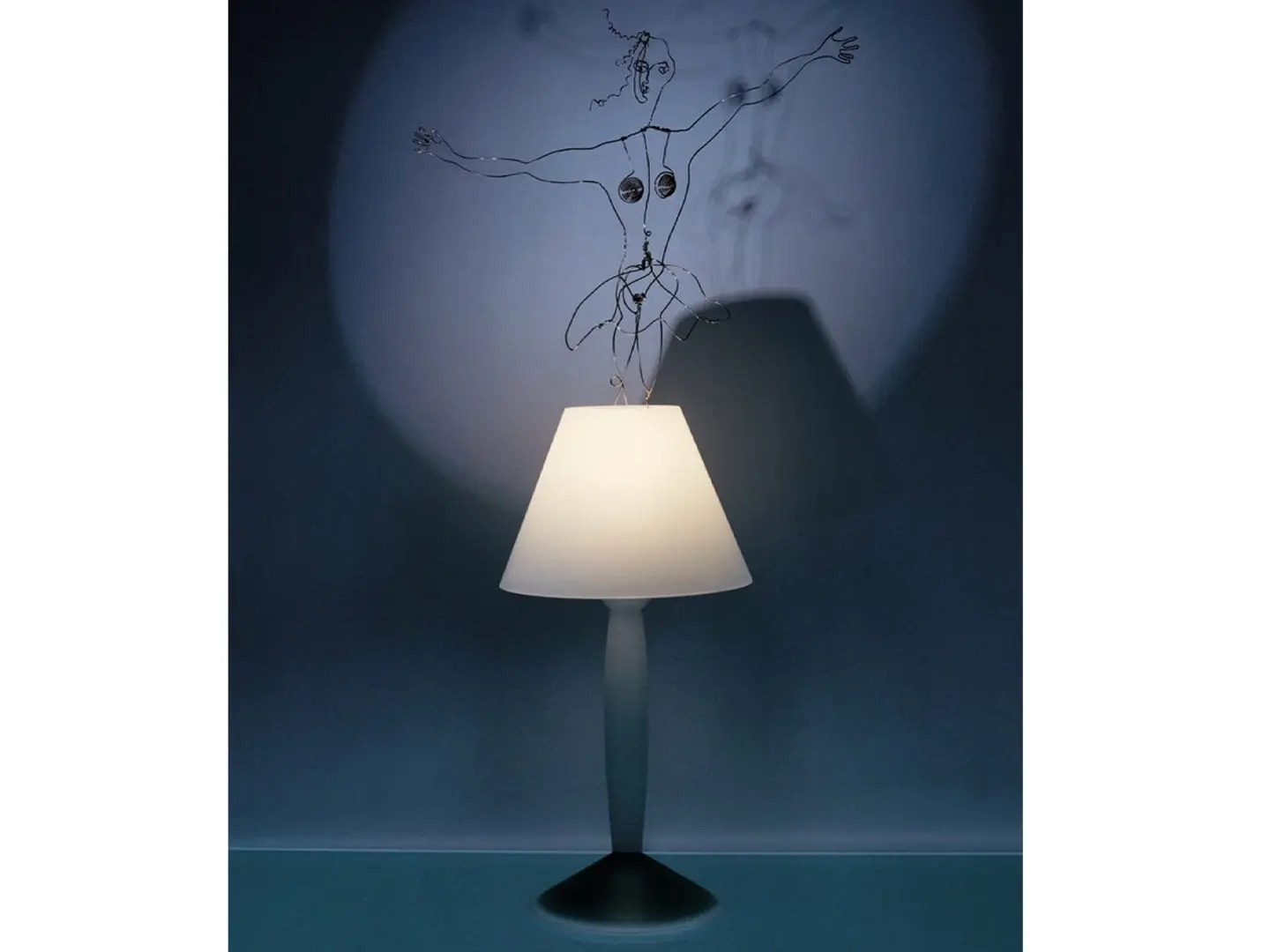
Miss Sissi Lamp, Floss, design Philippe Starck
These fluctuations between egocentrism and a desire for self-effacement, between objects for billionaires and crusades for accessible design, make it impossible to encapsulate Starck in a single definition. Back to Enrico Morteo again: "Reassuring, cheerful, entertaining: Philippe Starck’s world always welcomes us with a friendly smile. On closer inspection, however, it is a world which, once entered, appears to be very difficult to escape. Rather than a world, it is a universe where everything is to be found, as well as the opposite of everything: ecology and traffic, ethics and transgression, thrift and consumption, luxury and democracy.”