

 Exhibitions


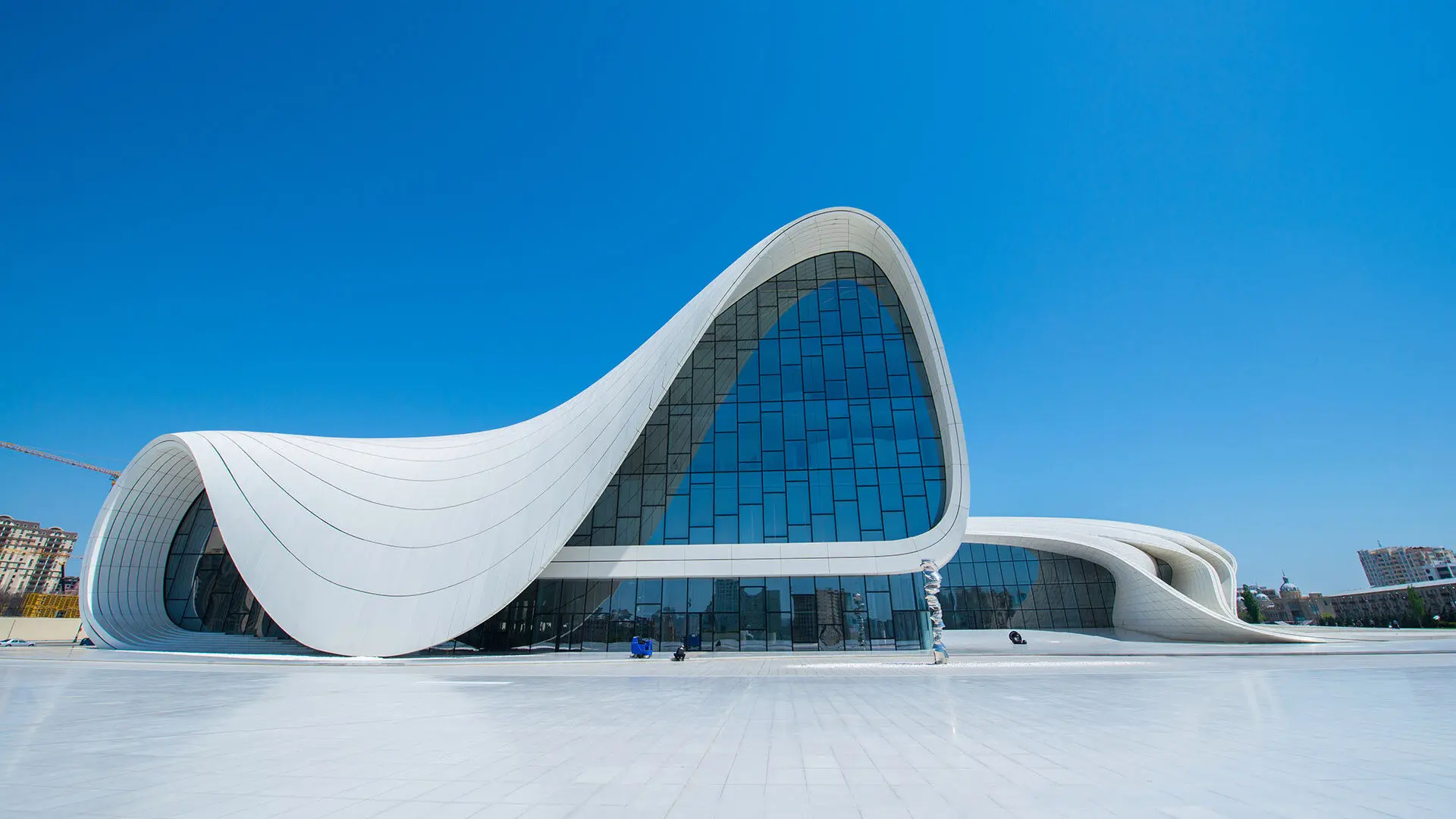
From Luigi Moretti at the 1960 Triennale to Patrik Schumacher’s manifesto and the works of Zaha Hadid: a history of architecture that entrusts form to algorithms, and which seeks to evolve from a method into a style
The Salone del Mobile.Milano 2026, the platform for innovation
Text by
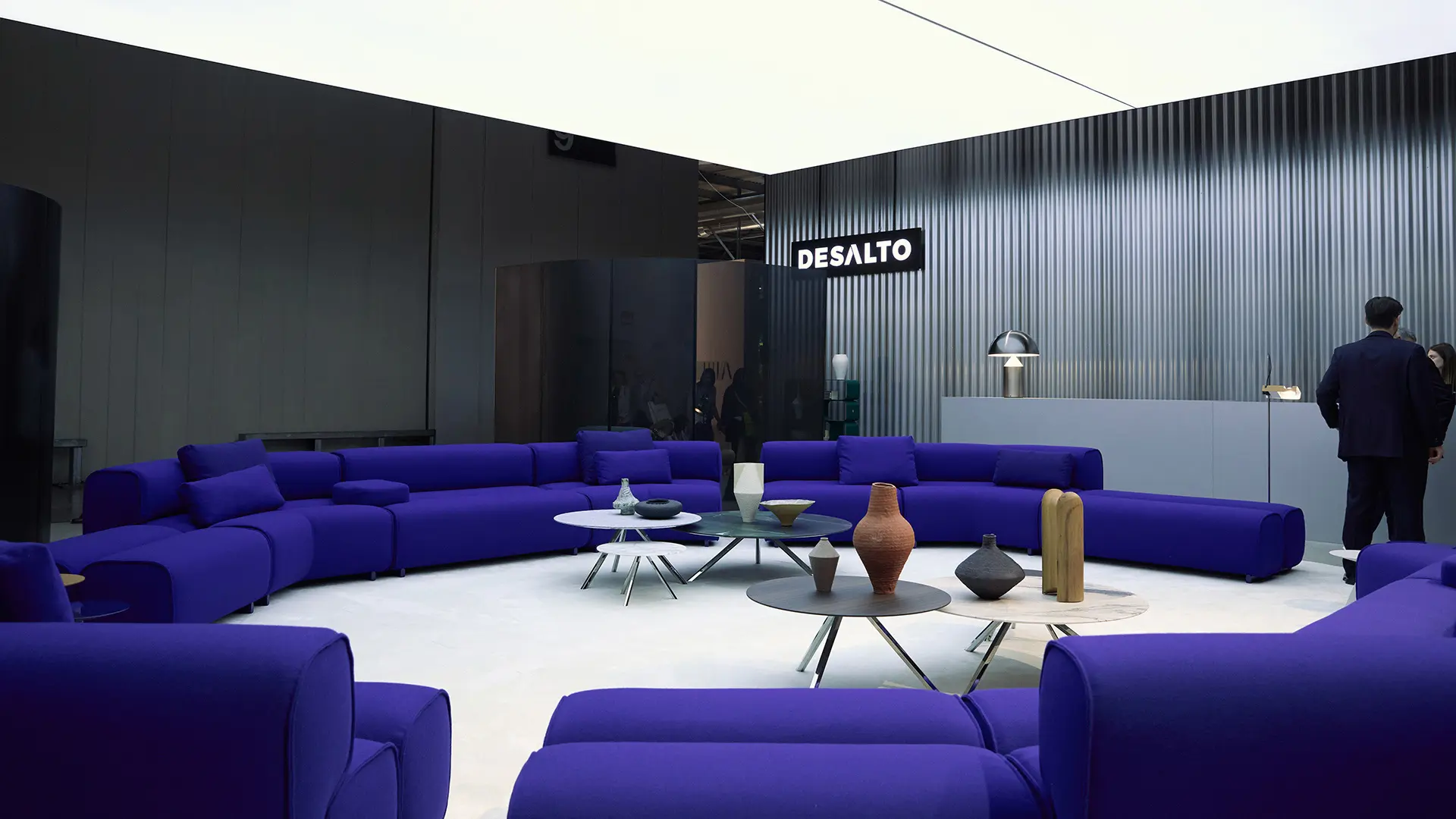
Desalto, 64th edition of Salone del Mobile.Milano
Previews from the furniture sector remain the driving force behind Design Week. Showcasing the ingenuity incorporated into the products, and the styles that will adorn our spaces
Perhaps the most eagerly awaited moment of every edition of the Salone is when the new products engendered between the companies’ walls finally see the light of day. Furniture, after all, remains the true star of the show. Taking a look at the main previews allows us not only to discover the language, technique and innovation behind each project, but also to take the pulse of the ecosystem, to understand how style is evolving, and to grasp the key themes running through production.
So what does our wander through the Rho pavilions tell us? Walking through the various pavilions, the classic types of furniture would appear to have been revisited with deliberate yet controlled boldness. Combining strong choices with discreet and measured gestures is one of the clear innovations in the upholstered sector. Among the new models on show, shapes make their presence felt while eschewing hyper-decorativism: it is precisely the calibrated details, rather, that define the deviation from the norm. In the Crease collection designed by Faye Toogood for Meritalia, the red line of the profile serves to accentuate the graphic lines of the sofa. A closer look reveals another particularity: inspired by a sweater worn backwards, the British designer has left the seams visible, revealing the construction of the upholstery around the structure.
The Luis sofa by the Portuguese brand House of Capricorn, launched in 2025 by Paula Amorim and making its first appearance at the Salone del Mobile.Milano, embodies a contemporary idea of Portuguese slow luxury, playing on the graphic character of the seat and backrest in a showy but essential way. In the case of Meera too, the new sofa system designed by Piero Lissoni for Living Divani, the geometry remains essential, while gaining dynamism through the volumetric effect created by the inclination between the planes of the seat and the backrest, serving to emphasise its presence without creating heaviness, and ensuring that comfort plays an essential role.
Francesco Binfaré’s Anywhere for Edra reasserts the deconstructed approach that has defined the Tuscan company’s vision over the years: moving beyond the rigidity of form to embrace comfort and contemporary drama. The seven modules that make up the sofa are independent and can be arranged as desired, whilst the large back cushions adapt to movement, allowing the depth of the seat to be reconfigured. The gentle curves and welcoming seat are the hallmark of the latest offerings from MaxDivani. The seat, profile and legs of the Clizia sofa consistently evoke the same sense of softness, whilst the armrest opens slightly as if to extend an invitation to sit. Some of the exhibitors at the Salone – and they are by no means alone – have turned to historical catalogues and revitalised them in a new guise, as is the case with Visionnaire and its Bachi armchair, a 1960s design by Vittorio Vero, now revisited and reissued by La Conca. The iconic interplay between the folded seat and backrest modules remains unchanged, of course, whilst the materials have been updated to underscore its personality, a balance of sculptural and informal, even more markedly.
In the field of seating – another key indicator of the latest trends at the fair – the apparent lightness and simplicity of the lines are combined with a focus on the potential of the materials.
The Nuy chair by Marco Acerbis for Et.Al strikes up a dialogue between the coloured upholstery of the seat and the ash of the frame, distinguished by the striking contrast between the sloping front legs and the parallel rear legs. Among the latest offerings from Potocco, the Stadium by Favaretto&Partners reinterprets the bucket seat design by emphasising the backrest, which takes on an elongated elliptical shape to evoke the gesture of a metaphorical embrace, whilst the solid ash wood frame gains dynamism through an interplay of curves and straight lines. Desalto, which makes the slogan Metal is our Nature its guiding principle, has chosen to reinterpret the classic Chiavarina chair in a contemporary vein. Designed by Francesco Rota, the company’s art director, Ultralight makes lightness its hallmark, as was the case with Gio Ponti’s Superleggera, the quintessential reinterpretation of traditional Ligurian chairs. Pared down to the essential, the frame consists of a steel tube just 14mm in diameter, resulting in a weight that, as the name suggests, clocks in at just 3.4 kg. Even the fabric seat, distinguished by an original shaped weave, maintains the same compactness, combining rigour with visual richness. In contrast, Savoia, the new design by Edward Barber & Jay Osgerby for Kartell, leverages die-cast aluminium. The structure is distinguished by the clean lines of its profile, which extends seamlessly from the base to the armrests, combining essential elegance with structural solidity.
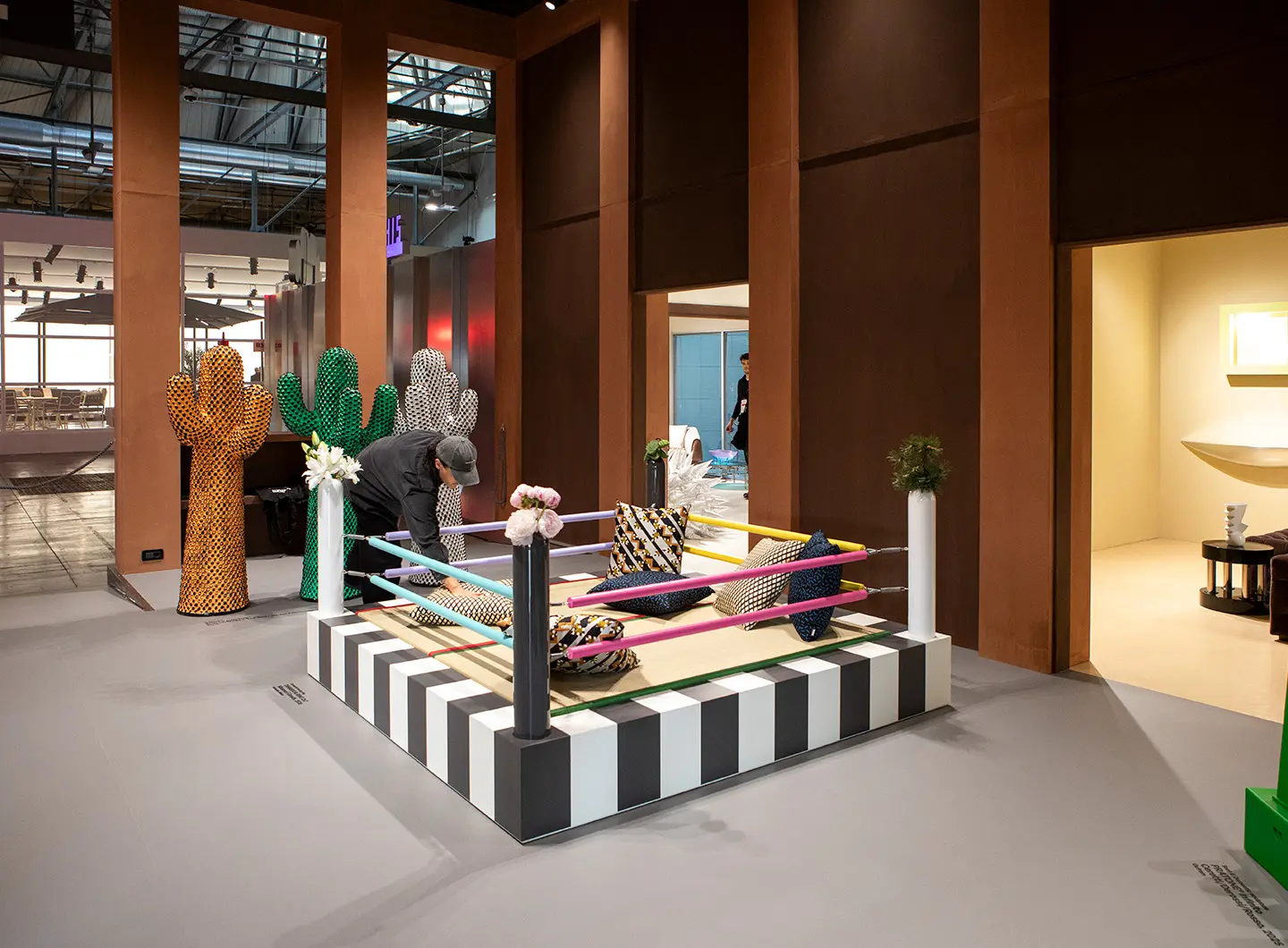
Meritalia, 64th edition of Salone del Mobile.Milano
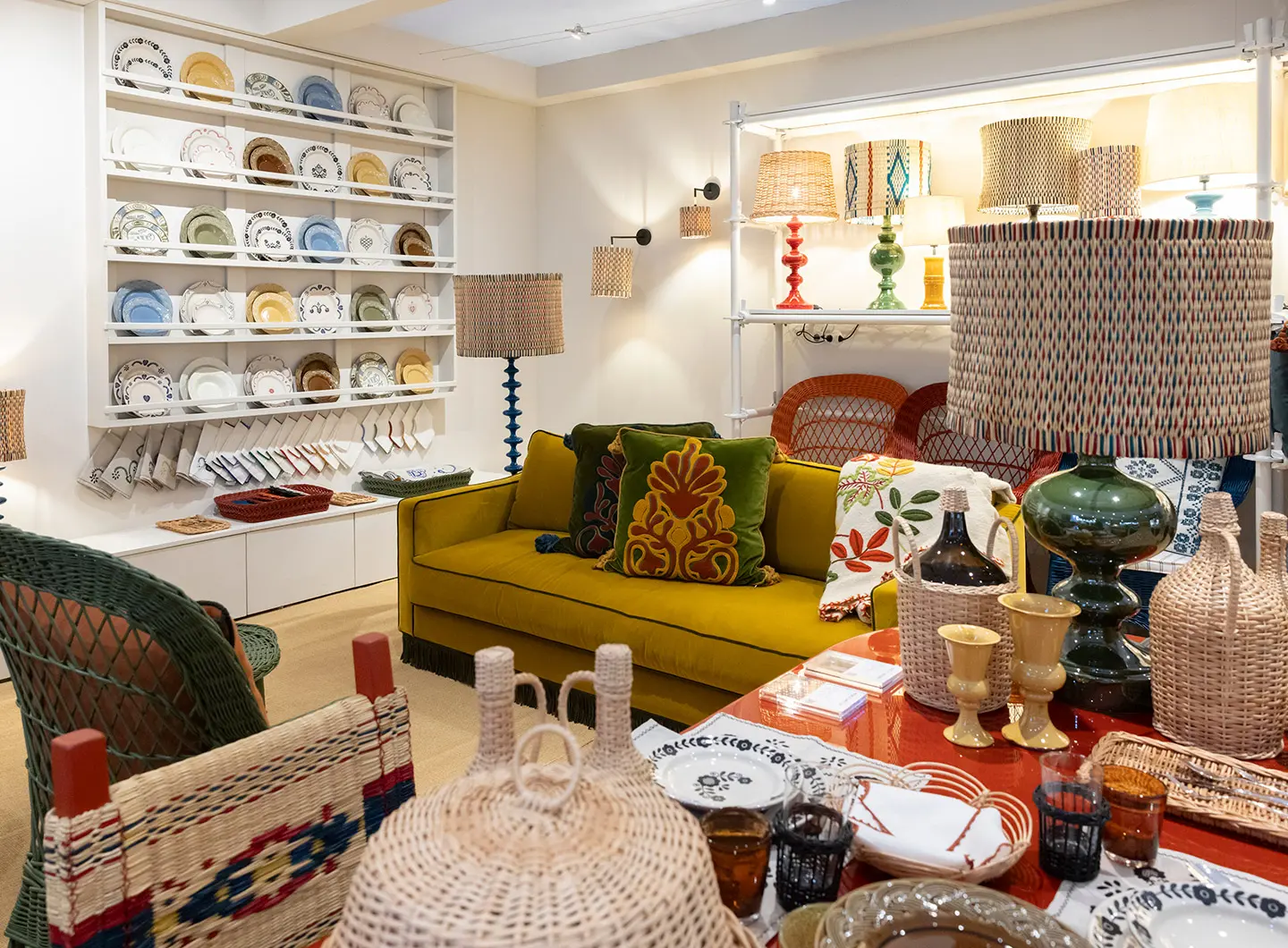
House of Capricorn, 64th edition of Salone del Mobile.Milano
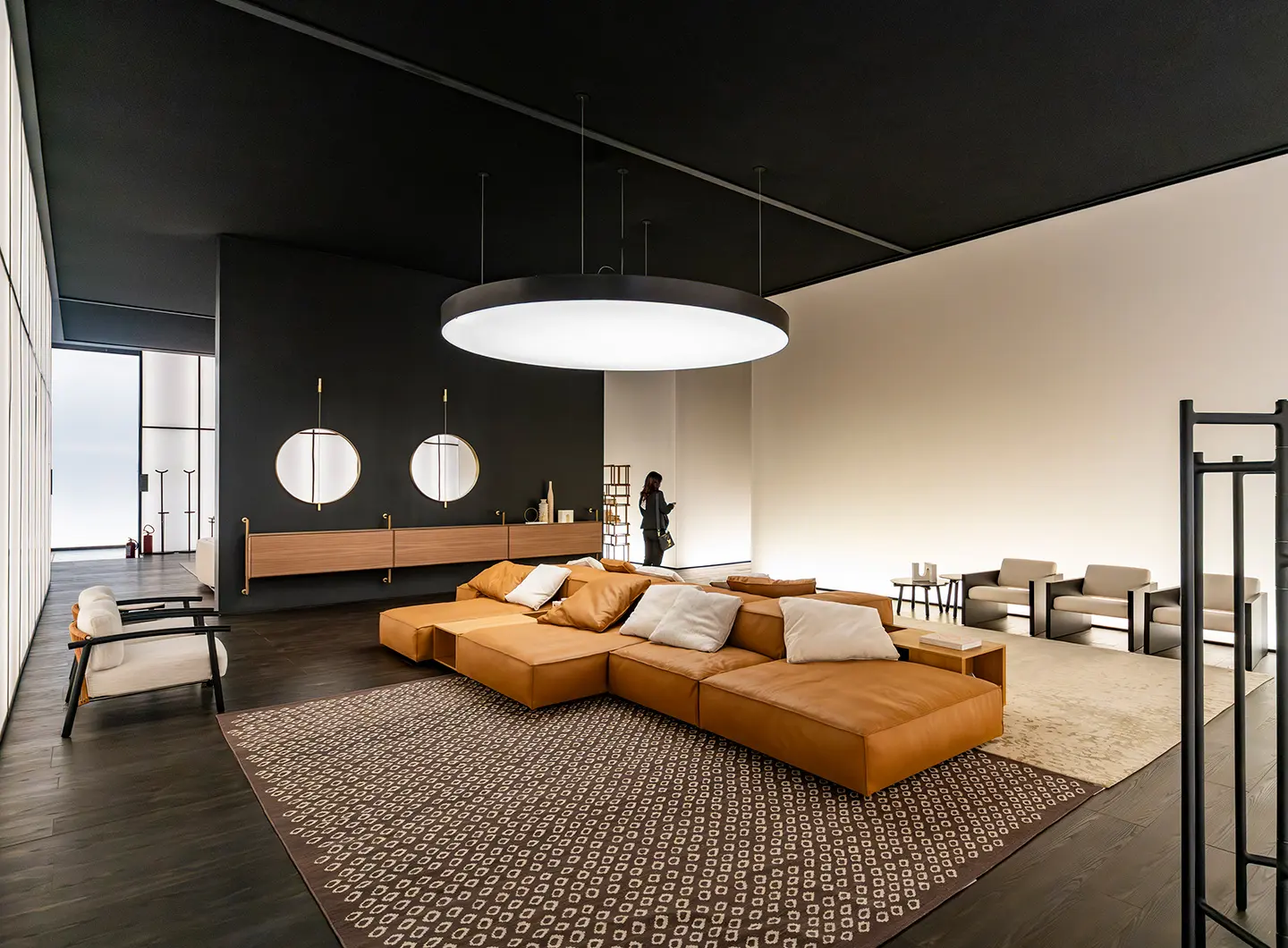
Living Divani, 64th edition of Salone del Mobile.Milano
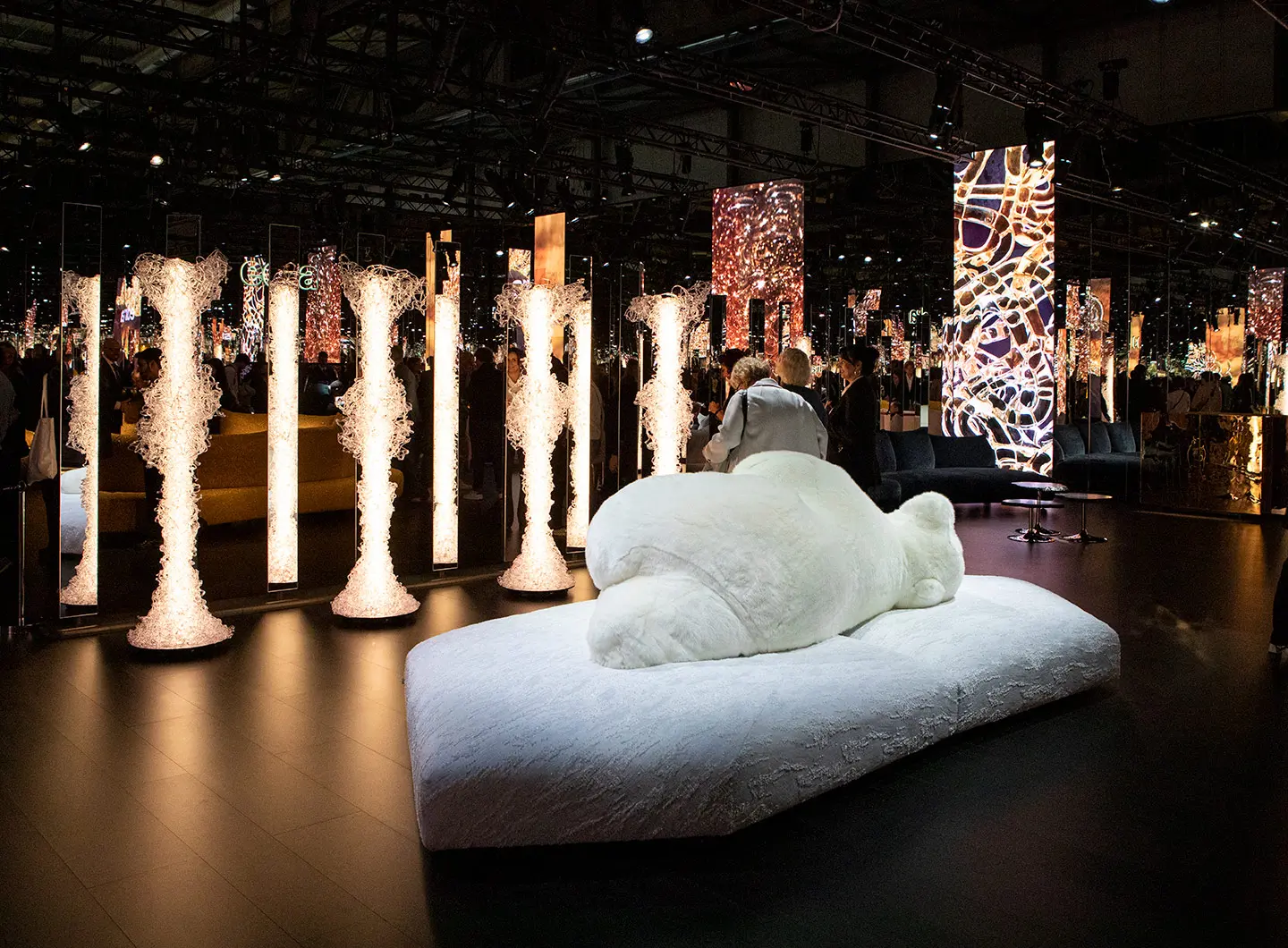
Edra, 64th edition of Salone del Mobile.Milano
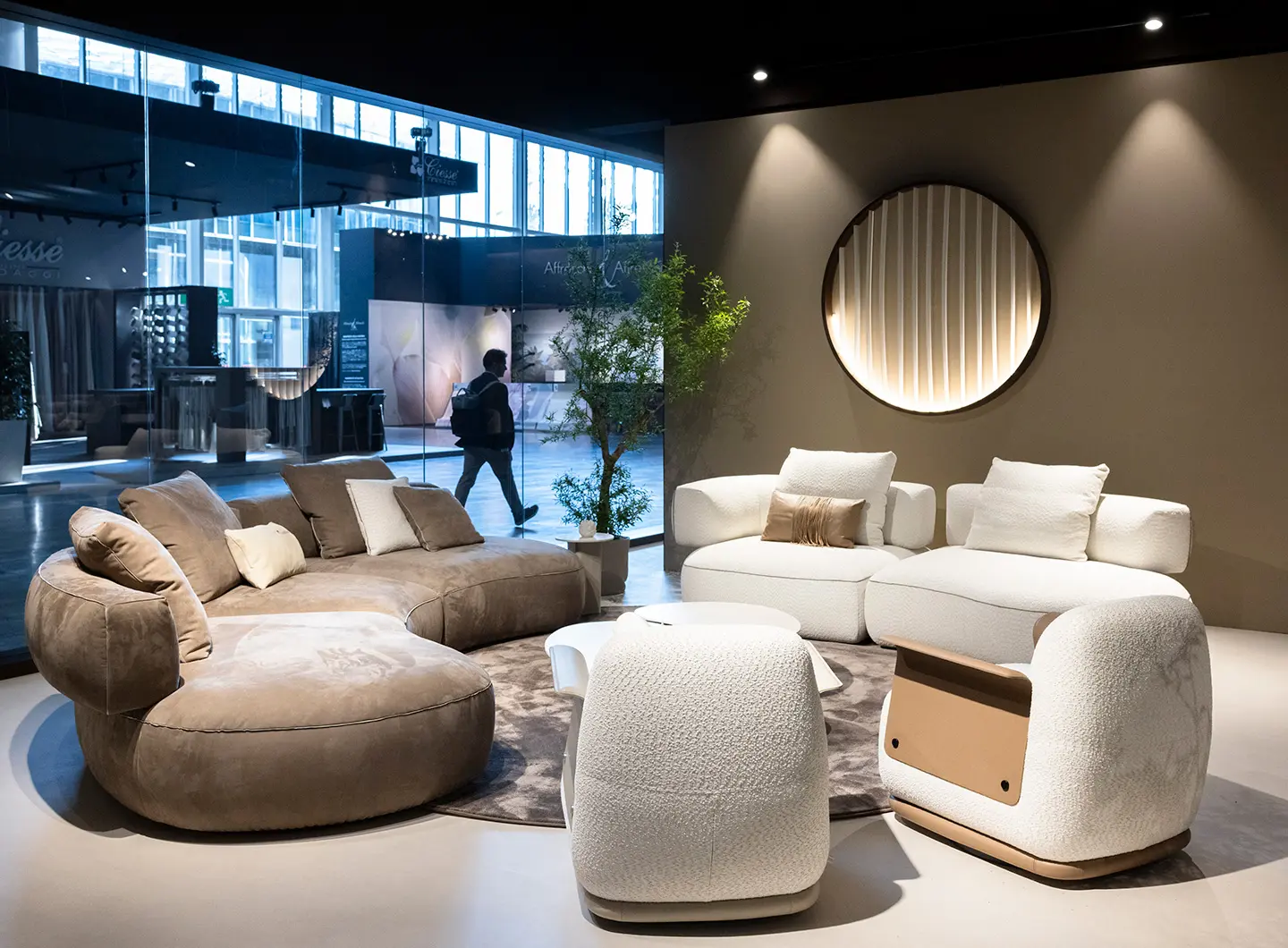
MaxDivani, 64th edition of Salone del Mobile.Milano
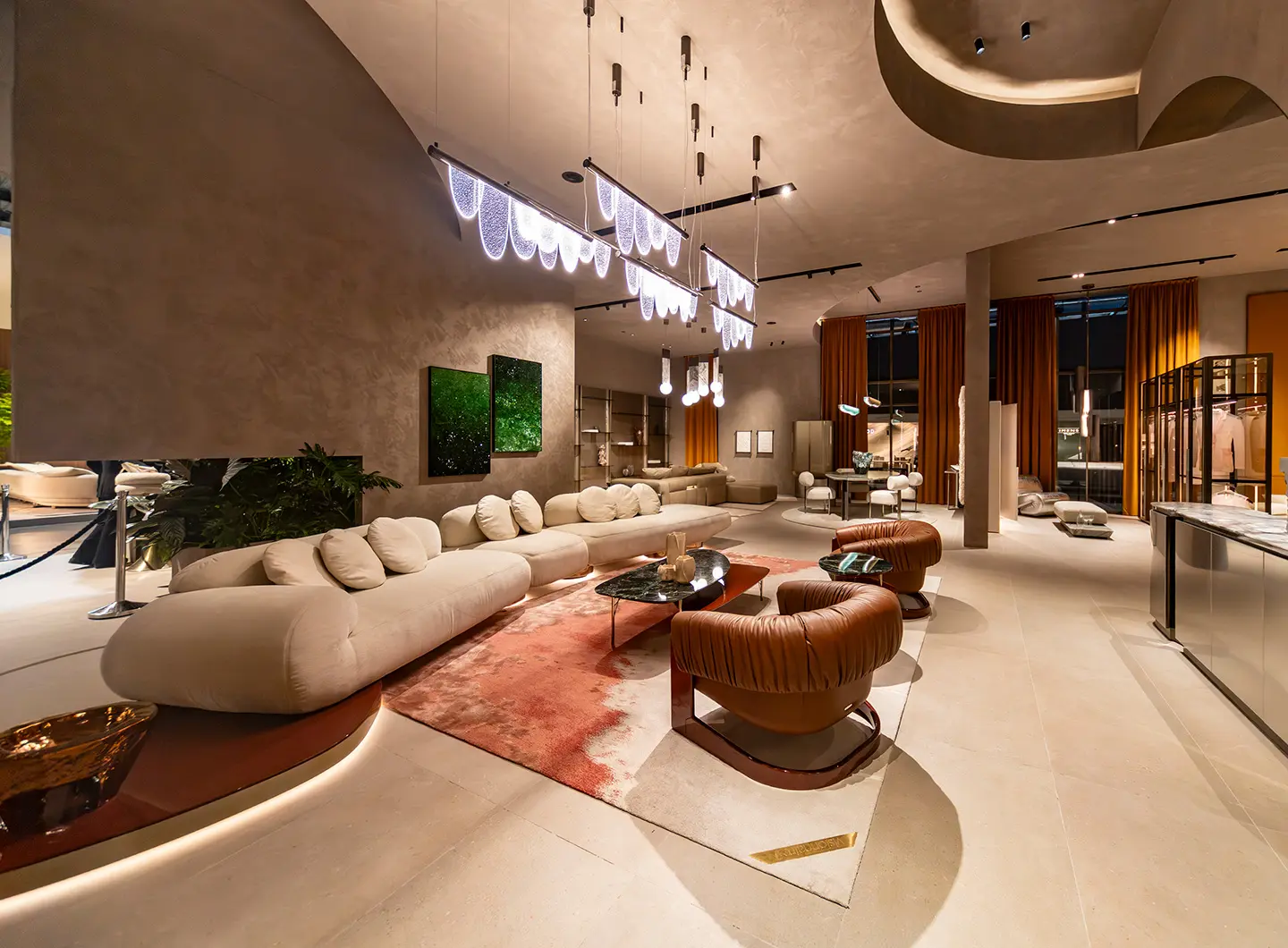
Visionnaire, 64th edition of Salone del Mobile.Milano
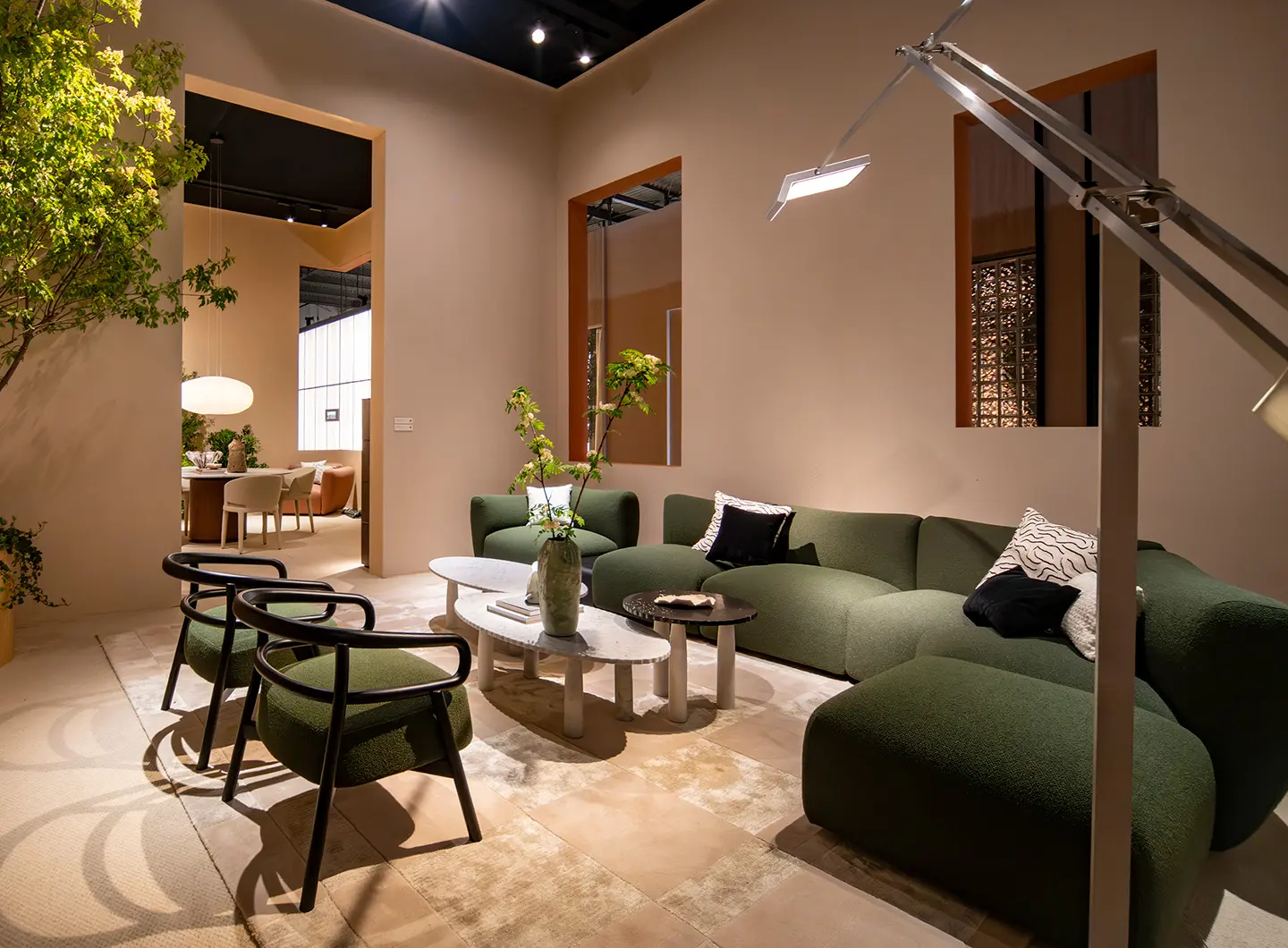
Potocco, 64th edition of Salone del Mobile.Milano
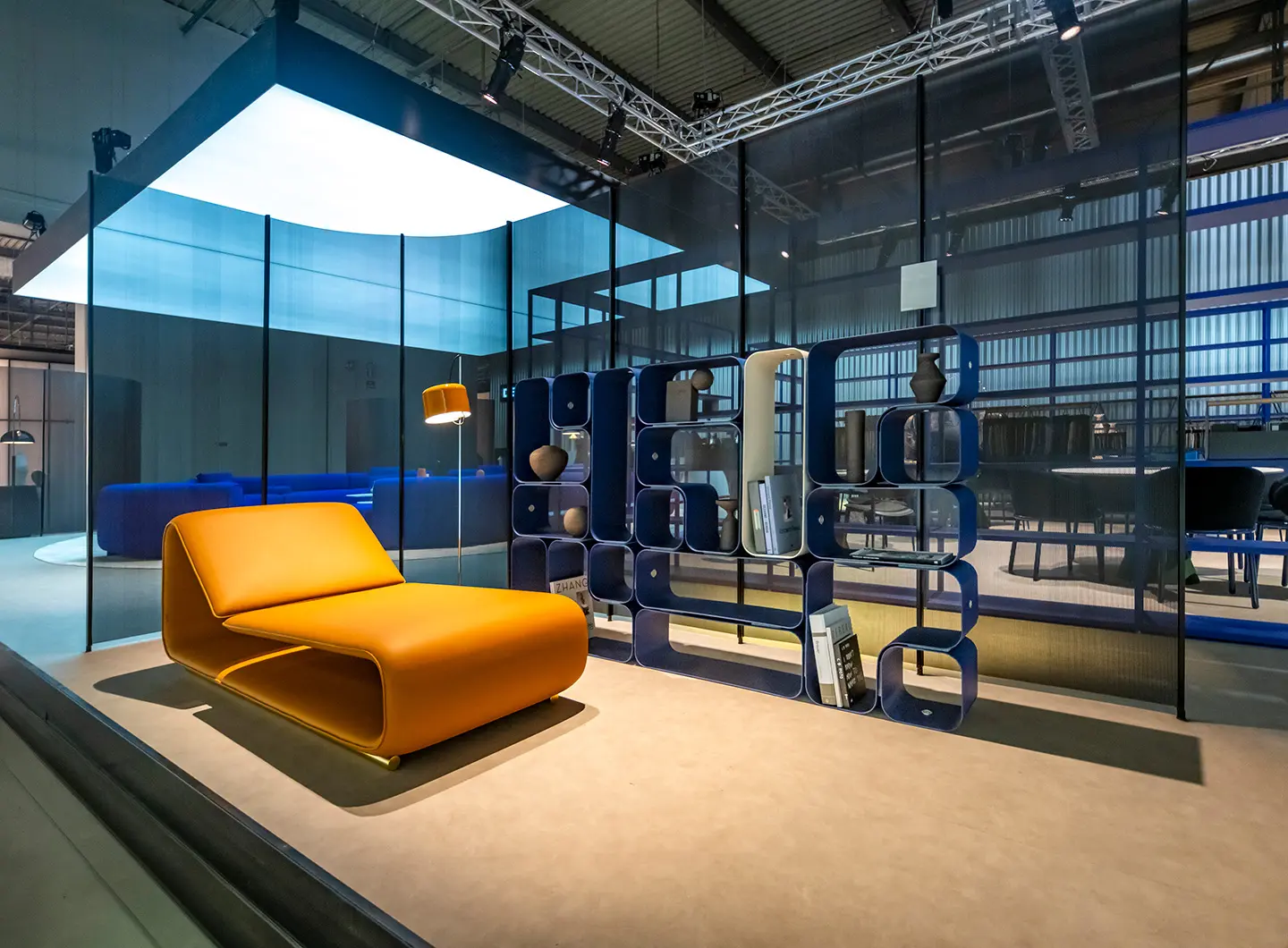
Desalto, 64th edition of Salone del Mobile.Milano
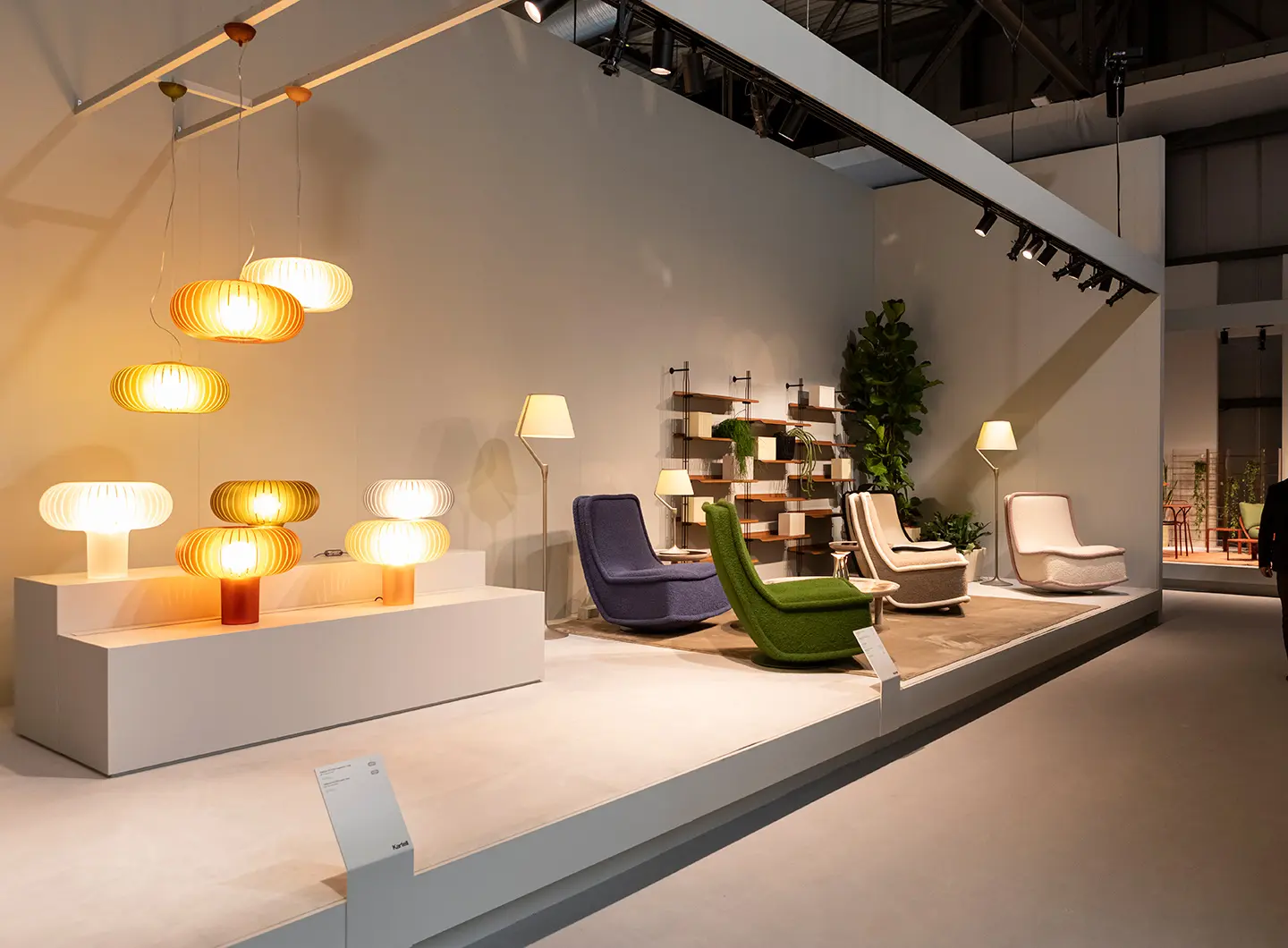
Kartell, 64th edition of Salone del Mobile.Milano
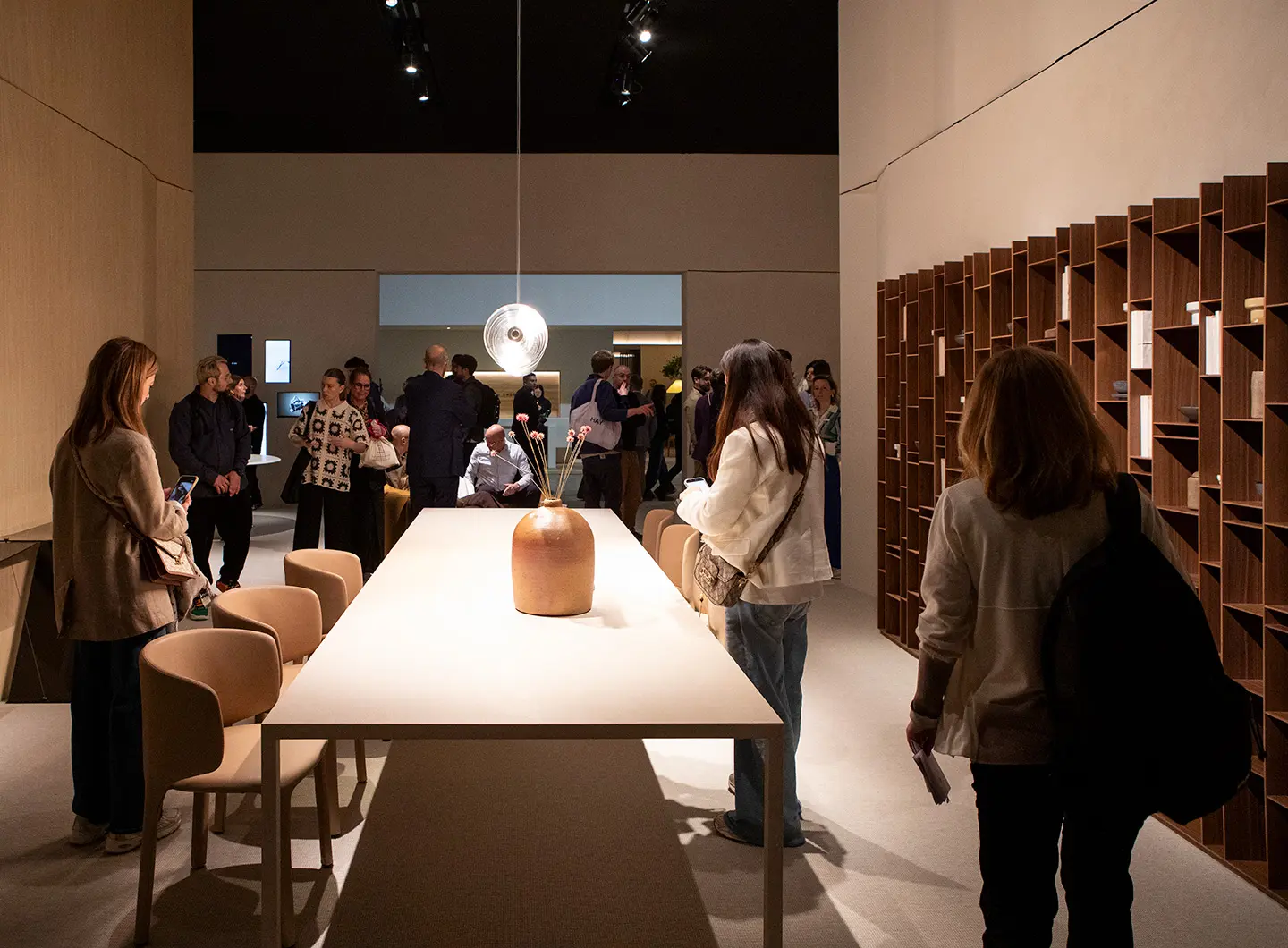
Acerbis, 64th edition of Salone del Mobile.Milano
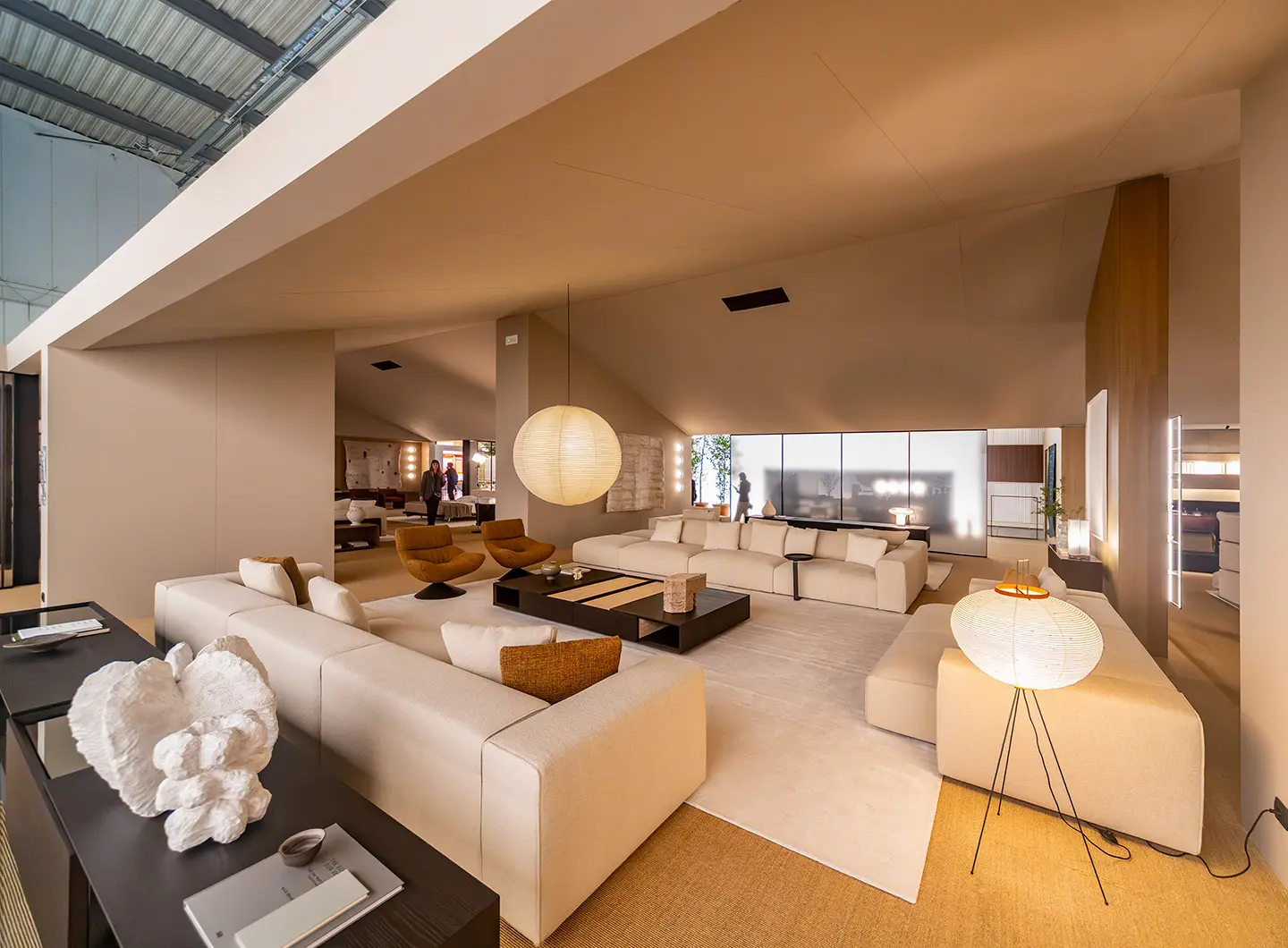
Porro, 64th edition of Salone del Mobile.Milano
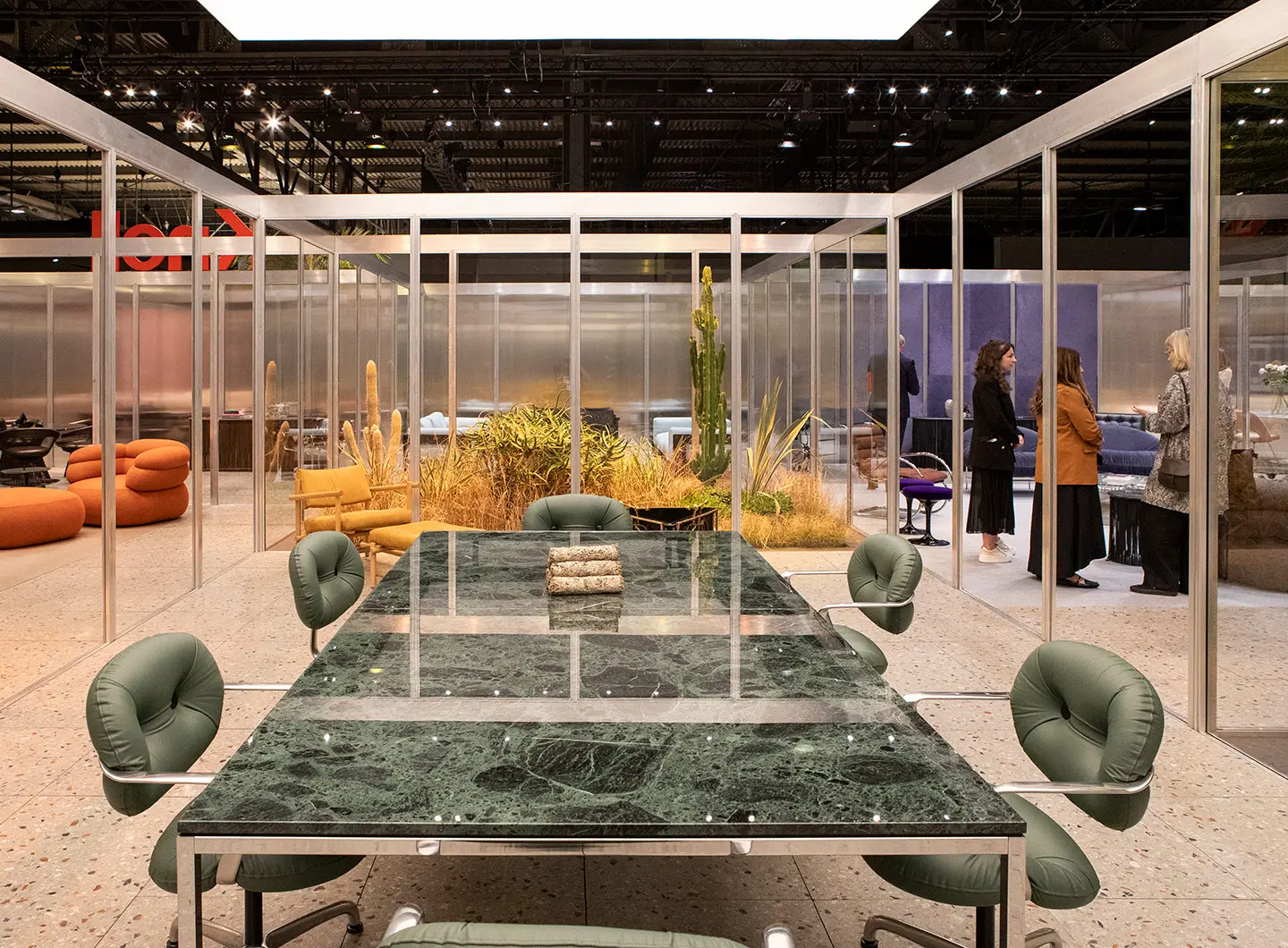
Knoll, 64th edition of Salone del Mobile.Milano
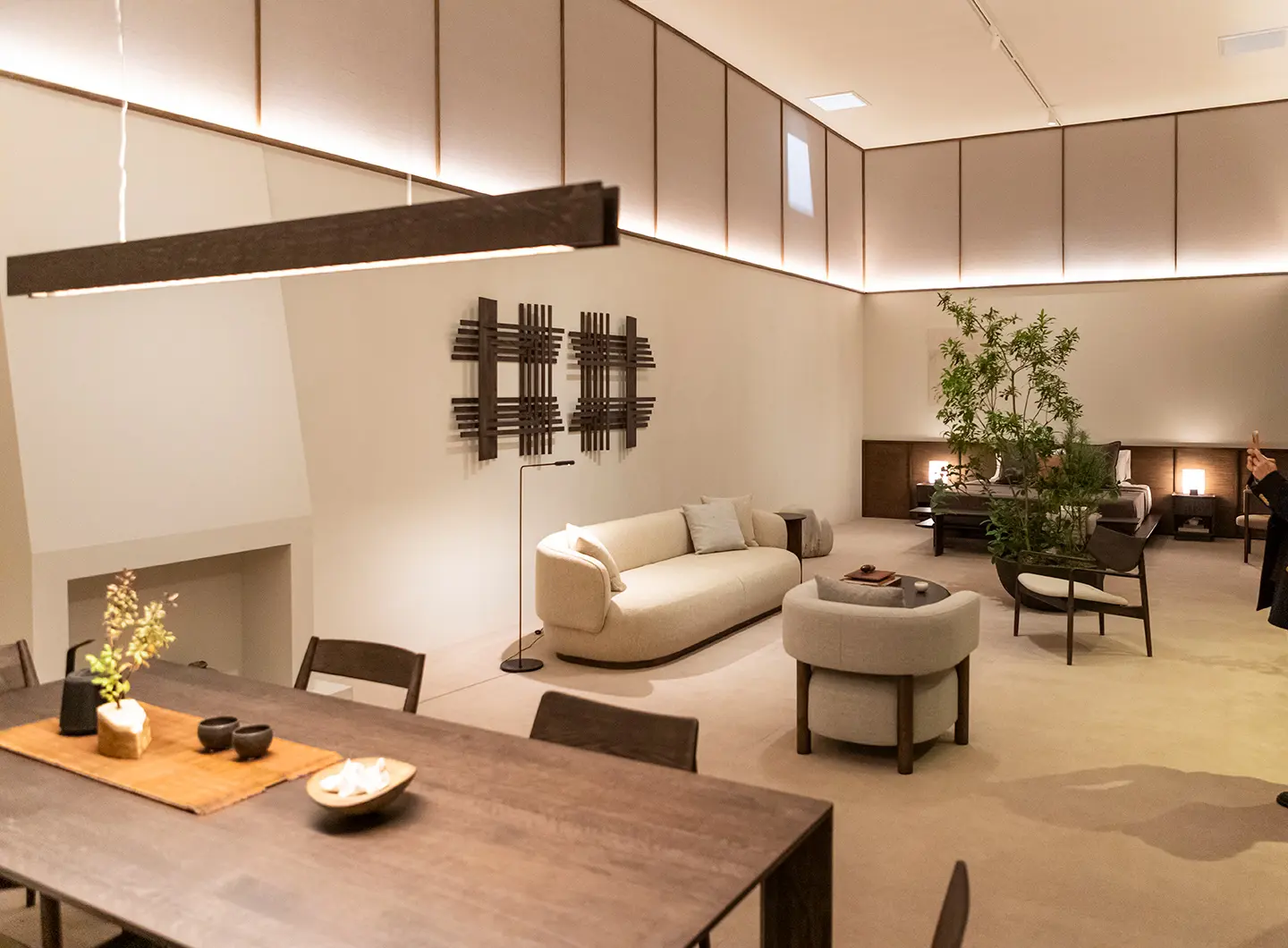
Karimoku Forniture, 64th edition of Salone del Mobile.Milano
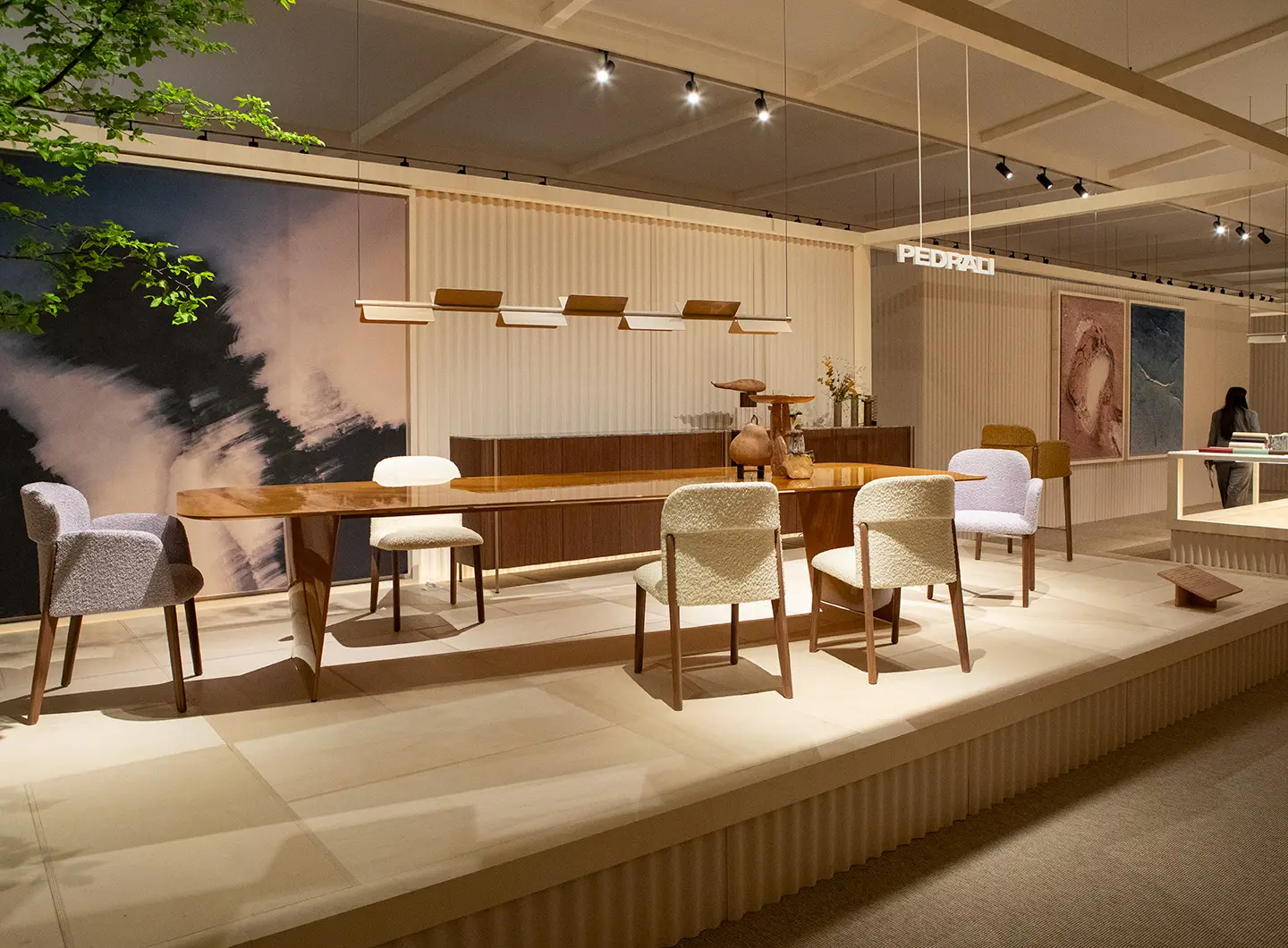
Pedrali, 64th edition of Salone del Mobile.Milano
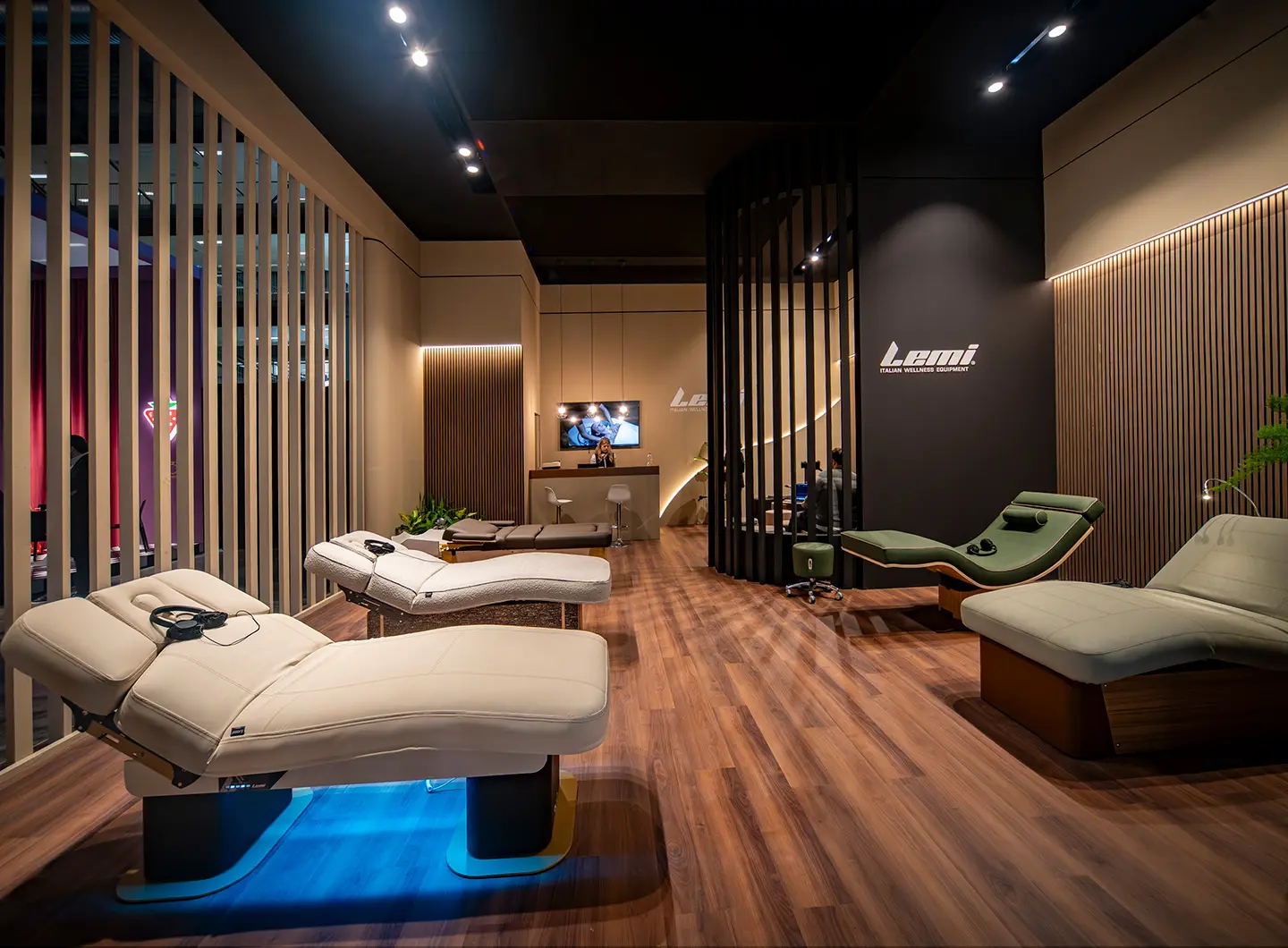
Lemi Group, 64th edition of Salone del Mobile.Milano


Metal, a material that over the last few fears appears to have taken on new powers of expression, is also making a return to storage solutions. With Parioli, a design created by Lodovico Acerbis in 1971, Acerbis is reaffirming a furniture concept that turns an architectural vision into an elegant yet highly practical solution. In the sideboard, presented here in the square four-module version, the interplay between the brushed steel panels and the slightly recessed frame takes on a totemic quality, whilst remaining practical to use. The Ryo bookcase, too, the result of the renewed collaboration between Porro and the Japanese designer Nao Tamura, opts for brushed aluminium to embody a sculptural presence poised between orthogonal simplicity and the enhancement of volume. Like watersheds, triangular load-bearing elements give rhythm to the composition of each shelf, defining a rule of the game shaped as much by mass as by the play of light.
When it comes to tables, the design approach is driven as much by a sense of rigour as by freedom of expression. It is through the instinct and visionary spirit of an artist - the Nigerian-born Texan Dozie Kanu - that Knoll explores a crossover between America and Africa. The table designed by Kanu, also available in a console version, stands out for its leather fringes that interact with the minimalist surface of the metal top: a reference to African ceremonial garments, as well as to the fringes of American cowboy shirts. Karimoku Furniture’s proposal, on the other hand, is inspired by the concept of A Thoughtful Stay. Under the artistic direction of Norm Architects, the Japanese brand has opted for an orthogonal construction for the desk and a circular harmony for the dining table. The quality of the craftsmanship in the details, from the joints to the finishes, remains unvaried, however.
Pedrali's catalogue, on the other hand, reveals a new collaboration with the Formafantasma studio. With Estratto, a range of coffee tables and consoles, the designers are continuing their research into the field of sustainable solutions for the industrial supply chain, working with the combinatory potential offered by extruded aluminium to shape an elegant organic language punctuated by constants and variations. While the height of the base and the shape of the top may differ, the concept of the load-bearing structure, built around three concave slabs, remains unchanged.
The previews at the Salone do not only focus on purely domestic products, they also extend to the contract sector. In the hospitality field, Lemi’s multifunctional massage bed, the Venice Head Spa, incorporates a major, inviting innovation: the opportunity to enjoy a brand-new Japanese Head Spa, made possible by a removable shampoo basin that stimulates blood flow in the head by means of a continuous flow of water. It appeals instinctively to users. It also reminds us that, form/function aside, the ritual associated with wellbeing also makes a strong claim for its place.
21 April 2026
Share