

 Exhibitions


China accounts for 72% of the Asia-Pacific contract market potential
The bathroom of the future between sustainability and material innovation: new highlights from Salone del Mobile 2026
Text by
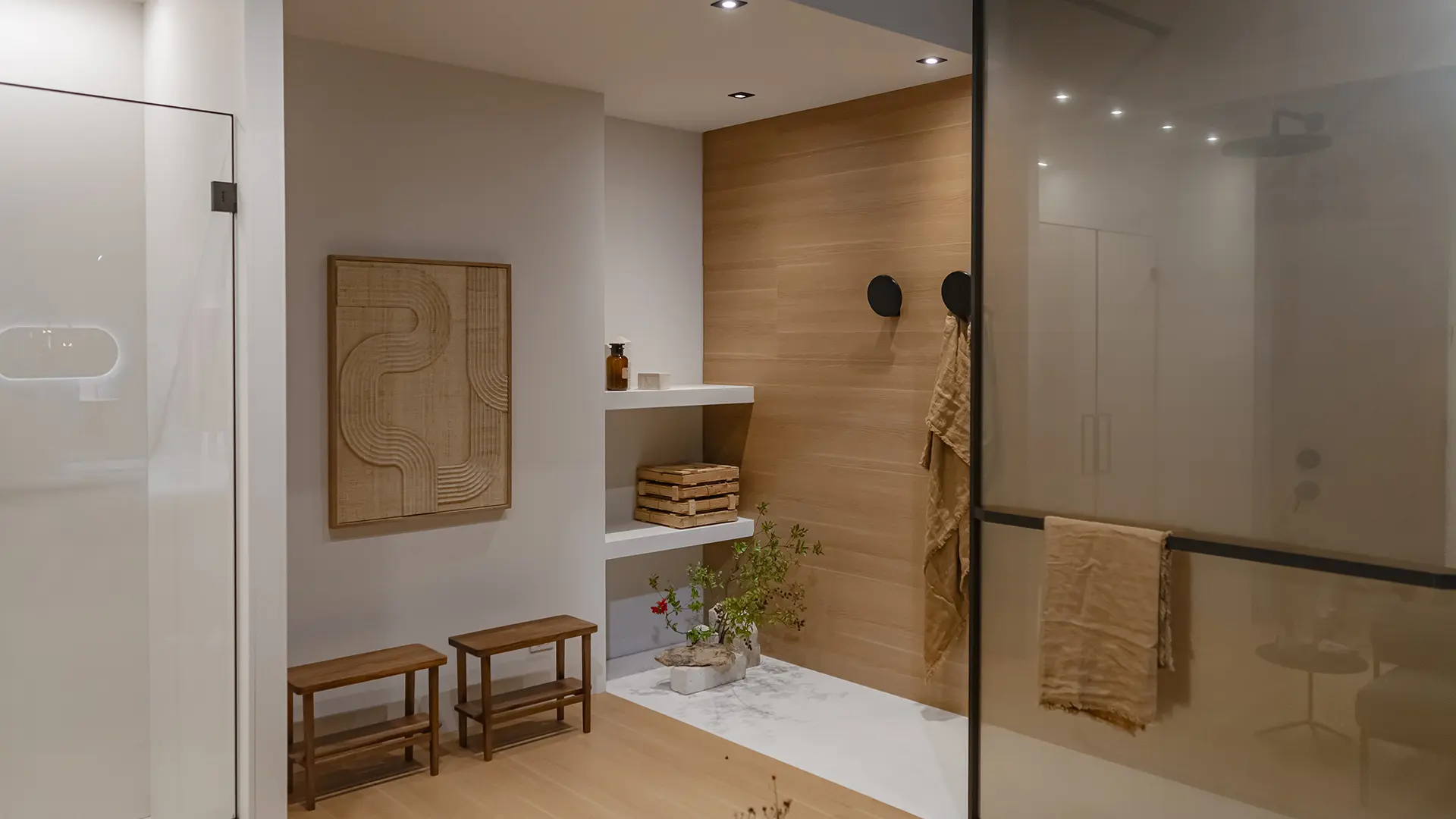
Vismaravetro, 64th edition of Salone del Mobile.Milano
At the International Bathroom Exhibition 2026, the bathroom once again proved to be one of the most advanced territories of contemporary design. Once considered a purely technical space, it now appears as a complex ecosystem where architecture, wellbeing, sustainability, material research and new living rituals converge
Salone del Mobile.Milano 2026 made clear a transformation that is now structural: the bathroom is no longer a separate room within the home, but a cultural and sensory extension of it. The most interesting companies are presenting not only products, but genuine visions of domestic space. Taps, sanitaryware, shower enclosures, furnishings and surfaces become tools for interpreting a new way of experiencing private time. Among the clearest trends to emerge were the central role of materiality and durability as a new form of luxury, the discreet integration of technology, and growing attention to production processes. The bathroom of 2026 is a refined space where material, colour and design essence merge.
New materials: When material becomes the project
One of the main focuses of the 2026 edition concerns the role of materials. No longer a final choice or superficial cladding, materials become the starting point of the design concept itself. Material becomes language, performance and identity. Laufen presented Experience Tomorrow, an immersive narrative that perfectly embodies this approach. At the centre of the scene is VITREON, a new enamelled steel developed for premium washbasins: as strong as metal, as smooth as glass, hygienic, scratch-resistant and designed to last over time. A hybrid material that moves beyond the traditional boundaries between ceramic and metal, expanding the contemporary vocabulary of the bathroom. Hotbath also chooses material as a declaration of identity with GENT, a collection designed by Gabriele and Oscar Buratti. Entirely made of 316 stainless steel, the series translates the strength of the material into soft, ergonomic forms. CNC technology, invisible laser welding and integrated flow limiters demonstrate how technical research can generate elegance and environmental responsibility at once. Itlas, meanwhile, brought to the fair a warm and natural reading of materiality, rooted in wood sourced from certified supply chains and a design vision focused on sustainability. In the bathroom project presented in Milan, collections such as L’Essenziale, Linea and 5 Millimetri combine oak, American walnut, marble, resins and decorative Le Righe boiserie, transforming the bathroom into a tailored environment where surfaces and furnishings interact with architectural continuity.
Sustainability and longevity at the core
In the contemporary bathroom, sustainability no longer coincides with a simple green label. Rather, it is a set of coherent choices: long-lasting materials, reduced maintenance, recyclability, clean processes and products made to endure. QuadroDesign continues to represent one of the strongest examples in this direction. Its exclusive use of AISI316L stainless steel involves not only its tapware but the company’s entire philosophy. HUM, designed by Philippe Malouin, reduces the product to its essentials through a single generating curve. A14, designed by Maddalena Casadei, is instead born from the reuse of existing catalogue components, transformed into new bathroom accessories through a systemic approach that reduces waste and production complexity. The most emblematic gesture comes from the stand designed by Giacomo Moor: a temporary structure conceived to become, at the end of the fair, the first public bathroom in Masala. A concrete reflection on the destiny of exhibition structures and the possibility of transforming the temporary into useful infrastructure. Tubes also works on the theme of longevity through Terre, an electric radiator designed by Sebastian Herkner that introduces terracotta as a structural heating body. Inside, a core of recycled and recyclable aluminium optimises performance and consumption. It demonstrates how ancient materials and advanced technologies can coexist within a contemporary object. Alongside this approach stands Antrax, which continues to reinterpret heating elements as architectural components. The new proposals presented in Milan combine energy efficiency, formal research and recyclable aluminium craftsmanship, transforming the radiator into a graphic presence capable of dialoguing with both bathroom and living spaces. Itlas reinforces this direction with a concrete strategy: FSC® and PEFC certifications, ISO 14001 and 9001 systems, recycled packaging and three recent EPDs measuring product impact throughout the entire life cycle. An industrial approach that turns sustainability into method and transparency.
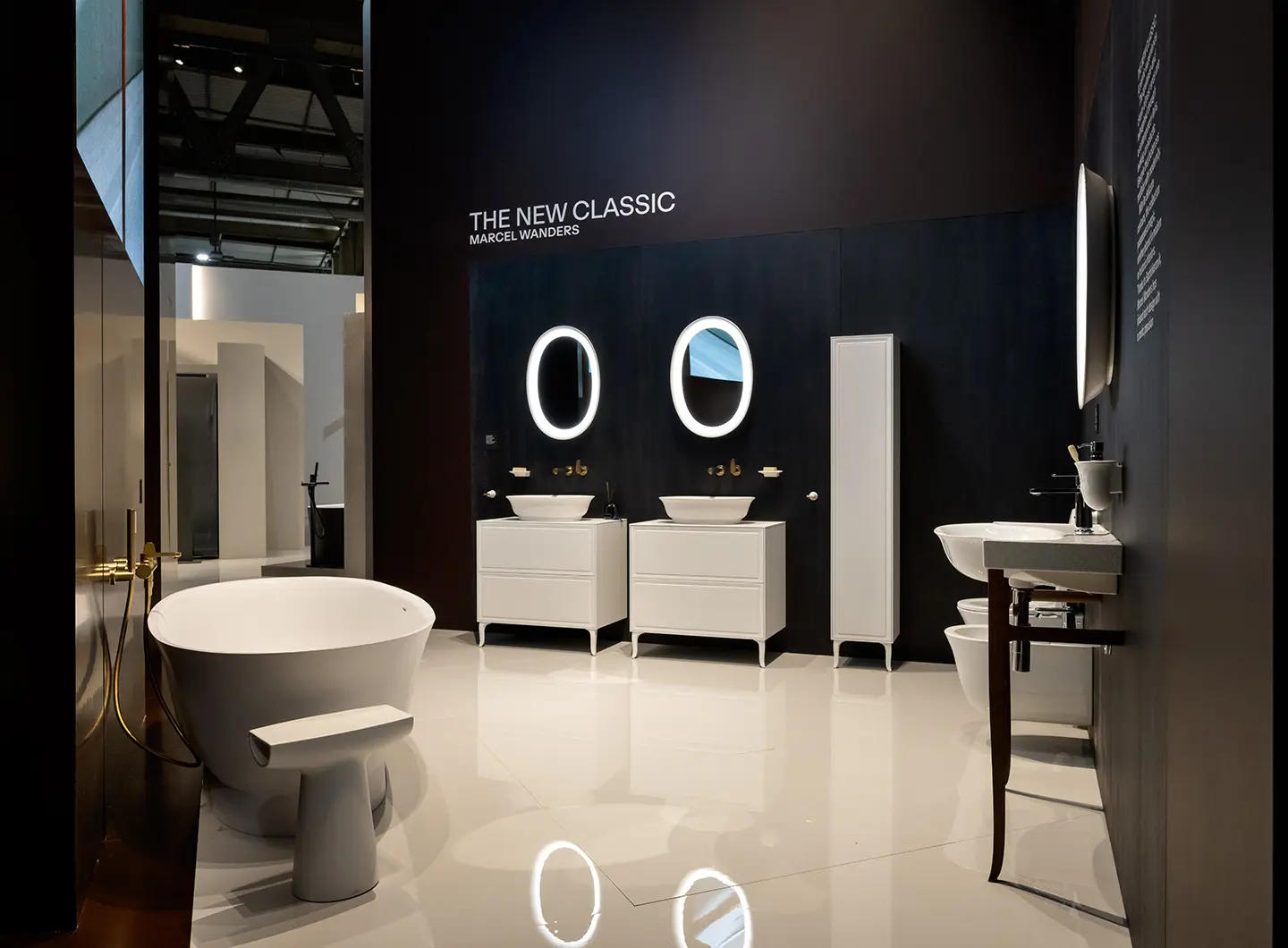
Laufen, 64th edition of Salone del Mobile.Milano
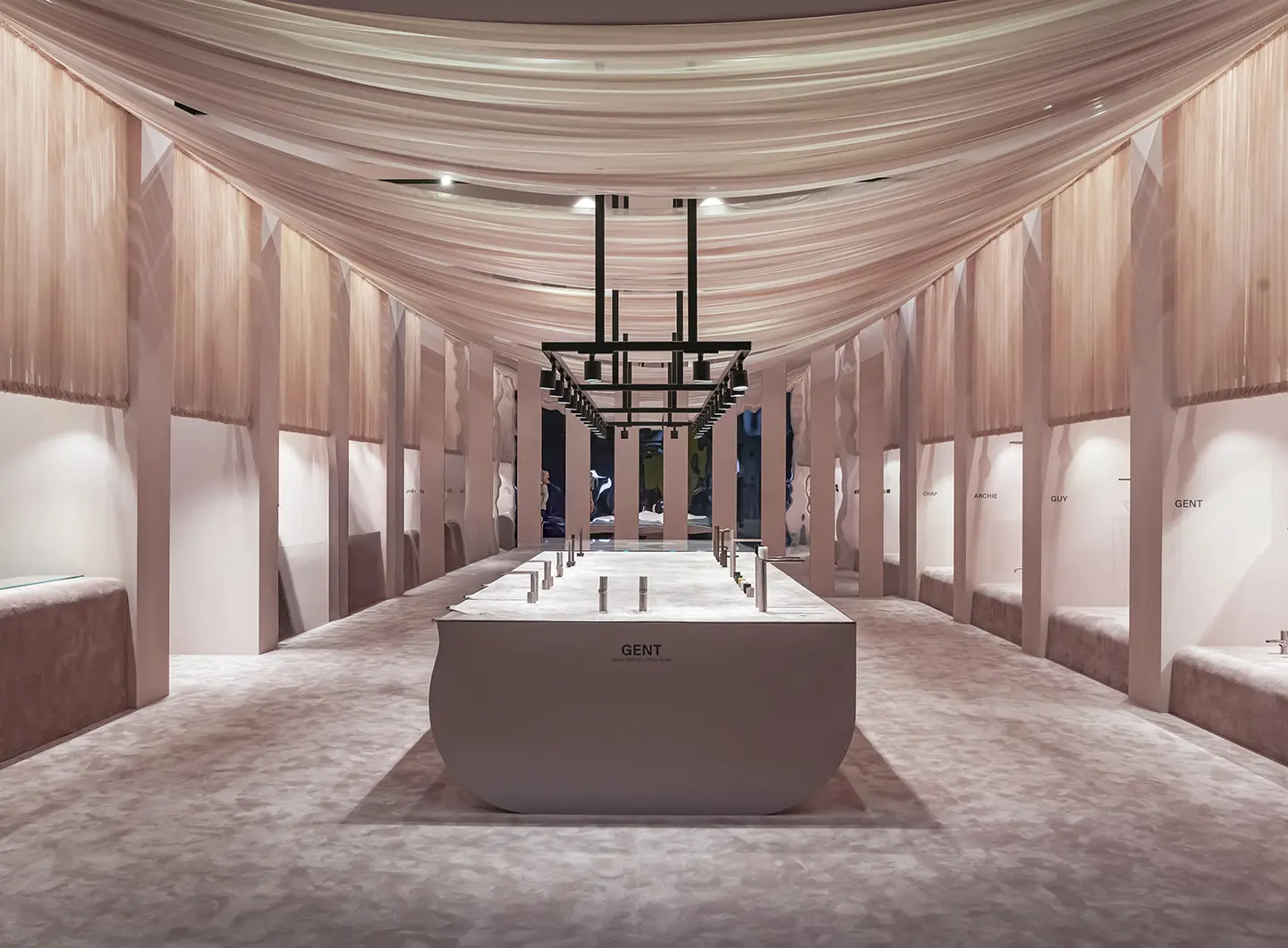
Hotbath, 64th edition of Salone del Mobile.Milano
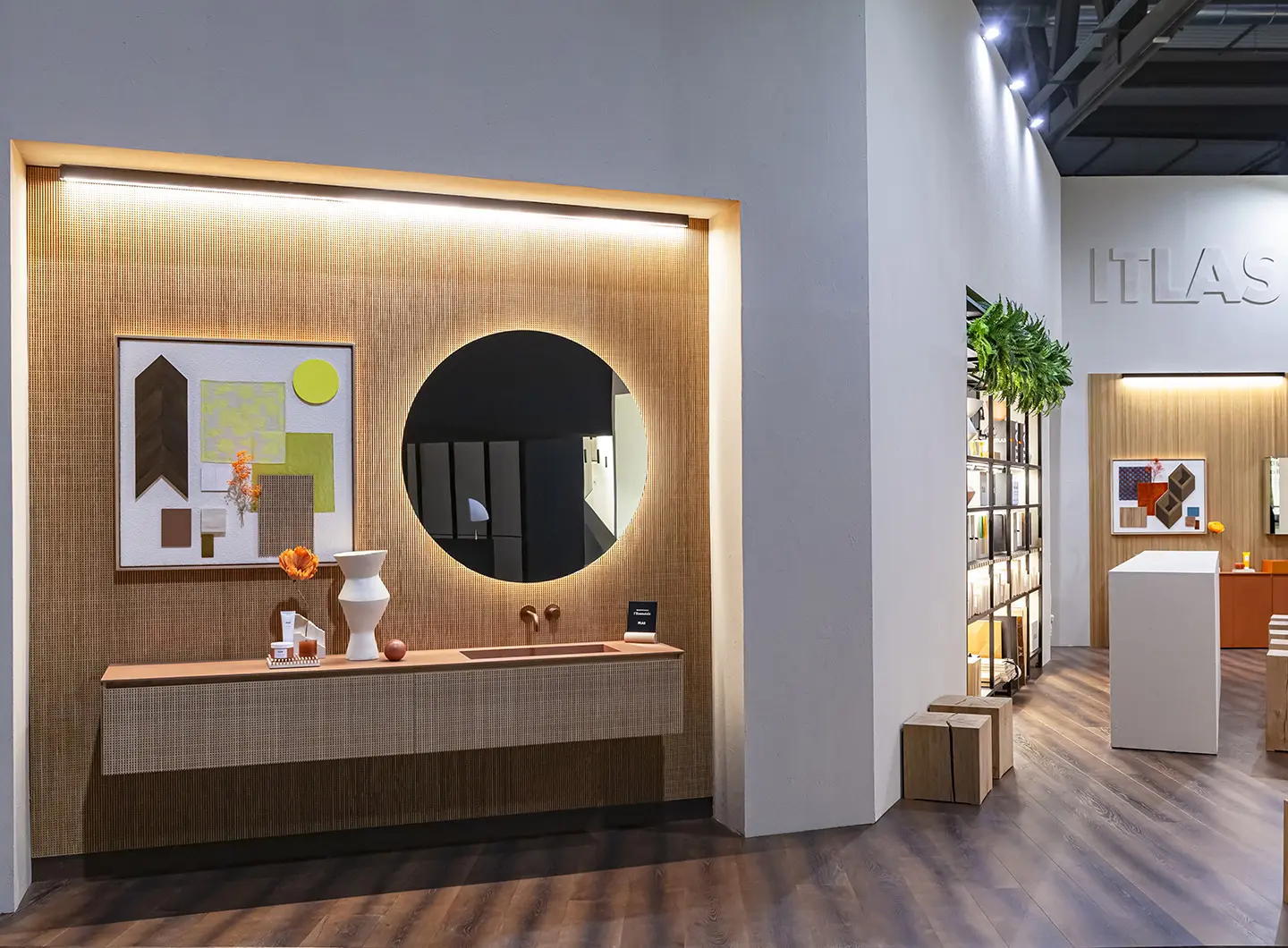
Itlas, 64th edition of Salone del Mobile.Milano
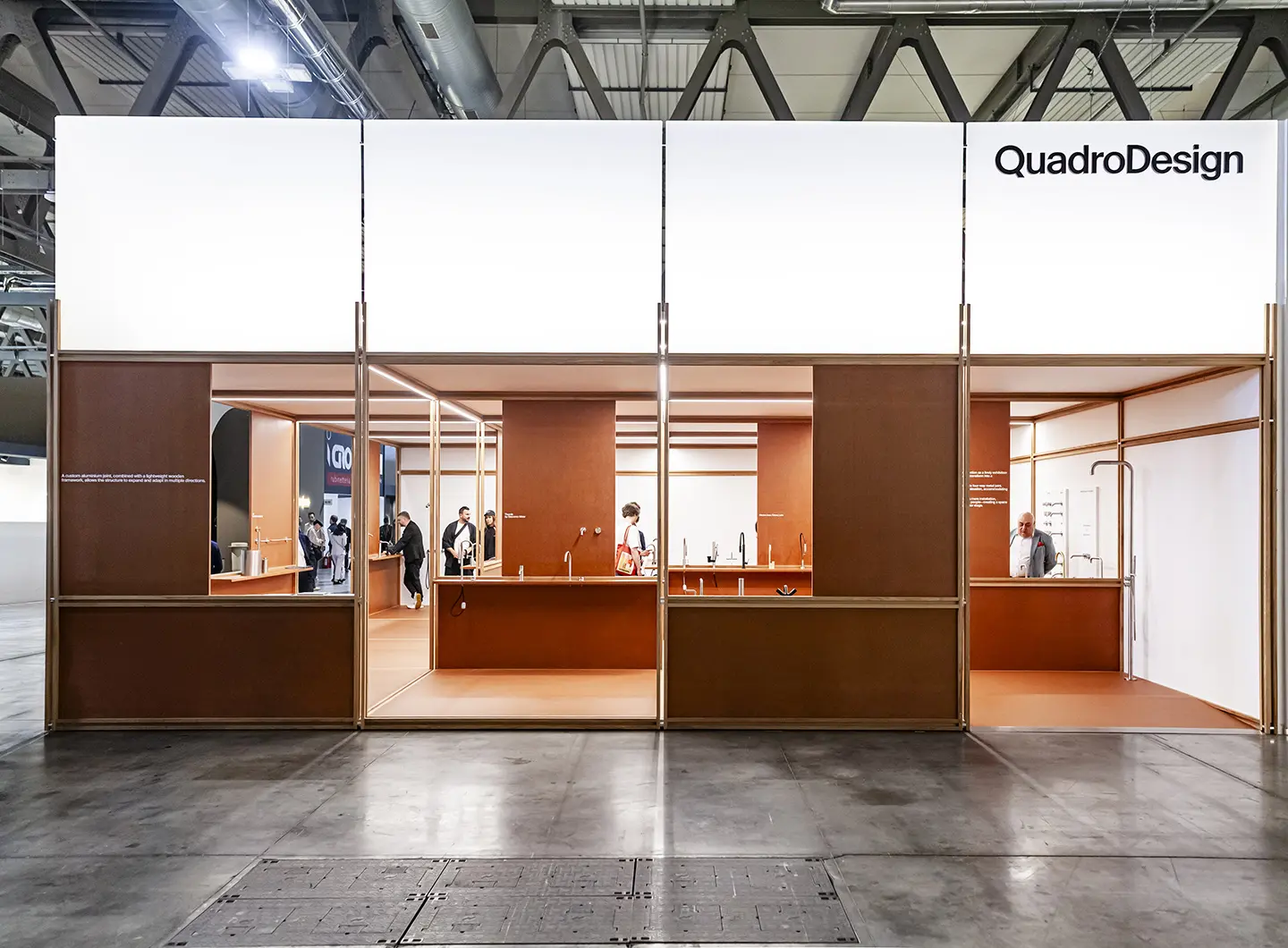
QuadroDesign, 64th edition of Salone del Mobile.Milano
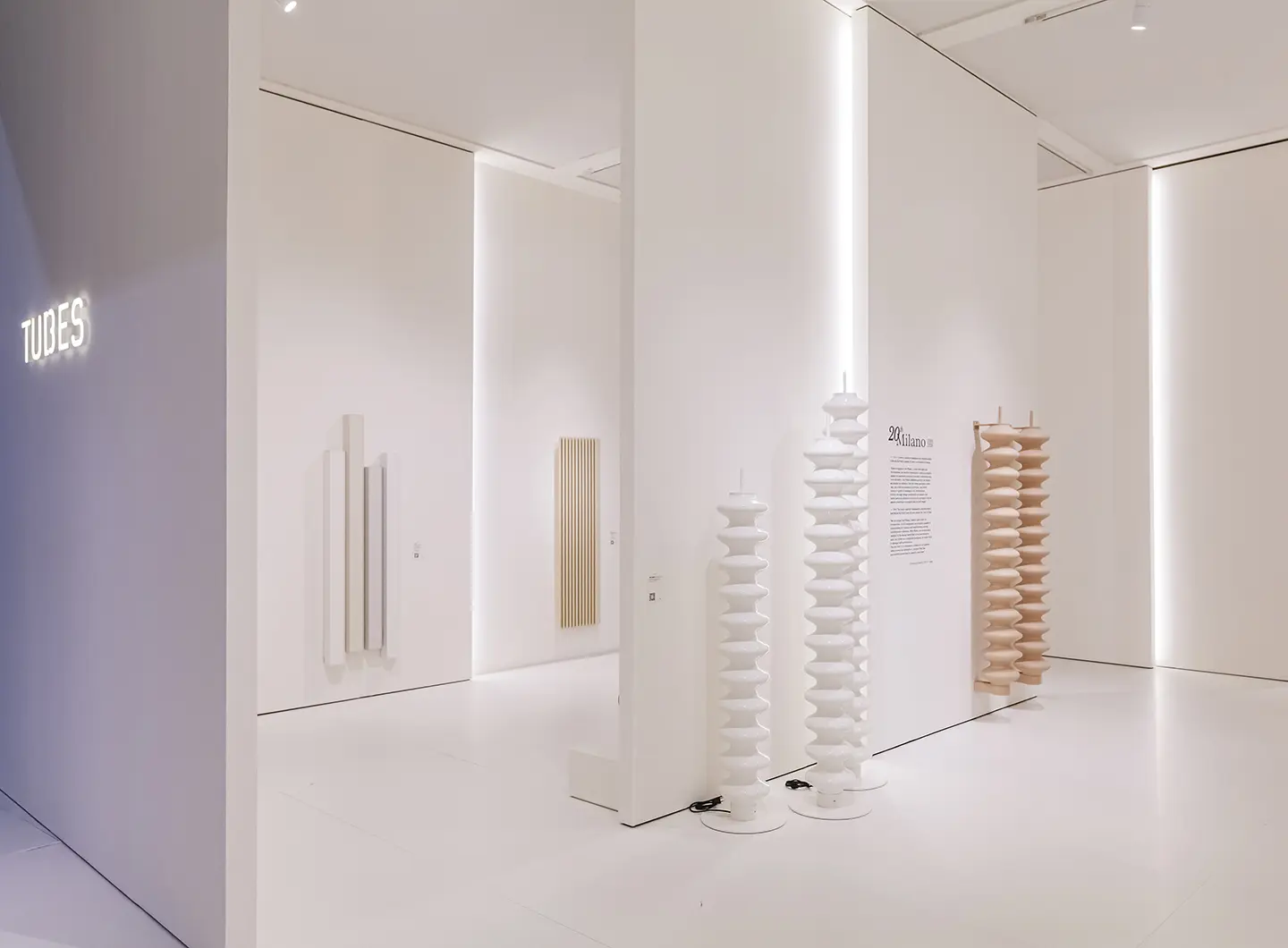
Tubes, 64th edition of Salone del Mobile.Milano
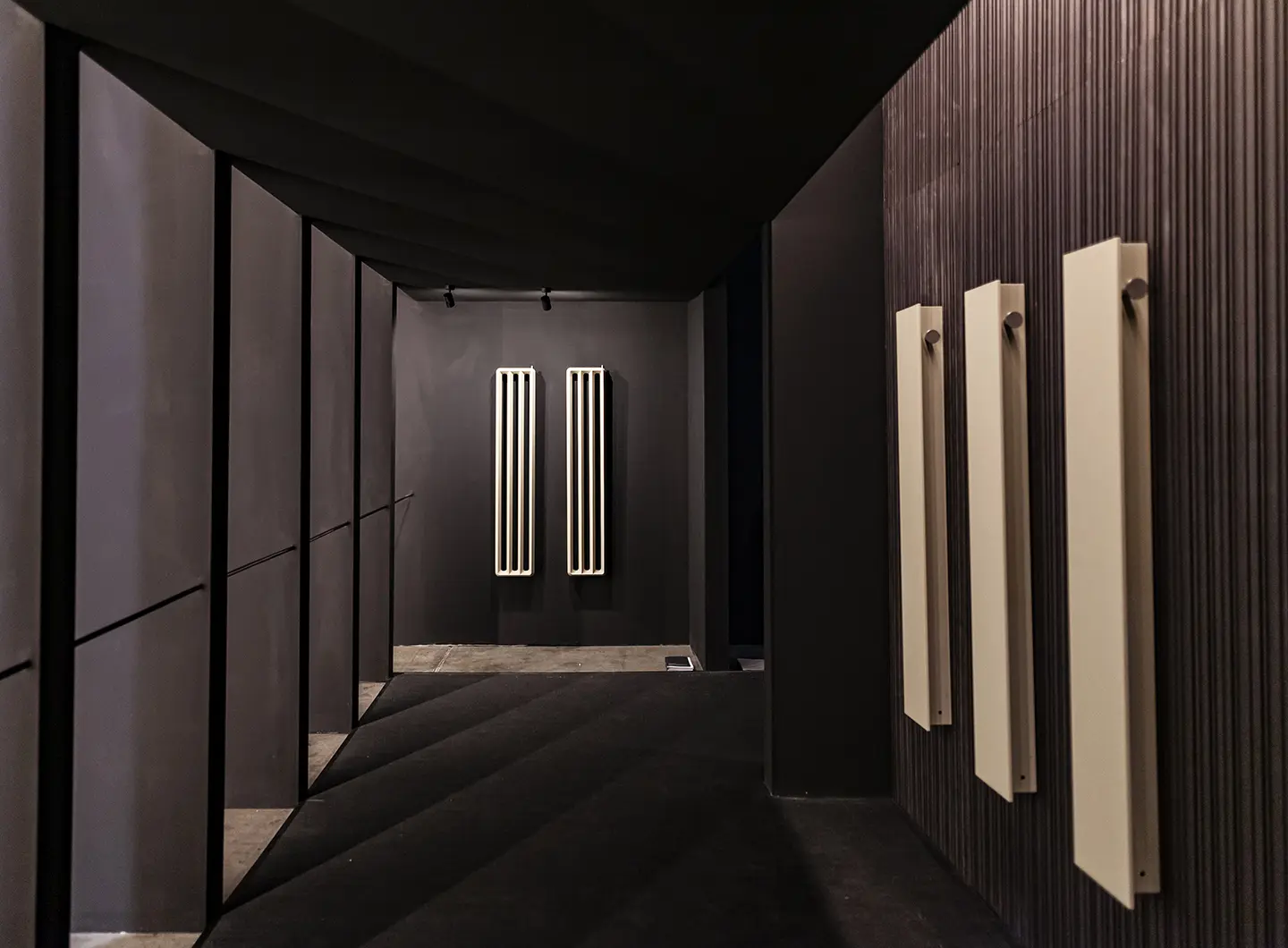
Antrax, 64th edition of Salone del Mobile.Milano
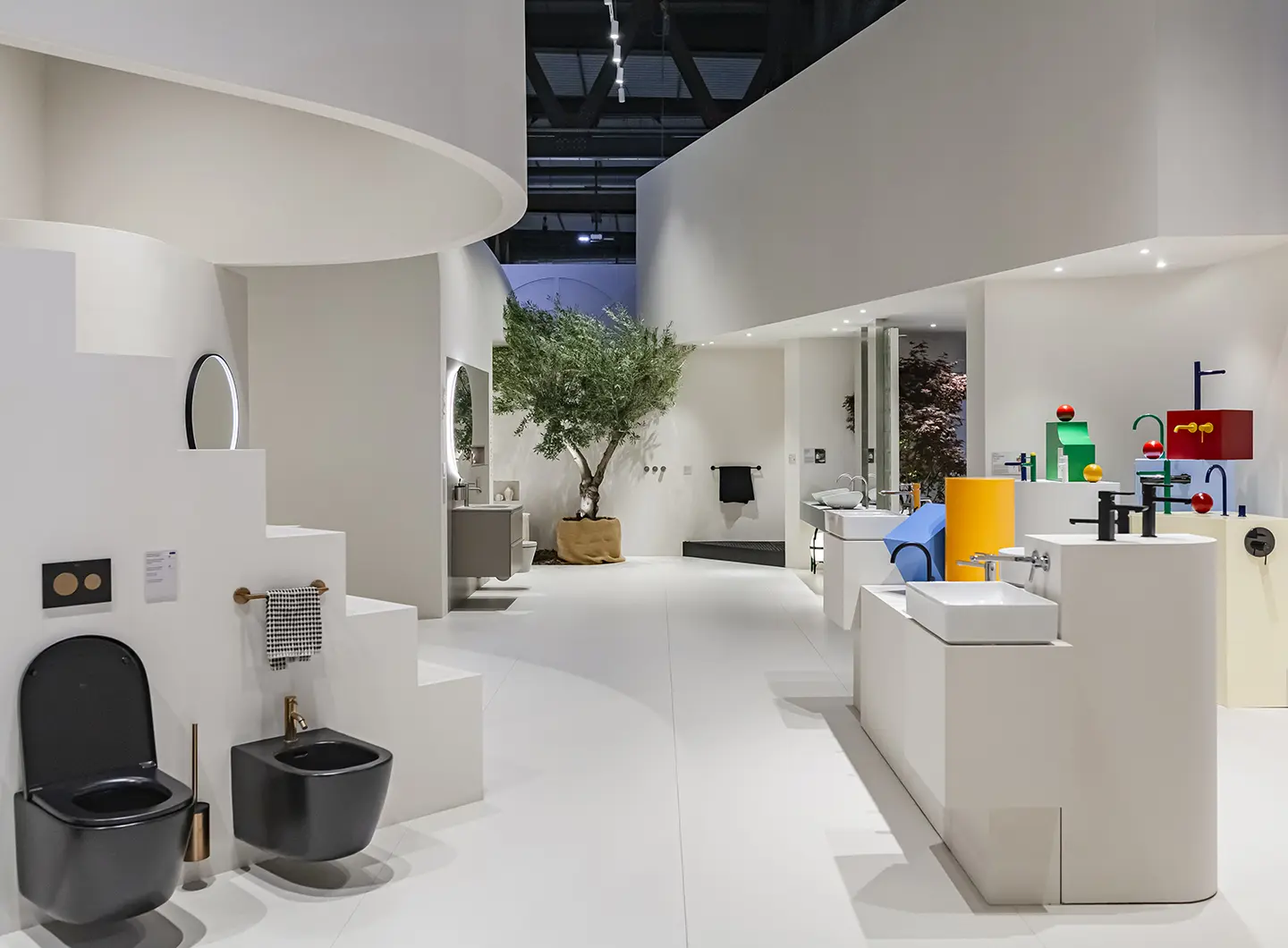
Roca, 64th edition of Salone del Mobile.Milano
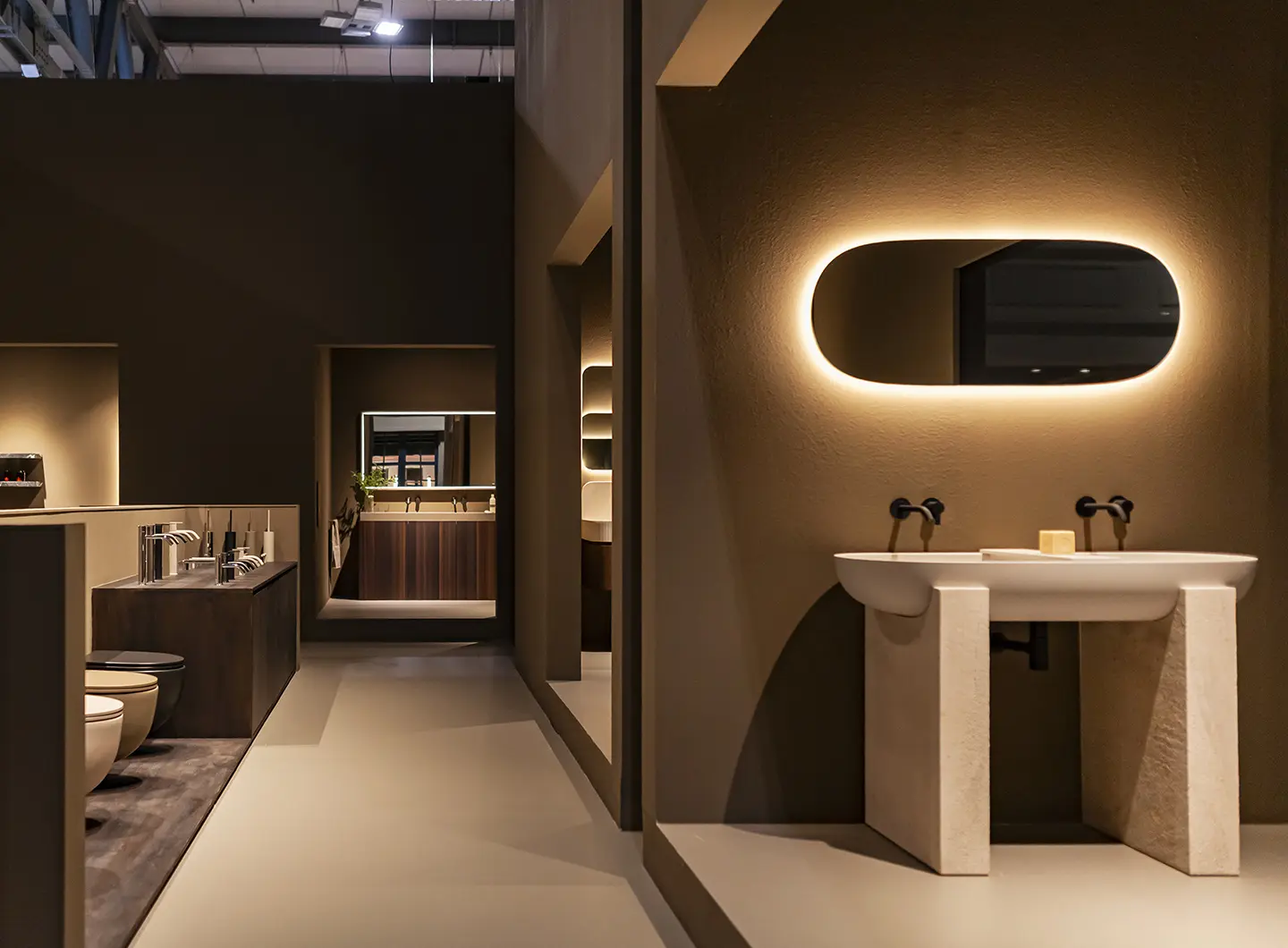
Inbani, 64th edition of Salone del Mobile.Milano
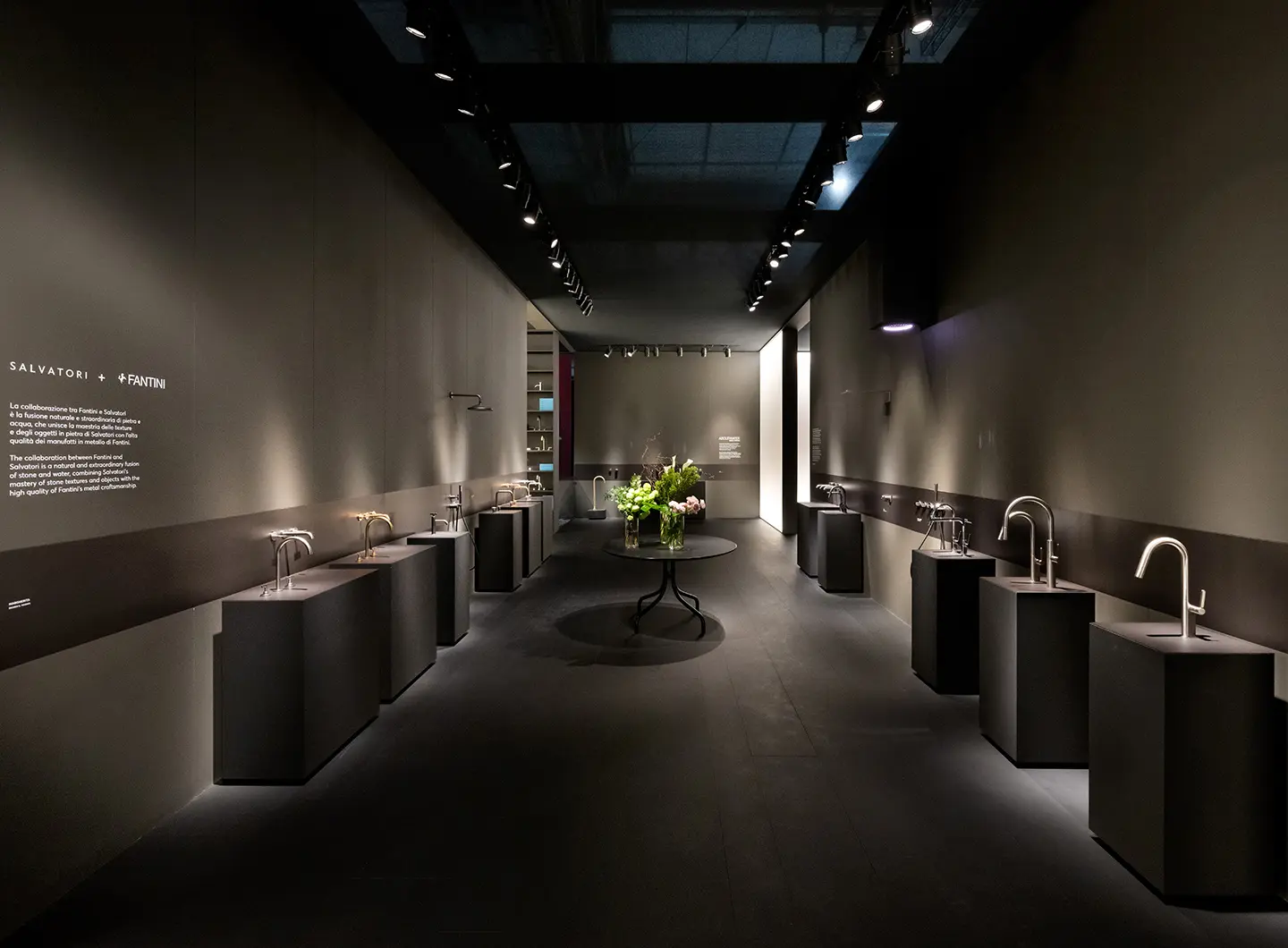
Fantini, 64th edition of Salone del Mobile.Milano
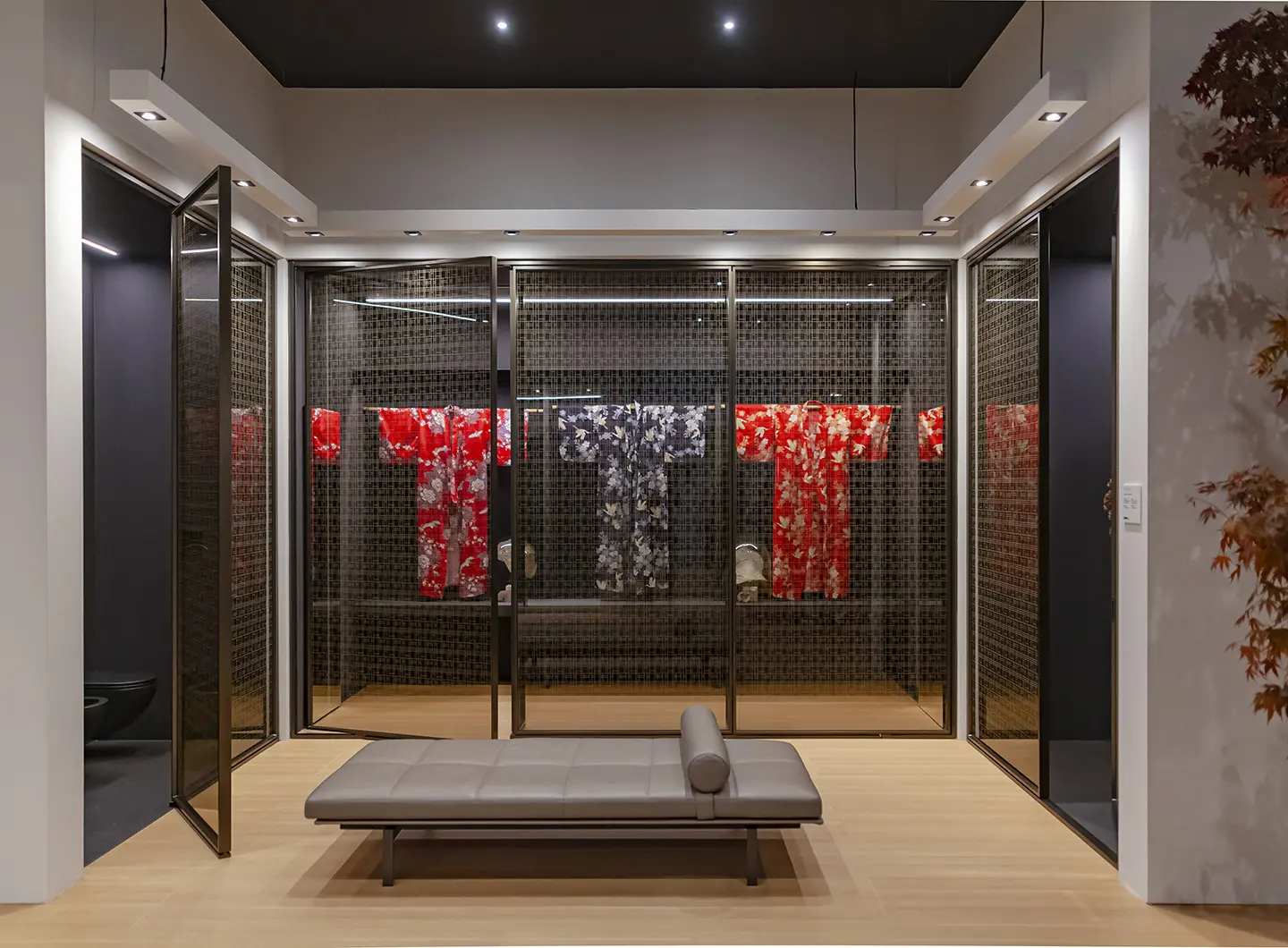
Vismaravetro, 64th edition of Salone del Mobile.Milano
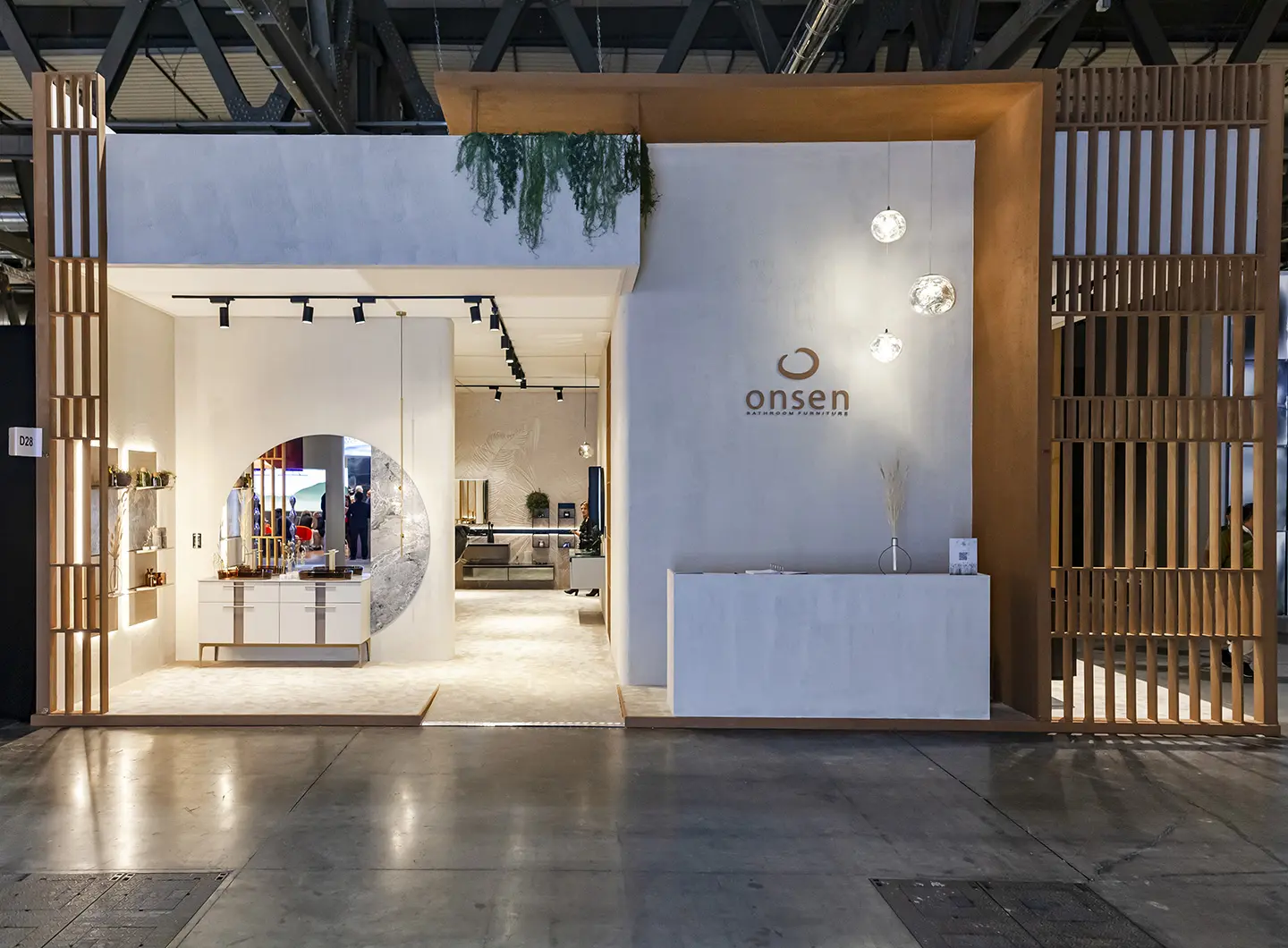
Onsen, 64th edition of Salone del Mobile.Milano


Invisible technology and everyday wellbeing
Another strong direction of the 2026 edition concerns technology integrated with discretion. The smart bathroom does not flaunt screens or superfluous functions. It prefers to improve the user experience without interrupting the purity of space. Roca presented In-Wash® Vorea, an evolution of the smart toilet that incorporates washing and drying functions while maintaining the sober appearance of a traditional sanitary fixture. Technology disappears inside the object, leaving only comfort and ease of use. Inbani confirms the transformation of the bathroom into an evolved domestic environment, presenting collections that merge furniture, architecture and wellbeing. Sculptural basins, monolithic volumes, sophisticated finishes and modular systems express a vision in which the bathroom increasingly dialogues with the living area, overcoming the traditional boundaries of the functional room. Fantini placed water at the centre of its narrative. In the stand designed by Piero Lissoni, working bathtubs and showers guide visitors through an almost meditative journey. Highlights include the fiftieth anniversary of the I Balocchi series, the Flora collection by Vincent Van Duysen, and the new wellness chapter developed with Hofer. The bathroom thus evolves from service room to regenerative space, a private spa woven into everyday life.
Glass architecture and new spatial systems
The world of shower enclosures and partitions is also evolving toward a more architectural language. Glass is no longer a simple technical closure, but a compositional element capable of organising space. Vismaravetro expands the Domino system with new sliding openings, internal configurations and integrated accessories such as towel rails. The shower wall becomes a flexible device capable of adapting to residential, hospitality and contract settings. At the same time, F.Line introduces an ultra-thin frame that redefines the boundary between structure and transparency. Onsen also interprets the bathroom as an immersive architectural space: curved walls, vegetation, natural materials and fluid pathways accompany the presentation of the new Atelier and Essenza collections. The bathroom cabinet is no longer an isolated volume, but part of a coherent domestic scene.
A new bathroom Cculture
Salone del Mobile 2026 therefore confirms an irreversible trend: the bathroom has become one of the most sophisticated places in contemporary design, where industrial research, ergonomics, sustainability, emotion and technical innovation meet. It is no longer simply about furnishing a functional room, but about building a daily experience made of material, light, comfort and rediscovered time. The bathroom is a perfectly tuned machine: it works well, lasts long, consumes less and improves life.
22 April 2026
Share