

 Stories


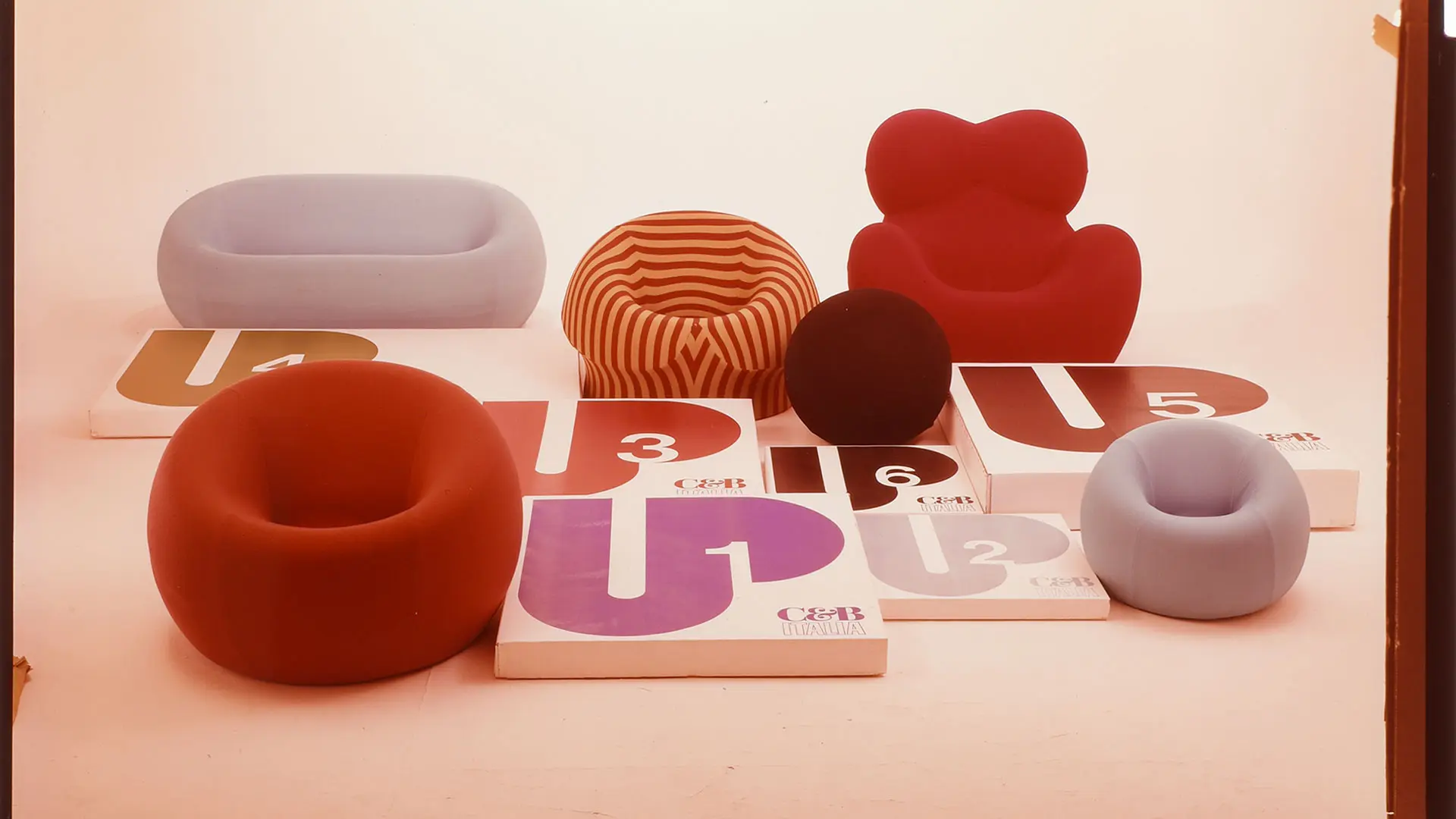
The story of an international design icon. An interweaving of ideas, visions, and experimentation. Beyond trends, beyond fashions, beyond the present. For the sake of a precise design culture
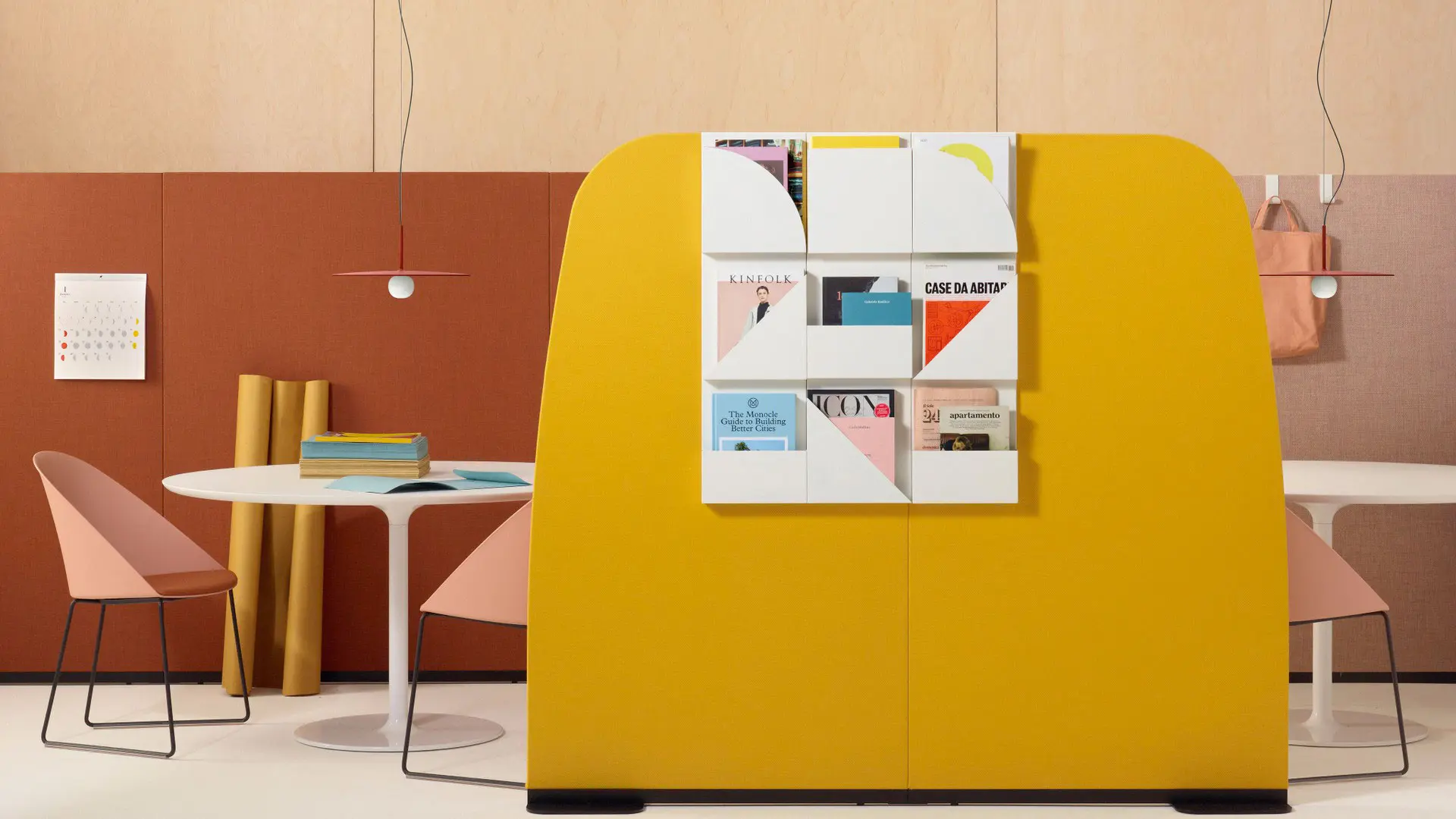
Arper, Paravan, design Lievore Altherr
From flexible desks to soundproof booths: a selection of projects to rethink the workplace
The office should be a pleasant place: one where people can work well, with focus and purpose, but also in harmony with others. In an open-plan office, this is a far from simple challenge. Privacy and flexibility are essential to prevent a shared space from becoming an environment of constant scrutiny, filled with noise, distractions and the impression of always being watched. Good design should do the opposite: enablepeople to stay together without necessarily being exposed.
Light is essential, starting with natural light, supplemented by task lighting on the desk and ambient lamps that can alter the mood of the space. Acoustic wellbeing is equally important: lightweight partitions and sound-absorbing panels can create veritable “rooms within a room”, while soundproof booths provide somewhere to withdraw for a call or meeting when needed.
Then there is the body, which all too often seems to play a secondary role in the contemporary office. Ergonomics is everything, starting from the chairs, but including the opportunity to change posture, move around and rest. After all, the siesta is now widely accepted: a snooze of just ten or twenty minutes can suffice to restore energy and concentration. So why not provide sofas and chaise longues for the purpose? Perhaps there could also be a space for stretching: ten minutes of exercise can be more useful than we normally imagine.
Read also: Workplace + S.Project: interior design that goes beyond strict formality
Eating and spending time together are also part of a good quality of life at work. A kitchen, a fridge for a packed lunch and a coffee machine can turn a break into a moment of connection; even an impromptu aperitif could make more sense than yet another meeting on the agenda. Finally, a rug adds warmth and the sense of comfort that should never be missing from a space. The office is not trying to replace the home, but for many people it has become a second home. So let’s make it as stimulating as possible and capable of encouraging productive, respectful relationships. Objects can help achieve this too.
Desk — Diemmebi, Slim, design Angelo Pinaffo
Slim by Diemmebi is a desk that does not attempt to dictate once and for all how the work should be organised. Designed by Angelo Pinaffo, it was conceived with precisely this idea in mind. The metal structure allows several tables to be placed side by side and configured for different needs, while braked castors make them easy to move. The folding top adds further flexibility, making the desk suitable for meetings, teaching rooms and multifunctional spaces as well.
Acoustic panels — Arper, Paravan, design Lievore Altherr
In the open-plan office, silence has become a design material. Paravan by Arper, designed by Lievore Altherr, works precisely on this boundary: sound-absorbing panels divide the space without completely interrupting its continuity. The panels can form linear, angular, curved or circular configurations, creating more secluded and protected areas. Shelves, whiteboards and organisers can be added to the system, turning the partition into a genuinely functional element.
Chair — Quinti, The Season Net, design Alegre Design
We spend much of the day sitting down, yet the office chair is still too often treated as an accessory. The Season Net from, Quinti starts instead with the body: a continuous membrane covers the seat and backrest, while the tubular frame and aluminium armrests complete a system designed for lasting comfort. It has a light presence, with ergonomics that have no need to display their complexity.
Meeting table — MIDJ, Organic, design Franco Poli
A meeting table does not necessarily require rigid geometry. Organic by MIDJ, designed by Franco Poli, brings fluid, asymmetrical forms inspired by nature into the workplace. The large 300 × 130 cm top is paired with a central base, available in hand-trowelled concrete or metal, while the top itself can be made of concrete or marble. It is a substantial table with a surprisingly soft aesthetic.
Meeting chairs — Fora Form, BUD
Around a work table, chairs can also help create a more informal atmosphere. BUD by Fora Form, designed by Skogstad & Wærnes, has a playful presence and an almost domestic character. The low, rounded backrest encourages interaction, while the armrests give support to the arms while working at the computer. Available with a variety of bases and upholstery options, it can also be configured for more dynamic meeting spaces.
Storage wall — Fantoni, Framework 2.0
Framework 2.0 by Fantoni treats storage as part of the architecture. Lockers, storage units, workstations, dividers and planters form a modular system that can be assembled and reconfigured over time. Rather than a fixed backdrop, it is a structure open to changes in the office, designed to organise the space without making it rigid, with easily reconfigurable components and materials conceived with their end of life in mind.
Partitions — Dooor
Dooor’s system takes a radically lightweight approach to separation: curved, slender and almost immaterial structures define spaces without building heavy barriers. It is a particularly interesting solution for the open-plan office: the surfaces can suggest rooms, routes and private areas while maintaining a fluid perception of the space.
Booth — Fantoni, Acoustic Room
Phone calls, video calls and meetings: in an open-plan office, not everything can be shared and not everything should be overheard. Acoustic Room by Fantoni creates protected environments within the shared space, with five size configurations ranging from an individual workstation to a meeting room. It is a genuine room within the room, designed to reduce interference and improve concentration while the rest of the office carries on working around it.
Pendant light — Artemide, Dusk, design BIG
Light changes throughout the day, and the office should be able to do the same. Dusk by Artemide, designed by BIG – Bjarke Ingels Group, is a pendant lamp that comes in three lengths, from one to three metres, with a colour temperature adjustable between 1800 and 4000 K. This may seem like a subtle variation, but it can support the transition from concentration to relaxation and from task lighting to a softer atmosphere.
Desk lamp — Davide Groppi, Ribbon, design Maurici Ginés
It looks almost like a line drawn in the air: Ribbon by Davide Groppi brings light to the desk with an understated gesture that becomes a graphic feature in the room. Designed by Maurici Ginés in 2024, it has matt black aluminium arms connected by a silicone tube and joints that allow the light to be directed. Touch controls operate and adjust the lamp, while power is supplied via USB-C. It forms a small luminous architecture for the desktop.
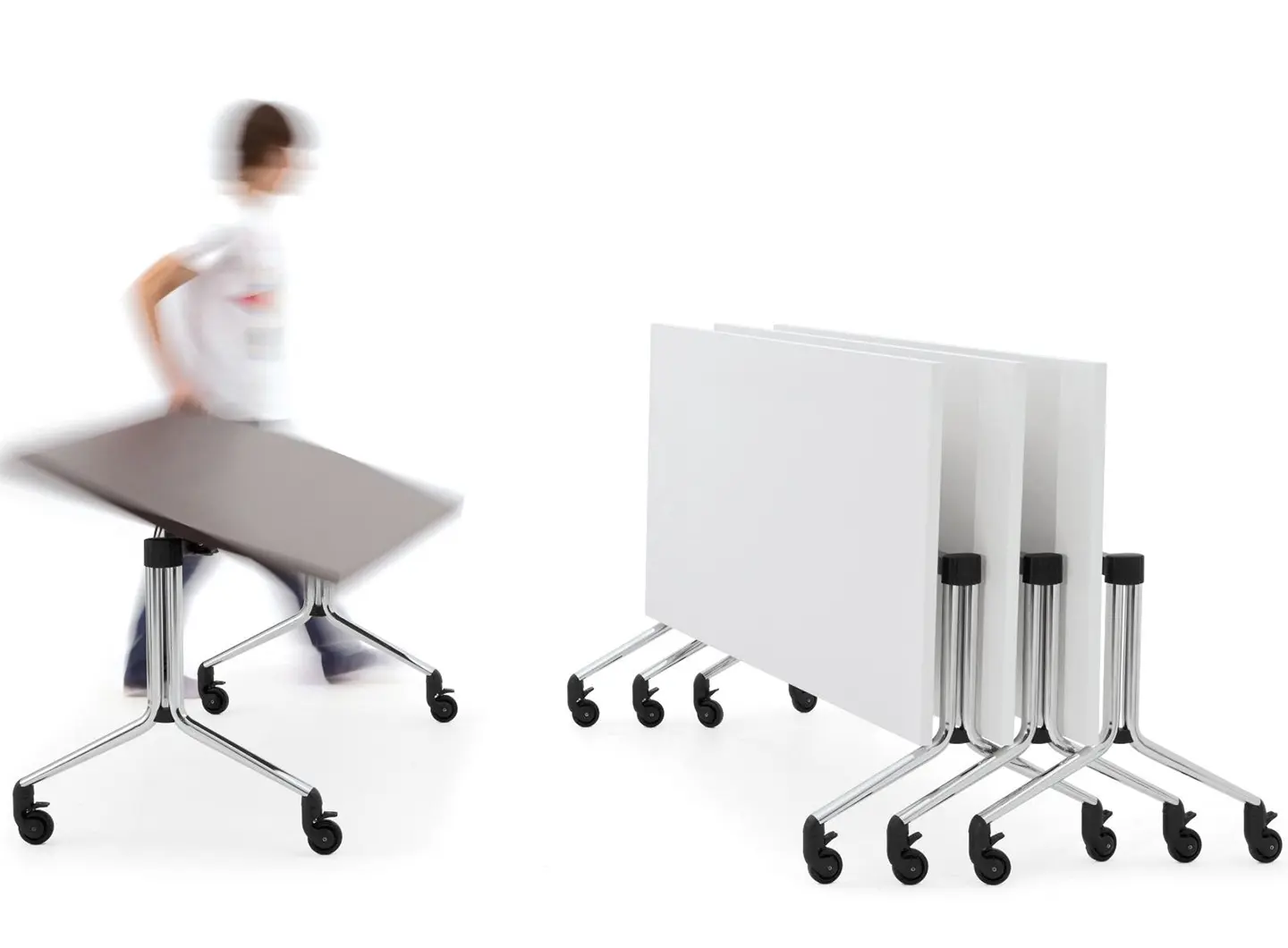
Desk — Diemmebi, Slim, design Angelo Pinaffo
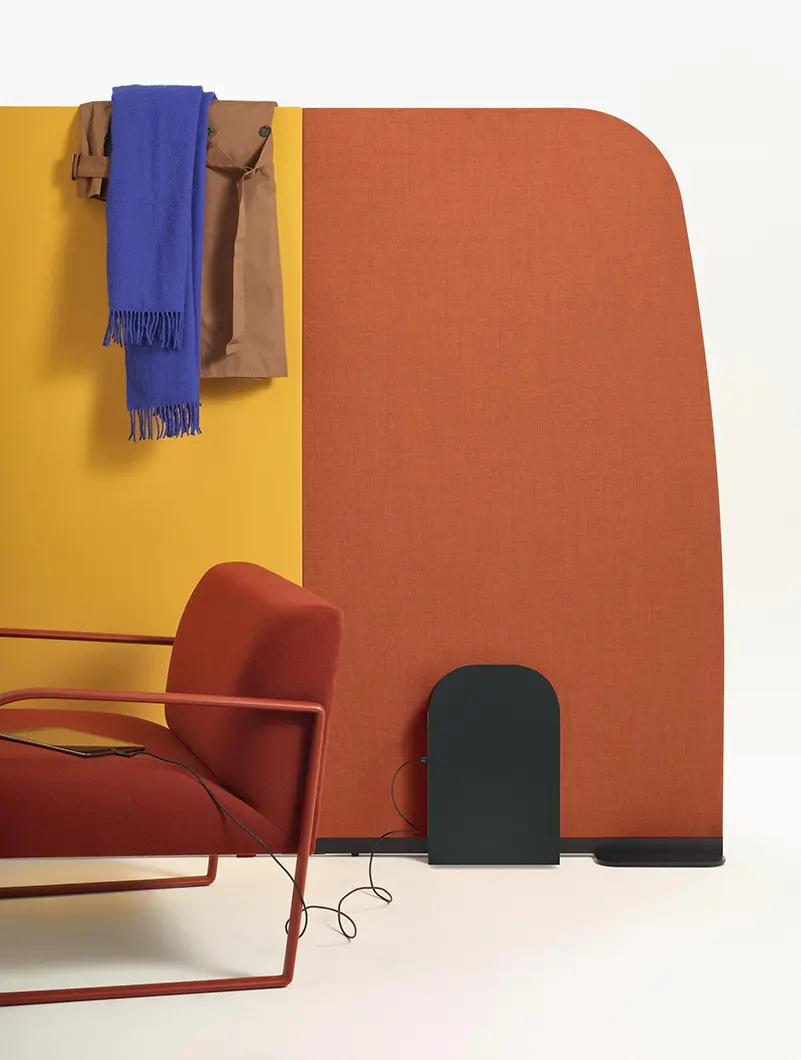
Acoustic panels — Arper, Paravan, design Lievore Altherr
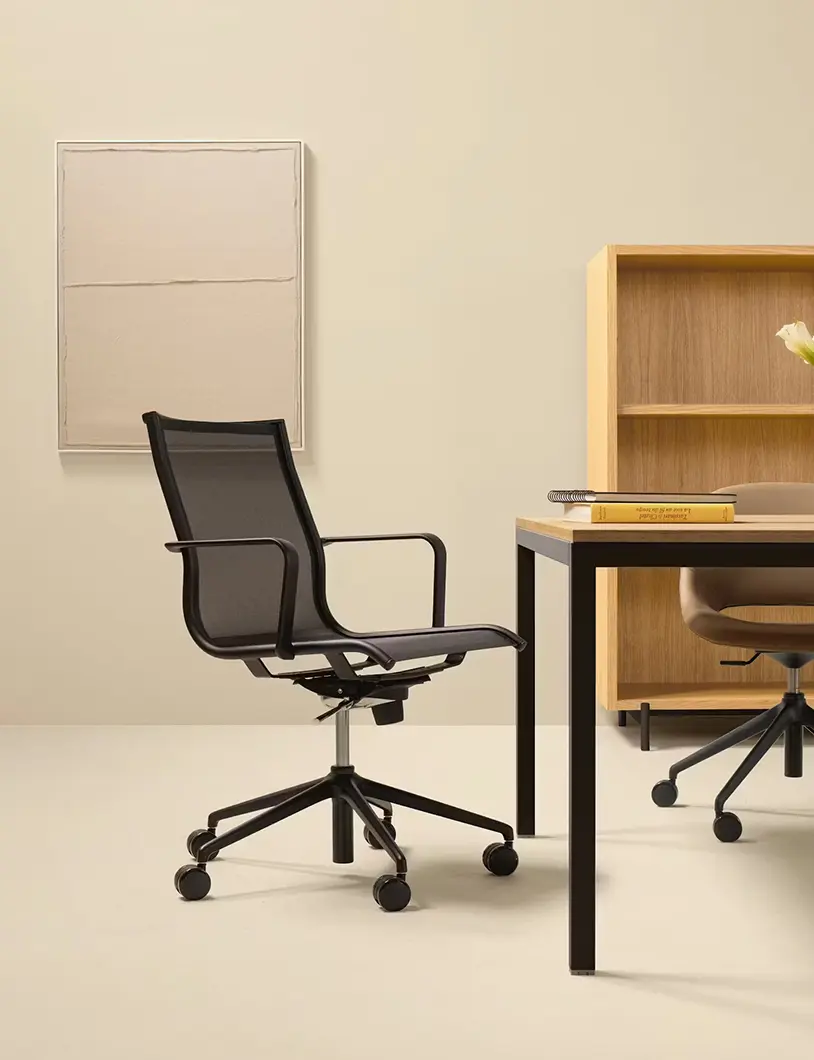
Chair — Quinti, The Season Net, design Alegre Design
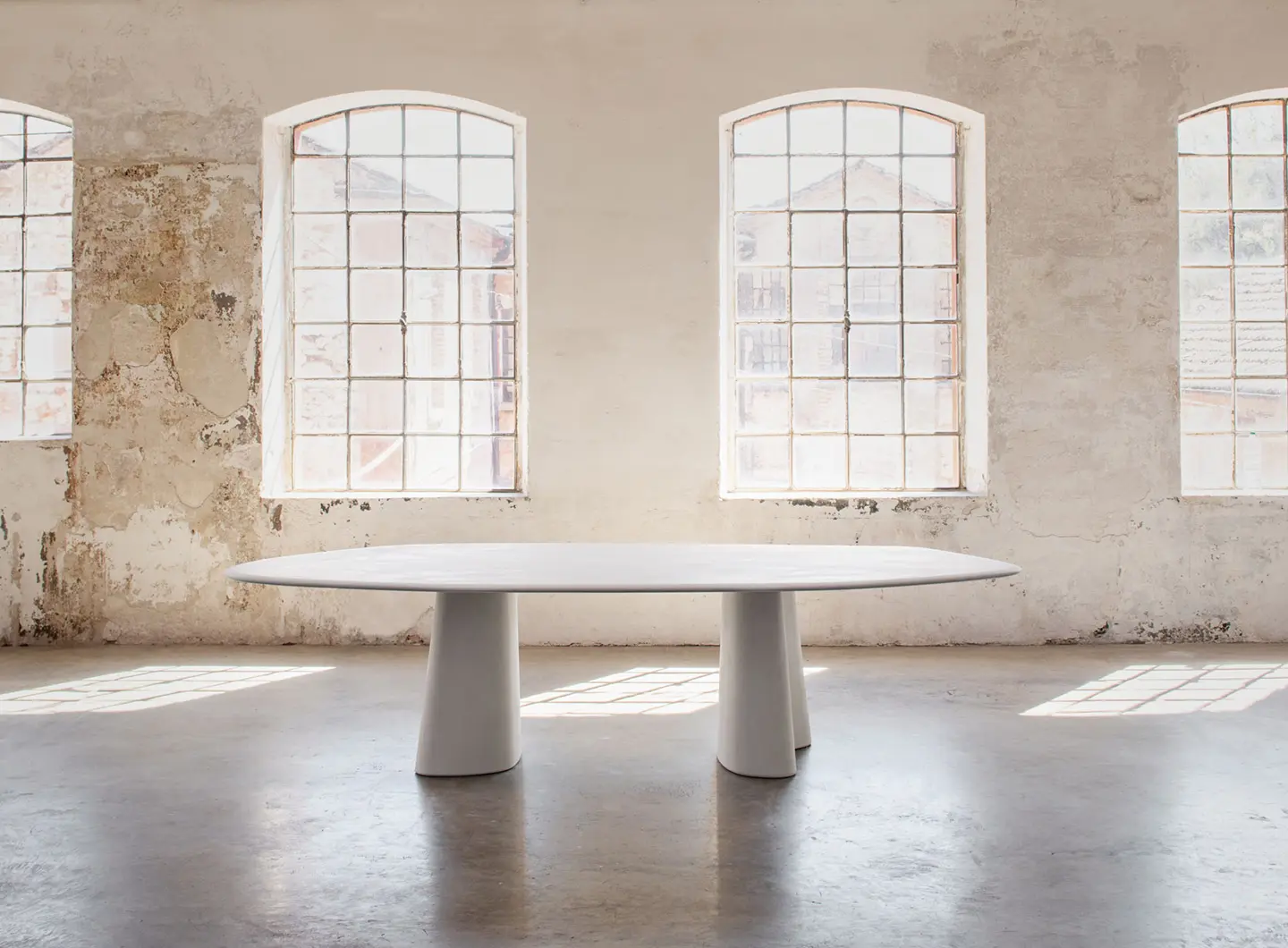
Meeting table — MIDJ, Organic, design Franco Poli
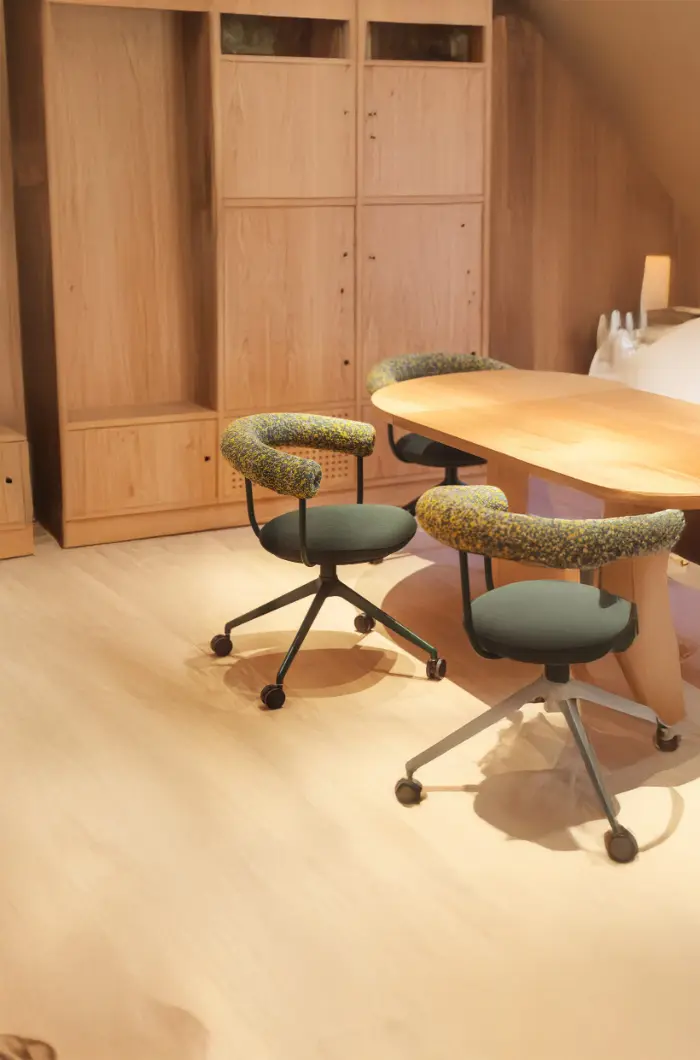
Meeting chairs — Fora Form, BUD
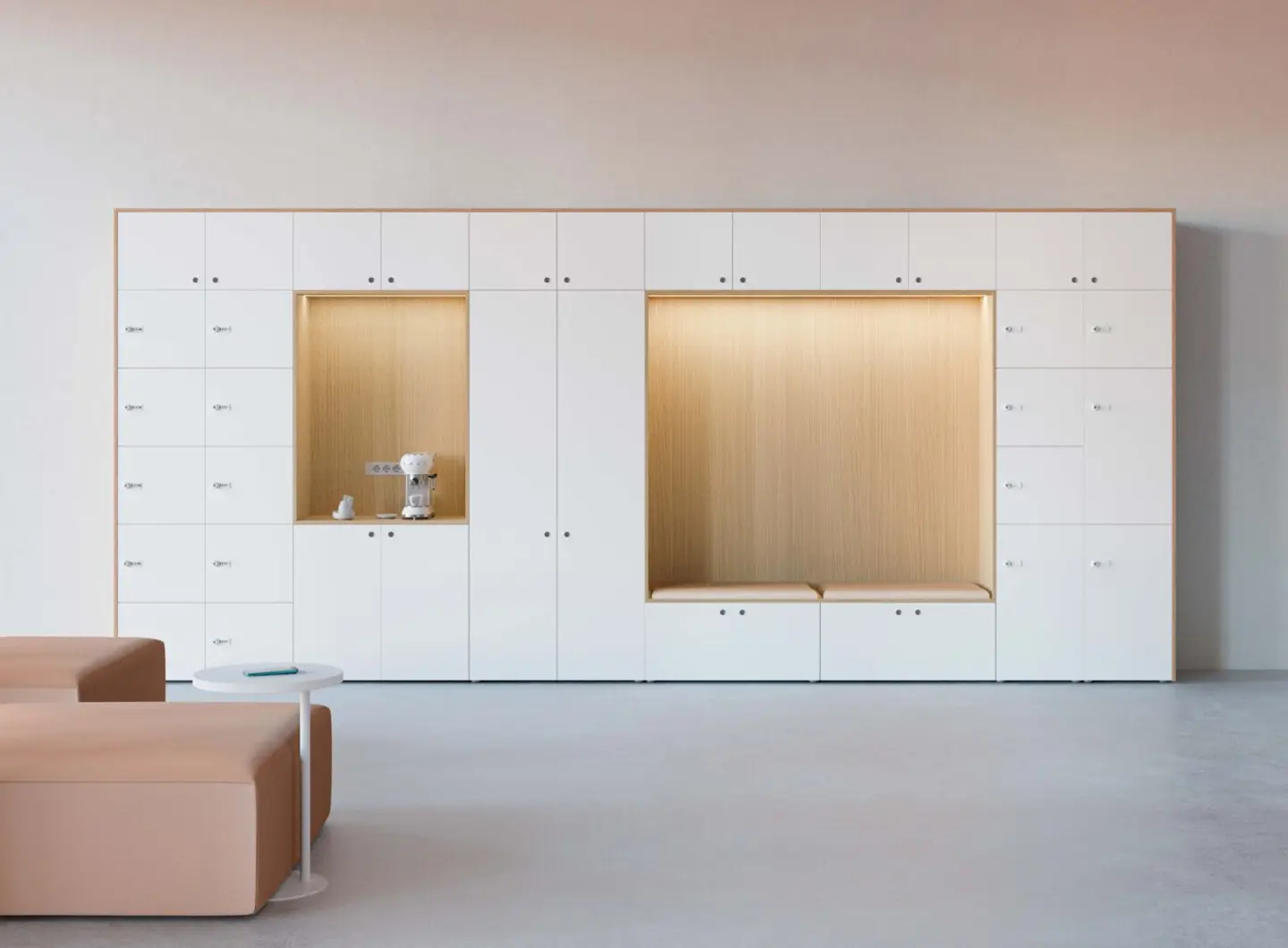
Storage wall — Fantoni, Framework 2.0
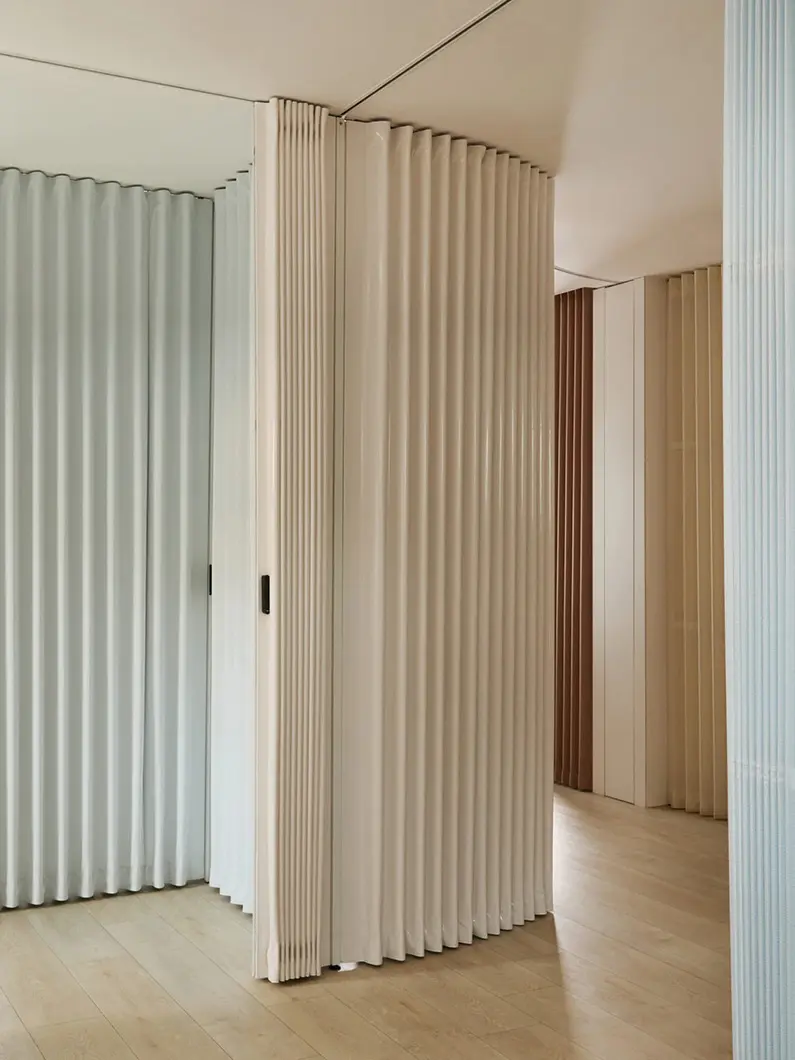
Partitions — Dooor - Ph. Claudia Zalla
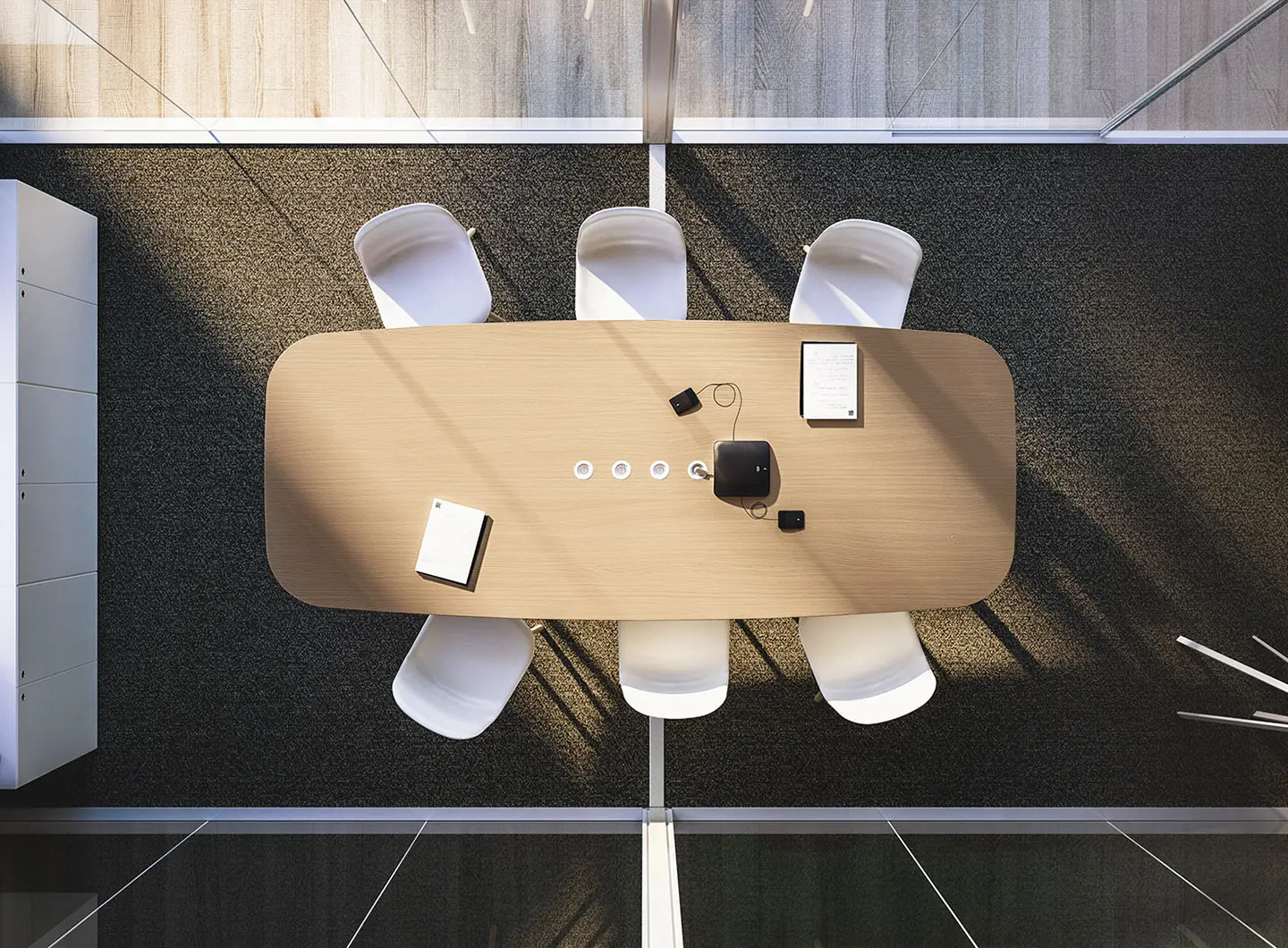
Booth — Fantoni, Acoustic Room
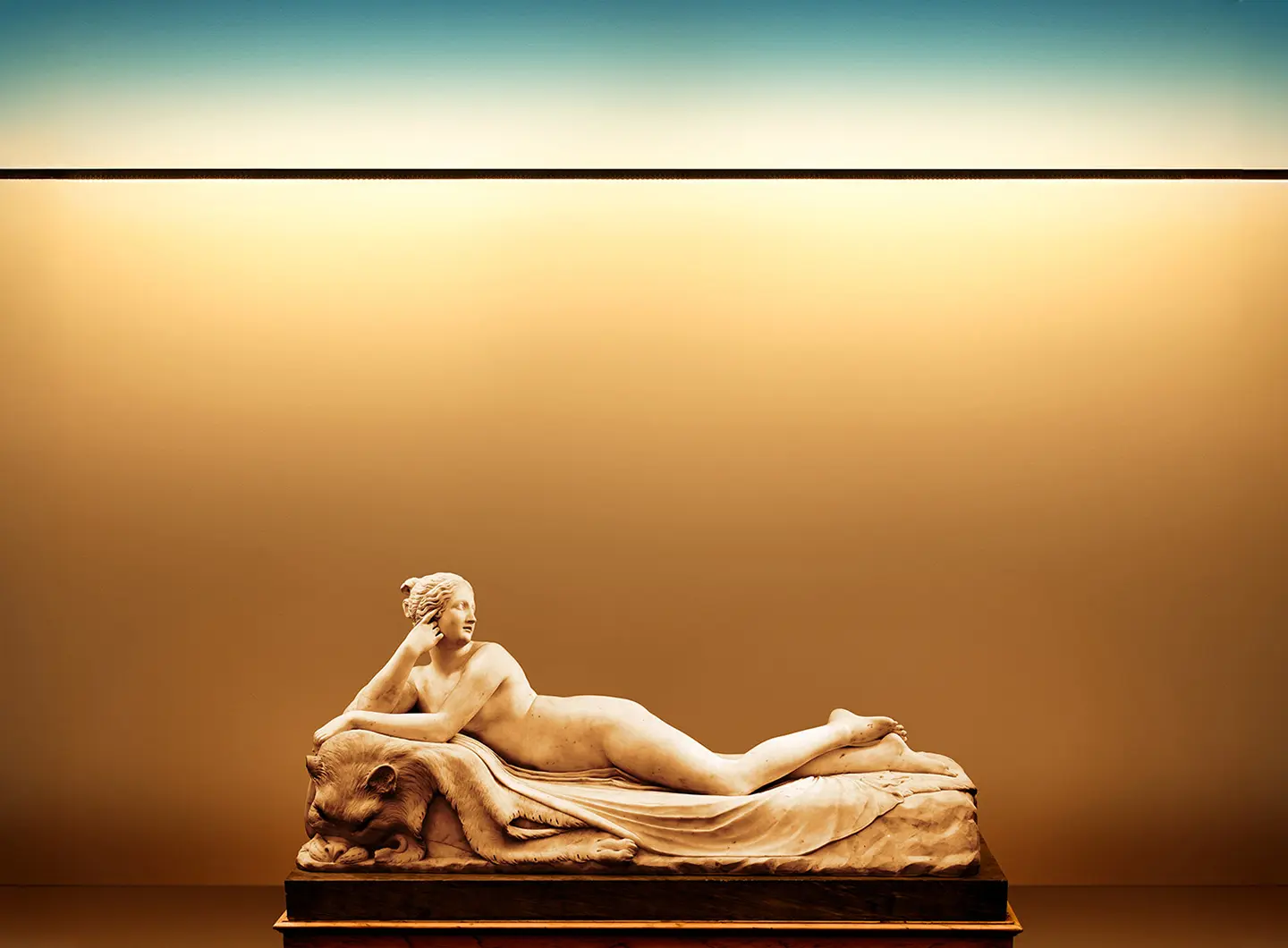
Pendant light — Artemide, Dusk, design BIG
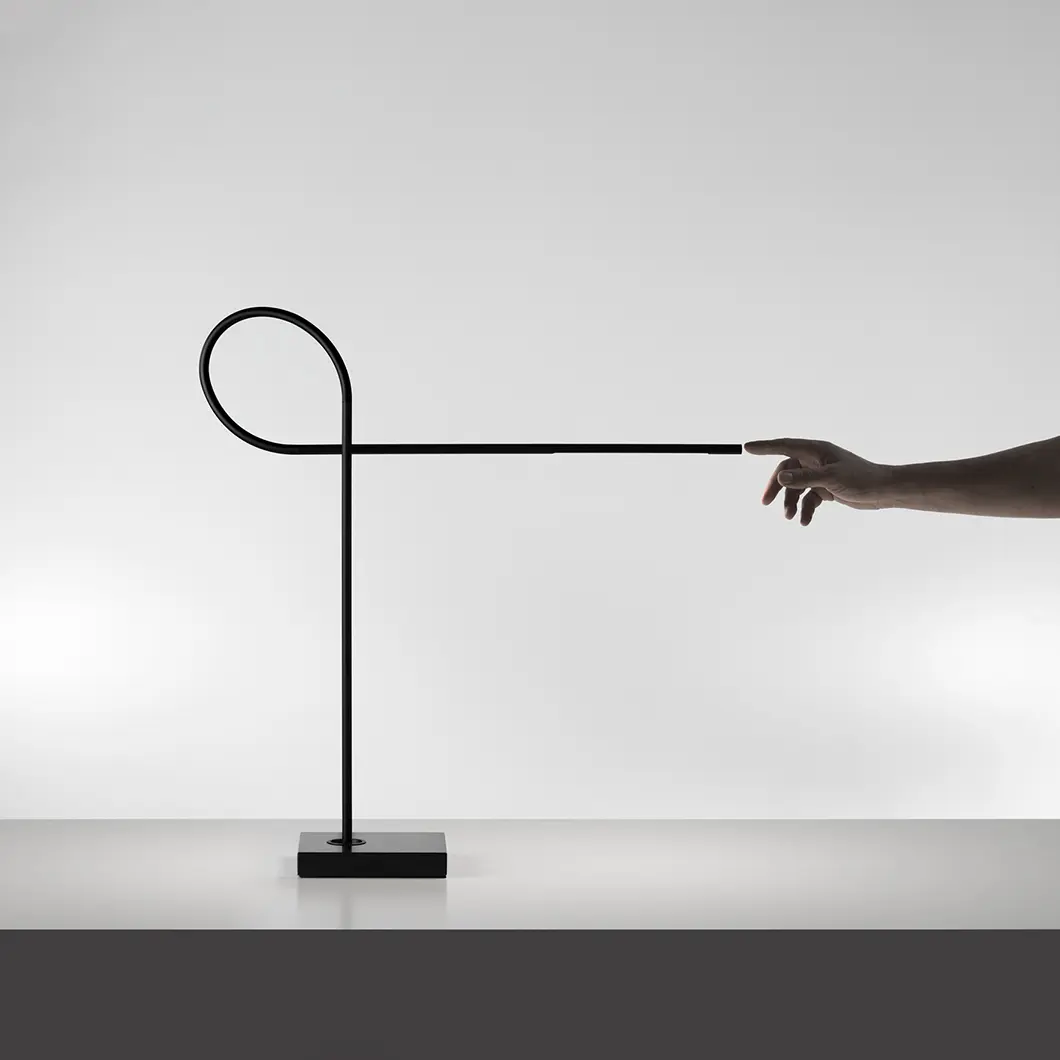
Desk lamp — Davide Groppi, Ribbon, design Maurici Ginés


Exercise — Technogym, Reform
If the body spends much of the day sitting down, the office can also become a place where this immobility is interrupted. Technogym Reform brings Pilates into the workplace through a reformer designed to train strength, mobility and control. In a corporate setting, it becomes a very tangible invitation to take a break in sedentary time. But this does not necessarily mean sitting in another chair alone in another room.
Sofa — Visionnaire, Bomber, design Alessandro La Spada
Bomber by Visionnaire, designed by Alessandro La Spada, is not a sofa that tries to go unnoticed. Generous volumes, soft surfaces and padded sections create an almost sculptural presence, supported by a wooden frame and a seat with Memory Foam®. Perfect for a lounge, waiting area or informal conversation, it brings a particular idea of comfort to the office that helps change the pace and offers a break away from the desk.
Rug — Nanimarquina, Lucia Eames Sunbirds
Lucia Eames Sunbirds from Nanimarquina grew out of observing nature and translates it into a design of organic, almost calligraphic marks. Made from woven, hand-stitched jute, it has a tactile surface and a strongly graphic character. Rather than merely filling a floor, the rug creates a visual threshold: it defines an area, changes its rhythm and introduces an unexpectedly warm note into the office landscape. It might even encourage us to take off our shoes…
Chaise longue — Desalto, Roller, design Francesco Rota
Roller by Desalto, designed by Francesco Rota, began as an exploration of geometry. The collection breaks seating down into padded cylindrical and oval components, combined to create sofas, armchairs, poufs and chaise longues that recall the lines designed by Joe Colombo. The lounge version invites people to change posture and take a break, or a siesta, while retaining a form precise enough to serve as a furnishing element in its own right.
Pouf — Potocco, Jade, design Hanne Willmann
The pouf is one of the simplest ways to make a workplace flexible: it can be moved, it provides an extra seat and helps create small spaces for informal encounters. Jade from Potocco, designed by Hanne Willmann, belongs to a system of sofas and occasional tables with soft, organic forms. Its flowing lines bring a more intimate vocabulary to the office without sacrificing a distinctive design identity.
Kitchen — Very Simple Kitchen, A Island
Why should an office have an anonymous kitchen? The island by Very Simple Kitchen turns the lunch break into a genuinely shared moment. Made from recycled steel and stainless steel, the modular, freestanding system can incorporate a hob, sink, appliances, storage and a snack area. More than a separate kitchen, it is a true social hub: a place to gather, prepare something or improvise an aperitif.
Fridge — Smeg, FAB10
A small fridge can completely change the way people experience the lunch break at work. Smeg’s FAB10 brings the rounded aesthetic of the 1950s into the workplace, with a glossy finish that adds a bold colournote. Compact yet spacious, it offers 135 litres of usable capacity, internal LED lighting and fittings designed to store bottles and drinks as well.
Coffee machine — Bosch, Styline TKA8013
The coffee break is one of the few rituals capable of spontaneously interrupting the working day. Bosch’s Styline filter coffee machine makes up to 10–15 cups and has a 1.4-litre glass jug. The removable water tank and swing-out filter holder make it easy to use, while automatic shut-off after 40 minutes avoids unnecessary energy consumption.
Wallpaper — Wall/Pepper, Fresche Frasche
A wall can become a garden, at least visually. Fresche Frasche by Wall/Pepper brings a light, lively botanical landscape of branches, leaves and natural colours to a surface. The design introduces a strong decorative element without relying on artwork or bulky furniture, and could be enough to change the hierarchy of a room.
Coat stand — Segis, Ellipse, design Bartoli Design
Ellipse by Segis, designed by Bartoli Design, organises the entrance with a single gesture. Its vertical aluminium-tube structure combines coat hooks, an umbrella stand and a removable drip tray, supported by a die-cast base. It is functional but far from anonymous: the kind of detail that sets the tone of a space before the working day even begins.
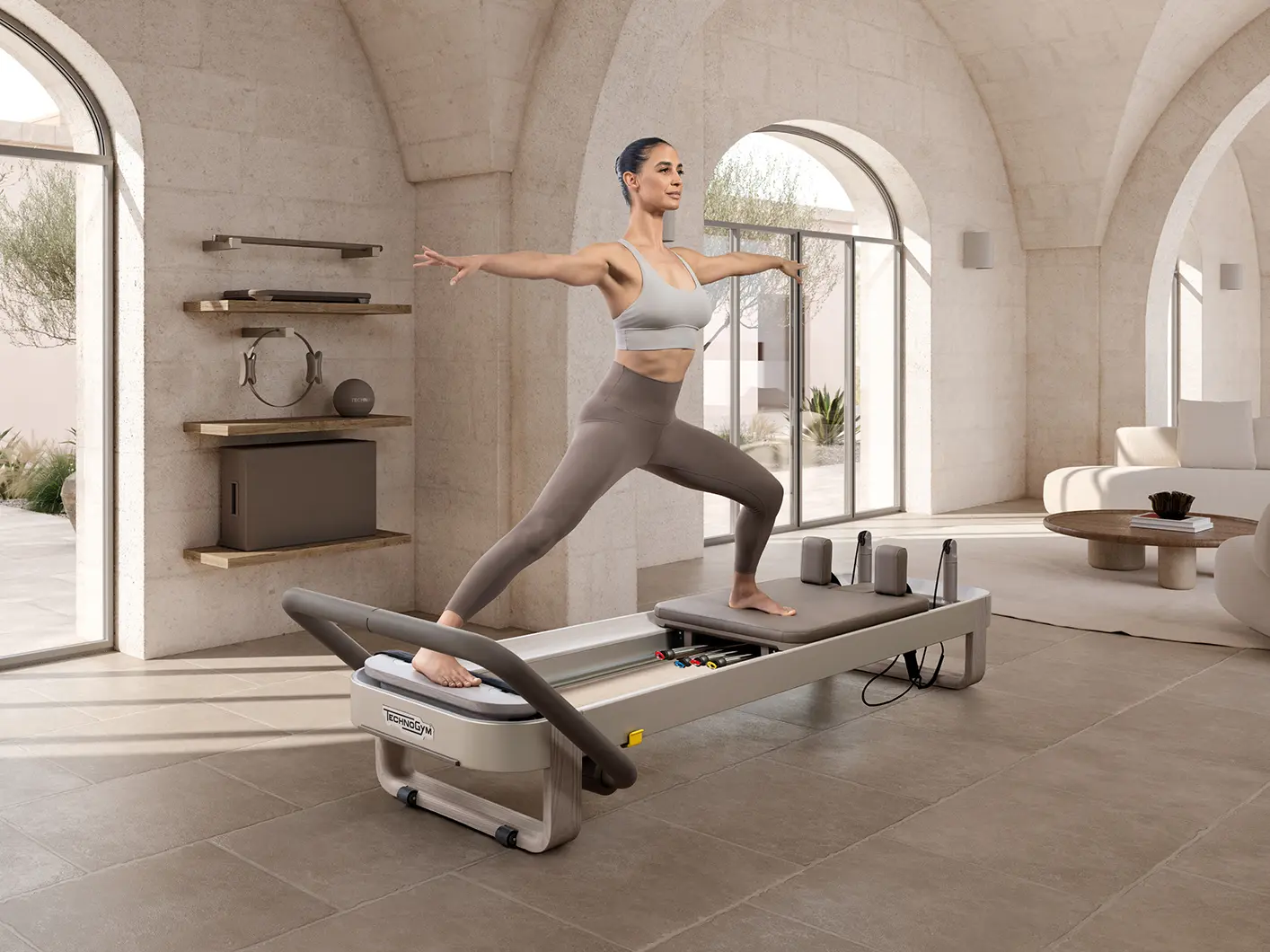
Exercise — Technogym, Reform
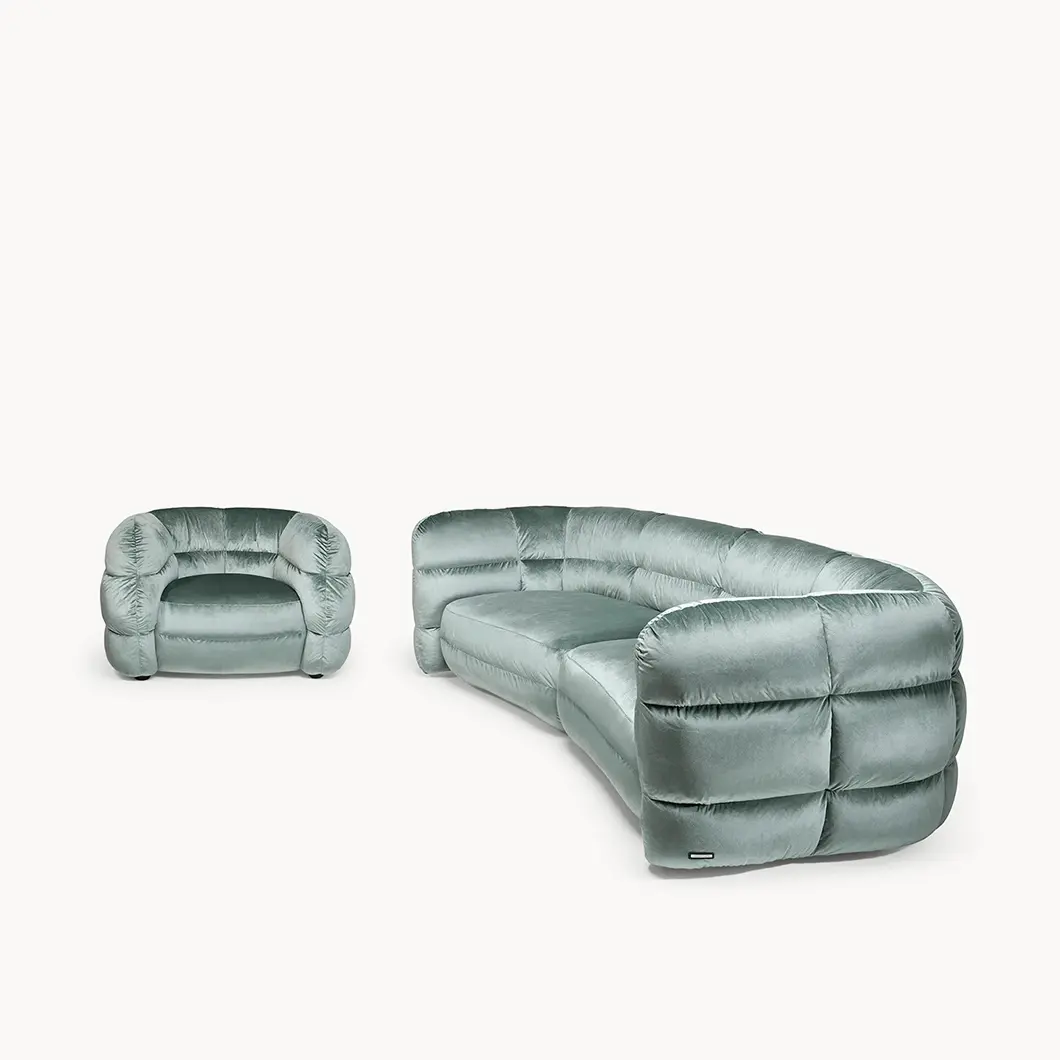
Sofa — Visionnaire, Bomber, design Alessandro La Spada
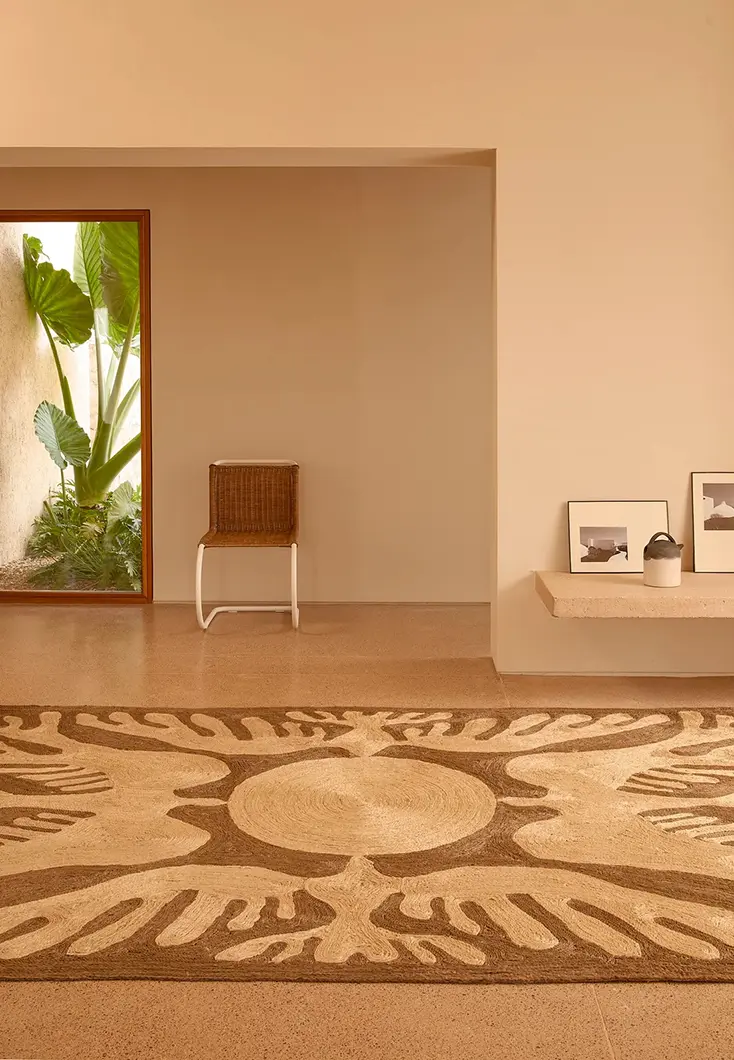
Rug — Nanimarquina, Lucia Eames Sunbirds
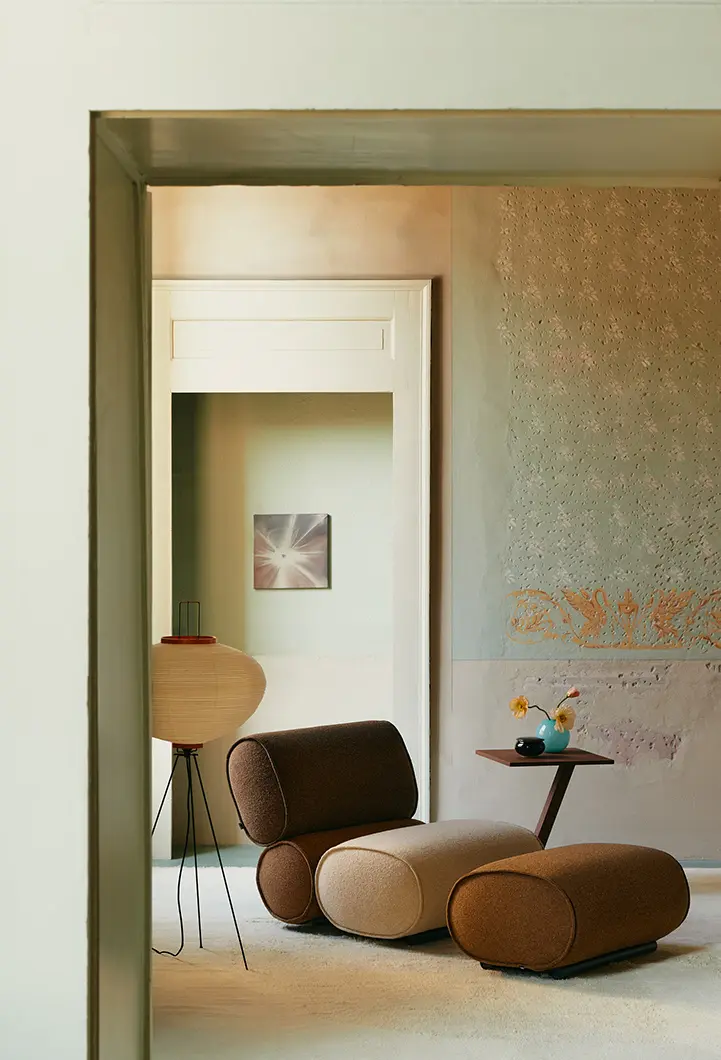
Chaise longue — Desalto, Roller, design Francesco Rota
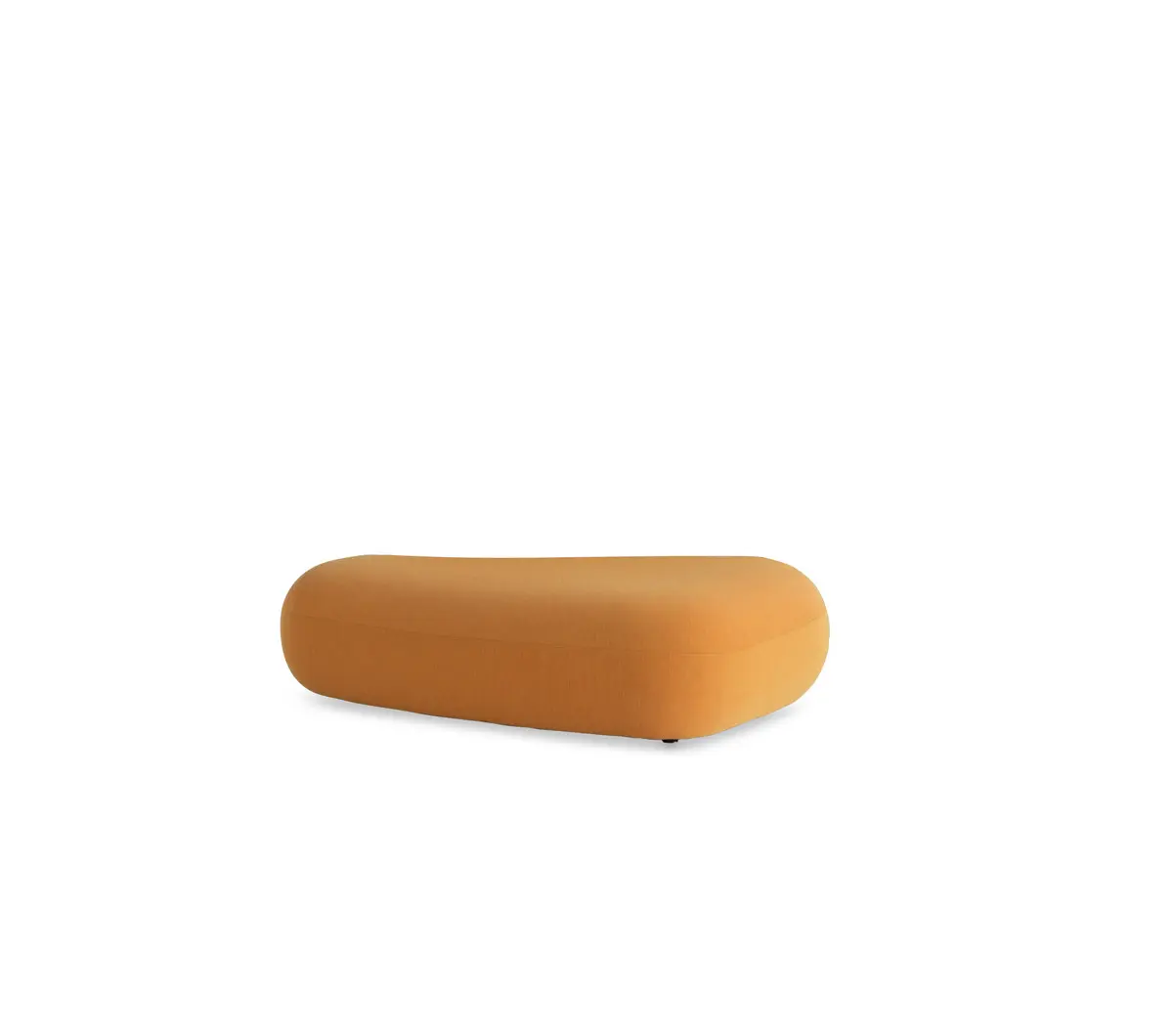
Pouf — Potocco, Jade, design Hanne Willmann
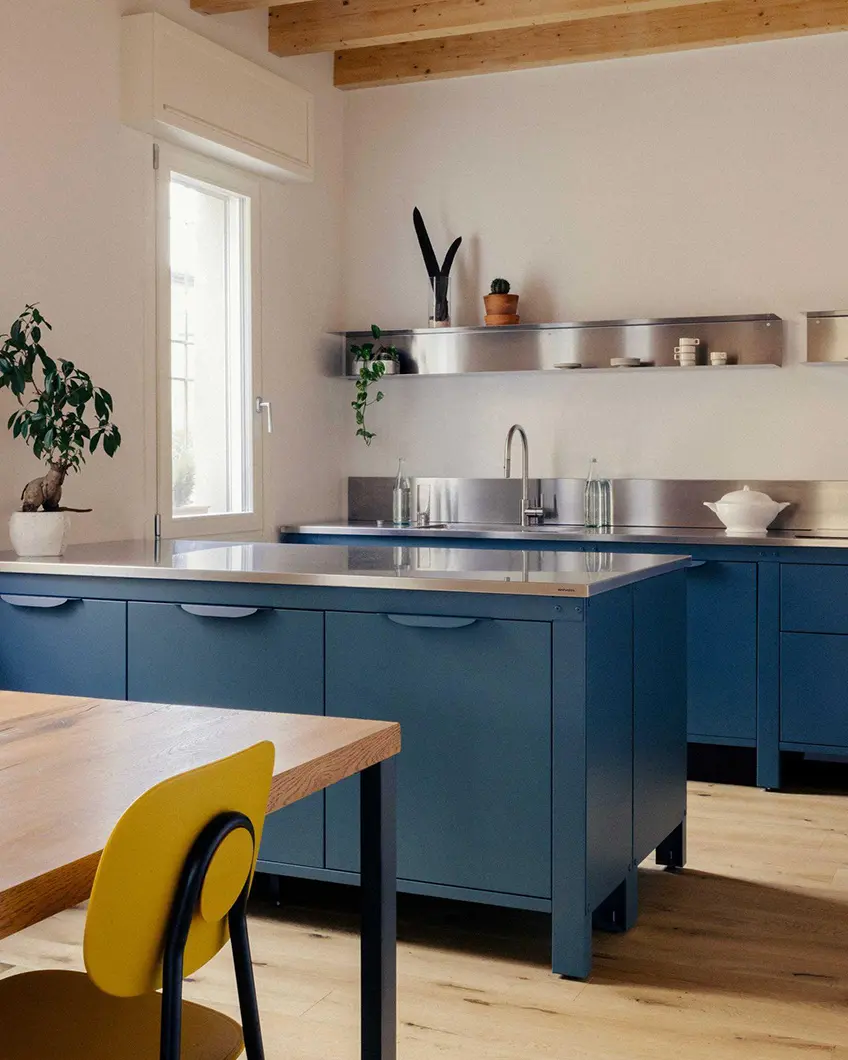
Kitchen — Very Simple Kitchen, A Island
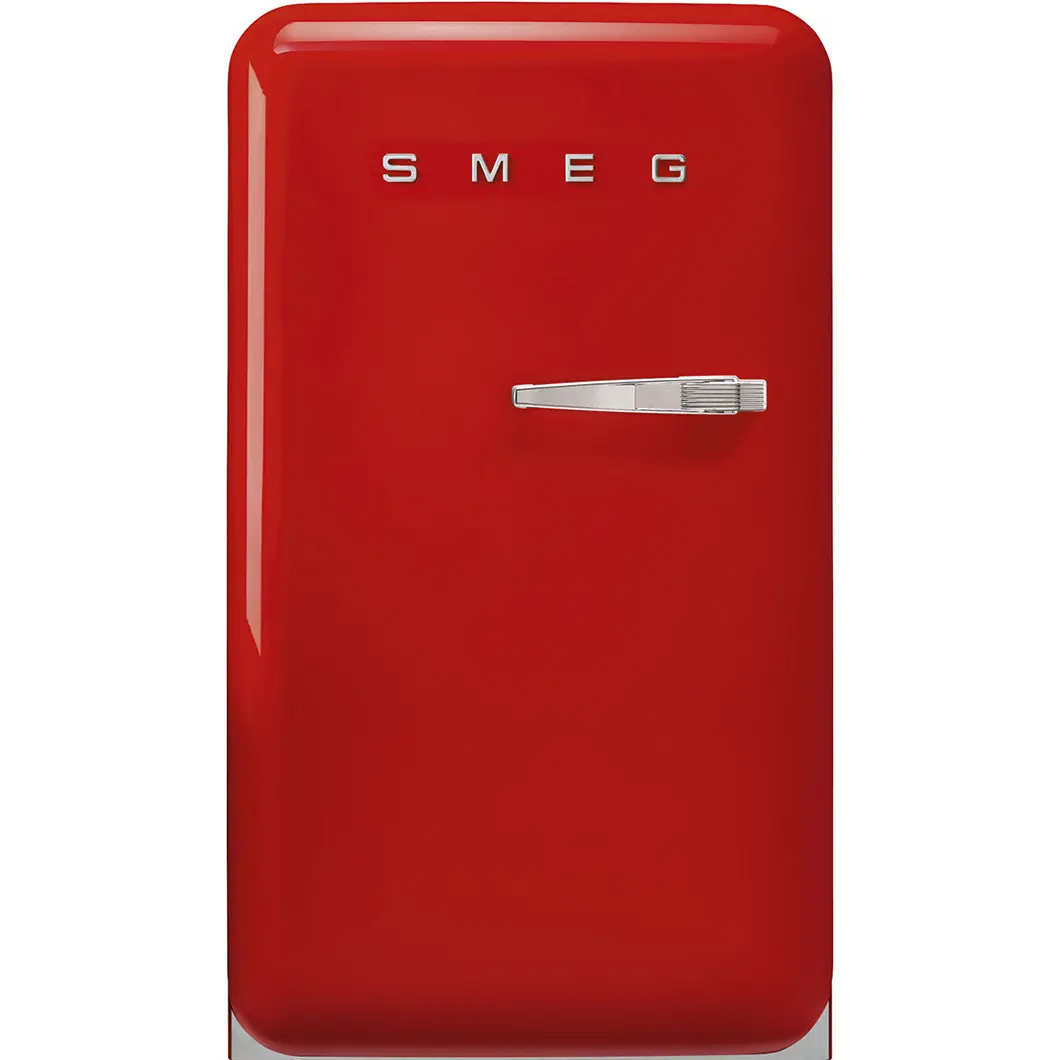
Fridge — Smeg, FAB10
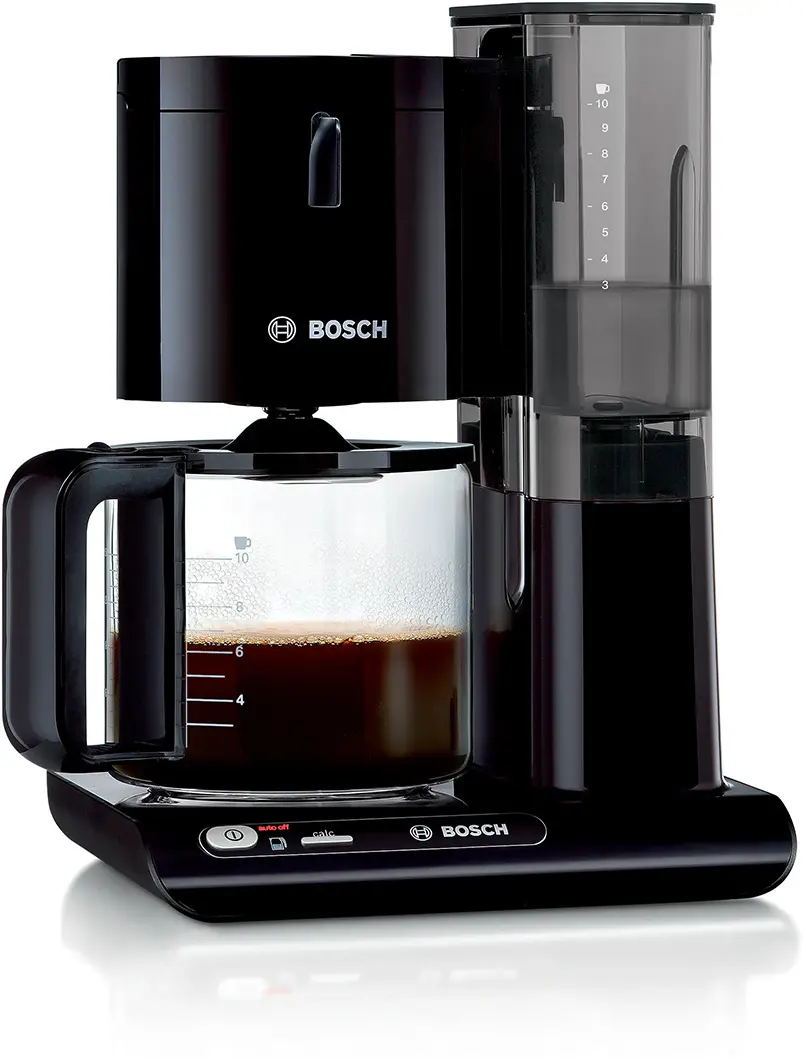
Coffee machine — Bosch, Styline TKA8013
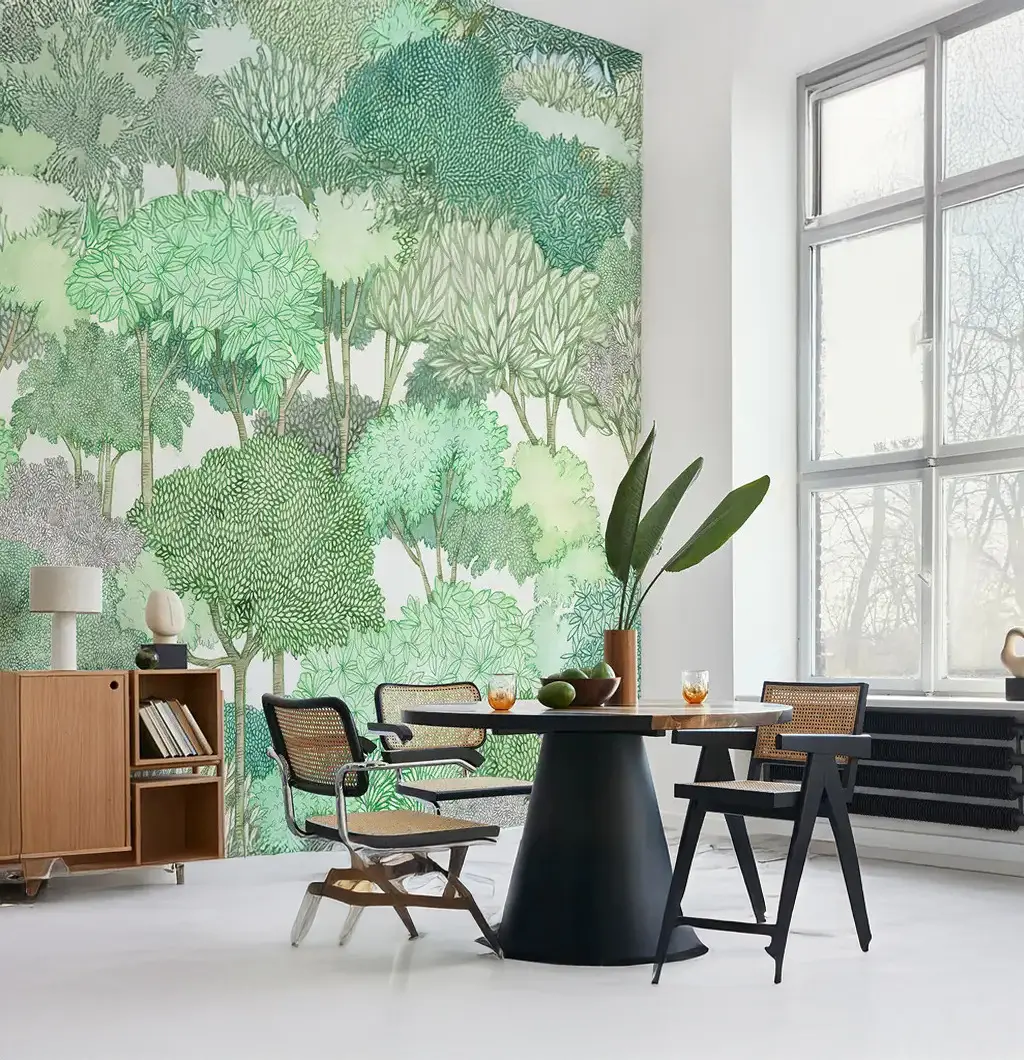
Wallpaper — WallPepper, Fresche Frasche
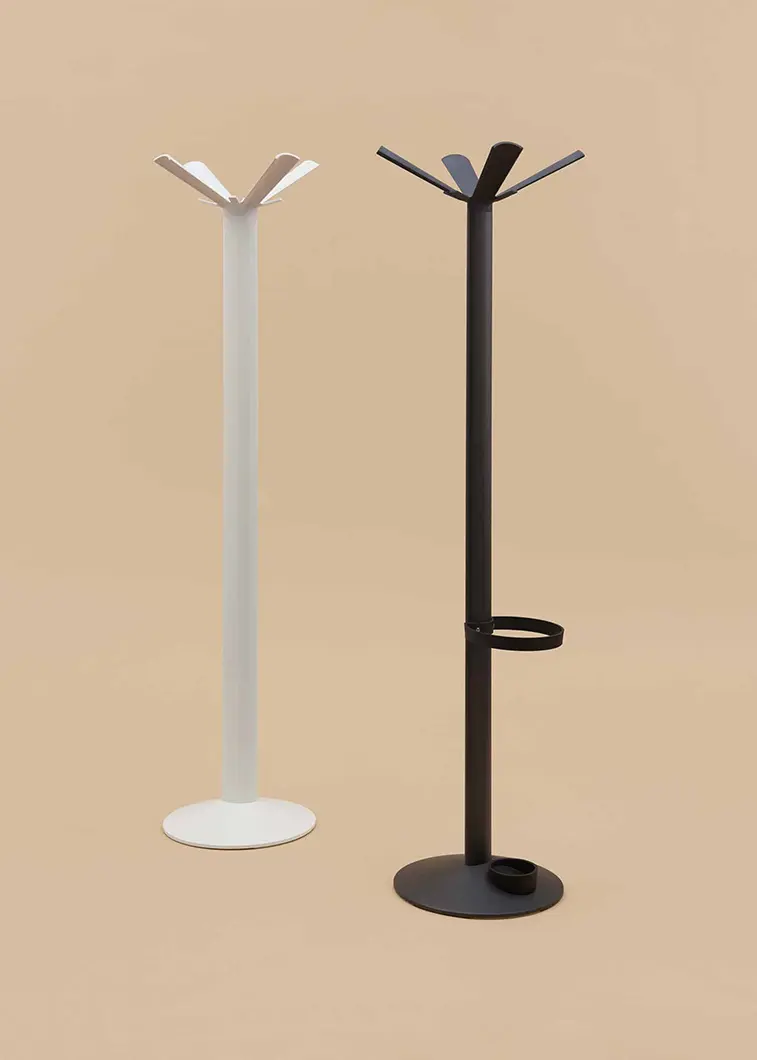
Coat stand — Segis, Ellipse, design Bartoli Design
3 September 2026
Share