


 Salone Selection

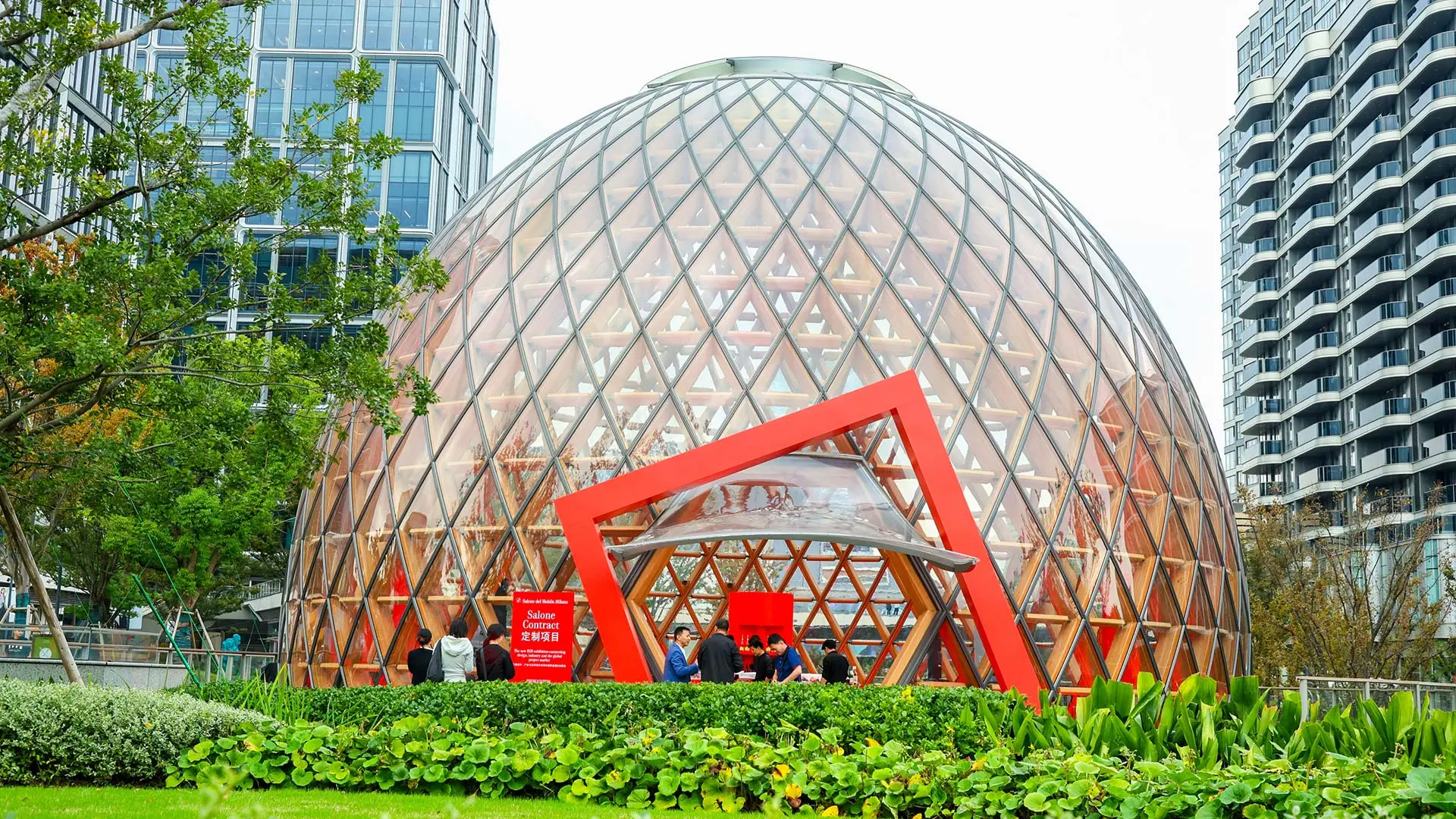
China accounts for 72% of the Asia-Pacific contract market potential
10 Eighties design pieces. A blend of industrial production, irony and poetry
Text by
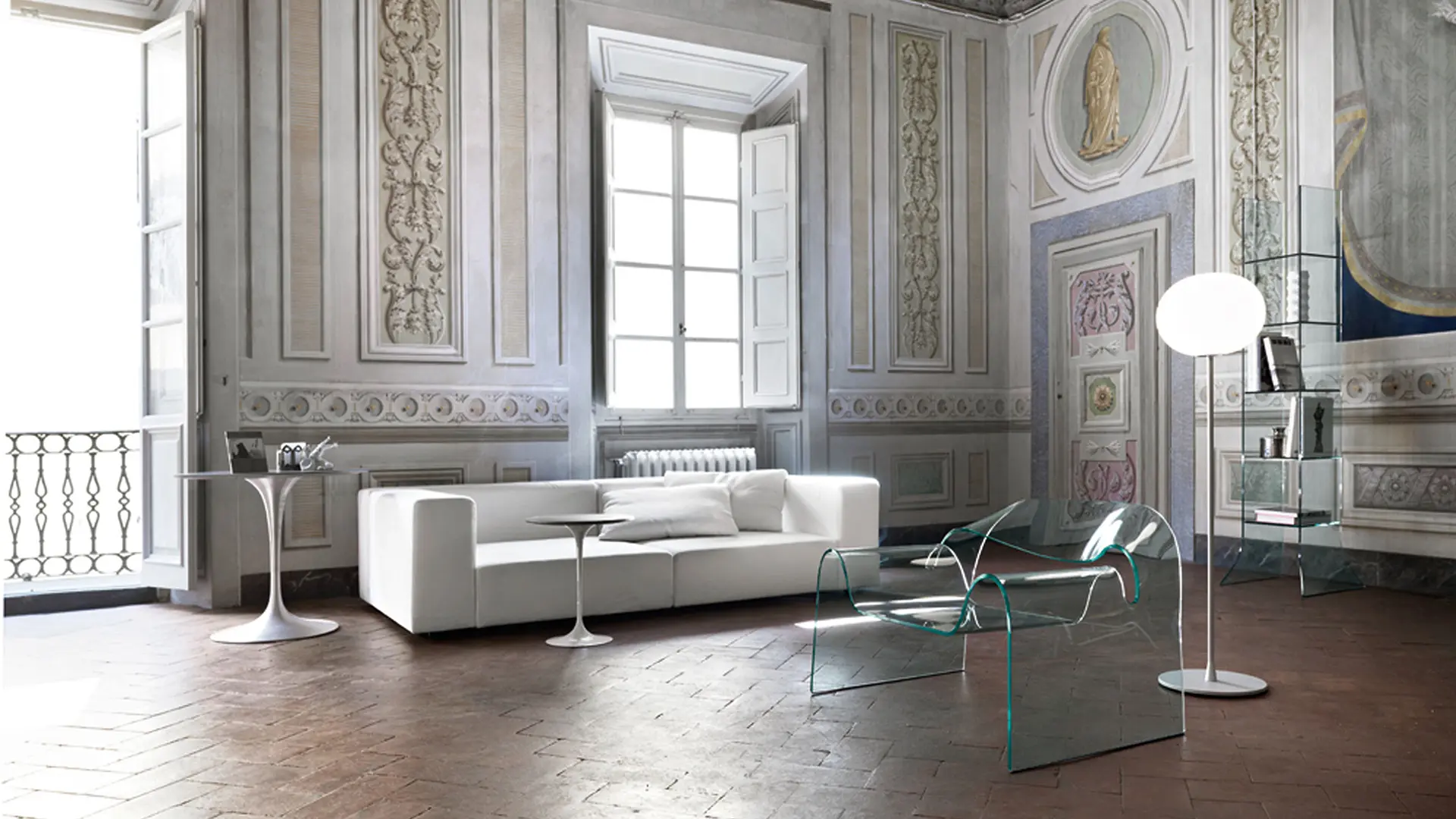
Poltrona Ghost, designed by Cini Boeri, Fiam
From the wardrobe that becomes "invisible" after use to the floating and incorporeal seat. 10 pieces by Sottsass, Magistretti, Starck and other designers who have made history. A mix of rigour and vision.
Gibigiana table lamp, design Achille Castiglioni, Flos, 1980 (out of stock)
A play of light made into a design is what sparked this iconic piece, triggered by one of Castiglioni’s childhood memories: reflecting a ray of sunlight onto the walls using a watch face. For Flos, Castiglioni turned that joke into an object that is both sophisticated and surprisingly simple. Concealed within the steel casing, the light source is hidden from view: the light is directed by the convex mirror at the top, which can be adjusted by means of a handy dial. It is precisely this reflection that lies at the heart of the design: the mirror reflects and concentrates the light beam exactly where it is needed, ensuring direct, precise and highly controllable lighting. An ingenious solution, also designed to enable two people to share the same space without necessarily sharing the same light. A small, everyday insight thus becomes design, blending function and humour, memory and technology.
Tahiti table lamp, design Ettore Sottsass, Memphis, 1981
It might look just like a coloured bird but it is, in fact, a post-modern design icon. A zoomorphic lamp, a small exercise in freedom of expression in which simple geometries, pop colours and decorative patterns come together without following any precise rules. With its long red beak, pink cylindrical head, yellow stem and base decorated with the Bacterio pattern, this lamp playfully challenges everything that had previously been associated with lighting fixtures. Witty and playful, it looks as though it has come straight from the pages of a children’s book, yet it actually stems from one of the most radical design revolutions of the twentieth century. Unveiled in 1981, as Memphis was being launched, it perfectly encapsulates its designer’s vision: more emotion, imagination and a desire to surprise and tell a story, at the expense of the traditional form-function dichotomy. A balanced blend of industrial production, art and poetry.
Pascal lamp, design Vico Magistretti, Oluce, 1983 (1979 design)
A perfect embodiment of the design philosophy of its creator – one of the founding fathers of Italian design: pure geometry in the service of function. Two inverted cones, seemingly balanced one upon the other, transform a lamp into a small, luminous architectural form for Oluce. Simple, clear and intuitive design language. At the end of the stem, supported by the metal base, the repeated, overlapping cones are not merely a formal choice: the upper one houses the LED light source and acts as a ‘luminator,’ whilst the sloping surfaces of the lower one reflect the light from two traditional bulbs downwards, creating an enveloping ambient glow. The two functions are operated independently via dual switches. Available in an elegant anodised bronze finish.
Menhir coffee table, design Giotto Stoppino, Lodovico Acerbis, Acerbis, 1983 – 2020
Sculptural simplicity with an aura reminiscent of Greek classicism. This sums up Menhir, an interplay of textures, shapes and colours dominated by the monumental marble base – the contemporary version comes in a range of matte colours – from which the slender column connecting to the top rises. The top is available in dark-stained walnut, high-gloss lacquer in twelve colours and, in the latest version, in cast glass. An icon of the Remasters collection of Acerbis, Menhir was updated in 2020 with Mini, a reissue of the original design geared to meeting contemporary living needs with its compact dimensions and wide range of finishes for bases and tops. A versatile piece, perfect for everyday use, whilst retaining a striking visual presence.
Sisamo wardrobe, design Studio Kairos, B&B Italia, 1983 (out of stock)
A wardrobe that disappears after use, or rather, becomes invisible. For B&B Italia, this is the concept that informed the design, which transforms the traditional footprint of the wardrobe into a perfectly smooth, floor to ceiling wall. Behind it lies an ingenious patented mechanism with an automation system that extracts each door and slides it sideways to reveal the desired compartment. Once closed, the wardrobe goes back to being a continuous, rigorous and bright surface, thanks also to the different finishes: from bright polyester lacquer to mirror crystals and textile coverings. A disruptive idea for its rationality and discretion, awarded the Compasso d'Oro in 1984.
Read also: 10 pieces revive 70s design. Boasting new comfort and creative freedom
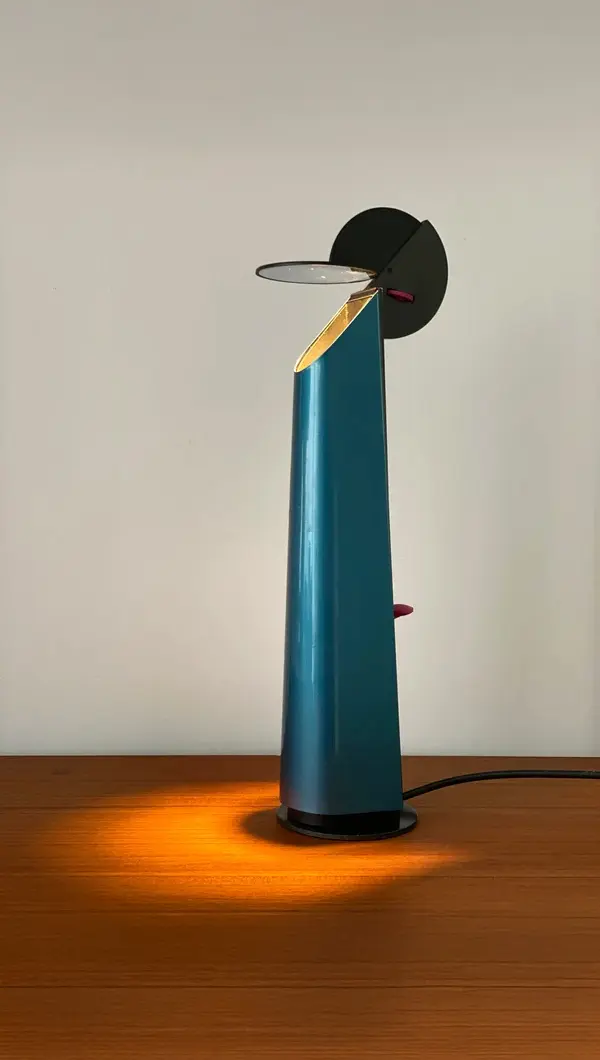
Gibigiana table lamp, design Achille Castiglioni, Flos
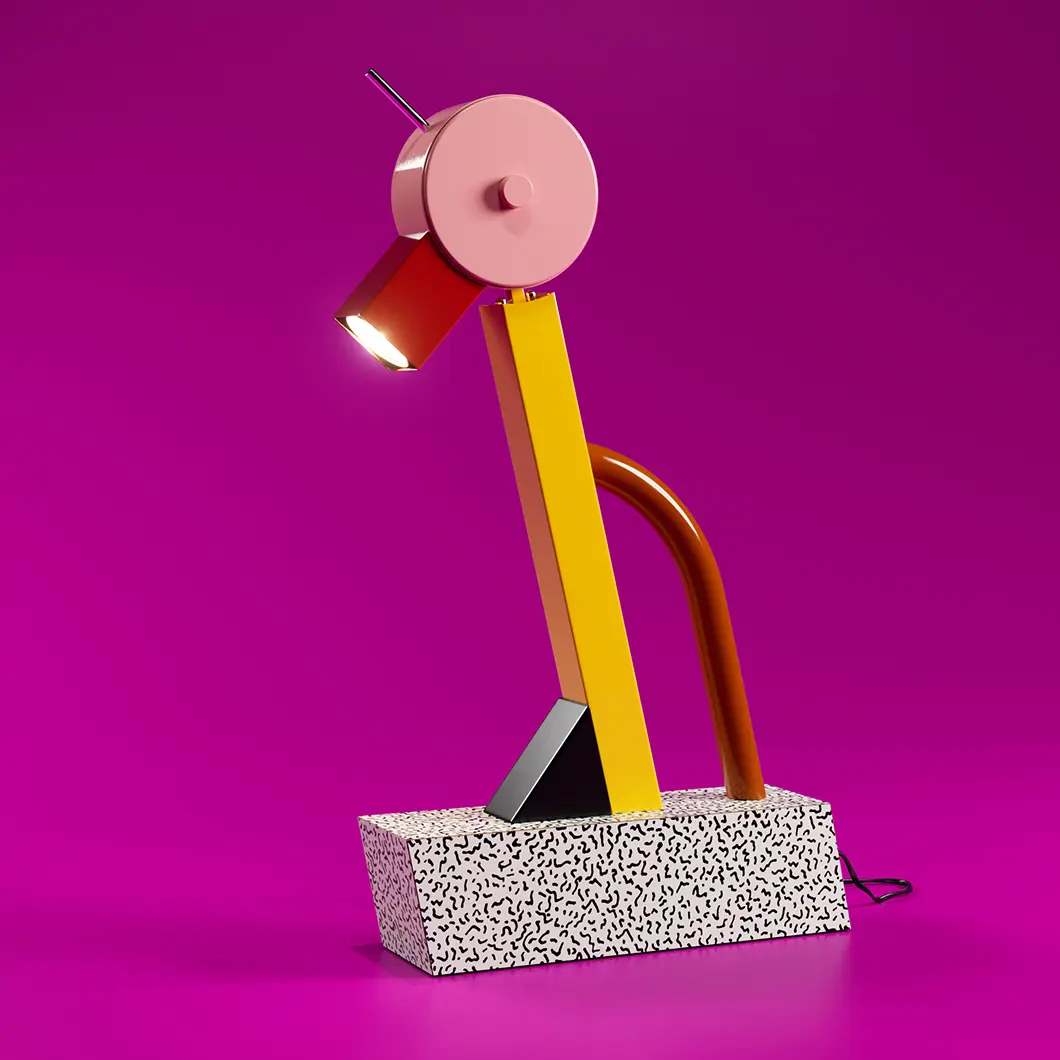
Tahiti table lamp, designed by Ettore Sottsass, Memphis
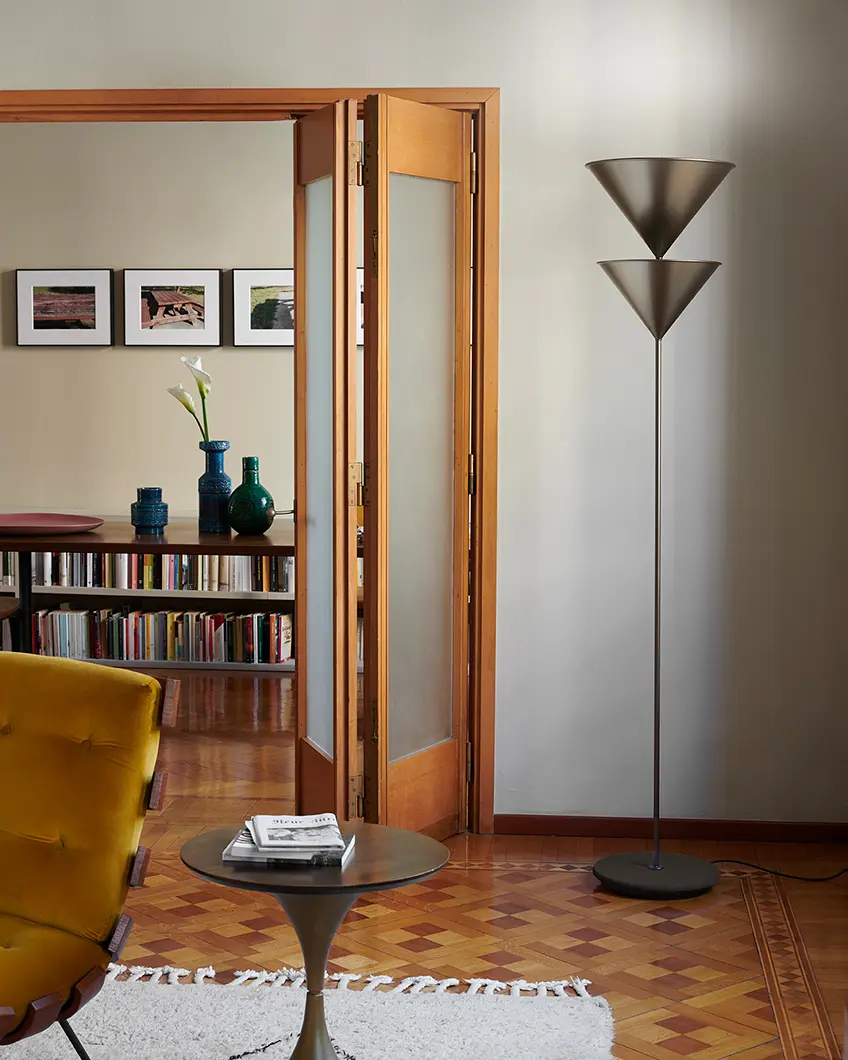
Pascal lamp, designed by Vico Magistretti, Oluce
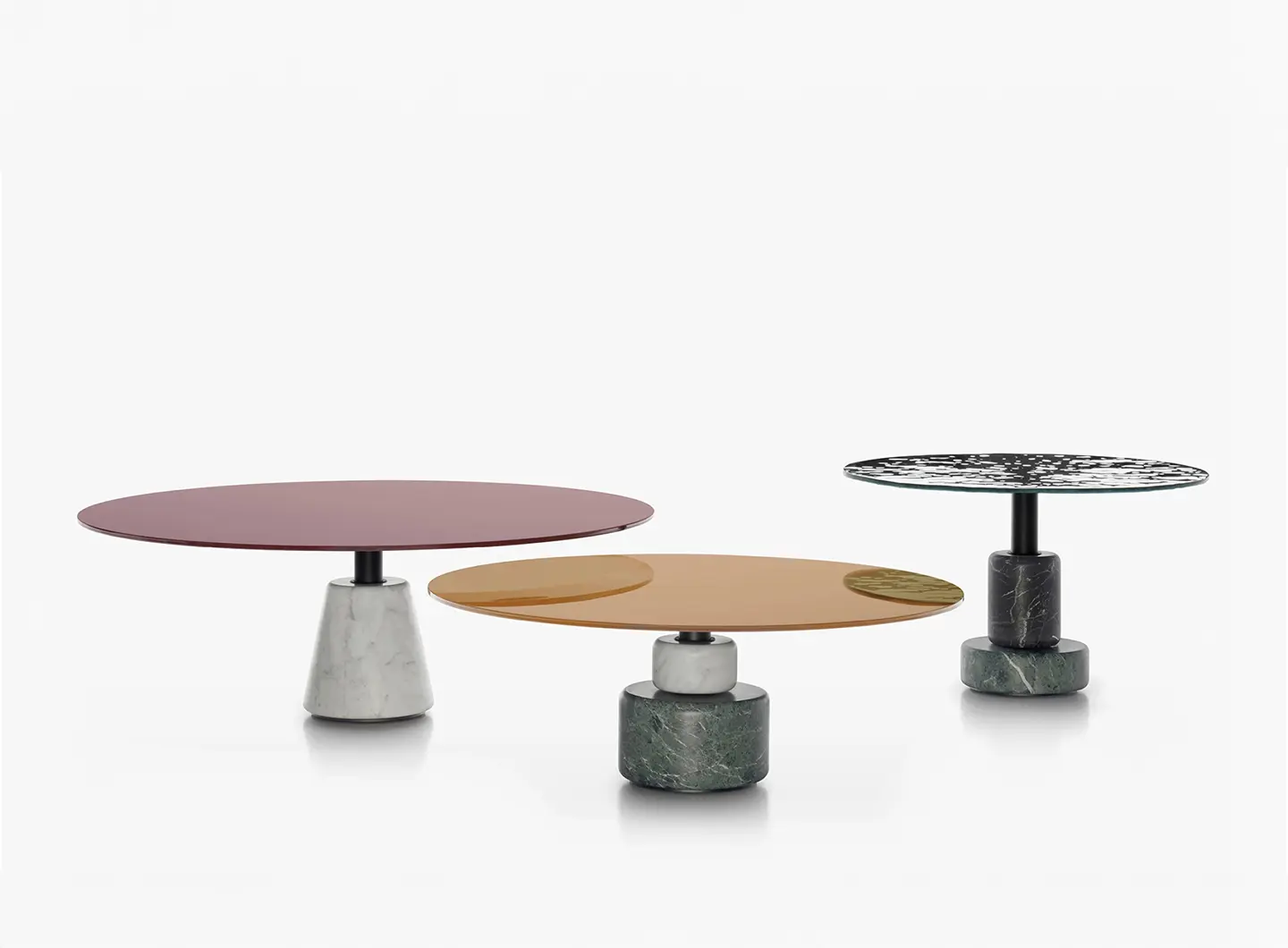
Menhir coffee table, designed by Giotto Stoppino and Lodovico Acerbis, Acerbis
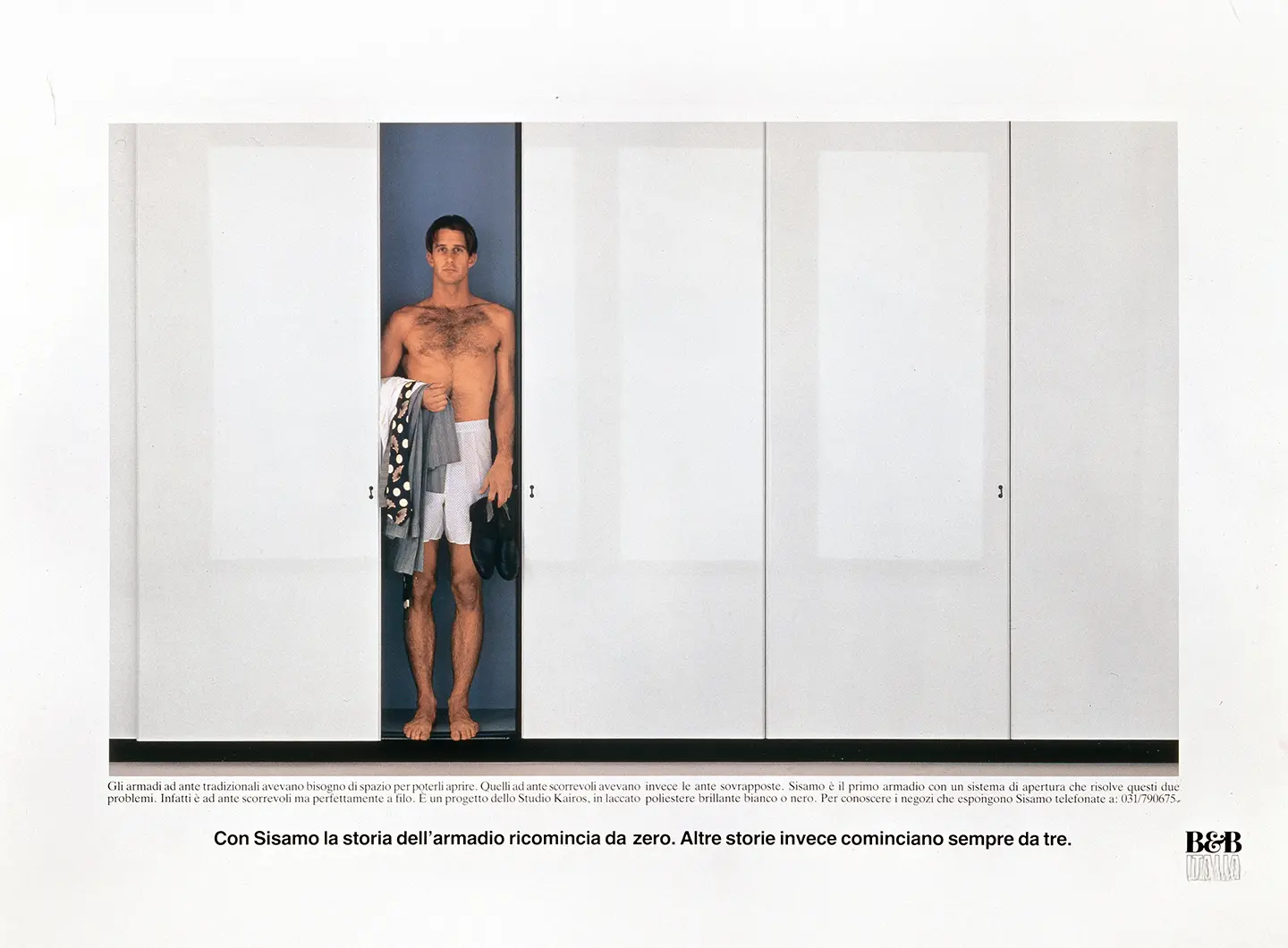
Sisamo wardrobe, designed by Studio Kairos, B&B Italia


Richard III armchair, design Philippe Starck, Baleri Italia,1985
Unquestionably regal – hence its name, which pays homage to the famous monarch immortalised by Shakespeare, with its severe profile, deep black and opulent aura of an age gone by. The traditional bergère with its unmistakable silhouette – tall back, welcoming lines, armrests slightly apart and thick padding – it has been magically transformed by the visionary French designer, for Baleri Italia, into a radically contemporary object: a sculptural , ironic and irreverent piece that reinterprets the essence of middle-class decorum. Designed whilst he was planning François Mitterrand’s private quarters at the Élysée Palace, it became the French president’s favourite armchair, as if by telepathy. Featuring a fully moulded rigid polyurethane frame finished in matte black, a padded cushion and a removable cover, it is available in fabric, leather or faux leather in a range of colours, or can be customised.
4870 stackable chair, design Anna Castelli Ferrieri, Kartell, 1985 (out of stock)
So slim that it raised eyebrows when it was unveiled at the Cologne Fair in 1986 by Kartell. Behind its extreme lightness lay two years’ study into developing a hitherto unprecedented thickness, combined with an elegant, flexible, durable, ergonomic and economical seat – and it was awarded the Compasso d’Oro in 1987. Designed for communal spaces, it is a mix of technological innovation, ergonomic research and formal simplicity: the backrest and seat, injection moulded into a single piece, are reinforced by a network of ribs that also serve as a decorative feature, whilst the position of the legs is designed to optimise stacking. An interesting fact: the Giovanni Sacchi Collection at the Triennale di Milano is home to the wooden study model for a miniature version intended for corporate gifts. It remained in production until 1996.
Costanza lamp, design Paolo Rizzatto, Luceplan, 1986
It may be forty years since it first came out, but it still retains the power to look surprisingly contemporary. Created as a reinterpretation of a domestic archetype – the lamp complete with lampshade – the design strips away its weight, material and complexity to imbue it with a fresh modernity. The lightweight, easily detachable polycarbonate diffuser and the touch-sensitive dimmer turn simplicity into innovation. “Designing means looking beyond,” says Rizzatto, summing up a philosophy based on transcending the existing. Today, to mark its fortieth anniversary, Luceplan is launching three new lampshades featuring brand-new patterns – Pleated, Diamond and Striped – turn the diffuser into a true graphic surface: the light passes through patterns and textures, altering their perception and creating ever-changing atmospheres. A measured evolution that does not alter its identity but confirms its relevance, striking a balance between respect for tradition and contemporary sensibility.
Ghost armchair, design Cini Boeri, Fiam, 1987
Almost invisible because it is transparent, because it is made of glass. Yet surprisingly solid and welcoming. An armchair that seems to defy the laws of matter and perception. Made from a single 12mm thick sheet of curved glass, worked and bent until it becomes a seat, armrests and backrest, it inaugurates a radically new idea of comfort and lightness. A continuous, monolithic and edgeless shape, an almost impalpable, floating and incorporeal presence that does not optically occupy the space and adapts to any environment. An authentic icon, born of the marriage between the visionary intuition of the Milanese designer and the technological knowledge of the Marche-based company: a "ghost armchair" capable of turning glass from a simple material into an experience. To celebrate its twentieth anniversary in 2007, it was presented in a new version, enhanced by the special Fiam green back-painted mirror silvering.
Tappeto Volante bed, design Enzo Mari, Flou, 1989 (out of stock)
“… the mattress and the blankets make up the bed. Everything else is superfluous, or at the very least incidental…”. It is precisely this thought that gave rise to this piece, which, nearly forty years on, retains its design simplicity intact. At its heart lies the idea of revisiting the traditional wrought-iron bed in a contemporary key, stripping it down to the essentials: a slender painted aluminium frame, in white or dark grey, and a headboard composed of elegant semi-circular arches. The solution proposed by Flou is as simple as it is recognisable, evoking both rigour and softness. The adjustable slatted base, the legs available in two heights and the option to upholster the headboard with a removable cover all underscore its functional nature. It featured in the catalogue until 2020 in single, one-and-a-half and double size.
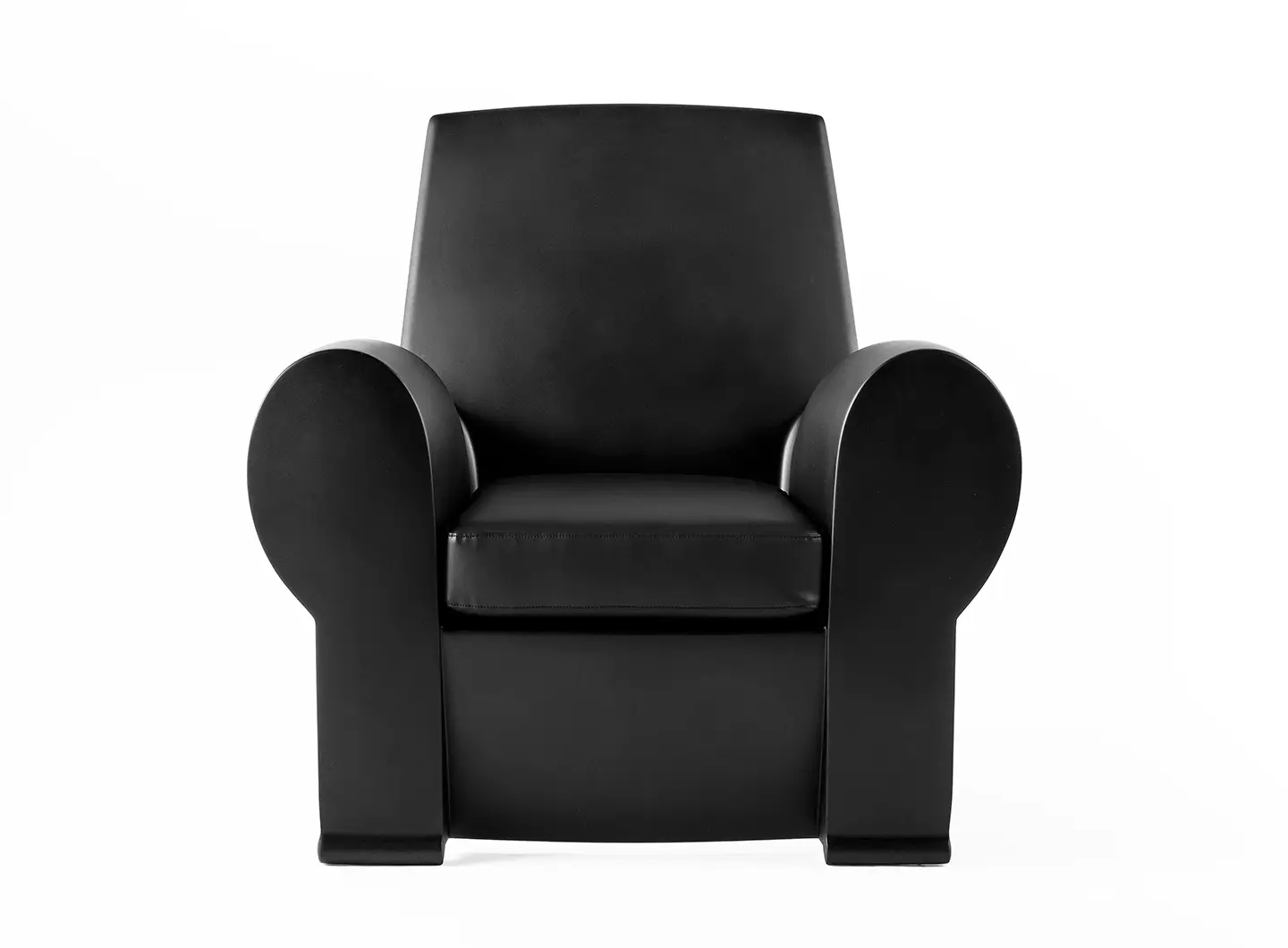
Richard III armchair, designed by Philippe Starck, Baleri Italia
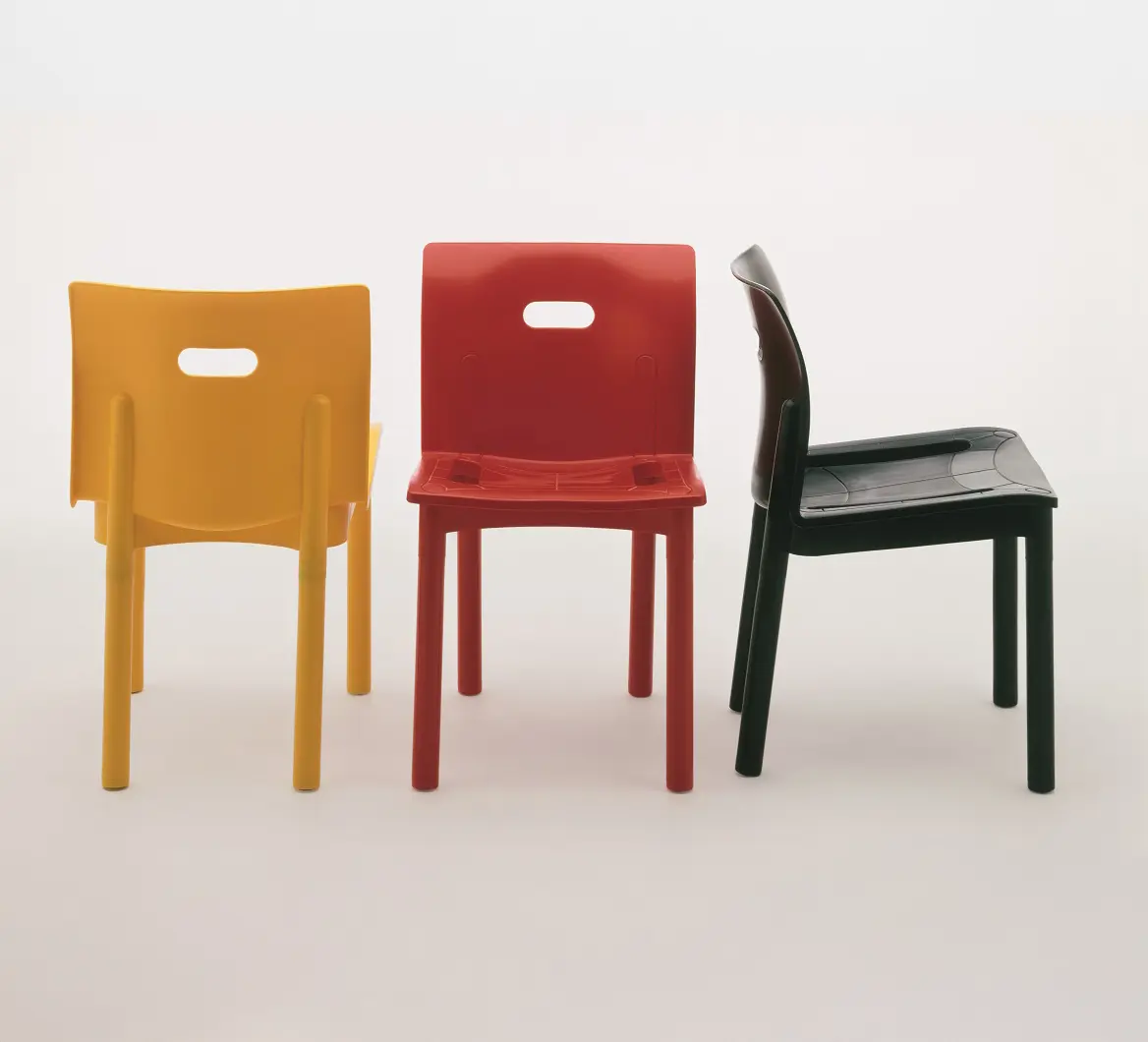
4870 stackable chair, designed by Anna Castelli Ferrieri, Kartell
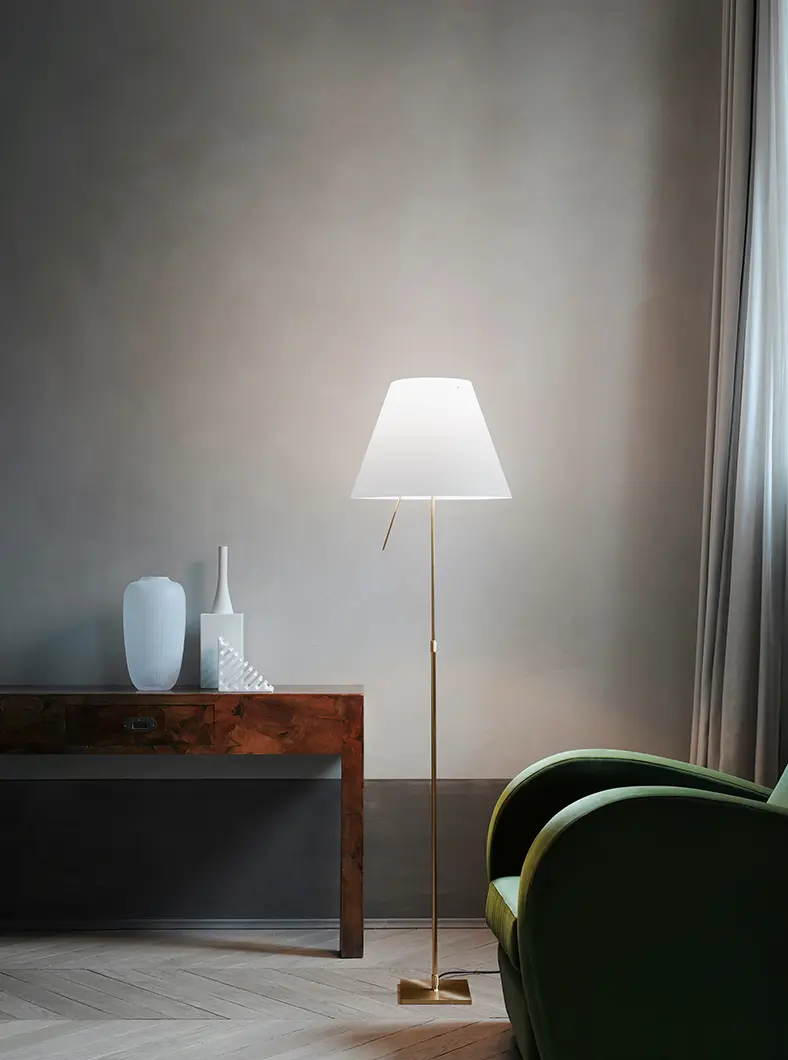
Costanza lamp, designed by Paolo Rizzatto, Luceplan
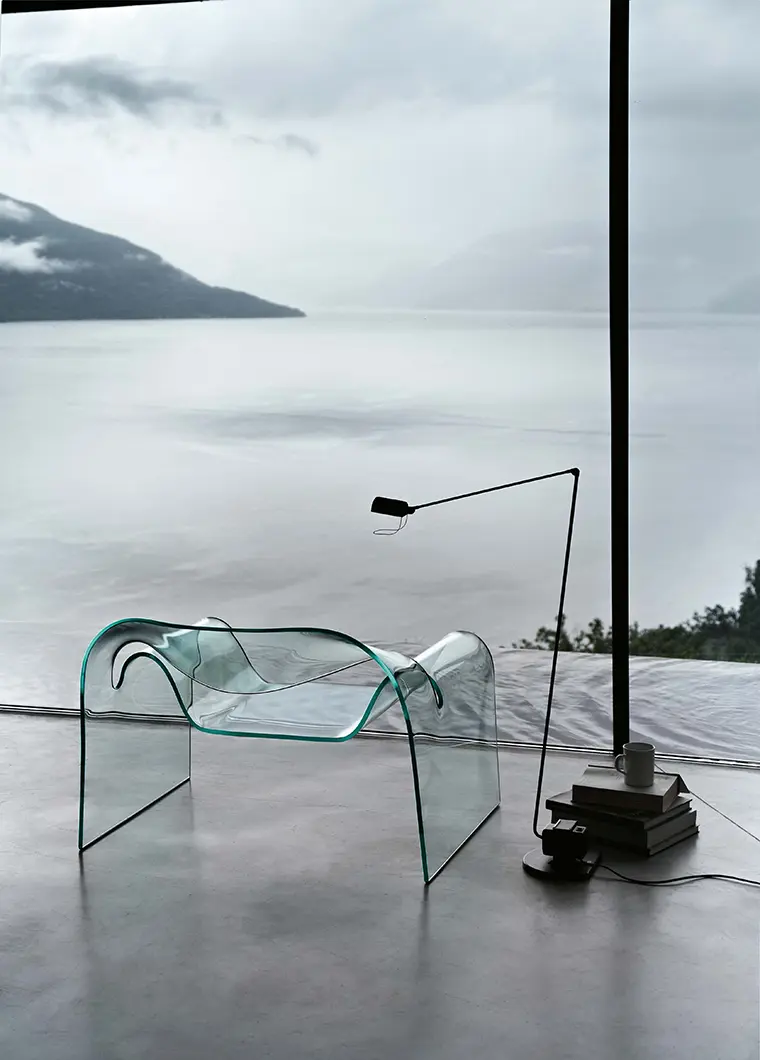
Ghost armchair, designed by Cini Boeri, Fiam
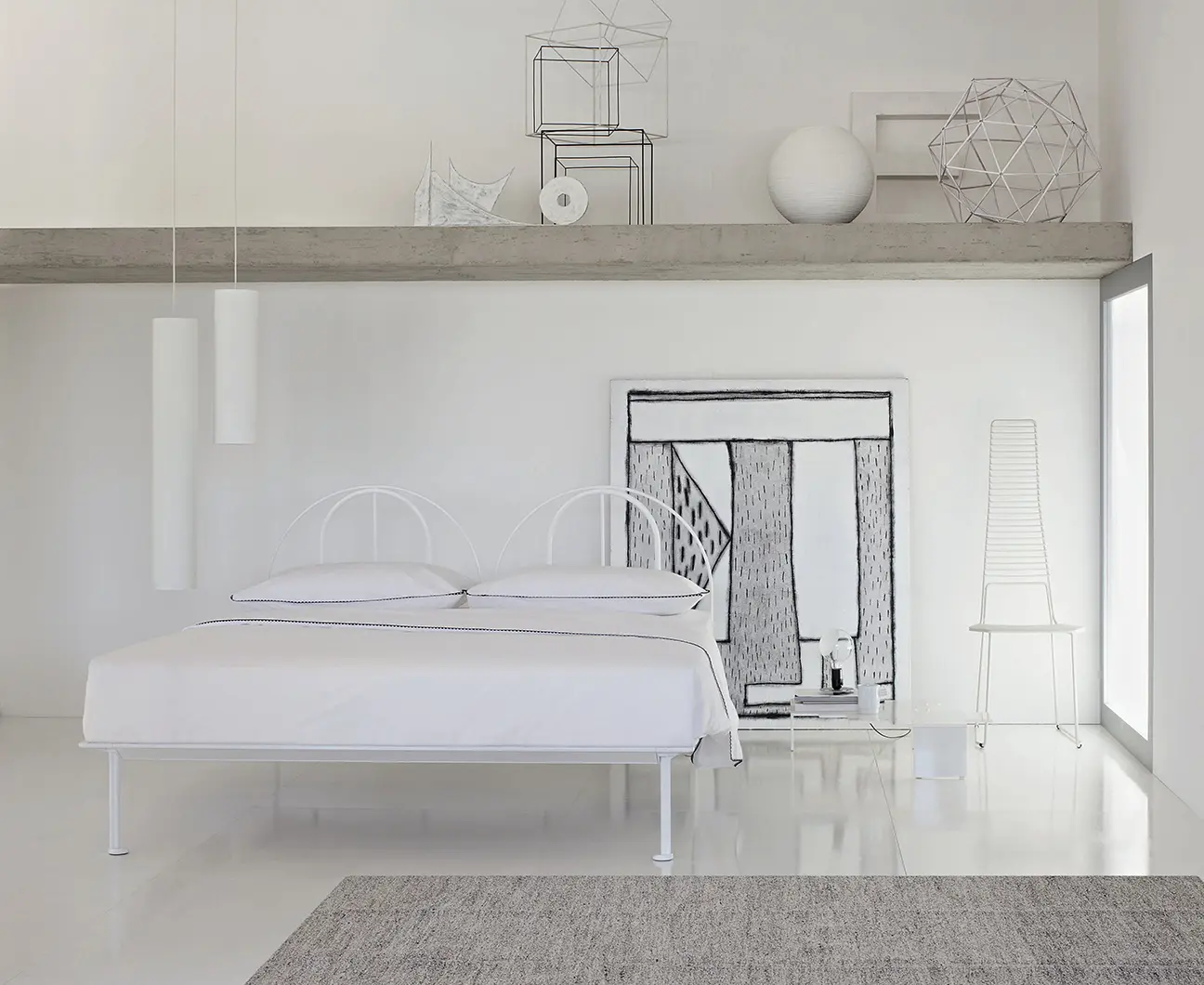
Tappeto Volante bed, designed by Enzo Mari, Flou
5 October 2026
Share




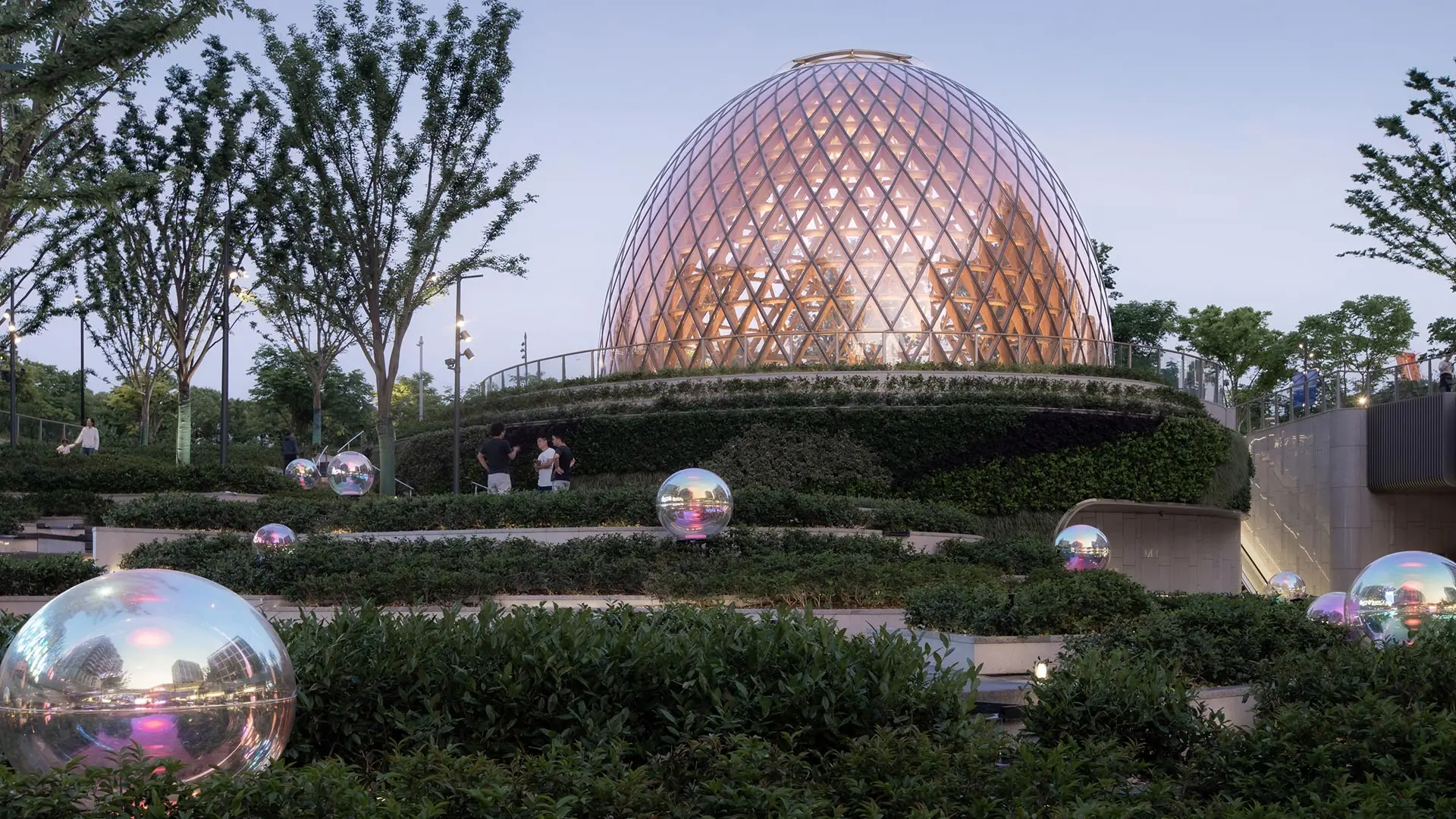
Shanghai World Financial Center, Oriental Pearl Tower and the city’s other iconic buildings
From Pudong's iconic skyscrapers and the Oriental Pearl Tower to first edition of the Salone Contract Tour, stop and the latest architectural landmarks along the Huangpu River: a journey into contemporary Shanghai


