


 Salone Selection


Coming from the meeting at the PwC Tower in Milan leading up to the Salone Contract 2027, the General Manager of COIMA REM explores the strategic link between real estate development, urban regeneration, and major international events, analyzing how design and bespoke projects are reshaping the future of real estate
MacGuffin and Tools: the world in objects
Text by
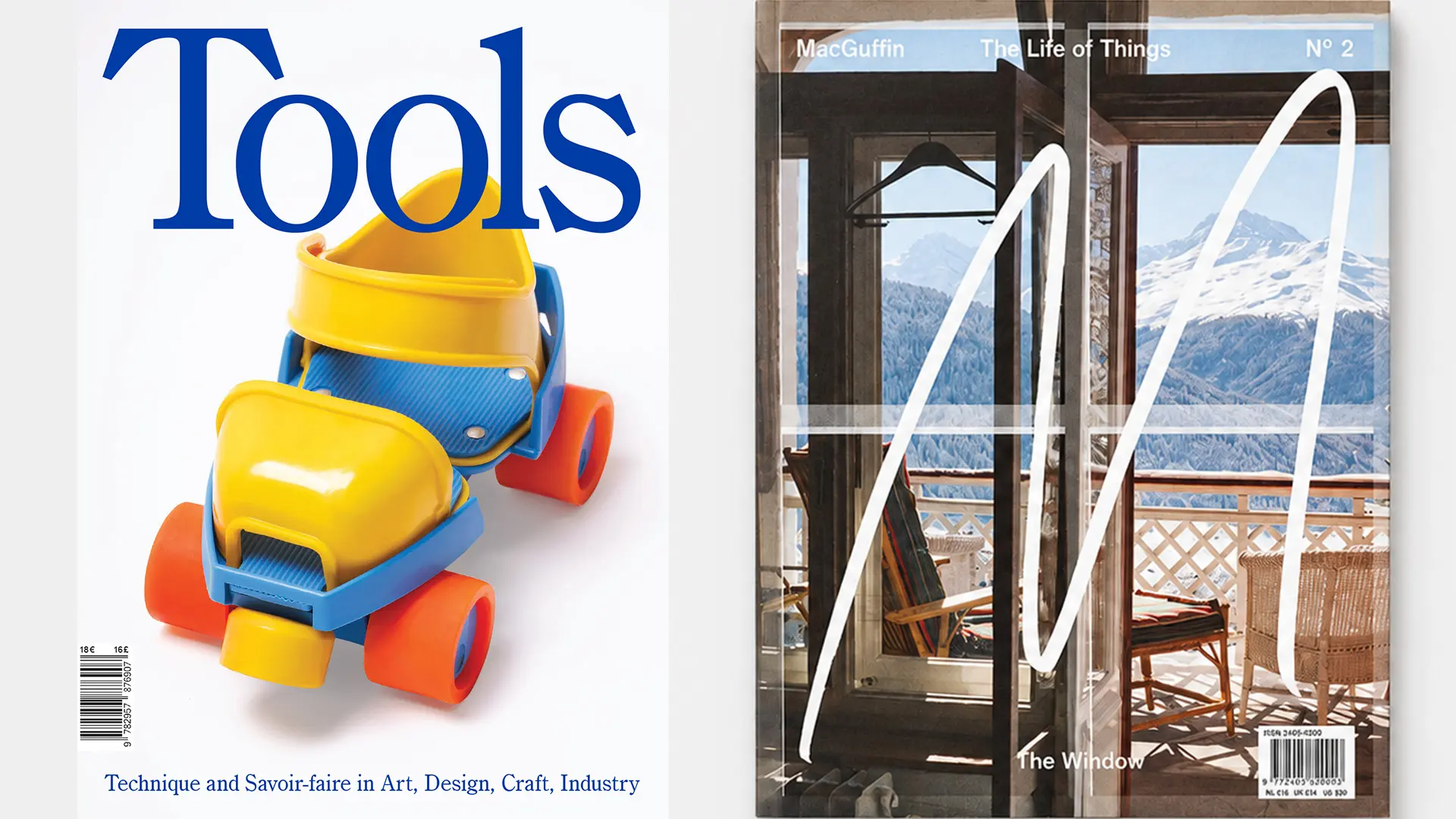
There are some magazine that we always remember our first encounter with. The place we came across them, the cover, the surprise of discovering a whole universe behind a seemingly tiny topic. Sometimes all it takes is a window. Or a roller skate.
I first came across MacGuffin at doyoureadme?! in Berlin, one of those places where you drop in just to have a look round and leave with problems of space in your hand luggage. On a table was its second issue, The Window, all about the topic (the first, The Bed, had appeared during Milan Design Week 2015). The discovery came a few years late, but with all the due amazement. An issue telling you all about the window? Clearly there was a lot more to learn than I’d ever imagined.
Founded by Kirsten Algera and Ernst van der Hoeven, with graphic design by Sandra Kassenaar, MacGuffin devotes each issue to an object and the universe that revolves around it. Bed, rope, kitchen sink — presences so familiar that they go almost unnoticed, until someone decides to take them seriously.
The name already gives you a clue. In Hitchcock’s cinematic lexicon, the MacGuffin is the object that sets the story in motion. Here the objects do the same: they open leads, elicit stories, relate people, eras and disciplines that we could hardly have met elsewhere.
Objects, after all, have a life that escapes the intentions of those who design them. A social life, to use the expression of the anthropologist Arjun Appadurai, made up of transformations, meanings and unexpected relationships. They change function, collect memories, become objects of affection or small collective obsessions. MacGuffin follows these trajectories, without worrying too much about respecting the boundaries between design, material culture and everyday life.
Issue sixteen, The Mirror, moves easily from the mirror to facial recognition, from idealised selfies to disco balls. In between we find identities, representations, desires and technologies.
Read also: An ode to timber: the latest issue of MacGuffin
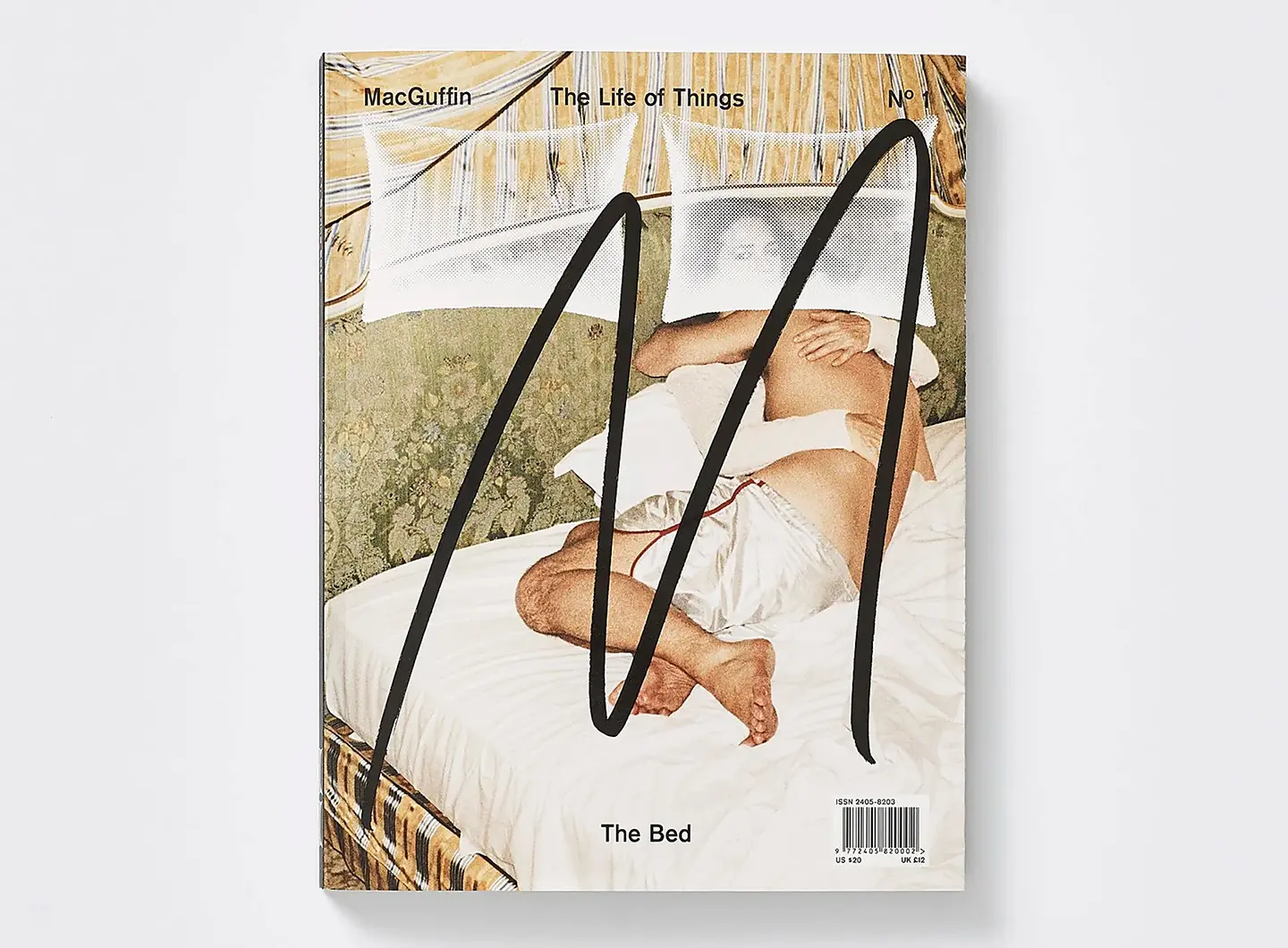
Cover MacGuffin The Bed
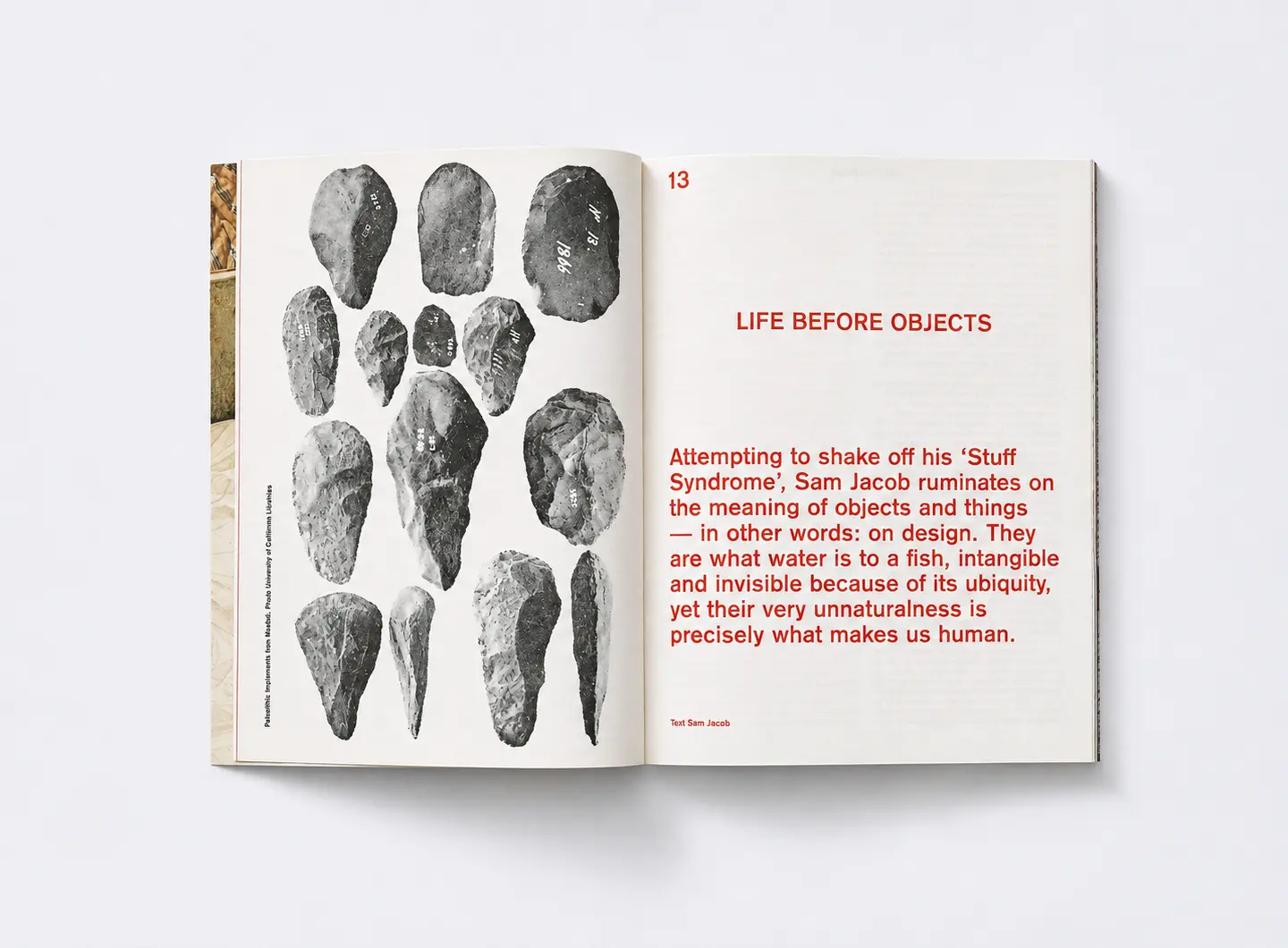
MacGuffin The Bed
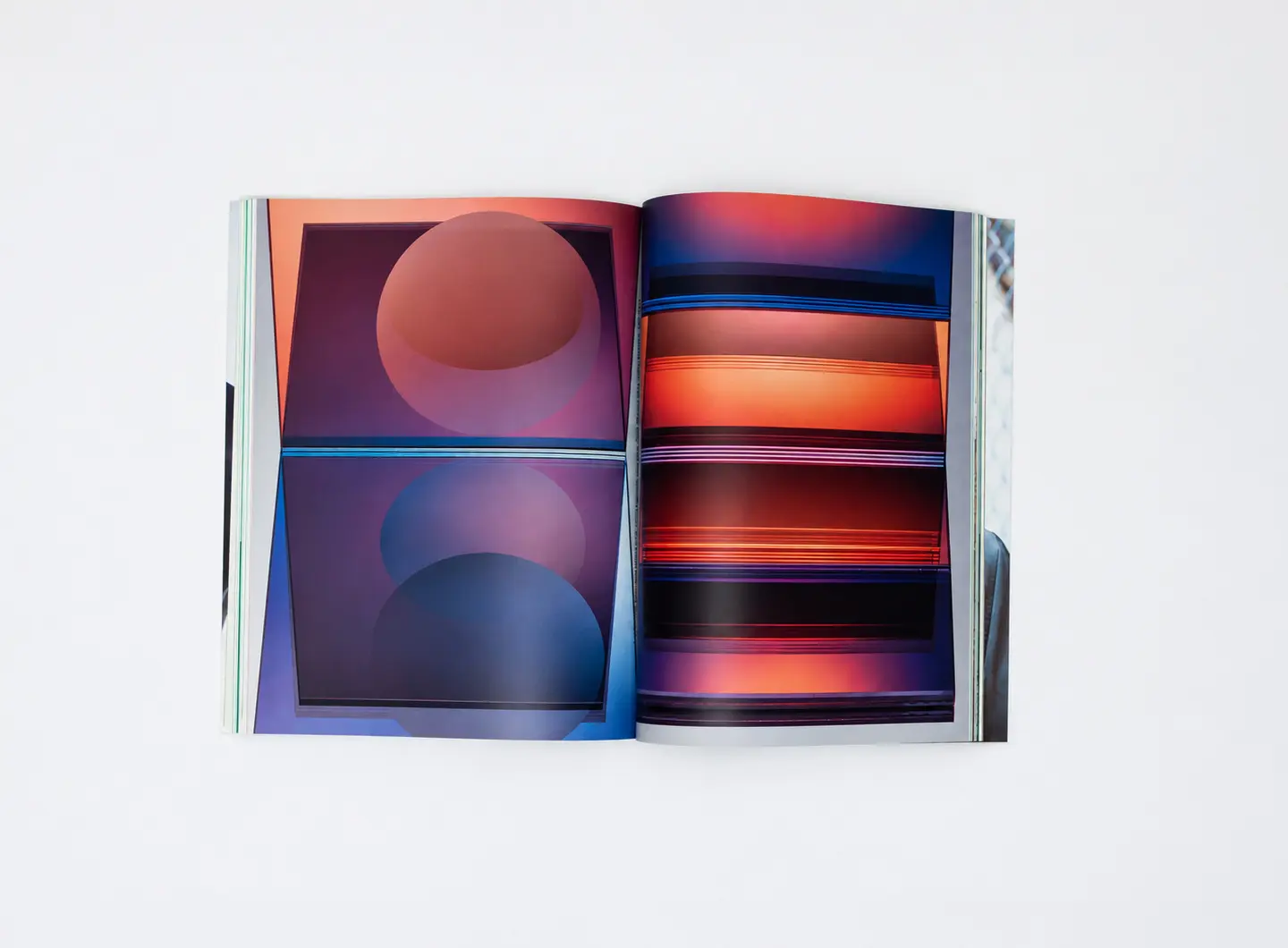
MacGuffin The Mirror


Tools, from the cover to the lab
With Tools, everything starts from a screen. What catches the eye is the object depicted on the cover of the debut issue, entitled To Mold: a roller skate. An image unusual enough to interrupt your desultory scrolling and make you want to know more.
Founded in Paris in 2021 on the initiative of Clémentine Berry, founder of the art direction studio Twice, Tools explores the processes that shape things. Annual and bilingual, in French and English, it devotes each issue to a technique, interweaving historical insights, factory reports and artisanal knowledge.
If MacGuffin follows objects in their multiple existences, Tools seems to want to surprise them as they come into the world. Its focus is on gestures, tools and processes. That intelligence of the hands that Richard Sennett wrote of in The Craftsman, and which frequently tends to become invisible in the finished object.
The illustrations make up a large part of the magazine. Surfaces, materials and details of processing are photographed with a care that makes even the least familiar procedures fascinating. It makes you want to understand how a certain form is achieved, what happens to the material during processing, and how much experience is concealed behind an apparently simple gesture.
The sixth issue, To Blow, published in September, is devoted to blowing and inflating. The protagonist is air, an invisible yet decisive element in many creative processes. Devoting a whole magazine to something we can’t see is a rather bold choice. But also perfectly in keeping with the spirit of the publication.
This way of looking at creation that recalls the thought of the anthropologist Tim Ingold. Forms are not simply imposed on matter, but emerge from the encounter between materials, gestures and forces in movement. Even air, apparently impalpable, shares in this process.
After leafing through Tools, even a seemingly simple object can raise a few more questions. Not only how it is made, but what has happened to make it take that shape.
Read also: Tools Magazine and the art of folding
After browsing
The beauty of certain magazines is that they do not end with the last page. Rather, they change the way we look at what we have around us. A window, a mirror or any other object can become opportunities to question the habits, meanings and processes that have determined its form and use. Even the most ordinary things reveal a complexity that we would hardly have considered.
It is a curiosity that tends to expand and that, inevitably, prompts us to look forward to the next issue. The magazines stack up, space on our bookshelves dwindles, and the problem of where to put them is regularly put off until the next copy we purchase.
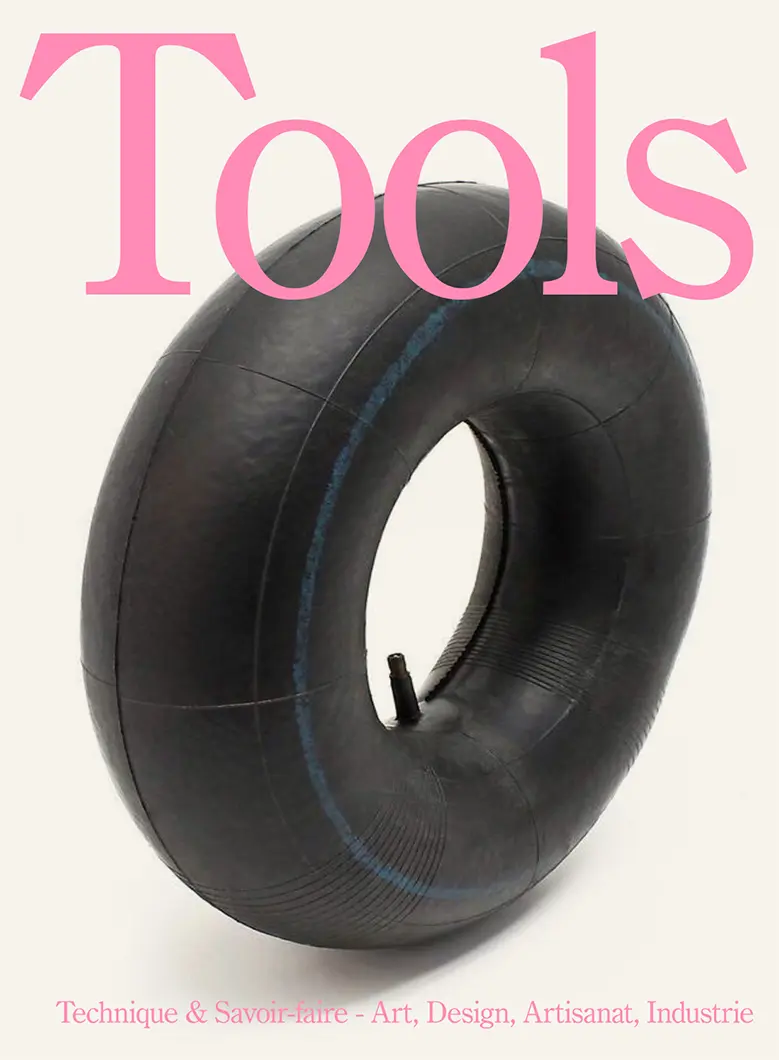
Tools To Blow cover
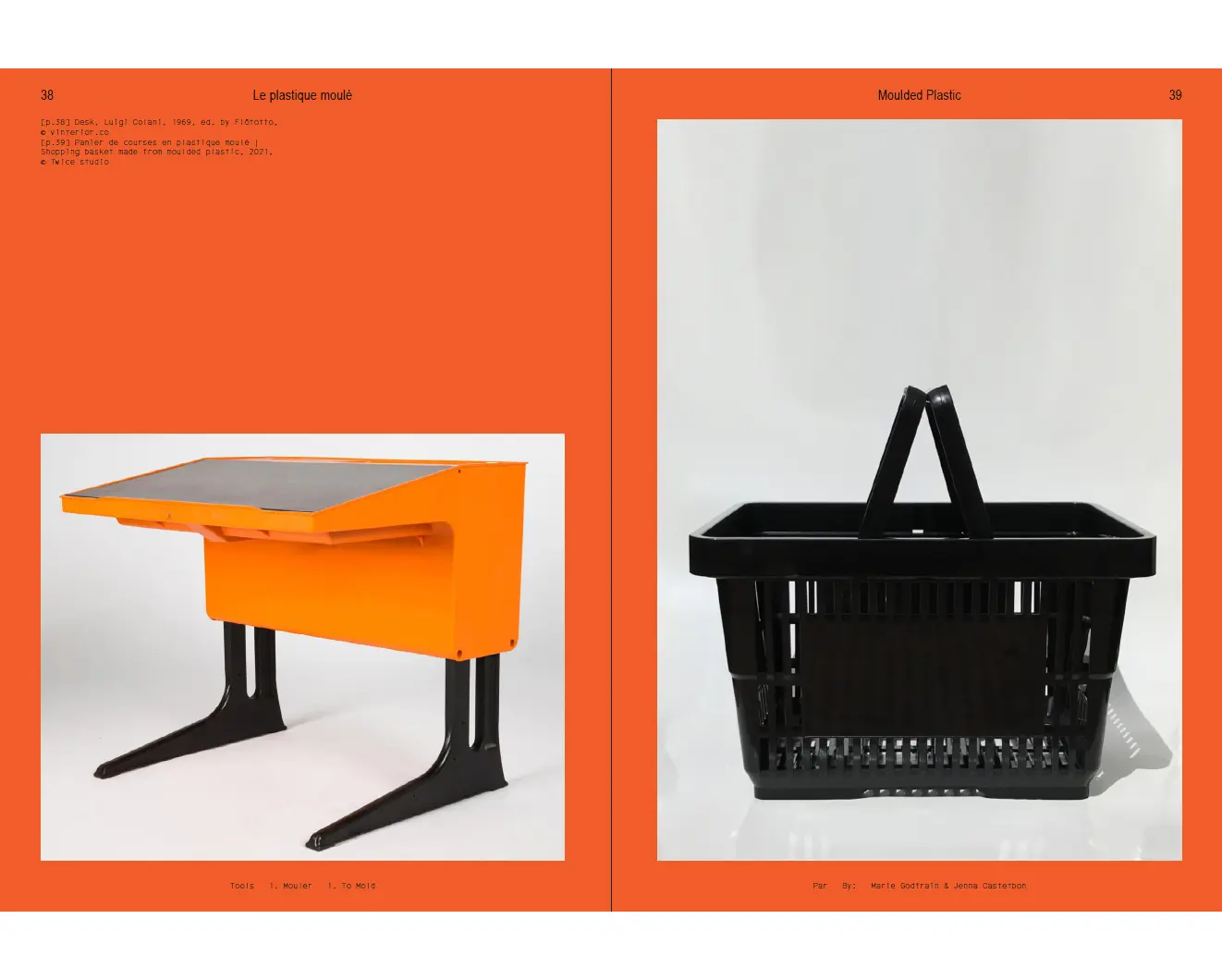
Tools To Mold
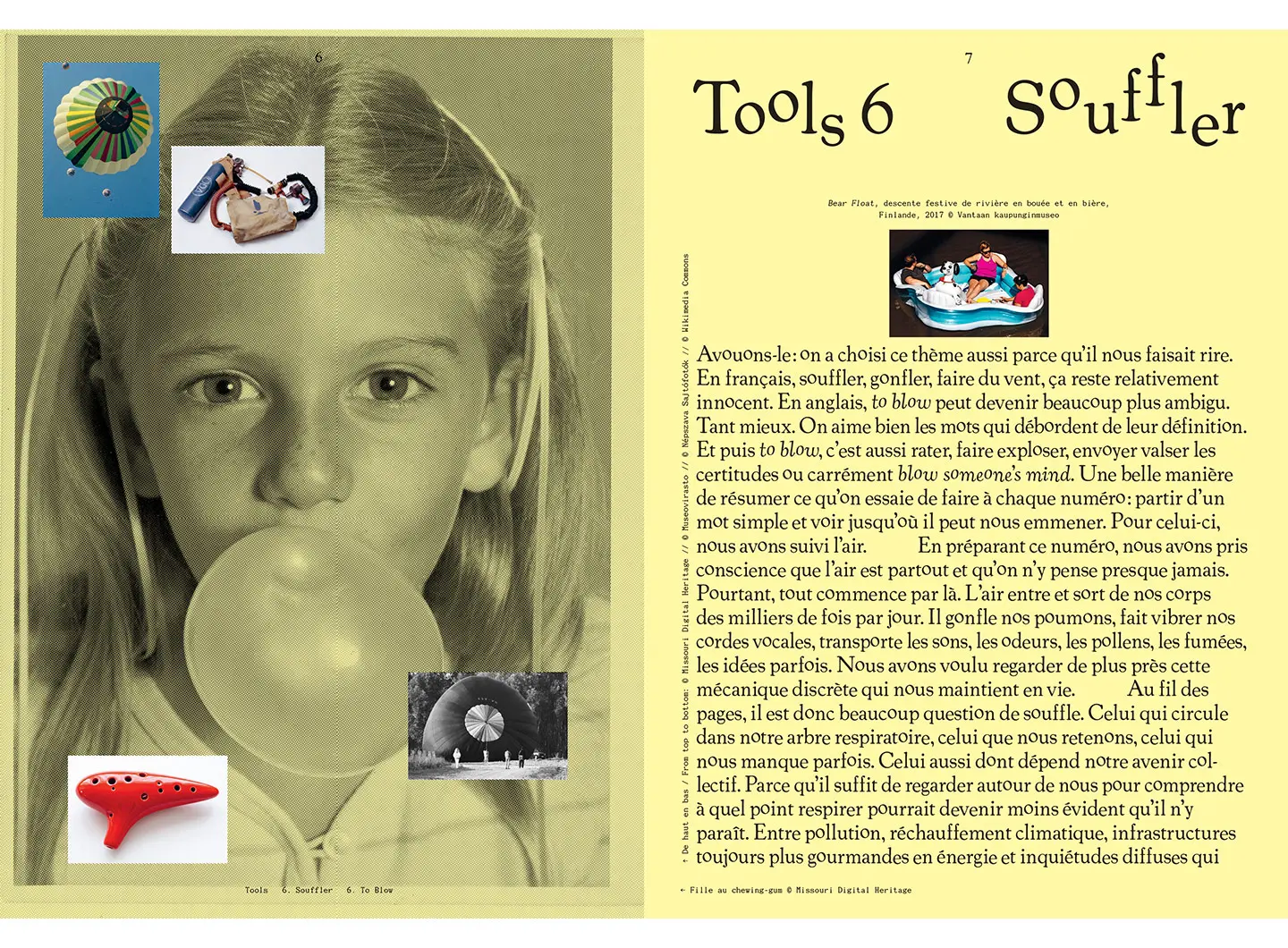
Tools To Blow
13 November 2026
Share




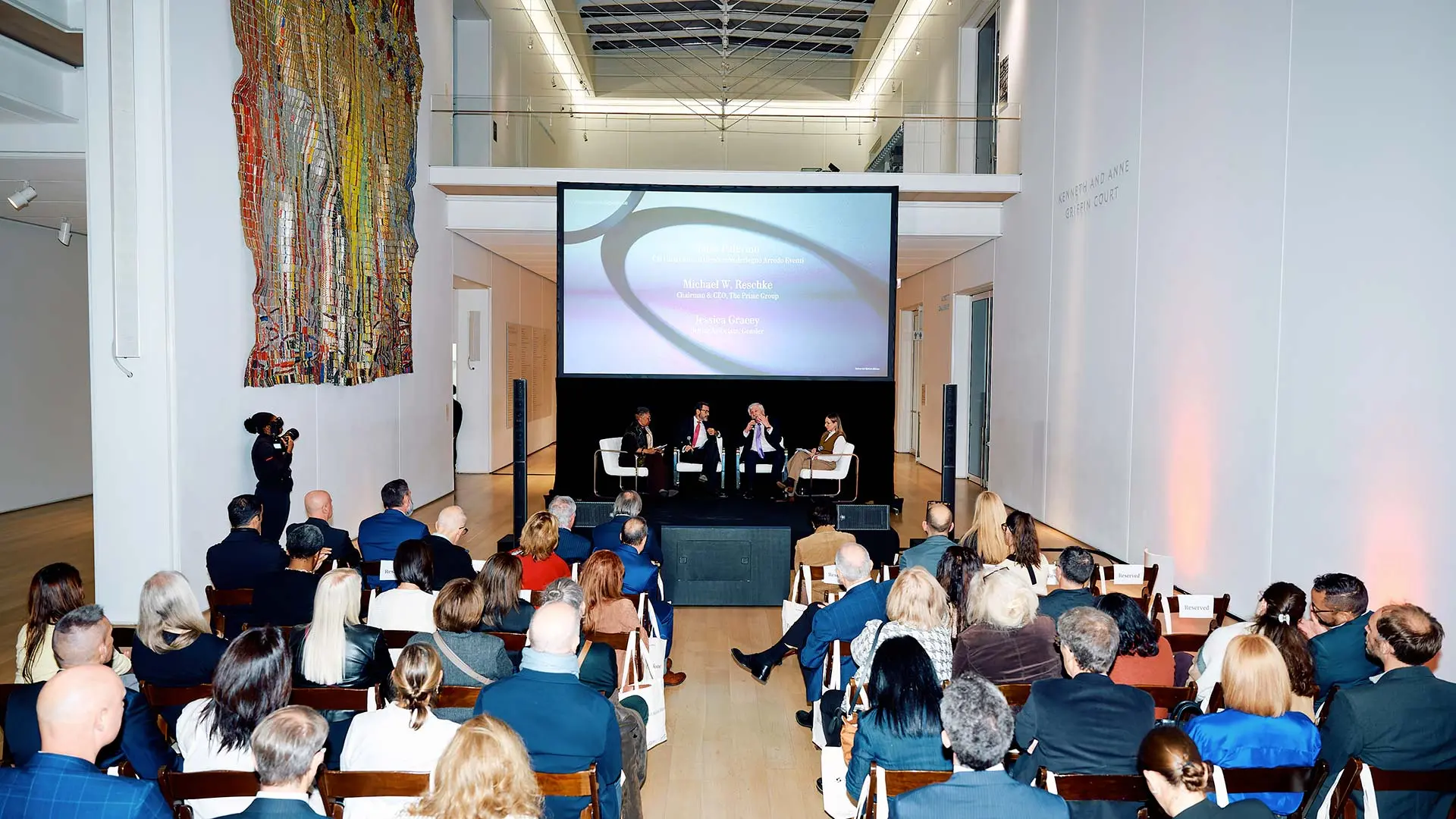
Road to Salone 2027: a focus on workspaces in Chicago
At the Art Institute of Chicago, the first edition of the Salone Contract Tour brings together The Prime Group and Gensler for a discussion spanning property investment, architecture and lighting. The focus is on the transformation of existing buildings and new opportunities for the sector, ahead of the debut of Salone Contract 2027


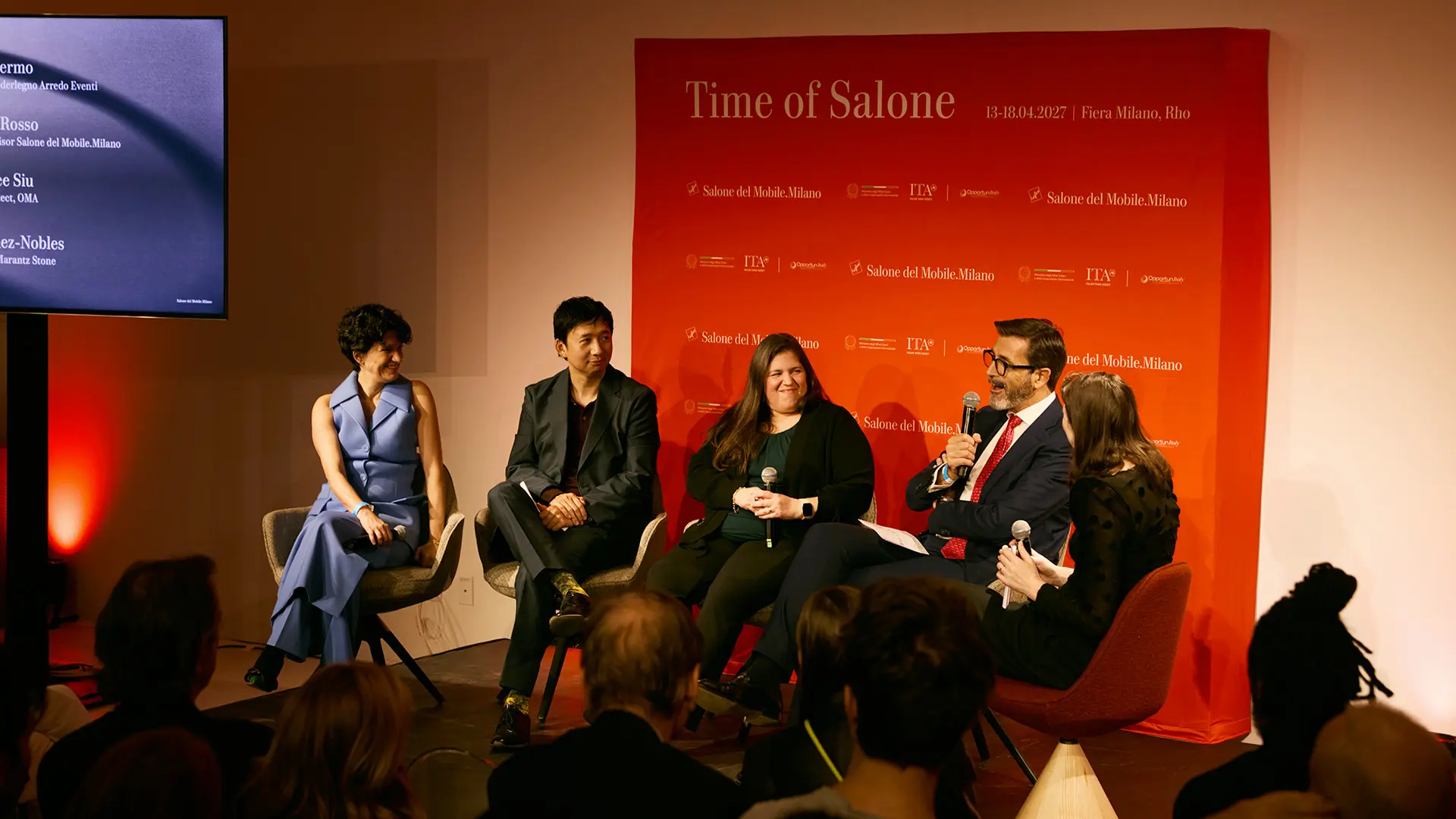
Road to Salone 2027: the future of contract design and lighting takes center stage in New York
The 2026–2027 Salone World Tour brought together OMA and Fisher Marantz Stone for a dialogue on architecture, contract design and lighting design at New York’s New Museum. The focus was on Salone Contract, the return of Euroluce with its International Forum, and Salone Raritas 2027. The backdrop to the event is an US contract market with a potential value of 31–39 billion euros
