

 Salone Selection





China accounts for 72% of the Asia-Pacific contract market potential
A summer of design and architecture in 7 international events
Text by
London Design Festival of Architecture, United Kingdom
From Logroño to Nairobi, seven international stages take in festivals and biennials to explore the future of architecture. A global map that redesigns public space and responds to environmental and social challenges
Summer is proving to be an unusually busy season for whoever follows architecture on a global scale. From Logroño to Nairobi, from Rotterdam to Tallinn, a series of festivals, biennials and triennials design an innovative map of experimentation in urban design and the relationship between built space and the landscape. The events differ widely in format and ambition, but are united by an increasingly urgent question: who should define the space we live in?
Festival internacional de Arquitectura y Diseño, Logroño, Spain
It all kicks off in Spain, where from 18 to 23 June Logroño is hosting the twelfth edition of Concéntrico, an international festival of architecture and design that since 2015 has transformed the city into an urban laboratory for experimenting with new modes of inhabiting public space. Over twenty projects dealing with the plazas, vacant lots and streets bring together architecture firms and researchers with an international scope, including the Chilean Smiljan Radić, the Raumlabor collective, Matilde Cassani and the Italian studio 2050+, in a program organised around three axes, identity and fiction, urban ecologies, ephemeral agents, and including for the first time a Summer School devoted to new ways of thinking about urban design.
Where: Logroño, Spain
When: from 18 to 23 June
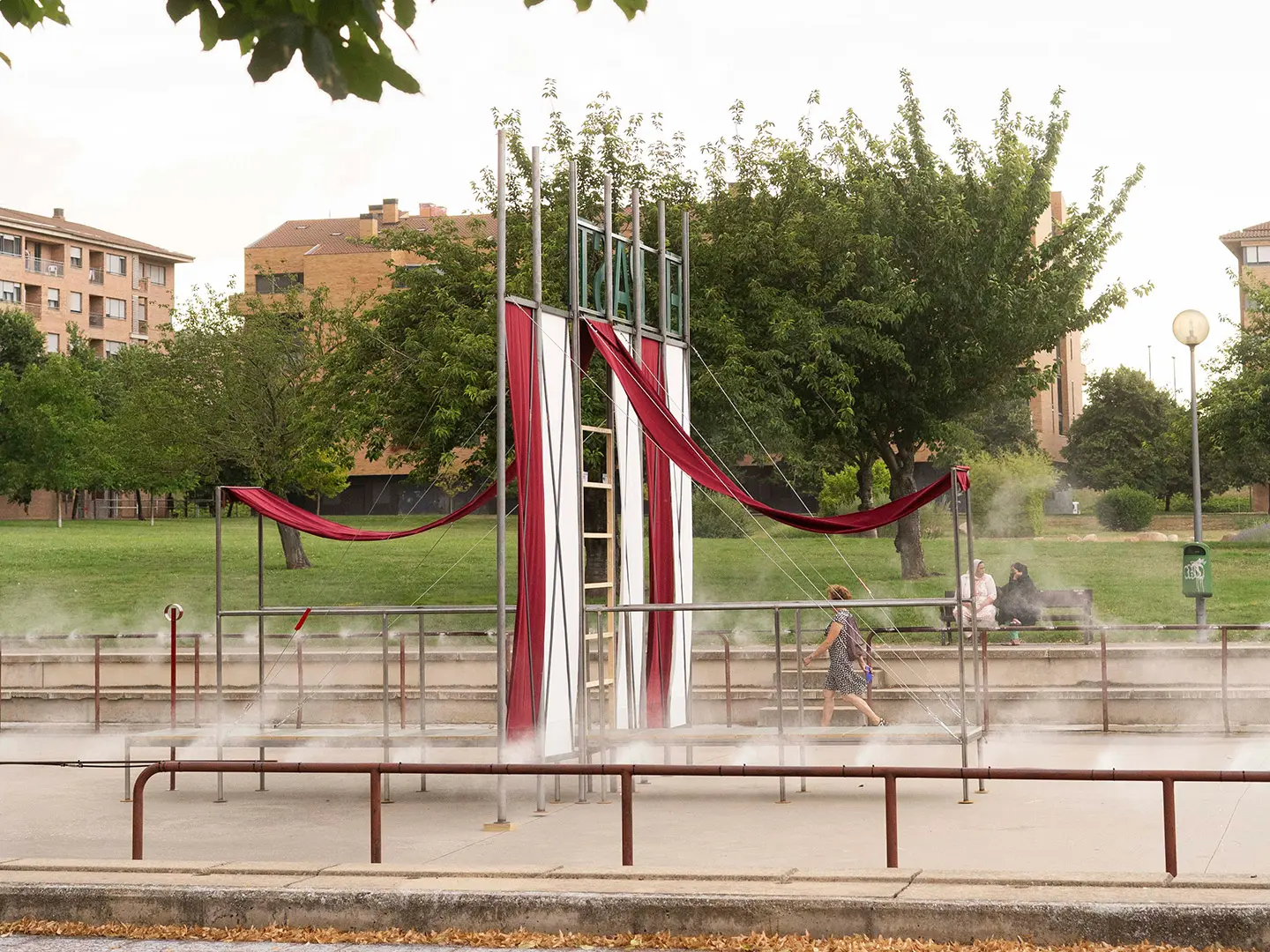
Festival internacional de Arquitectura y Diseño, Logroño, Spain - Concéntrico, Ph. Sara Cuerdo
Rotterdam Architecture Month, Netherlands
In the same days, Rotterdam has also put architecture at the center of the city’s life. Rotterdam Architecture Month, scheduled for the whole of June, asks a question that is both practical and urgent: “What does a circular city look like?” The heart of the festival is in the Keilekwartier district, where the new Test Site Materialenwerf, designed by Studio ACTE, shows how used building materials can be collected, processed and given a second life, functioning as an open experimental construction site rather than a conventional exhibition space.
Where: Rotterdam, the Netherlands
When: the whole of June
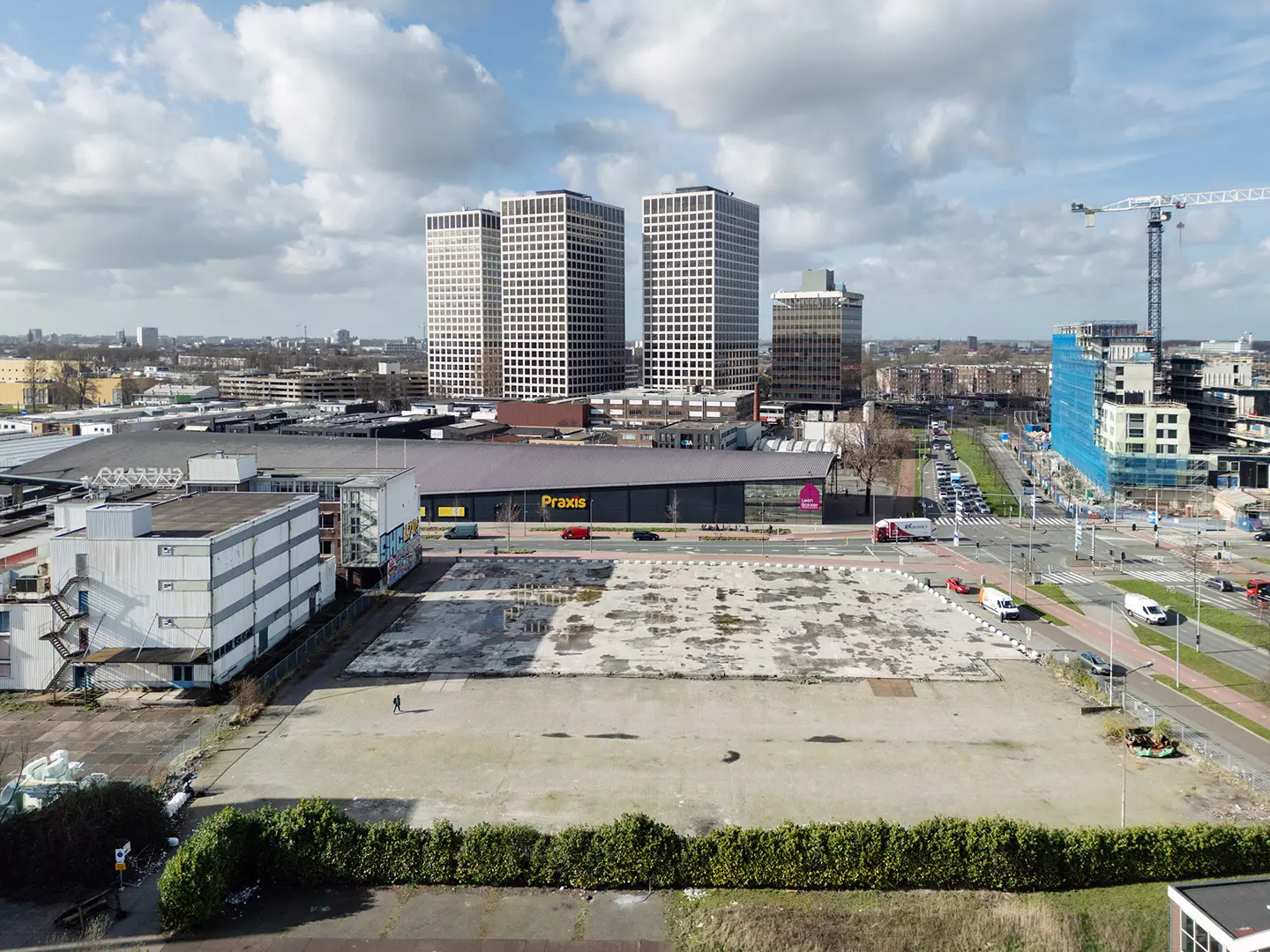
Rotterdam Architecture Month, Netherlands - ©PaulSwagerman
Serpentine Pavilion, London, United Kingdom
June is also the month when London presents two important events. The Serpentine Pavilion 2026, titled a serpentine and designed by the Mexican studio LANZA atelier, was inaugurated on 6 June at the Serpentine South and will remain open until 25 October. This, the 25th edition of an annual commission inaugurated in 2000 by Zaha Hadid, is built out of clay bricks that dialogue with the gallery facade and the tradition of English gardens.
Where: Serpentine South, London, United Kingdom
When: from 6 June to 25 October
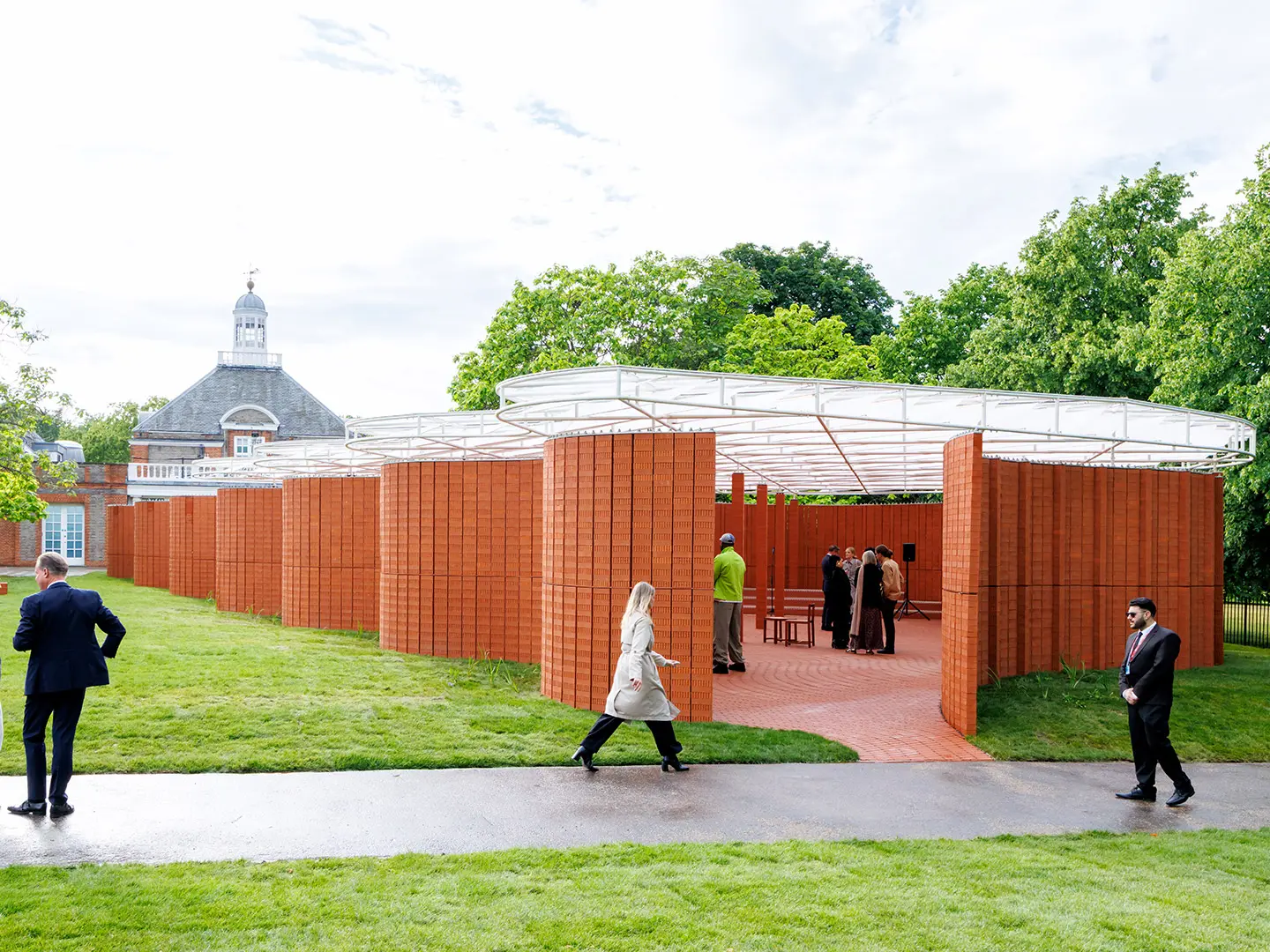
Serpentine Pavilion 2026 'a serpentine', designed by Isabel Abascal and Alessandro Arienzo, LANZA atelier. Exterior view © LANZA atelier. Photo Iwan Baan. Courtesy Serpentine.
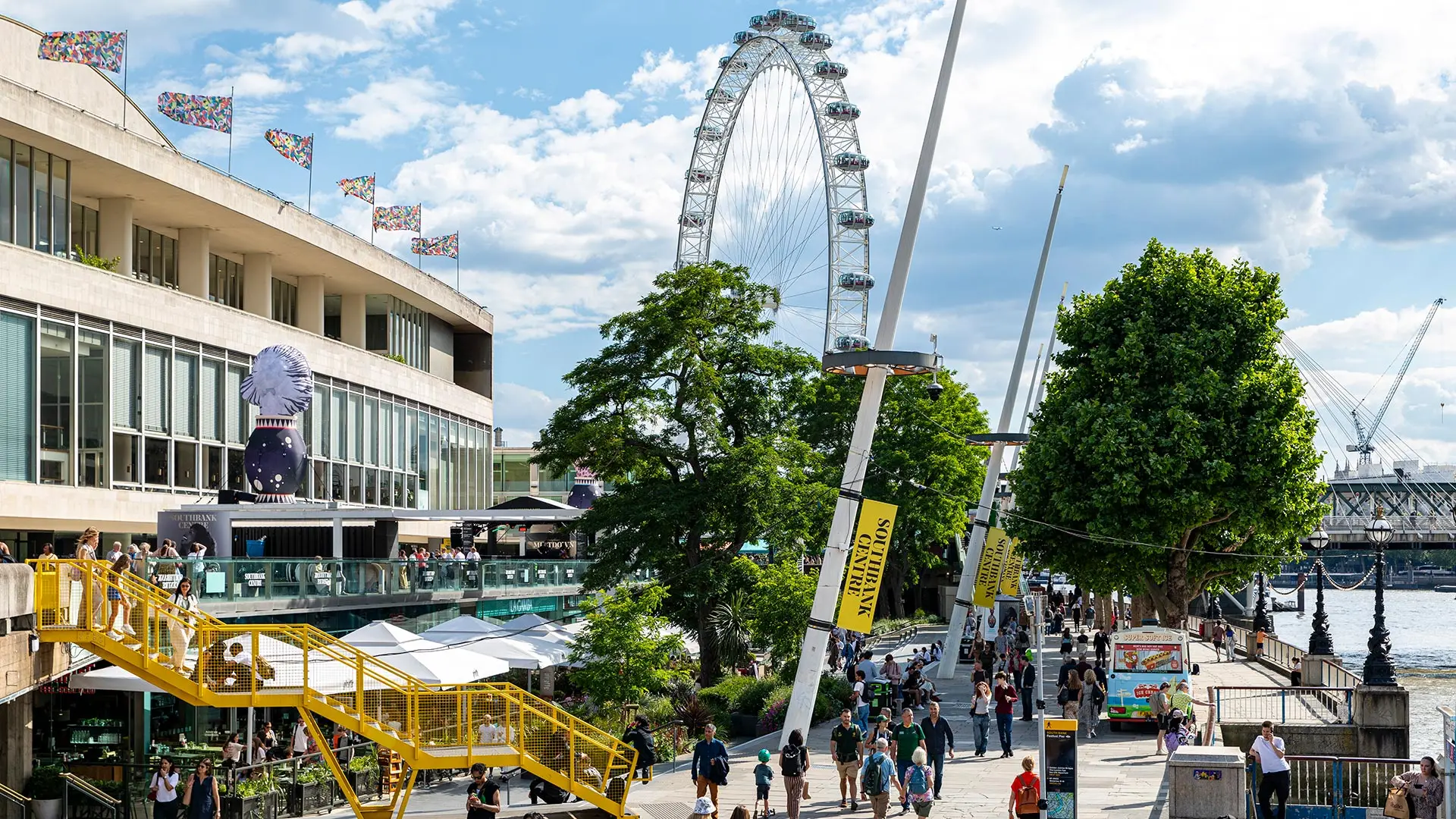
London Design Festival of Architecture, United Kingdom
In the same city, the London Festival of Architecture occupies the whole month with the theme Belonging, and the ambition to plant seeds that grow far beyond the festival itself, through skills, ideas and connections. In September, the register will shift towards more structured formats.
Where: London, United Kingdom
When: during the whole of June
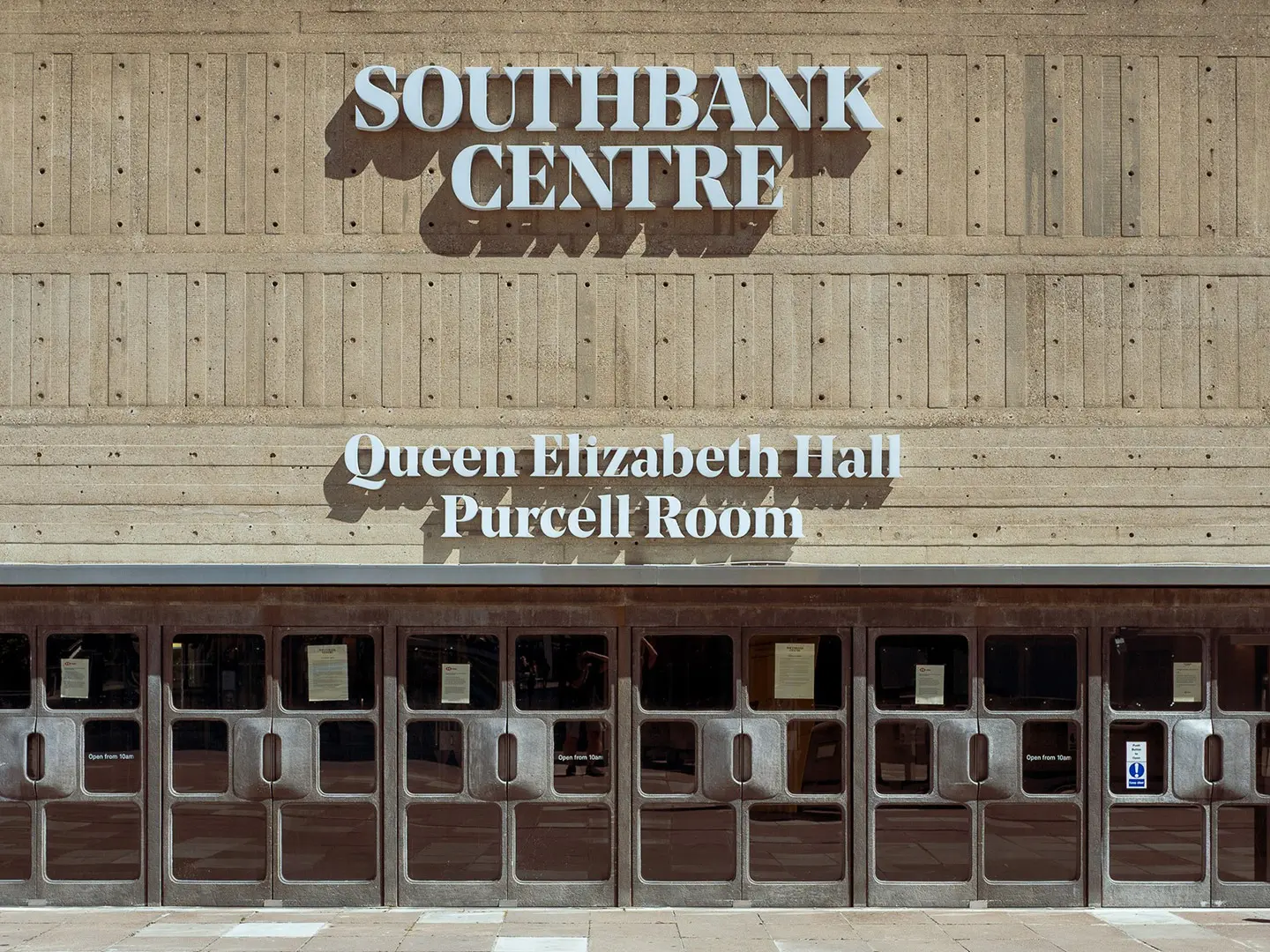
Southbank Centre, London Design Festival of Architecture, United Kingdom
Tallinn Architecture Biennale, Estonia
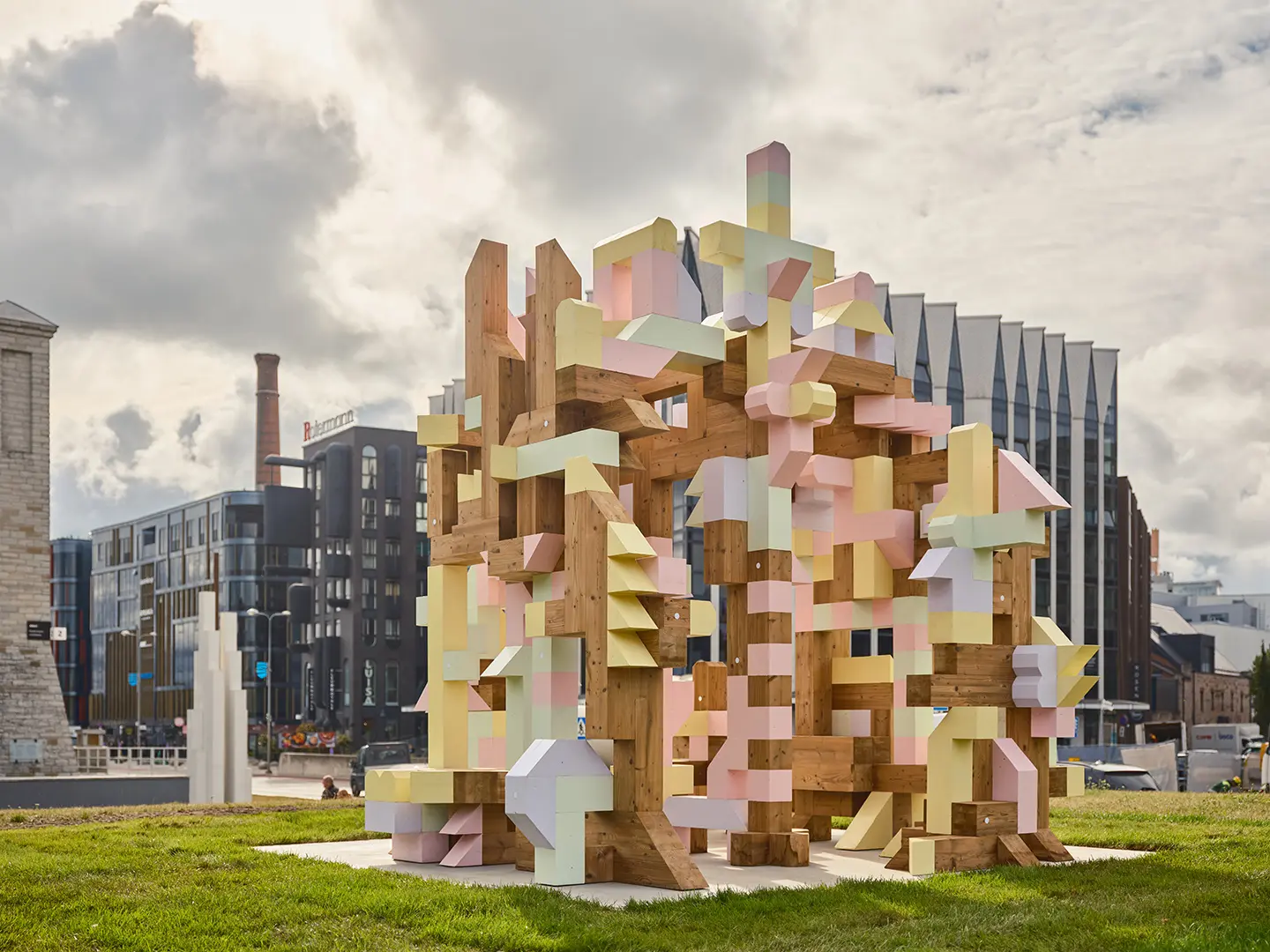
The eighth edition of the Tallinn Architecture Biennale, entitled How Much? and co-curated by Studio TÄNA with Mark Aleksander Fischer and Mira Samonig, opens on 9 September with an inaugural week, and will continue until 30 November. The theme moves from a paradoxical position, affordability in architecture is at the same time an unwanted objective of the discipline and an expected result of construction, often reducing the built environment to systems of extractive efficiency.
Where: Tallinn, Estonia
When: from 9 September to 30 November