

 Stories


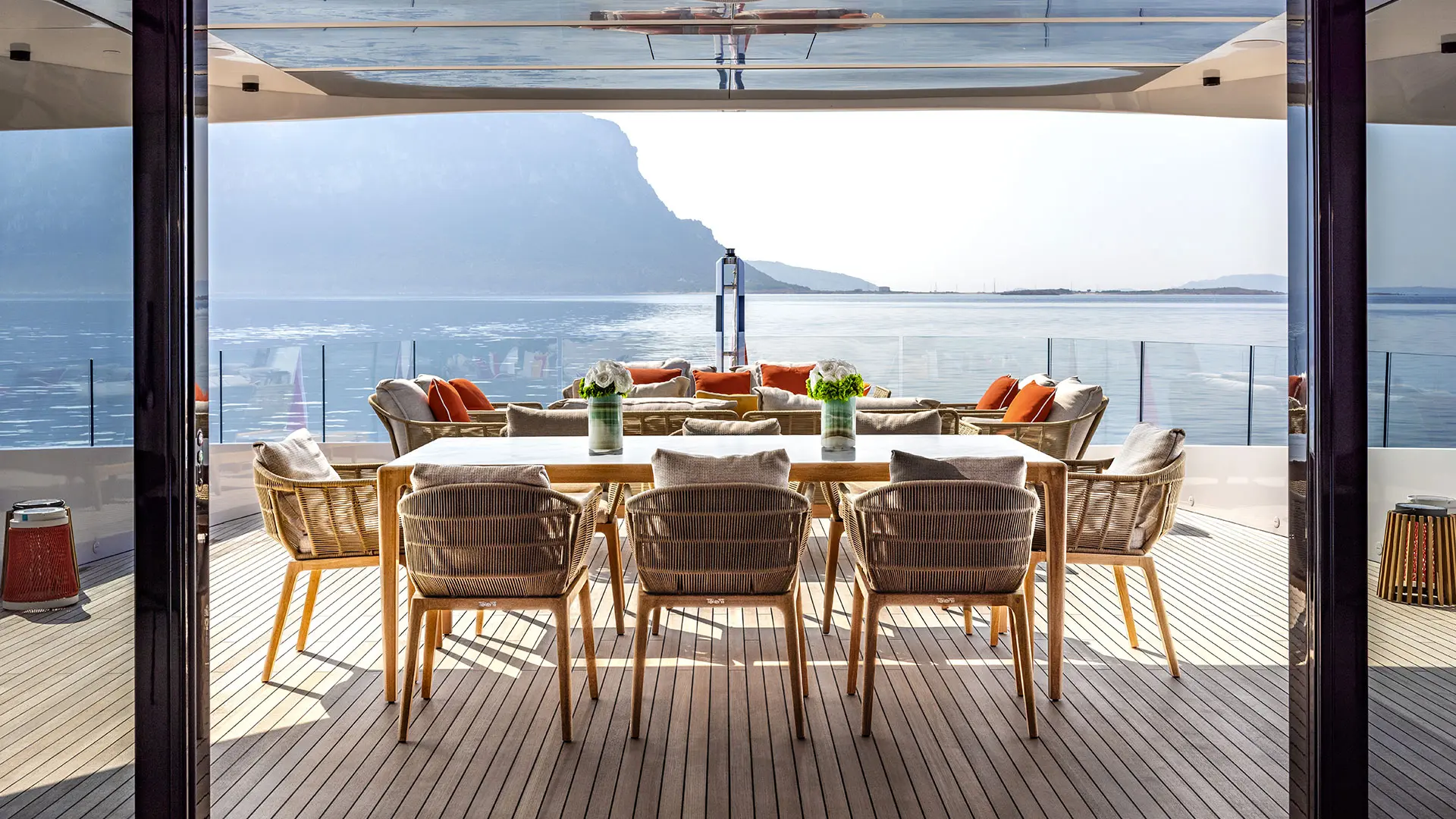
Maritime culture and the furniture industry are evolving alongside the market and business needs. A look at the 66th International Boat Show in Genoa, October 1-6
Serpentine Pavilion 2026: pushing architectural boundaries. An interview with LANZA atelier
Text by
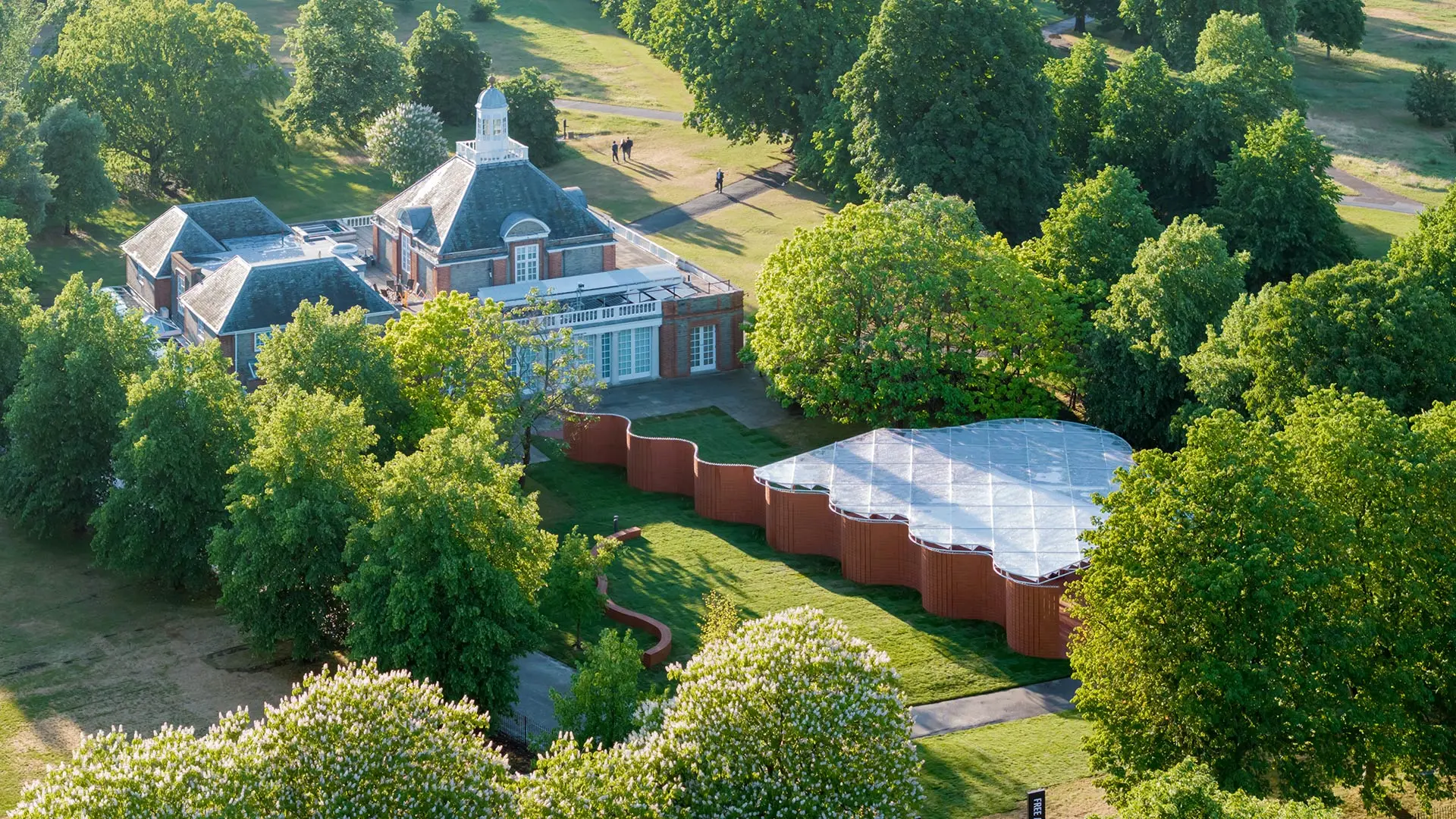
Serpentine Pavilion 2026 a serpentine, designed by Isabel Abascal and Alessandro Arienzo, LANZA atelier. Exterior view © LANZA atelier, Photo Iwan Baan, Courtesy Serpentine.
Summer 2026 in London is all about the Serpentine Pavilion designed by the architectural duo Isabel Abascal and Alessandro Arienzo, known as LANZA atelier. In this interview, they discuss the objectives and rationale behind this prestigious commission
LANZA atelier was set up by the architects Isabel Abascal and Alessandro Arienzo back in 2015. In a short space of time, the Mexico City-based studio has gradually emerged as one of the rising stars on the American continent. Their solo exhibition Following LANZA atelier’s first solo show, at the San Francisco Museum of Modern Art, was held in 2018, followed by further commissions and accolades. Thanks in part to an approach that “always involves a deep engagement with the local context, materials and lived experience,” as highlighted by the Serpentine’s Artistic Director Hans Ulrich Obrist, they were chosen to design the London institution’s traditional summer pavilion. Open until 25th October and, as always, hosting initiatives aimed at a diverse audience, their a serpentine seeks to break down geographical and temporal boundaries by harnessing the potential of a fundamentally timeless material: brick. Following in the footsteps of Frida Escobedo, selected for this same commission in 2018, LANZA atelier is the second Mexico-based practice to take on the ‘challenge’ of the Serpentine Pavilion.
LANZA atelier will celebrate its tenth anniversary (eleventh, to be precise!) with this major European commission. What are your expectations for the project?
We started our practice doing exhibition design. These were ephemeral projects with a high degree of freedom for material and structural experimentation because we were putting up structures that were going to be taken down after some months, so the museums and cultural spaces felt comfortable letting us do things that had not been done before. Since then, we have pursued a certain degree of experimentation through our more permanent projects as well. We try to push the boundaries of our practice with every project. a serpentine is definitely inscribed in this line of thinking.
In what way, to be more specific?
In recent years, we have accomplished several projects using brick, like the Forest House (2019) in which an organic white brick wall adapts to the positions of pre-existing trees and sometimes operates as a corridor and sometimes as a lattice to delimit an area within nature; and the 1973-2021 installation at Concéntrico (2021) in which we worked with exposed red brick — a material representative of social interest architecture in Spain — stacked without using mass so that at the end of the festival more than 90% of the bricks were dismantled and effectively reused. We like how brick is made of earth —of clay — its thermal mass and how it is just the right size to fit in one hand, so it ultimately refers to the human body.
Let’s focus on the evolution of the London project. What was the starting point for your Serpentine Pavilion?
As we were working on our proposal for the Serpentine Pavilion, we naturally came across an English architectural feature also called serpentine. This is the crinkle-crankle wall, a type of brick wall with alternating curves that originated in Ancient Egypt and was brought to the UK by Dutch engineers as far back as the 17th century. By virtue of its sinuous shape, the serpentine wall is recognised for requiring fewer bricks than a straight wall, as its winding geometry introduces lateral support to an otherwise flimsy one-brick-wide structure. In the hands of gardeners and built on an East-West axis, these elements become fruit-walls that soak up the heat from the southern exposure and release it at night, providing a warm agricultural environment. The structure employs less while providing more, which is a timely lesson for our current era of overconsumption. It’s quite magical that the same word gives name to a water feature, a lake, to a place, Serpentine, and to an architectural element, a wall. Especially considering the powerful place that the serpent holds in Mesoamerican cosmology. This is the first time that a Serpentine Pavilion actually revolves around the serpentine.
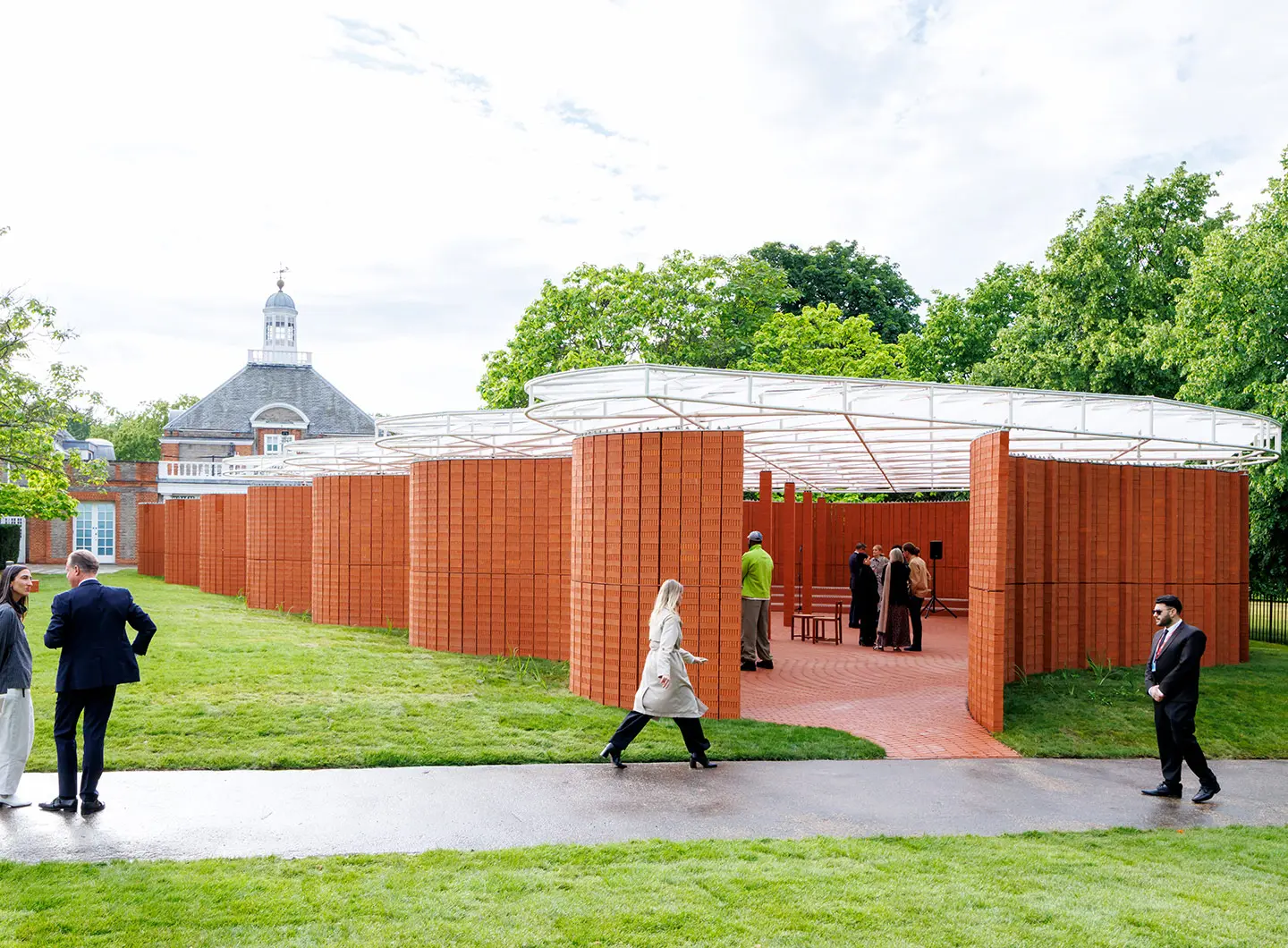
Serpentine Pavilion 2026 a serpentine, designed by Isabel Abascal and Alessandro Arienzo, LANZA atelier. Exterior view © LANZA atelier, Photo Iwan Baan, Courtesy Serpentine.
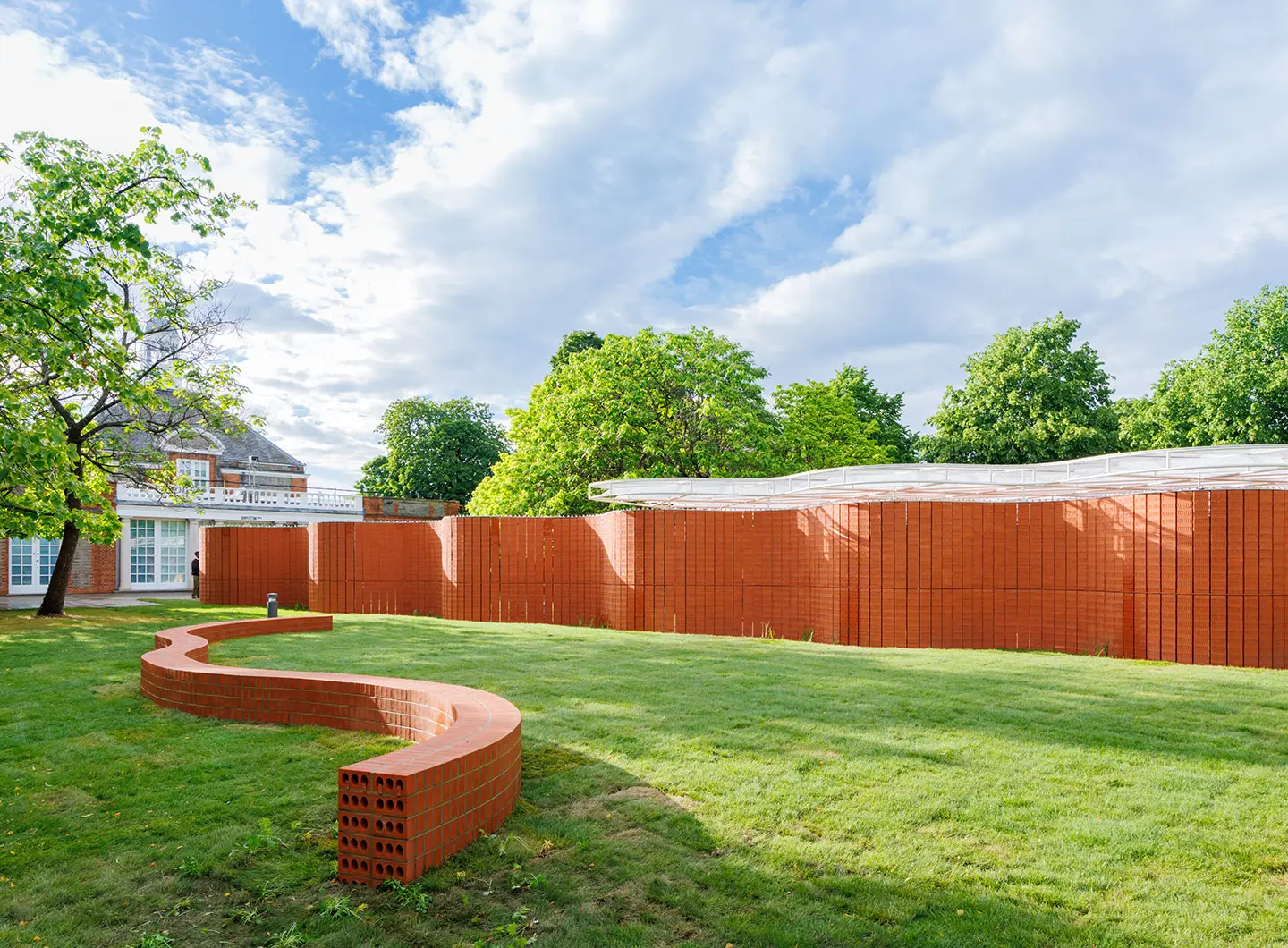
Serpentine Pavilion 2026 a serpentine, designed by Isabel Abascal and Alessandro Arienzo, LANZA atelier. Exterior view © LANZA atelier, Photo Iwan Baan, Courtesy Serpentine.
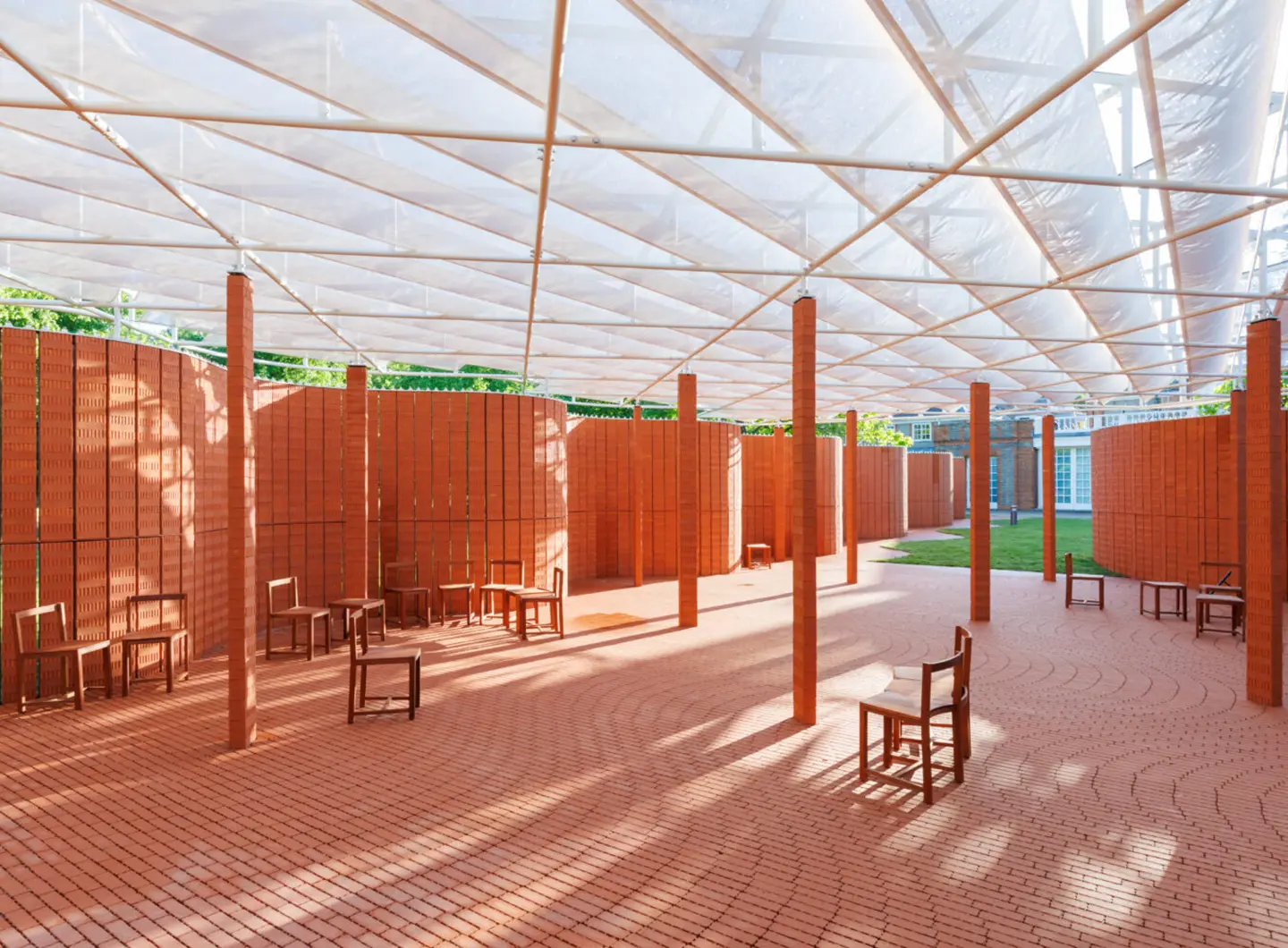
Serpentine Pavilion 2026 a serpentine, designed by Isabel Abascal and Alessandro Arienzo, LANZA atelier. Interior view © LANZA atelier, Photo Iwan Baan, Courtesy Serpentine.
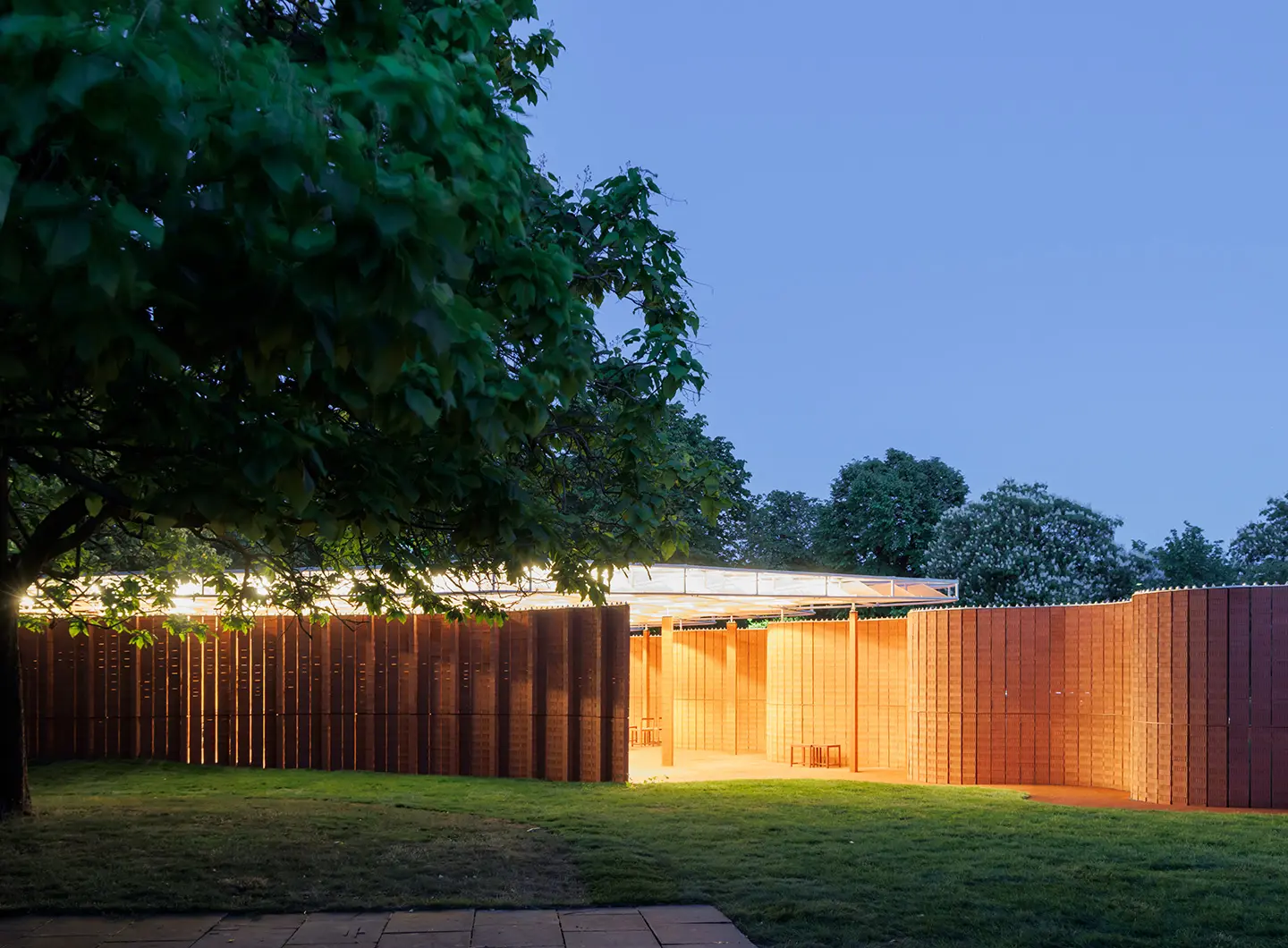
Serpentine Pavilion 2026 a serpentine, designed by Isabel Abascal and Alessandro Arienzo, LANZA atelier. Exterior view © LANZA atelier, Photo Iwan Baan, Courtesy Serpentine.

Isabel Abascal and Alessandro Arienzo of LANZA atelier. Photo: © Pia Riverola


The Serpentine Pavilion will be marking its 25th edition in 2026. Thinking about the previous projects, which of them has served as inspiration for your studio?
We were deeply honoured by the opportunity to share our work with a wider audience and advance the commission’s legacy of experimentation. We also felt committed to showcasing architecture as a tool to improve our surroundings. We see this commission as an opportunity for the wider public to focus on architecture. We would like visitors to relate to the idea that we all dwell and are all somehow connected to architecture, and therefore, we can all reflect on what kind of architecture we need amidst the world’s ecological crisis to foreground gathering and collective experience. We believe this iconic anniversary of the 25th Pavilion can amplify some of the implicit messages of our Pavilion. We would like to encourage the global architectural community to be as clever as the Serpentine wall by virtue of its unexpected shape which employs fewer materials than a straight wall and is stronger, more stable. We are also adding our own voice to 24 previous voices that have left their mark on the Serpentine lawn, thereby creating a collage of the architecture of the first quarter of the 21st century and that is very beautiful.
In conclusion, what would you like this work of yours to be remembered for?
We know this commission will allow our practice to grow in many different ways. We hope to reinforce LANZA’s presence in Europe and beyond. The opportunity to work in new and challenging contexts excites us. Working in London for the first time means establishing a connection between our Latin American context and European and Ancient Egyptian architectural heritage.
4 June 2026
Share