

 Stories


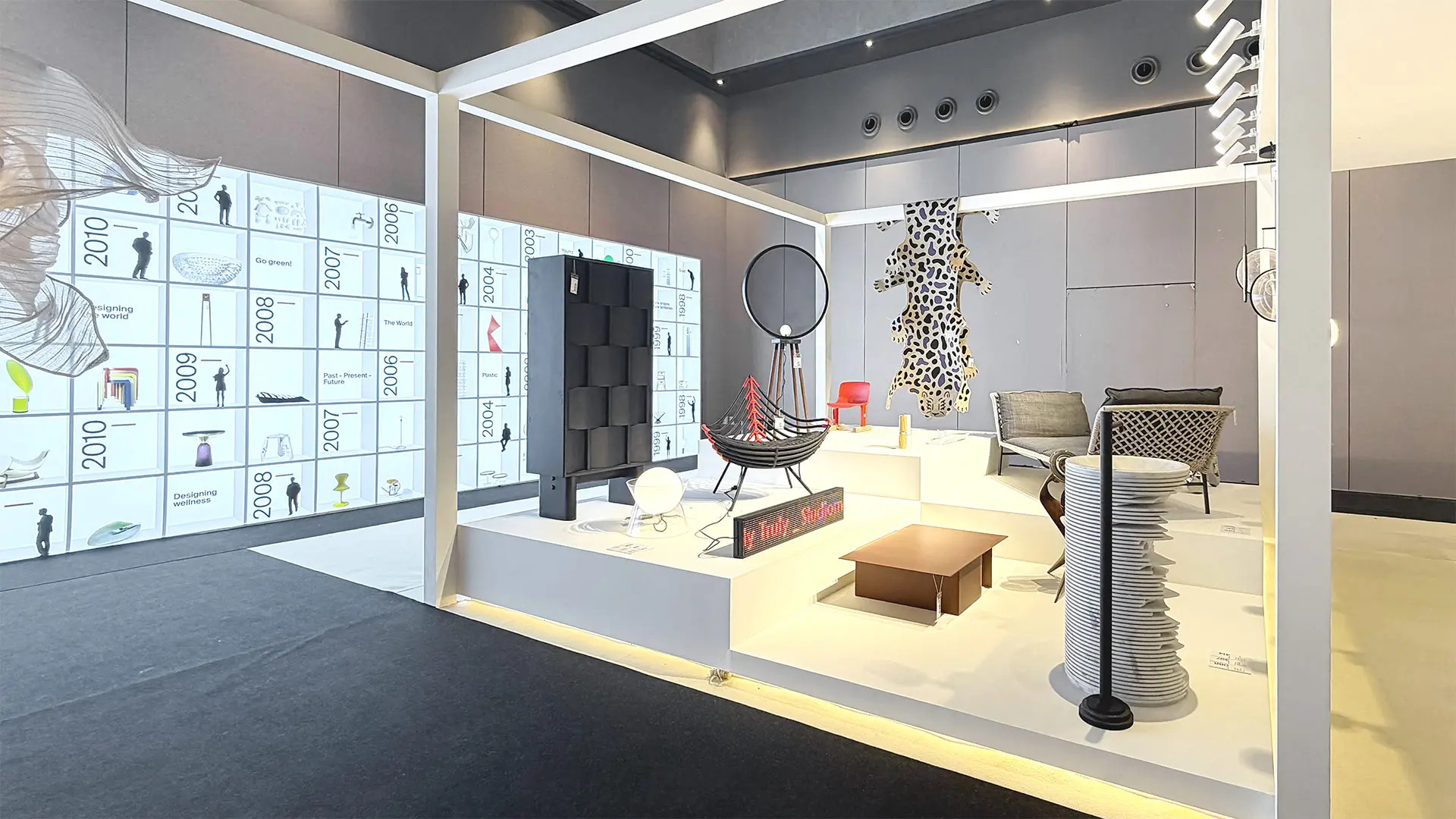
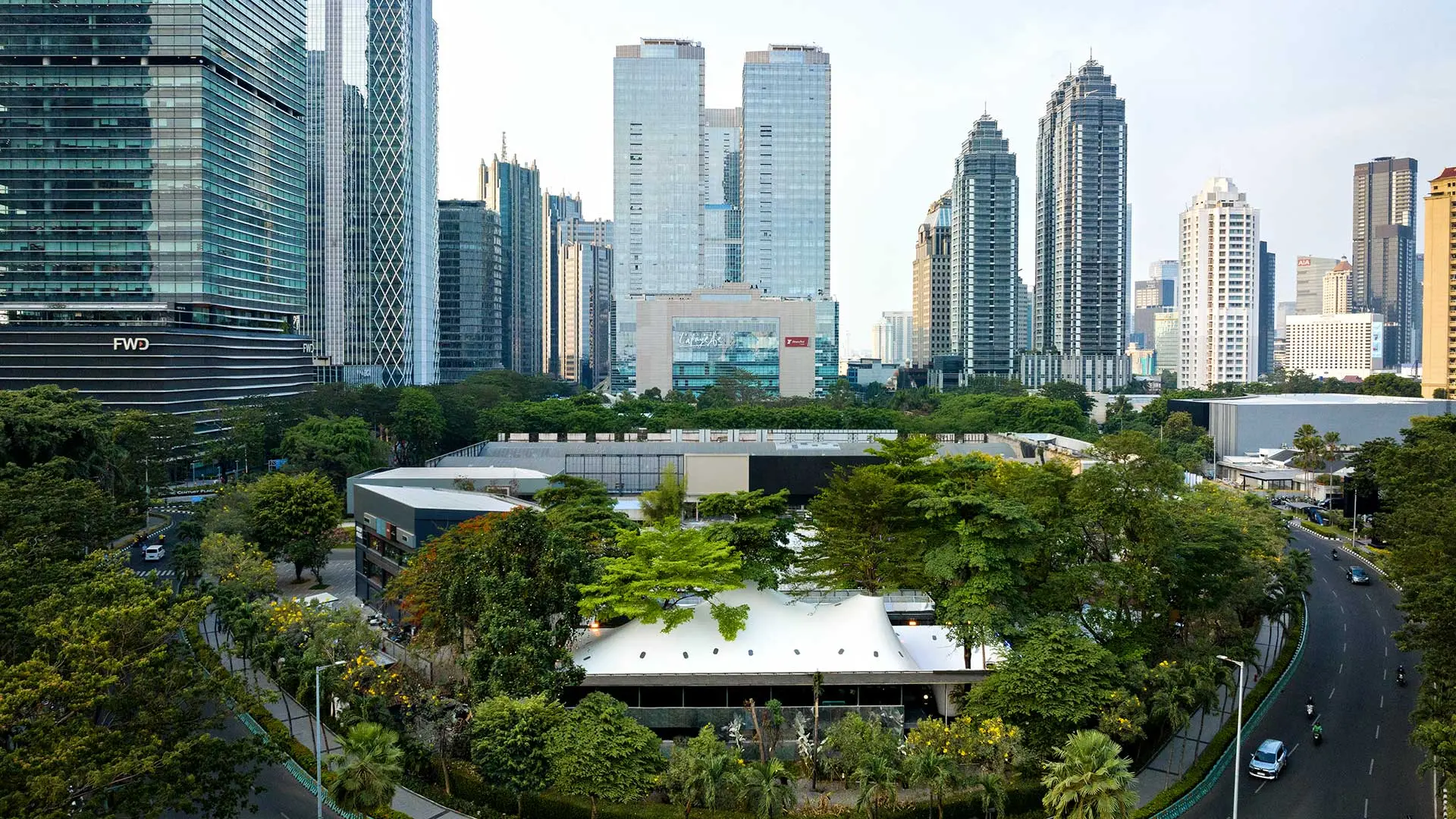
Indonesia will be the first stop on the Salone global tour: from 18th September to 18th October 2026, at Indonesia Design Week, the SaloneSatellite Permanent Collection will showcase 27 years of talent, enterprise and the future of design
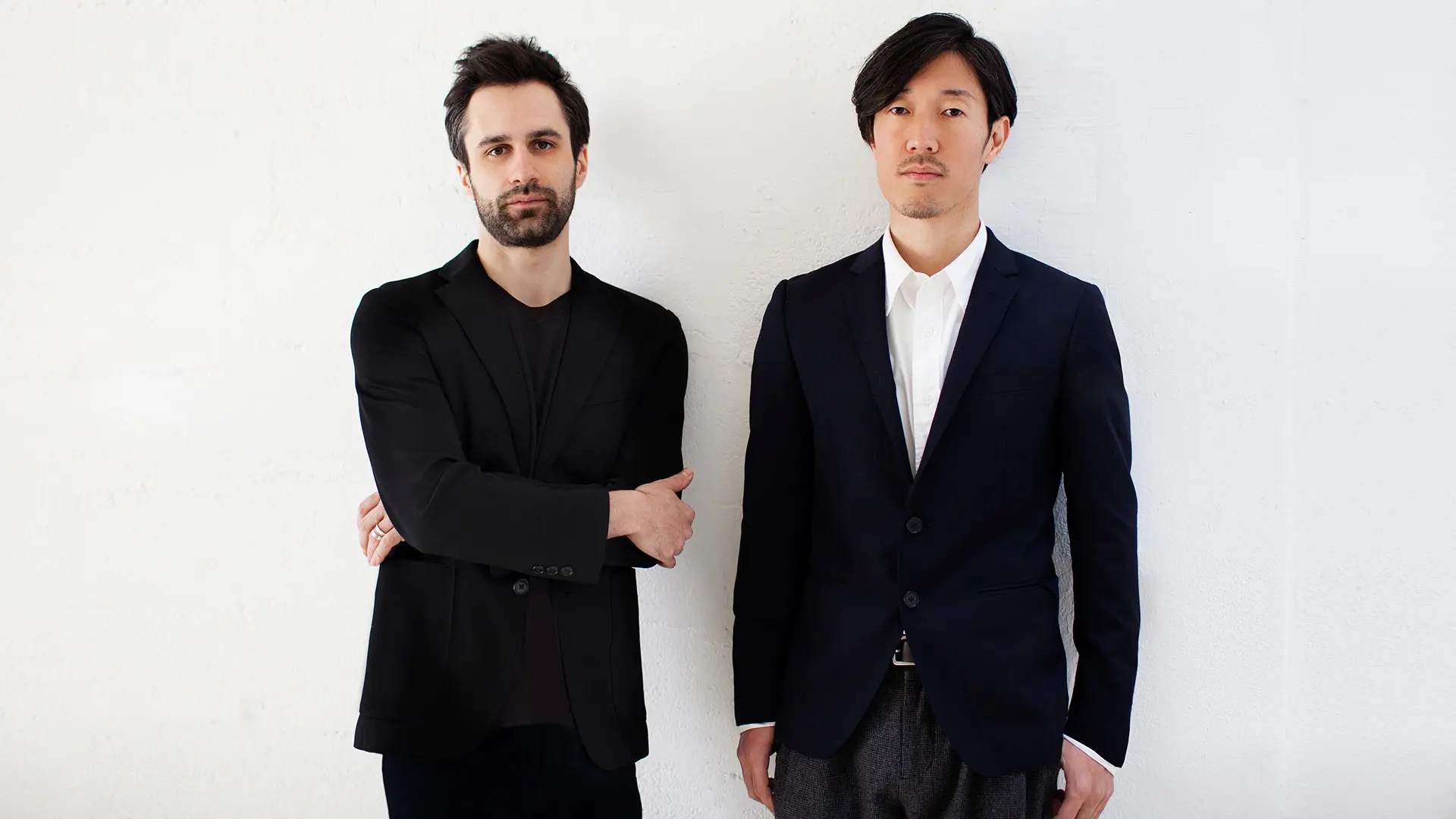
Tommaso Nani and Noa Ikeuchi: a meeting of different cultures and traditions. Leading to an unmistakable design aesthetic, which borrows from the best of Italy and Japan.
Italy’s Tommaso Nani and Japan’s Noa Ikeuchi have worked under this label since they got together in 2012. They aim to find a meeting point between the culture and poetics of their respective birth countries and design traditions. Consequently their beautifully crafted projects are geographically rendered concepts that are anything but neutral, always conveying a precise message.
Your work reveals a constant striving for linearity and aesthetic simplicity. How do you manage to keep it evolving and distinctive each time?
As we move ahead, we are increasingly interested in achieving a high level of simplicity, which does not mean minimalism, quite the reverse. We believe that products should have their own atmosphere, which makes them unique but not bothersome when paired with others. Looking for character in a product that is not too strident and which also respects the rules (of industrial production) is an extremely complicated process that requires time and a lot of trial and error. Wherever possible we try to ensure that the products we design are clear and communicate one concept at a time, endeavouring not to create meaningless aesthetic confusion.
You’ve been working as a pair since 2010, a process that must have been well tried and tested. What are your research tools? What do you each bring to your projects?
We started rather casually in 2010. Studio Mist-o officially launched in 2012, when our first clients came along. Essentially, we spend a lot of time talking and swapping ideas in order to come up with a concept we’re both convinced about, but we don’t have specific, defined roles, by the end of each project it’s hard to say who’s put more in. It’s a very personal process and it’s also great to see the output that always springs from a mix of each of our points of view.
What’s your position as regards contemporary society? In other words, what do you see as the needs to be satisfied?
Society evolves and changes continuously, and the way we live changes all the time. Making quality products that are accessible to a very broad public is always undoubtedly an ongoing challenge.
Aside from the initial period of self-production, geared to prototyping your very first designs, you seem to prefer working with businesses. What interests you about industrial production?
We’ve never really gone in for self-production; even our earliest works were designed to go into industrial manufacturing. Basically we’re interested in industrial production because it achieves a quality of workmanship that is hard to achieve otherwise. Obviously, it has to be well made and respect environmental, social standards etc. On the other hand, making extremely good quality one off or limited edition products also pushes the costs up. Personally, we have nothing against something that simply remains a “research” product, and therefore commands a high price, it’s just that we honestly think it’s great and rather romantic if different people, with different lives, can all have access to quality products.
The Daydream project was launched to celebrate the 20th anniversary of SaloneSatellite, with a collection of ad hoc pieces by designers who had taken part in previous editions, along with design brands. You plumped for Living Divani, and two years later the Daydream daybed went into production. An inspiring story …
Yes, we were delighted that Living Divani decided to produce Daydream; it would have been a pity if it had just been an isolated episode. Now (we hope) the product will go on for years, and the fact that it was initially conceived for the SaloneSatellite 20 Years Collection means that it will always be a living reminder.
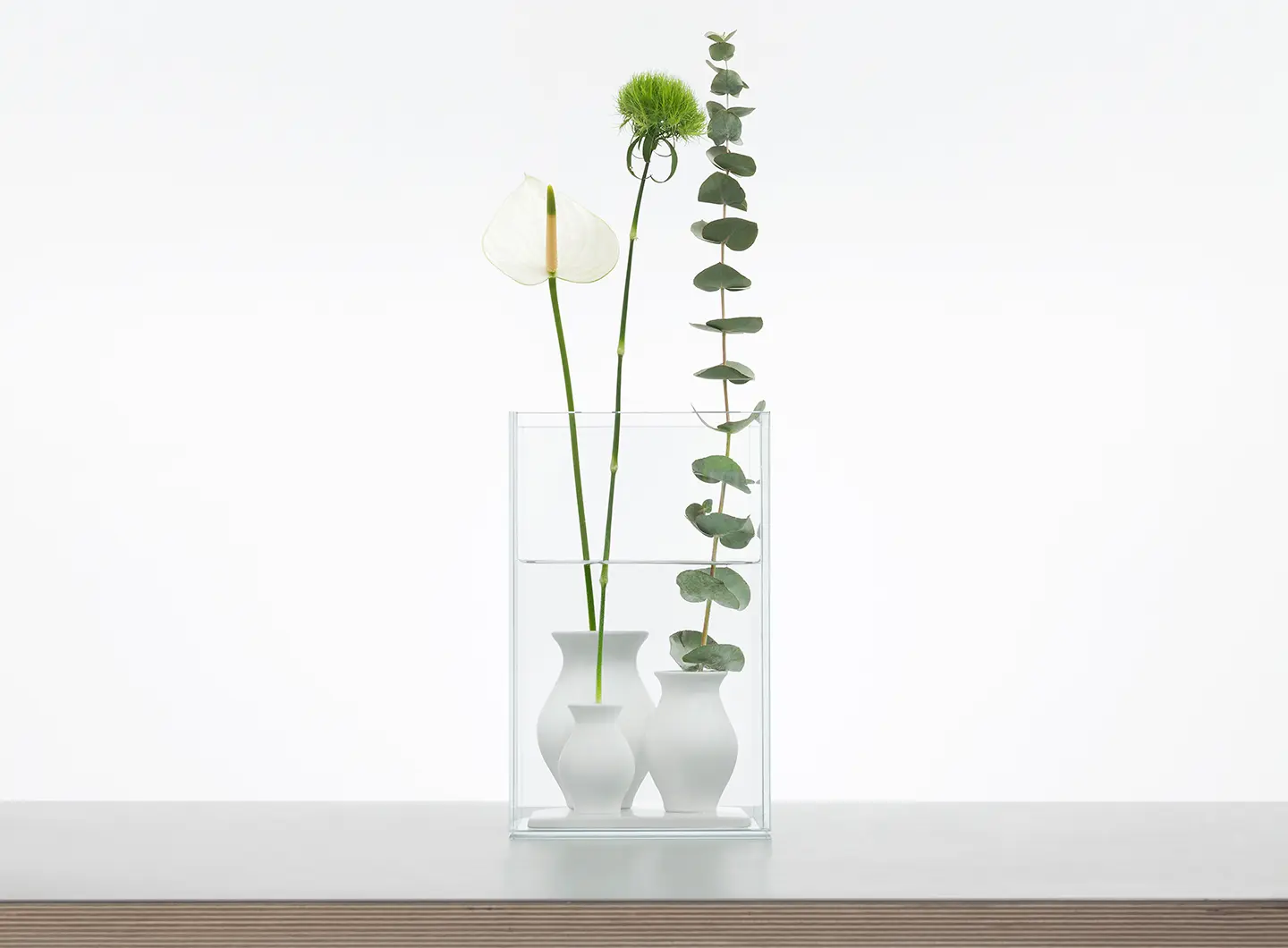
Atlantis, Cappellini - Photo Alberto Strada
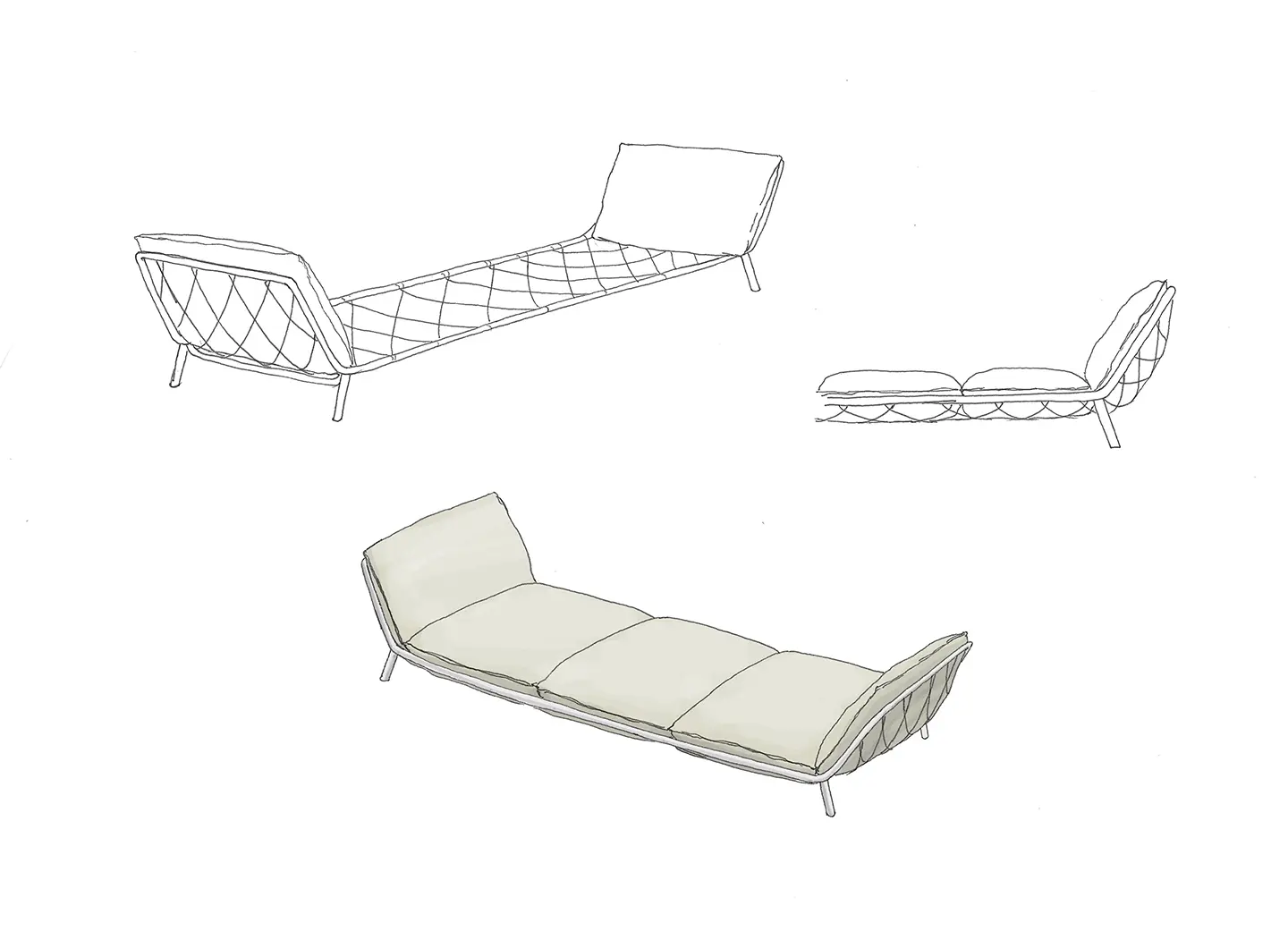
Day Dream, Living Divani - Photo Alberto Strada
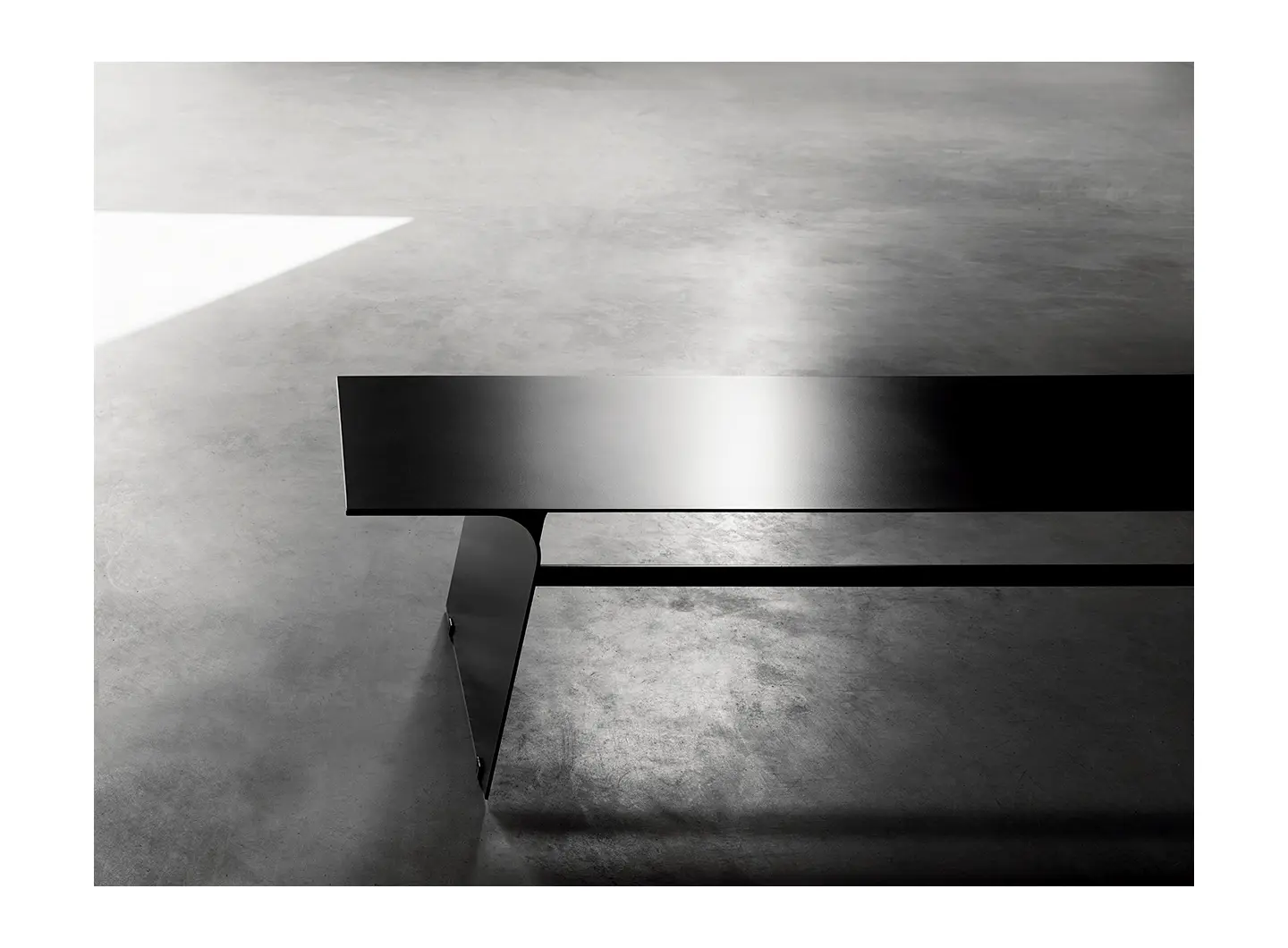
Inari, Living Divani - Photo Tommaso Sartori

Inari, Living Divani - Photo Tommaso Sartori

LAS, Oluce
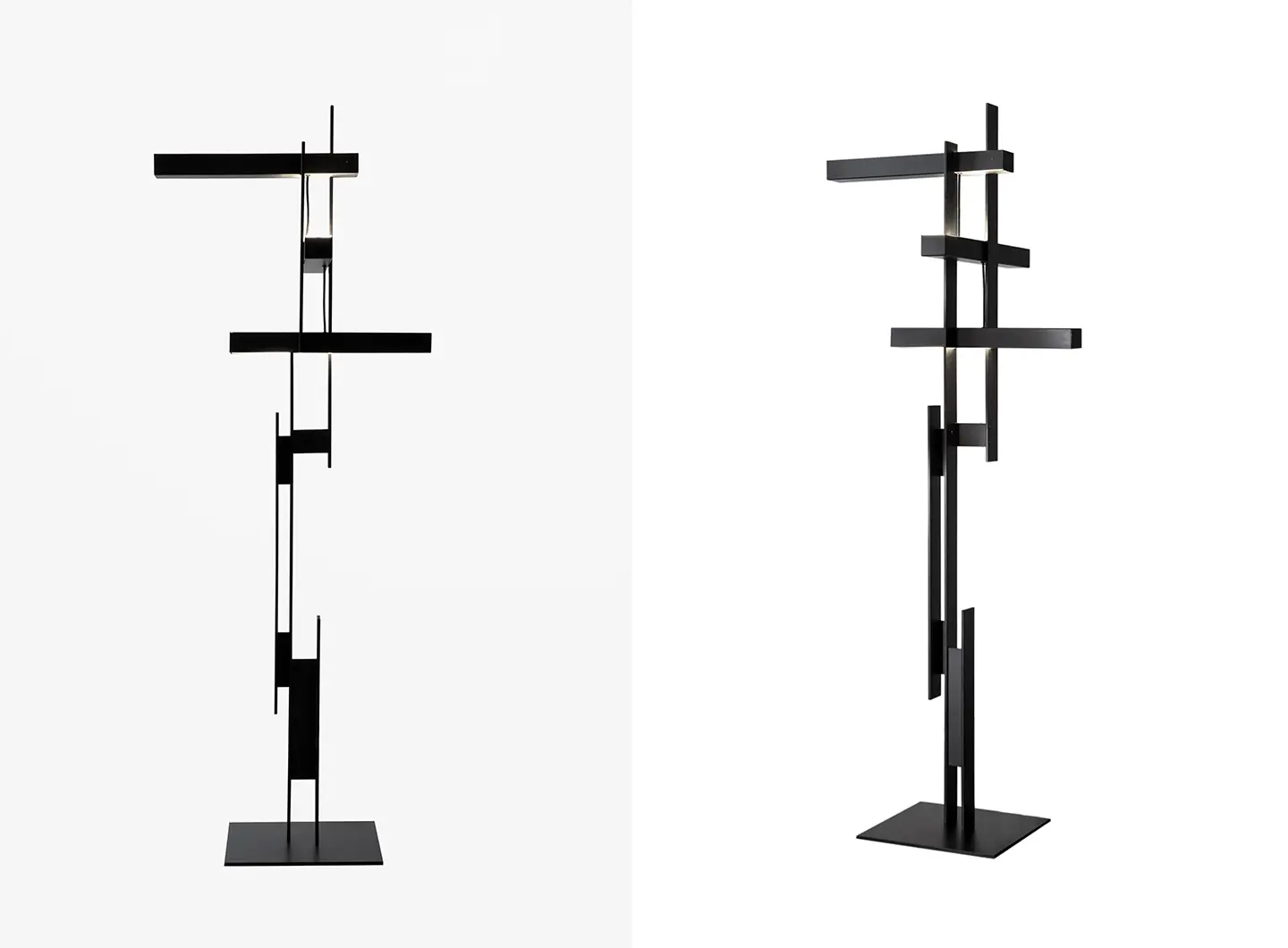
LAS, Oluce
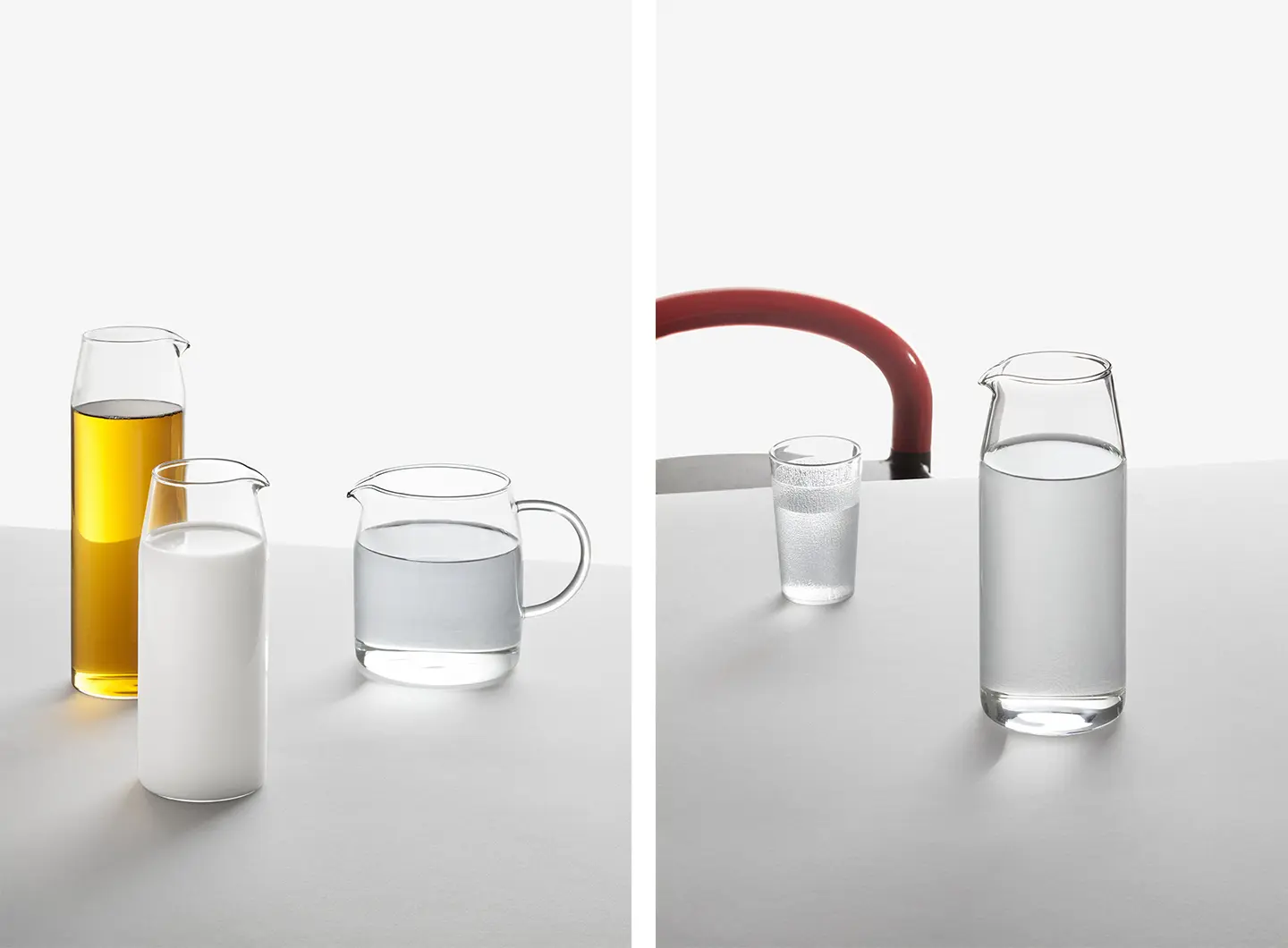
Penguin, Ichendorf - Photo Alberto Strada

Tequila Sunrise, Ichendorf - Photo Alberto Strada
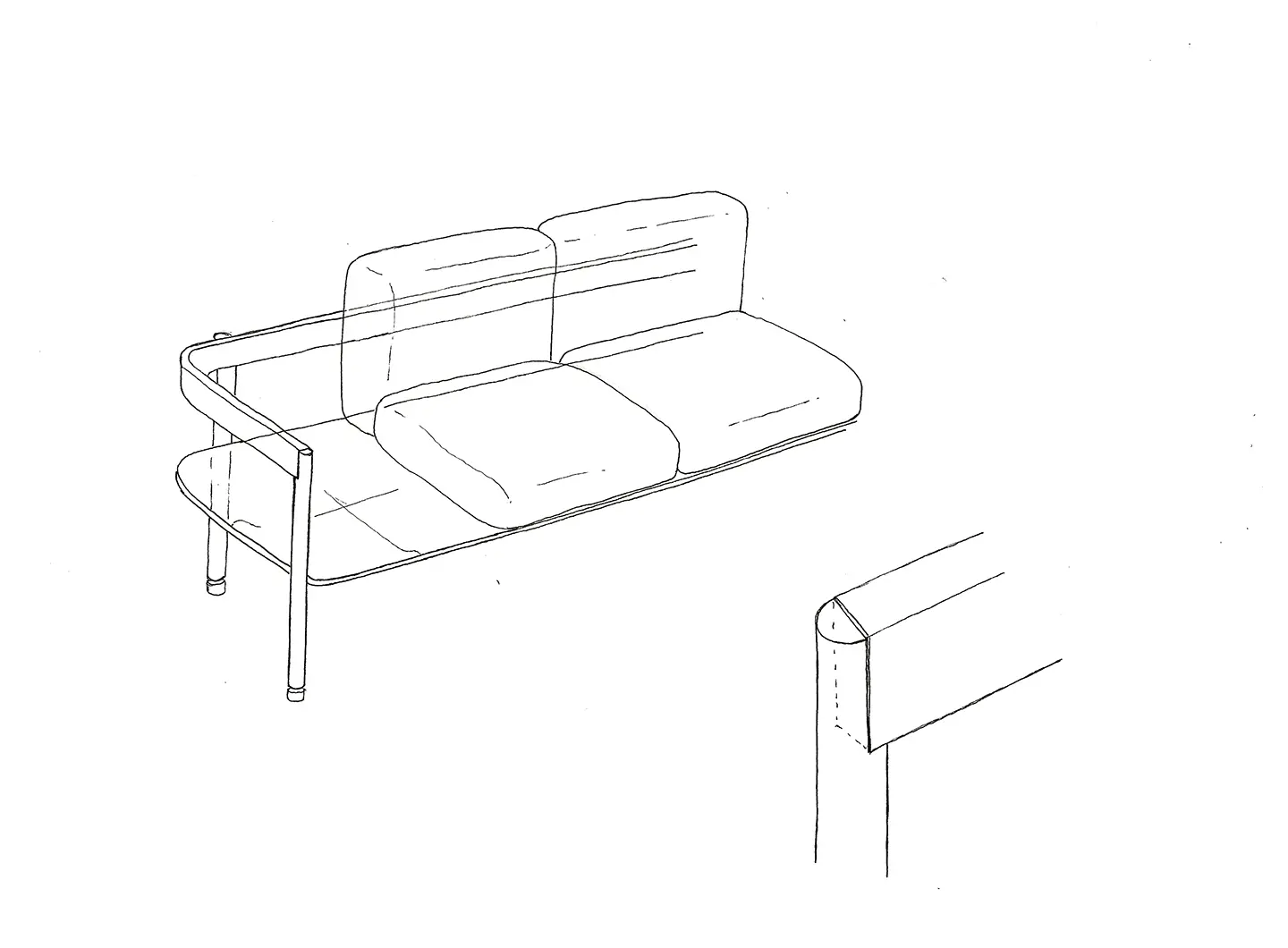
Zenit, Paola Zani - Photo Alberto Strada
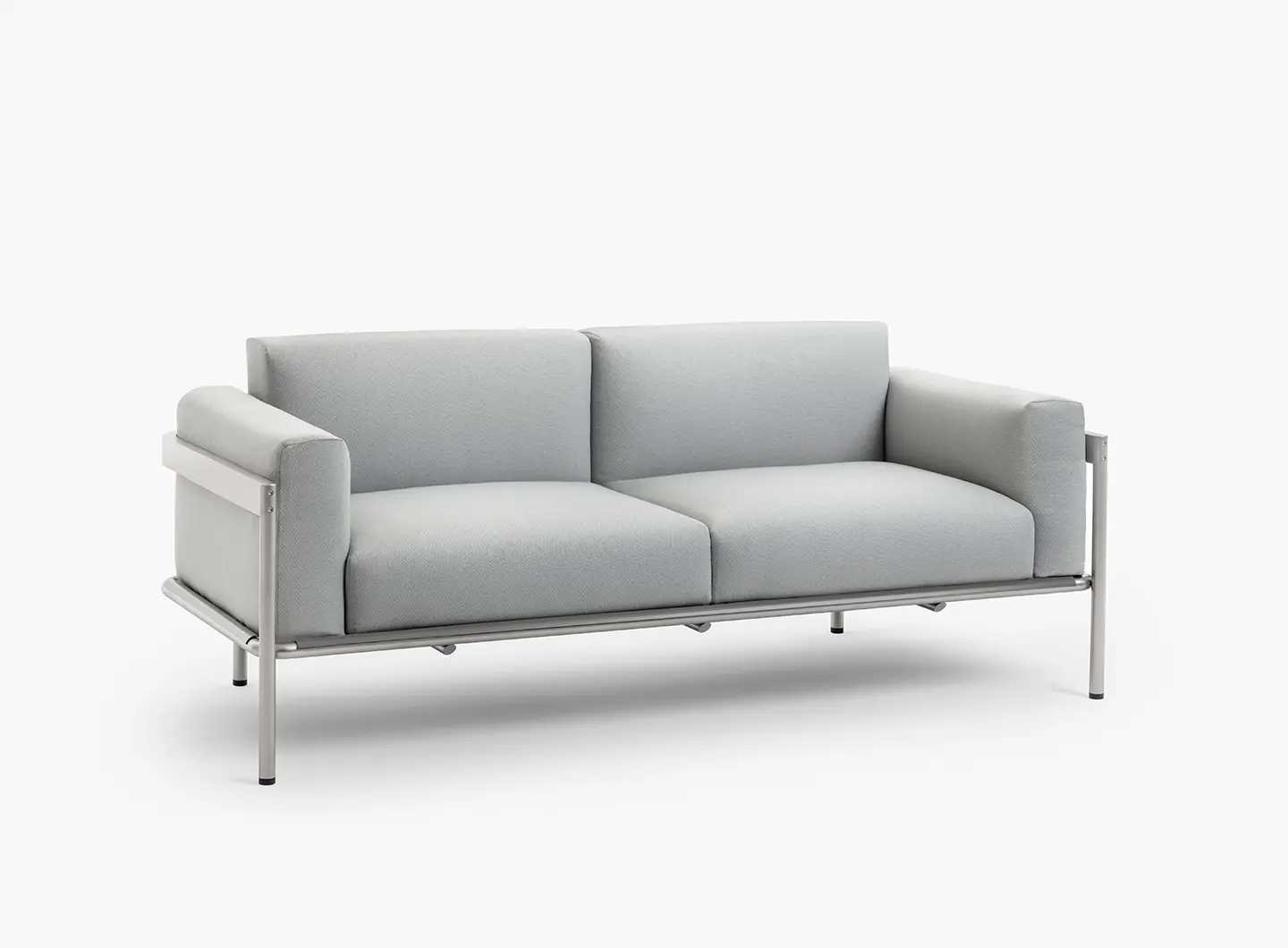
Zenit, Paola Zani - Photo Alberto Strada


14 December 2018
Share