

 Sustainability






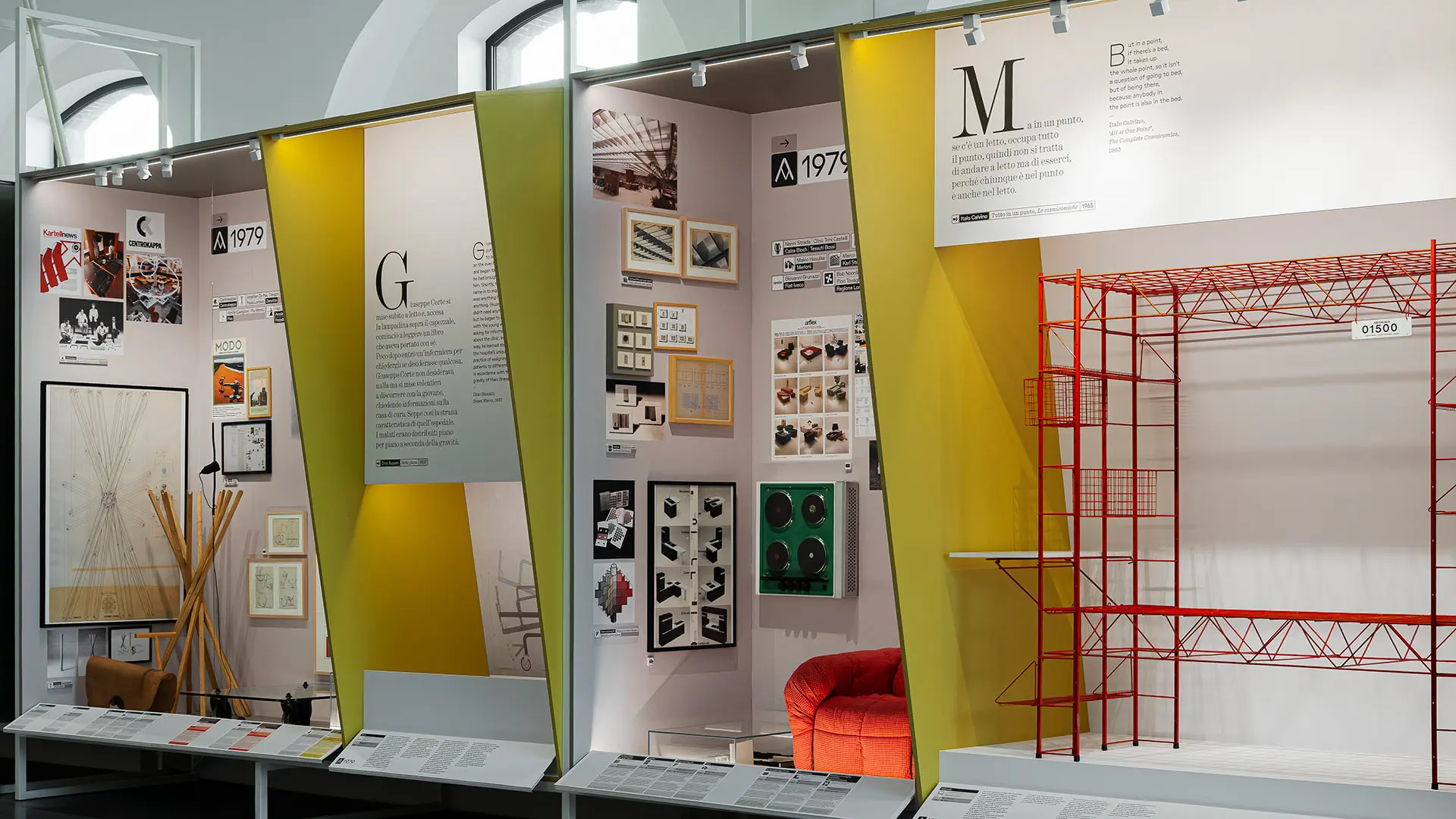
Five years since it opened, the museum in Milan presents the first new scientific reordering of its Historical Collection. Curator Maite García Sanchis relates how the way of interpreting over seventy years of design is changing, while Domitilla Dardi explains why the “Anthological” study enables the award-winning objects to dialogue with literature
Rethinking furniture through circular design: the vision of LOOPE
Text by
LOOPE
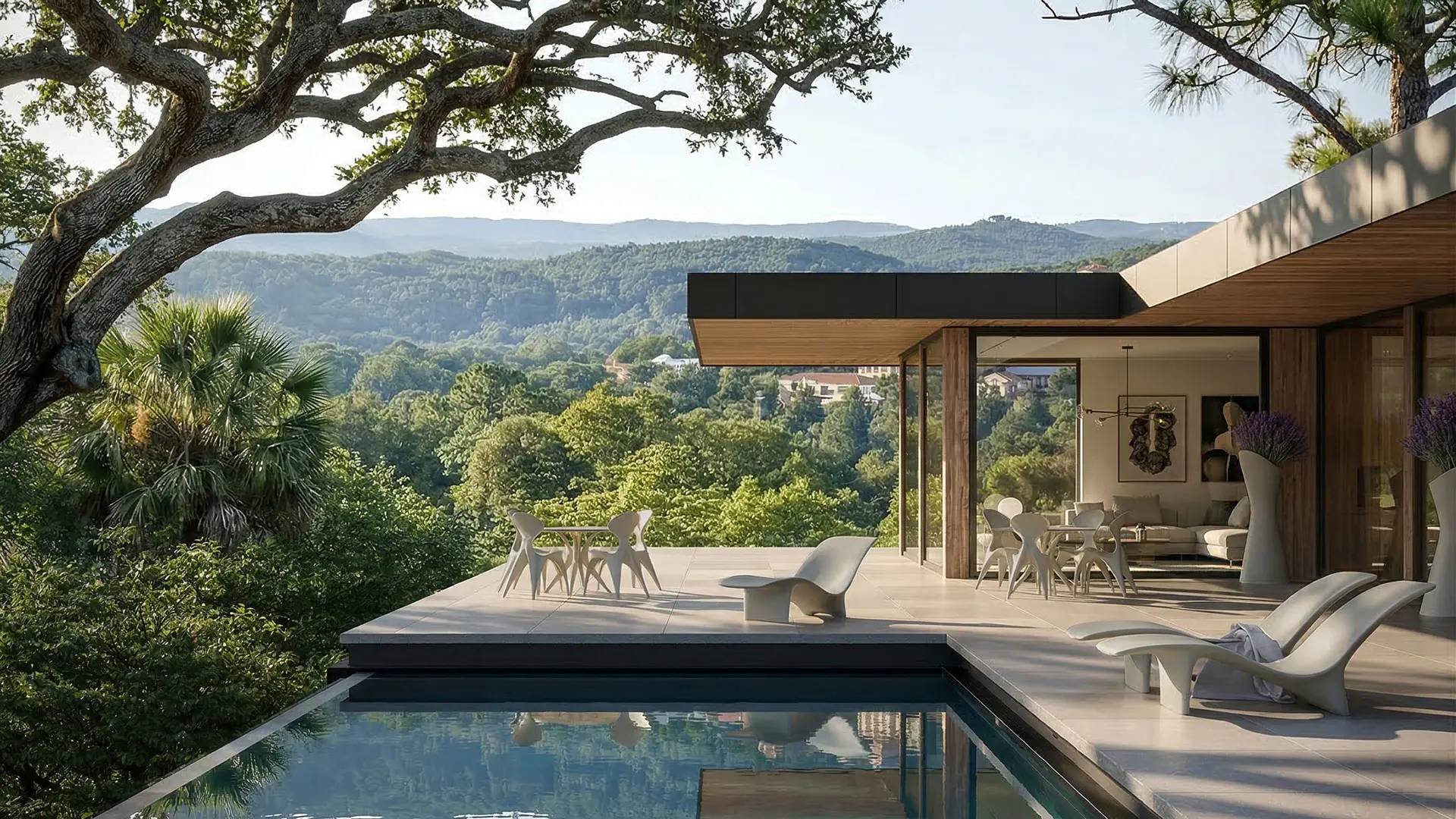
The Polish furniture company LOOPE is redefining how furniture is designed, used, and reused through a circular approach. The brand stands out for its contemporary design language and its distinctive concept of product transformation
In recent years, sustainability has become one of the most pressing themes in the design industry. From material sourcing to production processes and product life cycles, designers and manufacturers are increasingly seeking ways to reduce environmental impact without compromising aesthetics or quality. Among the emerging brands responding to this challenge is LOOPE.
Built around three core principles—sustainability, quality, and innovation—the company develops furniture designed to function across a wide range of environments, from public spaces to private interiors and from outdoor settings to indoor environments. What sets the brand apart is its idea of product transformation, which allows furniture to evolve rather than be replaced.
What we’ll see at Salone del Mobile.Milano
Following its presentation at Salone del Mobile.Milano 2025 with five collections - ARMSTRONG, ROUNDER, ALLin, OneL, and faT Table — the brand plans to premiere new collections at the 2026 edition. These will be created in collaboration with internationally recognized designer Karim Rashid. Known for his expressive forms and futuristic aesthetic, Rashid is expected to introduce a new visual dimension to LOOPE’s circular design philosophy.
The brand’s debut at Salone.Milano attracted significant interest from architects, interior designers, and sustainability experts. Many visitors highlighted its ability to combine environmental responsibility with thoughtful design and durability—an often difficult balance to achieve in product design.
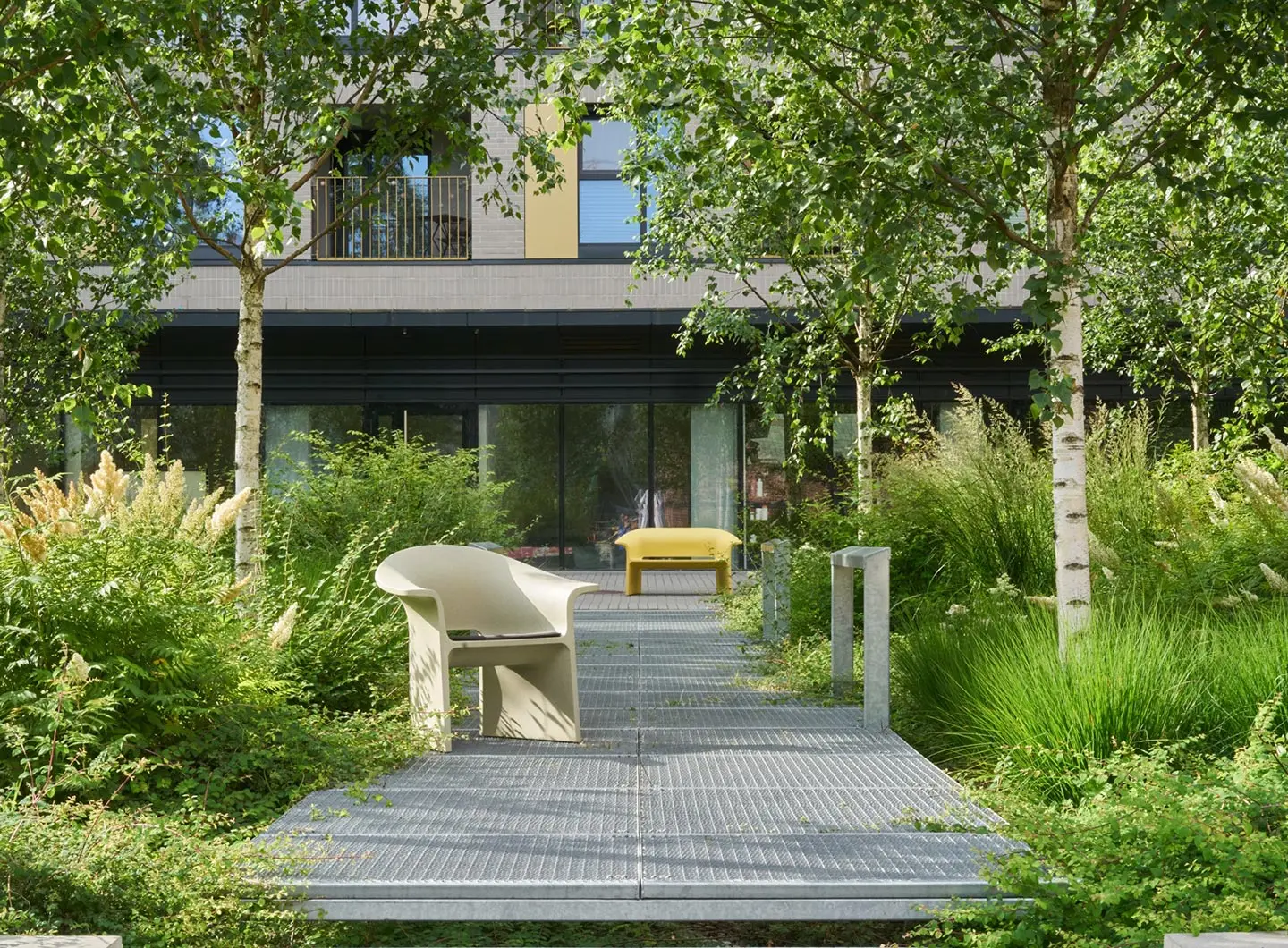
ARMSTRONG armchair, LOOPE, Ph: Grzegorz Wijata
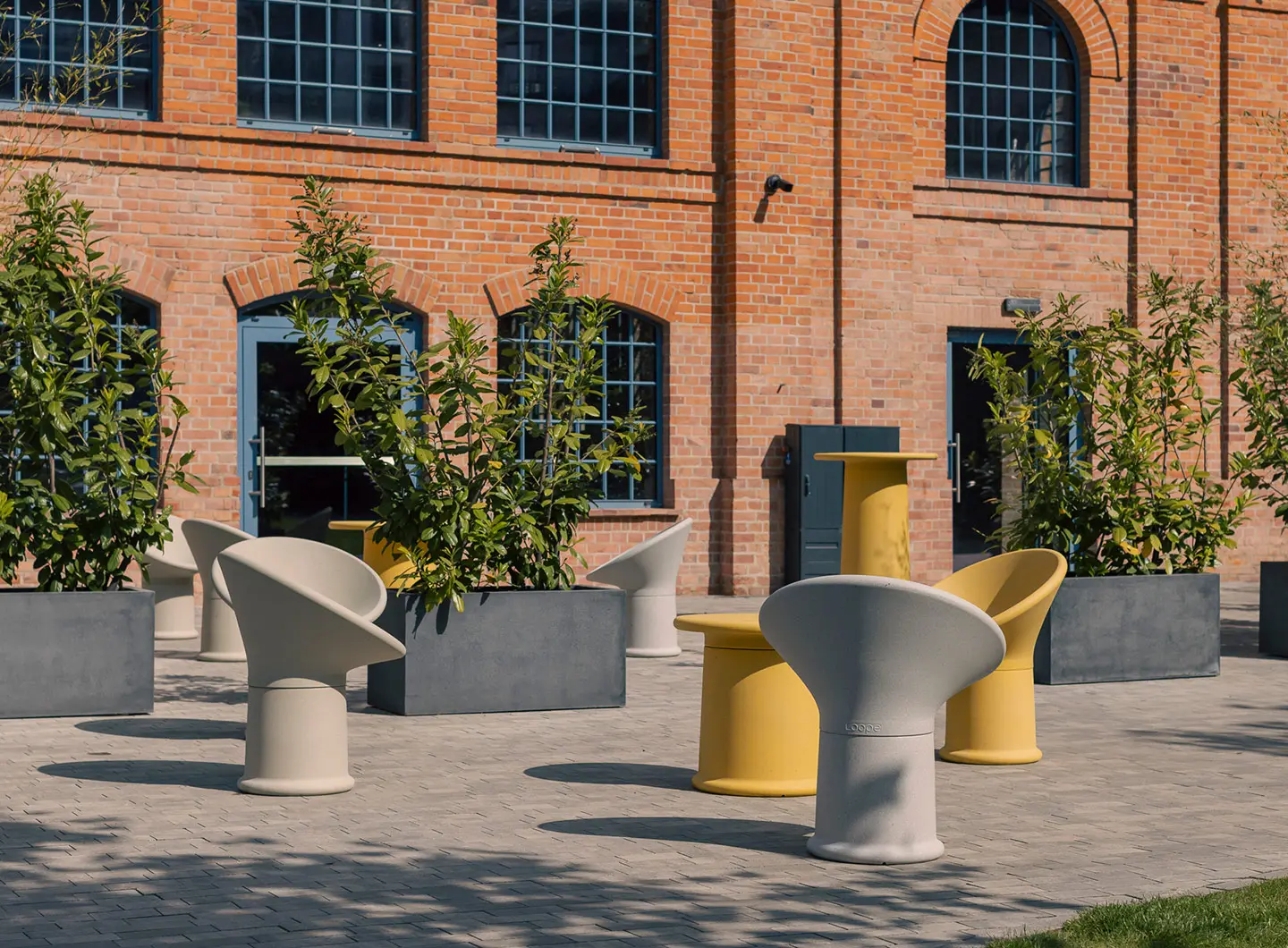
ROUNDER collection, LOOPE, Ph: Marek Swoboda
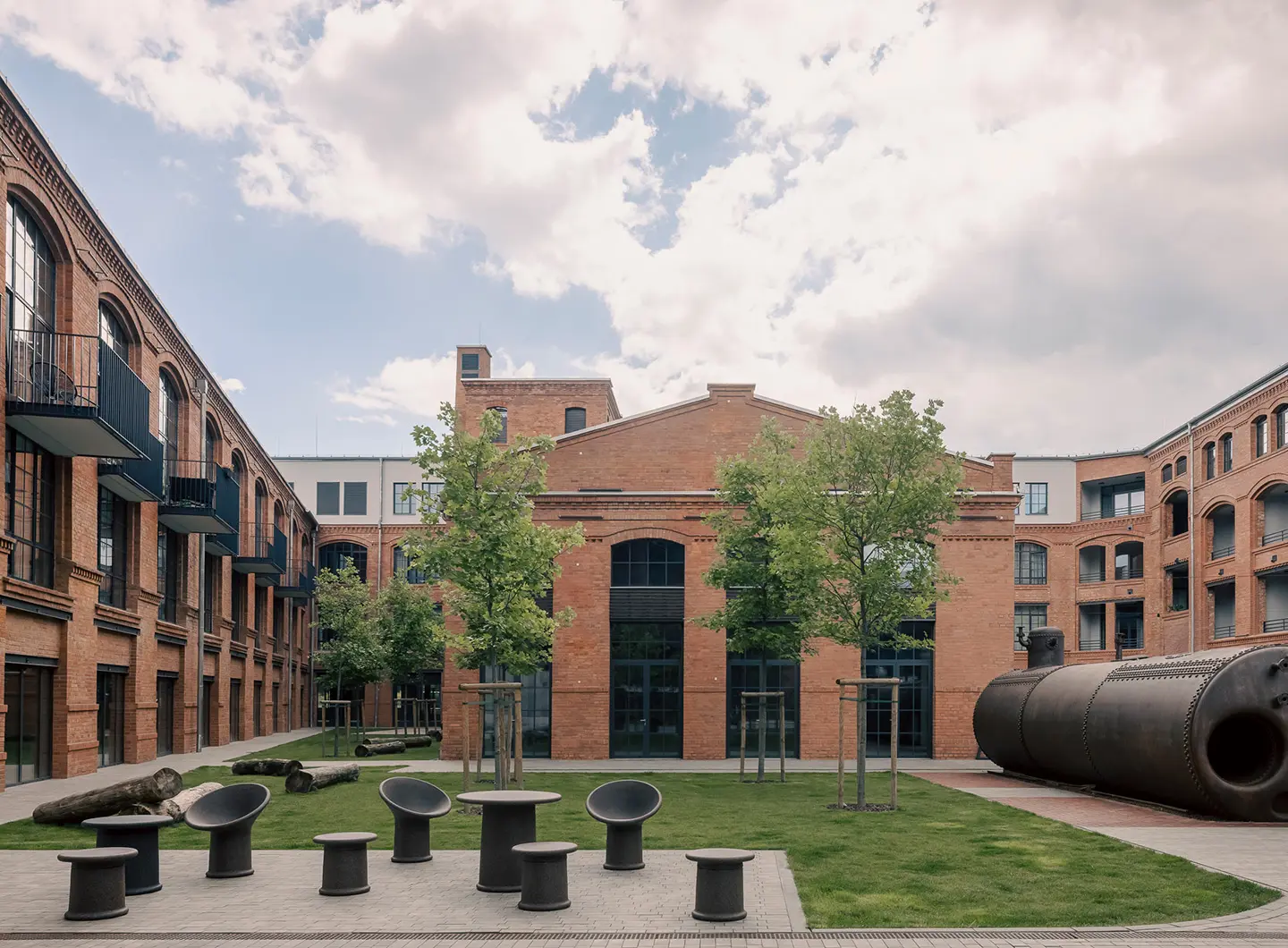
ROUNDER collection, LOOPE, Ph: Marek Swoboda
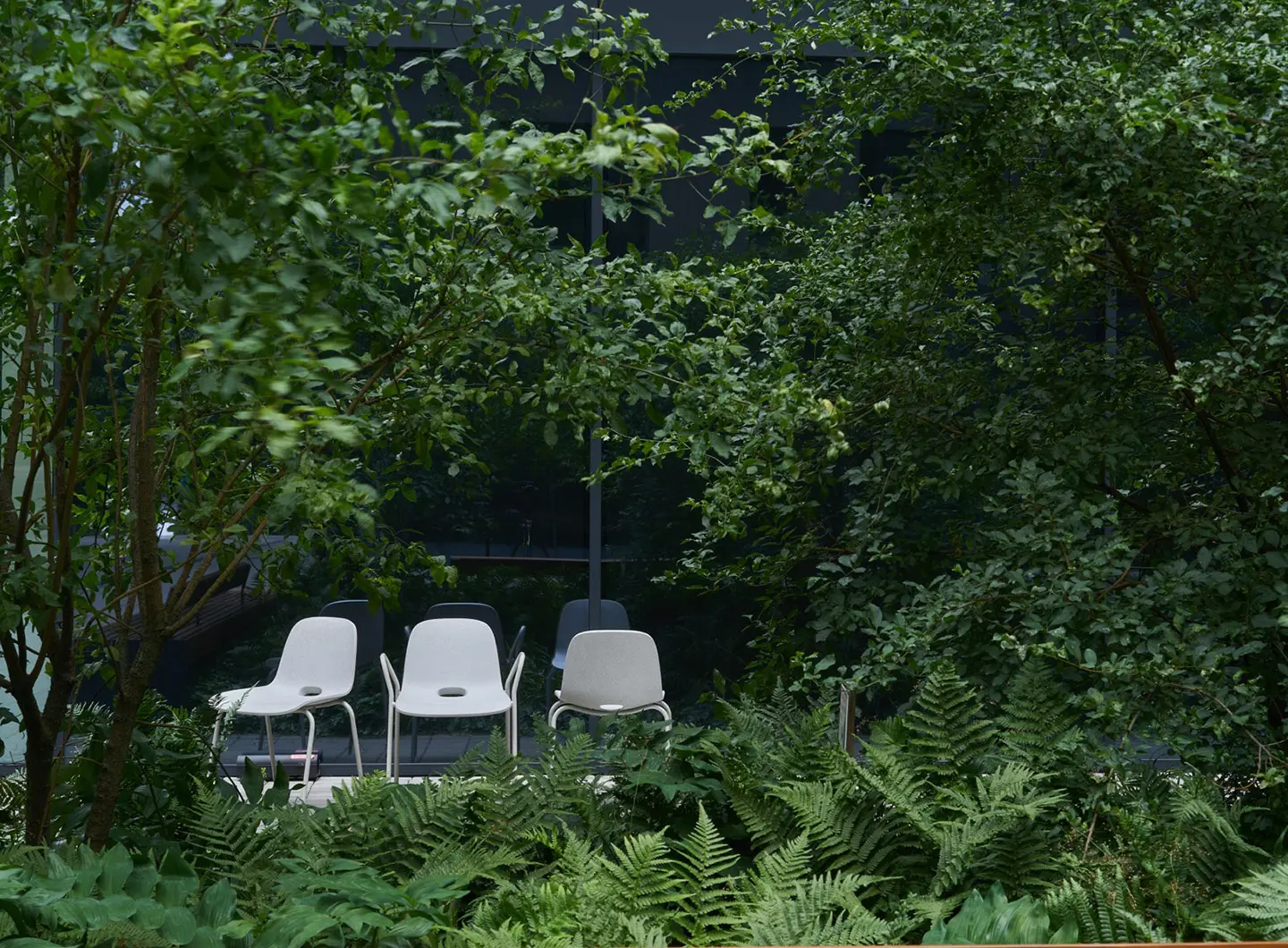
ALLin, LOOPE, Ph: Grzegorz Wijata
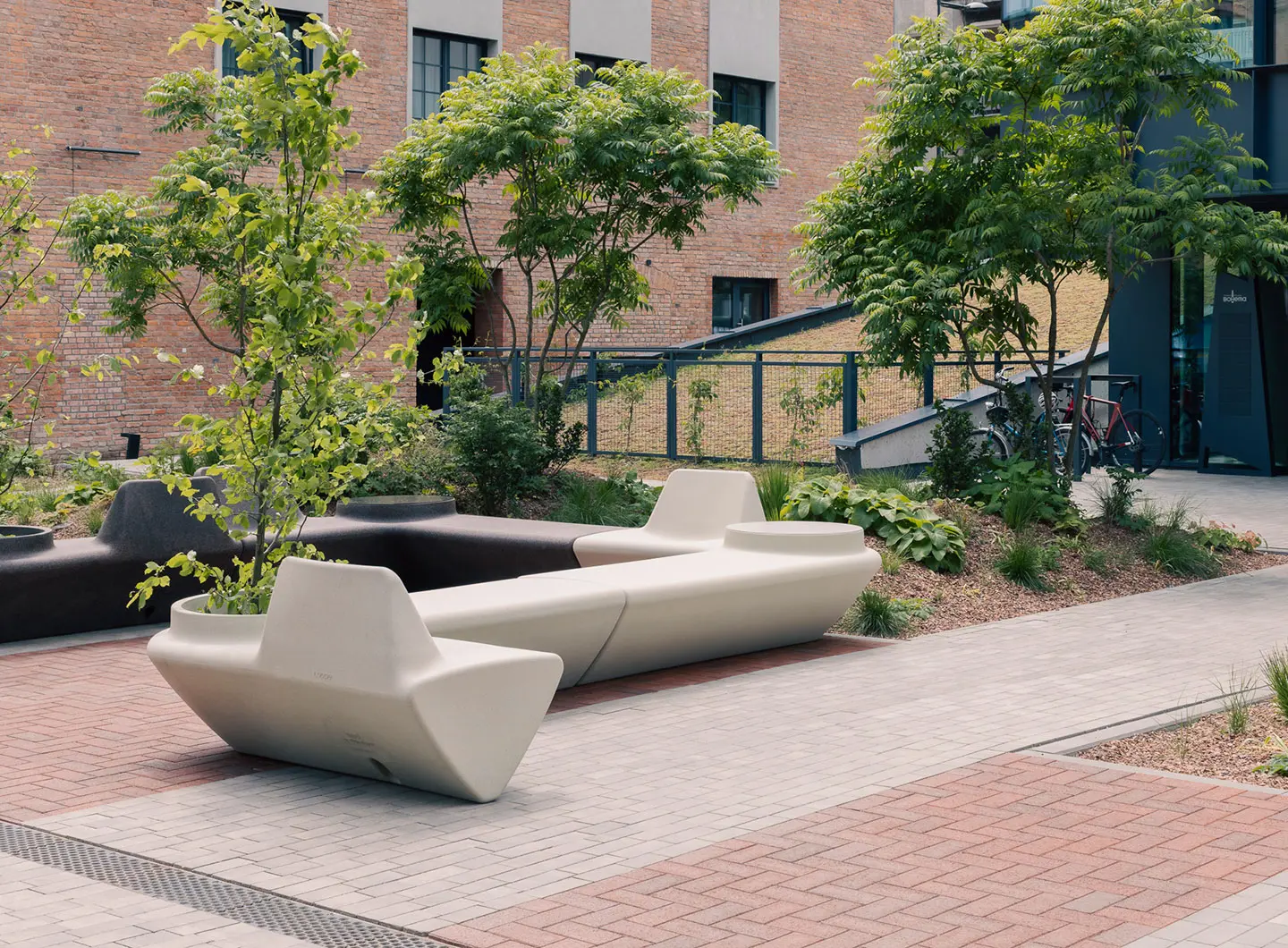
OneL, LOOPE, Ph: Marek Swoboda


Material designed for multiple lives
At the core of LOOPE’s philosophy is a circular system in which each product is made from recyclable materials and can be returned to the manufacturer after years of use. Instead of becoming waste, the furniture is reprocessed and transformed into a new piece from the brand’s current collection. A chair purchased today, for example, could eventually be remade into a table or another design entirely.
This approach addresses two major challenges in the furniture industry: overproduction and the accumulation of plastic waste. By maintaining control over the entire production chain—from sourcing recycled materials to manufacturing technology—the company ensures that every piece of material remains valuable and reusable. The lifespan of a product is therefore no longer limited to a single form or function.
Material selection plays a crucial role in enabling this system. LOOPE works with pure UV-stabilized polyethylene, a highly durable material resistant to weather conditions, physical damage, and everyday wear. Suitable for both indoor and outdoor use, it maintains its structural integrity over time and can be reprocessed multiple times, making it ideal for a closed-loop manufacturing model.
As sustainability continues to shape the future of design, LOOPE offers an alternative to the traditional linear model of production and consumption. By allowing furniture to evolve rather than be discarded, the brand proposes a system in which materials remain in continuous use and design becomes part of a long-term ecological cycle.
In this sense, LOOPE is not simply producing furniture but exploring how design can respond to the environmental realities of the present. Through circular thinking, innovative materials, and collaborations with contemporary designers, the brand contributes to a broader movement that seeks to redefine the relationship between objects, materials, and the spaces they inhabit.
Highlight content