


 Stories

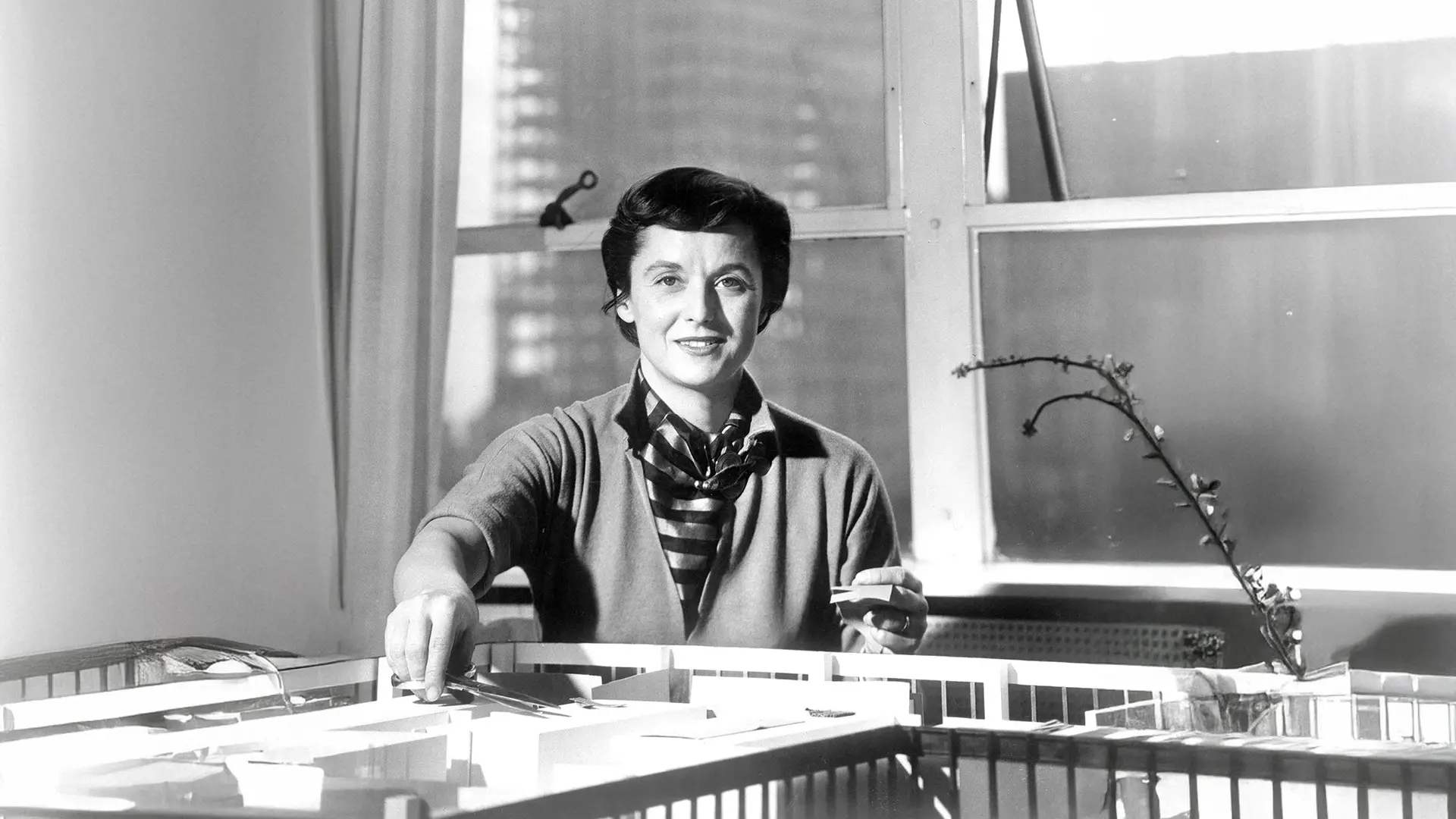
The Planning Unit, the collective catalogue of Mies, Saarinen and Bertoia and “meat and potatoes” furniture: how Florence Knoll invented the modern office whilst opting to stay out of the limelight.
The return of Romania between tradition and contemporaneity
Text by
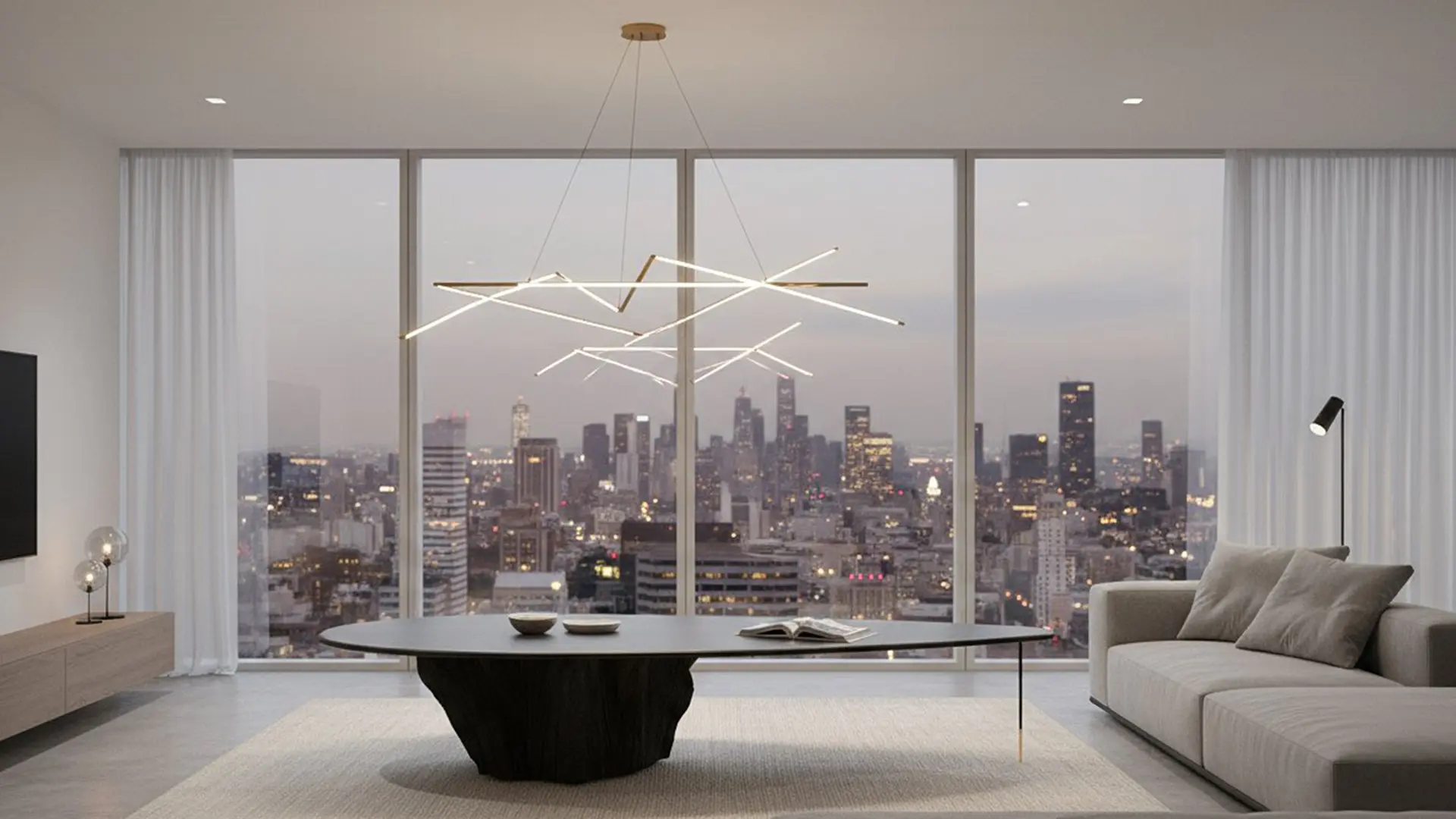
Masara
Nineteen Romanian furniture brands gathered under the Romanian Furniture – Together for Future brand, presenting new and distinctive collections. Keywords? Natural, sustainability, customization and flexibility
Romania has participated to Salone del Mobile.Milano. How did it go?
Romania's participation at the 64th edition of Salone del Mobile.Milano was, without doubt, one of our strongest to date. This marks Romania's 14th consecutive presence with a National Pavilion — 650 sqm in Hall 3 — and with each edition, the maturity and confidence of our presence grows visibly.
Nineteen Romanian furniture brands gathered under the Romanian Furniture – Together for Future brand, presenting new and distinctive collections to an international audience of buyers, designers, architects, and trade professionals from across the world. The response from visitors was overwhelmingly positive — there was genuine curiosity and appreciation for the quality, the diversity of styles, and the craftsmanship behind each piece.
What makes this participation meaningful goes beyond the number of meetings or business cards exchanged. It is about positioning. Italy ranks 5th among Romania's furniture export markets, with a value of €167 million in 2025, which means that showing up in Milan — with a cohesive, professional pavilion — is not just a statement of ambition, it is a commercial and strategic necessity. The results of this edition confirm that Romanian furniture is competitive, relevant, and increasingly respected on the international stage.
Under the brand Romanian Furniture – Together for Future, 19 companies around the country have presented their products and collections that range from classical and modern furniture to unique interior design accessories. How do they describe their experience?
The 19 brands that participated this year come from different regions of Romania, work with different materials, serve different market segments — and yet, when brought together under one pavilion, they create something greater than the sum of their parts. That is the essence of Romanian Furniture – Together for Future.
For many of these companies, Salone del Mobile.Milano is the most important commercial event of the year. It is the place where they test their new collections against the most demanding international audience, where they meet existing partners and discover new ones, and where they measure themselves against the best the world has to offer.
The experience described by our brands is one of pride and purpose. From family-owned manufacturers with decades of tradition — like Nord Arin, with generations of craftsmanship behind them, or byDurieux, crafting solid pine and oak furniture since 1996 — to upholstery specialists like MobilaDalin, present in over 150 stores across multiple countries, and Euromobila, with over 26 years of experience in sofas and beds crafted for real living, each brand brings a distinct and credible story to the pavilion.
Pure Furniture, creating timeless pieces inspired by vintage and classic design since 2002, and Sophia Home Decoration, with an international network of franchise stores and thousands of residential and hospitality projects, represent the breadth of what Romanian interior craftsmanship can offer — well beyond furniture alone. And visitors feel that authenticity. Romanian furniture does not try to imitate — it offers something rooted, honest, and beautifully made.
What are the most interesting trends you have presented?
This year's collections reflected several strong and converging trends that resonate deeply with where the global furniture market is heading.
The first and most defining is the return to natural, noble materials — solid oak, American walnut, ash, beech, pine — combined with stone, marble, metal, and glass. Romanian manufacturers have always worked closely with wood, and this is precisely the moment when the world is rediscovering the value of authentic, tactile materials. Brands like Masara, Carel Woodworks, and TFP exemplify this direction with collections that highlight the natural character of each essence rather than hiding it. Montana, with its strong heritage in solid wood furniture across resinous wood, beech, and oak, and Mobex Furniture, with 28 years of experience crafting tables, benches, and coffee tables that respect natural resources, reinforce this same commitment.
The second trend is the balance between tradition and contemporaneity. Romanian furniture does not choose one over the other — it holds both simultaneously. Collections range from the warm, hand-finished pieces of byDurieux, with their antique patinas and wax finishes, to the clean-lined precision of Szel-Mob, the artistic glass and mosaic work of Art Georgies, and the Italian-inspired seating design of Italydea Milano, specializing in chairs, armchairs, and stools crafted with over 30 years of expertise. This breadth is itself a trend statement: that design today does not require a single aesthetic language.
Sustainability and responsible production are also strongly present — from locally sourced wood and renewable energy use at Bradul Maneciu, to certified production processes at Imob, one of Romania's most complex family-owned manufacturers. Consumers and buyers increasingly ask not just what a piece looks like, but how and where it was made.
Finally, customization and flexibility emerged as a clear thread across many brands — TrendyMob, Mobilierul, and Clever Concept all position themselves around the ability to deliver both bespoke pieces and large-scale production, which is exactly what international buyers, hospitality projects, and retail partners need.
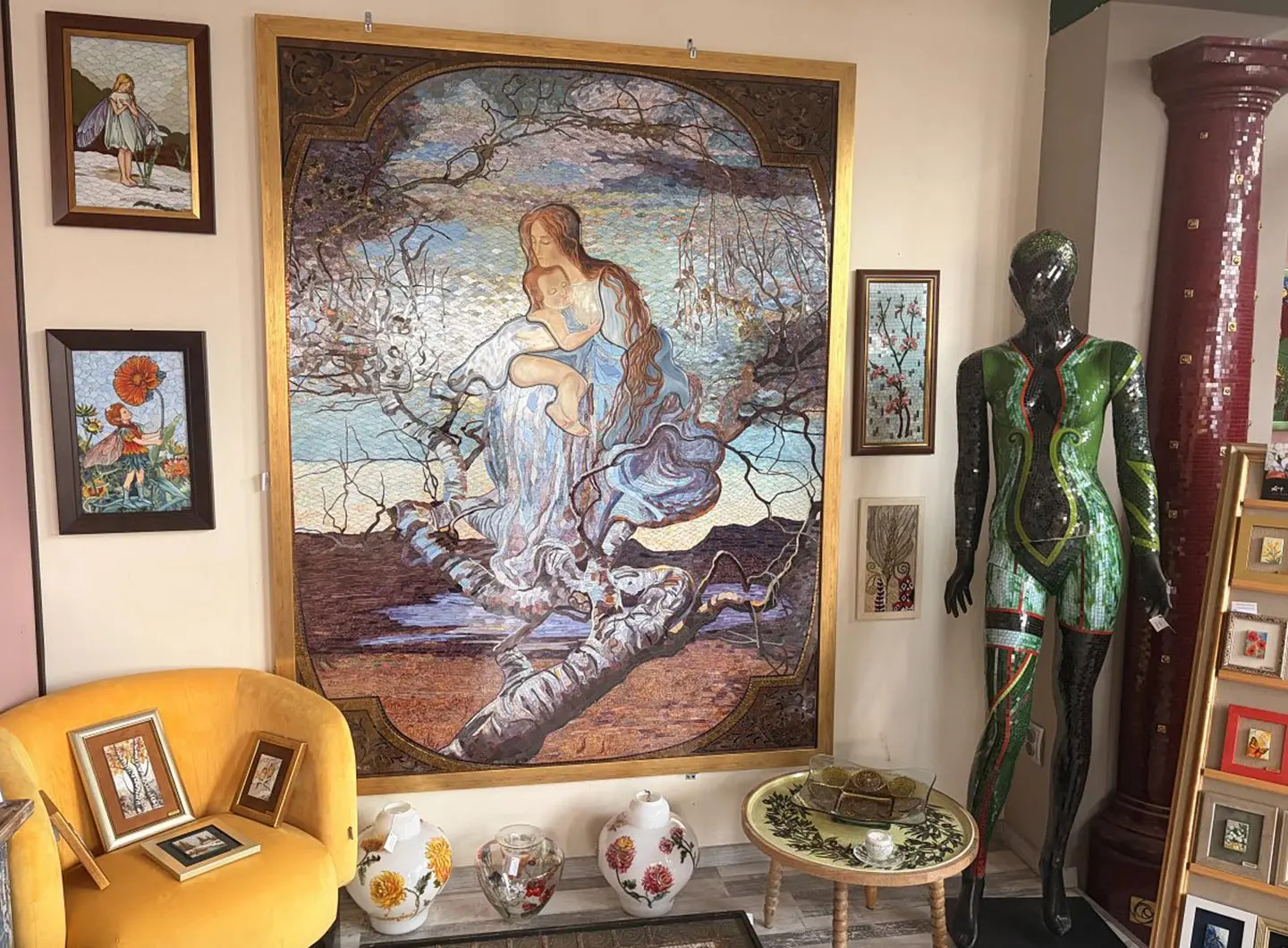
Art-Georgies
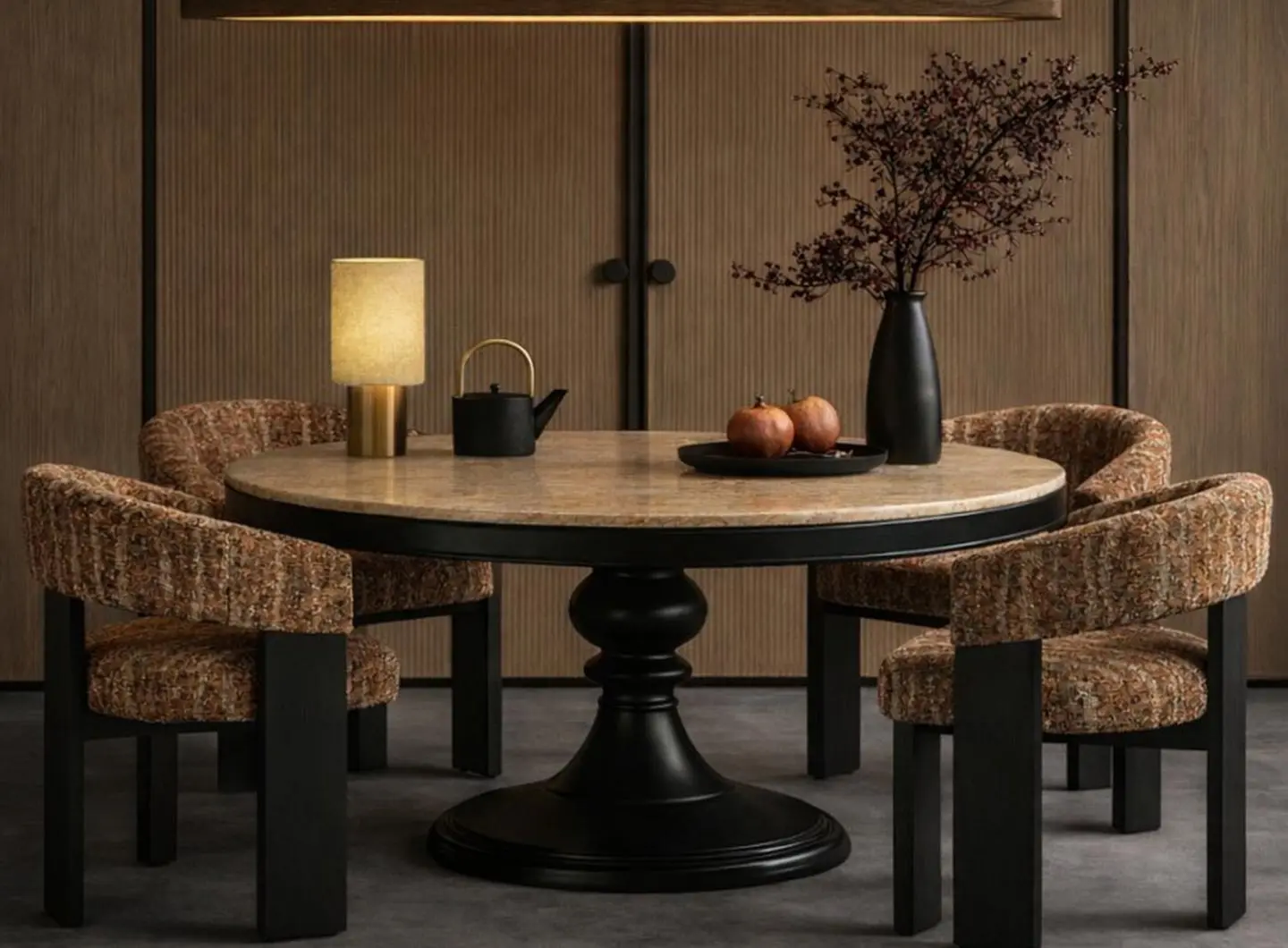
Bradul Maneciu
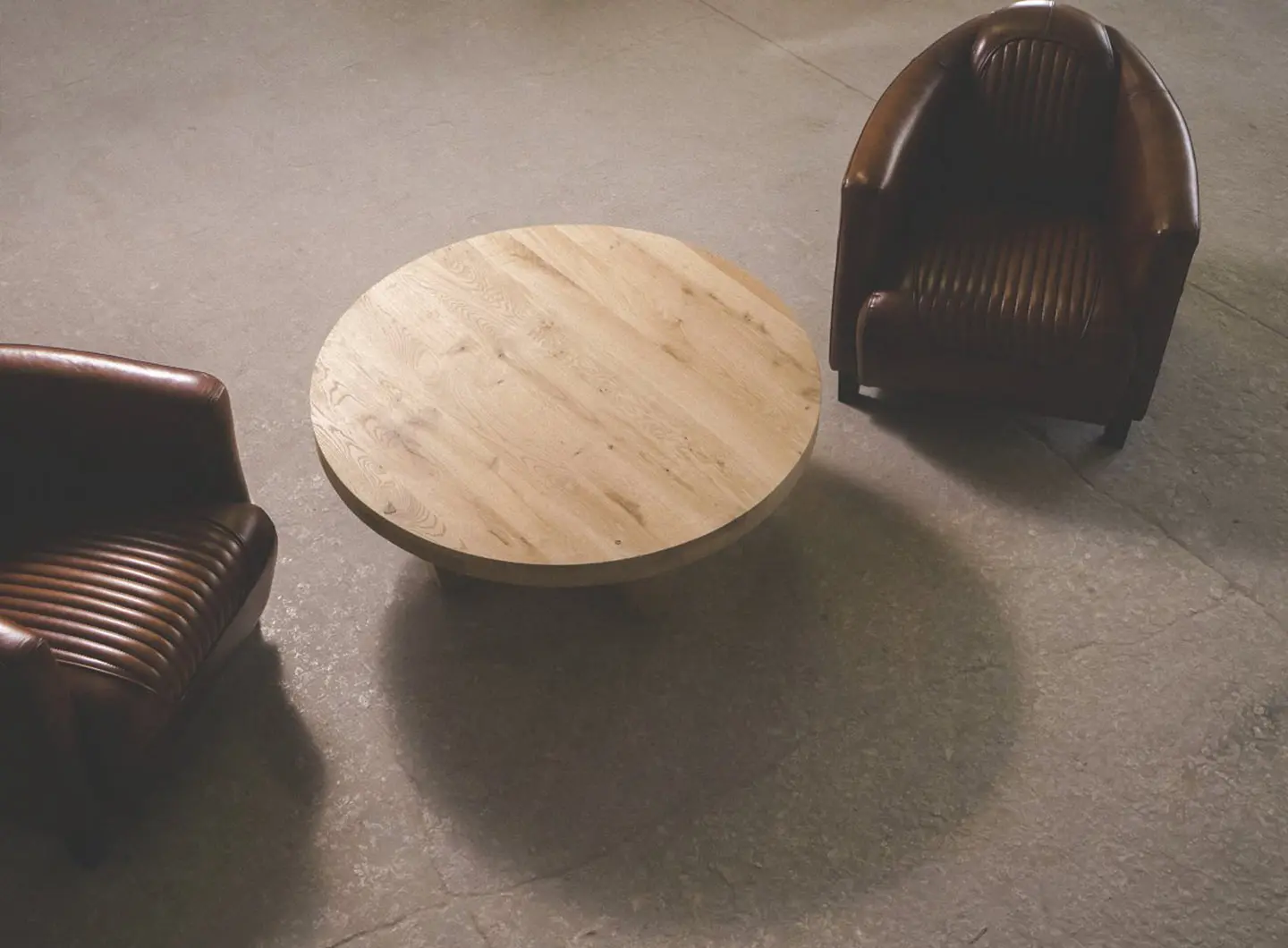
byDuriex
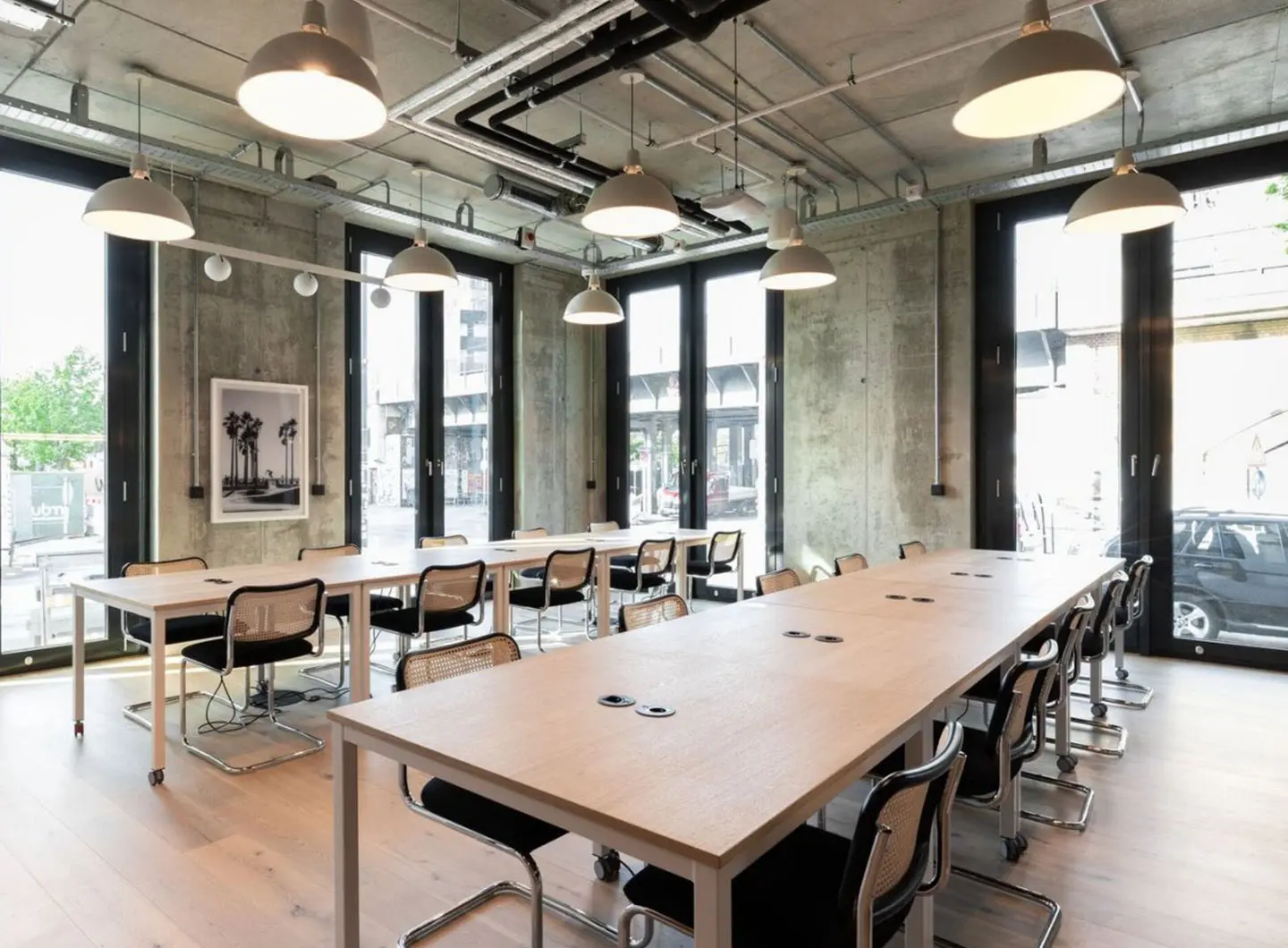
Carel Woodworks
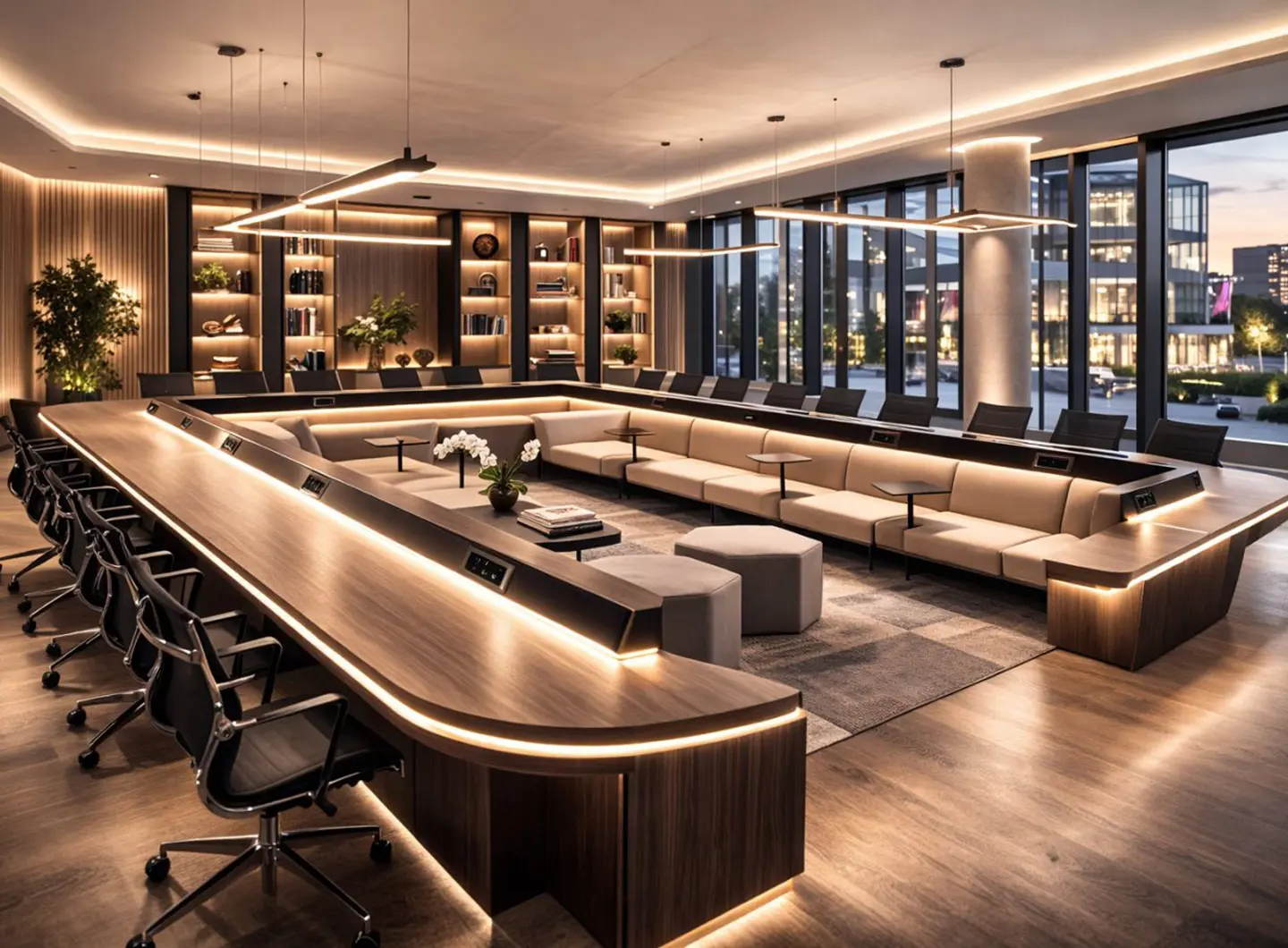
Clever Concept
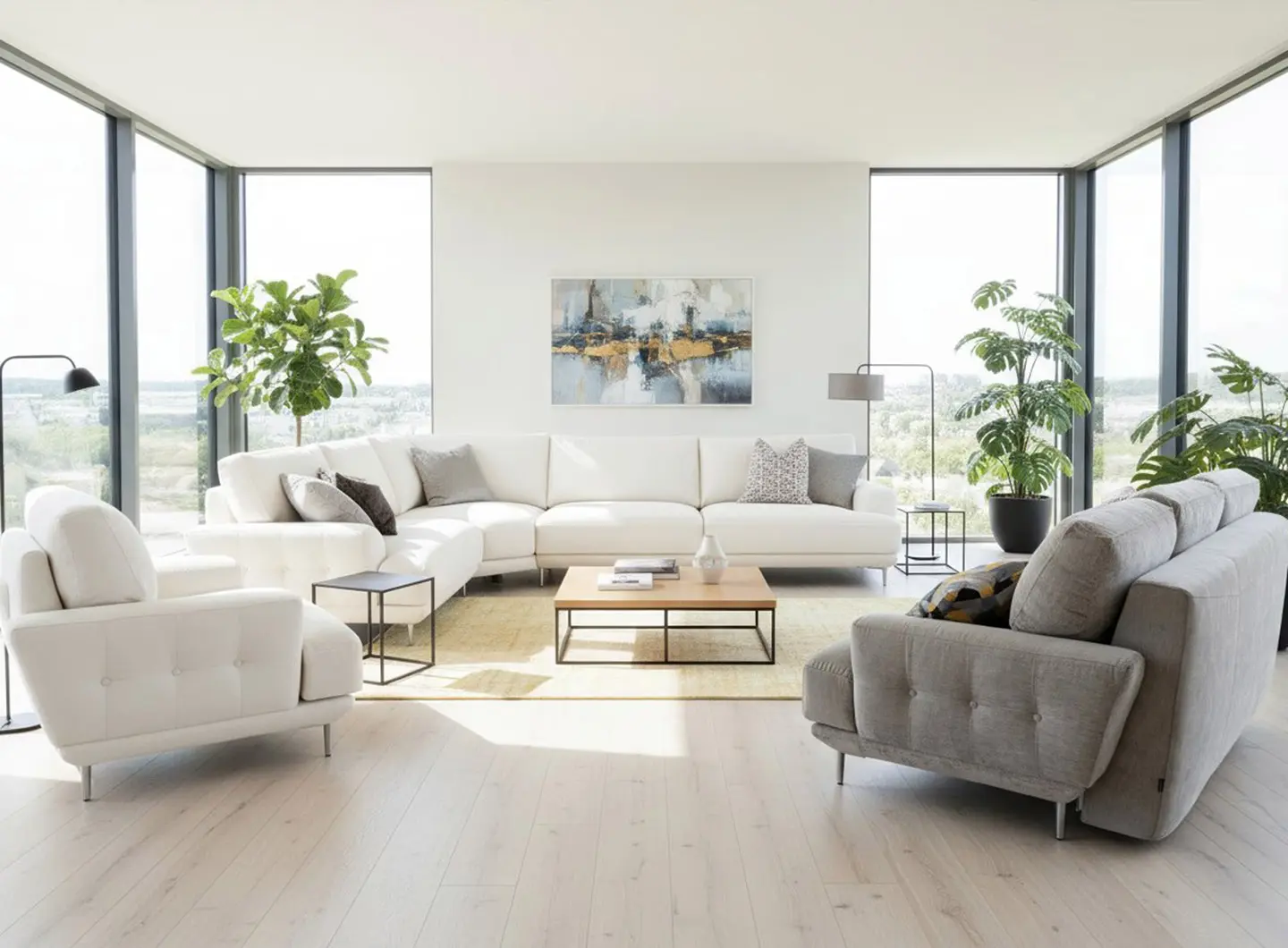
Euromobilia
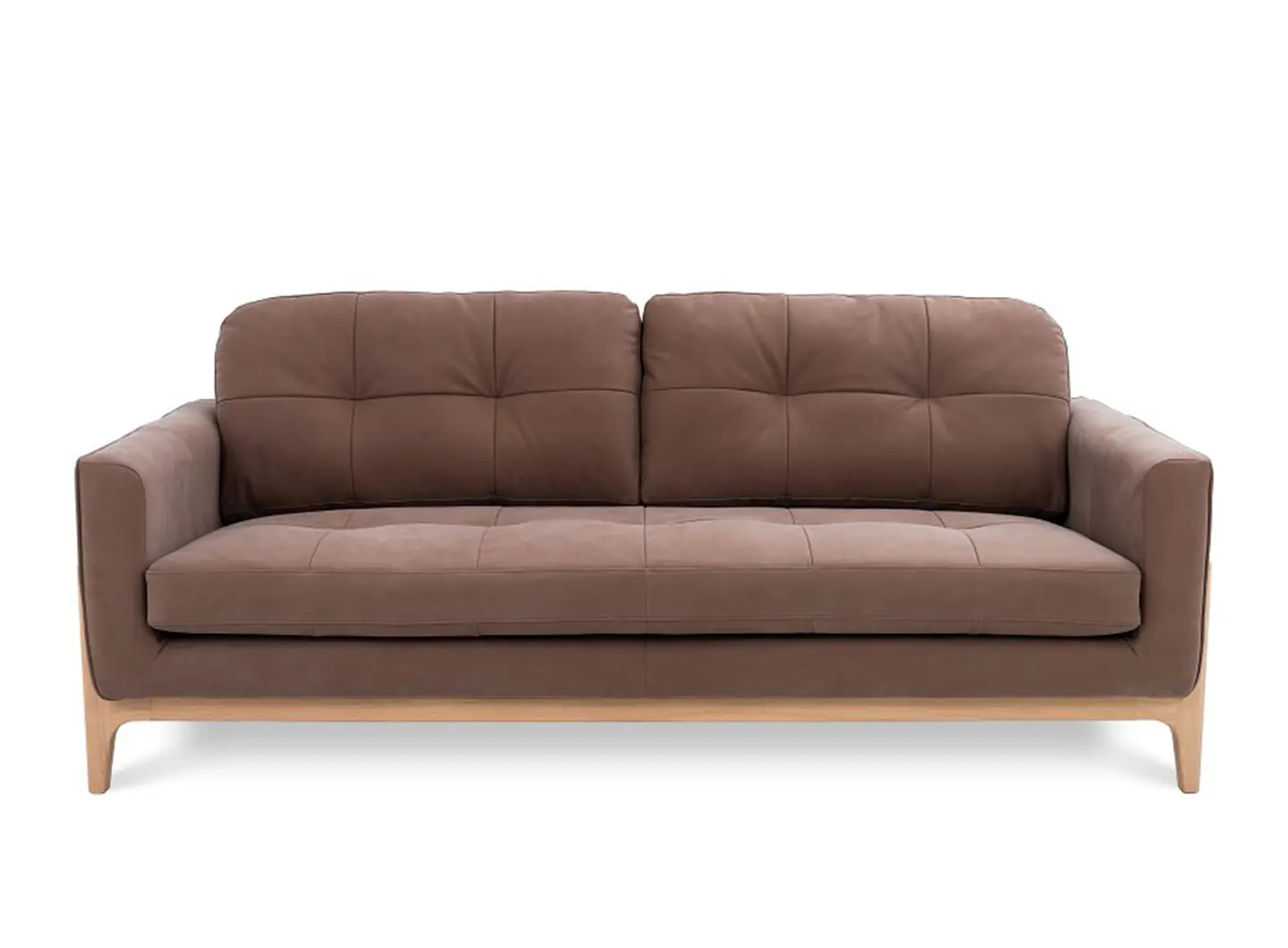
IMOB
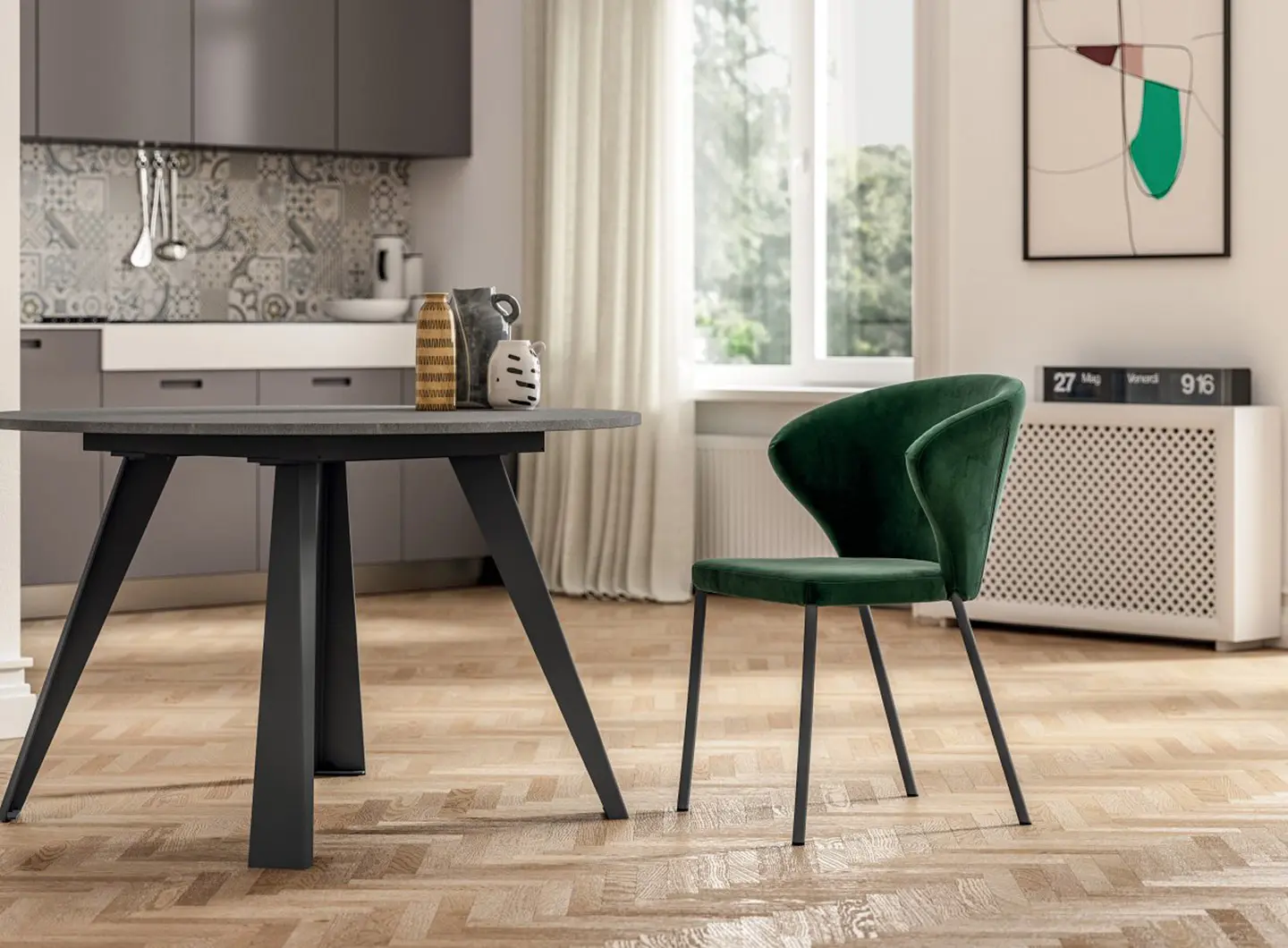
Italydea Milano
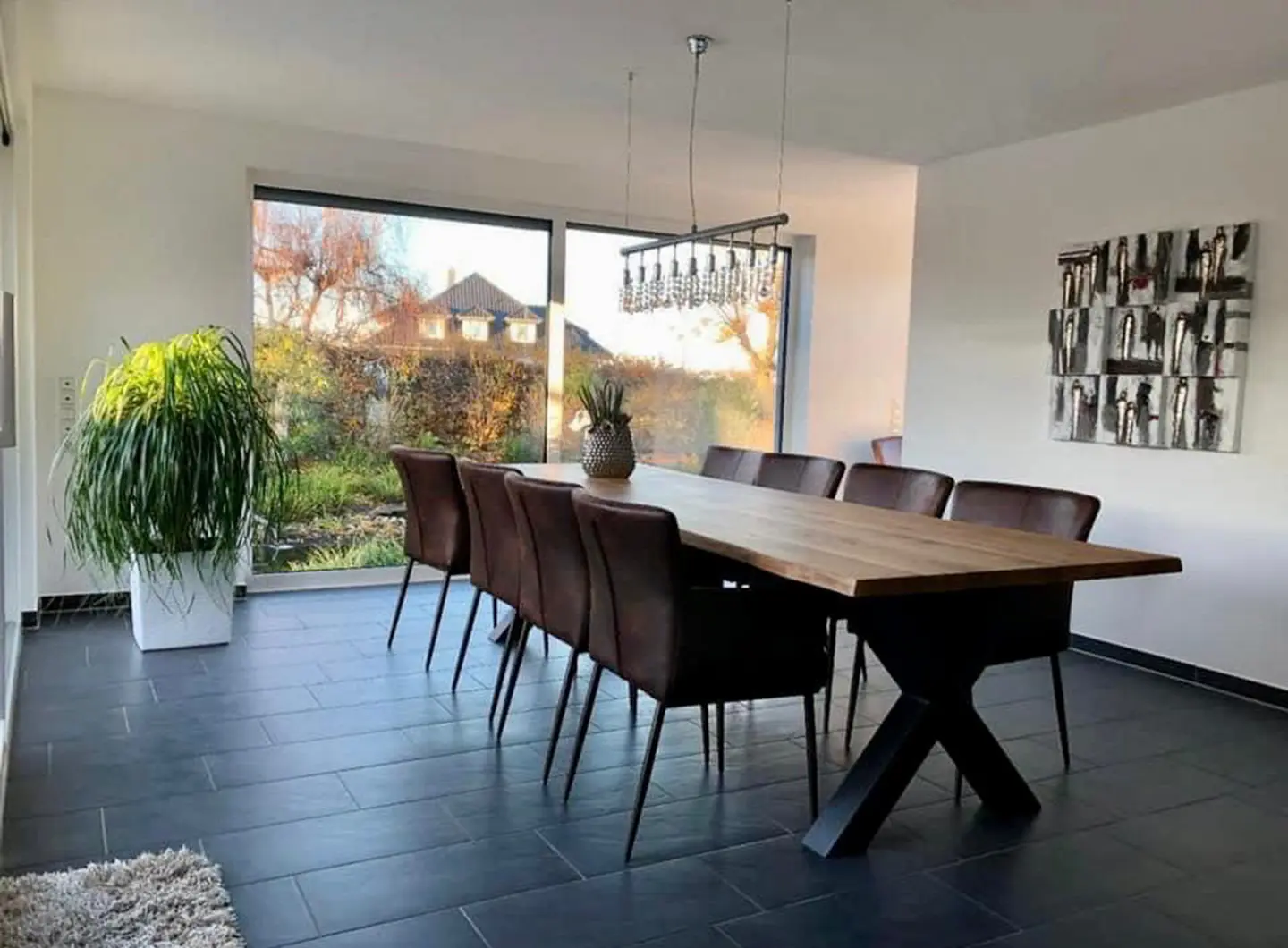
Mobex Furniture
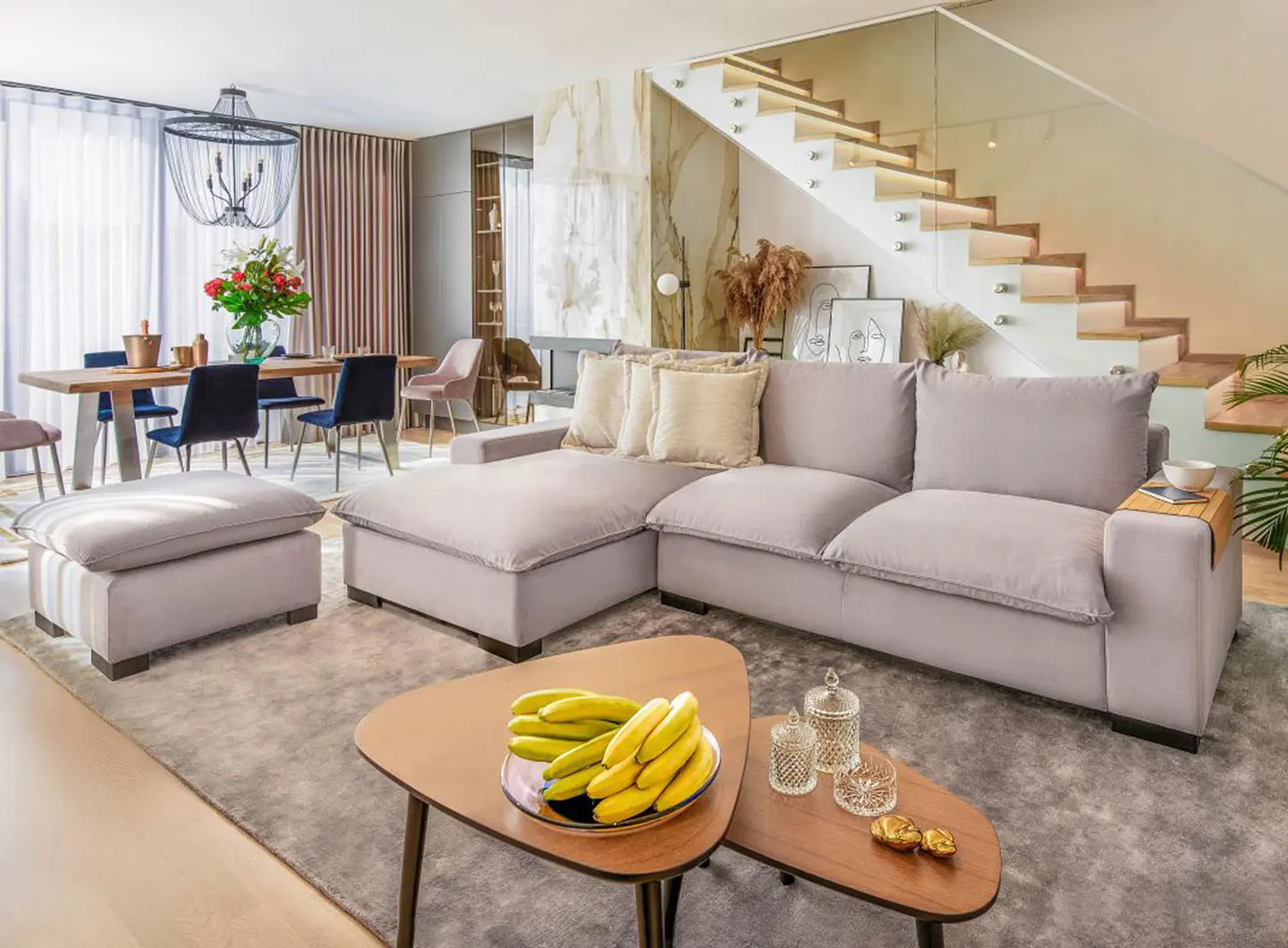
MobilaDalin
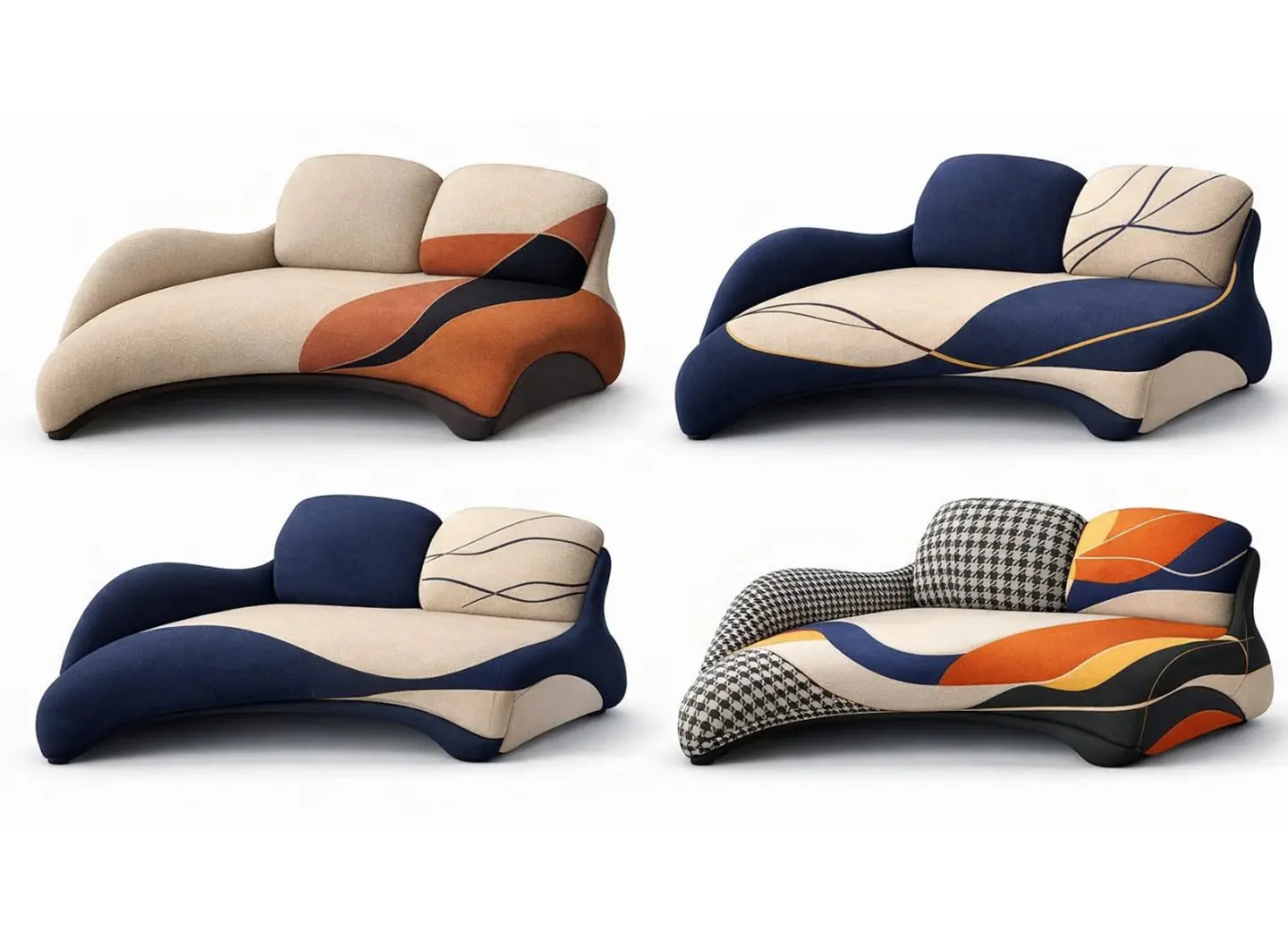
Mobilierul
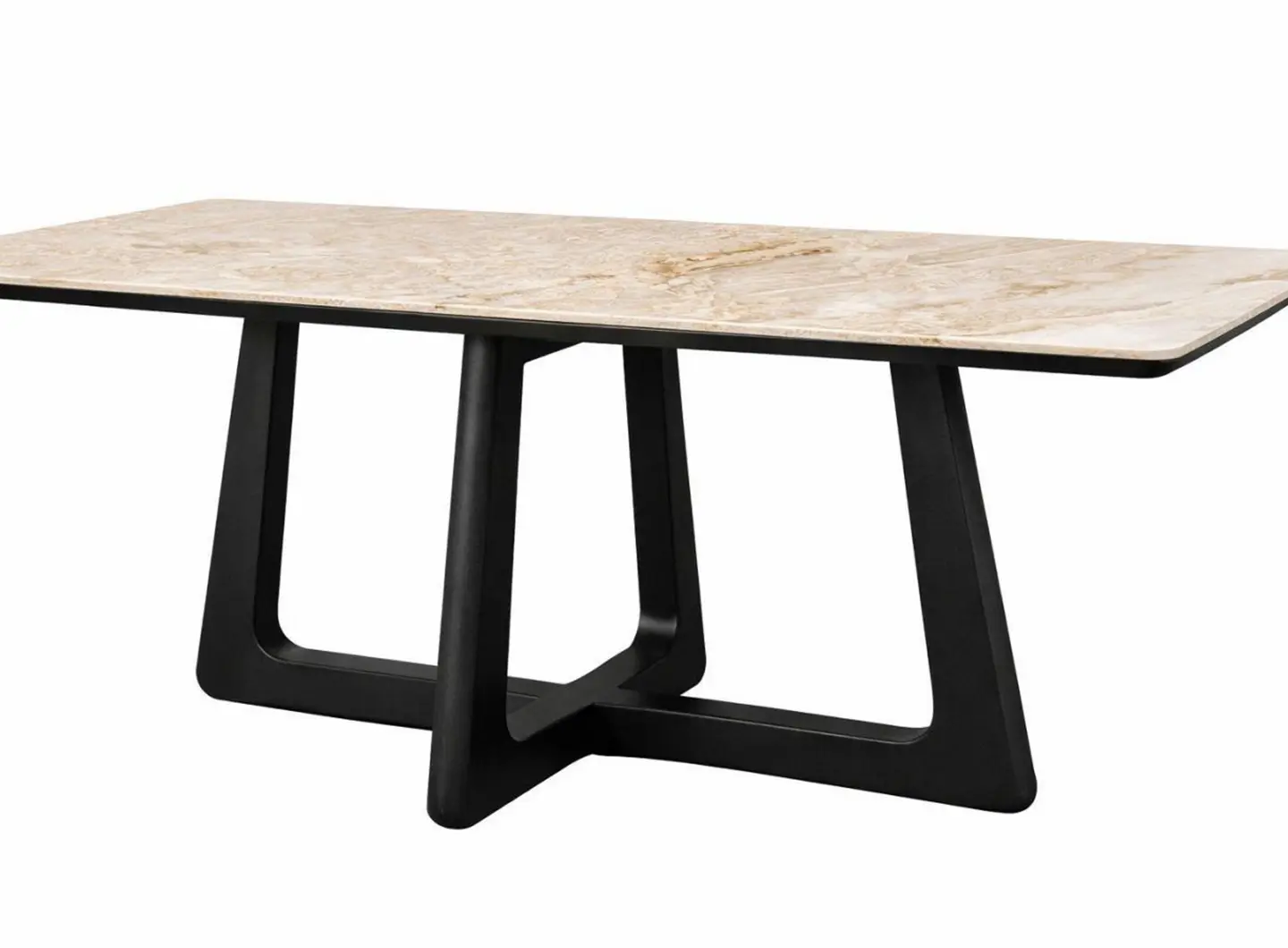
Montana
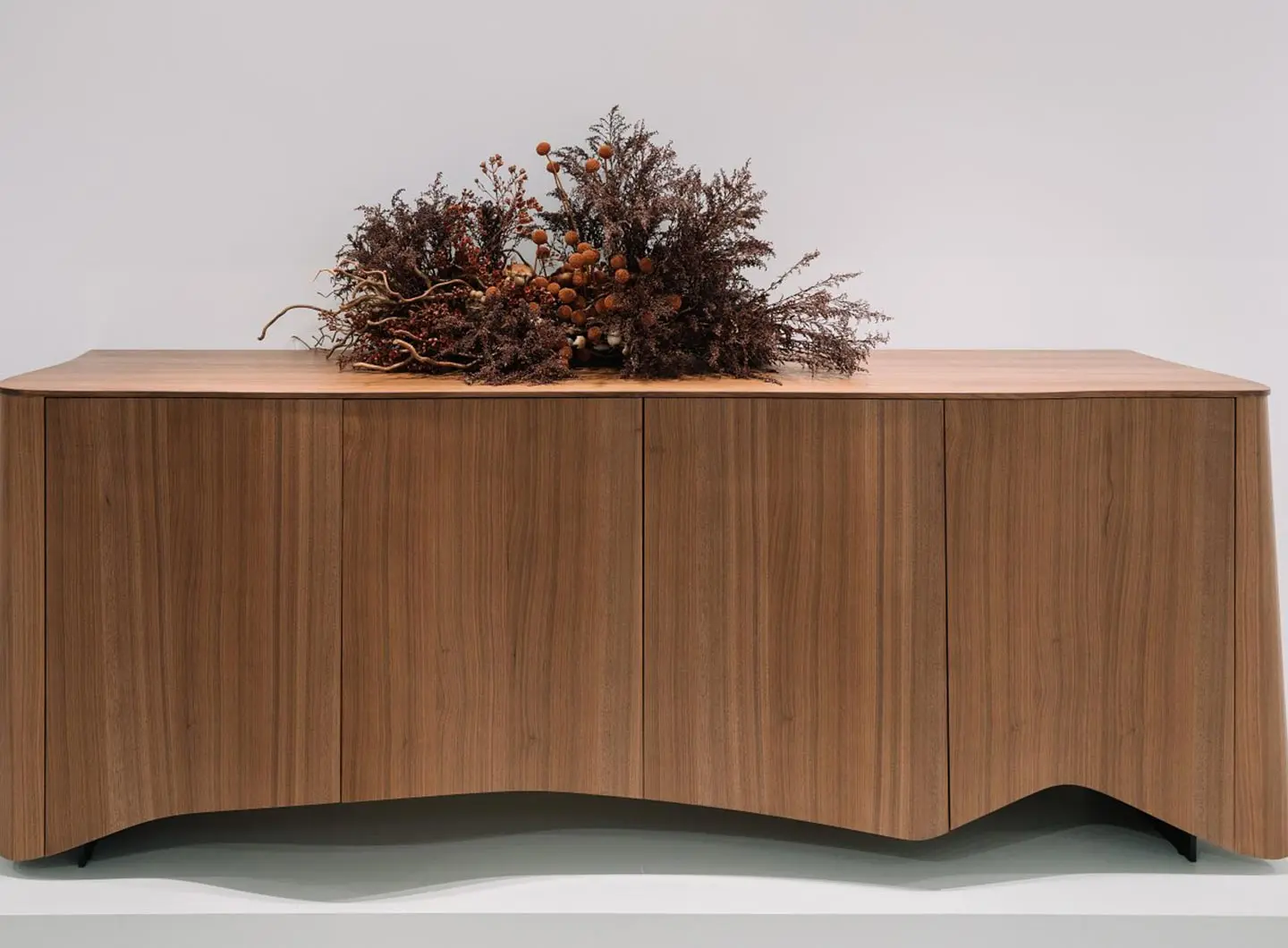
Nord Arin
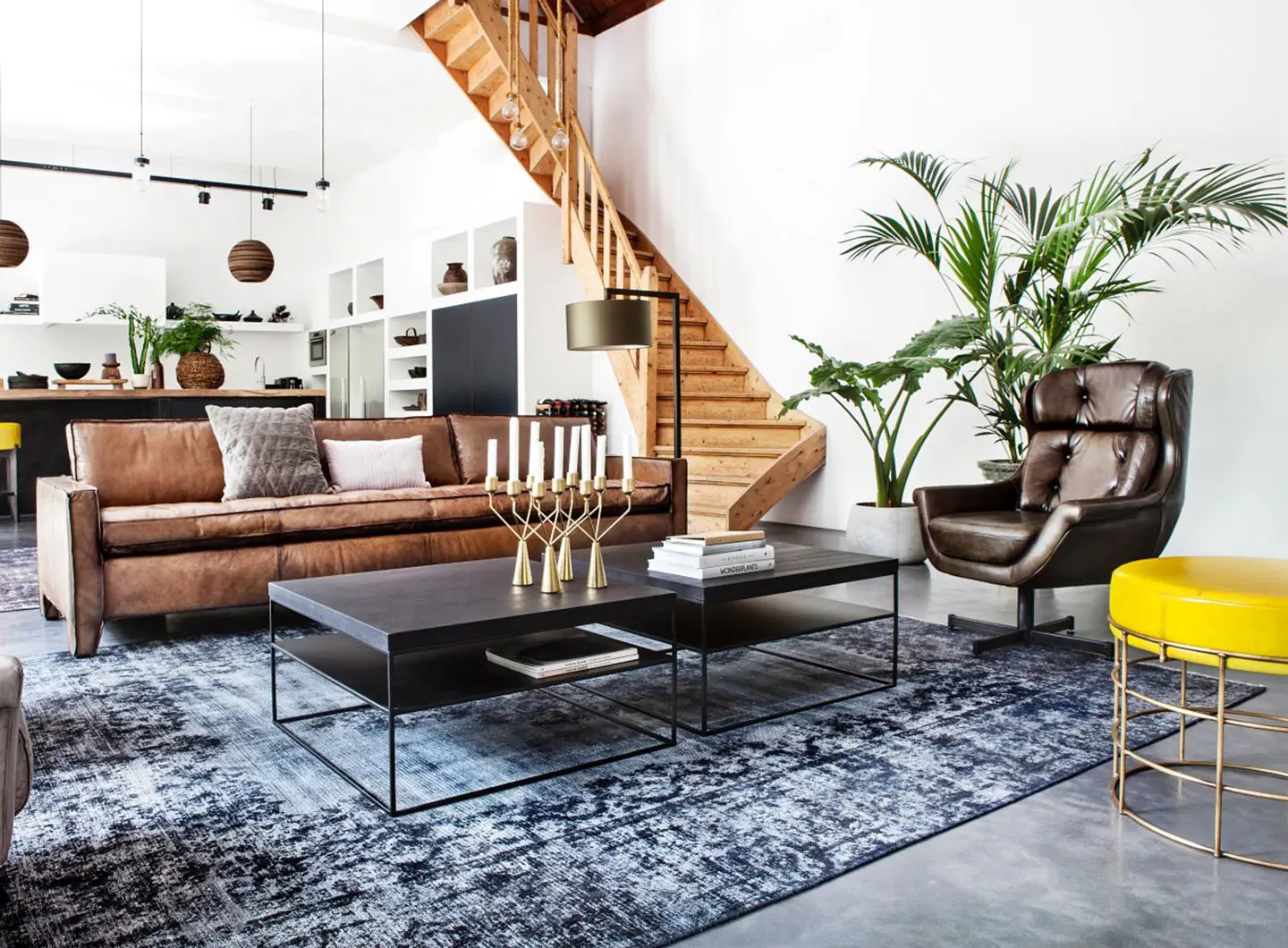
Pure Furniture
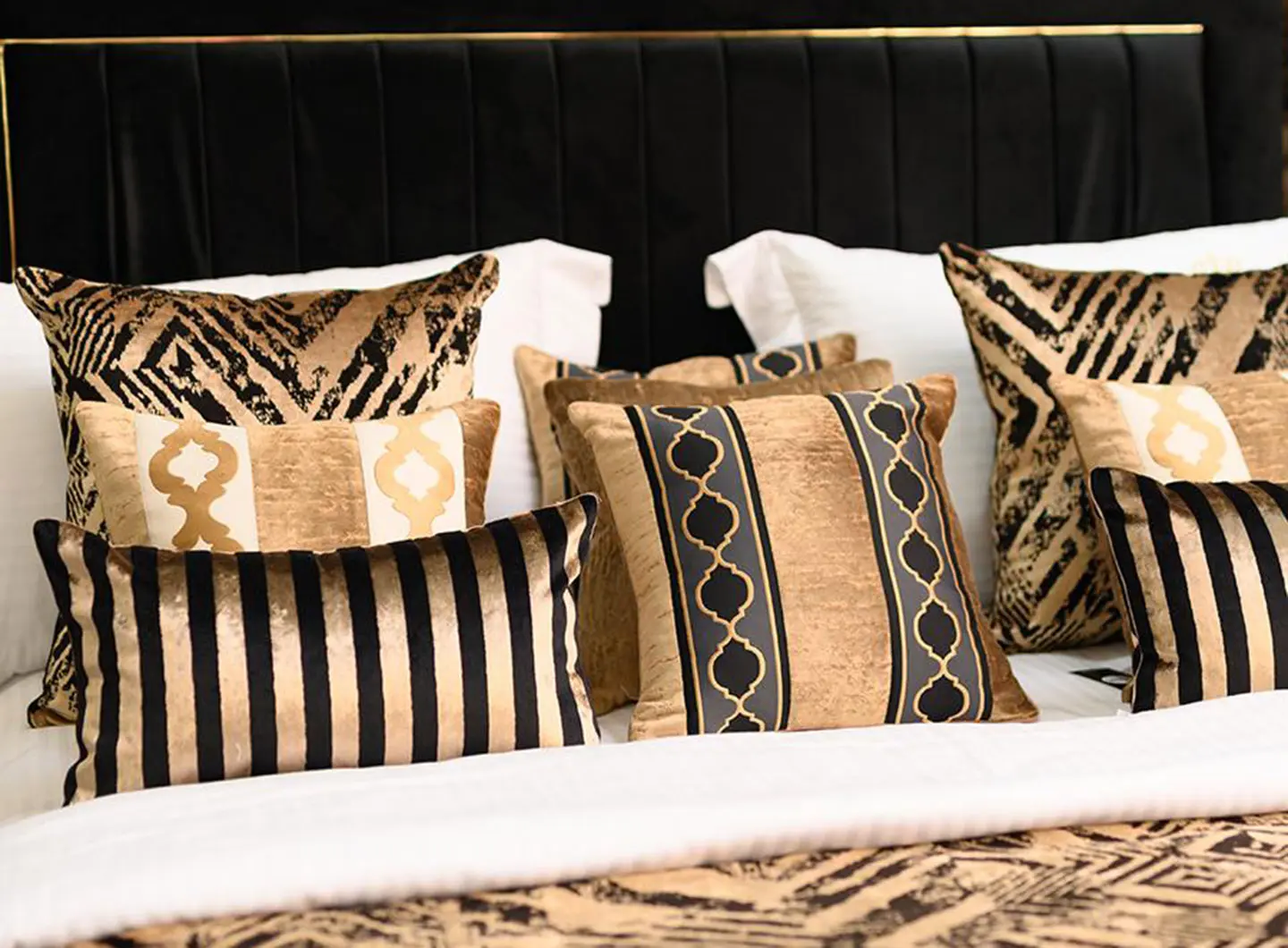
Sophia Home Decoration
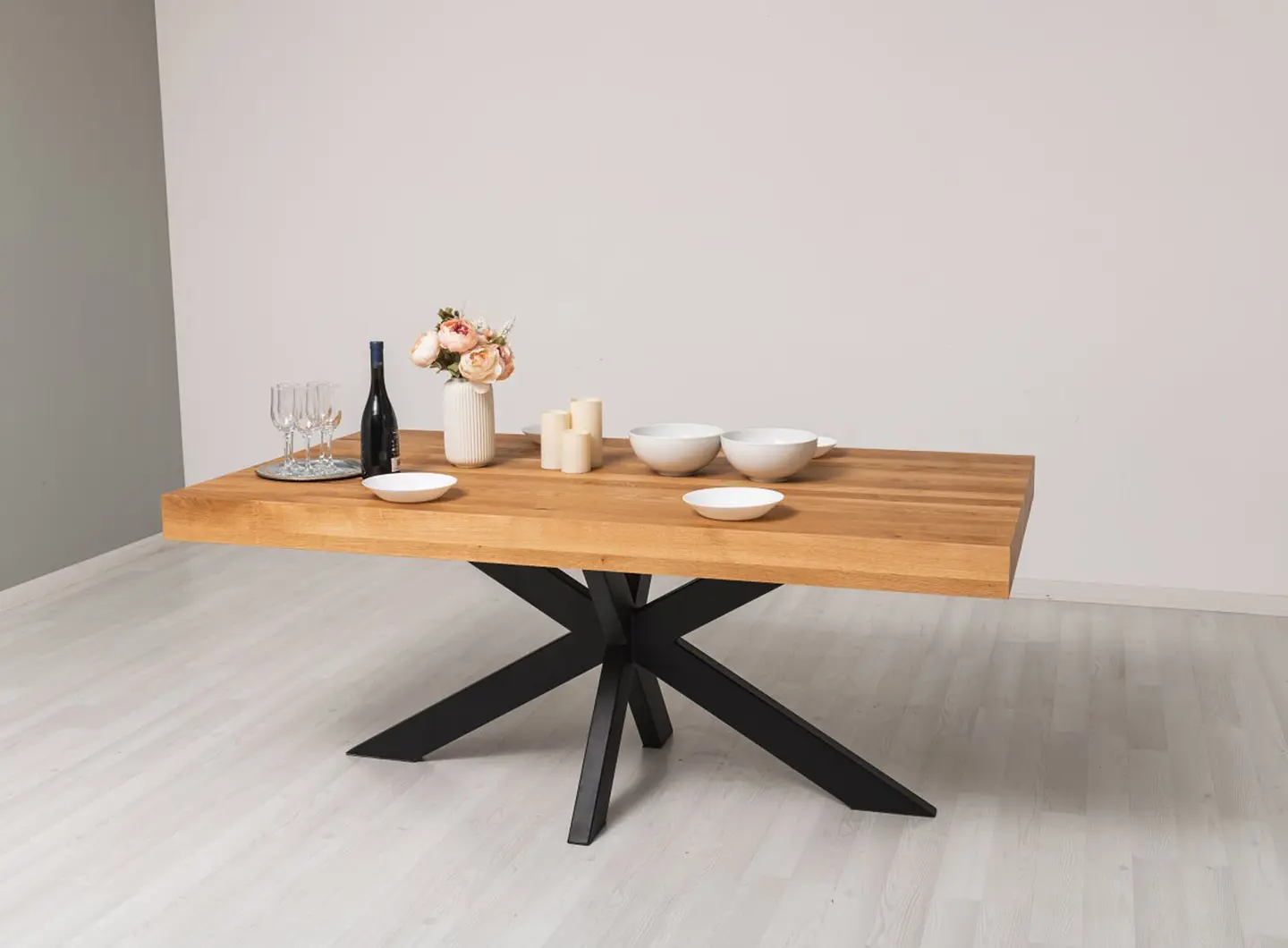
Szel-Mob
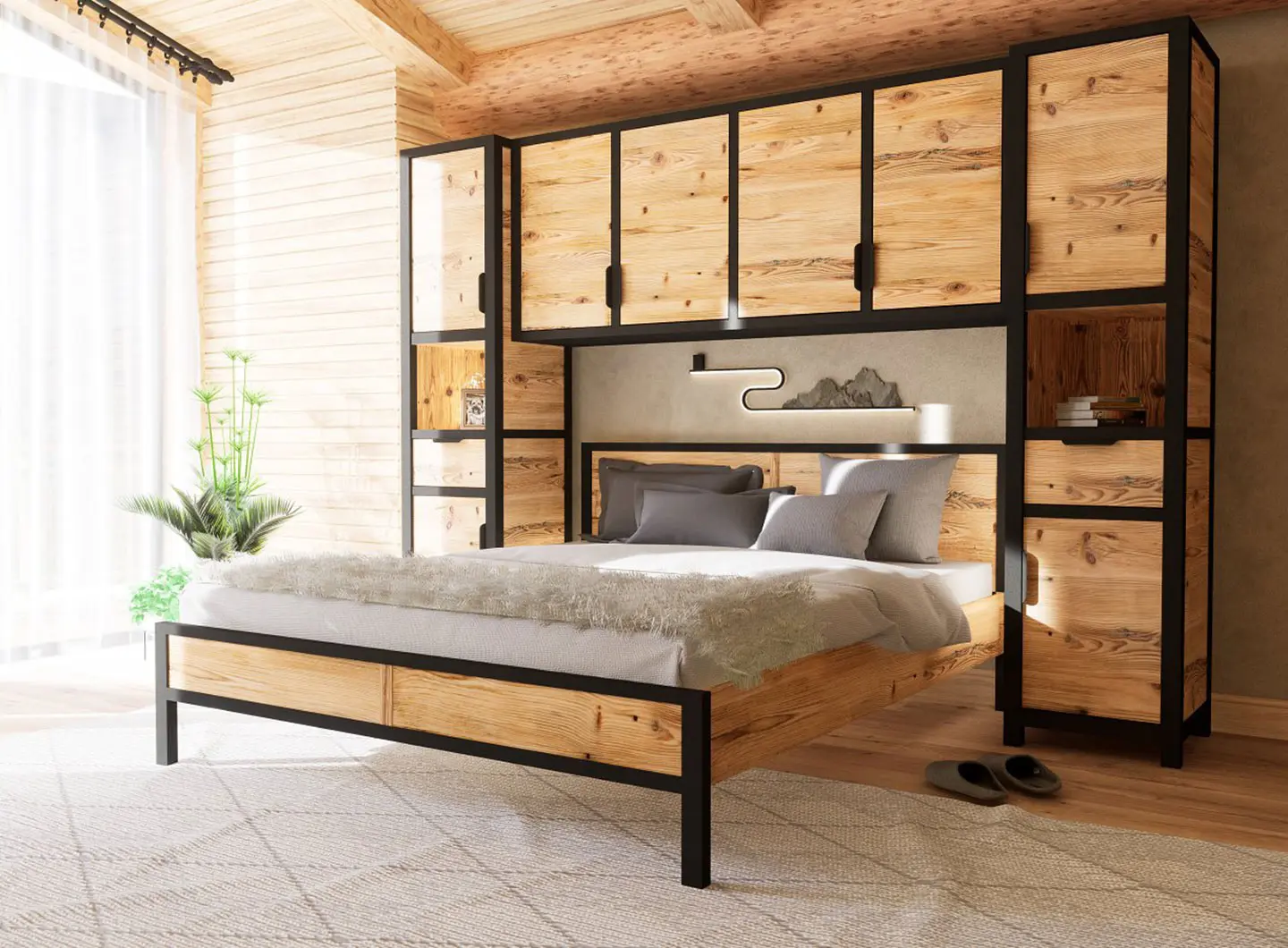
TFP
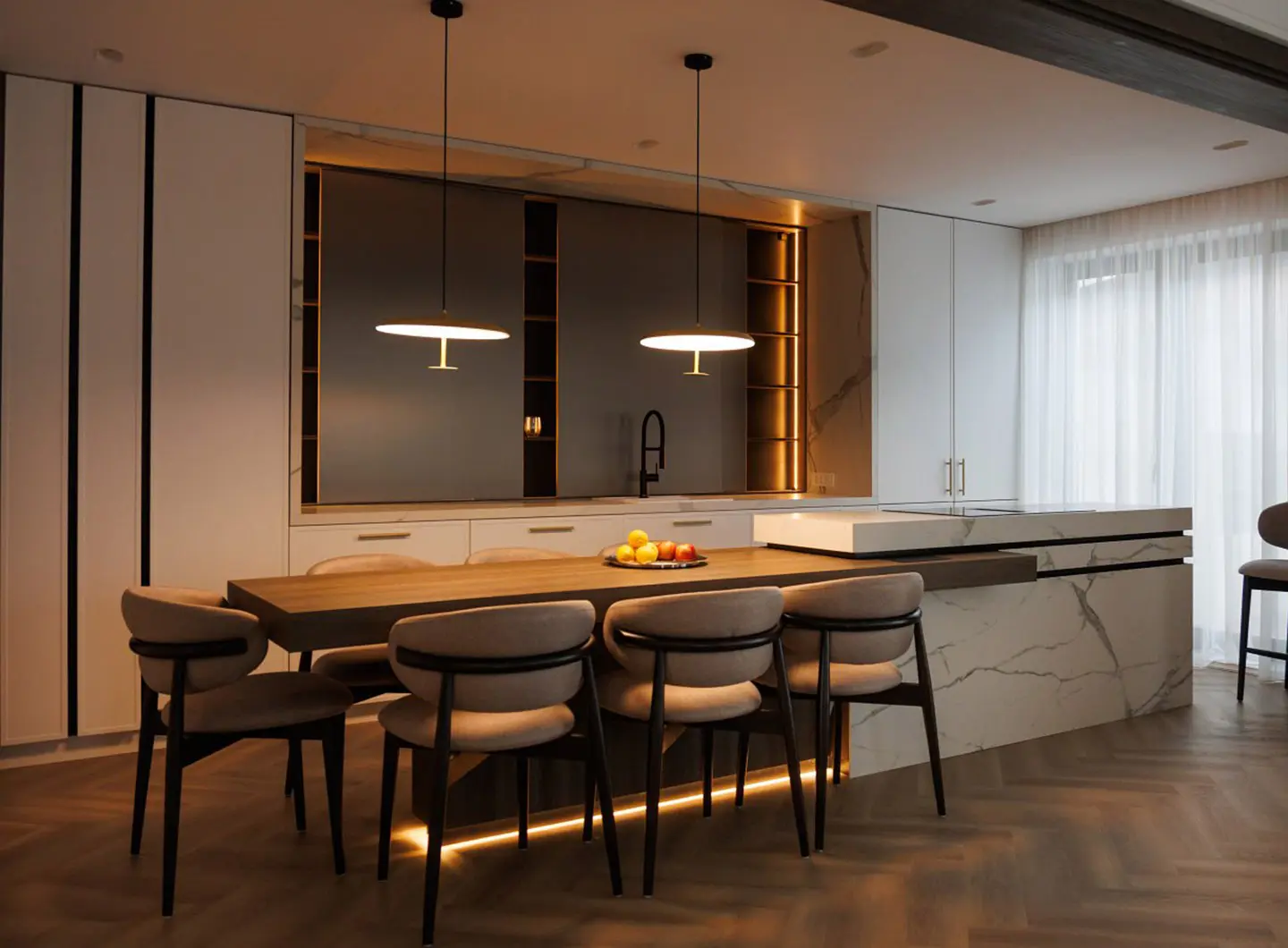
Trendymob


What is the most innovative material you have presented?
Innovation in materials at this edition was not about introducing something entirely synthetic or futuristic — it was about reimagining natural materials through new techniques and unexpected combinations.
One of the most striking examples comes from the use of epoxy resin alongside solid wood slabs, a technique that accentuates rather than conceals the natural imperfections of the wood — knots, cracks, live edges — transforming what might once have been considered flaws into the most expressive features of each piece. This approach reflects a broader shift in how designers and manufacturers think about raw material: not as something to be tamed, but as something to be listened to.
Art Georgies brought a different kind of material innovation — patented techniques in multilayer painted fused glass and double-glazed mosaics, recognized internationally for their durability and expressive depth. Glass as a structural and decorative material, combined with mosaic work, represents a genuinely distinctive and technically complex offer that is difficult to find elsewhere.
The combination of solid wood with stone and marble — presented by several brands including Masara — also generated strong interest, as it speaks to a growing appetite for pieces that feel both permanent and luxurious, without excess. Sophia Home Decoration approached material innovation from a different angle entirely — through the treatment of luxury fabrics and window textiles, where the quality of the material and the precision of the finish are as defining as in any piece of solid wood furniture.
This year's campaign theme at Salone, “A Matter of Salone”, was itself a meditation on matter — stone, wood, petal, sponge — as origin and possibility. Romanian brands arrived in perfect alignment with that idea.
What does it mean to do design today?
To do design today means to carry a responsibility that goes beyond aesthetics. It means making choices — about materials, about production processes, about longevity — that reflect an awareness of what the world needs right now.
For Romanian furniture manufacturers, design has always been grounded in something tangible: the wood, the joint, the finish, the hand that shapes it. That groundedness is an asset in a moment when the global conversation around design is asking precisely these questions — where does it come from, how long will it last, what story does it tell?
The theme of this year's Salone — “A Matter of Salone” — captures this beautifully. Matter is not just a physical substance. It is memory, origin, potential. When Nord Arin draws on generations of family craftsmanship, when byDurieux hand-finishes a pine frame with wax and patina, when Pure Furniture selects solid oak and leather for a piece designed to last decades — they are not just making furniture. They are activating matter, giving it new form, new function, new meaning.
To do design today also means being open to unexpected combinations — the way Clever Concept blends natural materials with concrete and metal, or how Mobilierul collaborates with designers and architects to deliver truly tailored solutions. It means thinking beyond the residential space, as MobilaDalin, Euromobila, Imob, TrendyMob, and Bradul Maneciu do, with collections that serve hospitality, commercial, and large-scale projects with equal confidence. And it means understanding that design can speak through glass and mosaic, as Art Georgies demonstrates, or through the quiet luxury of a curtain, as Sophia Home Decoration reminds us.
The 19 brands present at this edition each answer the question of design differently — and that diversity of answers is itself the most honest portrait of what Romanian design looks like in 2026.
How are you going to prepare for next year?
Every edition of Salone del Mobile.Milano teaches us something — about what resonates with international buyers, about where our collections need to evolve, about how to present Romania's story more powerfully.
The preparation for next year begins the moment this edition closes. Brands return home with feedback from real conversations with designers, architects, and buyers from across the world — and that feedback feeds directly into the development of new collections, new finishes, new combinations of materials. For a brand like Montana or Szel-Mob, that means refining collections with a 30-year heritage behind them. For Carel Woodworks, TFP, or Masara, it means pushing further the boundaries of what solid wood combined with contemporary materials can achieve. For Italydea Milano and Mobex Furniture, it means continuing to develop customization capabilities that meet the increasingly specific demands of international buyers.
At the pavilion level, the goal is always to raise the bar — in the coherence of the visual presentation, in the curation of the brands, in the way Romania's collective identity is communicated to an increasingly sophisticated international audience.
Romania's furniture industry exports 83.3% of its production internationally, and Salone del Mobile.Milano remains the single most important window onto that world. We take that seriously. The work for the next edition starts now — with a clear ambition: to be not just present, but unmistakably relevant.
Highlight content
13 May 2026
Share




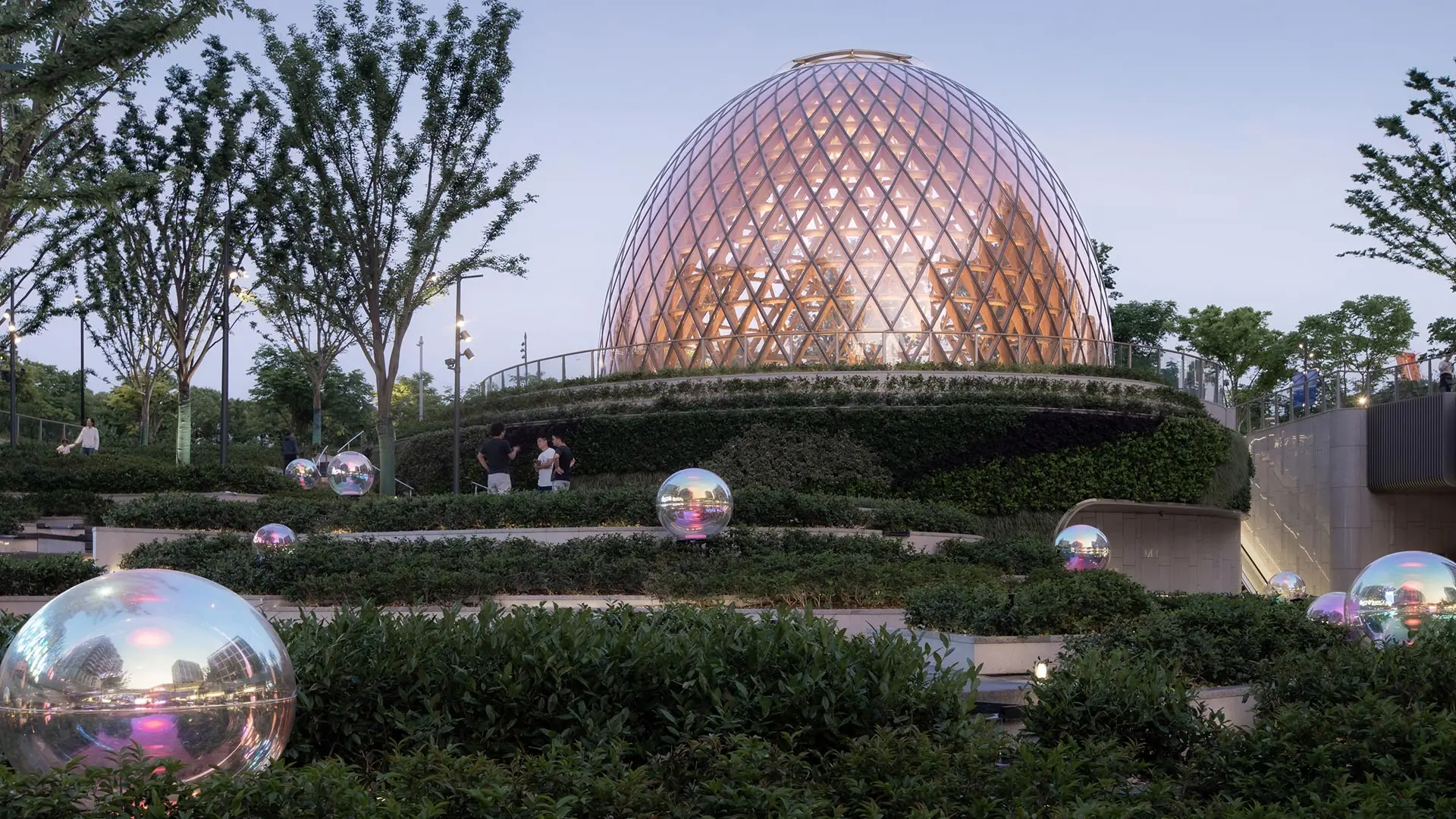
Shanghai World Financial Center, Oriental Pearl Tower and the city’s other iconic buildings
From Pudong's iconic skyscrapers and the Oriental Pearl Tower to first edition of the Salone Contract Tour, stop and the latest architectural landmarks along the Huangpu River: a journey into contemporary Shanghai


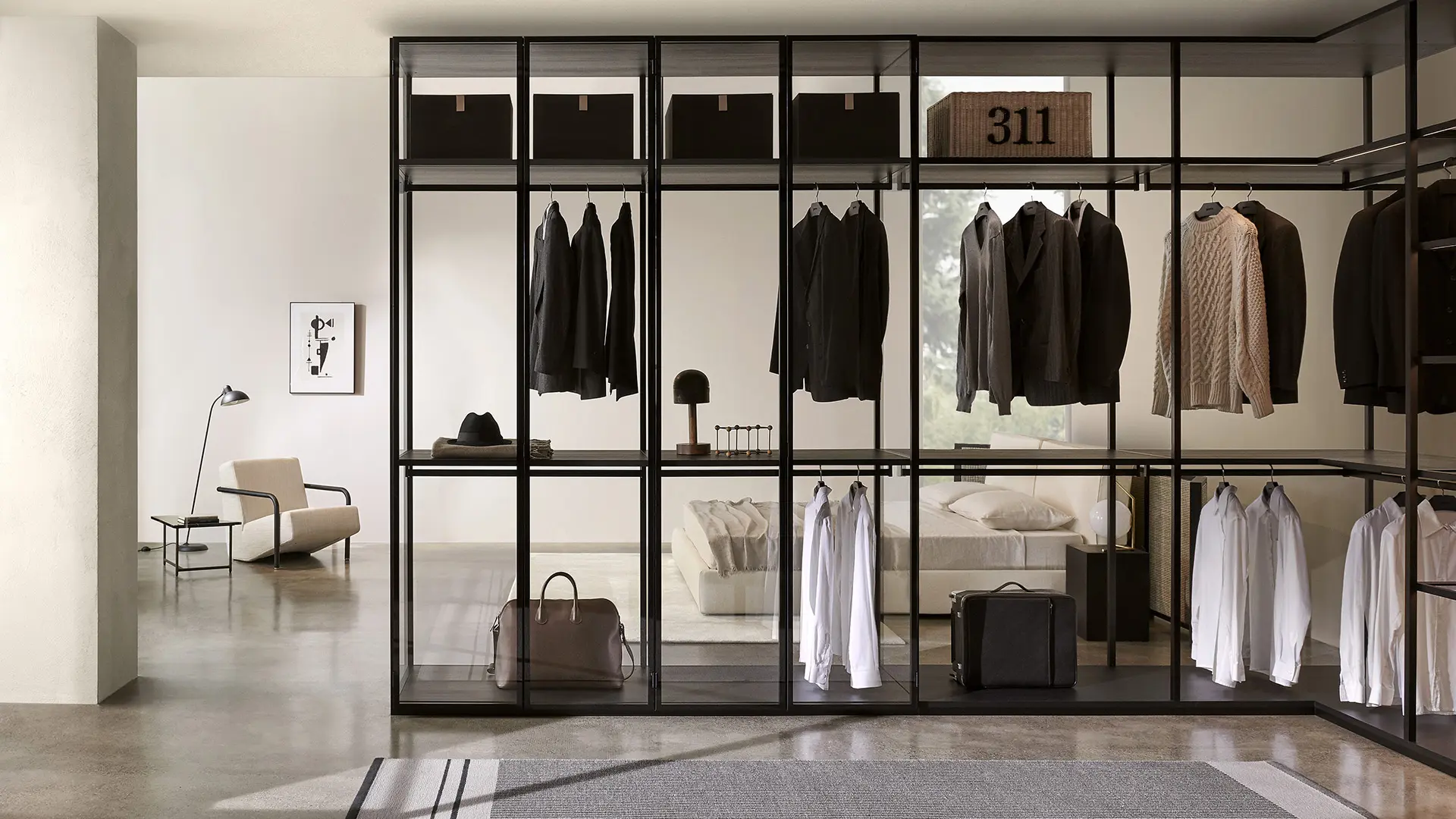
18 bedroom furnishing ideas
Bedrooms are the places where we are reborn each day, which is why they are deserving of particular attention. Our bodies are extraordinary machines, capable of regenerating themselves whilst we sleep, and our daily wellbeing depends, at least in part, on the quality of that sleep.
