

 Exhibitions


A selection of unmissable exhibitions to add to your calendar: projects that tackle the key issues of contemporary debate
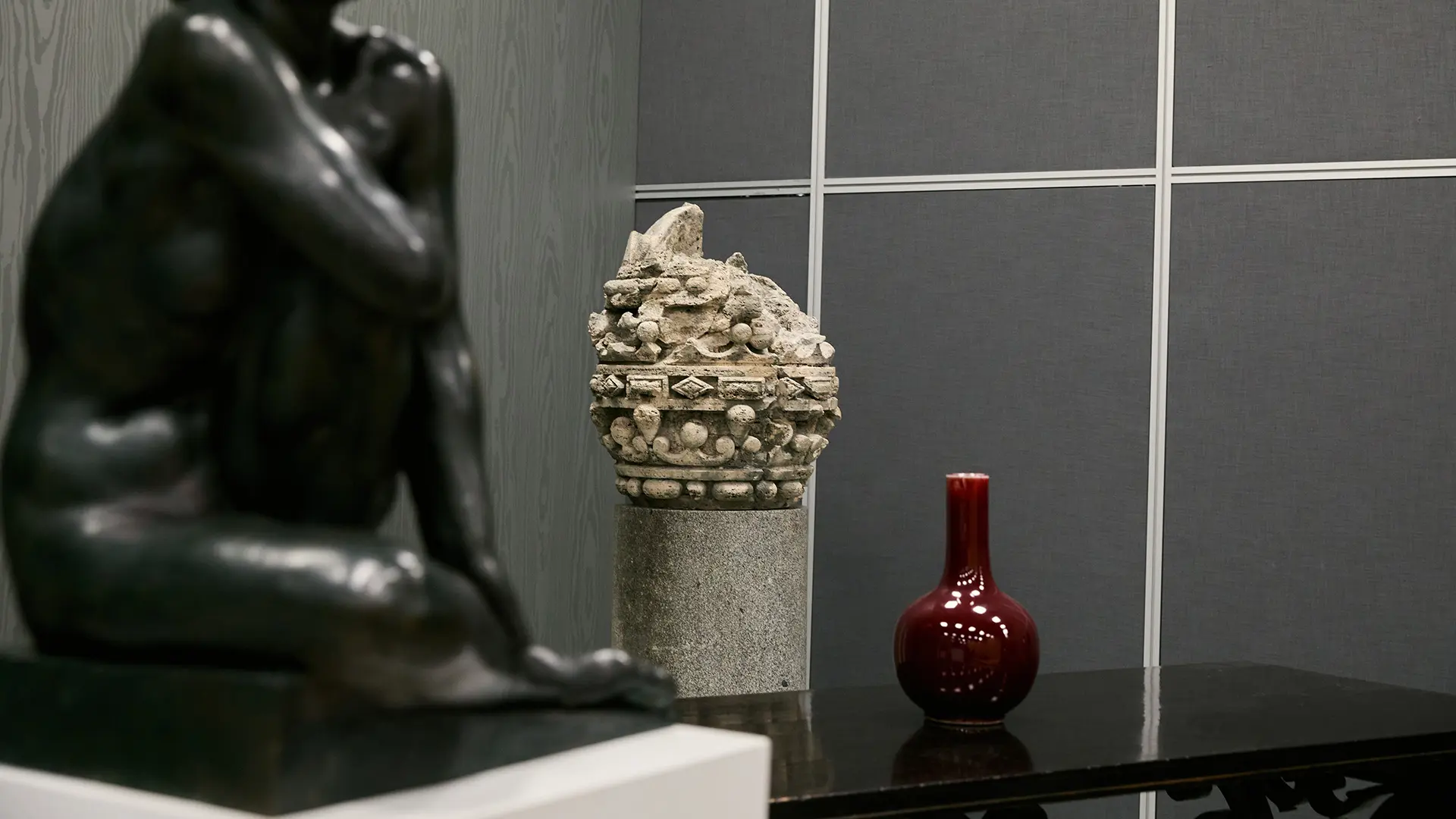
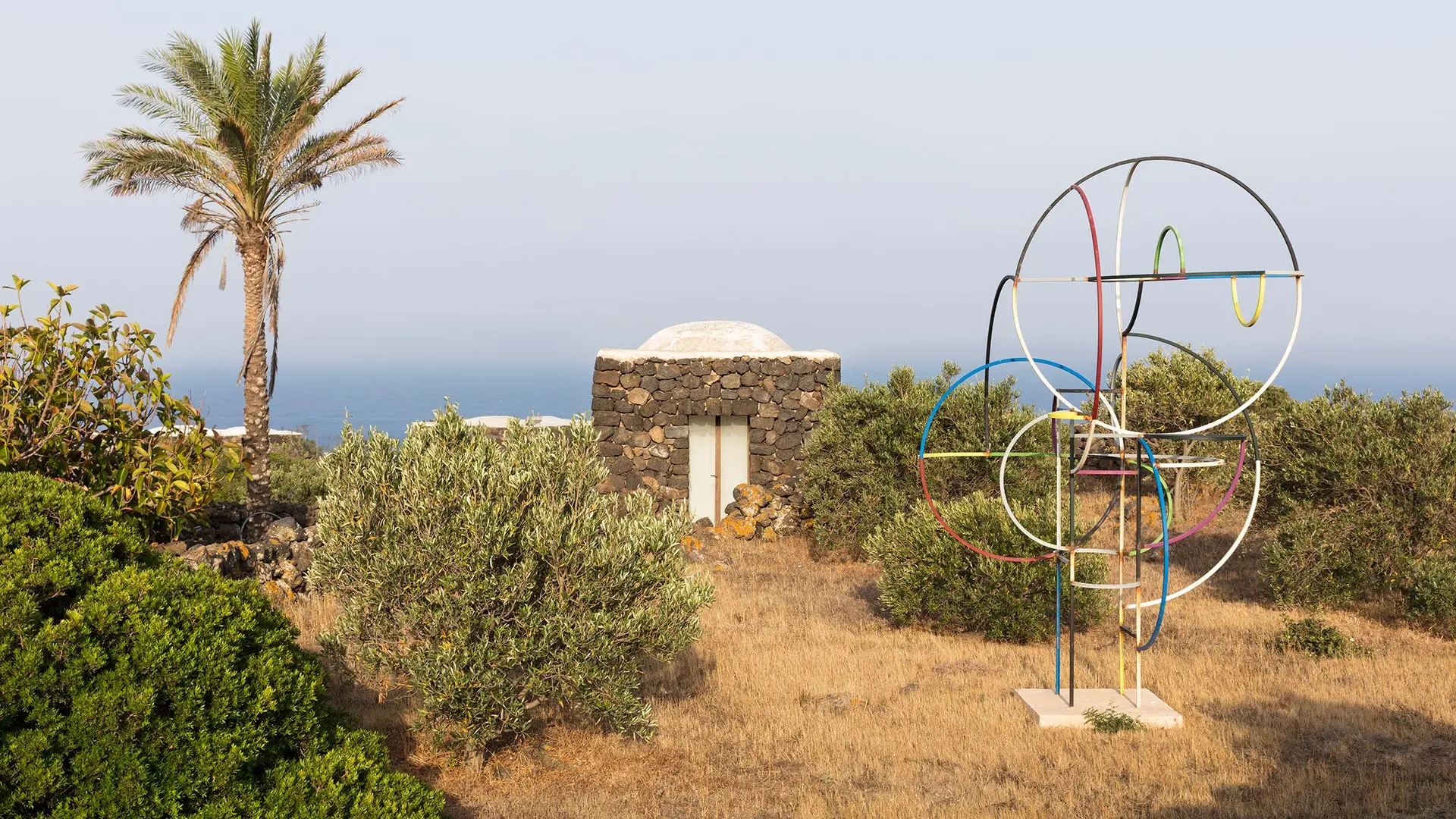
Botticelli Antichità & Alessandra di Castro, Free Symmetries, Balanced Lightness - Salone Raritas. Curated icons, unique objects, and outsider pieces, Salone del Mobile 2026
Salone Raritas brought one-off and limited edition design pieces, antiques and high craftsmanship to the trade fair for the first time this year. The exhibitors Nina Yashar, Massimo Lunardon, Bruno Botticelli and Francesco Faccin share their thoughts
Salone Raritas. Curated icons, unique objects, and outsider pieces in Pavilion 9 put the focus on beauty, craftsmanship and sustainability amongst other things. Curated by Annalisa Rosso, Editorial Director and Cultural Advisor to the Salone del Mobile.Milano, the platform featured exhibition design by Formafantasma, showcasing some of the influential realities on the global scene as well as some rare true gems. We asked some of the exhibitors to share their opinions while still fresh.
For example, the master glassblower Massimo Lunardon had this to say: “Salone Raritas was a new experience, refreshing, buzzy and wonderful. Seen from inside, it was the jewel in the crown of the Salone del Mobile, a small event that, while showcasing antique objects and pieces from a more recent past, felt decidedly innovative and ‘young.’ It was also extremely satisfying In terms of turnout, with lots of really interesting visits on the first day from people culturally prepared for what they were going to see, and a creditable press presence from all the leading newspapers. There was a different sort of public on the following days, but all very curious about what they were looking at.”
Bruno Botticelli, President of the Associazione Antiquari d’Italia [Italian Association of Antique Dealers], described Salone Raritas as an interesting experience with no shortage of proposals. “We certainly met a different sort of public, keen to find fresh inspiration, but I believe an educational element is needed to introduce a world that is unknown to most people, especially to non-Italians. Whilst people living in this country have a natural familiarity with the ancient world, Italy’s past artistic and manufacturing heritage remains a closed book to many others around the globe. We are living in a time when there is a clear need for uniqueness in every aspect of our lives. This need is even stronger among the younger generations who, despite having partly moved on from their fixation with logos, need new keys for interpreting the concept of one-off objects that chime with the new languages.
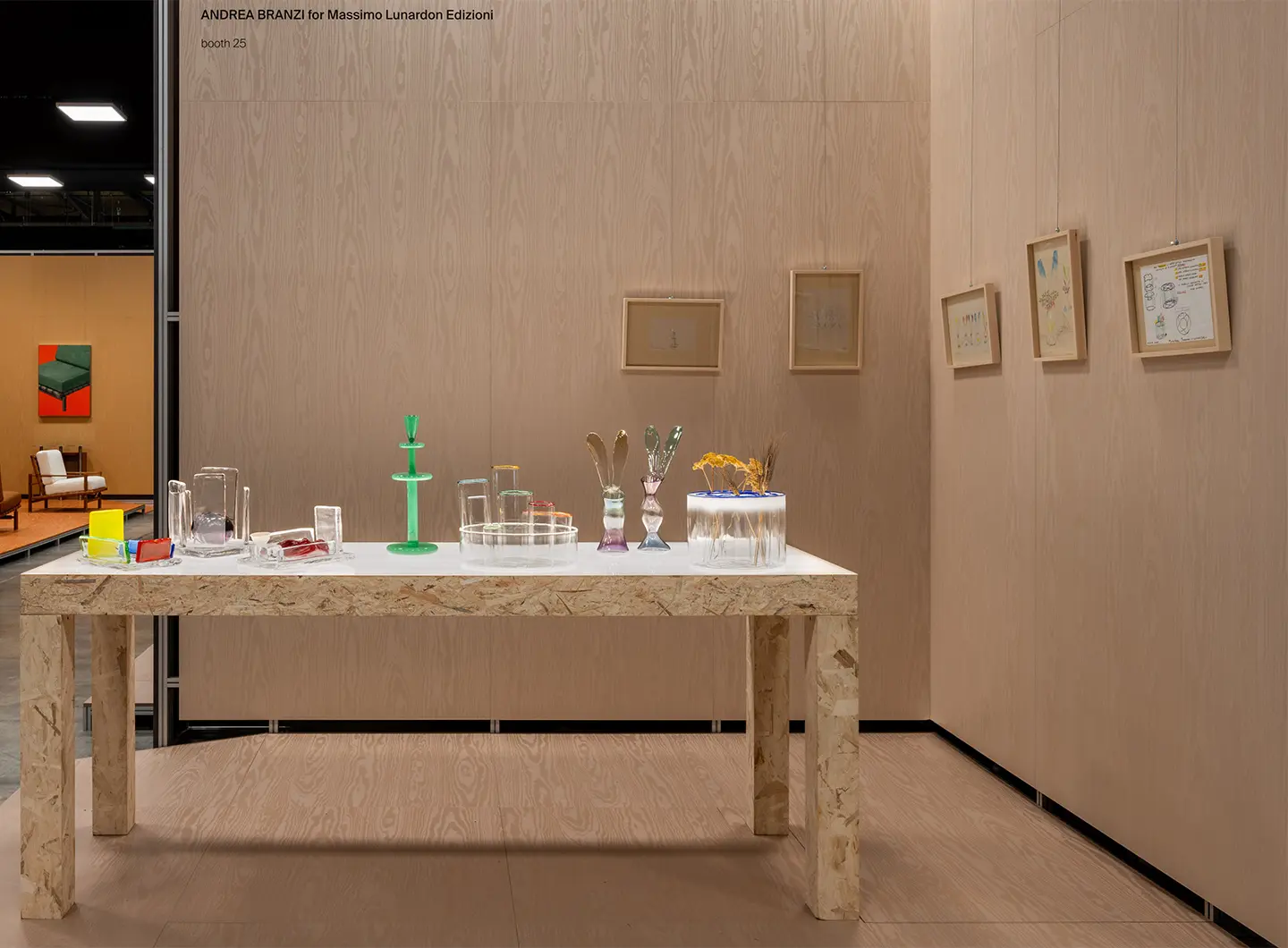
Andrea Branzi for Massimo Lunardon Edizioni - Salone Raritas. Curated icons, unique objects, and outsider pieces, Salone del Mobile 2026
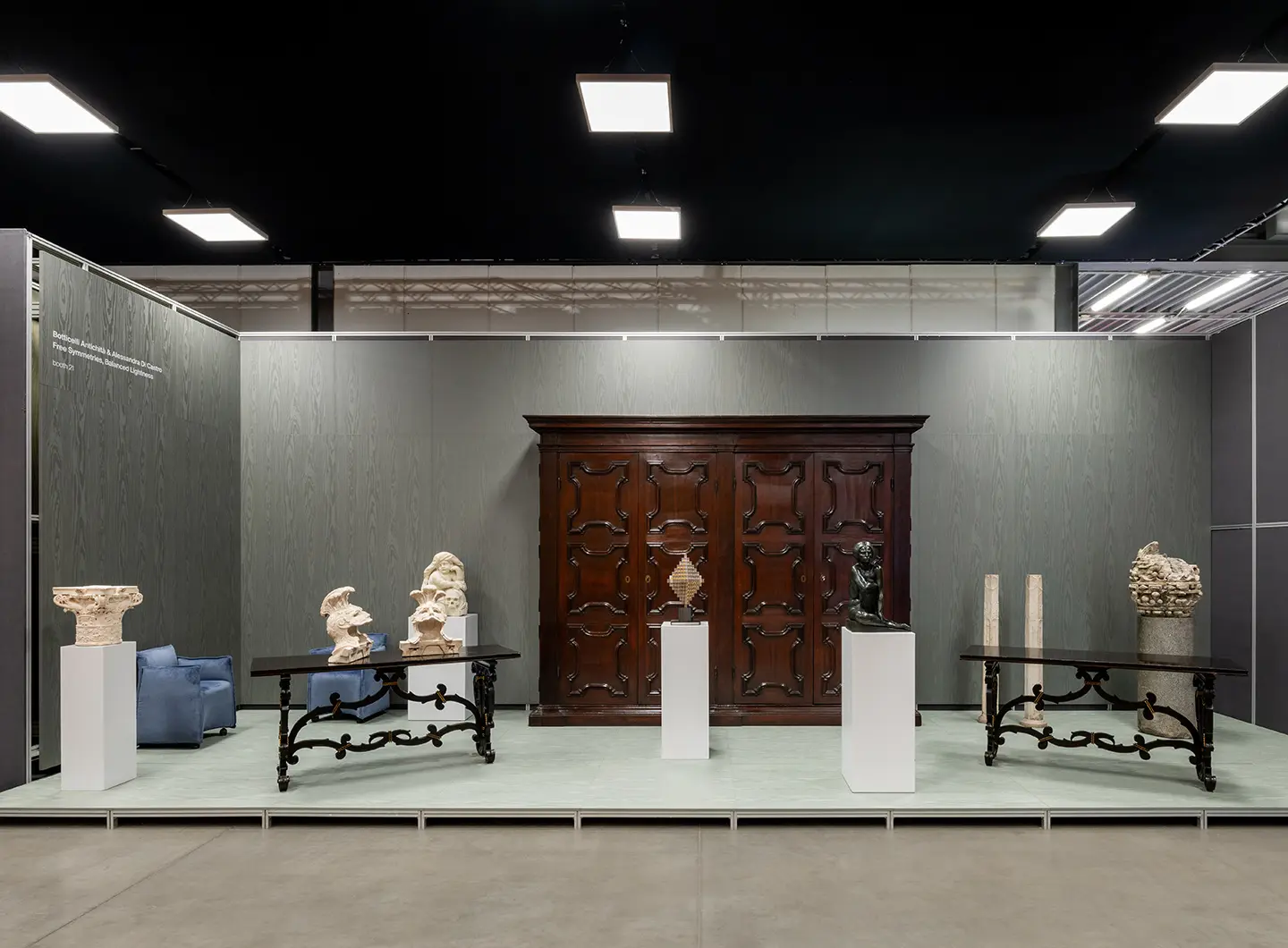
Botticelli Antichità & Alessandra di Castro, Free Symmetries, Balanced Lightness - Salone Raritas. Curated icons, unique objects, and outsider pieces, Salone del Mobile 2026
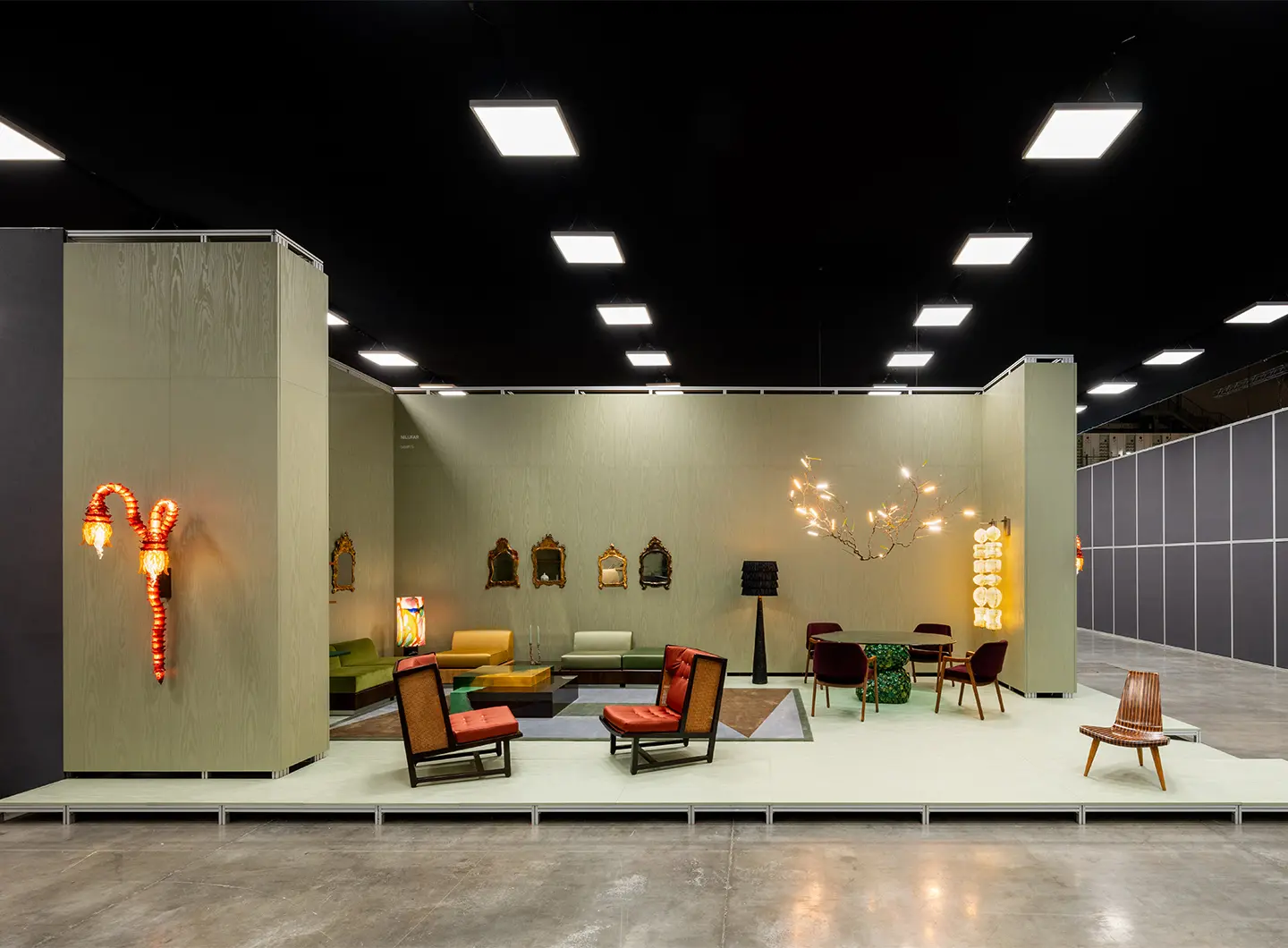
NILUFAR - Salone Raritas. Curated icons, unique objects, and outsider pieces, Salone del Mobile 2026
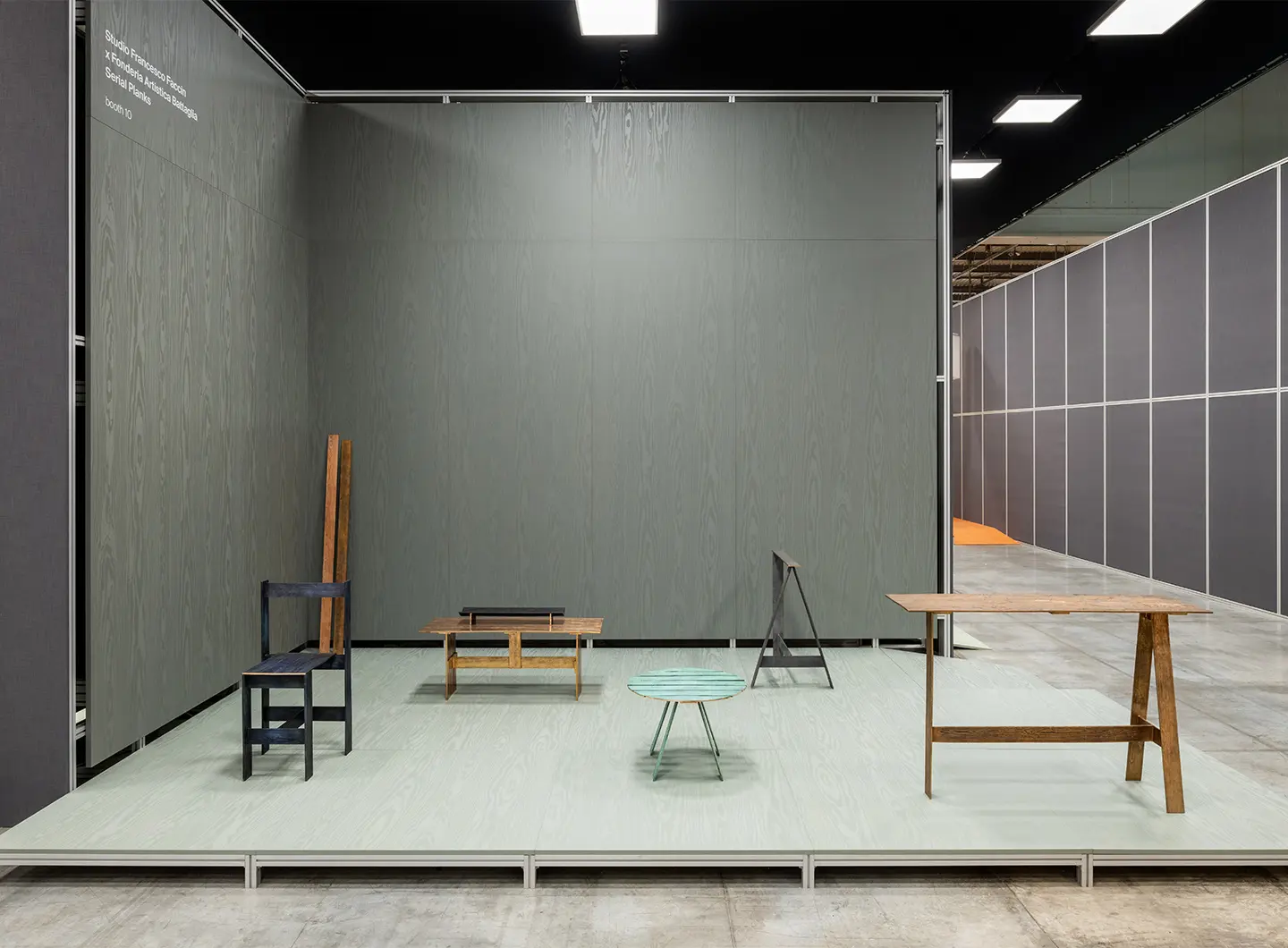
Studio Francesco Faccin x Fonderia Artistica Battaglia, Serial Planks - Salone Raritas. Curated icons, unique objects, and outsider pieces, Salone del Mobile 2026


Salone Raritas is thus not just an exhibition space, but a diffusor of a new education in design.
Nina Yashar, founder of Nilufar, was also of the same opinion, stating that “it was particularly significant to see an institution such as the Salone del Mobile devote such great attention to the world of collectible design and, more generally, to the concept of rarity. Not so much as a trend, rather as an attitude and a receptivity: a way of observing, selecting and connecting objects and visions.” After all, the Raritas and Nilufar projects are not so very different: “Nilufar stemmed precisely from this constant desire to explore what has not yet been fully told, affording space to different languages that dialogue with one another without hierarchies. I found this same openness and desire to create a space dedicated to research, experimentation and vision at Raritas.” Lastly, she mentioned the importance of the visiting public: “We were also pleasantly impressed by the quality and breadth of the public. There was an opportunity to engage with interior designers and industry professionals from diverse backgrounds, as well as key figures in the furniture industry. This broad-based interest is, in my view, one of the most significant factors to emerge from this first edition, highlighting an increasing openness towards collectible design and a greater willingness to recognise its value even in wider contexts. It is an important signal for Milan and for the future prospects of this field, allowing it to grow whilst maintaining its own identity and interacting increasingly with other worlds.”
Looking ahead to next year, the designer Francesco Faccin stressed that Italian design has always trodden a fine line between art, research, high craftsmanship and industry: “a humanistic rather than a functionalist approach, that defines ‘our’ way of making design. Sottsass, Mendini, Munari, Mari, Branzi, De Lucchi, Gaetano Pesce … are just some examples.”
As the curator of the project Annalisa Rosso stressed, Salone Raritas is a natural evolution within the Salone del Mobile ecosystem. Along with industrial design, which remains central, a number of different, heterogeneous elements are introduced, chosen from all over the world in a conscious response to an ongoing transformation on the international architectural and interior design scene, in which different languages already coexist and support each other.
8 May 2026
Share