

 Stories






Why darkness is a natural resource that must be protected against waste and light pollution
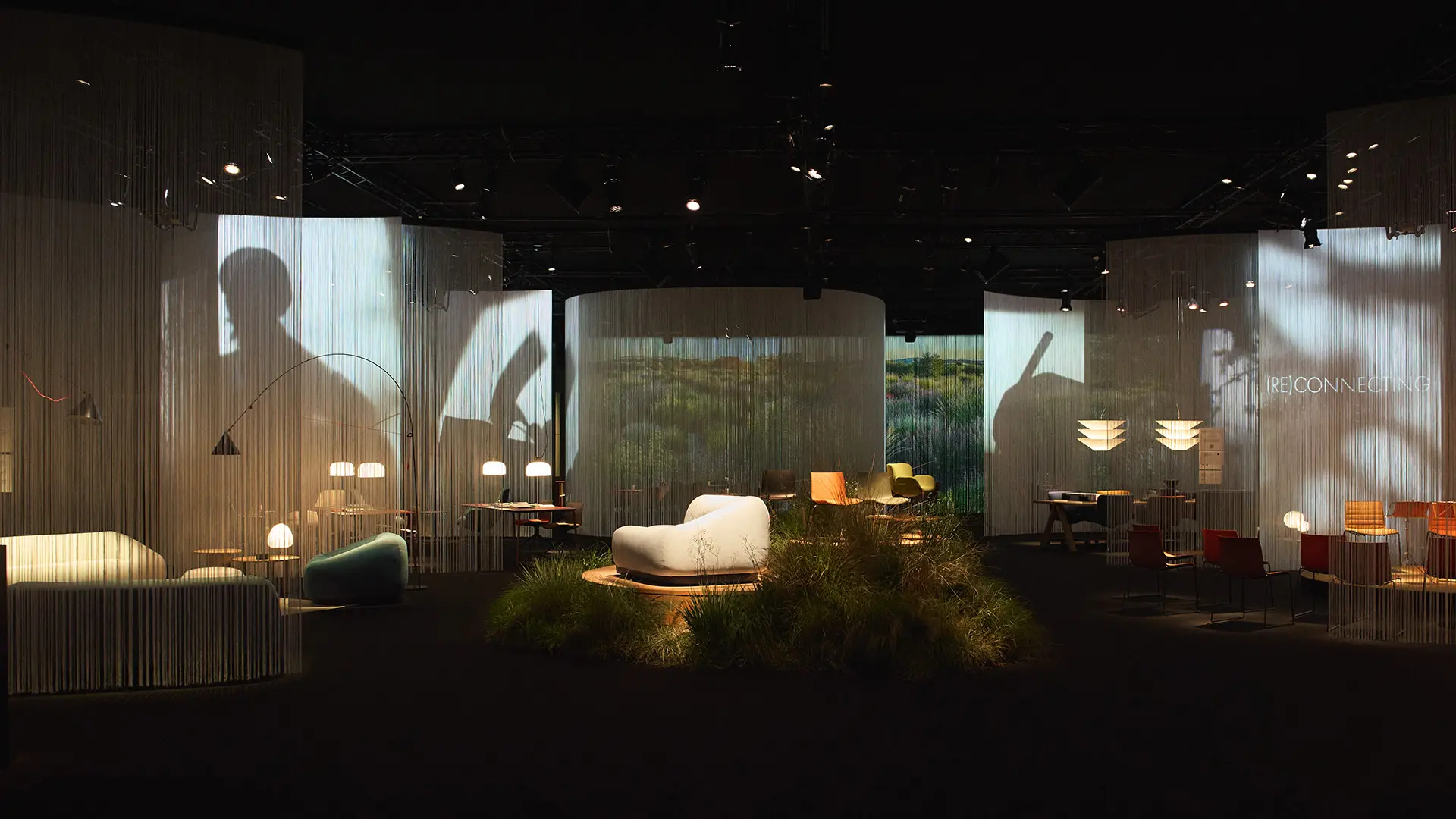
Arper, Salone del Mobile 2026 - Ph. Stefania Zanetti, Matteo Bellomo
After almost 40 years of its presence at the Salone del Mobile.Milano, this year the international company has showcased a new idea of the project of living in a process of continuous and constant innovation made up of connections and increasingly aimed at improving people’s lives and well-being
“For us, design is an essential language, capable of creating connections between people and spaces. It’s a balance between function, emotion and responsibility.” Claudio Feltrin, President of Arper, summed up his idea of design in these words. And he is keen to stress that the company, which has taken part in the Salone ever since 1989, the year when he founded the firm with his father Luigi and brother Mauro, believes “in the strength of clean and timeless lines, which do not follow the trends but build lasting value, as well as in color as a design tool that defines atmospheres and well-being.”
“At the same time, design means continuous research. We explore new materials and technologies to innovate ways of concretely reducing our environmental impact. Sustainability is not a constraint, but a creative engine that guides our every decision.” A dialogue with design that embraces change and increasingly makes sustainability its standout feature.
At this year’s Salone, in fact, the brand explored the theme of (RE)CONNECTING: the journey between connections and reconnections, individual and collective, which invites visitors to discover the Arper collections, designed and dedicated to moments of sharing and meeting.
The central area made it possible to experience the theme “Redefining Beauty”: a new way of interpreting beauty through the use of innovative and sustainable materials, which clearly expressed the company’s research into innovative materials, responsible processes and solutions designed in an increasingly circular perspective. Arper’s first novelty was Aom, a collection of armchairs and sofas designed by Jean-Marie Massaud, which interprets the essence through design that focused on materials, as well as durability and the scope for recovering the components. Aom consists of only two elements: the structure, made entirely from expanded polypropylene, and the padding in Breathair® (used for the first time last year to make a cushion), a completely recyclable polyester elastomer. In this way, Arper showcased a great innovation: a solution that enables polyurethane to be eliminated from the padding, significantly facilitating the recyclability of the product at the end of its life cycle.
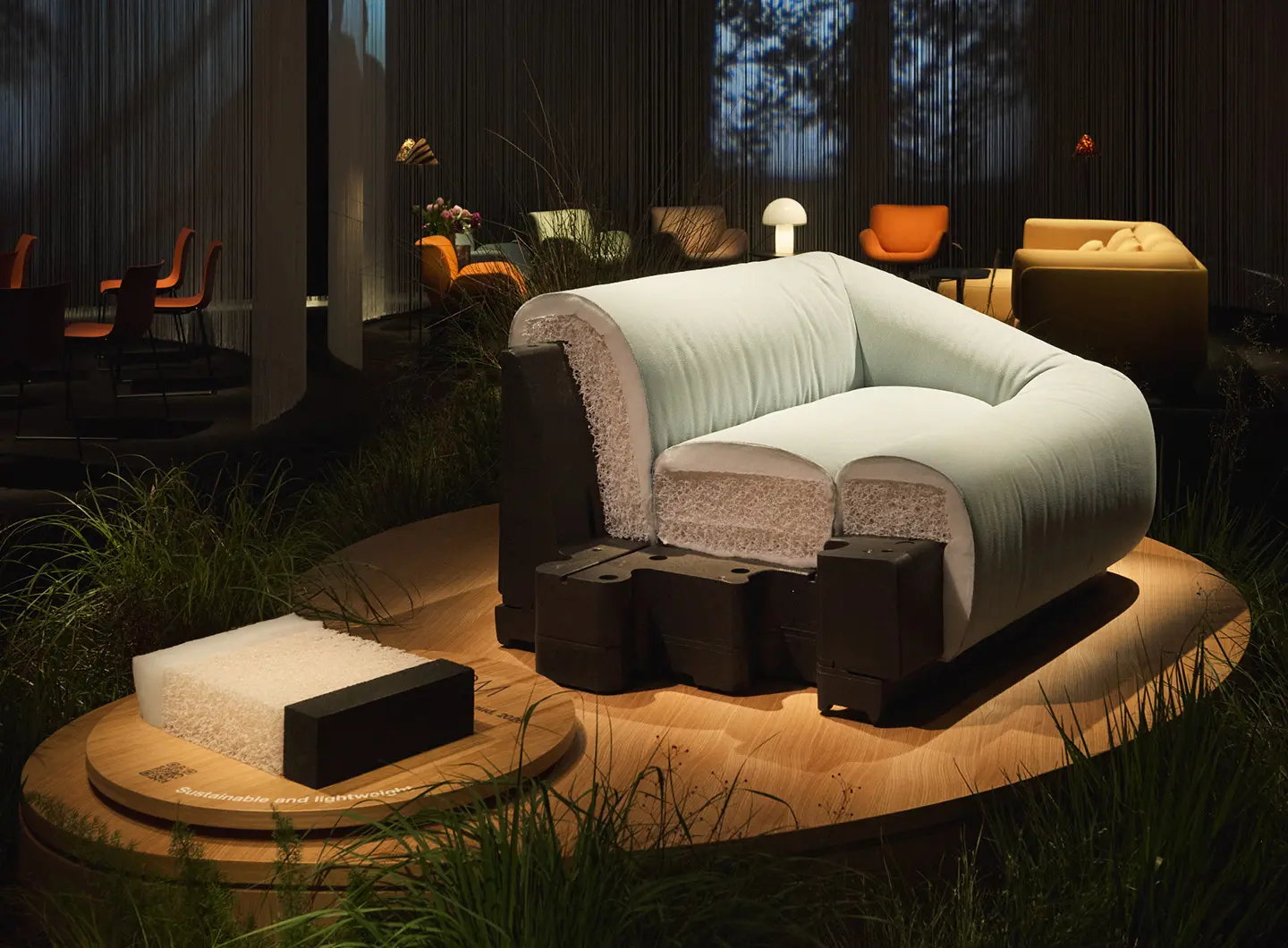
Aom, Arper, designed by Jean-Marie Massaud, Salone del Mobile 2026 - Ph. Stefania Zanetti, Matteo Bellomo
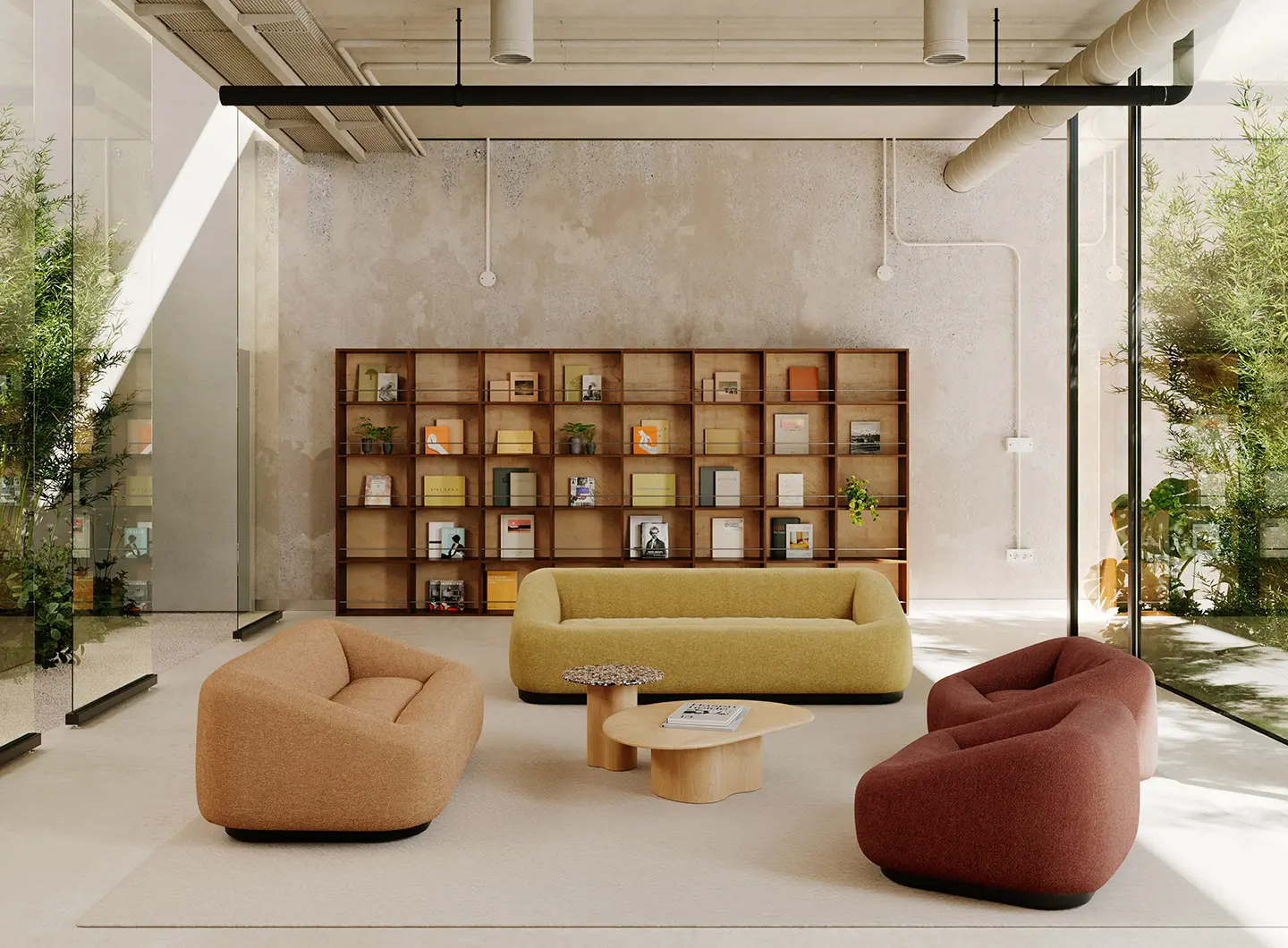
Aom, Arper, designed by Jean-Marie Massaud - @Arper
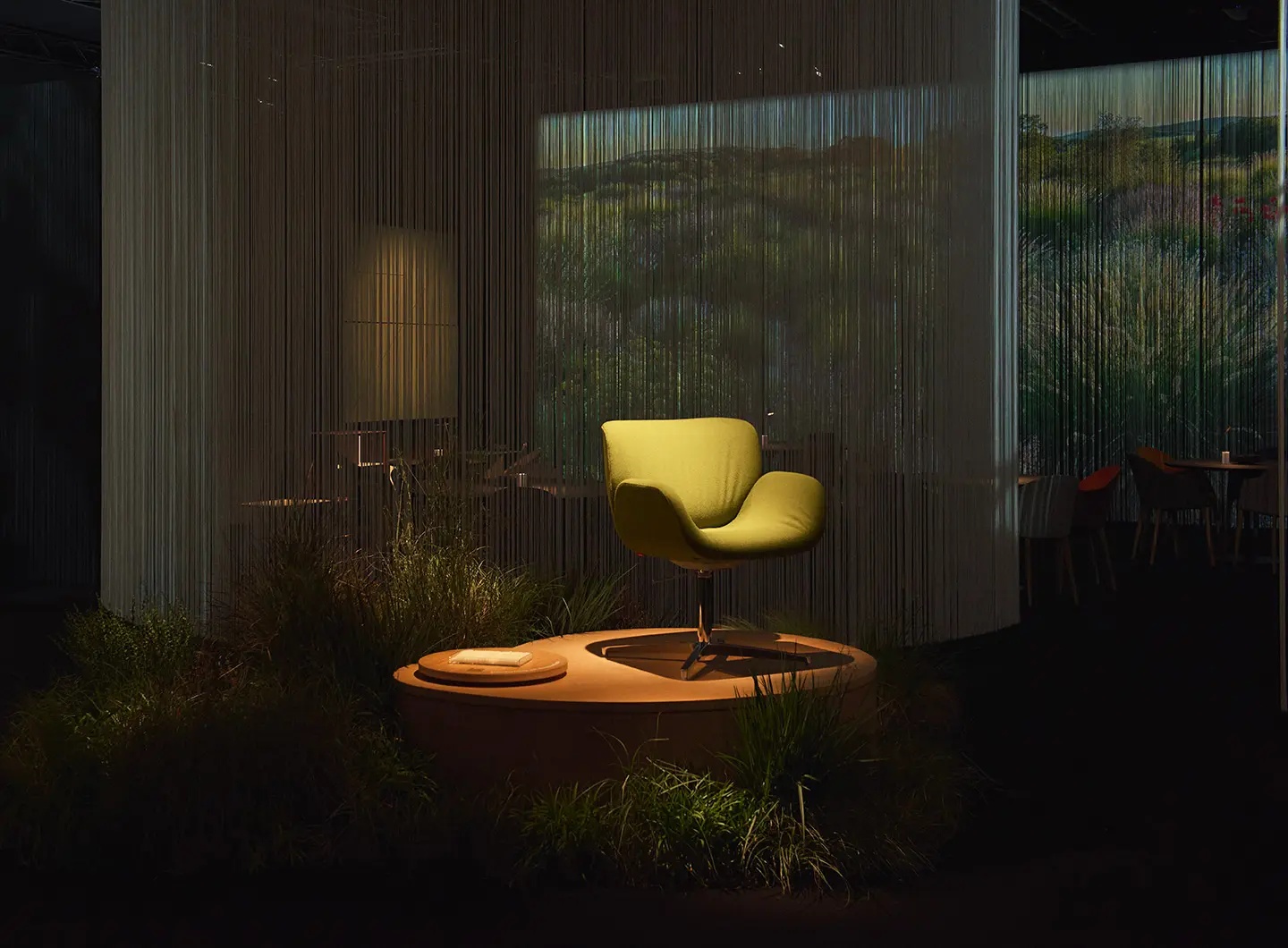
Cari, Arper, designed by Doshi Levien, Salone del Mobile 2026 - Ph. Stefania Zanetti, Matteo Bellomo
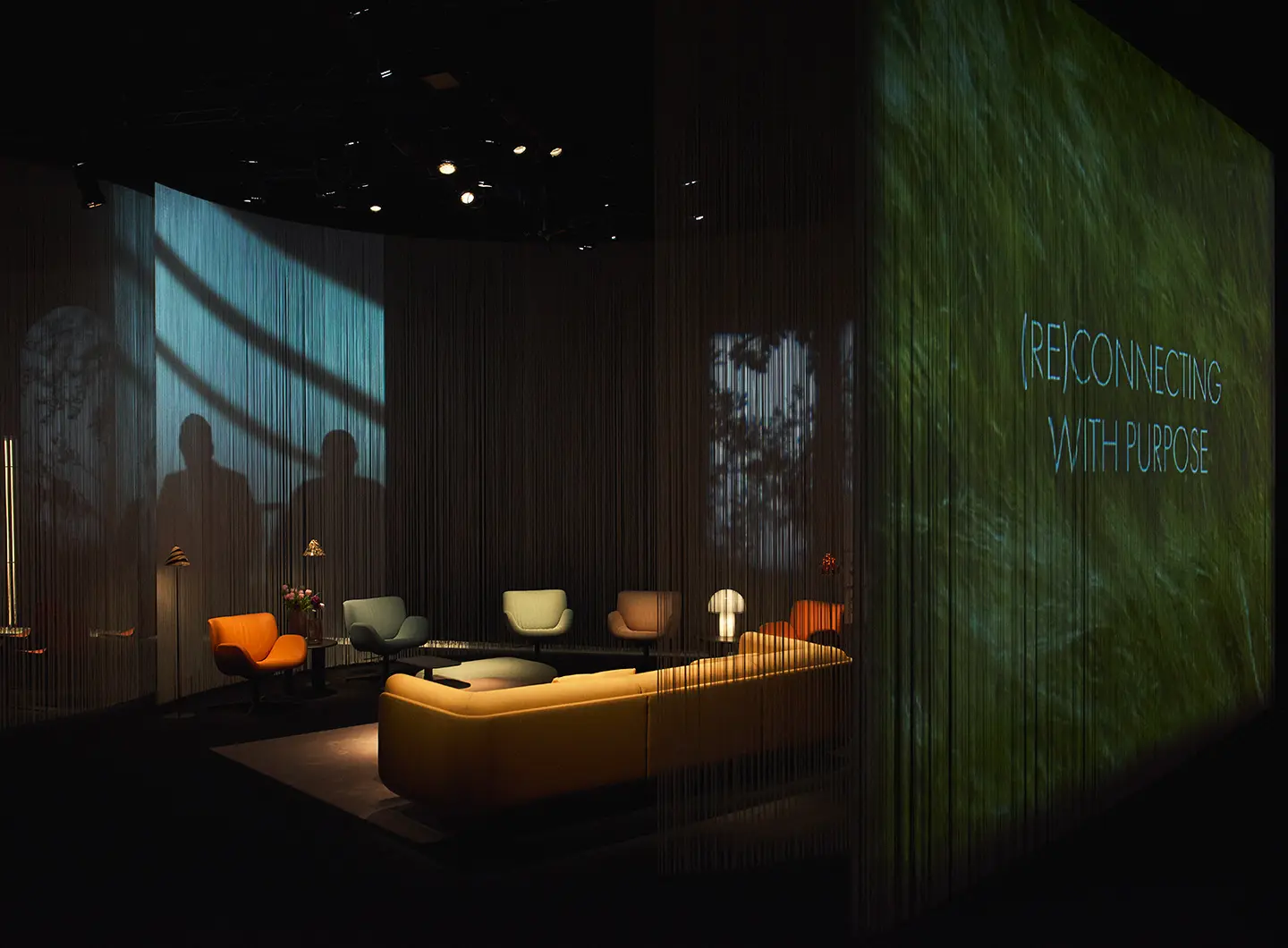
Cari, Arper, designed by Doshi Levien, Salone del Mobile 2026 - Ph. Stefania Zanetti, Matteo Bellomo
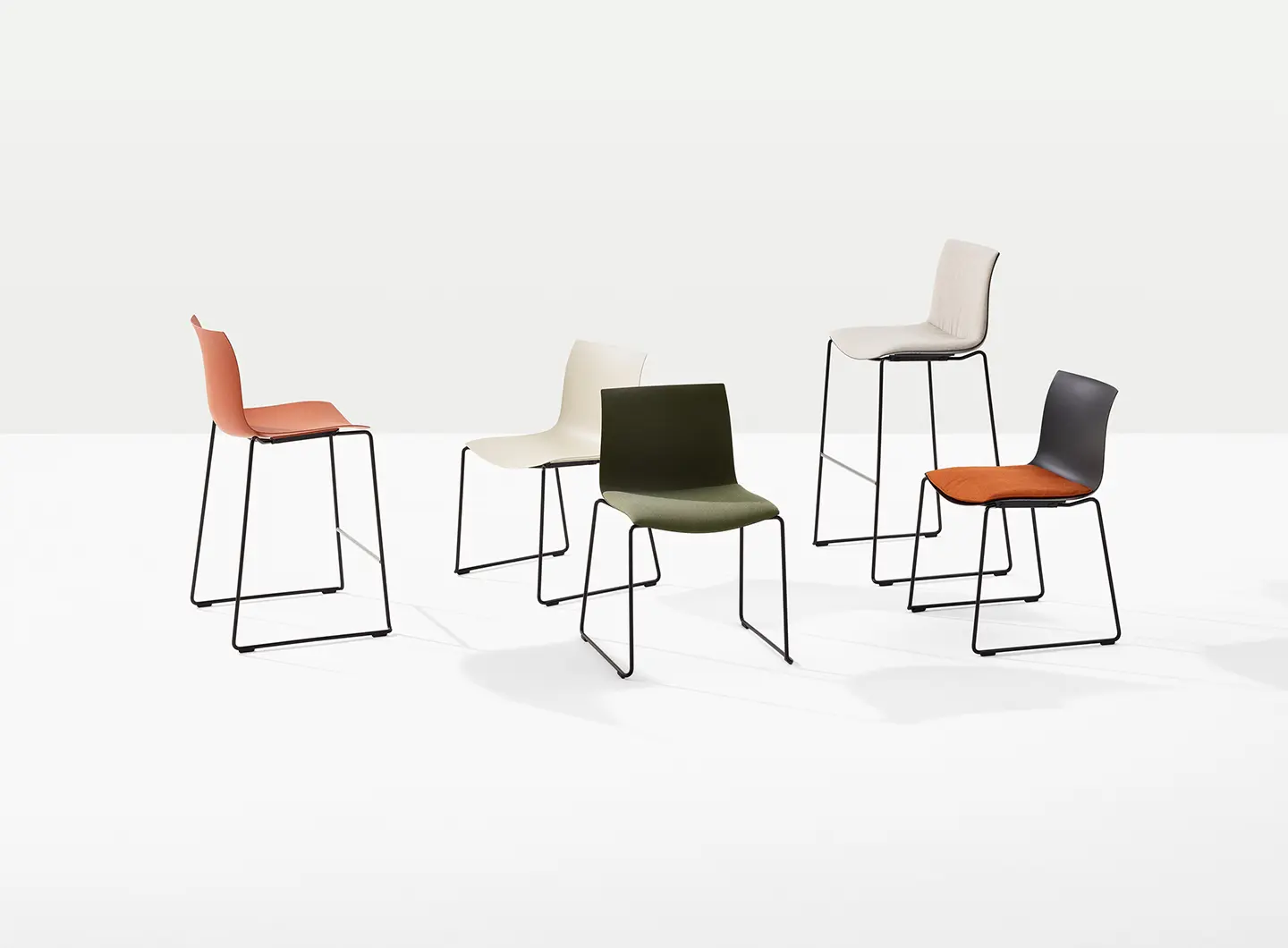
Catifa (RE) 46, Arper - @slowphoto
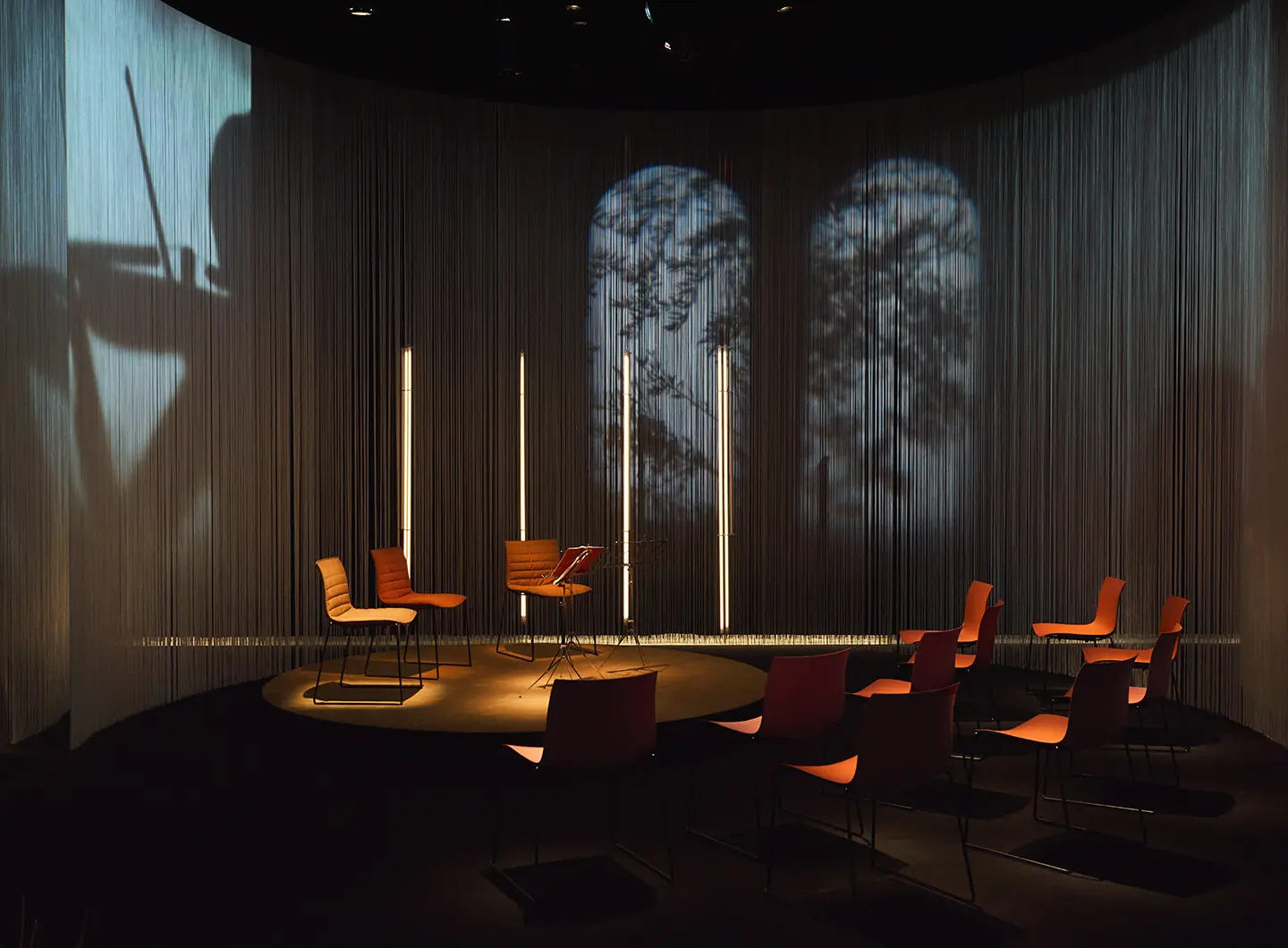
Catifa (RE) 46, Cari, Arper, Salone del Mobile 2026 - Ph. Stefania Zanetti, Matteo Bellomo


Circularity is also the basis of Cari, the new armchair by Doshi Levien, designed by favoring the use of recycled and recyclable materials and completely disassembled at the end of its life cycle. And a must-see at the center of the stand was the historic Catifa in different versions: a reinterpretation of the iconic Catifa 46 which now becomes Catifa (RE) 46, with a shell made out of 100% recycled plastic, with a combination of post-consumer and post-industrial materials, and then Catifa Carta, launched in 2024 which with its groundbreaking PaperShell body, consisting of 29 sheets of kraft paper bonded with a 100% natural resin, representing an absolute innovation.
The layout then continued towards the “vignettes” designed to explore different ways of relating to ourselves, others and everything around us. The first was designed for relaxing; then there was a library, a boardroom, an auditorium devoted to listening and sharing, and finally a lounge. The goal: to rediscover oneself and relationships with others in an interconnected, continuous and constant dialogue on issues such as the environment, beauty, creativity and knowledge. After all, it is Cetin himself who reminds us that “design is a way of thinking and planning that focuses on people and their relationship with the world around them”.
Read also: Innovation in materials according to Arper
Highlight content