

 Salone Selection


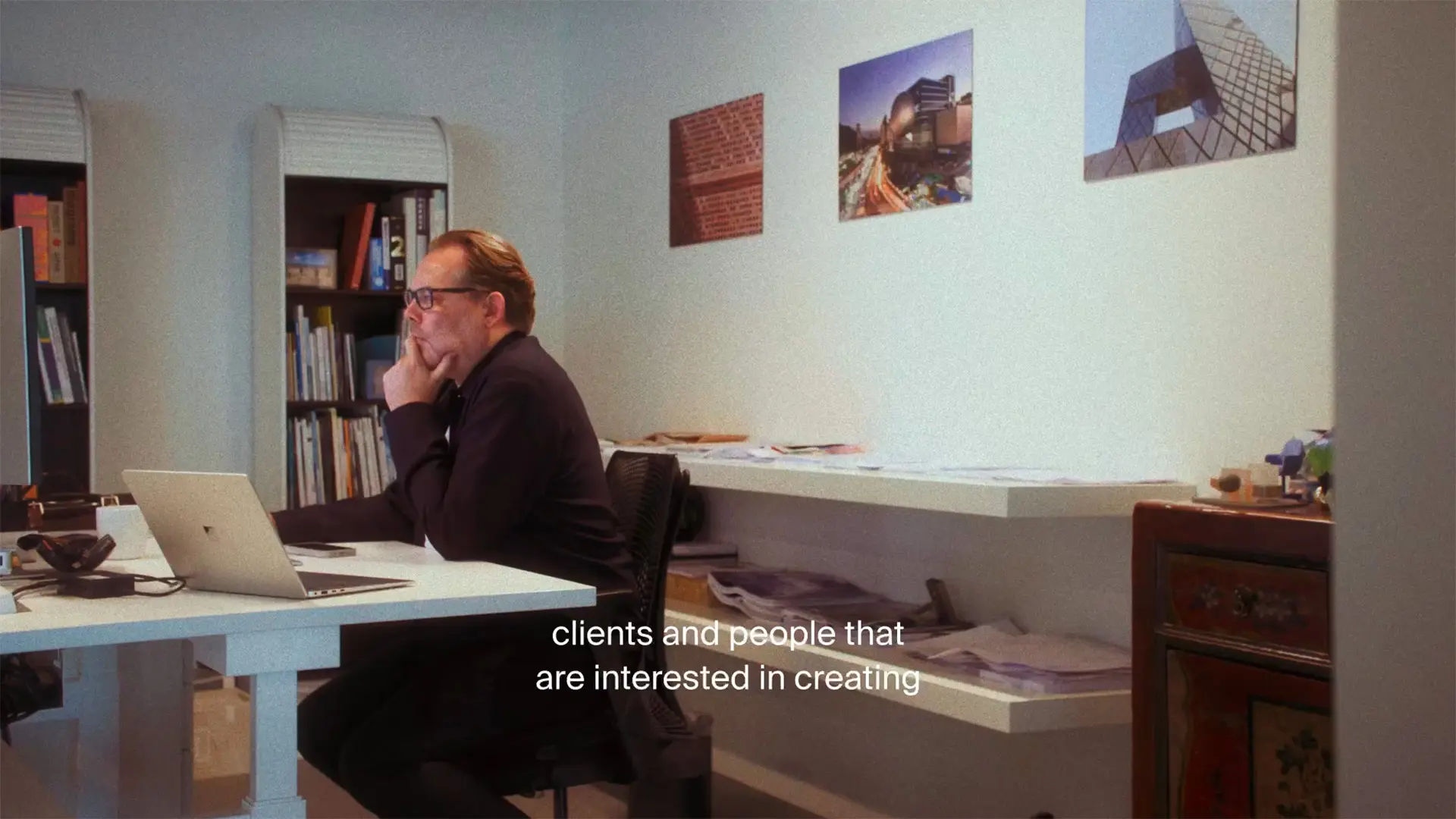
At the OMA studios in Rotterdam, we met David Gianotten to explore the vision behind the Salone Contract masterplan. A project that redefines the boundaries between architecture, integrated systems and major international flows
ADI Design Museum: the Compasso d’Oro collection reinterpreted from scratch
Text by
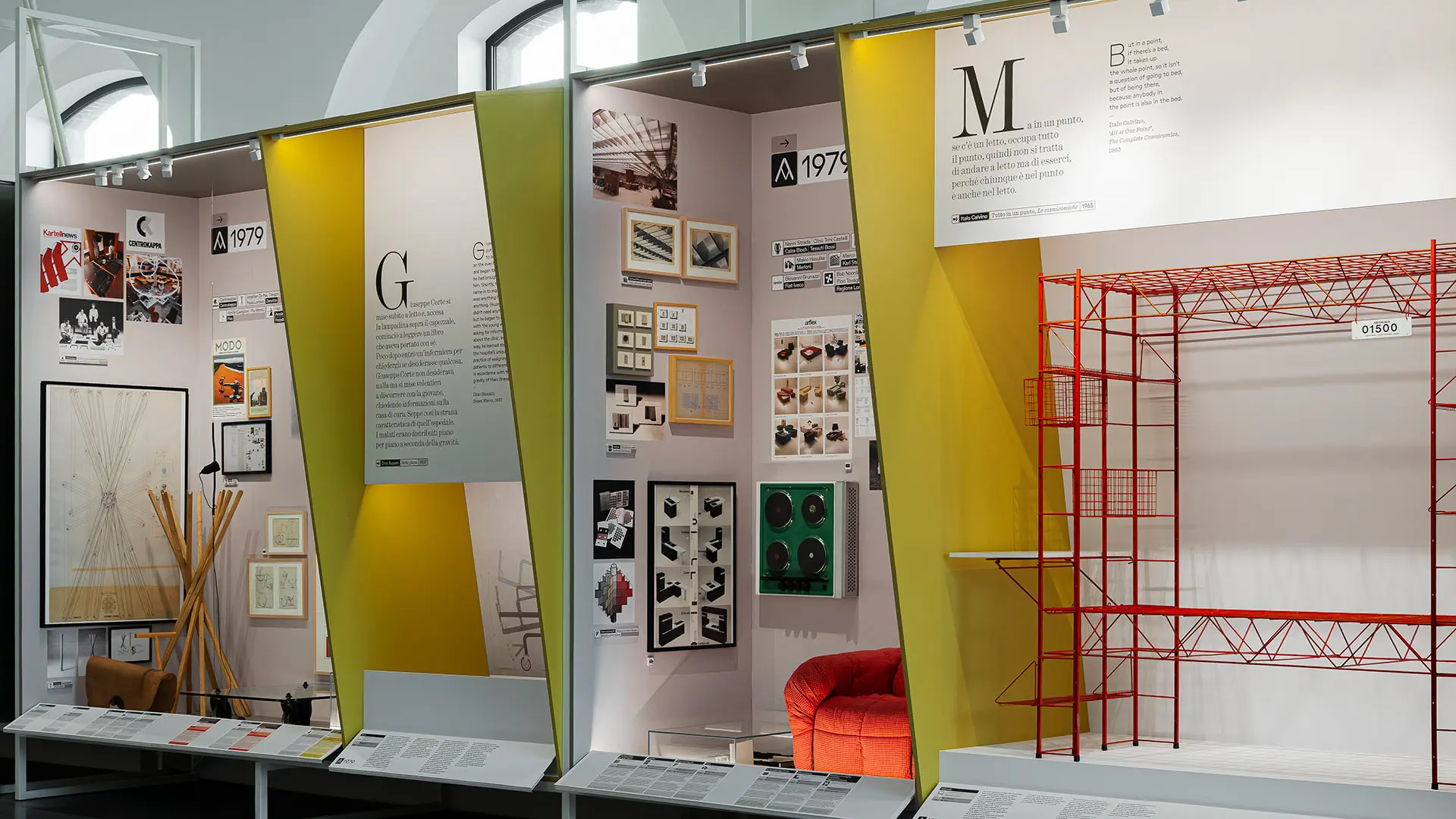
ADI Design Museum - Ph. Denise Manzi
Five years since it opened, the museum in Milan presents the first new scientific reordering of its Historical Collection. Curator Maite García Sanchis relates how the way of interpreting over seventy years of design is changing, while Domitilla Dardi explains why the “Anthological” study enables the award-winning objects to dialogue with literature
The link between the Salone del Mobile.Milano and the Compasso d’Oro passes not only through the stands of its exhibitors, many of whom appear in the award’s historical collection. On 22 May, the Salone itself received the ADI Compasso d’Oro, in the category dedicated to research and editorial projects, for its Annual Report “Design (Eco) System Milan”, conceived by the Observatory of the Salone with the School of Design of the Politecnico di Milano. Added to this was the Honourable Mention received by “The City of Lights”, the great curatorial project featured in Euroluce 2023.
A few months later, on 23 September, the ADI Design Museum presented the collection’s first new ordering since it opened in 2021: “The Collezione of the Compasso d'Oro: Featuring a Species in Evolution”, curated by Maite García Sanchis, with an exhibit design by Matteo Vercelloni and graphic design by Francesco Franchi and Davide Mottes.
“The Compasso d’Oro Collection is changing by definition; it expands with each edition of the award,” explains García Sanchis. It is also a vast archive, which includes all the winners and the documents that accompany them: sketches, technical drawings, publications, correspondence, photographs of the objects and awards, internal ADI correspondence. “Such an immense archive deserves to be presented from several points of view.” The new itinerary features over 400 objects and projects, from 1954 to 2026. Each is accompanied by a short text indicating an aspect to be explored, because “often an object has a broader history in its genesis or its effects”. Each project then enters a story that goes beyond its own edition: materials, types and recurrent questions enable us to follow the evolution of the challenges of design in Italy. “In the fifties and sixties, texts on plastic products celebrated the new material,” observes the curator. “Today plastic is a key issue in the circular economy.”
The subtitle speaks of an “evolving species”. It is not just design that is evolving, but the culture of design and the society that expresses it. In the first editions, the award built a space for a new aesthetic bound up with the modern way of seeing the world, “a functionalism loyal to construction and materials”. In recent decades, however, there has been a shift in sensibility, an expression of the maturity of a very broad system. “The nature of the award-winning projects is more varied, and the apparent uniformity of thought due to the context of an era is fading.” But the most obvious novelty concerns the perimeter. For the first time, the exhibition features winners of the Compasso d’Oro for Lifetime Achievement in product design, established in 2020 to reward ex post objects that have become archetypes. Along the way, these projects are marked by red captions. These are names that the Salone’s public knows well. In 2020, the award went, among others, to the Arco lamp by Achille and Pier Giacomo Castiglioni for Flos and the Nathalie bed by Vico Magistretti for Flou. The international editions begun in 2015 with the Universal Expositions, recognizable by the blue captions, also enter a new mode: among the 2025 winners is the H.H.H. chair by Philippe Starck for Kartell. For this reason, García Sanchis concludes, the Collection “is not a closed catalogue, but the portrait of a discipline that is expanding”.
Read Also : The Compasso d’Oro award for the Annual Report and an Honourable Mention for “The City of Lights”
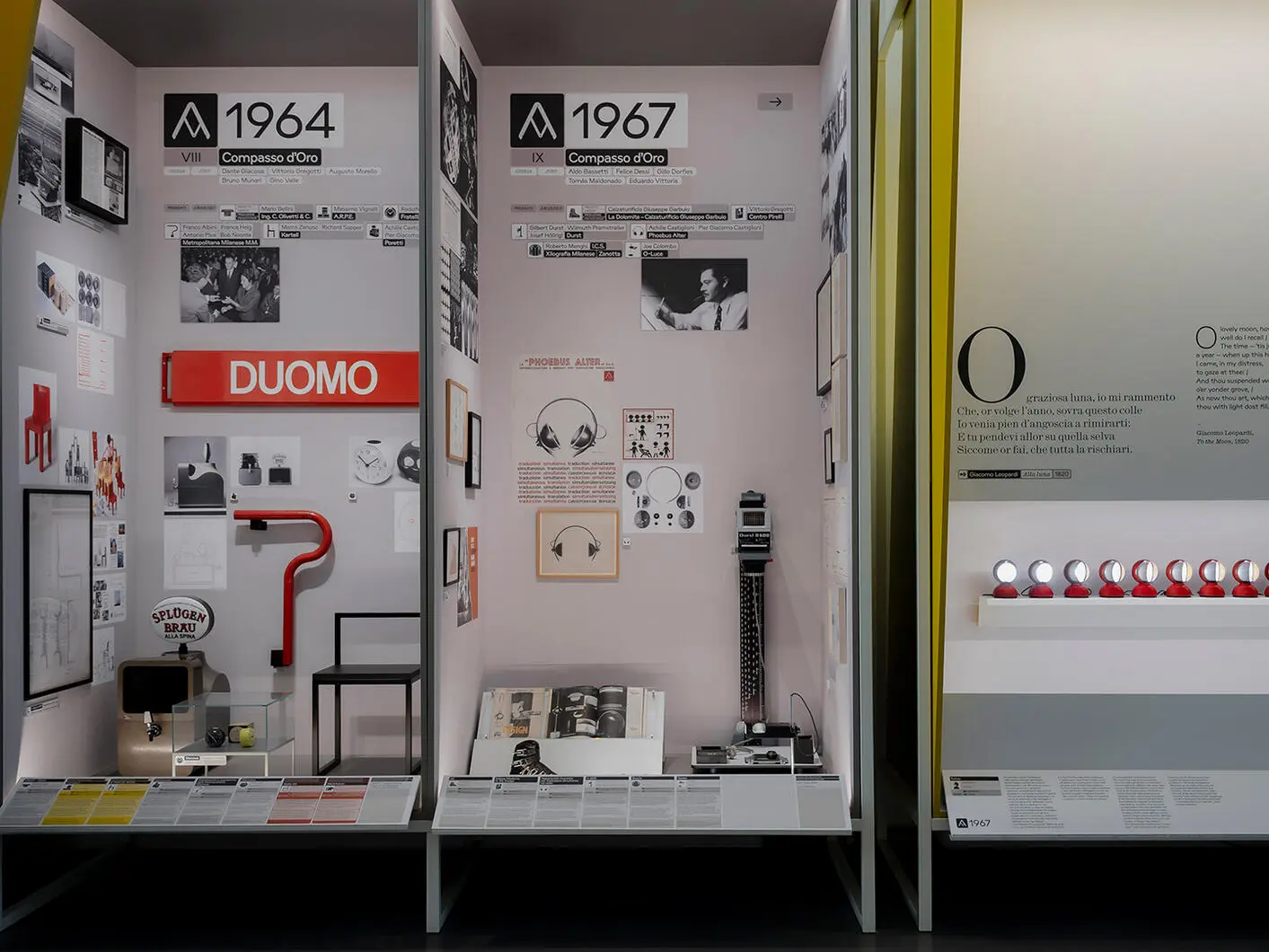
ADI Design Museum - Ph. Denise Manzi
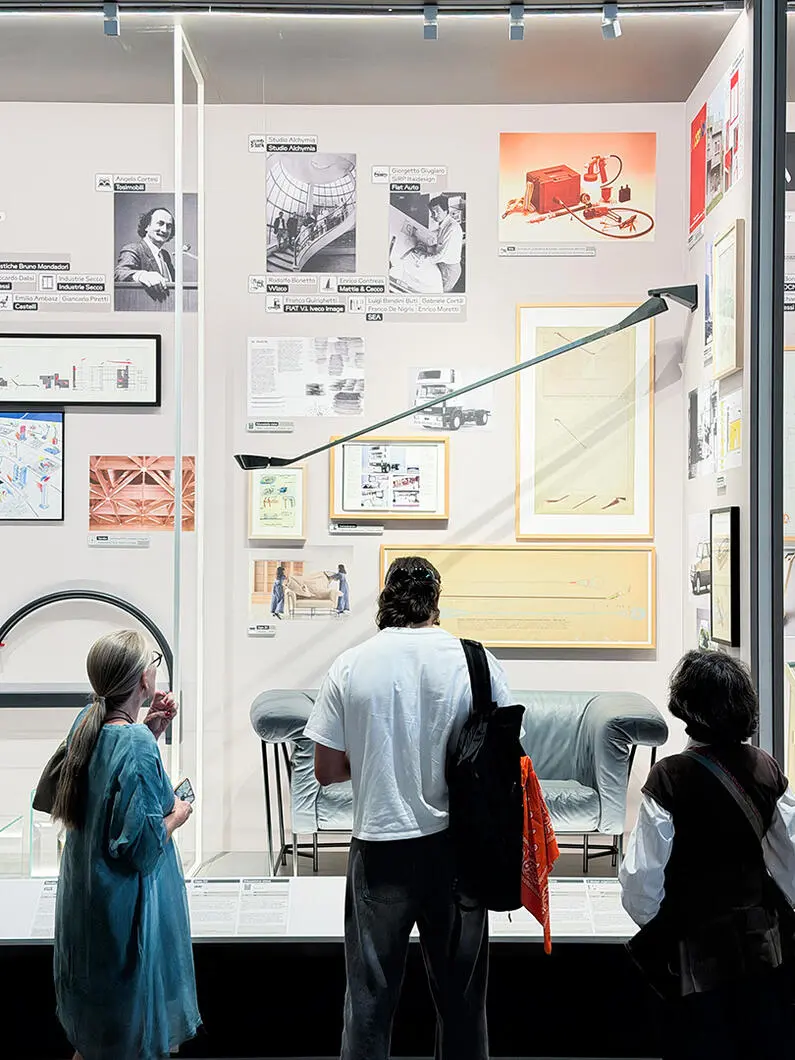
ADI Design Museum - Ph. Denise Manzi
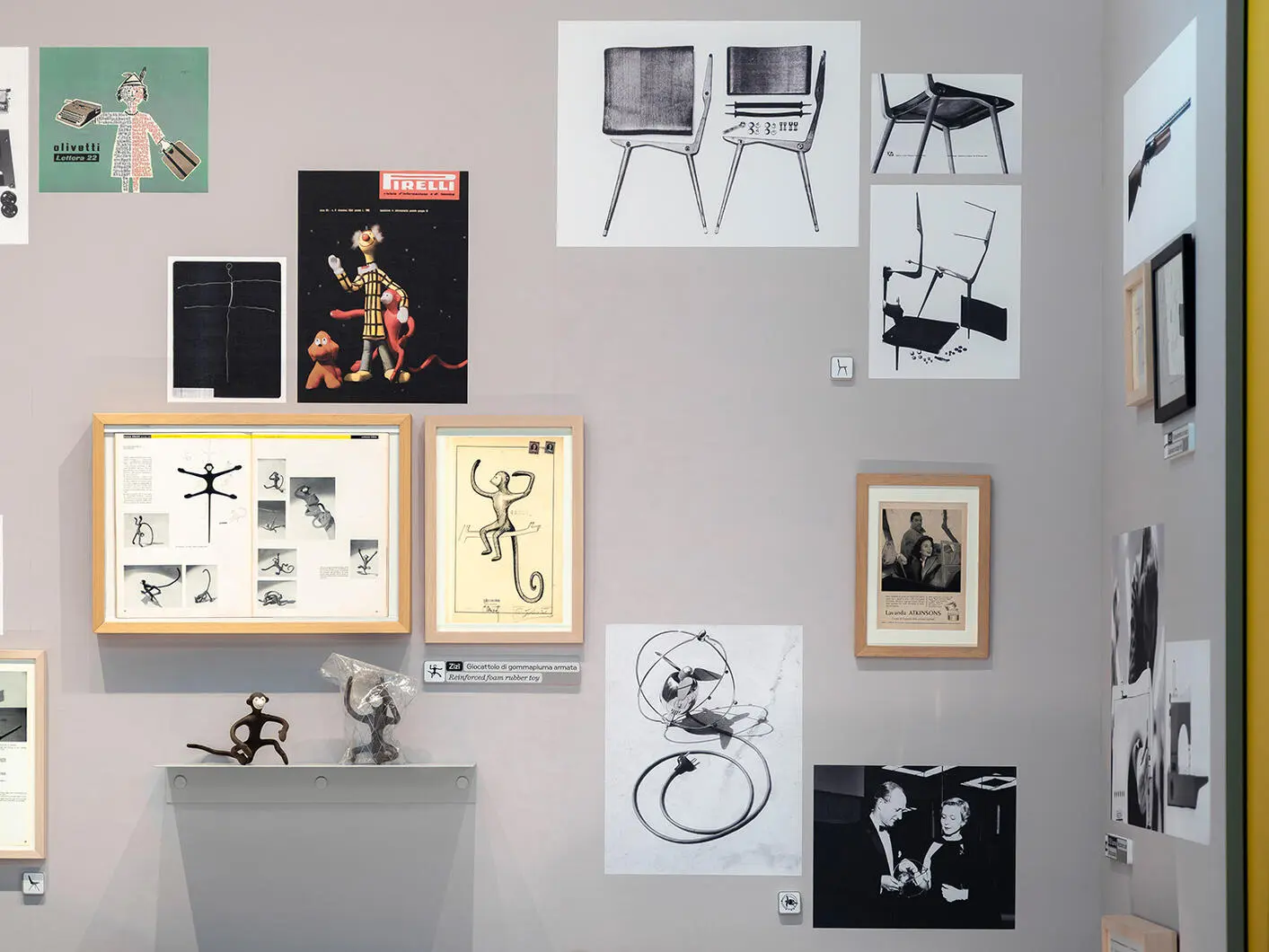
ADI Design Museum - Ph. Denise Manzi
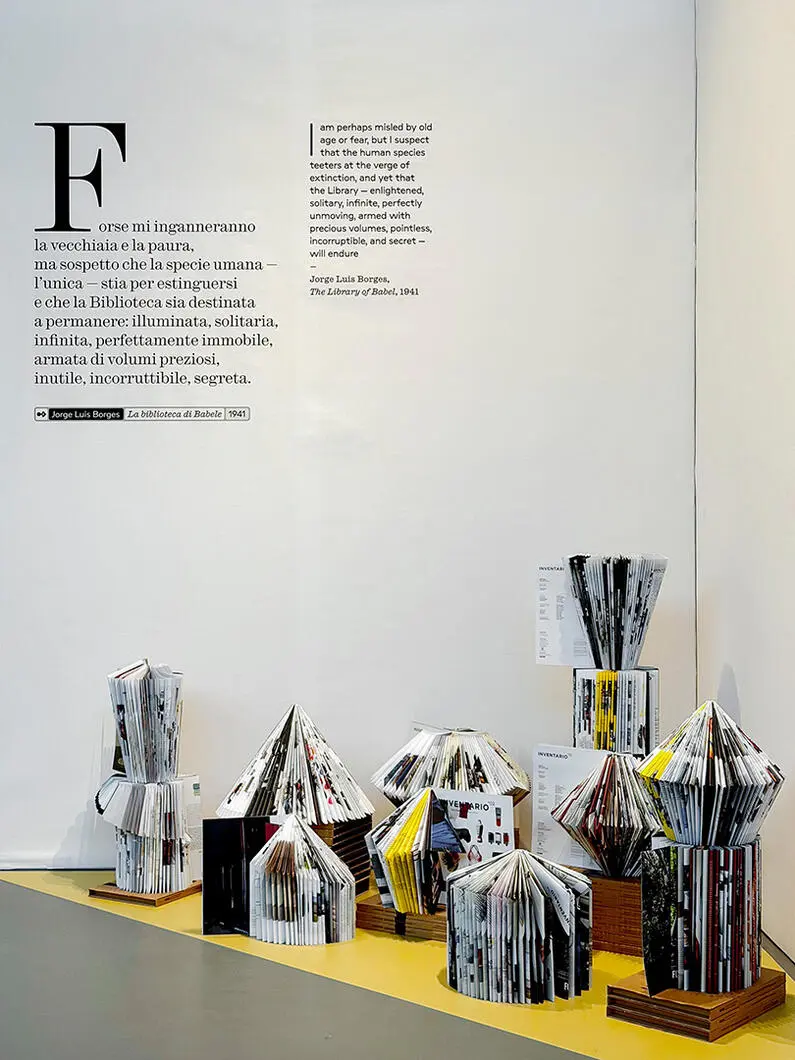
Courtesy of ADI Design Museum
ADI Design Museum - Ph. Denise Manzi
ADI Design Museum - Ph. Denise Manzi


The declared goal is to highlight where ingenuity lies in each project. “When a project is very successful, it seems natural, the right answer to the question,” observes the curator. “Knowing the path that led there, on the other hand, opens up many points of interest, for designers as well as for the public.” In the Hope lamp by Paolo Rizzatto and Francisco Gómez Paz for Luceplan, for example, the diffusers in thin sheets of plastic emulate a Fresnel lens: a typological renewal that works with optics to create a new effect, alluding to the classic chandelier.
And the relationship between designers and companies “tells of a relationship made up of listening and shared risk,” replies García Sanchis. Behind many objects there are companies that invest in experimentation, sometimes even gaining patents, or that dare with materials and techniques never used before. For this reason, the faces of those who designed it also appear among the documents. The experiment on the variable section that makes the Myto cantilever chair possible, for example, is rendered by a portrait of Konstantin Grcic and Martin Plank who discuss its progress with the object in their hands. “Ingenuity lies not only in the final form, but in the conversation between those who design and those who produce.” Corporate stories thus traverse the layout. Kartell, for example, runs through it almost from the start, from Gino Colombini’s KS 1146 bucket (1955) to Marco Zanuso and Richard Sapper’s children’s chair (1964), and the Bubble Club sofa (2001). The 2026 edition adds the Array sofa by Snøhetta for MDF Italia and the Bilboquet lamp by Philippe Malouin for Flos.
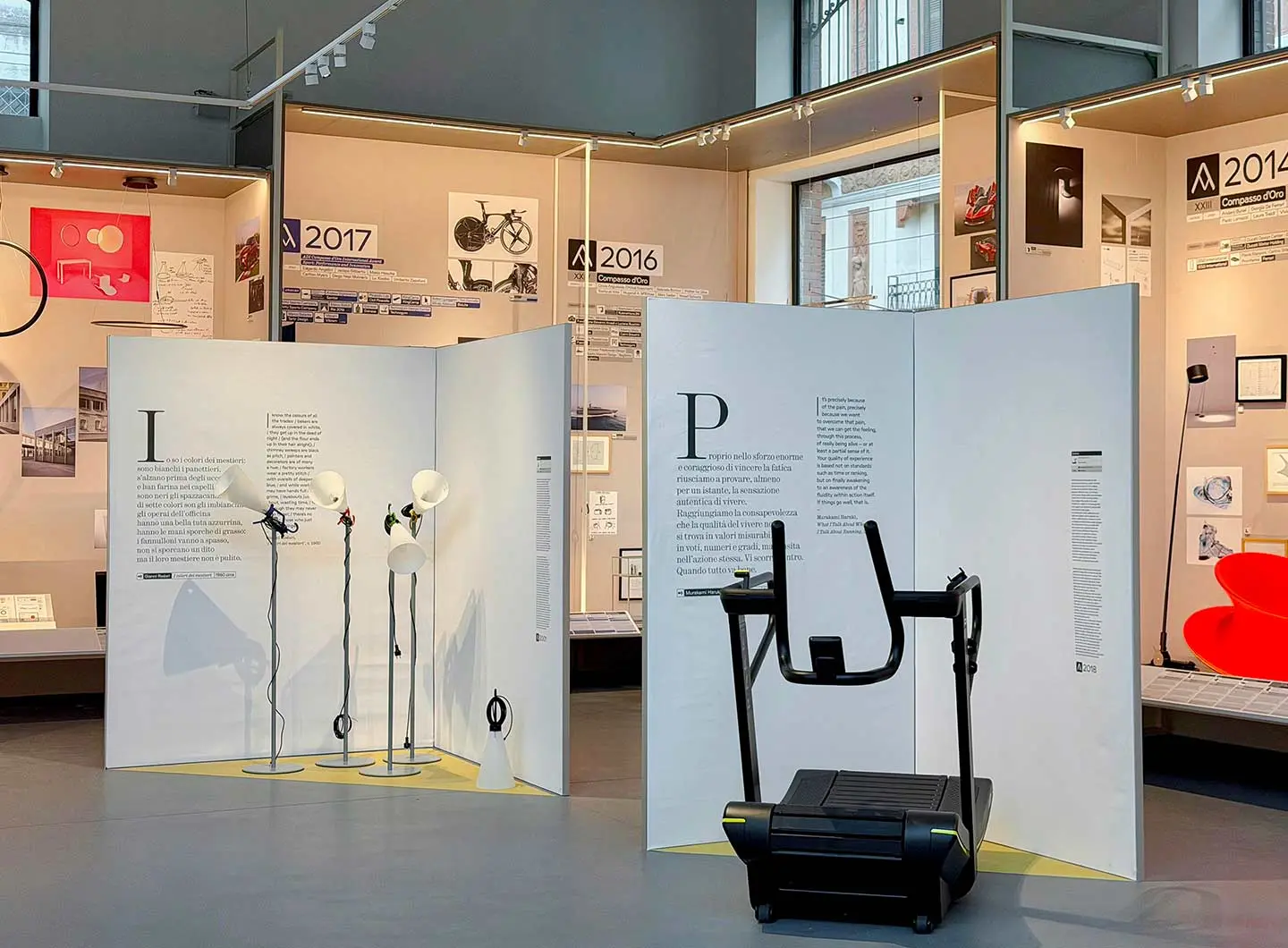
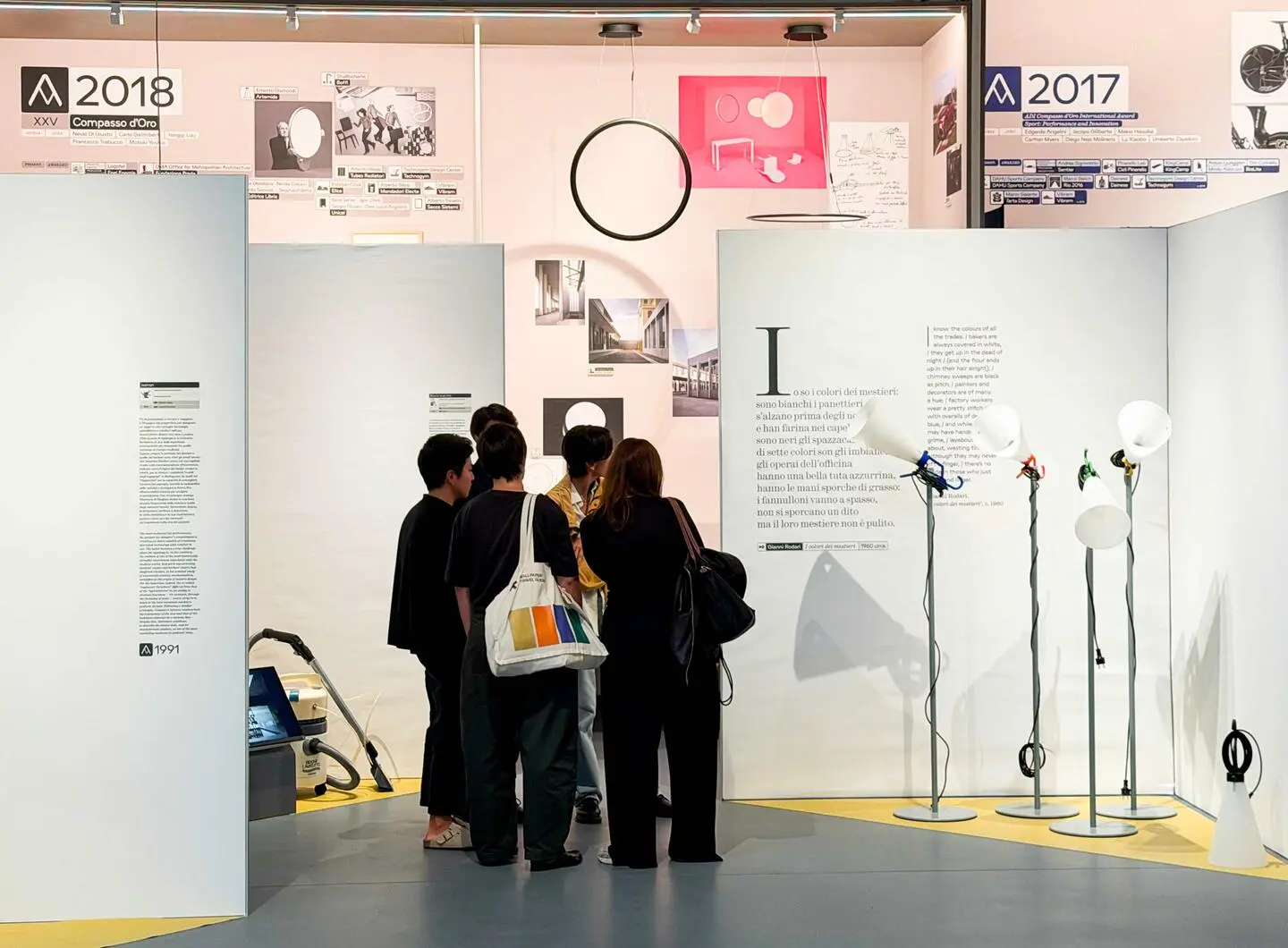
Beside the permanent there is the fourth thematic study, “Anthology. Objects between the Lines”, curated by Andrea Anastasio and Domitilla Dardi. By free association, it juxtaposes some award-winning projects with passages from world literature, in a sequence of almost theatrical backdrops that leave room for everyone’s memories. Why literature? For Dardi, the answer lies in the link with the imagination. When we read a book we imagine, and link that story to something we know; in the same way, objects also tell a story. “The literary text does the same and opposite thing,” he explains, “and for this reason our anthology is only a thought activator. Each visitor deepens and discovers what the emotional experience is.”
Behind the operation is an idea of the museum as an institution capable of taking a stand. “The role the ADI Design Museum pursues,” writes its president Luciano Galimberti, “will increasingly be to unearth the future.” The next step is the permanent space devoted to Gio Ponti, creator of the award, expected by the year’s end. The museum will thus arrive at the Salone 2027, from 13 to 18 April, in a renewed guise.
9 October 2026
Share