

 Sustainability


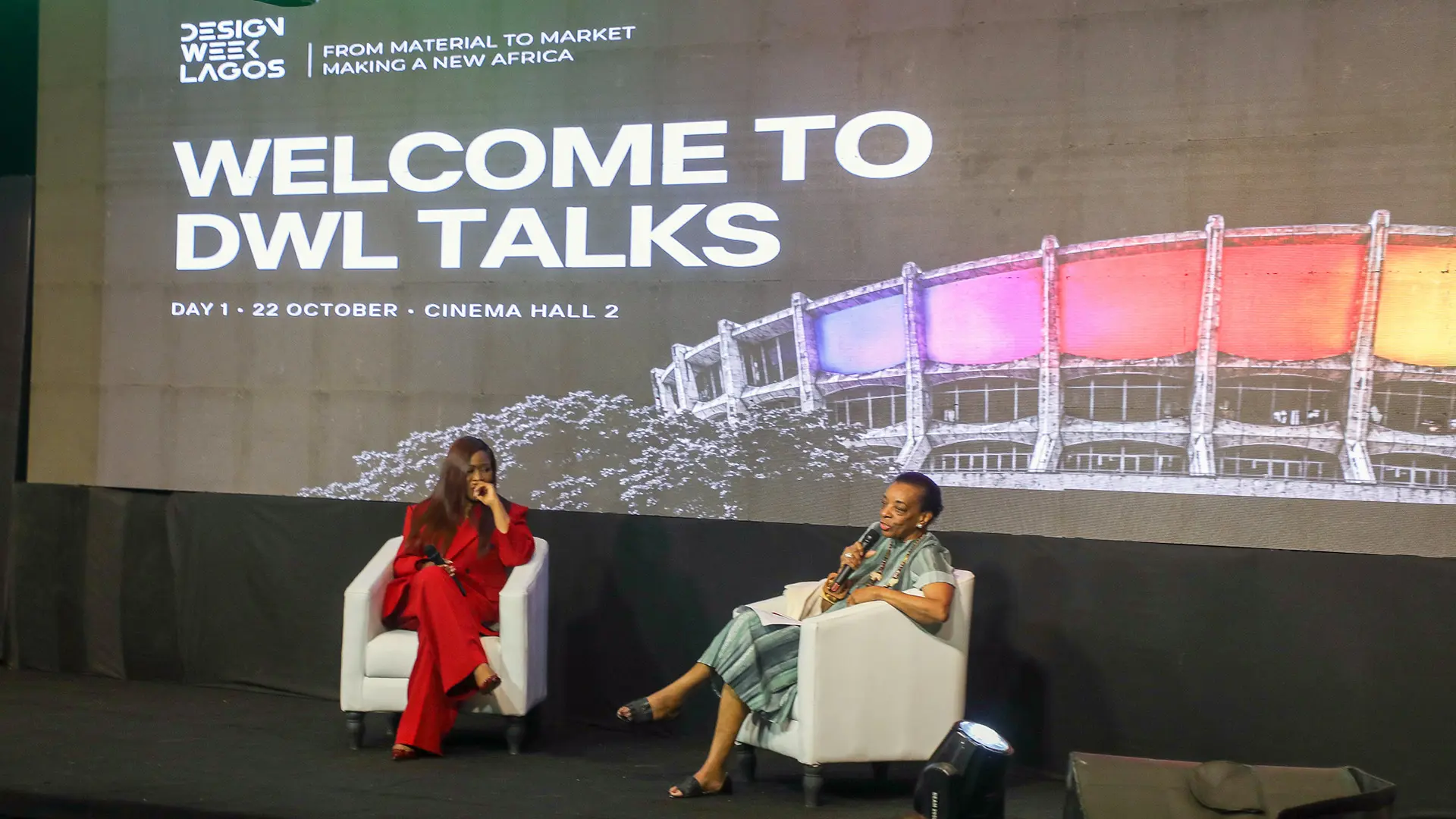
The Salone del Mobile.Milano World Tour will touch down in Nigeria on 21st and 22nd October for Lagos Design Week 2026, the epicentre of the new pan-African creative scene. Amidst fresh creative visions and international dialogue, the first edition of the IDEA Honours will recognise Marva Griffin Wilshire, founder of SaloneSatellite, architect and critic Lesley Lokko, and artist Yinka Shonibare.
Urban regeneration in Italy. Stories, prospects, projects
Text by
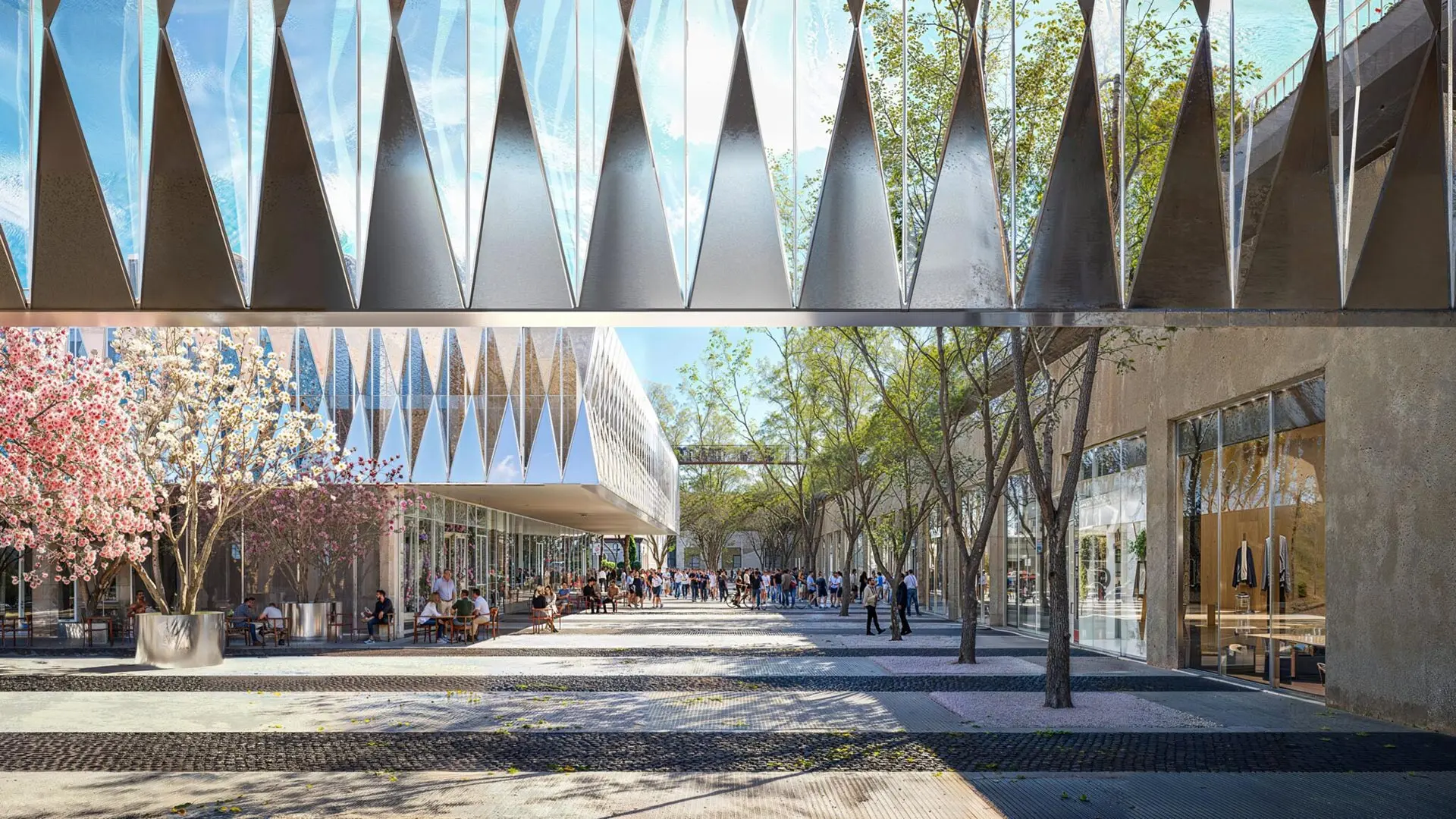
Former ATAC depot in the Prati-Delle Vittorie district, Rome – Project by Stefano Boeri Architetti
What can urban regeneration achieve in the stratified Italian urban fabric? How can regenerative practices enhance the redevelopment of cities and neighborhoods, reactivating the existing heritage, now often in disused or abandoned? An overview
No stranger to inappropriate uses and irrelevant associations, the term urban regeneration has experienced an unprecedented rise in recent years. Used with rigor and full awareness by some, opposed by others, improperly involved in operations that often kindle public debate, it covers a broad spectrum of modes of intervention. What they have in common is the purpose of redeveloping areas in a decayed, abandoned or underused state, recovering the buildings within them. In practical terms, it can be implemented with variable forms, timelines and budgets. It may be the result of pressures and urgencies raised by residents, associations and other subjects, just as it may be driven by public, private or public-private investments. Acting on the existing heritage, to relaunch it and give it new functions (including those of collective interest) is the starting point of urban regeneration projects. In the national context, undertakings of this kind are affecting the main urban nuclei, medium-small cities, outer-city contexts and villages. There are targeted and widespread operations underway everywhere (or else they are in the planning and definition phases), motivated by the purpose of rewriting the future of whole urban sectors, circumscribed portions of neighborhoods, disused architectural complexes, and above all small or large communities.
Memories of the twentieth century to be regenerated: the history of MIRA in Messina
Built in Messina in the mid-1950s, designed by the engineer Riccardo Morandi, the complex of towers named after him was part of the infrastructure for the transmission of very high voltage electricity in Sicily. An important example in the history of telecommunications in the twentieth century, the Morandi Towers ceased to fulfill this function over thirty years ago. Long considered a controversial legacy of industrial archaeology, sited close to a fishing village, they have returned to the limelight in association with Villa Pace, a residence dating from the second half of the nineteenth century with a checkered past (including the devastating Messina earthquake in 1908). These two sites in the near future will interlace their respective destinies as a result of a plan for urban regeneration and cultural revival officially presented just a few days ago in Messina. The plan concerns the nascent MIRA – Mediterranean Institute for Research and Arts, which is to be housed in the towers and the villa, following the necessary redevelopment work. The goal is to give rise to a cultural hub devoted to research, education, and contemporary artistic production in the Mediterranean, in a city that has always been a bridge between Italy, Europe, and North Africa.
Regenerating disused tobacco factories around Italy
A few years after the urban regeneration projects that are affecting disused tobacco factories in Florence and Bologna, also in other cities of Italy paths are activated for the conversion of this specific type of industrial sites, whose stories unite generations and give a cross-section of the country’s productive past. For example, the international competition for the urban, architectural and functional redevelopment of the complex of the former tobacco factory in Turin, in the former Regio Parco industrial district (in the north-eastern area of the Piedmontese capital, in its turn subject to regeneration), was awarded in the autumn of 2024. Launched by the State Property Agency, the tender was won by the group led by the studio Eutropia Architettura (masterplan and concept design: Eutropia Architettura, Pininfarina Architecture, Weber Architects; design for sustainability: Weber Architects; landscape design: Paisà Landscape, with other partners). The group conceived a project in which the recovery of the pre-existing volumes is flanked by recognizable additions of contemporary architecture. Overall, the operation aims to open an archival and cultural center, usable by citizens, and a university center also equipped with classrooms and residences for the student community, as well as the definition of new public, green and accessorized spaces.
Read also: The 15-minute city: it takes imagination to build a polycentric model
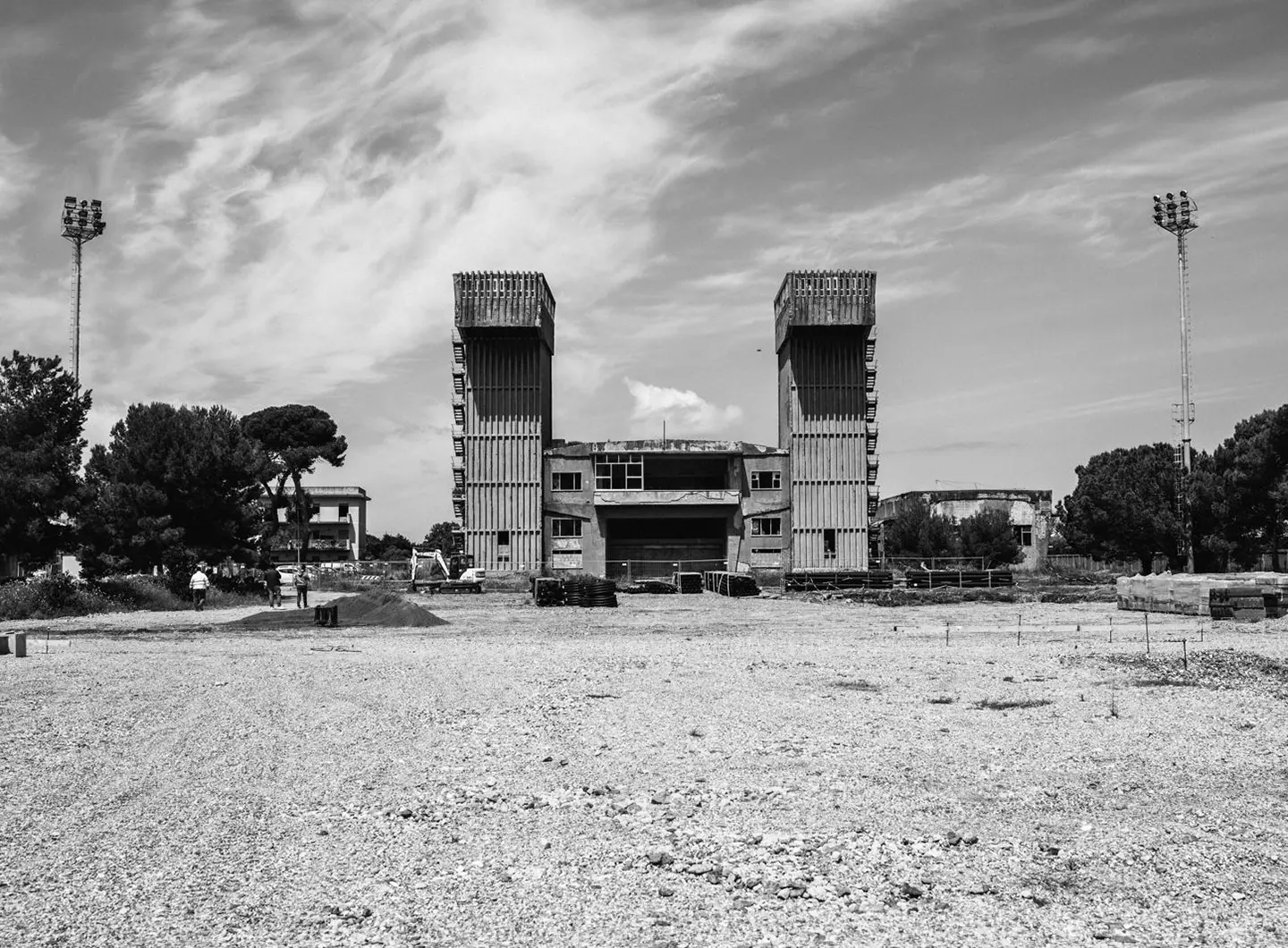
Morandi Towers, Messina - Ph. Federico Ficarra
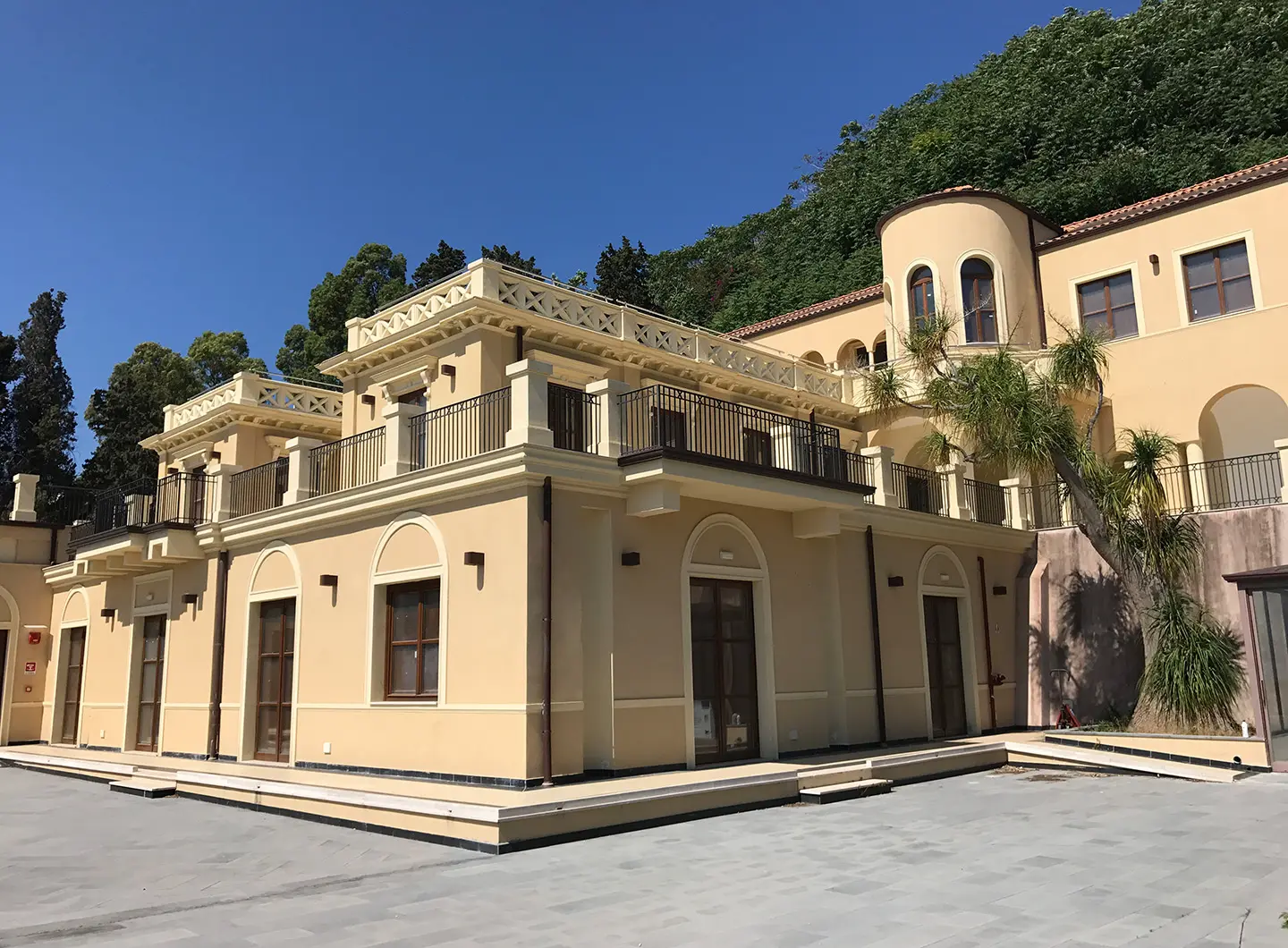
Villa Pace, Messina - Courtesy of Università degli Studi di Messina
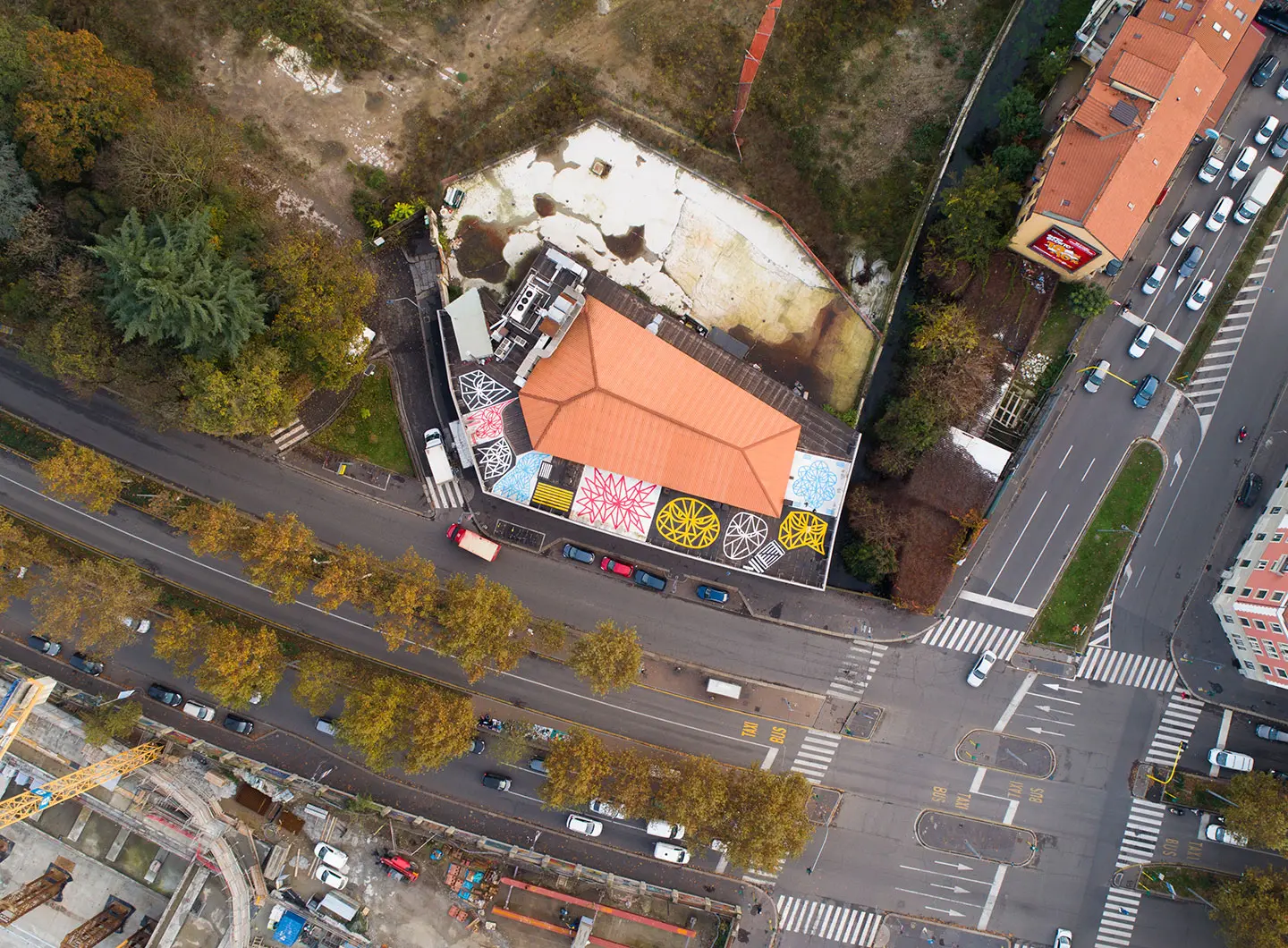
Santeria Toscana 31, Milan
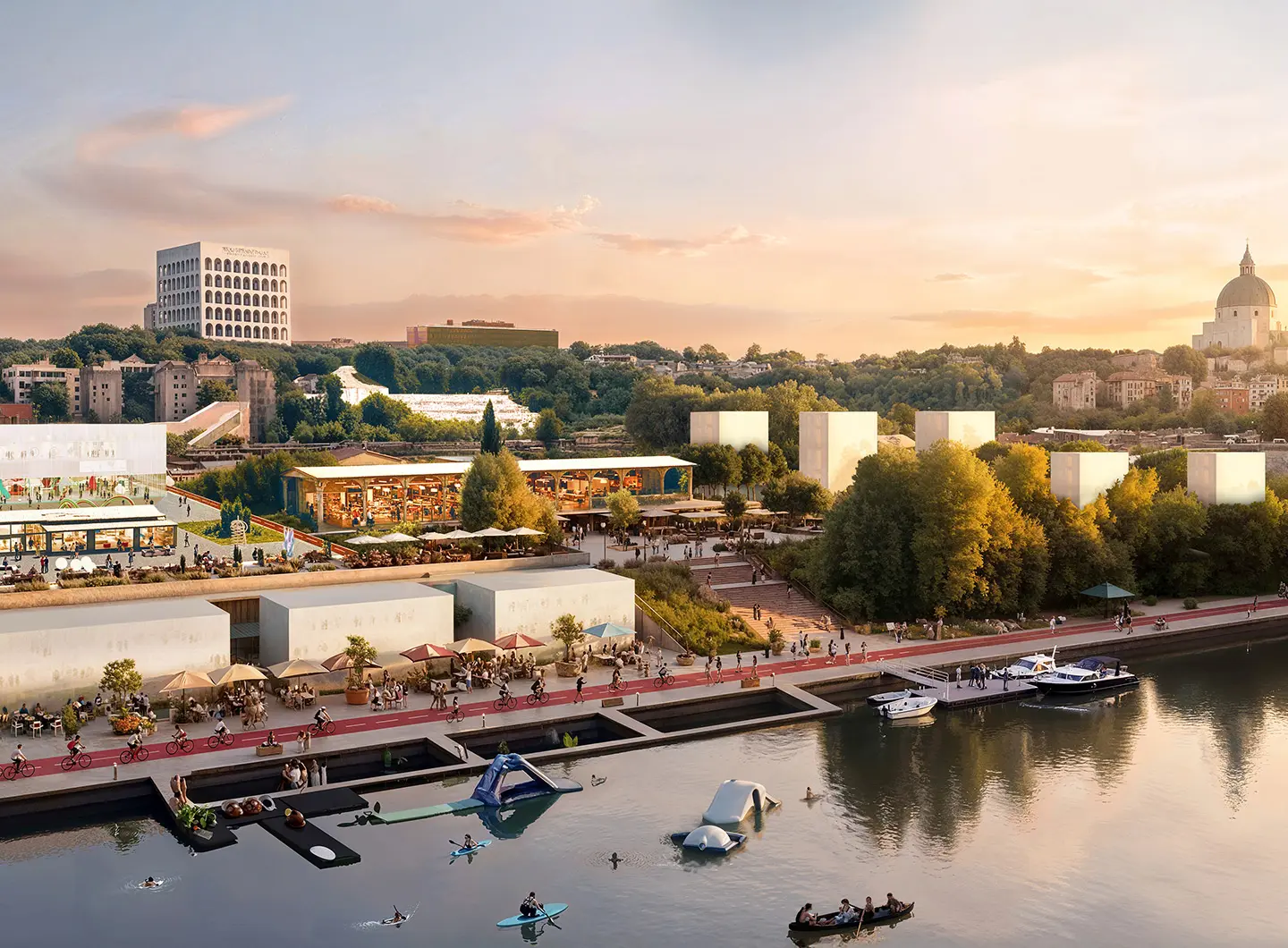
Roma Continua, A Vision For Rome, Rome - © IT’S, OMA, OKRA, NET Engineering, and LGSMA
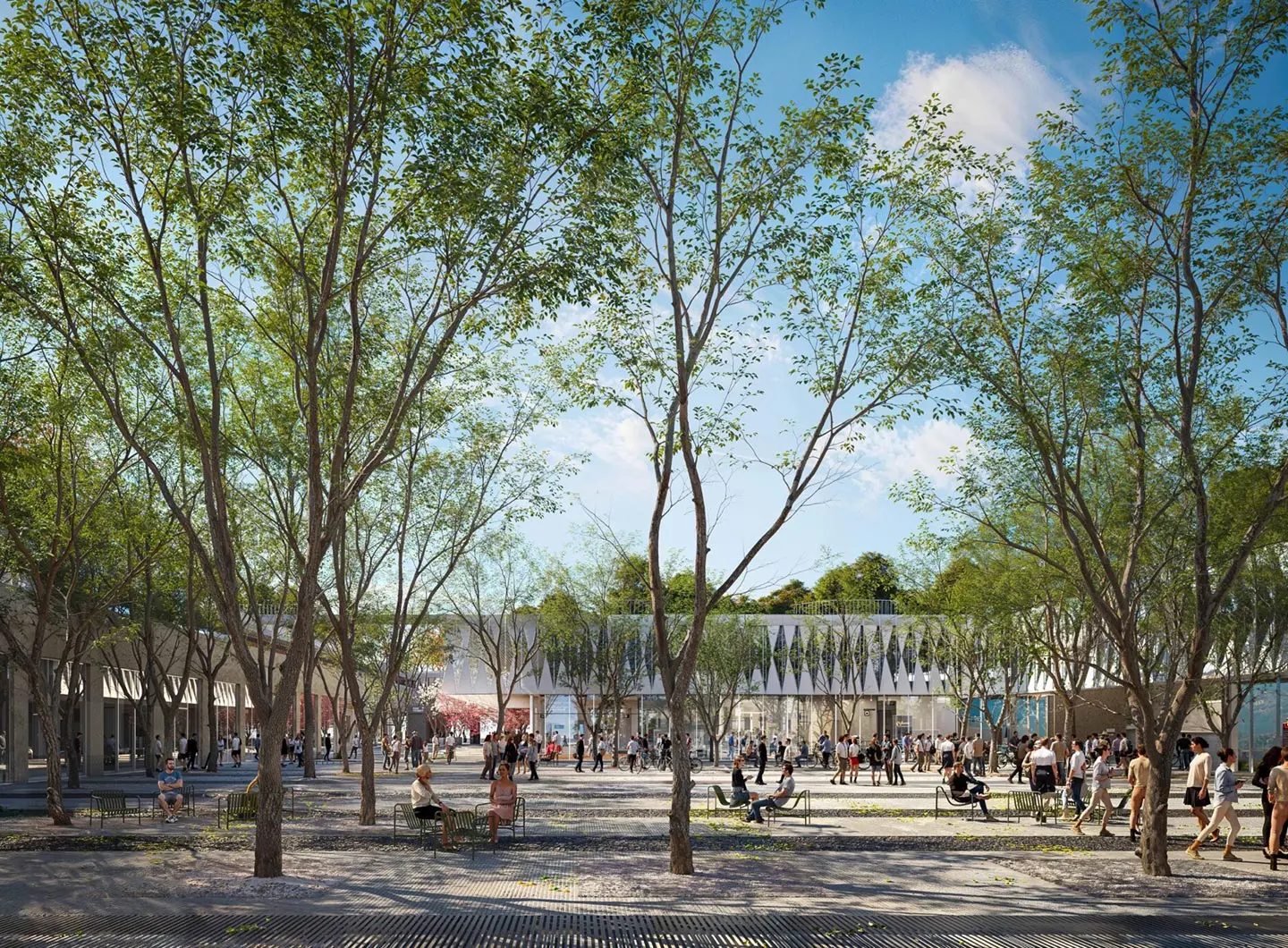
Former ATAC depot in the Prati-Delle Vittorie district, Rome – Project by Stefano Boeri Architetti


Urban regeneration and climate change: an example from Milan
Work is already going ahead in Milan on the creation of Giardino Manifesto, the new outdoor area of Santeria Toscana 31, a multifaceted cultural body active in Viale Toscana 31. Founded by the architect Cristiana Cutrona, the ReValue architecture studio (specializing in energy renovation and urban regeneration) has developed the articulated project for the cemented space outside the Santeria building. Numerous actions are planned, also encouraged by the need to stem the formation of heat islands in urban settings and introduce outdoor areas for collective use, rest and socializing. The key work in this process, scheduled for completion by spring 2027 with some intermediate steps, is the total de-sealing of the ground, followed by the creation of a rain garden covering approximately 1,000 square meters.
How to regenerate (stratified) Rome?
The special experience of the A vision for Rome competition of ideas, organized by the Fondazione Roma REgeneration, and the announced architectural recovery of a former ATAC depot, located in a strategic Capitoline district, are examined on two markedly different scales. In the first case, reference is made to an international competition, unprecedented for the city, intended to develop hypotheses and models for the future of the capital, with the gaze directed in particular at 2050. With Roma Continua, the team formed by IT’S, OMA, LGSMA, OKRA, NET Engineering and other collaborators gained first prize, becoming the bearers of “a systemic and pervasive vision of recovery and reactivation” as underlined by architect Alessandro Cambi, partner of IT’S. For David Gianotten, Managing Partner of OMA, it is a project that "radically questions the very meaning of growth for a contemporary city deeply shaped by history, culture and power. (…) Through the realignment of infrastructure, nature and reuse, we aim to create the conditions for Rome to continue to evolve according to its dynamics over the next 25 years.” The program is based on five key concepts (care, beauty, knowledge, movement, reuse) and supports the idea of a Rome without a single urban pole.
Finally, adaptation and reuse are the key words to be associated with the urban regeneration project curated by the studio Stefano Boeri Architetti, also in the capital. No longer functioning, the buildings of the former ATAC depot in the Prati-Delle Vittorie district will be recovered to accommodate a range of functions (commerce, culture, leisure); the related outdoor spaces will be redeveloped with a system of trees and a piazza. The project includes the construction of a hanging park of 8,000 square meters placed at a height of 15 meters, also to be used to exhibit artworks en plein air.
15 July 2026
Share