

 Exhibitions


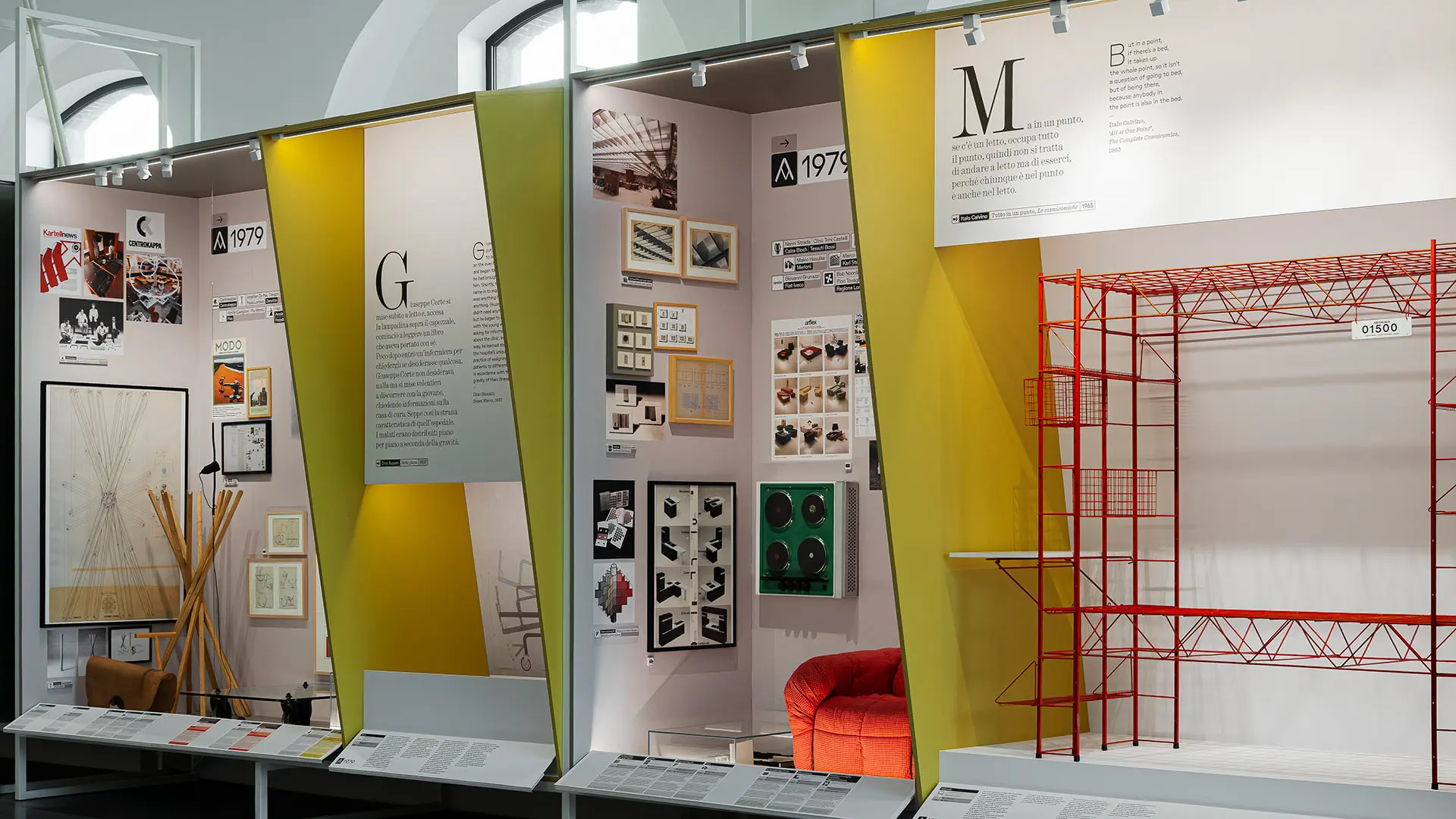
Five years since it opened, the museum in Milan presents the first new scientific reordering of its Historical Collection. Curator Maite García Sanchis relates how the way of interpreting over seventy years of design is changing, while Domitilla Dardi explains why the “Anthological” study enables the award-winning objects to dialogue with literature
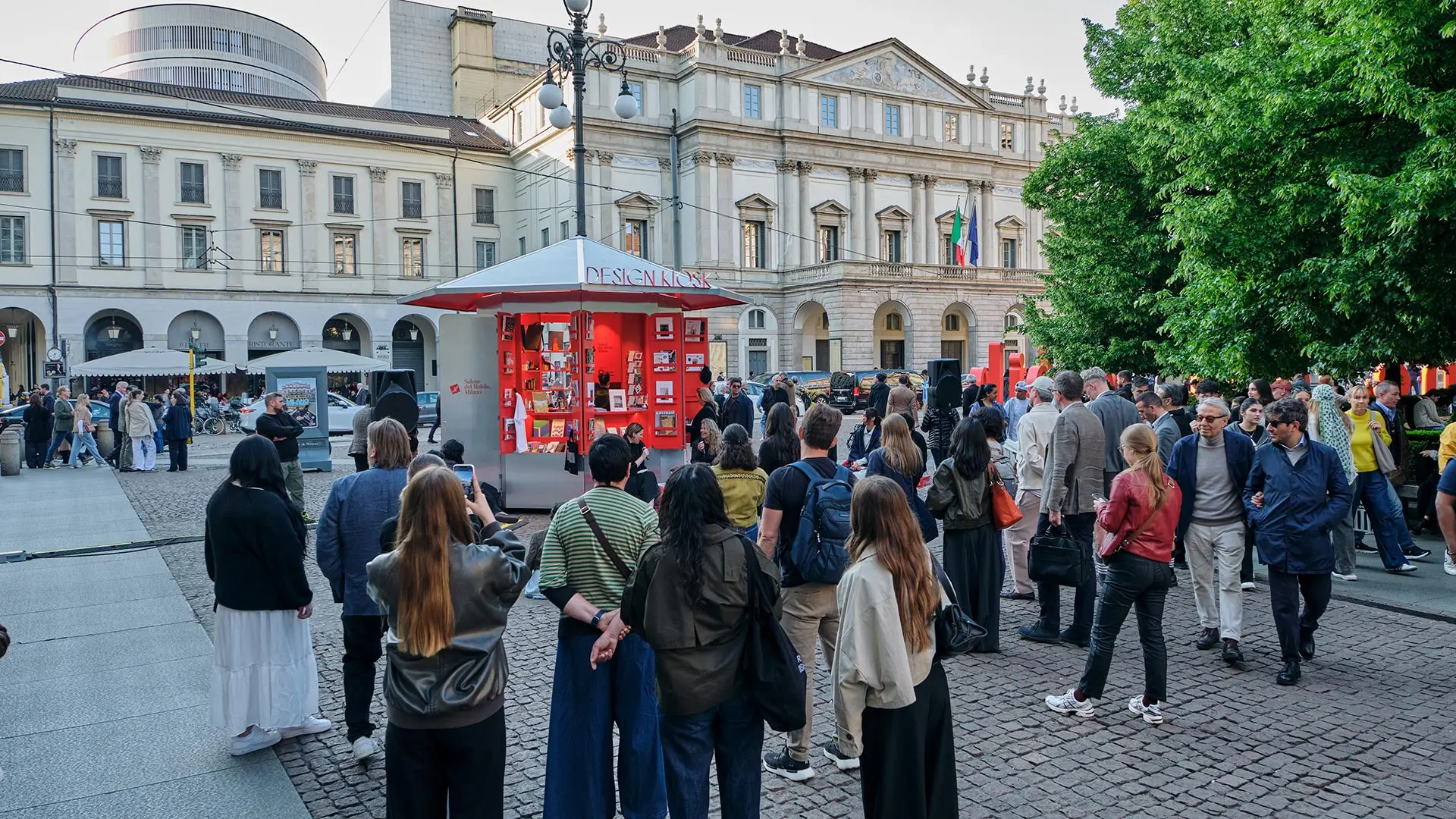
Design Kiosk, designed by DWA Design Studio - Piazza della Scala
A series of events in Milan promoted by the Salone brought design culture to both citizens and professionals during the trade fair. Building a bridge between the city’s heritage and the dynamism of today
The perimeter of certain ecosystems isn’t necessarily circumscribed by boundary lines. It goes further, builds bridges, creates initiatives that trigger resonances, exchanges and dialogues. The Salone del Mobile.Milano shares this vocation. Beyond the doors of the complex designed by Massimiliano Fuksas, the last edition of the Salone fuelled a network of events disseminated throughout the city. A way of remembering that common denominator that identifies the global capital of design and its trade fair - and a way of not forgetting that this bond needs to be reaffirmed – not just as a reminder of the region’s identity, but also as an opportunity for renewal for the culture of design.
The Design Kiosk, signed by DWA Design Studio, was back in Piazza della Scala, an international symbol of Milan. The concept, first launched in 2024, again proved a huge success with the public, acting as a fresh, crosscutting access point to the protagonists and innovations within the sector. The unmissable bright ‘Salone red’ installation stocked a selection of independent magazines, specialised books, limited edition posters and objects for the home, right up to the Salone del Mobile.Milano capsule collection.
The objects were then supplemented by the words shared by leading figures from the publishing world, who took part in a series of talks organised by Reading Room. This was intended to give a voice to independent international magazines – including Ark Journal, Magazine C, and Never Too Small – with their original take on what living means today. And to bring to the fore, quite literally, the experience of design as narrative, imagination and testimony.
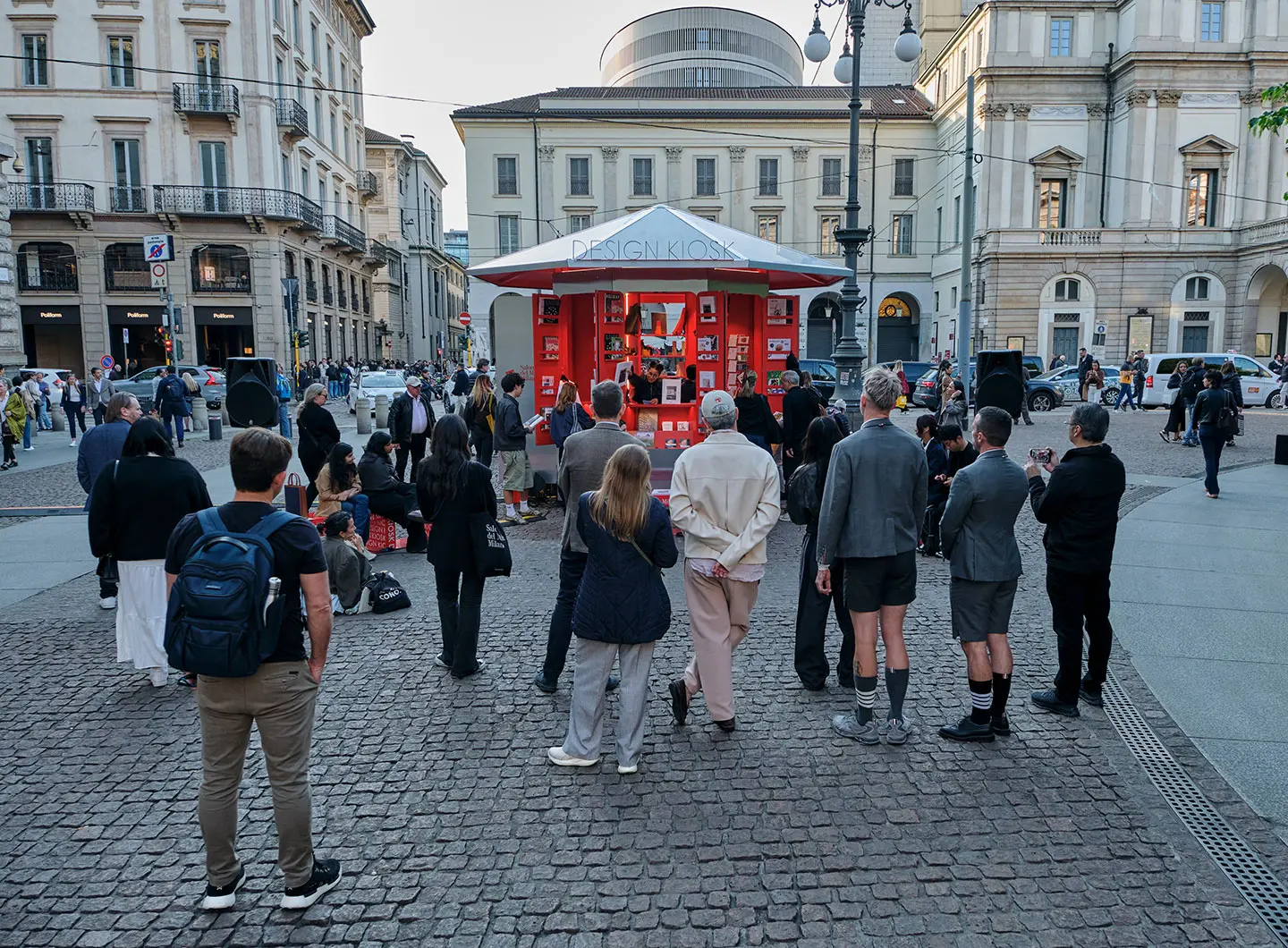
Design Kiosk, designed by DWA Design Studio - Piazza della Scala
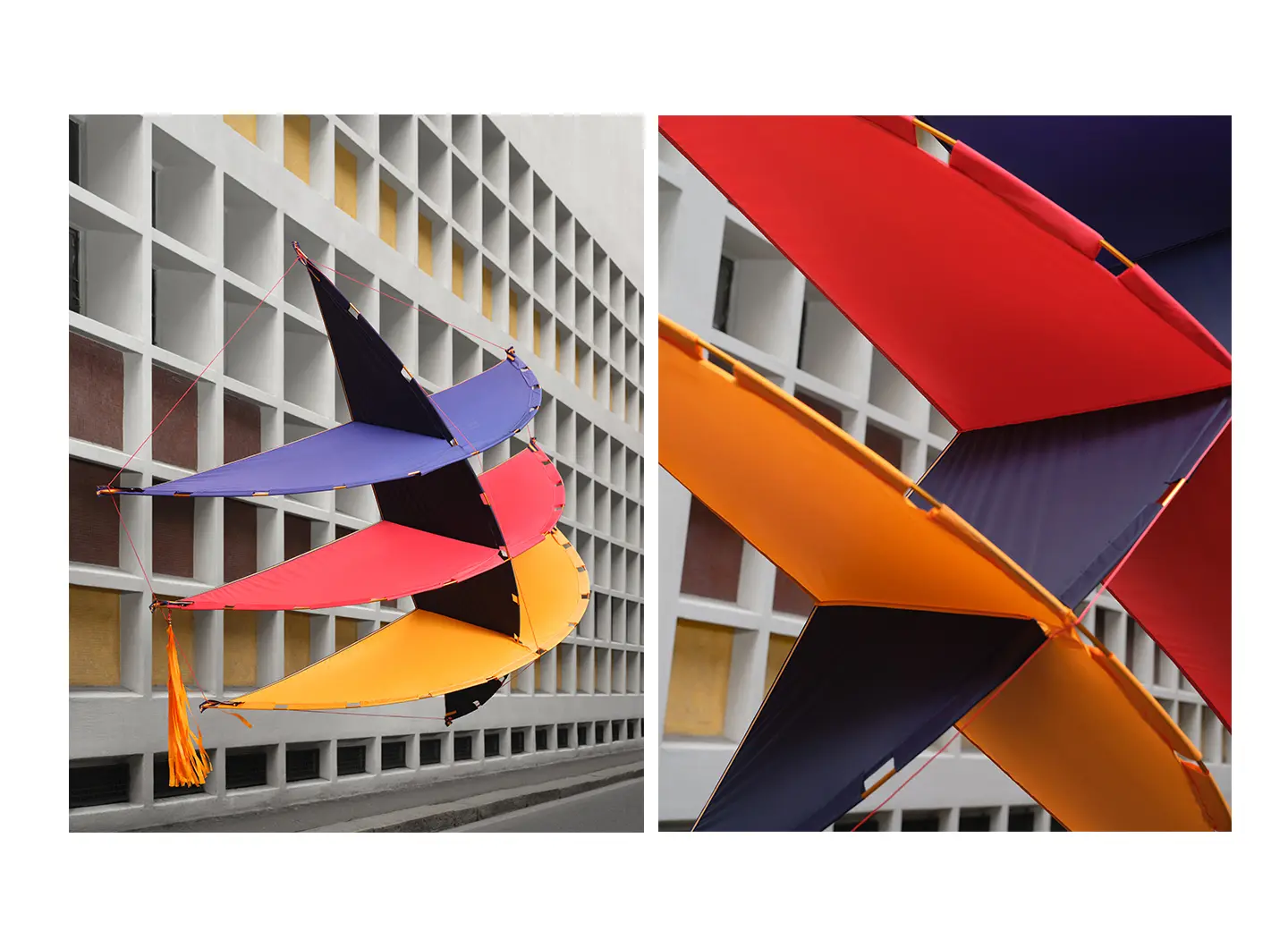
K-Way x Salone del Mobile.Milano, Biblioteca Sormani - Ph. Louis De Belle
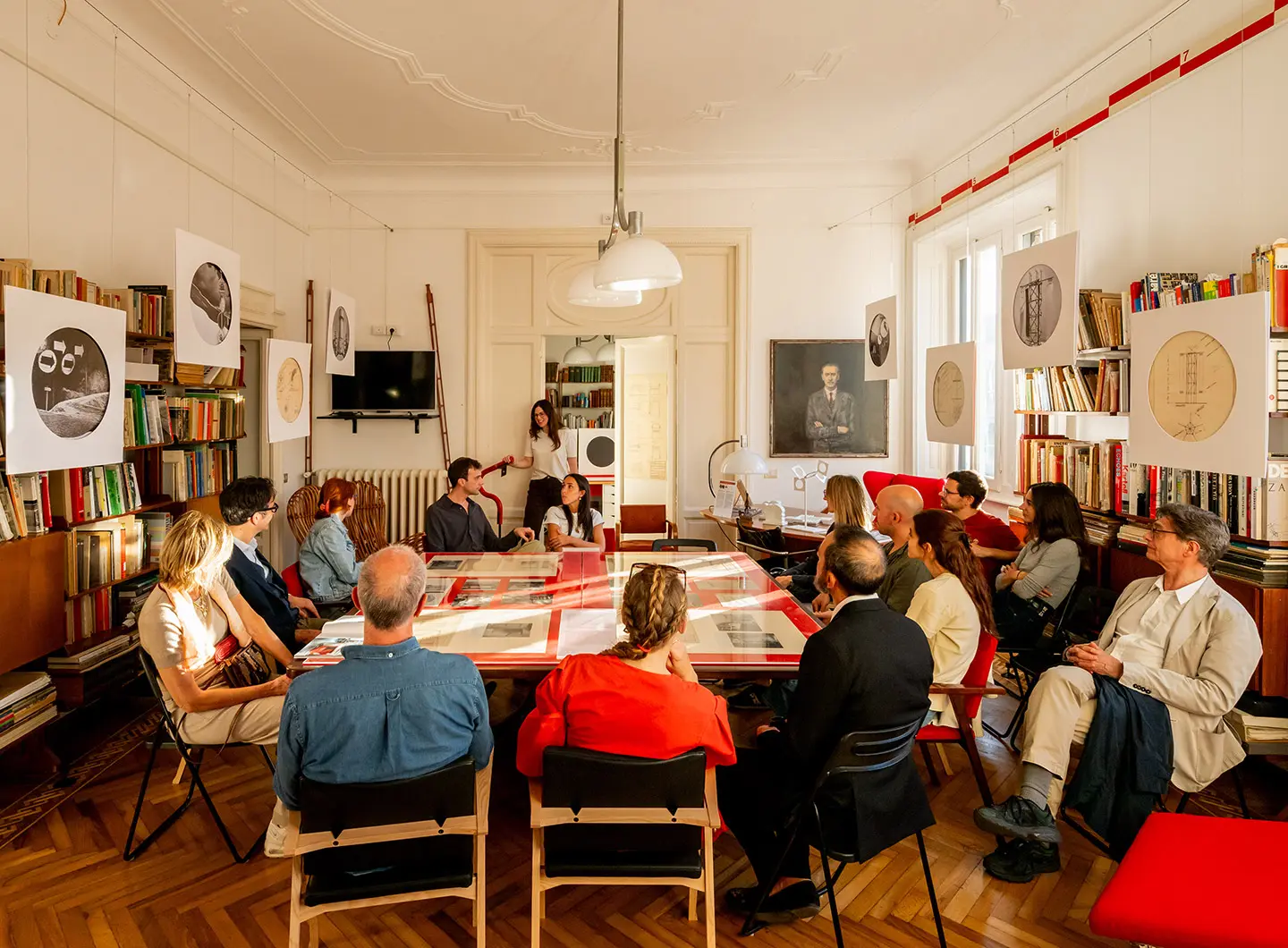
Franco Albini Foundation, Common Archive - Ph. Saverio Lombardi Vallauri
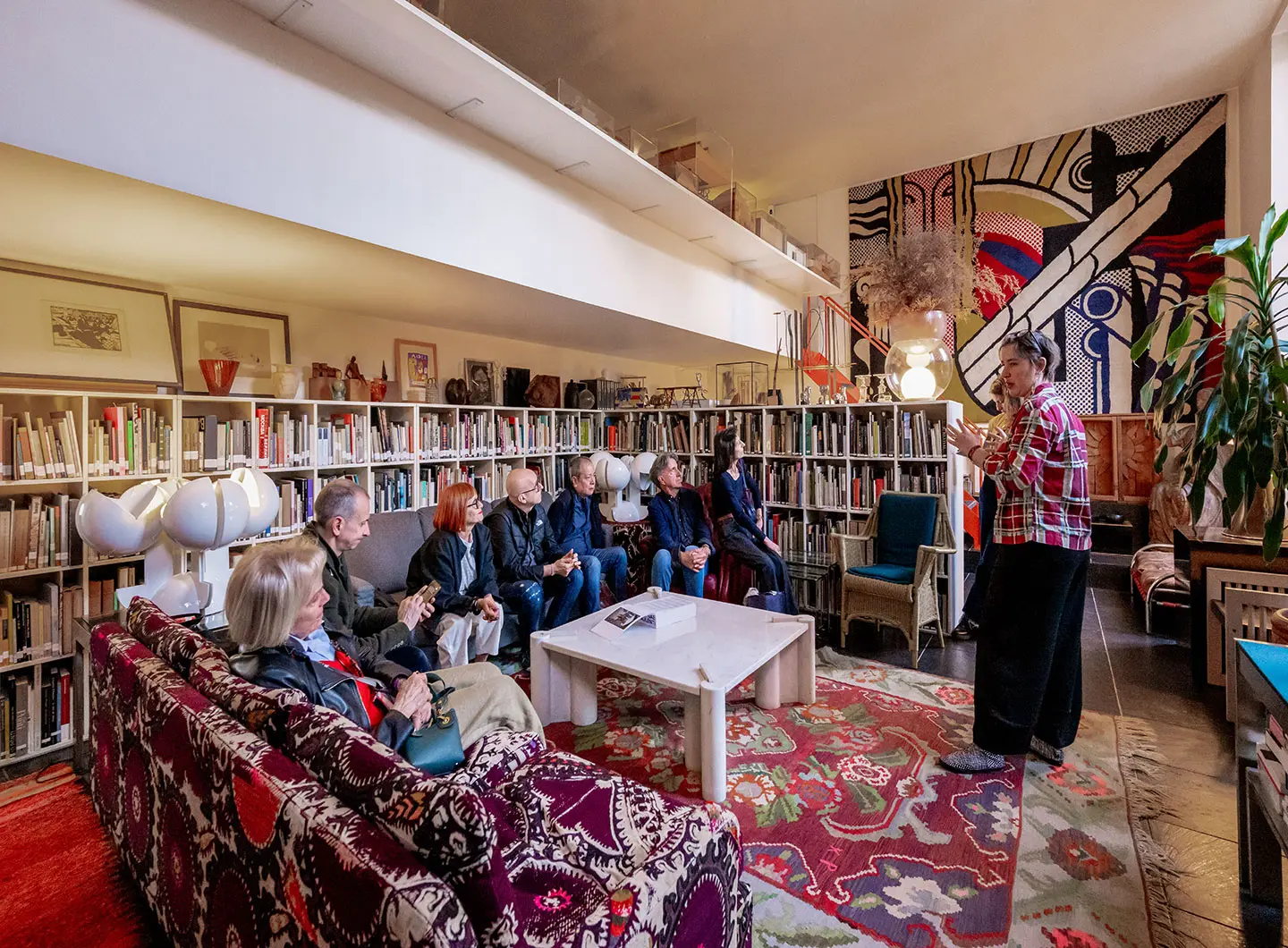
Gae Aulenti Archive, Common Archive - Ph. Saverio Lombardi Vallauri
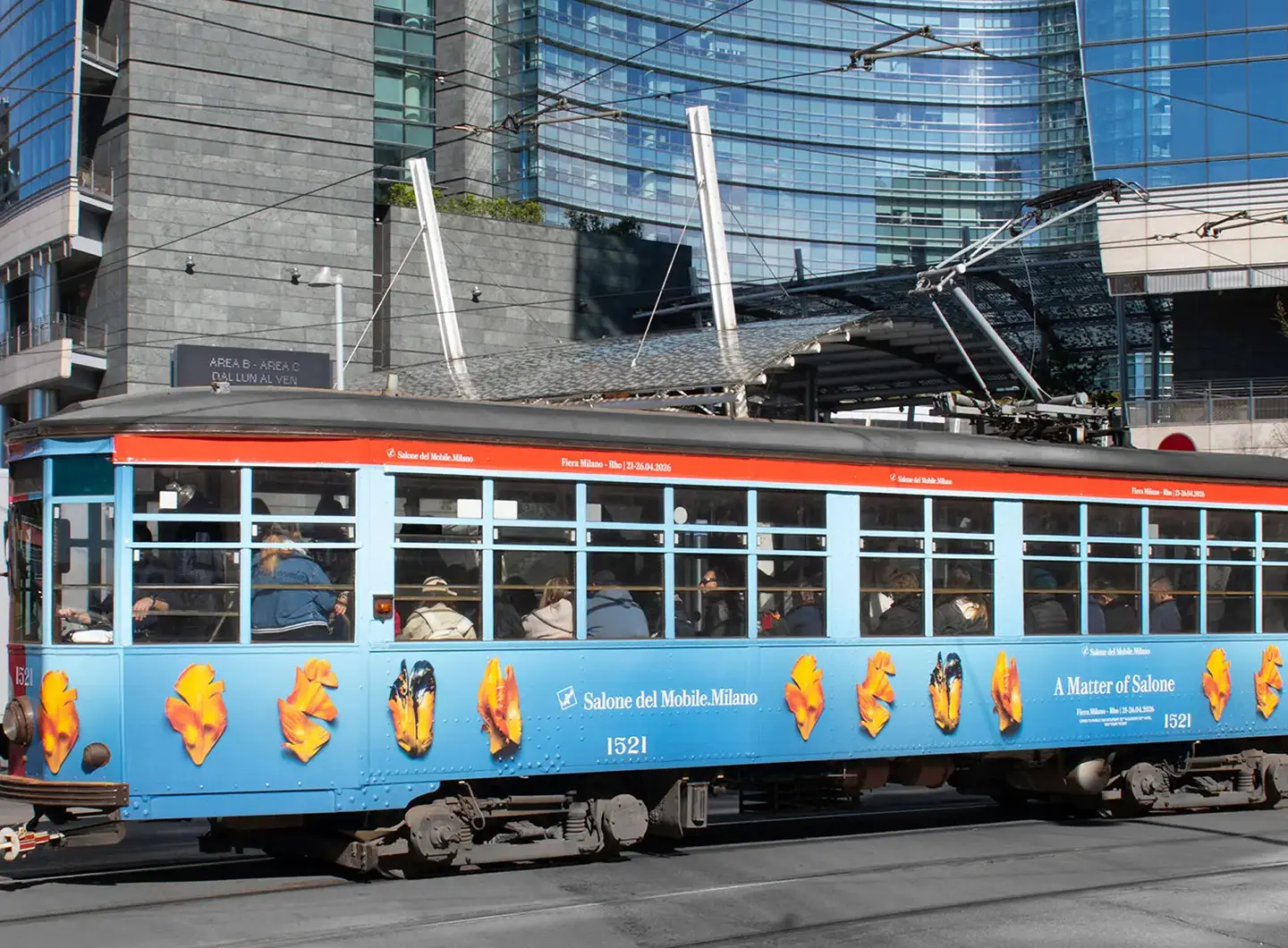
A Matter of Salone - Ph. Alessandro Russotti


Architectures of Freedom, curated by the writer and researcher Bianca Felicori, consisted of an itinerary taking in five buildings ripe for rediscovery in and around Milan. The author of Forgotten Architecture, published by Nero Edizioni, is no stranger to reinterpreting a heritage that is by no means insignificant, yet has often remained on the fringes of the mainstream narrative. Her selection guided the public through five iconic buildings in Milan to rediscover their originality and value: Arrigo Arrighetti’s Sormani Library, Marco Zanuso’s Collegio di Milano, Bruno Morassutti and Angelo Mangiarotti’s Casa a Tre Cilindri, Arrigo Arrighetti’s Church of San Giovanni Bono, and Luigi Moretti’s building on Corso Italia. At each stop, a lightweight architectural structure, a metaphorical kite developed in collaboration with K-Way, marked the route and invited visitors to explore further.
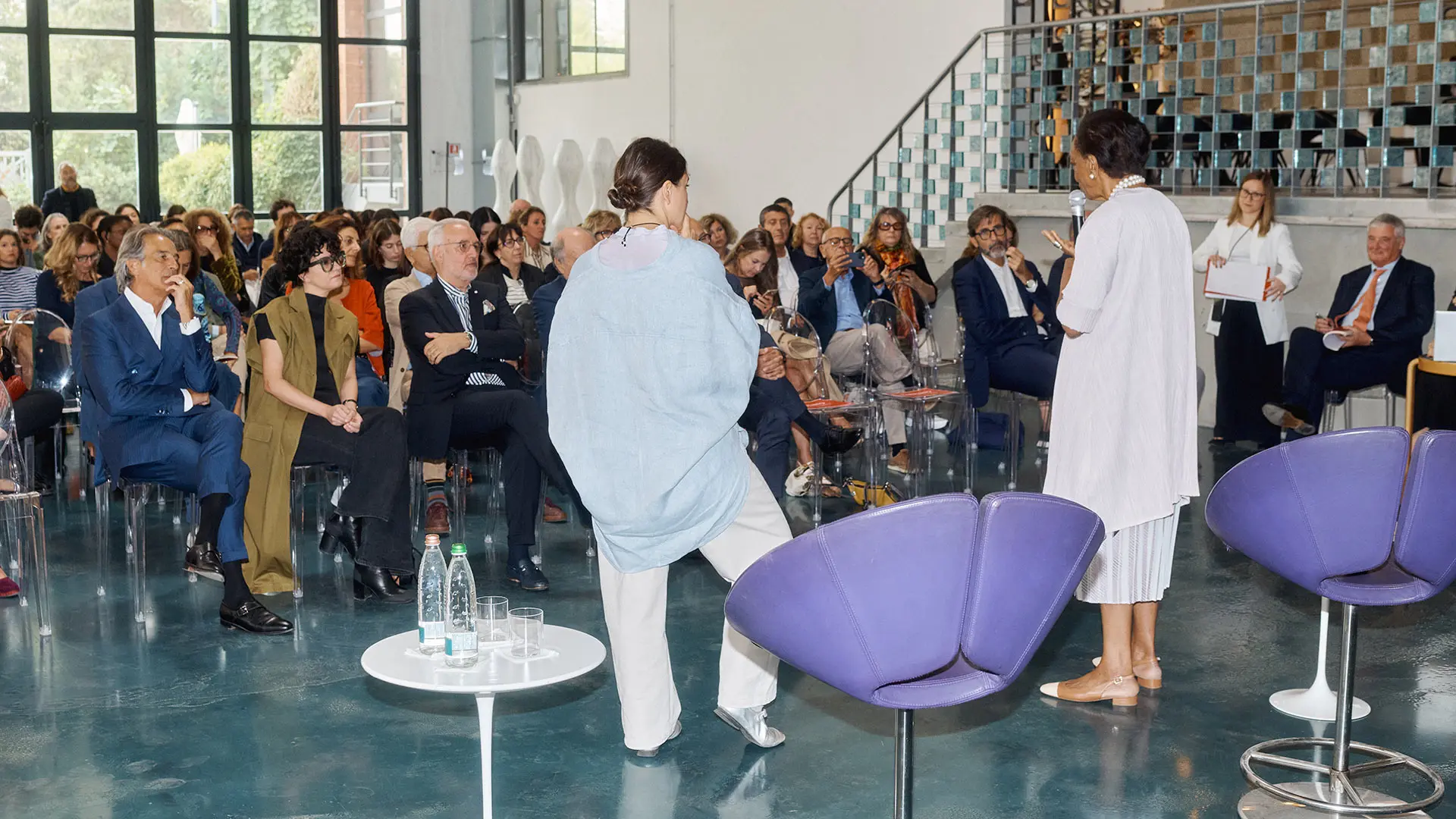
Also in pursuit of rediscovery, Common Archive – La Notte Bianca del Progetto provided an extraordinary one-night only opportunity to access the design archives dotted around the city of Milan . Between 6.30pm and 11pm on 24th April, citizens were able to take advantage of over fifty events including guided tours and meetings. This journey in stages, dedicated to the exploration of a priceless heritage that few places in the world can boast, took in city institutions, associative and museum archives including Triennale Milano, the Politecnico di Milano, the Citadella degli Archivi, the CASVA Centre for Advanced Studies in Visual Arts, the AIAP Graphic Design Documentation Centre, the ADI Design Museum, the Fiera Milano Foundation Historical Archives, and the ‘Bertarelli’ Print Collection at the Sforzesco Castle.
This extensive map was supplemented by the studio-homes and foundations of the masters who made Milan great during the post-war period, from Achille Castiglioni to Franco Albini, Vico Magistretti, Gae Aulenti and Giovanni Muzio to Gio Ponti, Giancarlo Iliprandi, Bruno Danese and Jacqueline Vodoz. Organised by the Salone del Mobile.Milano Observatory, the initiative was developed in collaboration with the School of Design at the Politecnico di Milano and supported by the Lombard Region and the Municipality of Milan. This serves as a testament to how, when brought together, archives and institutions can help bring to life and make accessible a heritage that we hope will be open and diverse.
20 May 2026
Share