

 Salone Selection


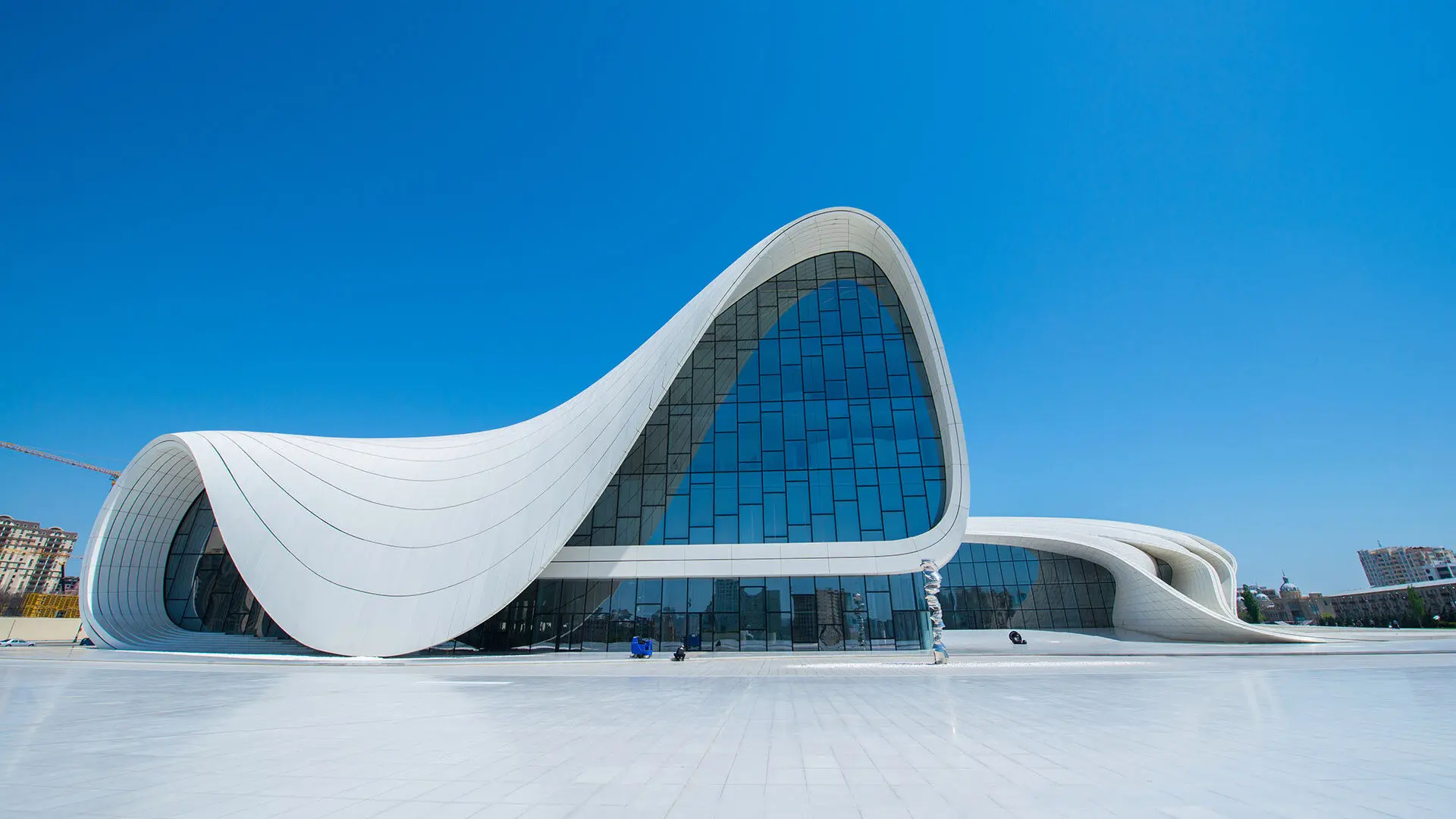
From Luigi Moretti at the 1960 Triennale to Patrik Schumacher’s manifesto and the works of Zaha Hadid: a history of architecture that entrusts form to algorithms, and which seeks to evolve from a method into a style
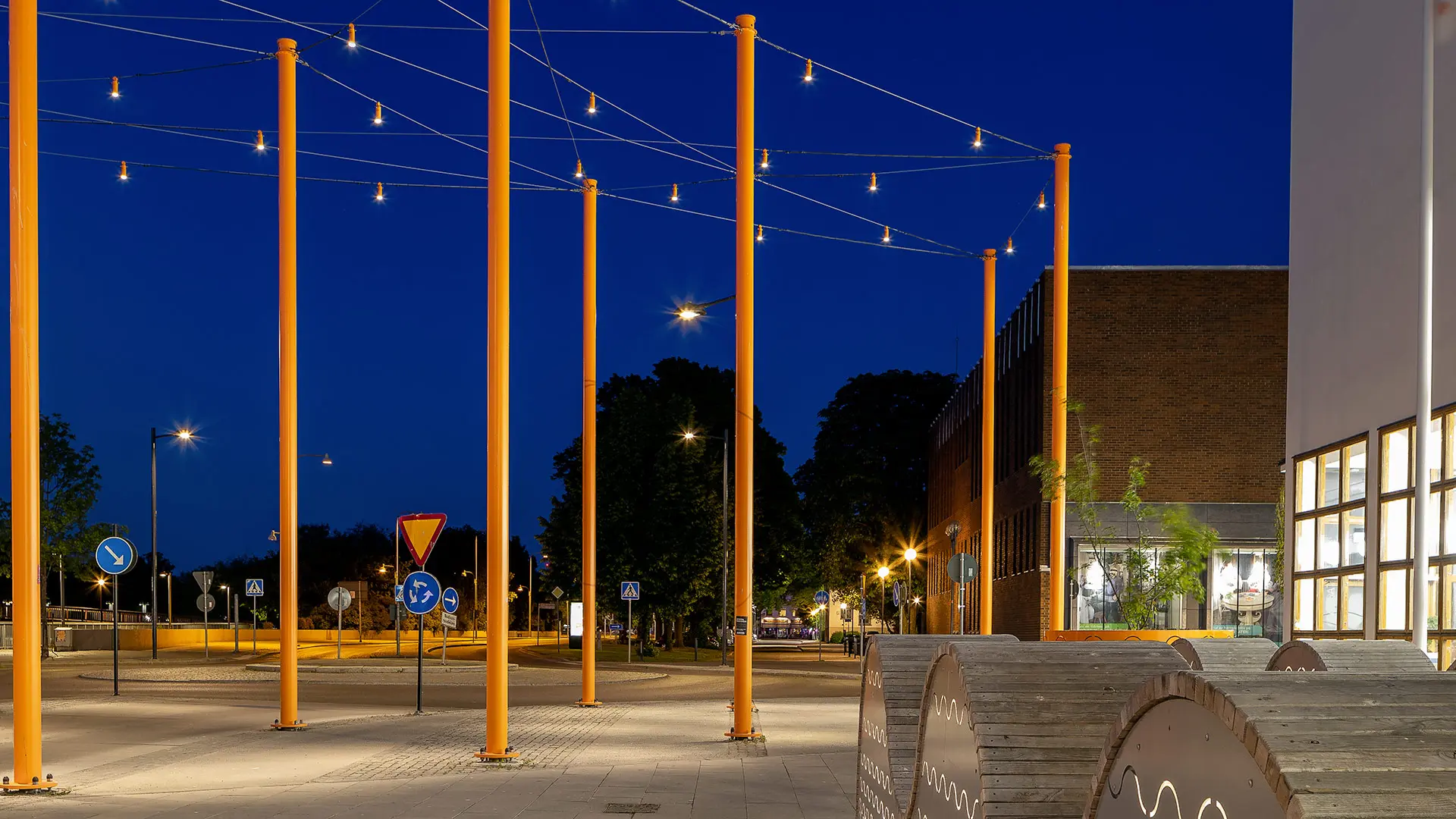
Eskilstuna, Svezia - Ph. Erik Hagstrîm
Why darkness is a natural resource that must be protected against waste and light pollution
Walk through a city after dark and the direction is unmistakable: balconies are strung with festoon bulbs and wall sconces, gardens and courtyards glow, even in shifting colour, with or without people enjoying them. Private lighting is having a moment, and it's a fair bet Euroluce’s pavilions will reflect it: new fixtures, new finishes, new control systems.
Behind this boom lies a technical driver: the transition to LED technology brought genuine energy savings, but it also produced a paradox - the rebound effect as lighting became more efficient, more places are being illuminated, often brighter and longer than before. But after twenty years spent designing for the night, what interests lighting designer Chiara Carucci, founder of Noctua, most isn’t what a fixture can do. It’s what it should be asked not to do.
Carucci has 20+ years of experience spans diverse projects and awards, including the inaugural Wildlife Night Watch Award by DarkSky. She develops context-sensitive night designs, demonstrator projects, and master plans to support conservation objectives while fostering nighttime economy, and addressing community impacts and needs. Her international work includes design and guidance for coastal nesting sites, heritage sites, tourist caves, and urban parks, where she collaborates with scientists and local managers to balance visitor experience with habitat conservation. With her practice, Noctua, she aims to bridge research and practice to protect ecosystems after dark.
More Light, More Questions
"This paradox is increasingly visible in the decorative market", Carucci explains: "the appetite for outdoor ambience is growing faster than the question of how much light is actually needed, often on the quiet assumption that more light means more safety or comfort."
In her experience, and in the research she draws on, that assumption rarely holds. Excessive brightness creates contrasts too sharp for the eye to adjust to darkness, while glare narrows the field of vision, creating an impenetrable blind spot that can hide potential hazards. What actually makes people feel safe outdoors isn’t lumen output, she argues, but spatial legibility: the ability to read your surroundings clearly, together with a sense of overview: what environmental psychology calls “prospect”.
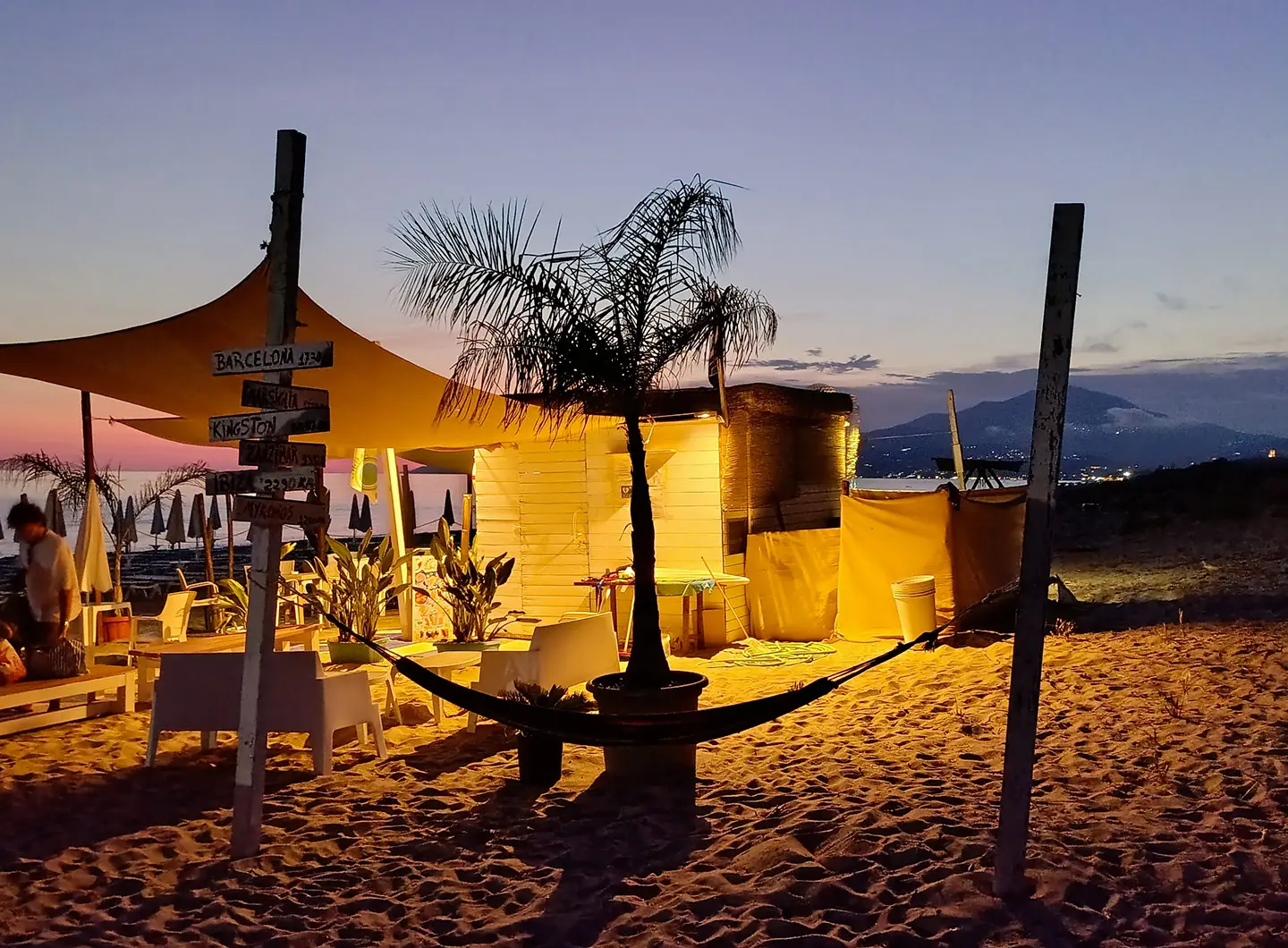
LIFE, Turtlenest Pilot projec - Ph Roberta Teti
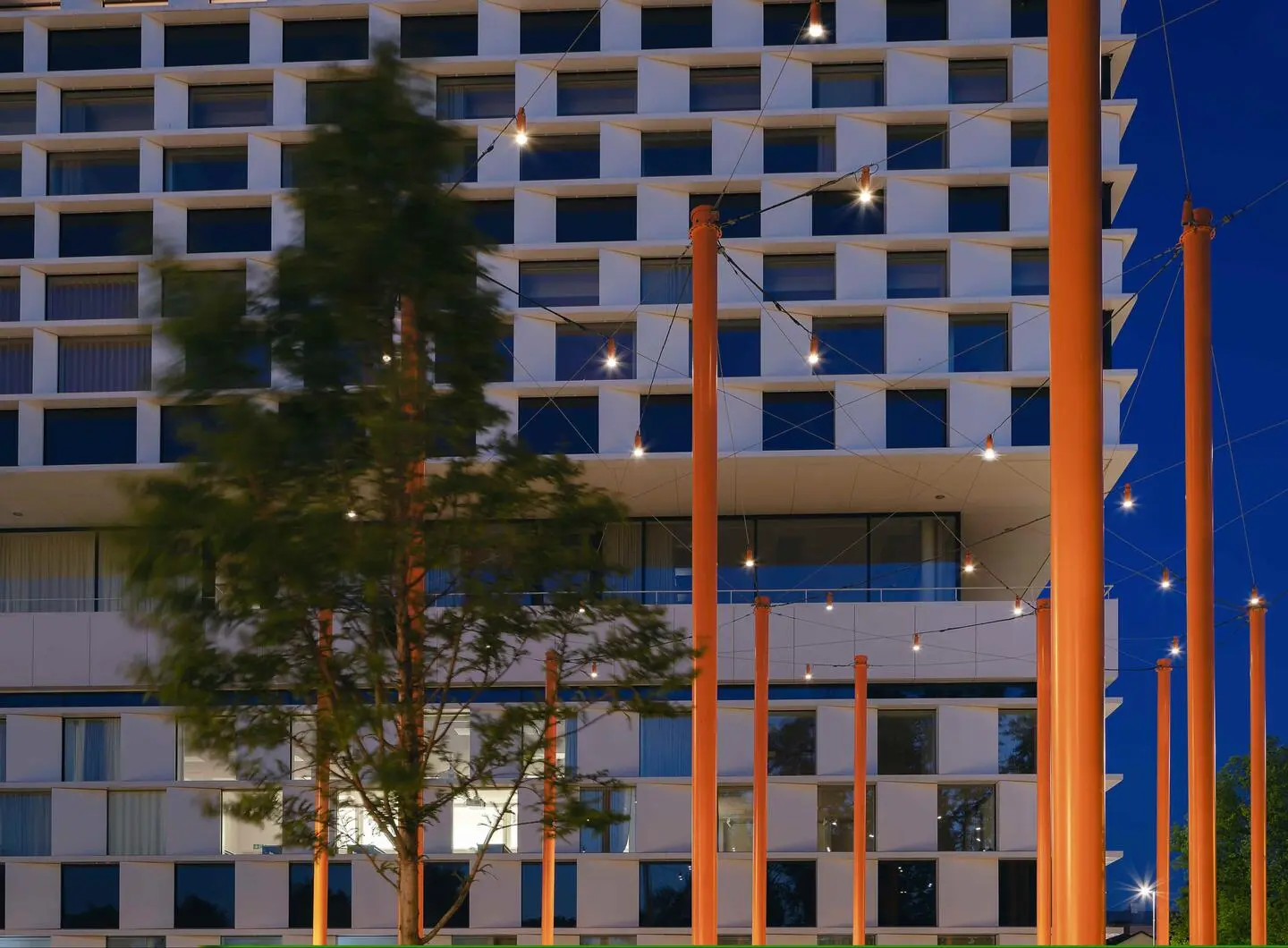
Eskilstuna, Svezia - Ph. Erik Hagstrîm
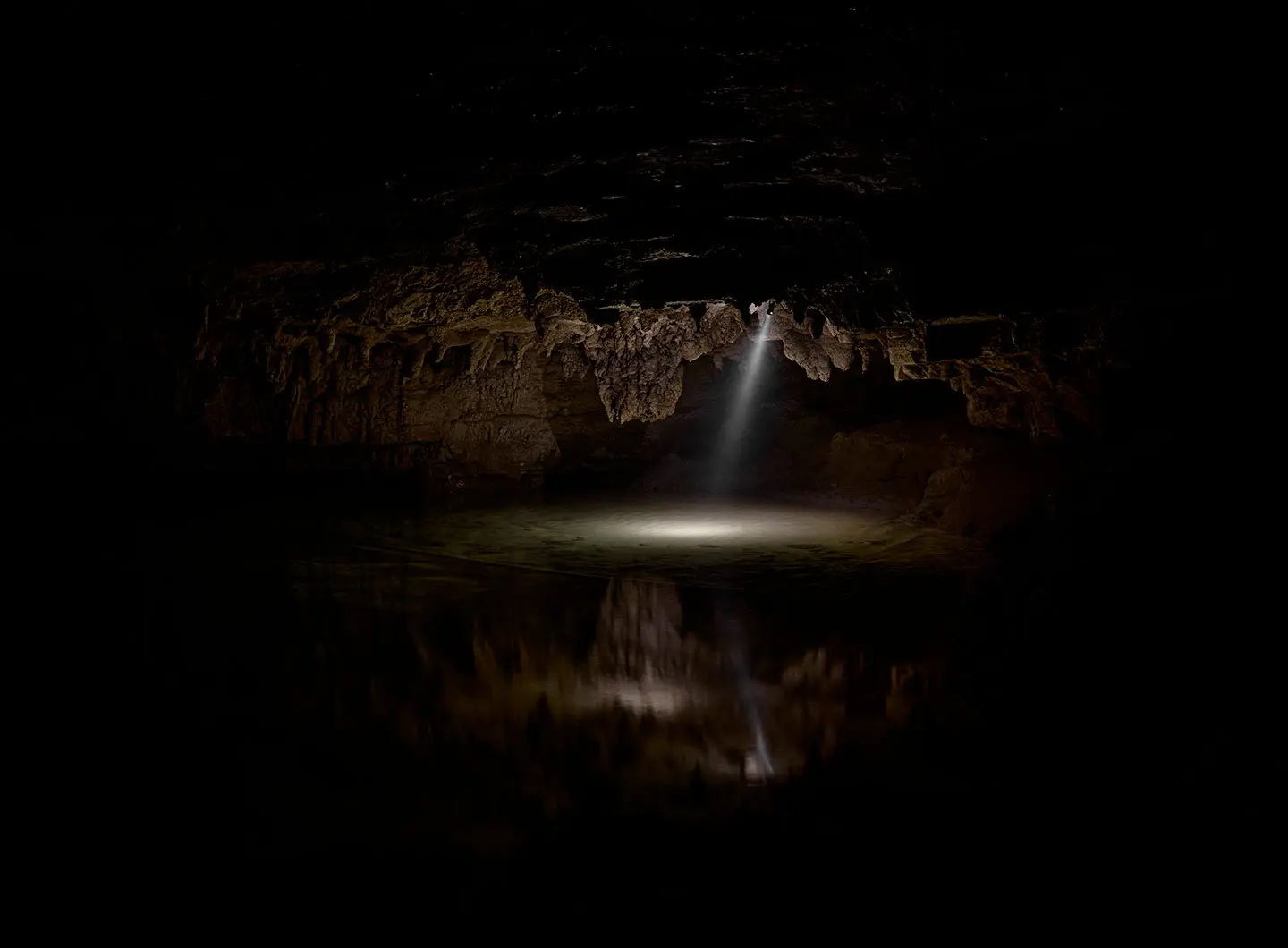
Grotte Oliero, Valbrenta (VI) - Ph. Alessio Tamborini


Light's Wider Audience
The night is not an empty backdrop but a habitat, and light changes it for everyone who lives there. Working across coastal sites, heritage cities and protected areas has taught Carucci that light travels well beyond the space it is meant for, and that a good design starts by accounting for this. Plants exposed to intense or prolonged artificial light can mistake it for daylight, and their biological clocks shift in response. Night glow and unfamiliar light patterns throw migratory birds and nocturnal pollinators off course, with effects that ripple through entire ecosystems. Even the softer tones, including amber and red, often marketed as “wildlife-friendly”, aren’t neutral for species like bats, whose behaviour stays calibrated to natural darkness. This is the starting point of her projects: context and science-informed design.
Design for the More-Than-Human Nightscape
Informed nighttime design acts as a mediator between social, environmental and cultural needs, and two recent projects show what that looks like in practice. In Eskilstuna, Sweden, Carucci led a public-space regeneration built around what she calls a “ripple effect”: starting from the darkest point in the city, the river, and letting light expand outward only as far as actual human activity required. The result is a vibrant, legible public space for citizens that reduces harm to migratory birds and aquatic species.
The same method shaped her work on coastal lighting for the European LIFE Turtlenest pilot project, which set out to stop disorienting Caretta caretta hatchlings on their way to the sea. The team didn’t reach for costly technology: they read the existing landscape and calibrated light to what that specific site actually needed. The outcome is beaches that stay welcoming to tourists and to sea turtles.
The Curb-Cut Effect, After Dark
The same restraint that protects a river ecosystem or a nesting beach turns out to serve people too, especially those most sensitive to poor lighting. Older adults and visually impaired people are disproportionately affected by glare and harsh contrast. Project after project, Carucci has found that designing with them in mind naturally pushes lighting toward “sobriety”: less spill, less skyglow, fewer disruptions to circadian rhythms, human and more-than-human alike. It’s a kind of curb-cut effect applied to the night: what is designed for the most vulnerable works better for everyone.
A New Brief for Lighting
As Euroluce opens its halls to the latest innovations in form and light, there's a shift worth carrying onto the show floor too: not just what a product can illuminate, but what it should leave in the dark. Perhaps this is the direction the designer's role should take as well - less lighting aimed at making a nightscape look better, more a practice of "attuning atmospheres," one that draws as much on environmental psychology and ecology as it does on design. Going forward, the measure of good design will be spaces that support human wellbeing while respecting the non-human residents with whom we already share the night.
Read also: One, none, a hundred thousand theories about light
15 October 2026
Share