

 Stories

Why darkness is a natural resource that must be protected against waste and light pollution
One, none, a hundred thousand theories about light
Text by
An interview with designer Ron Gilad on the importance of lighting in spaces and contemporary cities.
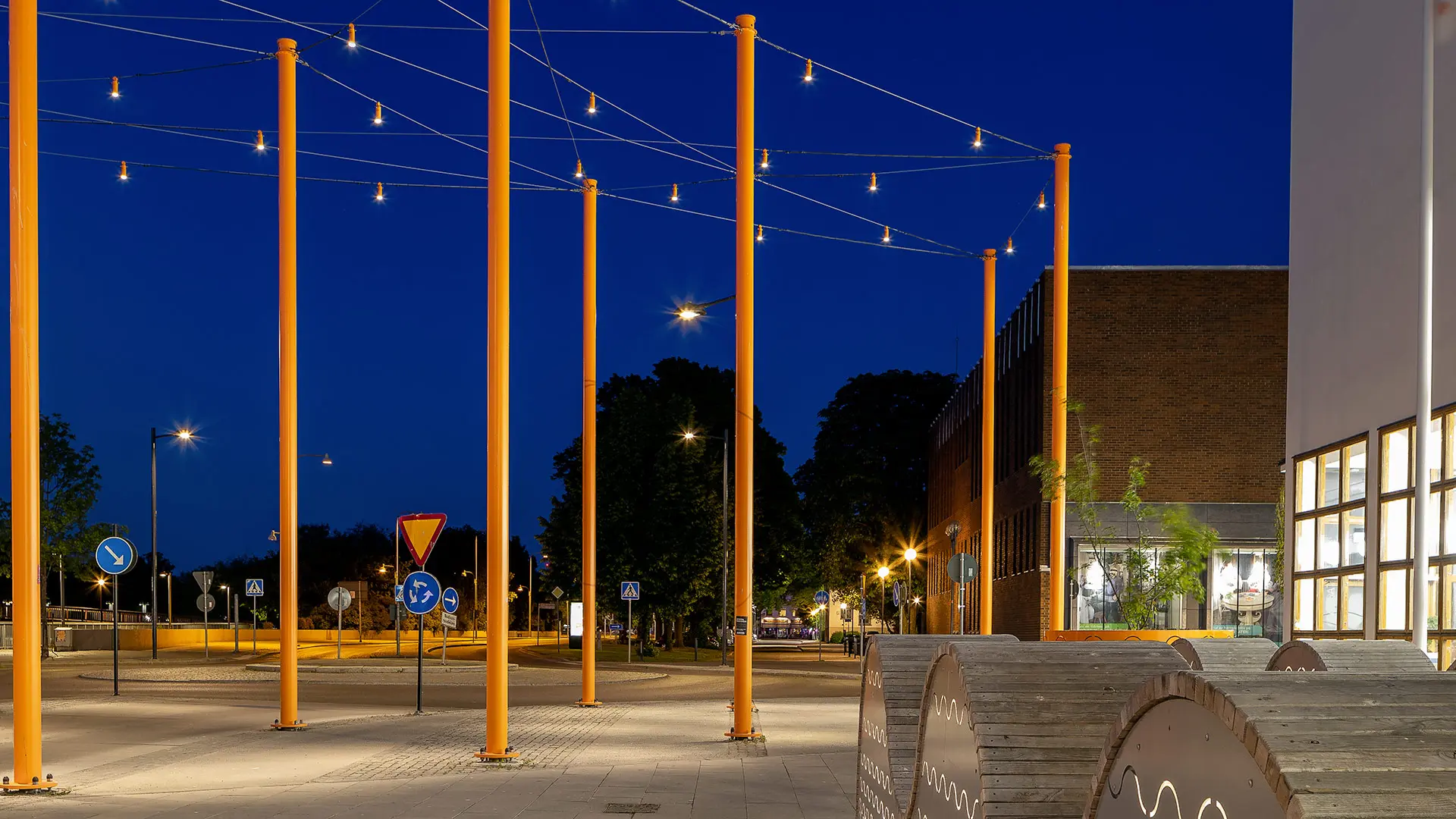
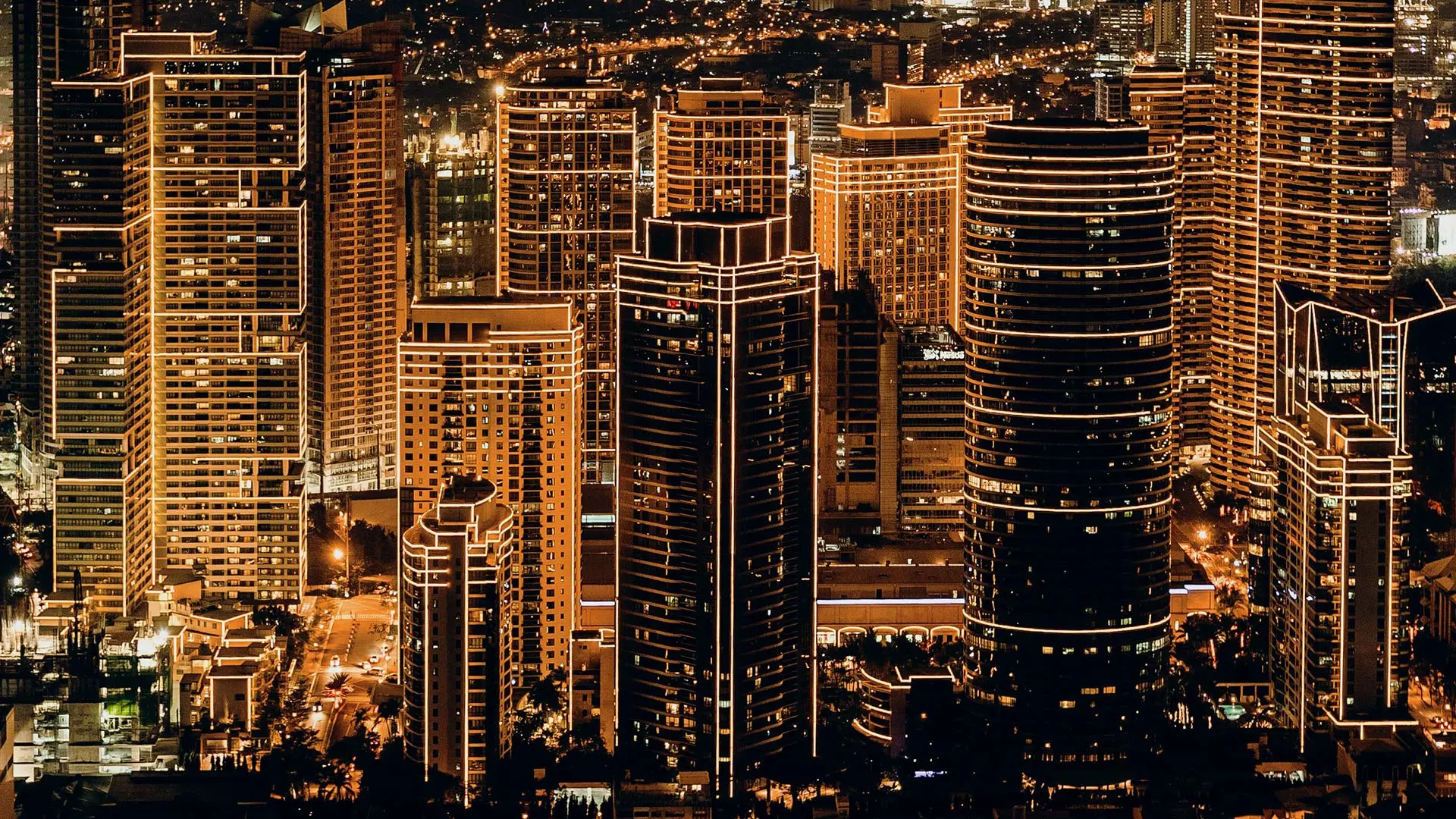
How can light define a space, and a city in particular? There must be countless ways, and no single one is better than the others. Indubitably, urban lighting also enhances the appeal of a space and has its own social impact on the various communities that make up a city. Light is bound up with issues such as safety, the environment, and the general wellbeing of citizens, and influences ecosystems and biological rhythms. We discussed this with Ron Gilad, who has always lived in major cities – Tel Aviv, where he was born, New York, and now also Milan, and whose works are exhibited at the Tel Aviv Museum of Art and at MoMA, amongst other places.
These works often centre on light as a conceptual element with which he loves to play, always contriving to surprise the viewer. But what if city dwellers themselves were not only the active protagonists, but also the spectators of the spectacles that are the cities? What would more would they wish for today? Ron Gilad has a very specific idea that stems precisely from the many questions he asks himself, starting from a place of “not knowing” – which he finds to be the most interesting aspect of his work with light.
“I work through intuition, observation, experience, common sense and, hopefully, a certain amount of talent. I create things in order to find out what I think, rather than because I already know what I think. This is especially true of light. I don’t simply regard it as something that illuminates a space. Light changes our perception of space; it gives it presence, hides things, reveals things, creates atmospheres and sometimes becomes the space itself. Rather than defining the relationship between light and space, I prefer to create situations in which that relationship can be experienced, for better or for worse.”
Read also: The 15-minute city: it takes imagination to build a polycentric model
By transposing this concept of light and its relationship with a space to the city as a whole, one realises that for Gilad there is no ‘best way’ to light it up. “The instant a city has perfect lighting, I suspect that we have already over-designed it. A city should have light, but also darkness; illumination, but also mystery. It should allow light to be part of the architecture, the streets, the people and, at times, simply to flicker.”
And at a time in history such as the present when we are constantly asking ourselves what the role of these great cities is - hubs of social connections where, however, there is often a lack of ordinary, direct meeting places from which real contact - and thus relationships - can then develop, rethinking light as a facilitating element is more important than ever. Even without a precise theory about it, but whilst continuing to be curious about it - which allows us to keep searching for the right approach. Because perhaps “creating things is the best way to think.”
23 September 2026
Share