

 Salone Selection


Why darkness is a natural resource that must be protected against waste and light pollution
For a long time we believed that living better meant living bigger. Today, increasingly often, the opposite happens
There are apartments of 40 square meters that seem more generous than homes twice as large. It is not a question of square meters, but of possibilities.
Just look at everyday life: a table in the morning becomes a workstation, then in the evening it hosts a dinner with friends; a bookcase separates rooms without the need to build a wall; a sliding door transforms one room into two. In the most successful projects, each part seems to perform several functions, not to pursue an exercise in style, but to restore freedom to those who inhabit that space.
For decades, square meters have been the parameter by which to measure well-being. More rooms, more floor space, more possibilities. Today that relationship is becoming far less obvious.
The increasing density of cities, changing family structures, hybrid working and a new environmental awareness are redefining the meaning of domestic space. Rather than a reduction in size, a cultural transformation is underway: the quality of living no longer coincides with the quantity of space available, but with its ability to adapt to needs, evolve over time and improve everyday life.
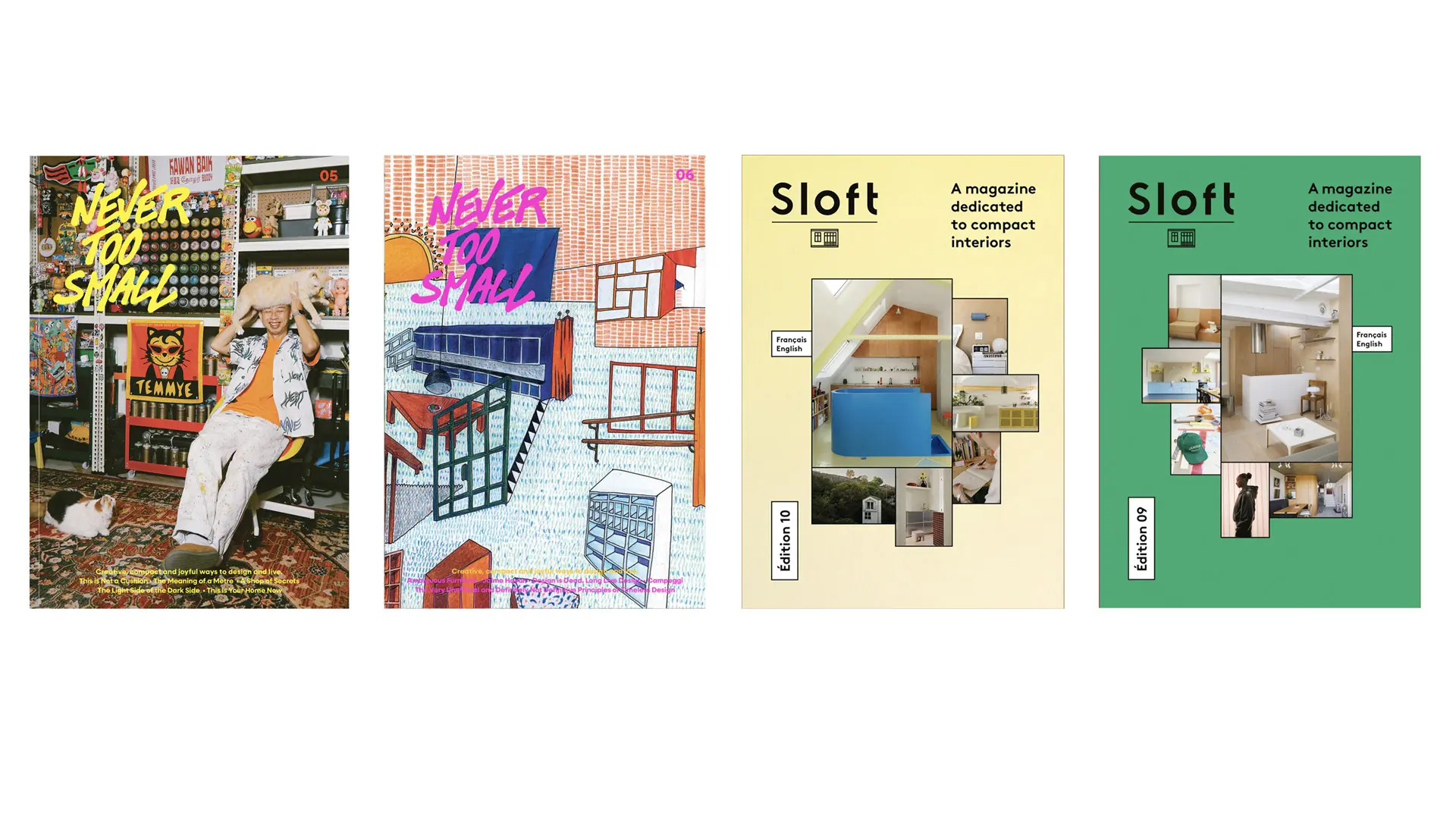
This is the outlook expressed by Never Too Small, an Australian publishing platform founded in Melbourne in 2017 by Colin Chee. Created as a video project devoted to small homes, over time it has grown into an ecosystem that comprises a magazine, books and one of the most authoritative international communities devoted to furthering compact living. Its mission is to show how a well-conceived project can improve the quality of life even in a few square meters, promoting an idea of a more sustainable and aware city.
The homes published by Never Too Small, ranging from Tokyo to Melbourne, from London to Milan, show how architecture, interior and product design can create a synergy to transform small surfaces into bright, flexible and deeply personal environments. Built-in furnishings, movable walls, custom-designed elements and transformable systems tell the story of a way of living in which nothing is left to chance.
In these houses, not a square inch is neglected. A niche becomes a library, a staircase covers cabinets, a table appears and disappears at different times of day. The limit of floor space ceases to be an obstacle and becomes a creative opportunity. It is an approach to design that eliminates the superfluous without sacrificing complexity, showing that quality depends not on abundance but precision.

Never Too Small Magazine, Issue 5 Cover

Never Too Small Magazine, From issue 5, The home of street artist Loo Lok Chern (AKA @cloakwork). IllusrIllustrations by Cloakwork
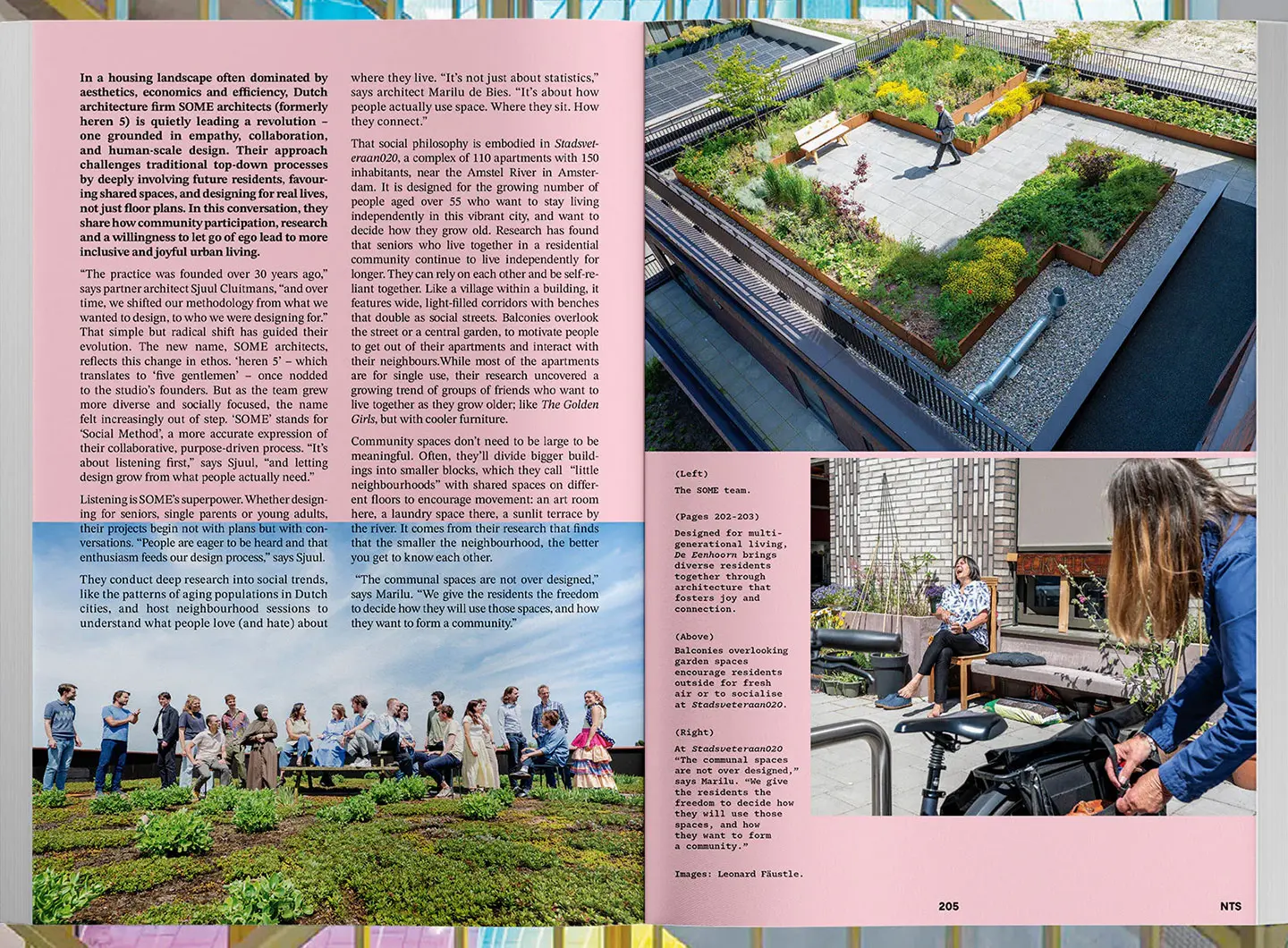
Never Too Small Magazine, From issue 5, Stadsveteraan020, a complex of 110 apartments with 150 inhabitants, near the Amstel River in Amsterdam. Photos by Leonard Fäustle
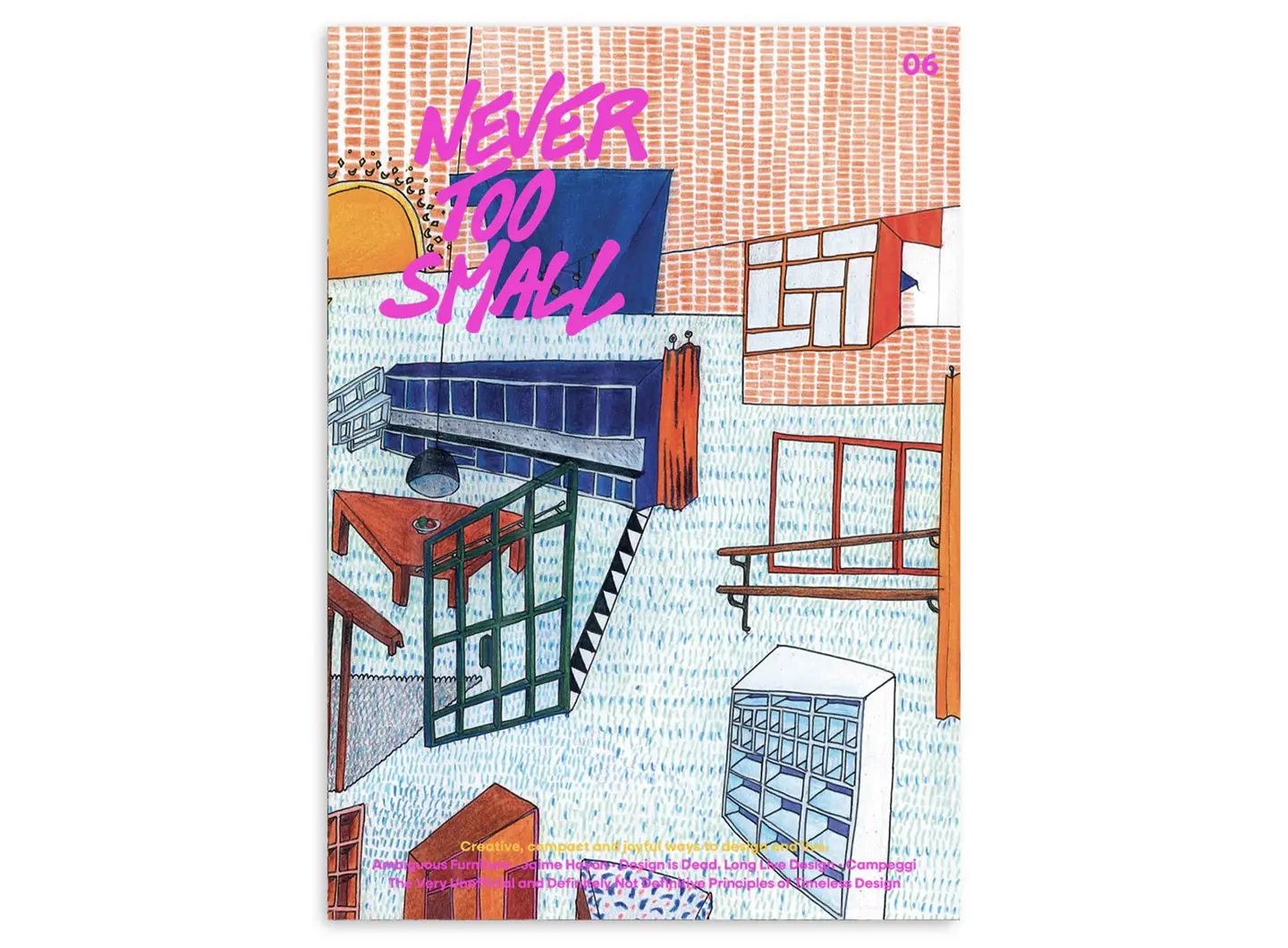
Never Too Small Magazine, Issue 6 Cover
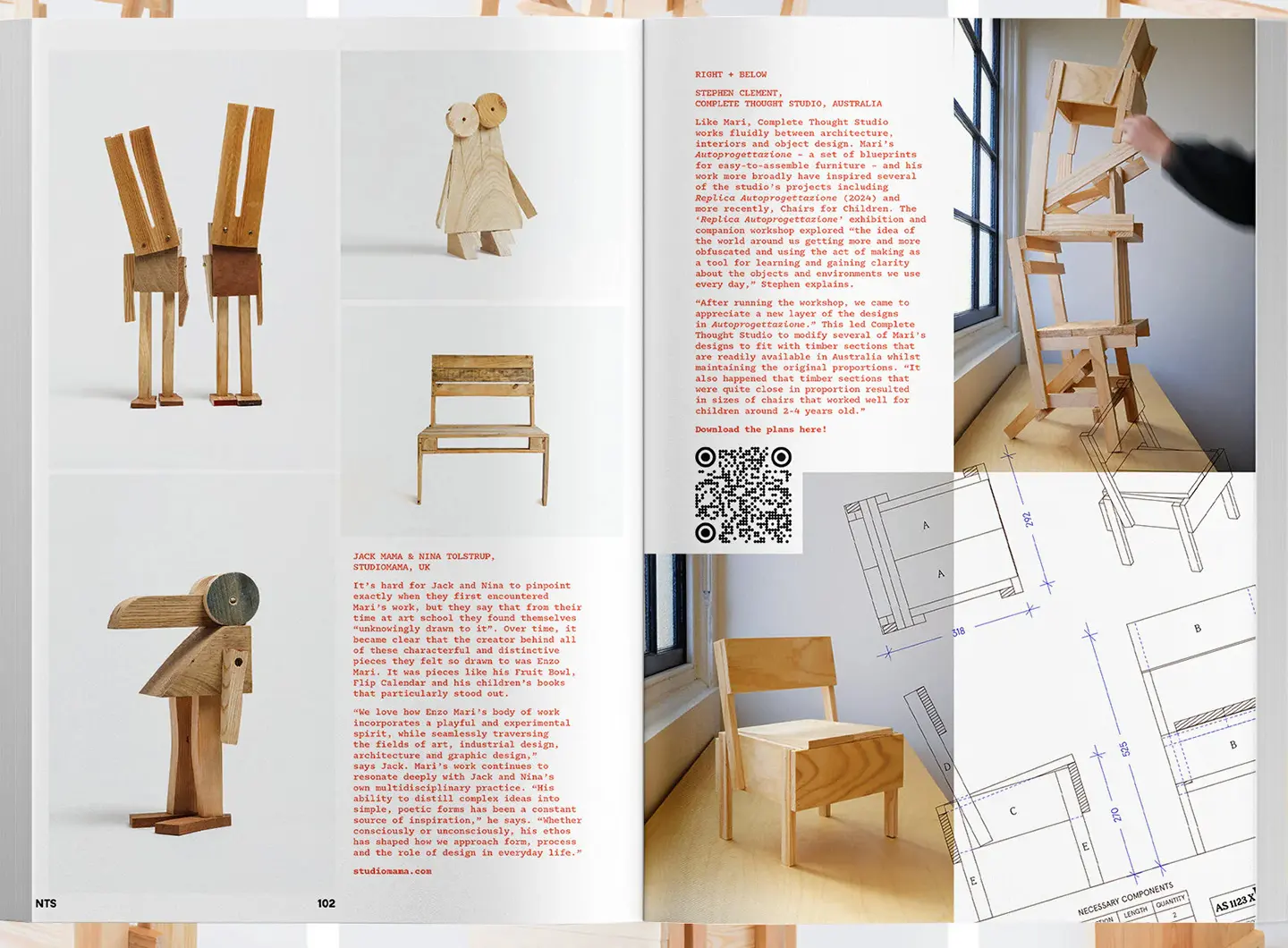
Never Too Small Magazine, From issue 6, Enzo Mari's Influence: Studiomama (left) and Complete Thought Studio (right)
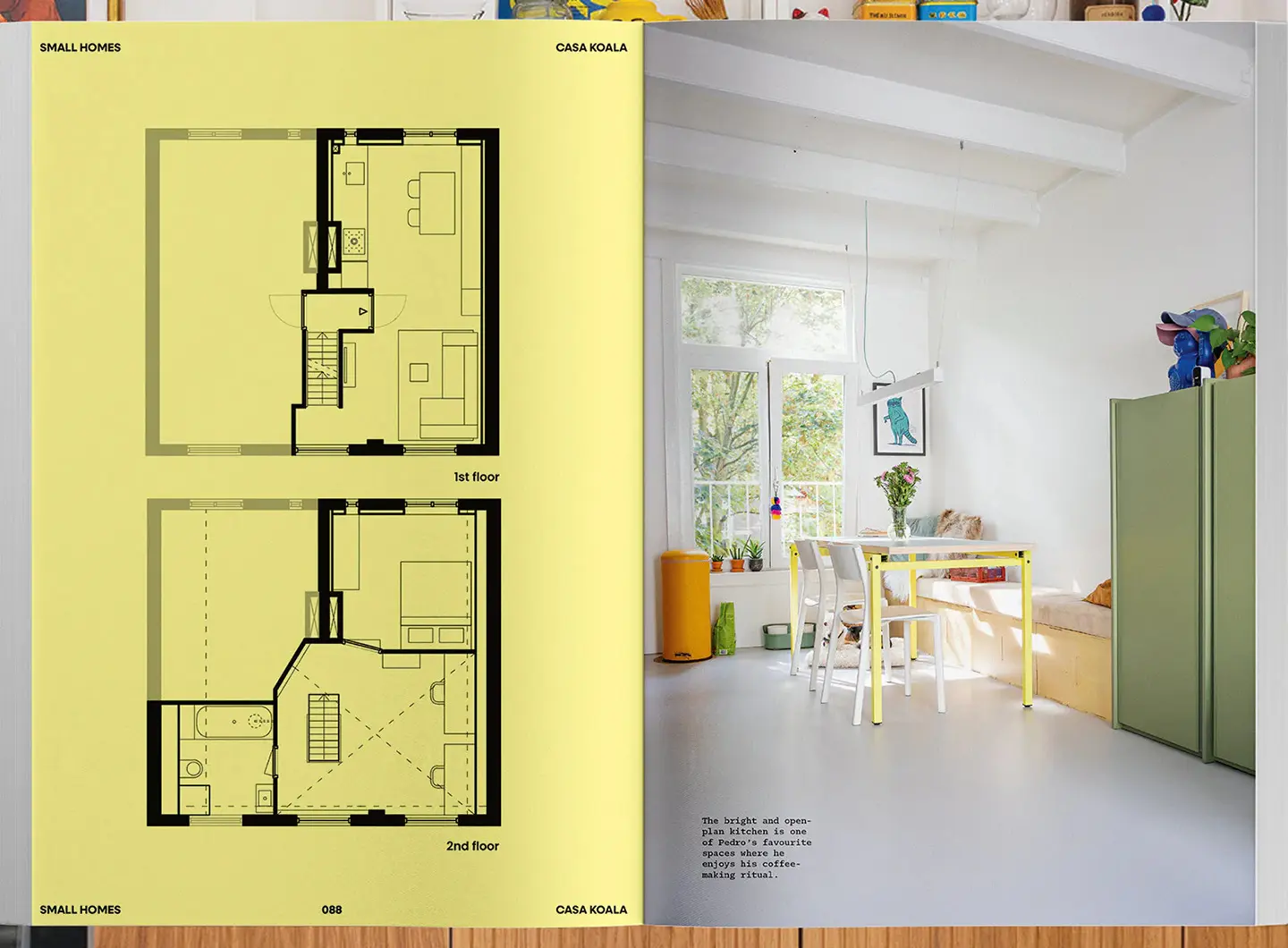
Never Too Small Magazine, From issue 6, Casa Koala, Amsterdam. Photo by Pedro Orlando
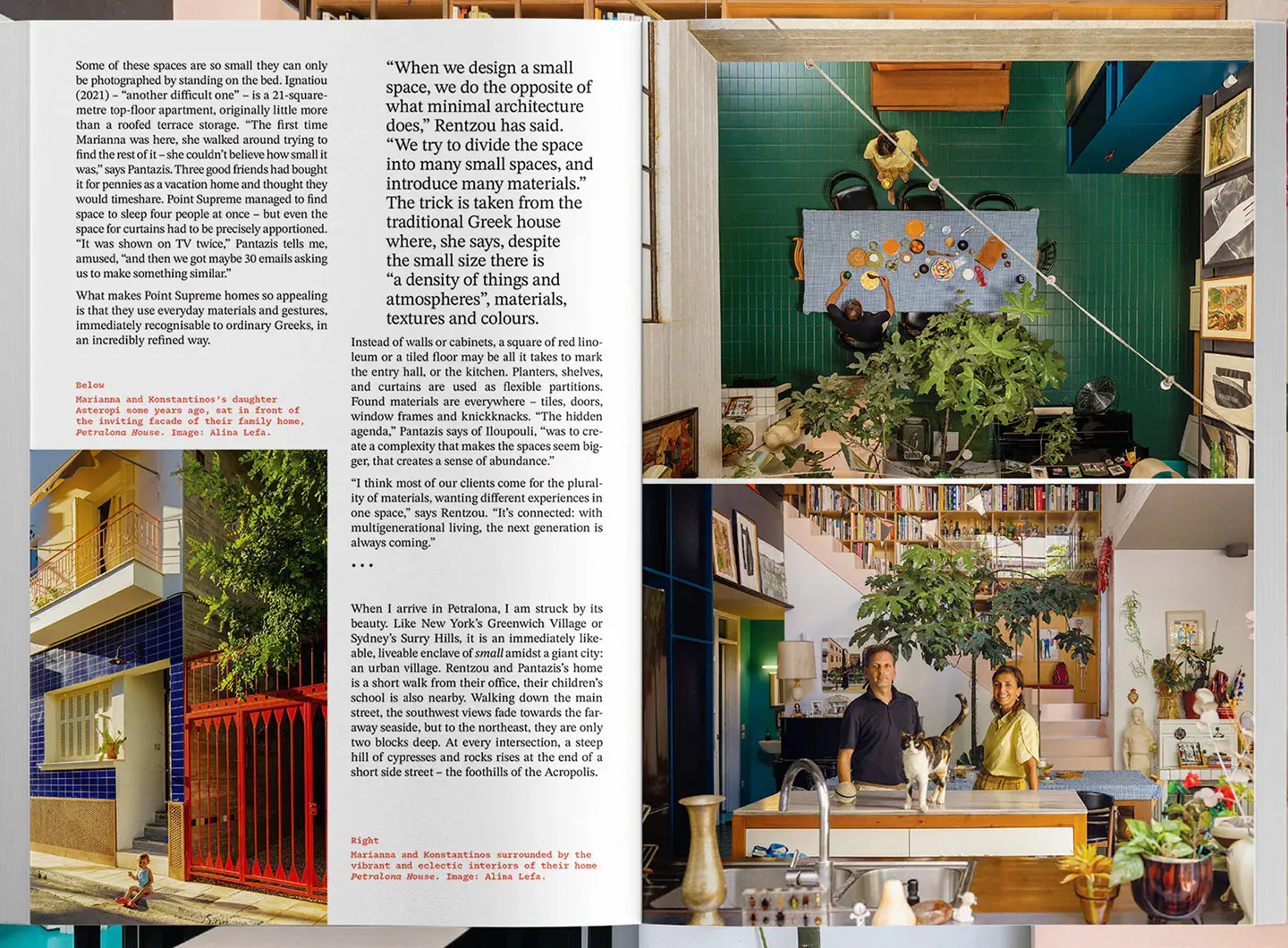
Never Too Small Magazine, From issue 6, Marianna and Konstantinos surrounded by the vibrant and eclectic interiors of their home Petralona House. Photo by Alina Lefa


The same sensibility animates the pages of Sloft, a French magazine founded in Paris by Jean Desportes and Grégoire Hababou, which observes changes in contemporary living starting from small spaces. Beginning with its editorial manifesto, the magazine interprets apartments, workshops, offices and micro-architectures not as simple exercises in interior design, but as a lens through which to interpret developments in urban life.
The interiors selected tell the story of a generation of architects and designers who interpret restricted dimensions as a design opportunity. Here, space is not simply organized: it is rethought. Multifunctional furnishings, tailor-made solutions and environments capable of accommodating different functions demonstrate that flexibility is not a technical expedient but a quality of architecture.
In both cases, a question arises that is bound to become increasingly topical: how much space do we really need to live well?
The answer goes beyond architecture: it concerns the way we inhabit the world. Reducing the surfaces means consuming fewer resources and enhancing the value of the existing building stock. It also means limiting land use and imagining cities in which the quality of life depends as much on private spaces as on shared ones. If the neighborhood offers services, greenery, meeting places and a proximity network, the home can also become more compact without being less welcoming.
The concept of luxury is also changing. Until yesterday it coincided with abundance, but today it is identified with the quality of natural light, the precision of a construction detail, durable materials, and interiors capable of changing with the lives of those who inhabit them.
The new luxury is not having an extra room. It's making sure that every room can be many things together.
Never Too Small and Sloft recount all this without transforming the compact home into a universal model. Rather, they show how constraints can become opportunities for research, and how design expresses its most authentic value precisely when it is called on to cope with complexity.
Perhaps this is the new measure of living. Not a question of square meters, but of design intelligence. Because contemporary design does not simply add space: it adds possibilities. And when a space offers more possibilities, after all, it simply enables us to live better.
Read also: Houses for reading. When interiors become autobiographies
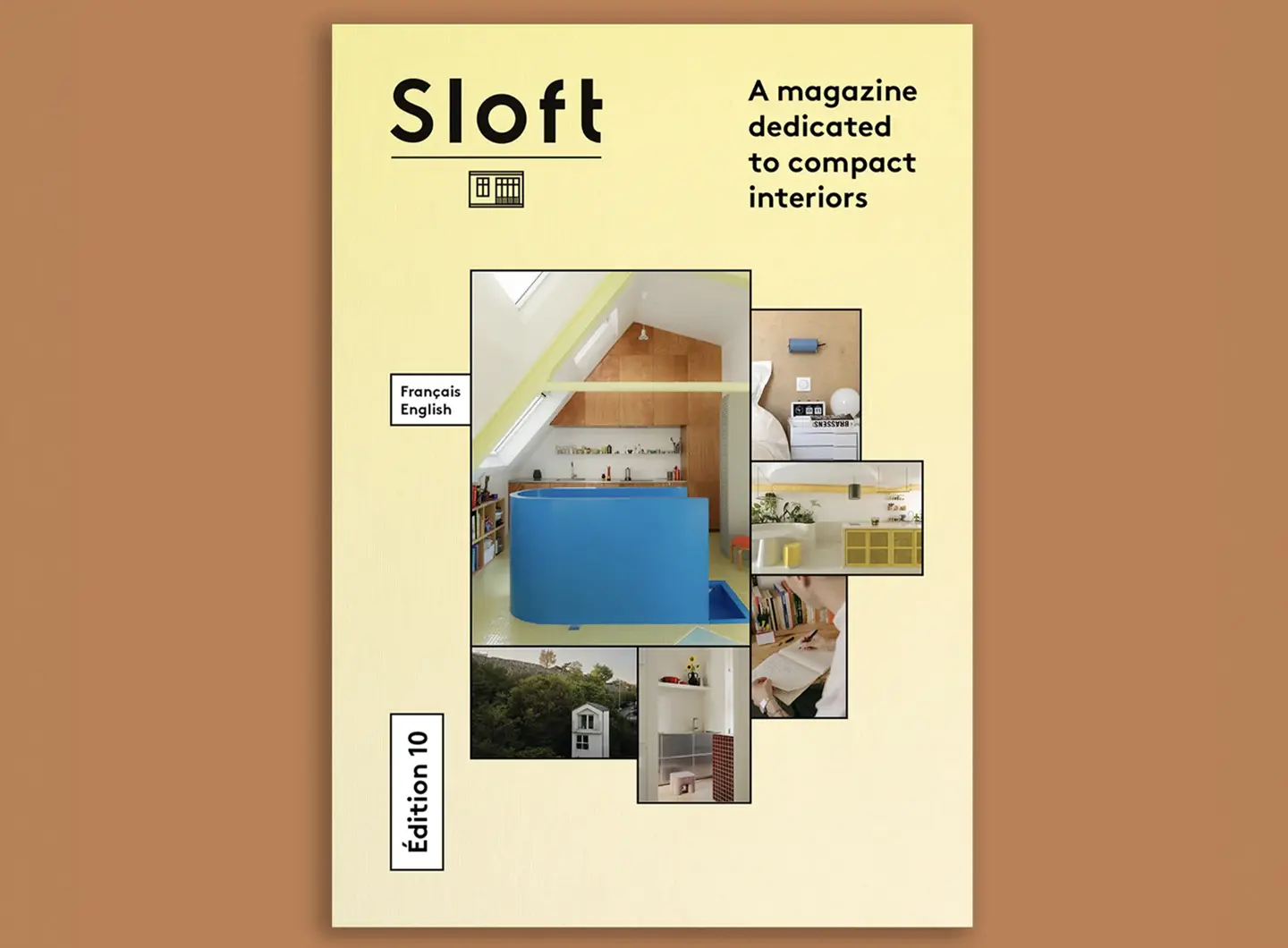
Sloft Magazine, Edition 10 Cover
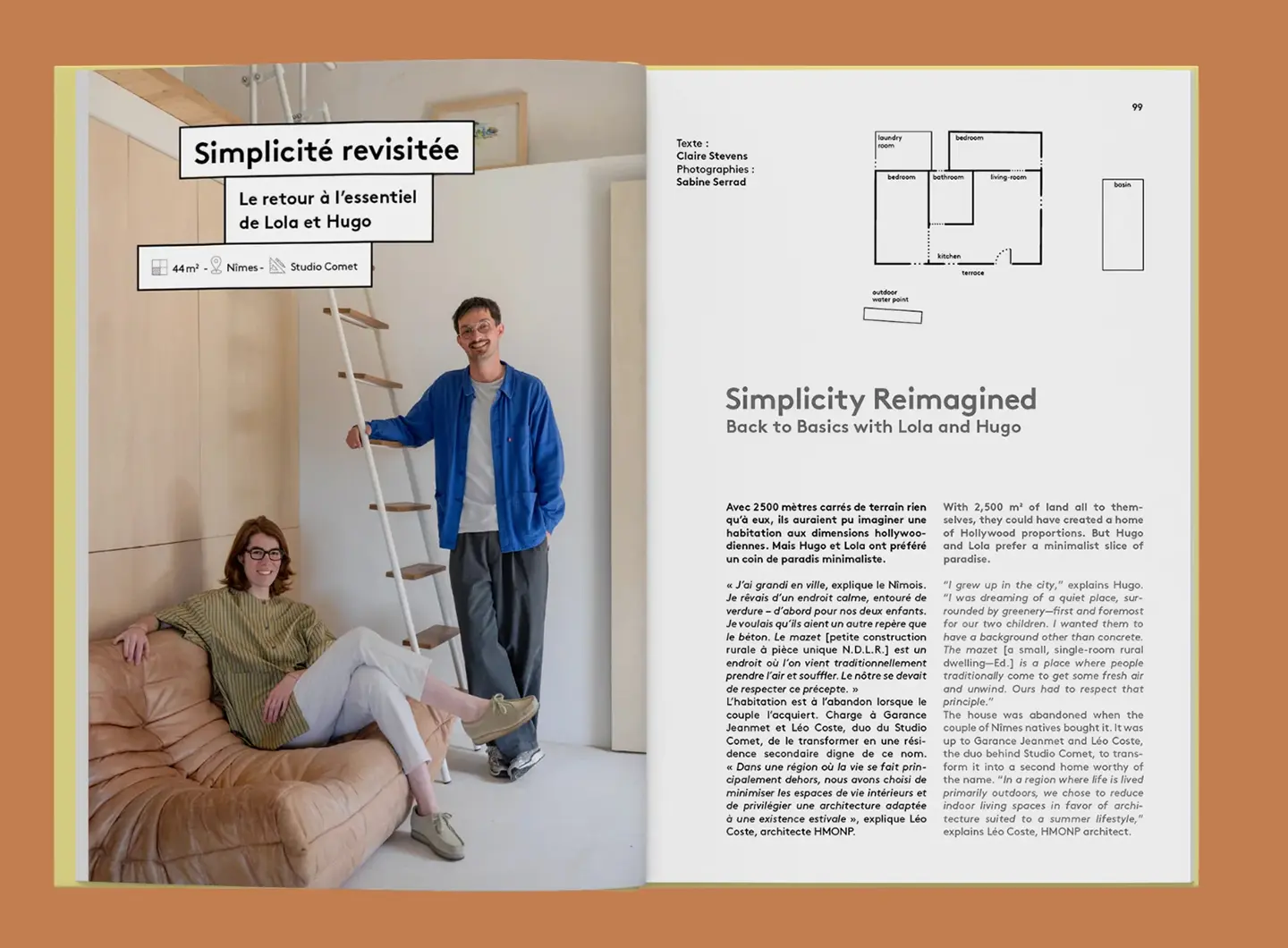
Sloft Magazine, From issue 10, Simplicity Reimagined. Photo by Sabine Serrad
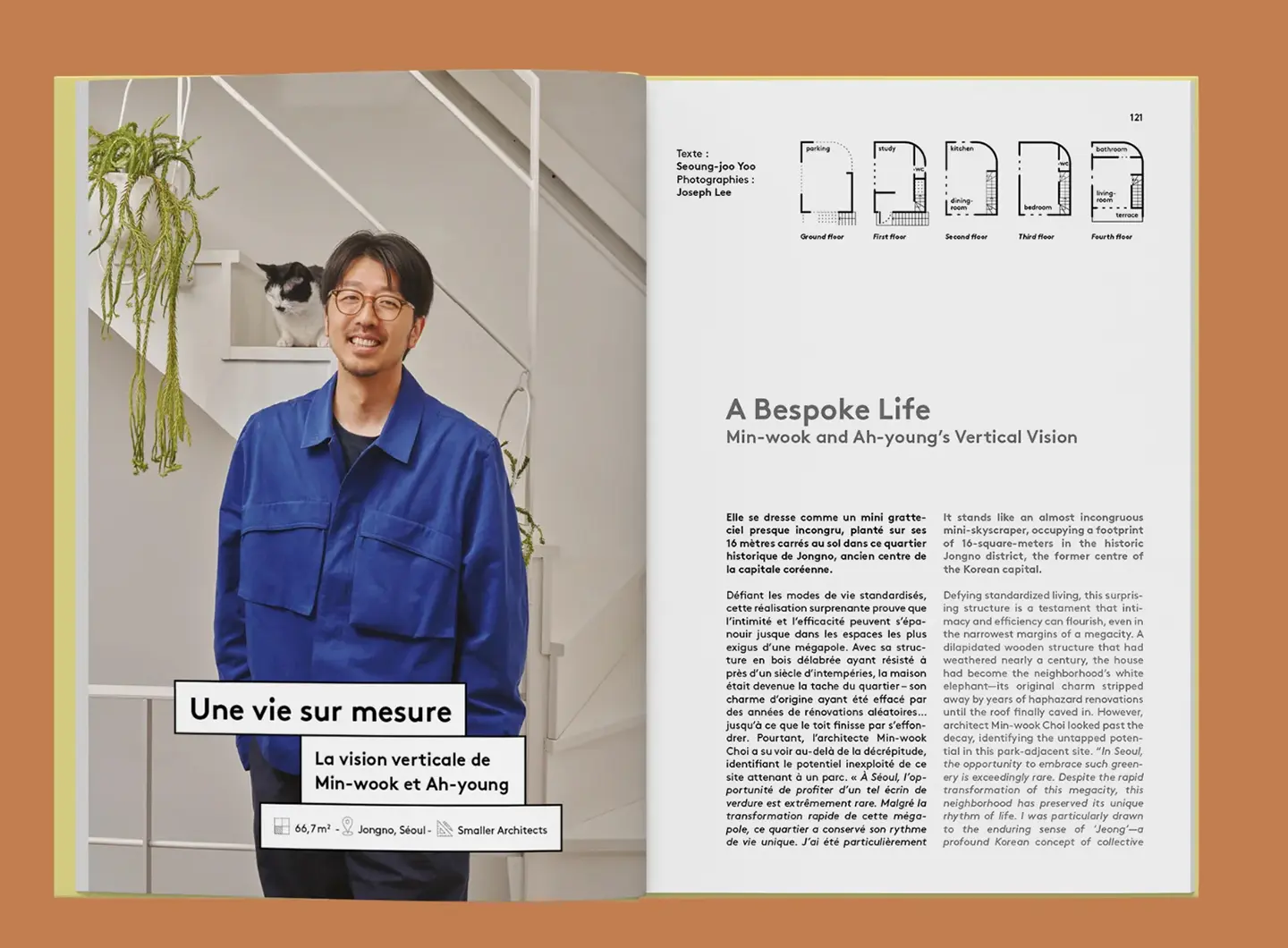
Sloft Magazine, From issue 10, A Bespoke Life. Photo by Joseph Lee
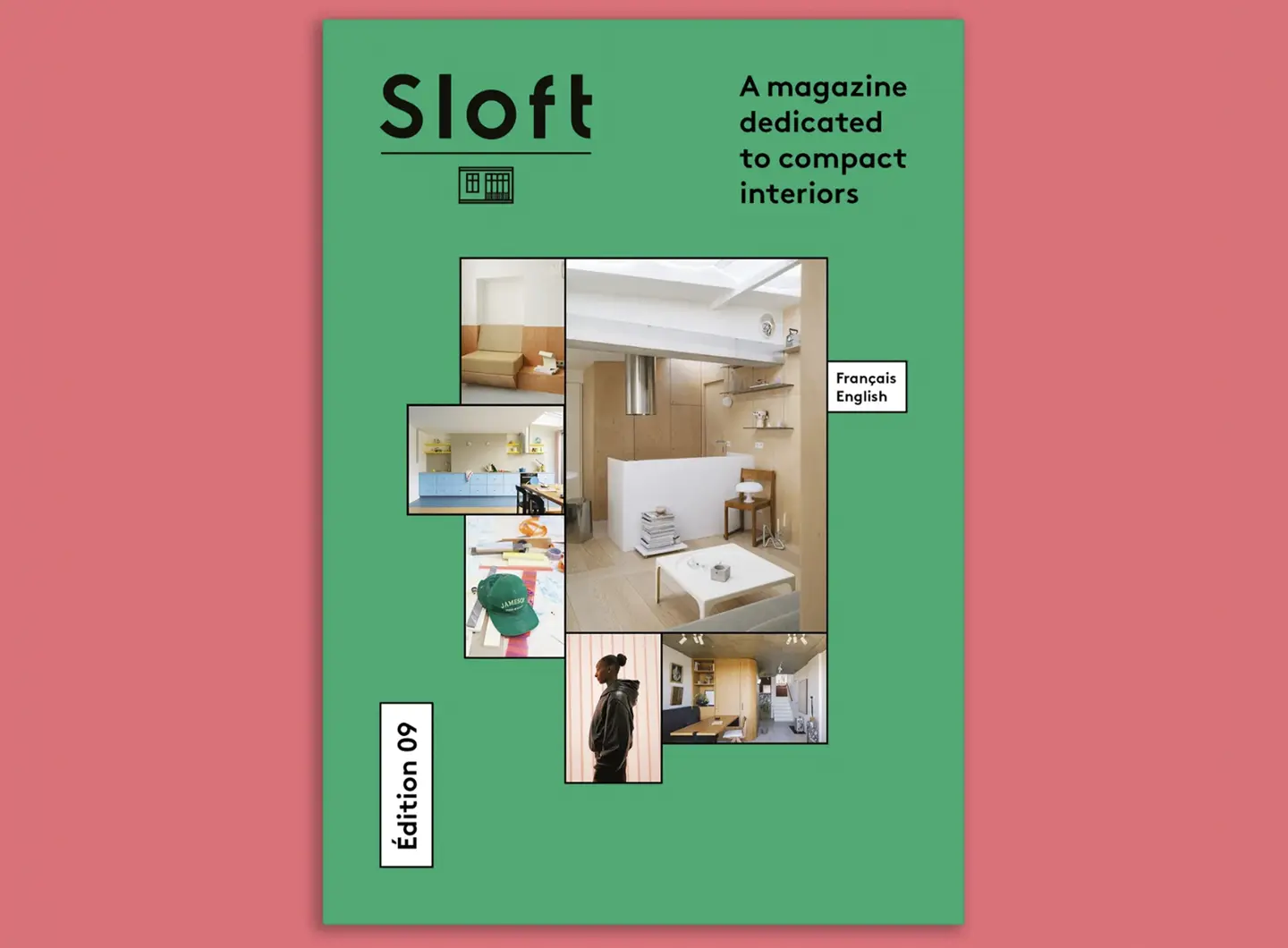
Sloft Magazine, Edition 09 Cover
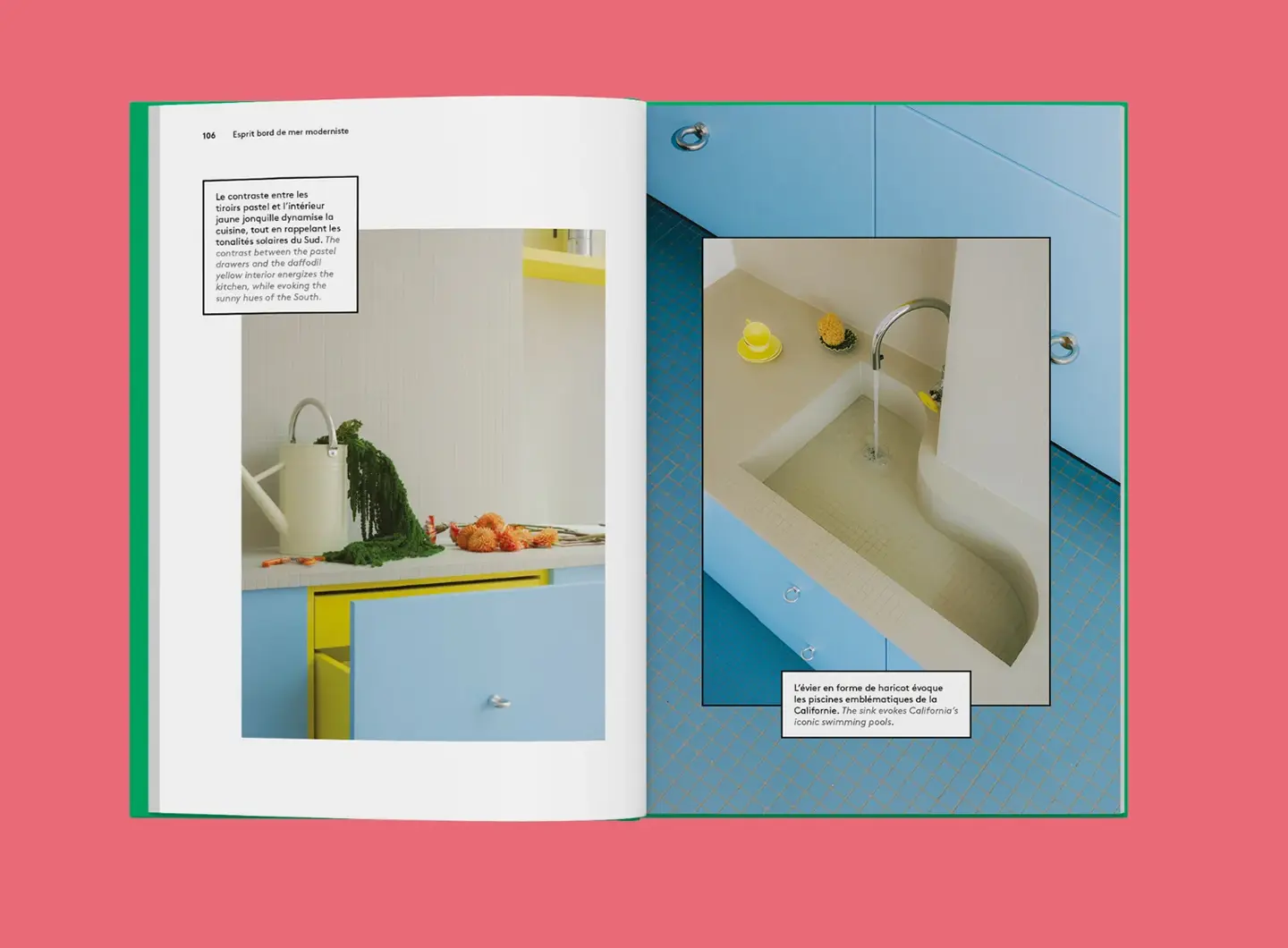
Sloft Magazine, Edition 09
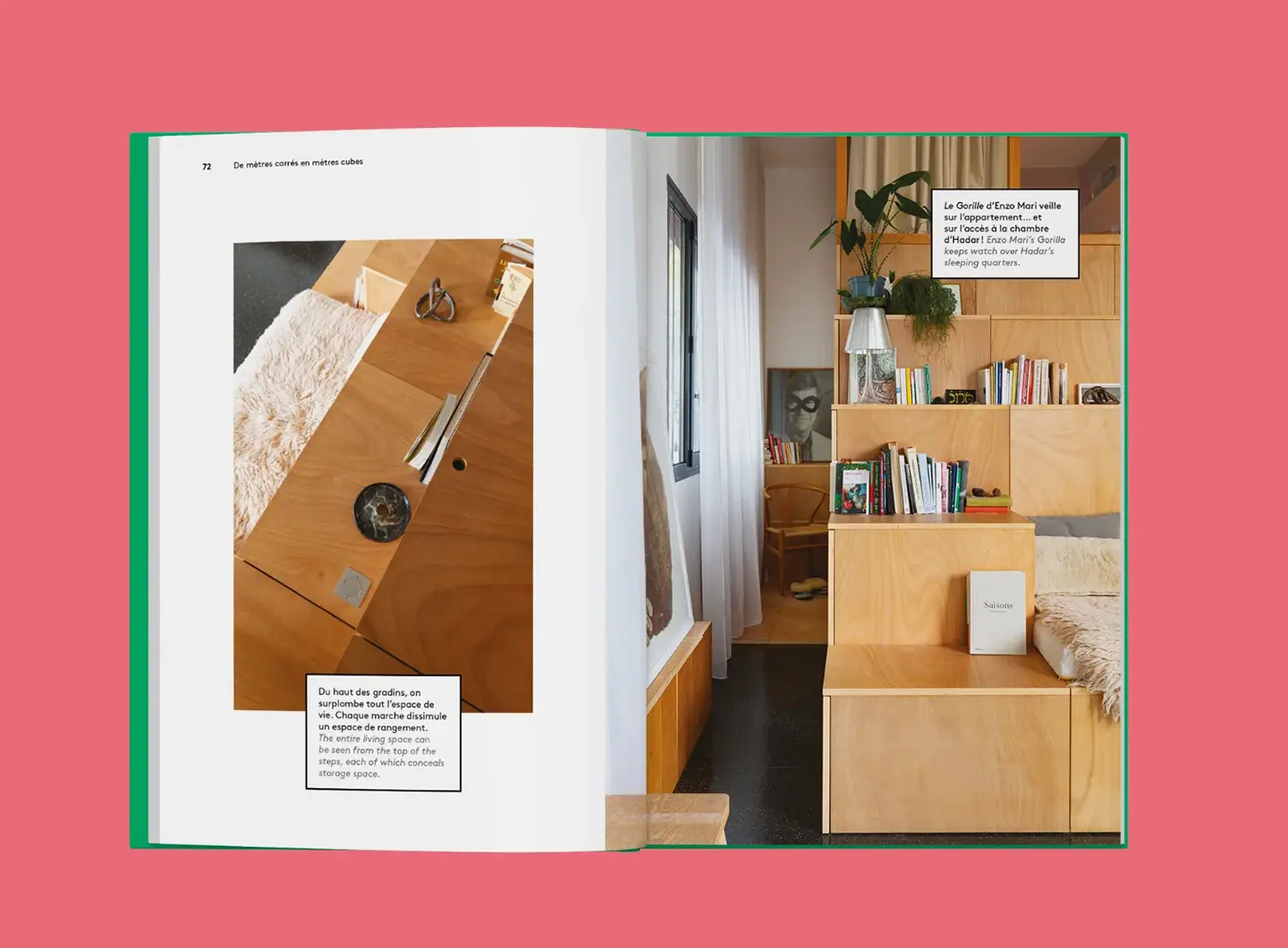
Sloft Magazine, Edition 09
13 July 2026
Share