

 Salone Selection


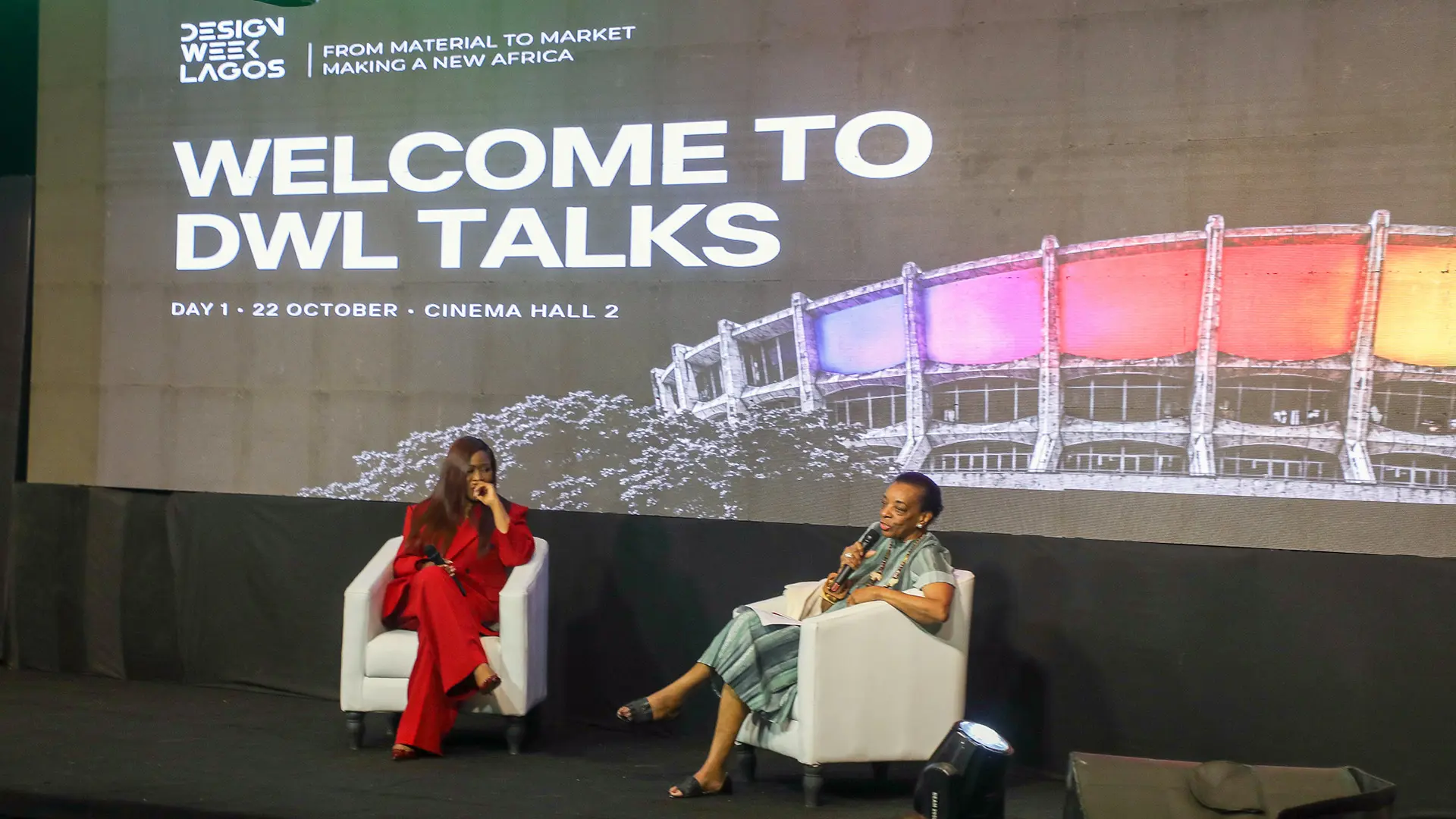
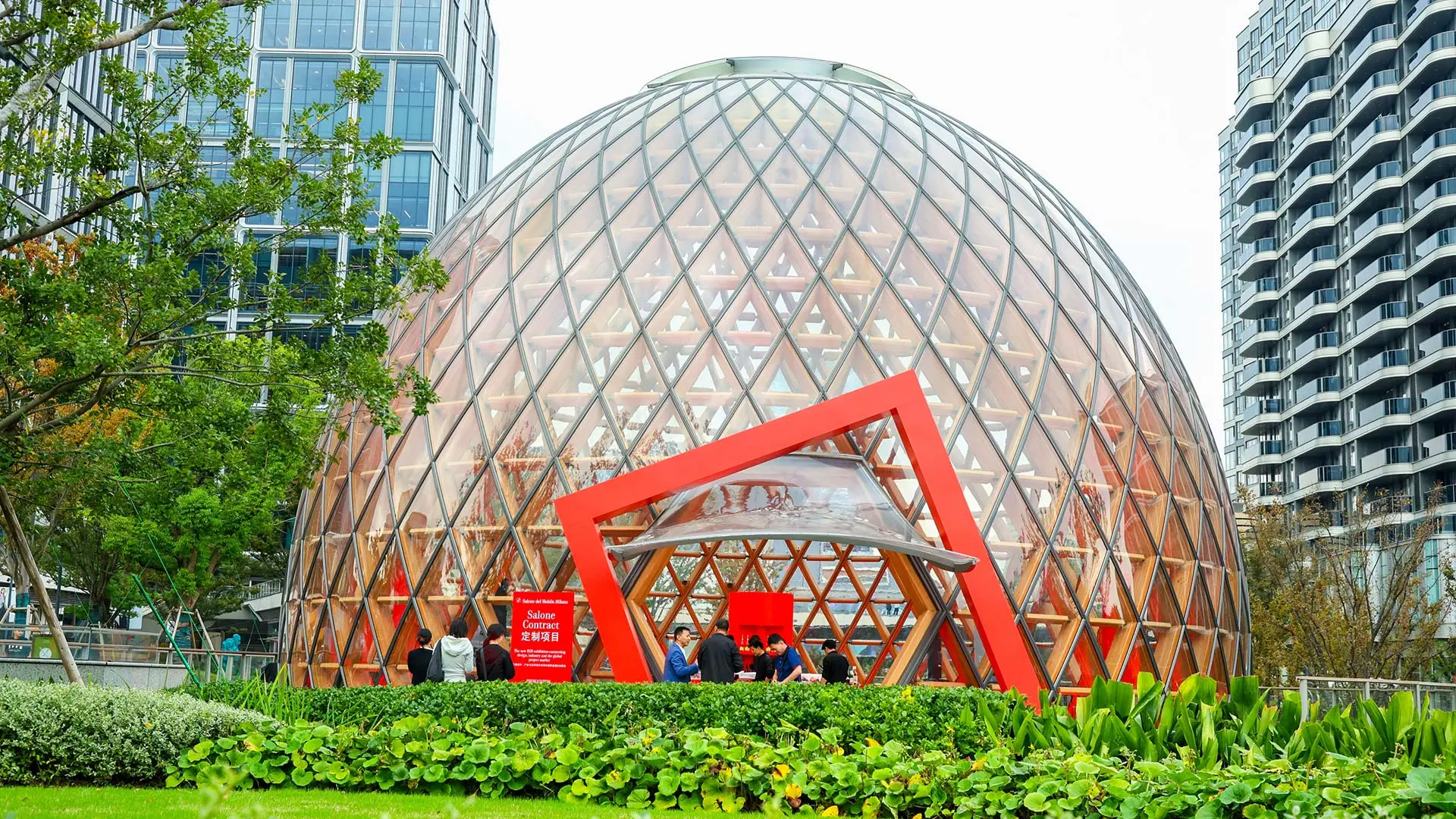
The Salone del Mobile.Milano World Tour will touch down in Nigeria on 21st and 22nd October for Lagos Design Week 2026, the epicentre of the new pan-African creative scene. Amidst fresh creative visions and international dialogue, the first edition of the IDEA Honours will recognise Marva Griffin Wilshire, founder of SaloneSatellite, architect and critic Lesley Lokko, and artist Yinka Shonibare.
Houses for reading. When interiors become autobiographies
Text by
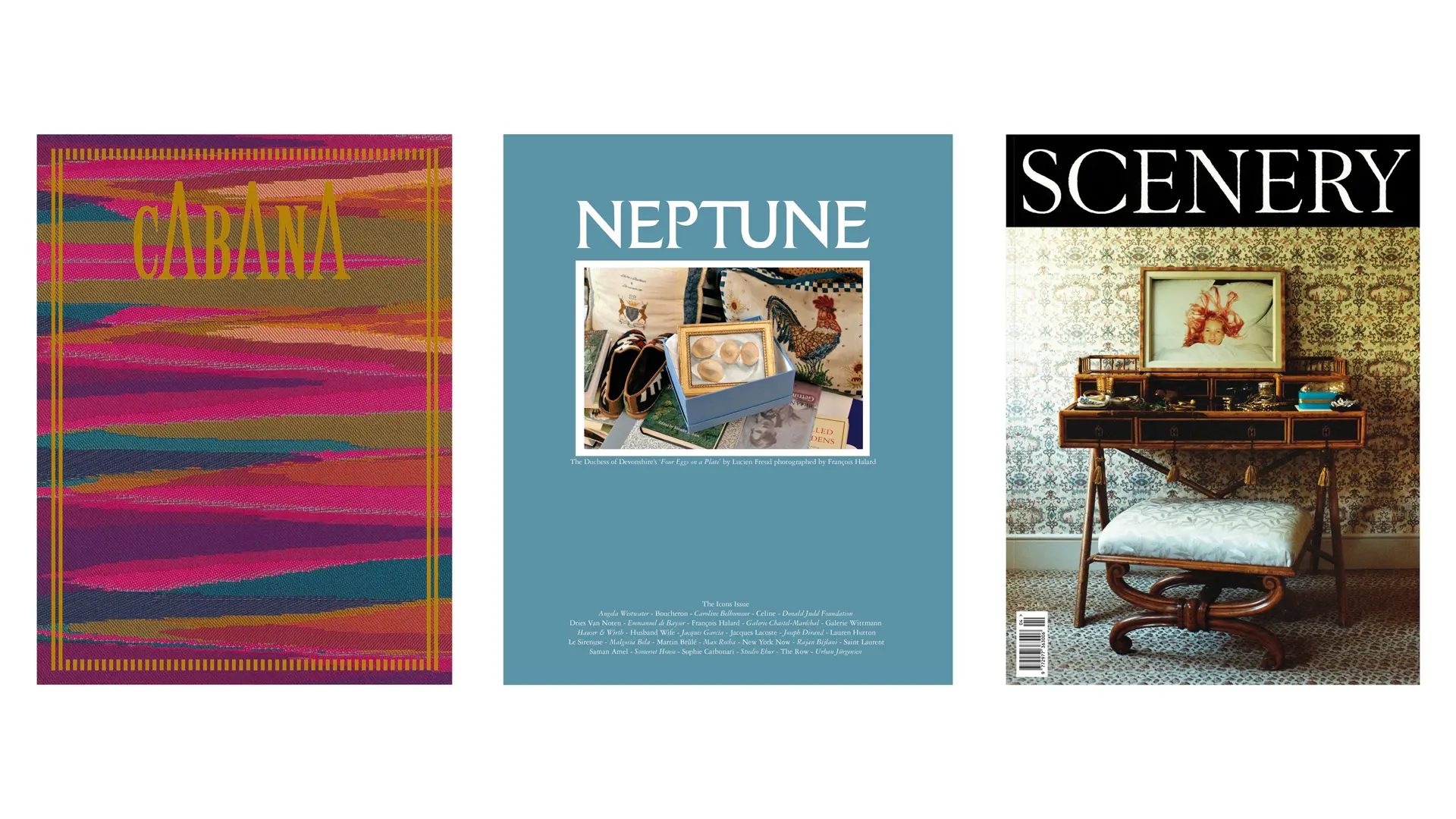
Cabana, Neptune and Scenery: three independent magazines that view the home not as a model to be imitated, but as a portrait of those who live there
The most interesting interiors rarely develop out of a perfectly coherent design. They take shape over time, through choices, habits and memories that end up telling the stories of those who live them. The home thus becomes less an exercise in style and more a form of self-portrait. This has prompted some independent magazines to renew the way they recount interiors. Instead of presenting exemplary decors to be replicated, they observe spaces as settings for personal and cultural expression. The function of photography is also changing, being no longer limited to documenting as it interprets atmospheres and details, bringing out the profiles of the people who live in the interiors.
It is a sensibility shared, with different nuances, by Cabana, Neptune and Scenery. The first rediscovers the vitality of decorative arts and craft traditions; the second looks at the spaces of a contemporary creative community; the third entwines interiors, fashion and editorial photography. In all three, the house is not a style manifesto, but a form of personal expression.
If there is a publication that has helped redefine the contemporary imagery of interiors, it is Cabana. Founded in 2014 by Martina Mondadori, the magazine has built its identity around material culture, craftsmanship and the decorative arts ever since the very first issue featuring an idea of living based on stratification rather than formal coherence. In its pages, historic houses, private collections, fabrics, ceramics and manufactures from different places and traditions coexist. The past is not treated as a nostalgic repertoire, but as a still living material, capable of entering the present through ornamental motifs, craft techniques and the practices of collecting.
Each interior photographed by Cabana appears as the result of a long accrual. Inherited furniture, artworks, wallpapers, fabrics and objects collected on travels form dense compositions, in which different eras and origins coexist without the need to represent a single language. More than from the direction of a unified project, harmony arises from accumulation and continuity with the history of a place. In this way the magazine has restored to the center of the debate an aesthetic of superimposition, which has long remained in the background compared to the dominance of minimalism. Its houses claim the value of color, ornament and complexity against any form of standardization, giving an insight into individual worlds in which decoration becomes a way of preserving and transmitting culture.

Cabana, by Martina Mondadori

Cabana, by Martina Mondadori
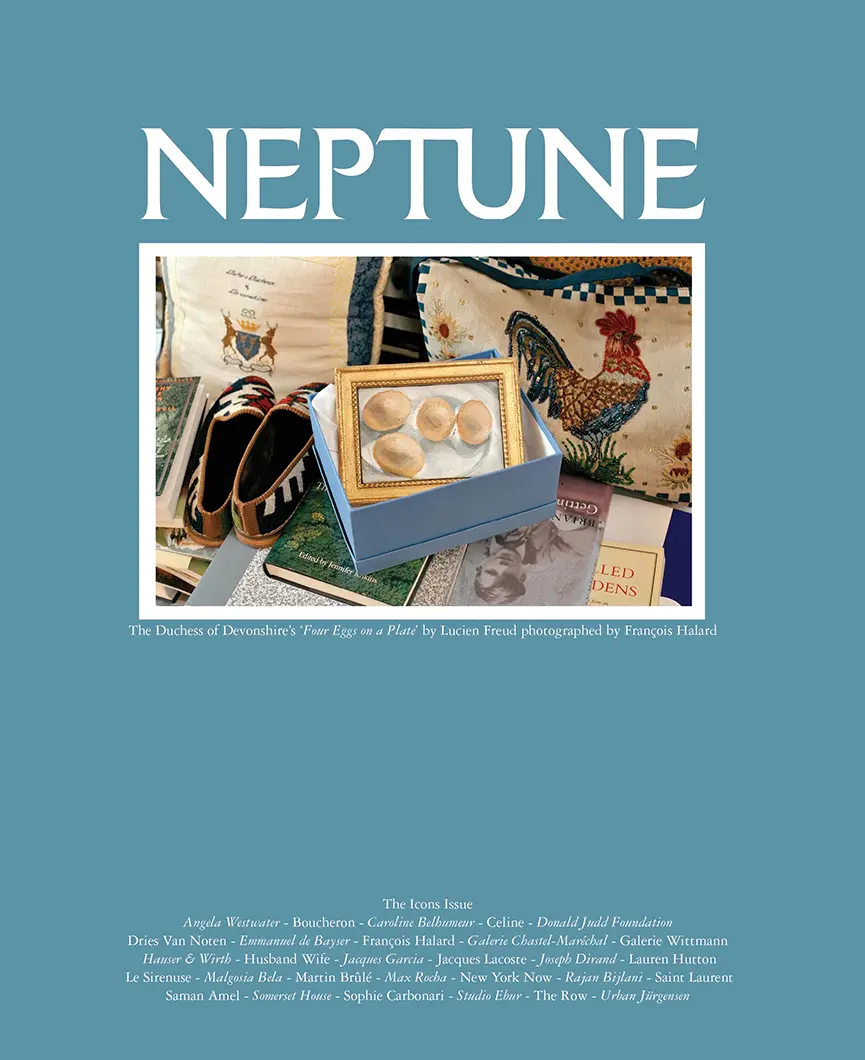
Neptune, by Daytona Williams
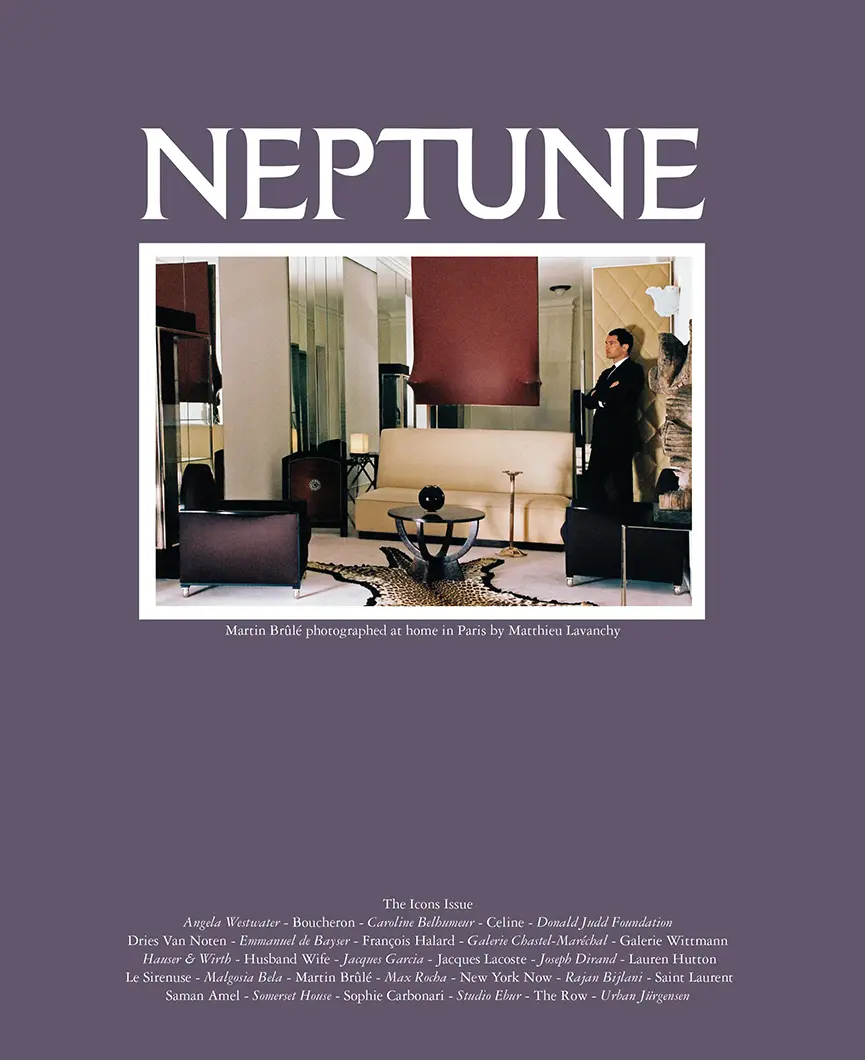
Neptune, by Daytona Williams
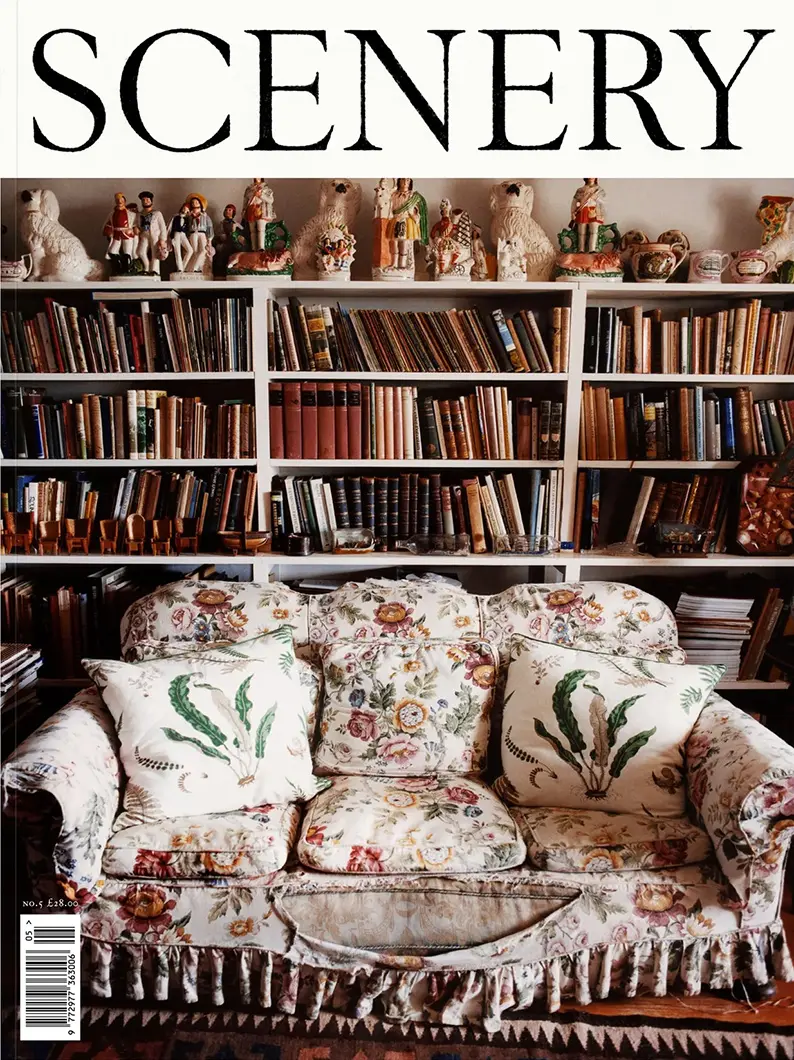
Scenery, by Simon B Mørch
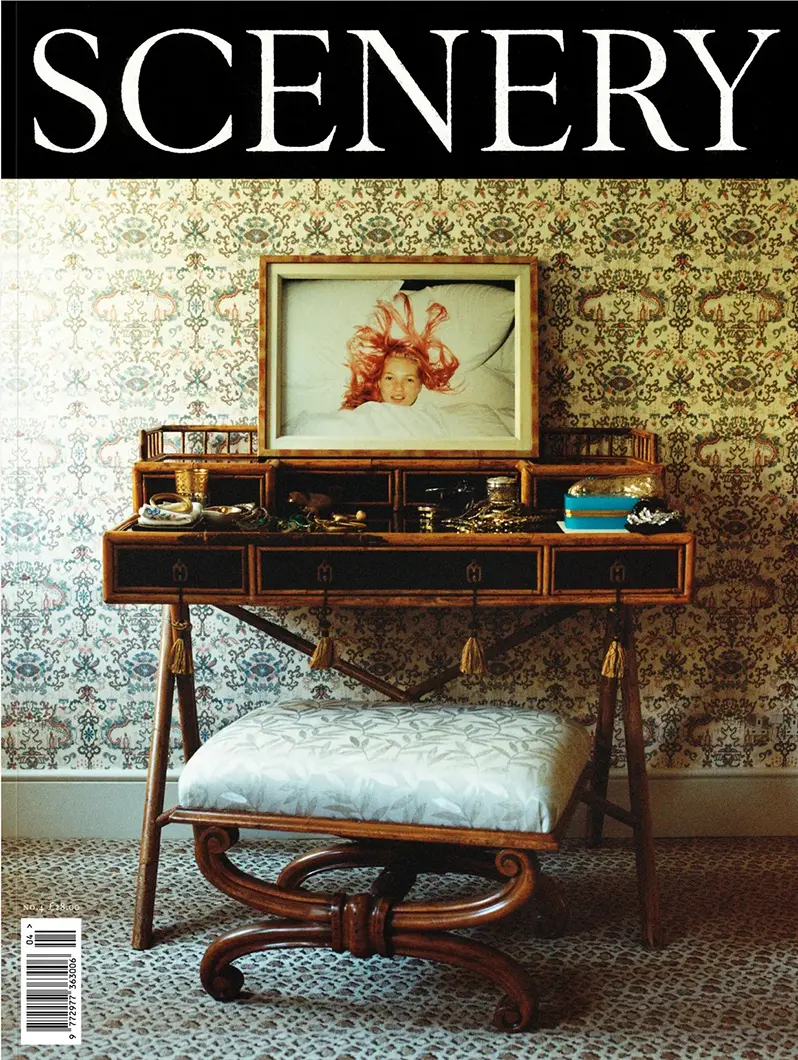
Scenery, by Simon B Mørch


A similar sensibility, but aimed more decisively at contemporary creativity, emerges in Neptune, an editorial project founded in 2021 by Daytona Williams. The magazine tells the story of homes and studios as places where artistic practice, personal taste and everyday life converge, composing the portrait of an international community with a love for fashion, art, photography and design.
Compared to Cabana historical and decorative richness, Neptune adopts a more intimate and immediate gaze. The interiors are not presented as examples of a particular tradition of living, but as extensions of the work and sensibility of their inhabitants. Books, artworks, photographs, furnishings and everyday objects enter the image without losing their naturalness. Photography favors atmosphere and proximity, suggesting continuity between domestic space, professional research and personal identity. Rather than illustrating a taste, Neptune looks at how a sensibility is shaped in space.
If Cabana interprets interiors through the history of decoration and Neptune uses them to portray a contemporary creative scene, Scenery takes this research into a region where photography, fashion and the home become almost inseparable. Founded in London in 2023 by Danish creative Simon B Mørch, Scenery represents one of the most recent expressions of this approach. Growing out of the encounter between fashion culture, editorial photography and the world of interiors, the magazine observes homes as ecosystems in which people, objects and environments build a unified narrative.
Its pages host artists, photographers, designers, stylists and collectors, recounted through the spaces in which they live and work. Domestic interiors become tools for coming closer to their passions, cultural references and personal obsessions. The photographs are not confined to telling the stories of homes or people, but build a single visual universe in which clothes, objects, artworks and rooms contribute to a single narrative.
The gaze often focuses on textures, accumulations and unexpected combinations. A fabric, a stack of books, an artwork resting against a wall or an object out of place can carry the same narrative weight as a room observed as a whole. The home is never reduced to a simple background, but becomes an active presence. Photography also retains something of the language of fashion, without transforming environments into artificial sets. The images are constructed and conscious, but they reveal traces of everyday life and forms of disorder. The result is an interpretation of dwelling as a visual autobiography, in which meaning arises from the relationships between people, objects and spaces.
Viewed together, Cabana, Neptune and Scenery show how the narrative of interiors is changing. The home understood as a complete image is replaced by open and imperfect spaces, defined over time by those who live in them. Rather than presenting models or styles, they explore the personal relationship with objects and places. Homes thus become continuously evolving portraits: not stage sets to be replicated, but interiors capable of preserving experiences and identities.
19 June 2026
Share