

 Stories


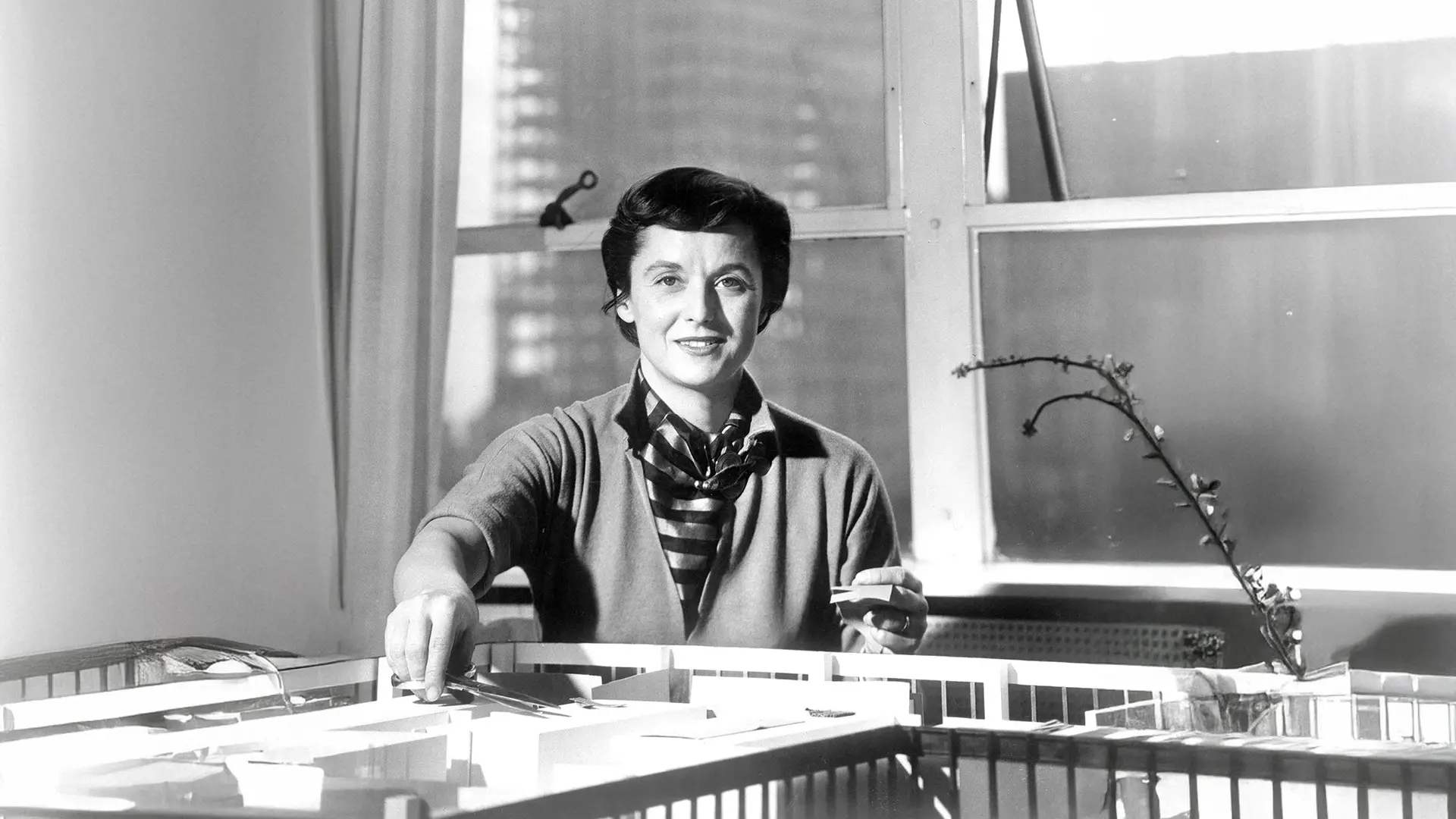
The Planning Unit, the collective catalogue of Mies, Saarinen and Bertoia and “meat and potatoes” furniture: how Florence Knoll invented the modern office whilst opting to stay out of the limelight.

Carved Landscapes Collection, Ovo Chair, Toko Table, Majo Lamp, Piegatto
The experience of design explained by Piegatto
“If something is truly well made, it does not require explanation, it speaks for itself”. This is how Alejandro Estrada describes his idea of design. Alejandro has founded Piegatto with Sandra Ovalle and the studio has built its identity around the idea that furniture can carry the spirit of a place. We talked about the history of the studio and their first participation ad Salone del Mobile.Milano.
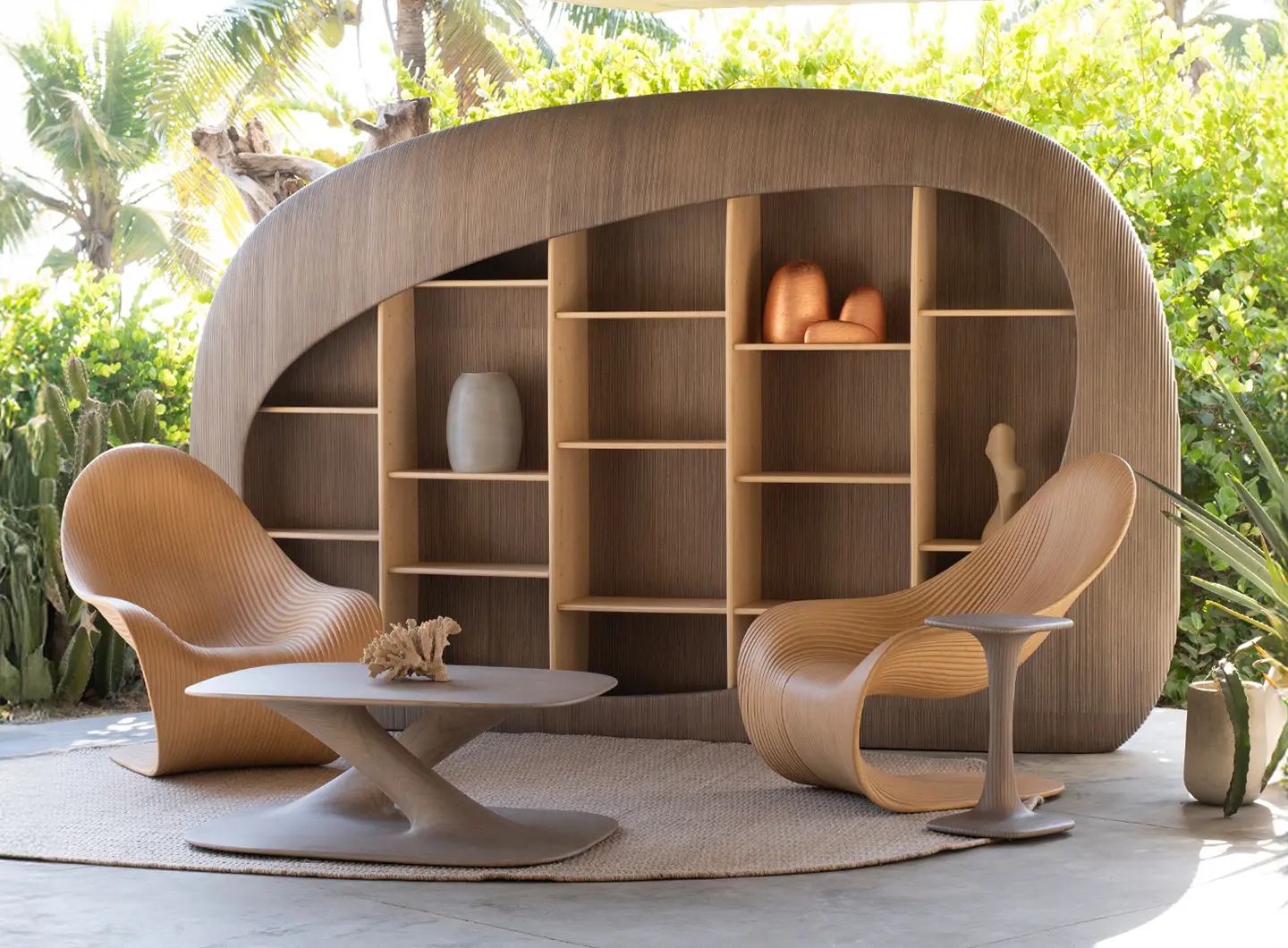
Fogli Chair, Woodstone Bookshelf, Ikiga Coffee Table, Khiga Side Table, Piegatto
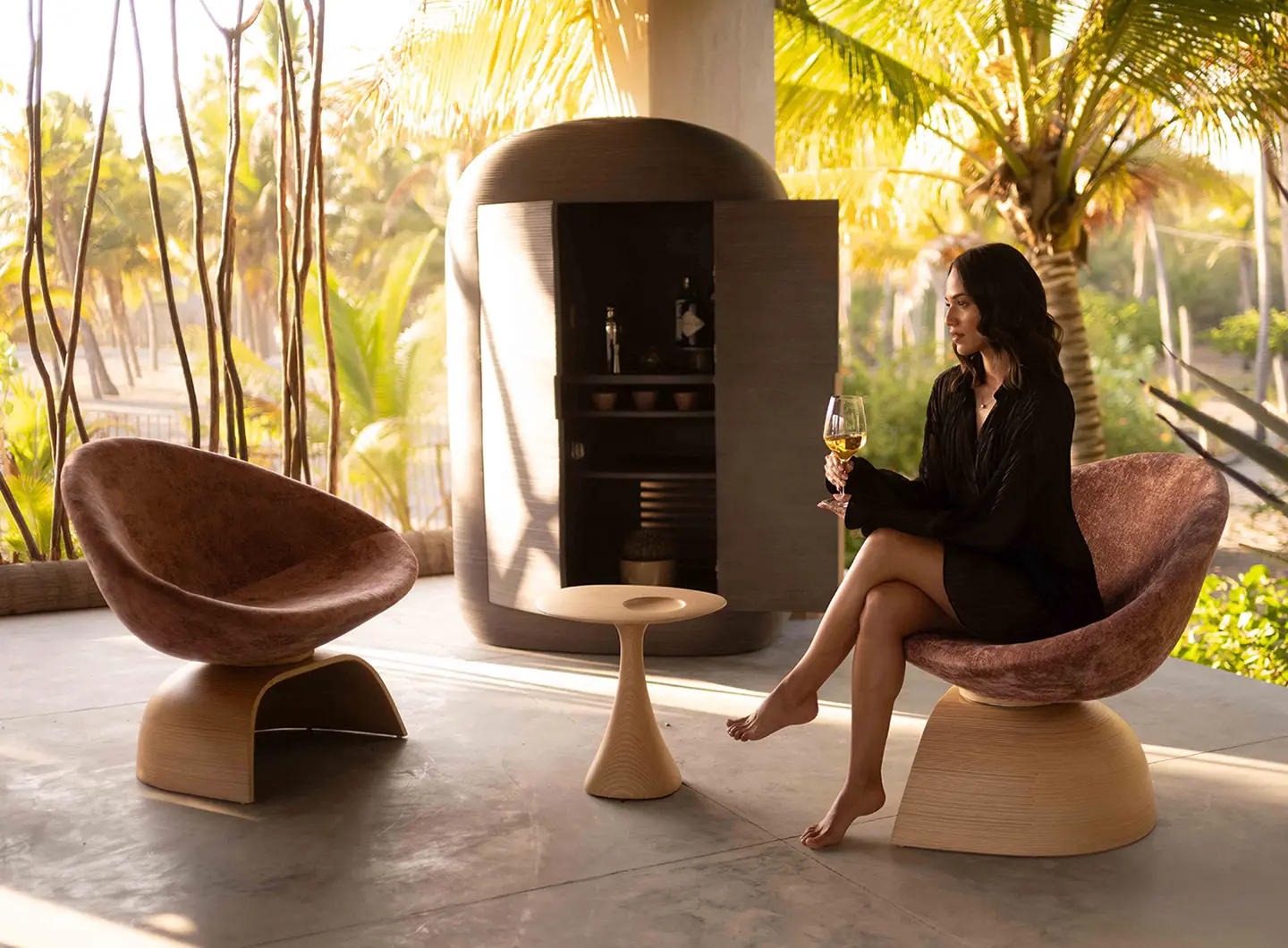
Carved Landscapes collection, Ovo Rest Chair, Tero Side Table, Piegatto
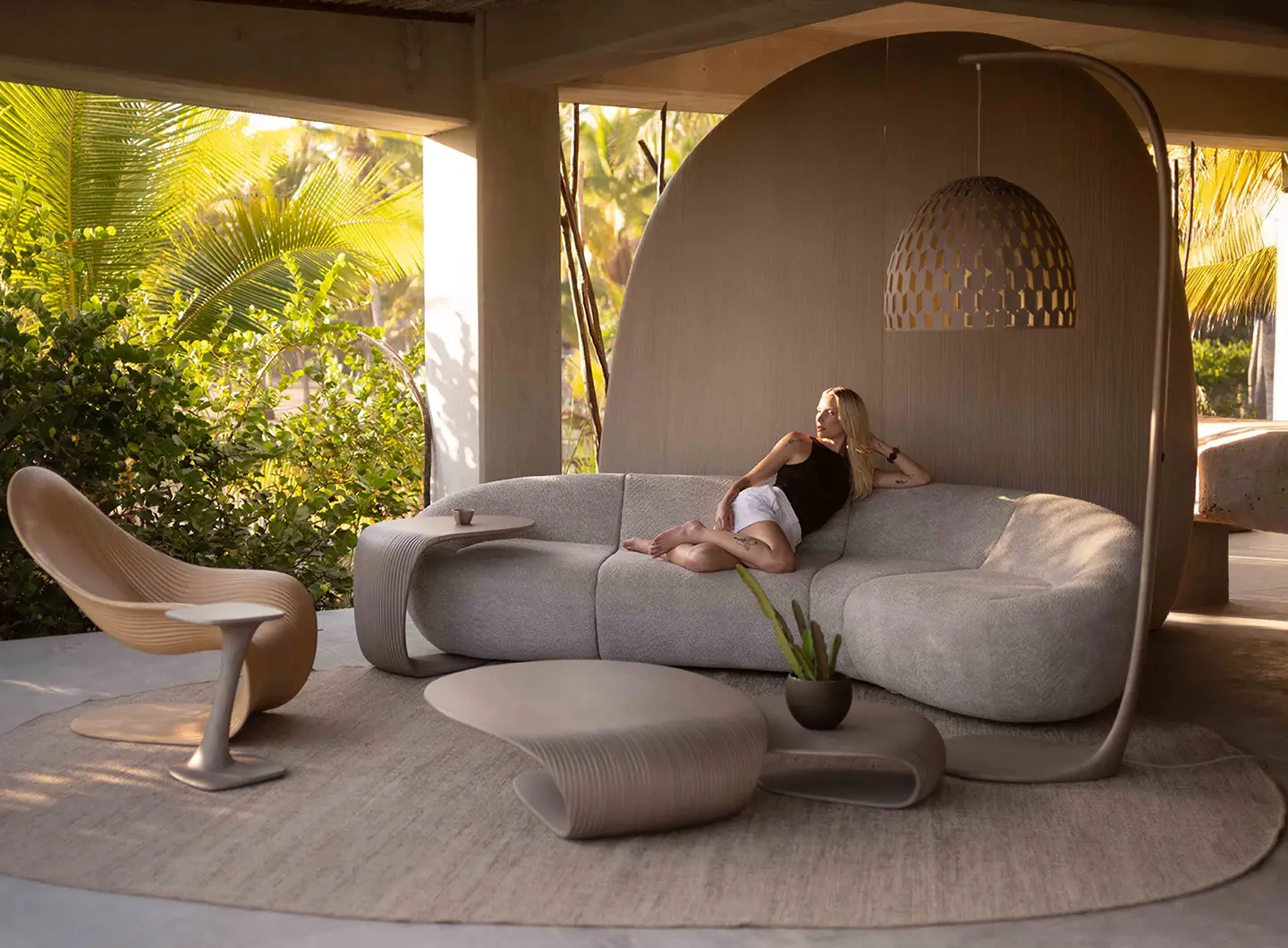
Nuuk Modular Sofa, Palm Coffee Tables, Floor Pendant Lamp, Fogli Chair, Piegatto
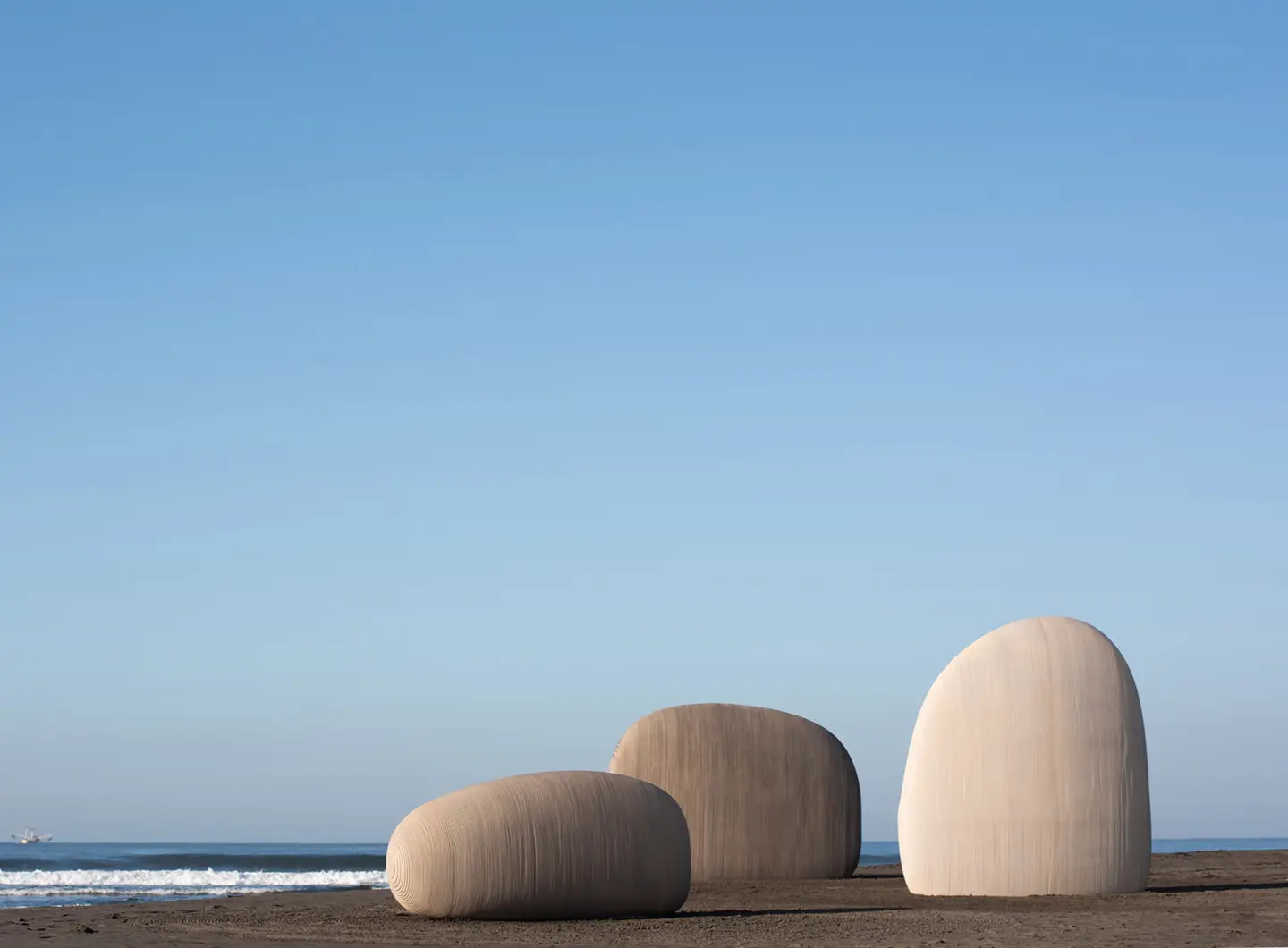
Carved Landscapes collection
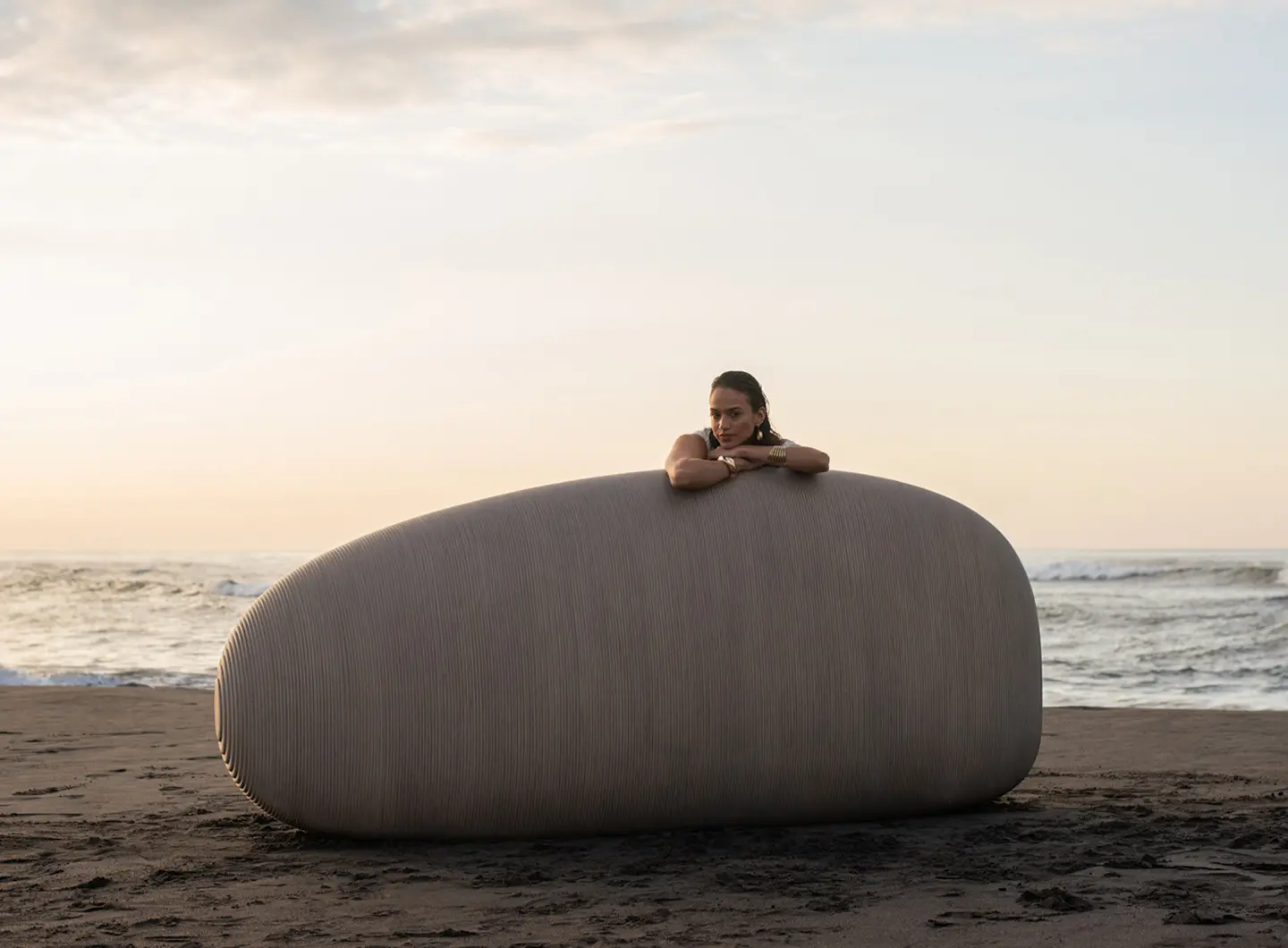
Woodstone Sideboard, Piegatto


Tell me the story of Piegatto
We are a family business at heart, and that has always been the foundation of everything we do. Piegatto began with us, Sandra and Alejandro, both architects from Guatemala, with a shared desire to create something of our own. But over time, it has grown far beyond just the two of us. Today, it includes our children, our extended family, and a team that has truly become part of that family, from the artisans in the workshop to the designers and everyone involved in the process.
The beginning of our story really took shape in Florence, where we went to study sculpture and restoration. It was there that we understood how ideas are shaped through craftsmanship, how material, time, and the hand come together. That experience stayed with us, and in many ways, everything we do today still comes from that moment.
The foundation of Piegatto’s design lies in this relationship between material, process, and emotion. We do not approach design as something to be imposed, but something to be uncovered. Each piece begins with an intuitive dialogue with the material, allowing it to guide form rather than forcing a predetermined outcome. In this way, design becomes less about creating and more about revealing.
Nature is also central to our approach. Not as something to replicate, but as something to interpret, its weight, its erosion, its imperfections, and its sense of permanence. We are interested in how objects can feel grounded, almost architectural, while still remaining deeply human and tactile.
At the same time, collaboration is essential. Every piece is the result of many voices, artisans, designers, engineers, all contributing to its evolution. Ideas are layered over time, gradually taking shape until they reach a point where they feel inevitable.
What we create now spans furniture, lighting, art, and architecture, but it is always approached as one continuous language. The pieces do not feel imposed, they feel as if they were always there, waiting to be revealed within the material.
You have lived in Italy, right?
Yes, living in Italy in the 90s was fundamental point in the evolution of piegatto for us. Alejandro and Sandra, it was where we learned the depth of craftsmanship and the importance of process. It changed how we see design completely.
Coming back to Milan now, to present at Salone, feels like closing a circle. The journey that began in Italy, driven by passion and curiosity, now returns to the same place, but on a global stage. It is a moment where everything aligns, where past and present meet, and the work begins to speak on its own.
For us, Salone is not just another fair, it is the place where design truly exists at its highest level.
It’s your first time at Salone del Mobile in Milan. Why now?
Salone has always been somewhere we wanted to be. It represents the world stage of design, a place with history, meaning, and a certain level of dialogue that is very important to us.
A few years ago, around three years back, we had a moment that stayed with us. We were all together in Guatemala after a designer dinner, sitting as a family, not just Sandra and Alejandro, but our children, nieces, in-laws, and members of our team who have become part of that family. We started talking about Salone, about what it represents, and how, in our eyes, it is the place to be.
From that moment, it became part of our story. Not as something to rush towards, but as something that would happen when the time was right.
The journey, like our work, has unfolded gradually, step by step. And now it feels like the right moment, where everything aligns naturally and allows us to be there in an honest and meaningful way.
What does it mean to do design today?
For us, design today is about experience. It is about how people connect to an object, how it makes them feel, and the story it carries. It is about the hands that made it, the hands that designed it, and the connection it creates between them and the person who encounters it.
Design should not be something that is understood immediately. It should reveal itself gradually, as you move through it, as you spend time with it. It is not something you understand at once, it unfolds slowly, step by step.
In many ways, the work begins before it is fully seen. The pieces emerge rather than simply appear, shaped as much by the material as by the hand. There is a moment where everything aligns, where past and present meet, and the work begins to speak on its own.
What we create is not meant to be explained, but to be experienced. If something is truly well made, it does not require explanation, it communicates through its presence.
It often begins as a landscape, something intuitive and almost abstract, and only with time does it reveal what it truly is.
Is Guatemala City a model city for you?
Guatemala, and especially nature, is a constant source of inspiration for us. It is not about replicating a specific place, but about translating a feeling, a texture, a memory into material and form.
Our work is deeply connected to nature, to landscapes, to the passage of time. In many ways, what we create feels like a landscape carved not only from material, but from time, memory, and the act of making.
Tell me about Casita Piegatto
Casita Piegatto is a very special place for us, it is both a physical space and an extension of our philosophy. Located in Lake Atitlán, which we believe is one of the most beautiful places in the world, it brings together nature, architecture, and design in a very honest and direct way.
It is not a showroom in the traditional sense. It is a living space where our work exists in its natural environment, where furniture, architecture, and landscape are experienced together. It allows people to understand not just what we create, but how it feels to live with it.
We invite designers, collaborators, and guests to come and stay, to experience our world fully. It is about slowing down, disconnecting from the outside pace, and reconnecting with something more essential, with nature, with material, and with the process behind what we do.
In that sense, Casita becomes a bridge between our work and the people who experience it. It is not something that is immediately understood. Like our pieces, it unfolds gradually, step by step. What begins as a landscape slowly reveals layers of meaning, how the architecture sits within nature, how the objects inhabit the space, and how everything connects.
The experience evolves over time, shaped not only by the material and the place, but also by the people who pass through it.
Highlight content
16 April 2026
Share