10 exhibitions for architecture and design buffs this summer

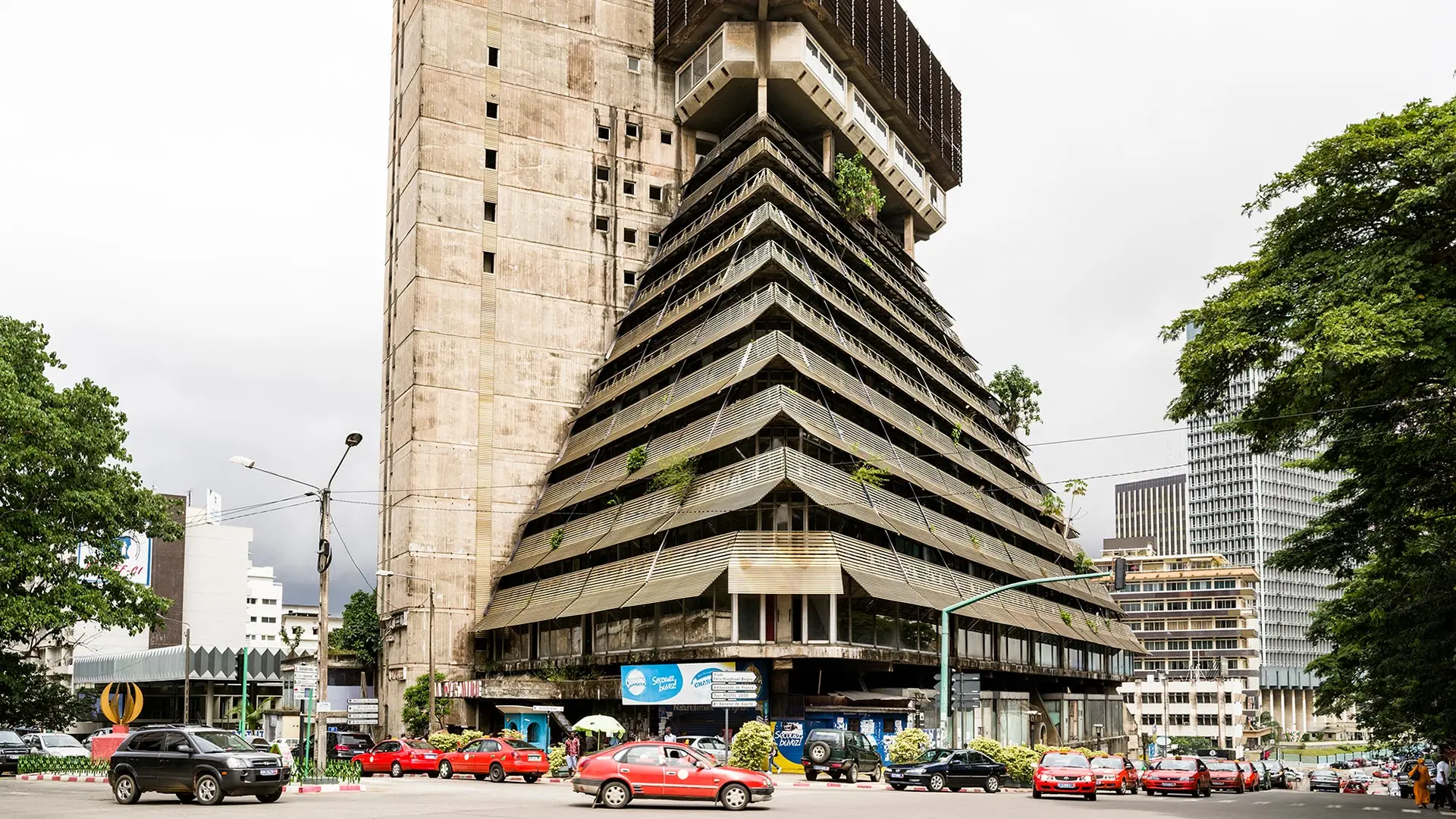
La Pyramide, Abidjan, Côte d’Ivoire. 1968–⁠73. Rinaldo Olivieri (1931–⁠1998). 2025. Photograph: François-Xavier Gbré

La Pyramide, Abidjan, Côte d’Ivoire. 1968–⁠73. Rinaldo Olivieri (1931–⁠1998). 2025. Photograph: François-Xavier Gbré

Summer 2026 designs the map of an exhibition geography where architecture and design explore archives of modernism, contemporary practices, and new ecologies of design

Ranging from a critical re-reading of the Italian tradition at the MAXXI to post-colonial genealogies of modernism in West Africa at the MoMA, and material experiments with raw earth in Lisbon, an enlarged field emerges where design is increasingly entwined with context, resources, and spatial politics. Through historic institutions and research platforms, exhibitions become tools for understanding not just what architecture has been but what it is becoming. To these are added the major exhibitions and monographs published at the start of the year. 


Vitalità dell’architettura italiana 1946–2026 

Curated by Pippo Ciorra and Elena Tinacci, the exhibition retraces eighty years of Italian architecture from the post-war period until today. Archives, models and contemporary projects create a critical narrative that relates the modernist heritage to new design practices. 
Where: Rome, MAXXI 
When: until 15 November 2026 
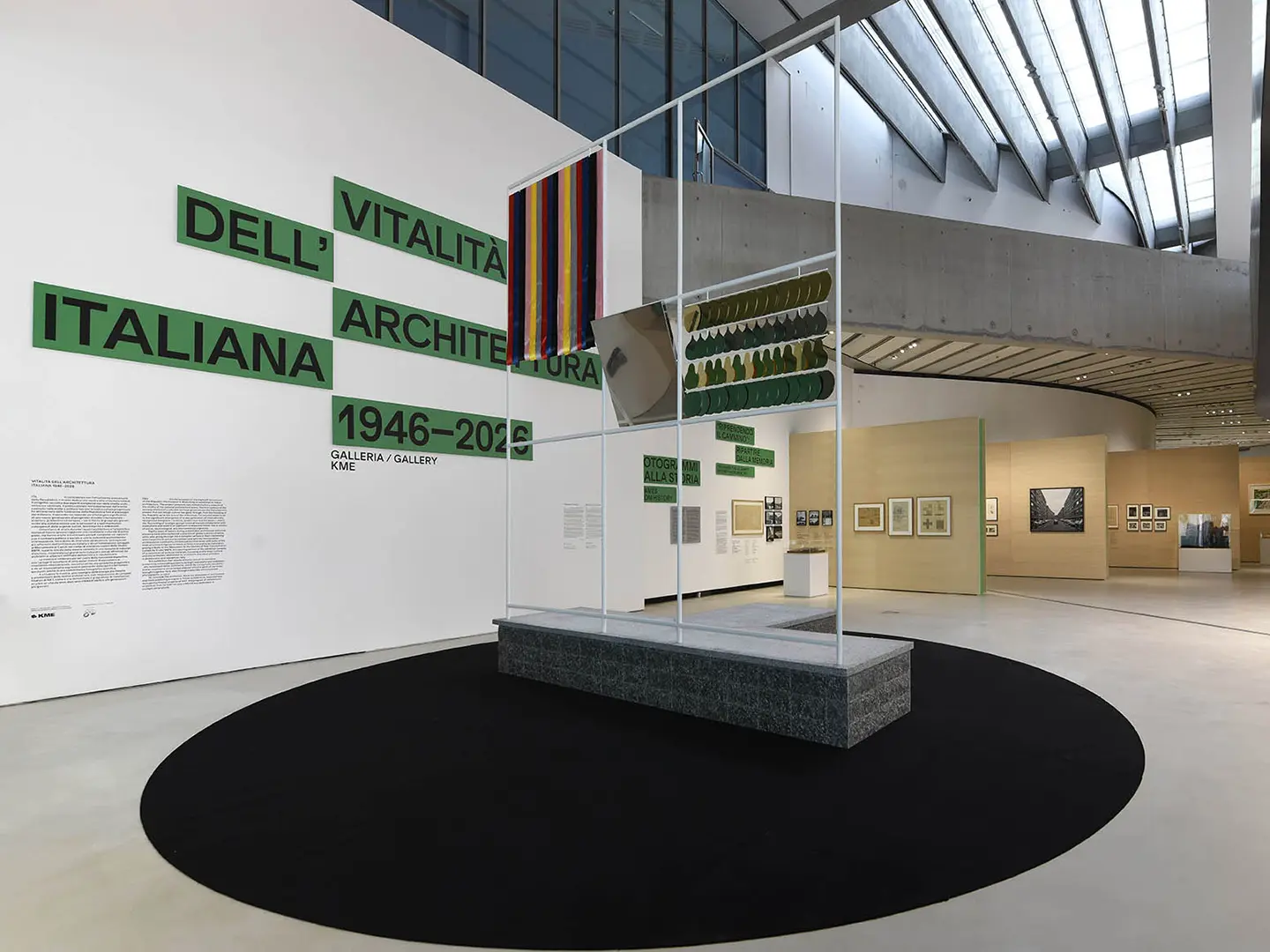
Vitalità dell’architettura italiana 1946–2026, Rome, MAXXI - ©Giorgio Benni, courtesy of MAXXI Foundation

Vitalità dell’architettura italiana 1946–2026, Rome, MAXXI - ©Giorgio Benni, courtesy of MAXXI Foundation

A Structure of Feeling. On a New Generation of Architects in China 

Curated by Gao Changjun (Kris) with Li Xiangning, the exhibition draws on the legacy of TUMU to interpret a new generation of Chinese architects outside the great state institutes but still within their tensions. Twelve projects – urban, rural and infrastructure – define a changing condition. The title recalls Raymond Williams and a “structure of feeling” in becoming, rather than a complete form.
Where: Berlin, Aedes Architecture Forum
When: 4 July – 14 October 2026
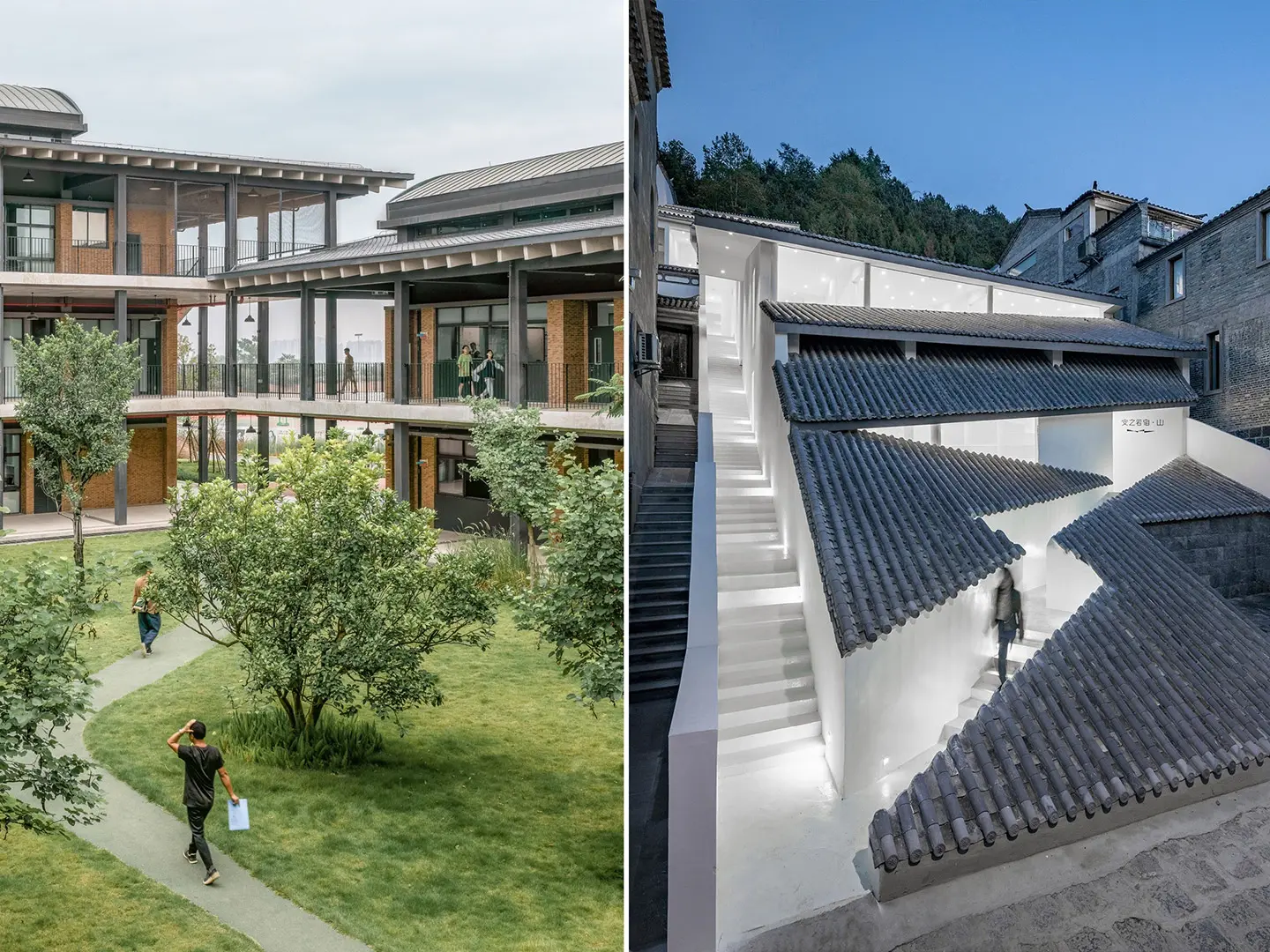
a structure of feeling - courtesy aedes - dida LYCEUM School, Chongzuo, Guangxi, CN, 2022. © Zhu Yumeng  Annoso · Hill, Tengchong, Yunnan, CN, 2019. © Jin Weiqi

A Structure of Feeling - courtesy aedes - dida LYCEUM School, Chongzuo, Guangxi, CN, 2022. © Zhu Yumeng  Annoso · Hill, Tengchong, Yunnan, CN, 2019. © Jin Weiqi

Atlas Re-Edificatòria – Adrià Goula 

Curated by Alexandra Laudo with Adrià Goula, the exhibition is part of the Barcelona 2026 World Capital of Architecture program. Through photographs of building sites and regeneration processes, the project builds an atlas of architectural transformation, creating a dialogue between construction practice and contemporary visual arts. 
Where: Barcelona, Palau d’Alfarràs, Spain
When: until 28 September 2026
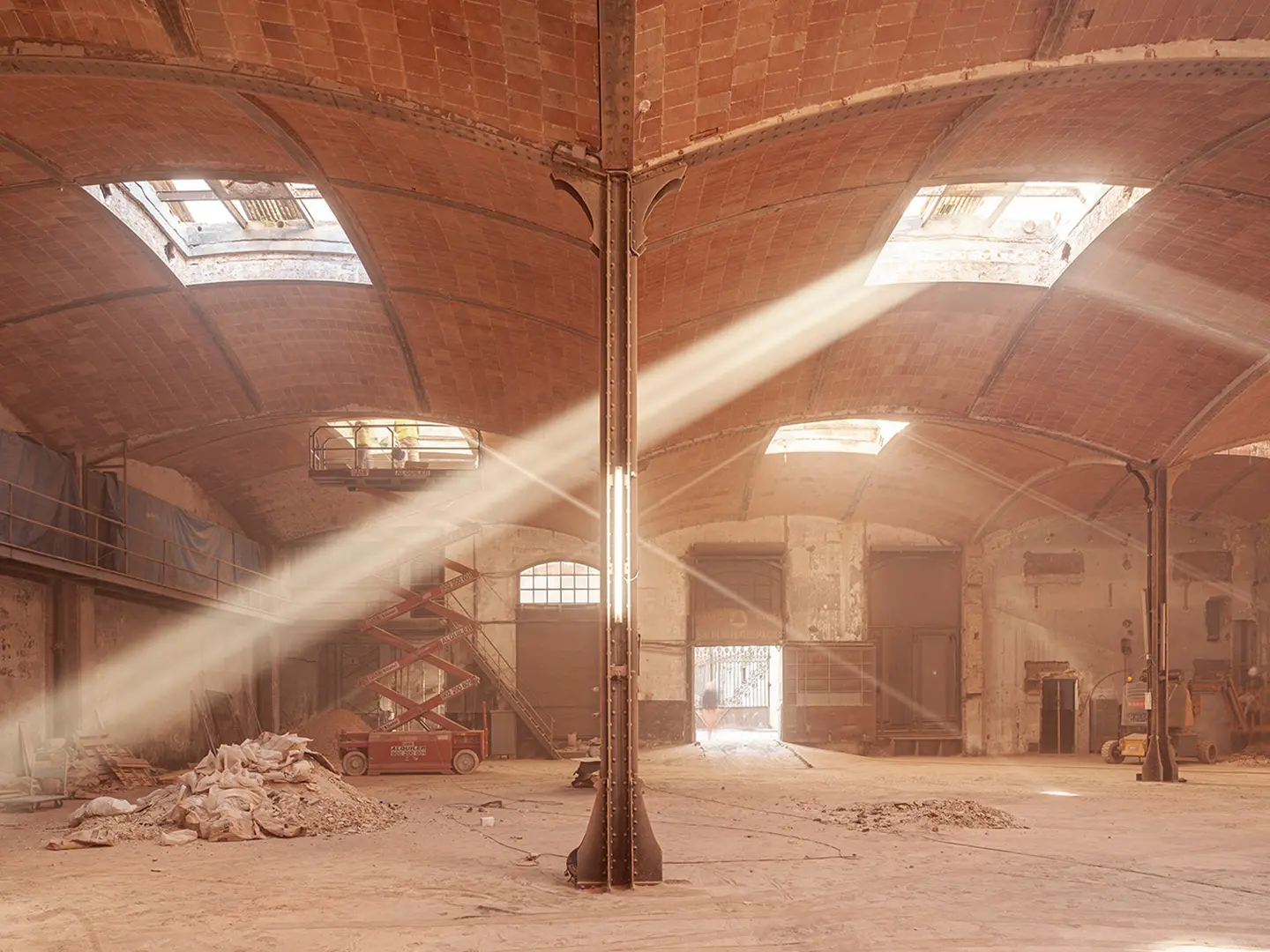
Atlas Re-Edificatòria, Barcelona, Palau d’Alfarràs - Courtesy of metalocus ©Adrià Goula

Atlas Re-Edificatòria, Barcelona, Palau d’Alfarràs - Courtesy of metalocus ©Adrià Goula

Is Nature Modern? Ecological Perspectives in the MAO Collection 

Curated by Cvetka Požar and Maja Vardjan, the exhibition reinterprets the MAO’s collection to question the relations between modernism and nature. Through 20th-century projects, photography and design, it reveals the fracture between industrial progress and the environment, as well as the first forms of ecological thought. A critical reading that today reconsiders modernism in the light of the climate crisis and the relation between nature and culture.
Where: Ljubljana, MAO
When: until 31 October 2026 
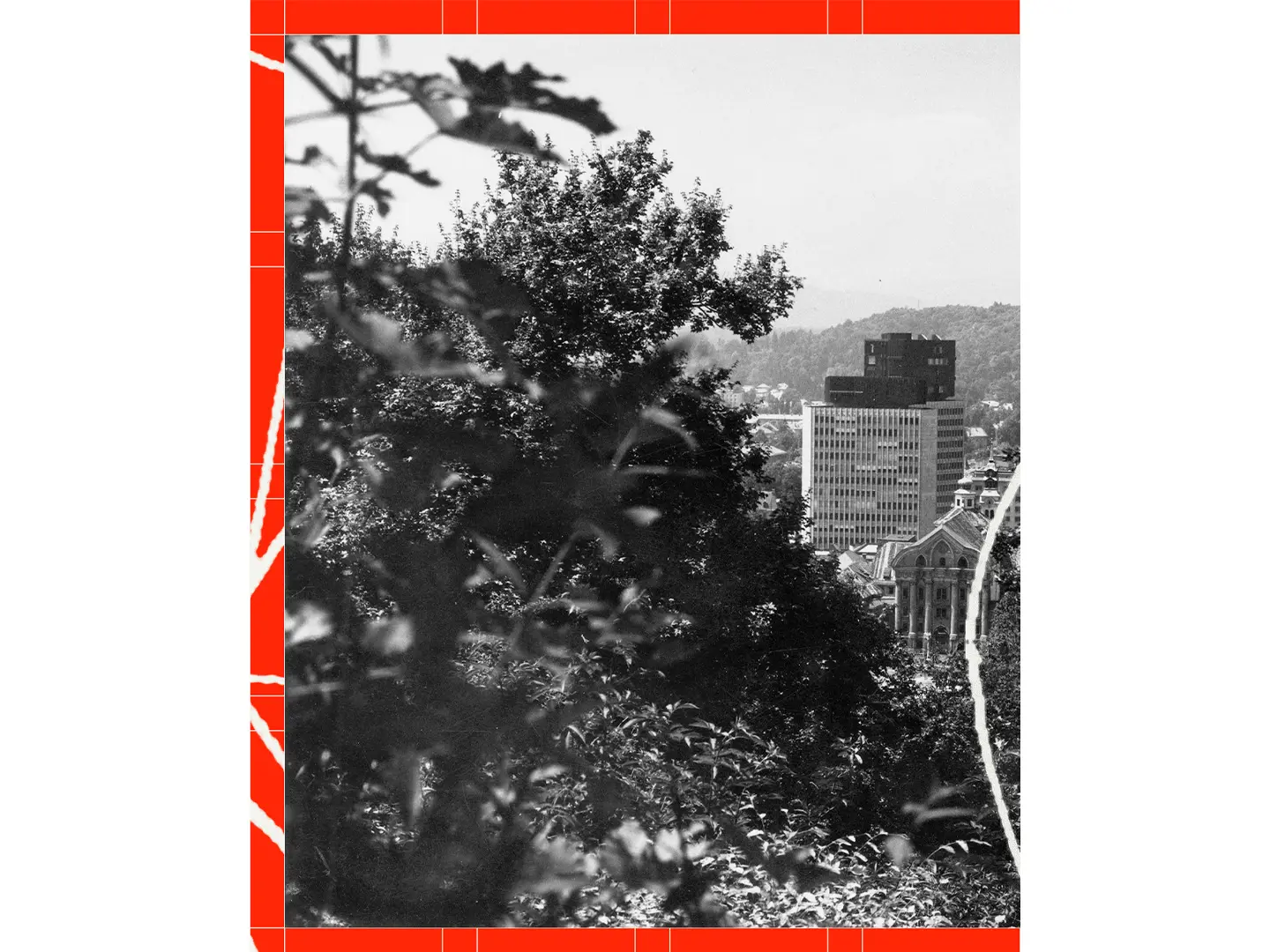
Is Nature Modern? Ecological Perspectives in the MAO Collection, Ljubljana, MAO - Courtesy of MAO

Is Nature Modern? Ecological Perspectives in the MAO Collection, Ljubljana, MAO - Courtesy of MAO

Form Follows Love – Anna Heringer 

The exhibition devoted to Anna Heringer presents her projects through the principle "Form Follows Love", understood as an ethical and social approach to architecture. The focus is on the use of local materials and construction techniques shared with communities. A section focuses on the “Claystorming” method, developed with Martin Rauch, which combines design intuition and collective process. The layout includes her work as a teacher and international dissemination of her architecture as a model of active and transformative sustainability. 
Where: Dornbirn, Vorarlberger Architektur Institut
When: until 19 September 2026 

Form Follows Love – Anna Heringer, Dornbirn, Vorarlberger Architektur Institut - ©Günter König, courtesy of VAI Vorarlberger Architektur Institut

Form Follows Love – Anna Heringer, Dornbirn, Vorarlberger Architektur Institut - ©Günter König, courtesy of VAI Vorarlberger Architektur Institut

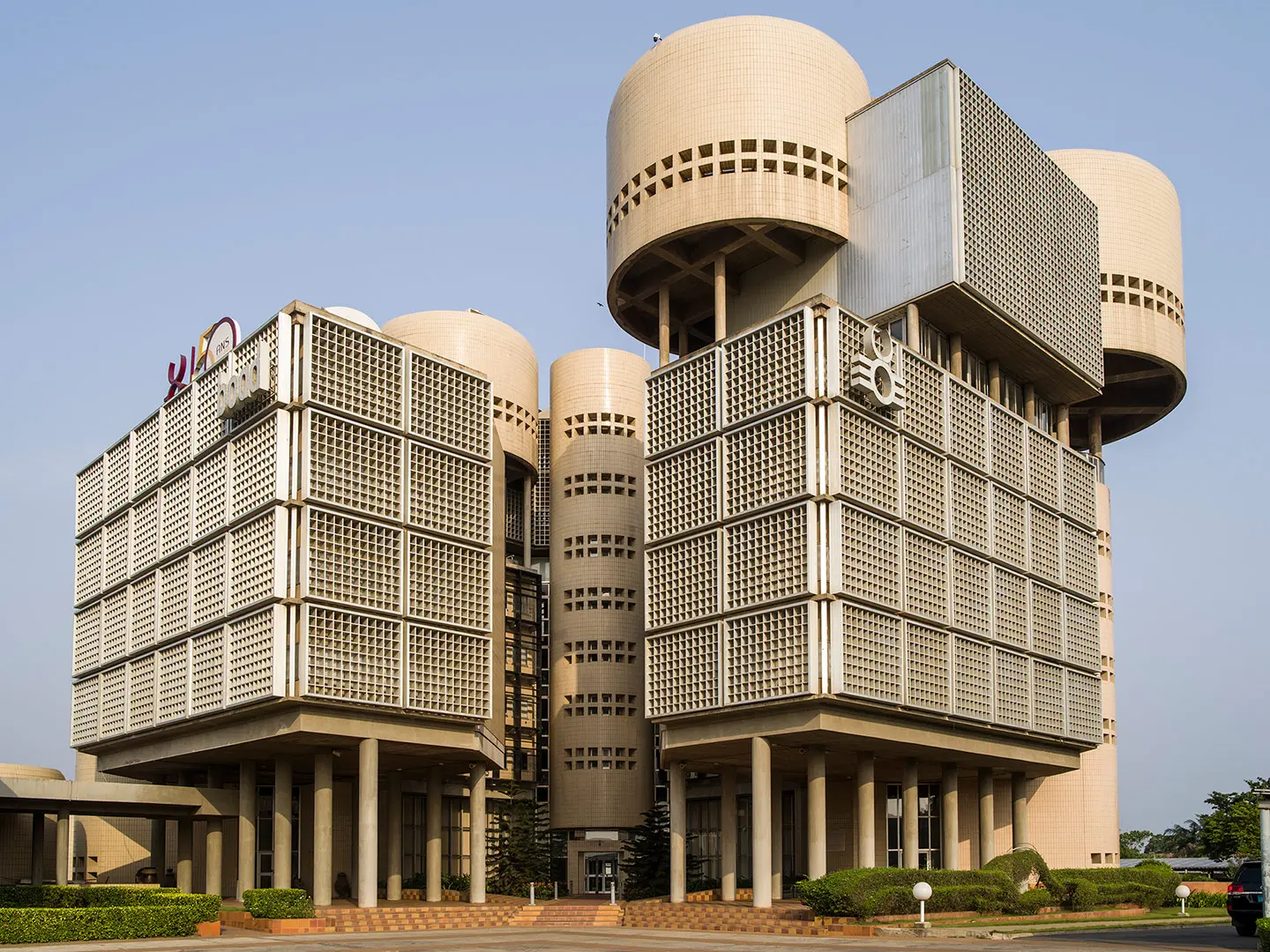
Architects of Liberation: Modernism in Western Africa 

Curated by Martino Stierli and Ikem Stanley Okoye, the exhibition is the first major study of modernist architecture in West Africa from the late 1950s to the early ‘80s, in the setting of political independence. Through some 450 materials, including drawings, models and archival photographs, it traverses seven countries and themes such as cities, education and housing. Modernism is reinterpreted as a tool for the construction of a post-colonial identity, between pan-Africanism and Africanization. 
Where: New York, MoMA 
When: 5 July 2026 – 2 January 2027 

MOMA 1 – Banque Ouest Africaine de Développement (BOAD), Lomé, Togo - Guy Durand, Yves Ménard e Messan Raphaël Ekoué-Hagbonon - Ph. François-Xavier Gbré

MOMA 1 – Banque Ouest Africaine de Développement (BOAD), Lomé, Togo - Guy Durand, Yves Ménard e Messan Raphaël Ekoué-Hagbonon - Ph. François-Xavier Gbré

Heritage in Resistance – From Timbuktu to Odesa 

The exhibition explores the architectural heritage in contexts of crisis and reconstruction. Through case studies from Timbuktu to Odessa, the project reflects on the role of architecture as a form of cultural and political resistance. With maps, texts, models, photographs, videos, artworks and digital reconstructions, the exhibition is divided into three thematic sections: Erasing, Resisting and Restoring. It invites visitors to consider the heritage not just as a collection of material objects, but also as living environments, memory and social relationships. At the center, the question of how to imagine the future after destruction.
Where: Paris, Cité de l’Architecture et du Patrimoine
When: until 3 January 2026  

Heritage in Resistance – From Timbuktu to Odesa, Paris, Cité de l’Architecture et du Patrimoine - ©Didier Plowy

Heritage in Resistance – From Timbuktu to Odesa, Paris, Cité de l’Architecture et du Patrimoine - ©Didier Plowy

Soup is Life 

Directed by Natsumi Toyama, the exhibition uses soup as a device to investigate the origins of food, clothing and housing, understood as systems that “envelop” the body. Through ingredients, heat, containers and atmosphere, Soup is Life connects the internal and external environment, memory and sensory perception. The minimal gesture of cooking thus becomes a lens to read the invisible infrastructures of contemporary daily life. 
Where: Tokyo, 21_21 Design Sight
When: until 9 August 2026

SOUP IS LIFE - Nao Tsuda, Grassland Tears, Omotedate #1 - ©Nao Tsuda courtesy Taka Ishii Gallery Photography Film

SOUP IS LIFE - Nao Tsuda, Grassland Tears, Omotedate #1 - ©Nao Tsuda courtesy Taka Ishii Gallery Photography Film

Wenche Selmer. What Can You Live Without? 

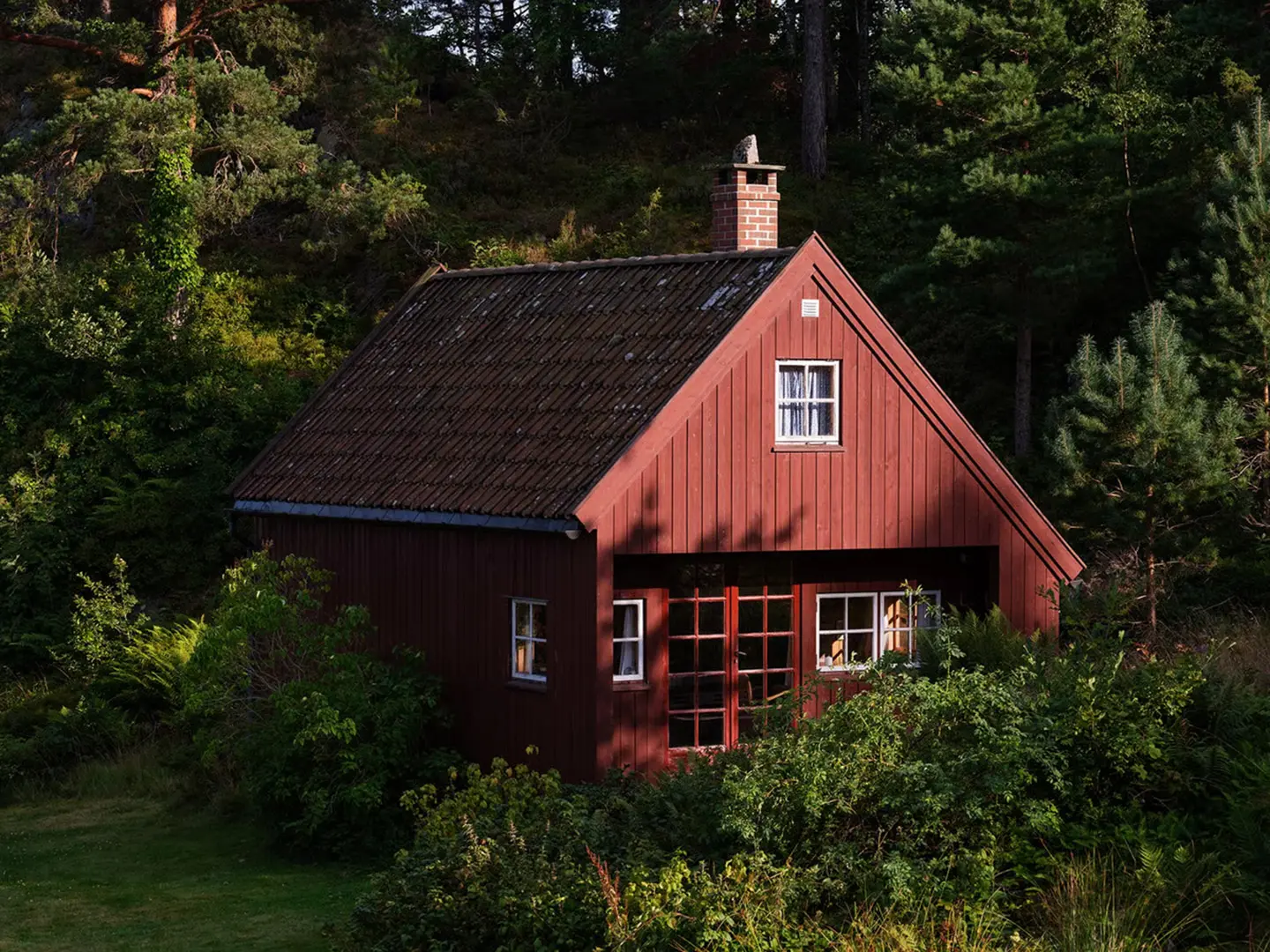
The exhibition devoted to Wenche Selmer presents her essential architecture, developed with Jens Selmer, as the quest for a rich life based on simple means. At the center, the Norwegian cabin: frugal, functional and deeply integrated into the landscape. Through studies of context and local building, Selmer develops a modern and poetic language, based on the question “what can you really do without?”, today reinterpreted as a critique of building expansion and the transformation of the natural landscape. 
Where: Oslo, National Museum
When until 4 October 2026

Wenche Selmer. What Can You Live Without? - Wenche and Jens Selmer, Summer House on Fjelldalsøy Fjelldals island, 1960. - Ph. Max Creasy, 2025

Wenche Selmer. What Can You Live Without? - Wenche and Jens Selmer, Summer House on Fjelldalsøy Fjelldals island, 1960. - Ph. Max Creasy, 2025

Terra Crua 

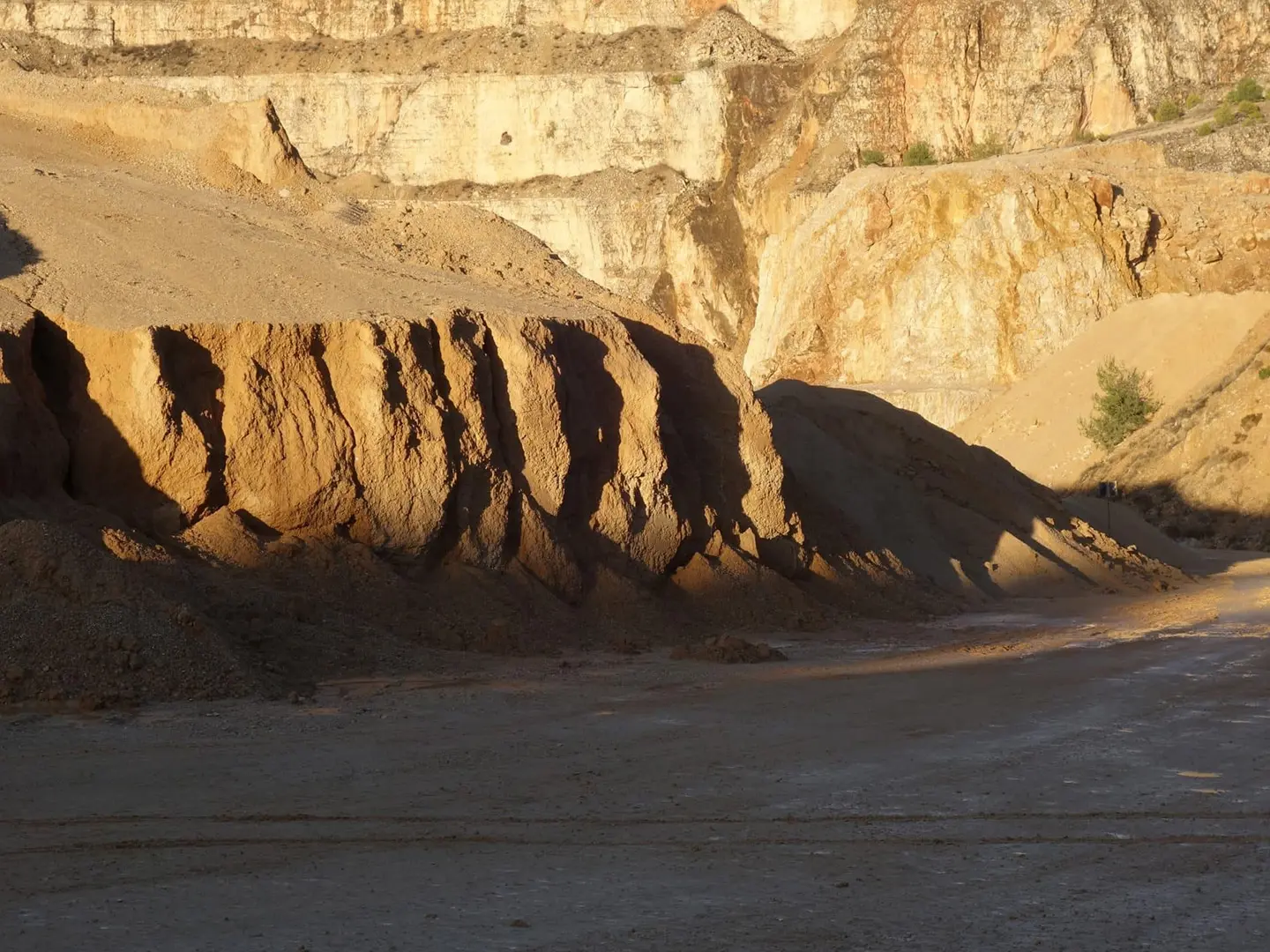
Curated by Madalena Vidigal, the exhibition presents raw earth as a contemporary building material, between local resource, technical knowledge and circular practice. Starting from the soil as a “living archive”, the path brings together prototypes, case studies and experiments that reuse earth excavated in Lisbon construction sites. What emerges is a reflection on architecture as a practice rooted in the land and its material transformations. 
Where: Lisboa, MAC/CCB – Centro de Arquitetura
When: until 11 October 2026

Terra Crua, Lisboa, MAC/CCB – Centro de Arquitetura - Ph. NunoVasconcelos

Terra Crua, Lisboa, MAC/CCB – Centro de Arquitetura - Ph. NunoVasconcelos

30 June 2026
See Also
Other Articles