
Back

Brand

Contact us

Contact us

Tabu

Tabu

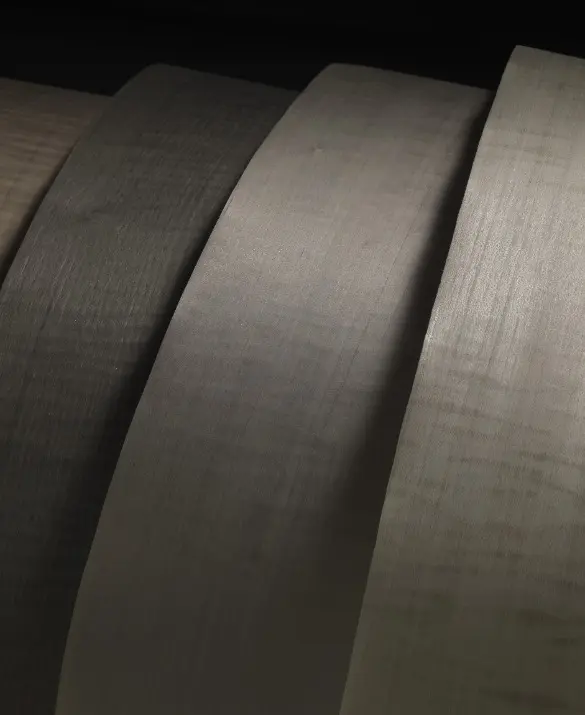
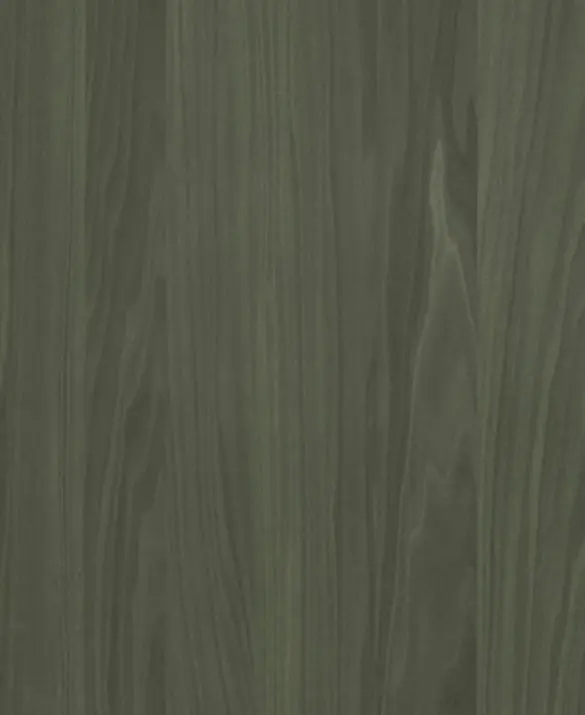
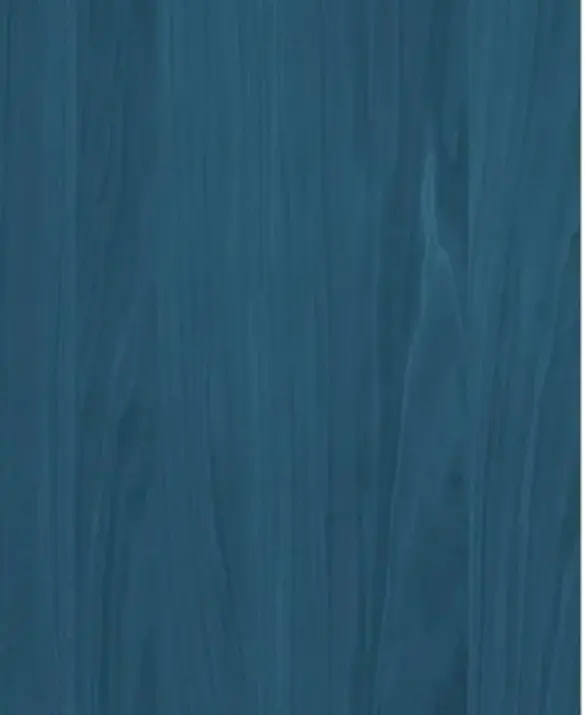
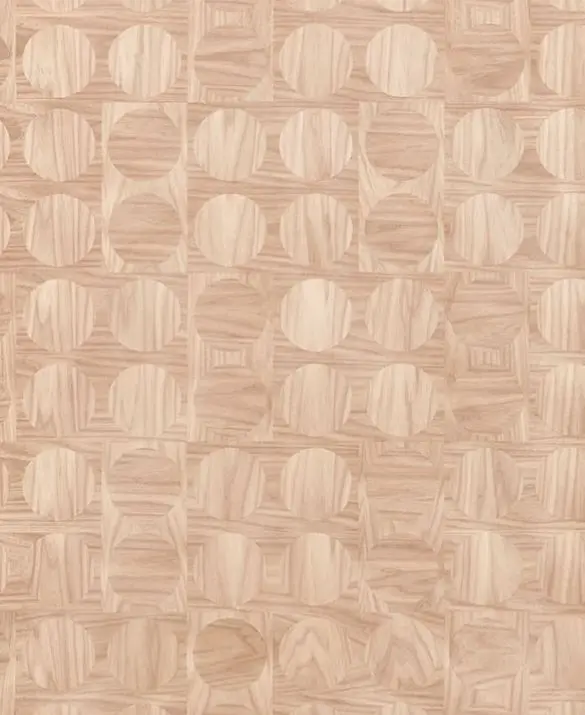
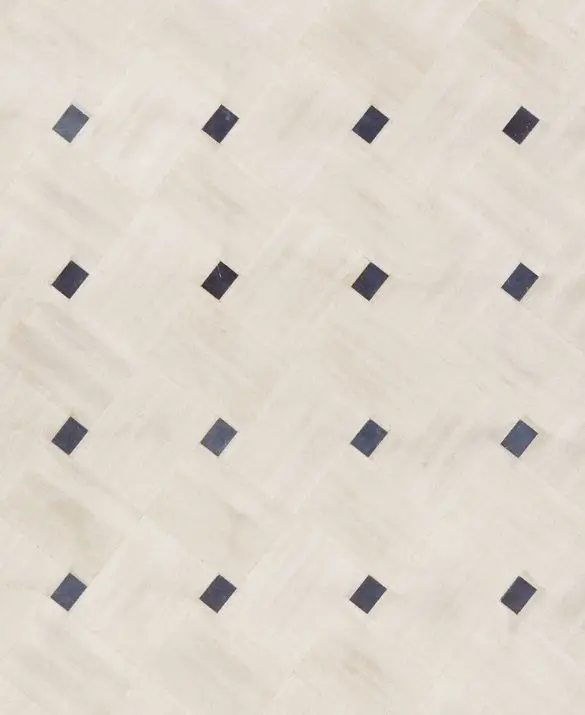
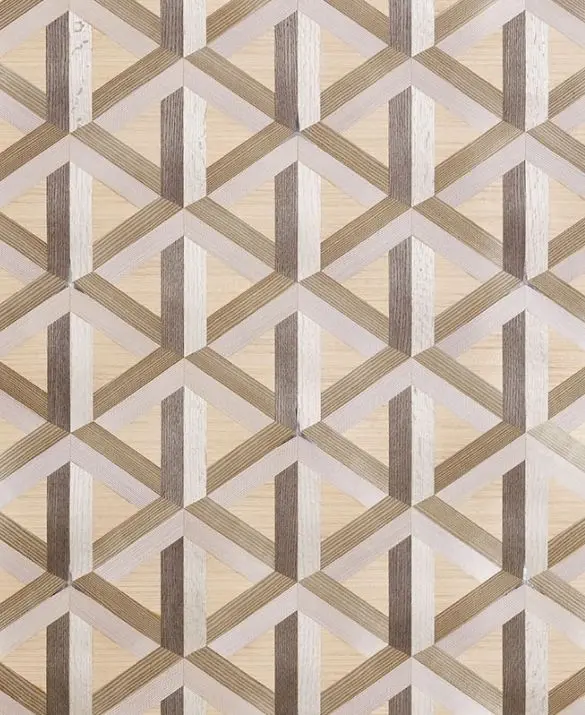
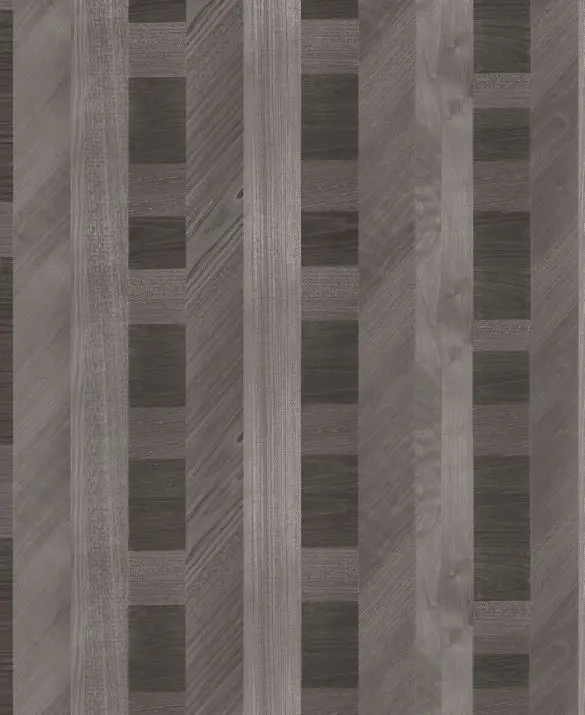
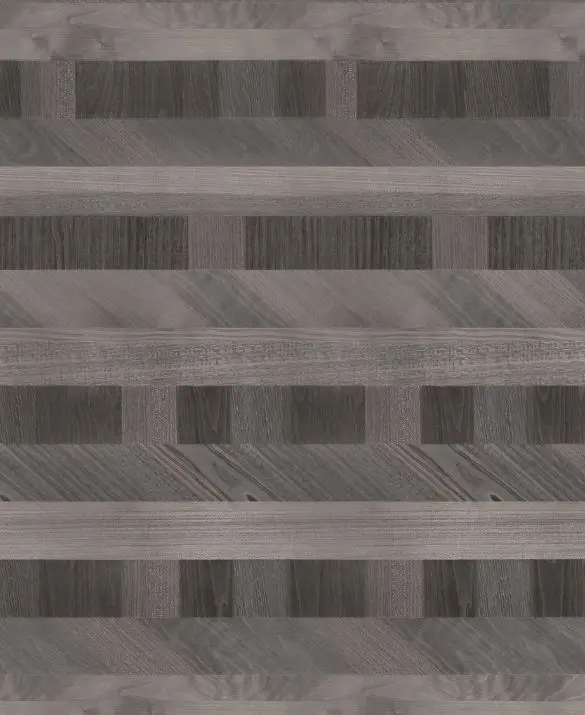
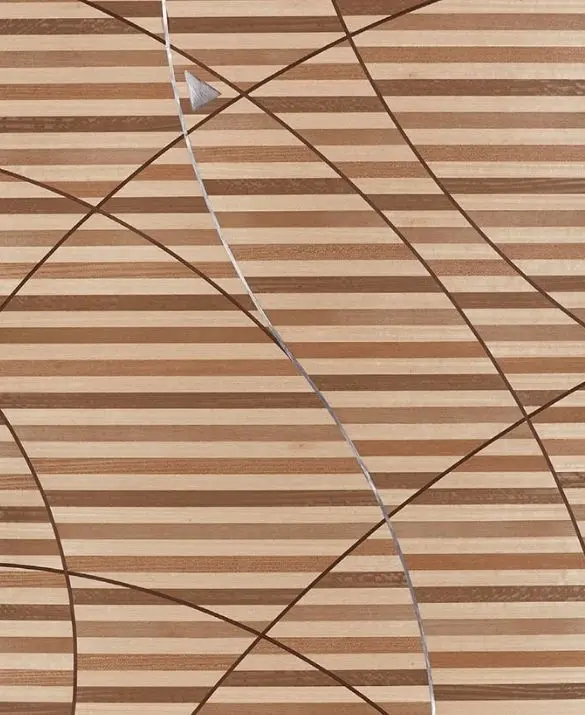
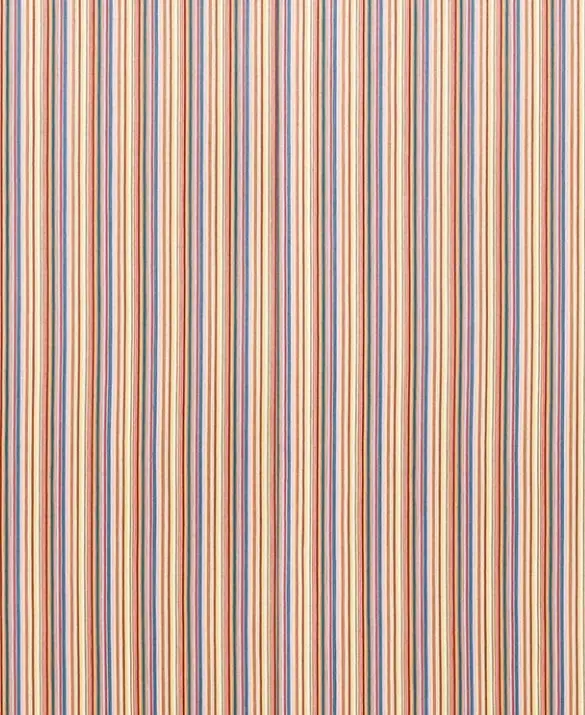
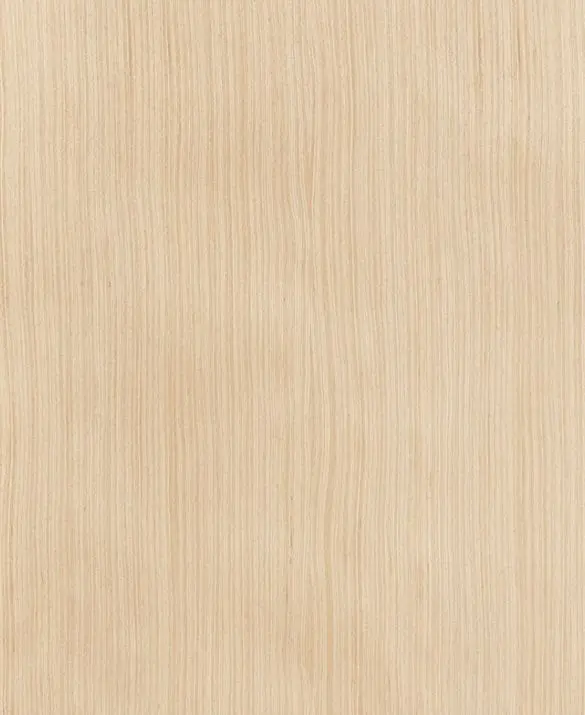
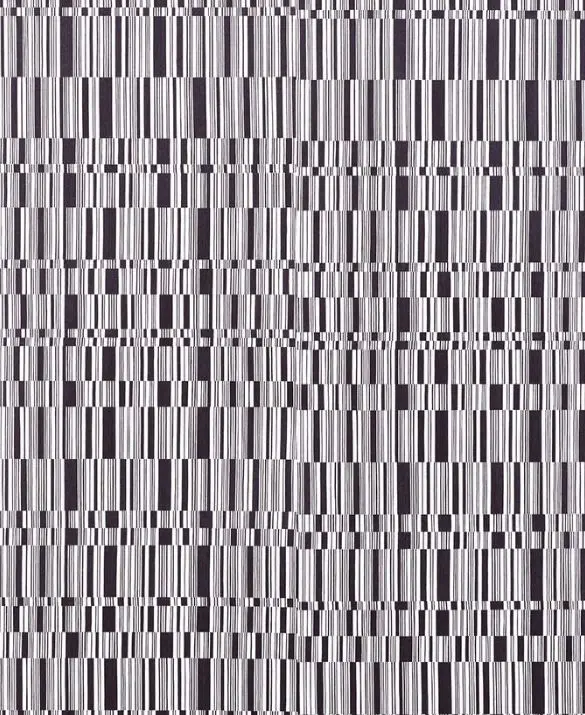
Founded in 1927 in Cantù, TABU specializes in wood dyeing. It produces natural and multilayer dyed veneers (555 Collection), Radiche & Graffiti inlays, 3D surfaces, and flooring with a top layer dyed through the thickness.


The TABU 555 Red Box catalog encapsulates the research and know-how developed in the field of decorative wood veneers. Designed as a working tool for architects, designers, and planners, it features 555 species and color solutions across dyed natural veneers and multilayer surfaces, offering a comprehensive overview of wood’s expressive possibilities.

Organized into color folders and composed of actual samples, the Red Box 555 allows an immediate understanding of tones, textures, and material combinations, streamlining the design process and the selection of finishes. The collection reflects an approach that combines technological innovation, color research, and the enhancement of natural materials, transforming wood into a contemporary and highly customizable surface.

More than just a sample book, the TABU 555 Red Box is a source of inspiration and a design tool, intended to support professionals and companies in developing interior and product design solutions.

This research is also expressed at Casa TABU Milano (Via Melone 2 – Milan), the showroom and meeting space dedicated to architects and designers, where the company’s collections and materials can be explored firsthand, fostering dialogue, in-depth understanding, and design development.


Responsible Raw Material Management

Tabu prioritizes sourcing wood from forests managed responsibly according to strict environmental, economic, and social standards. The company participates in internationally recognized forest certification systems (such as FSC and PEFC), ensuring the availability of traceable and sustainable materials throughout the supply chain.

Reducing Environmental Impact

A key aspect of Tabu’s sustainability approach is optimizing energy consumption and reducing CO₂ emissions. The company has invested in large photovoltaic solar plants and a cogeneration facility, producing both electricity and heat while significantly lowering greenhouse gas emissions associated with production.

Circular Economy and Material Value

In its production approach, Tabu also promotes the reuse of wood materials and the valorization of waste through technologies and collections that emphasize respect for raw materials and their biodiversity. Processes such as the creation of three-dimensional surfaces or the optimal use of “secondary” wood reflect a circular economy mindset that minimizes waste.

Culture and Sustainable Innovation

Beyond production, the company fosters a culture of sustainability through design and educational initiatives. An example is the IDEAS4WOOD contest, an international design competition that rewards projects aligned with forest sustainability, circularity, and material optimization, thereby promoting environmental awareness among designers and students.