

 Salone Selection


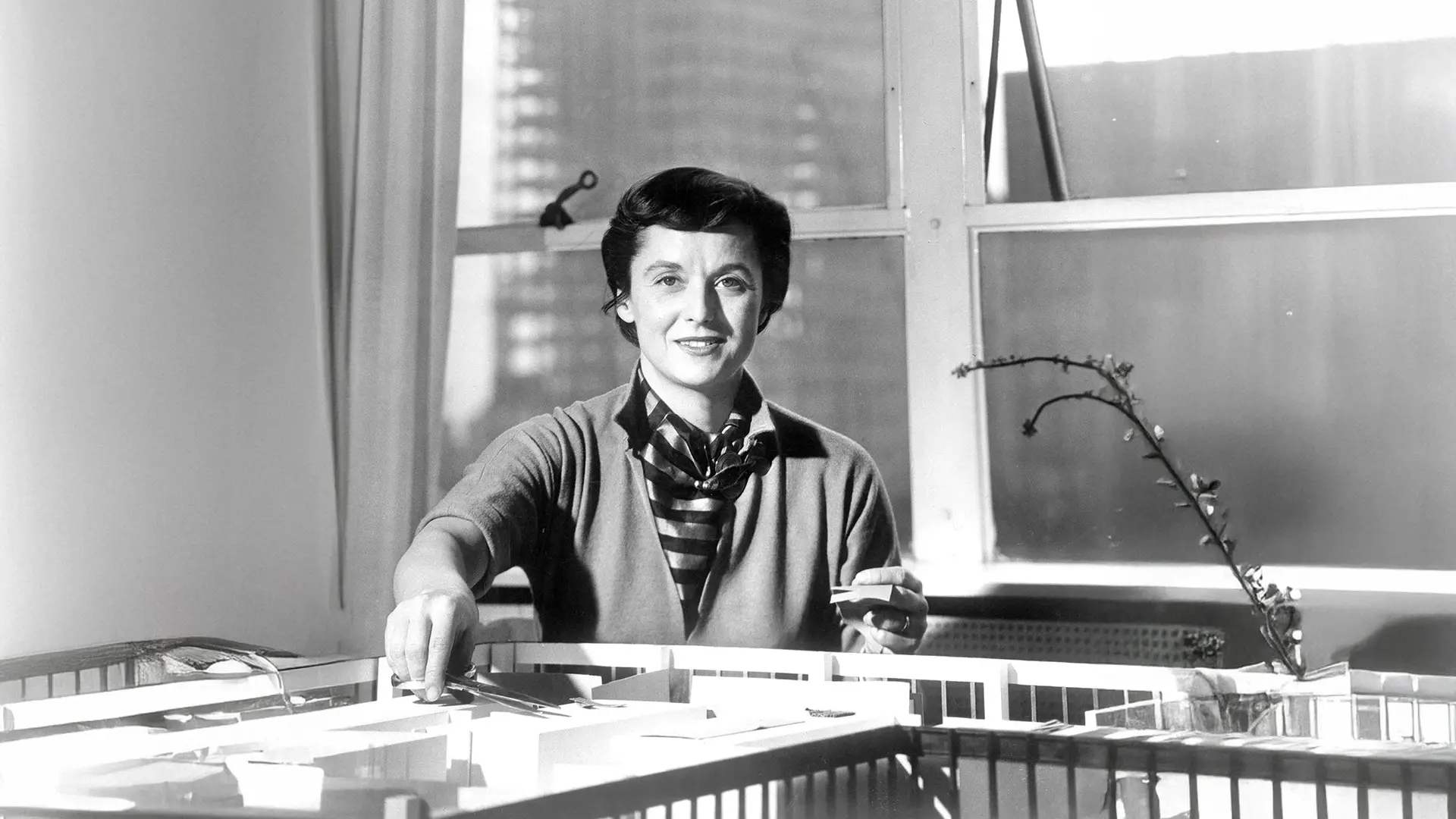
The Planning Unit, the collective catalogue of Mies, Saarinen and Bertoia and “meat and potatoes” furniture: how Florence Knoll invented the modern office whilst opting to stay out of the limelight.
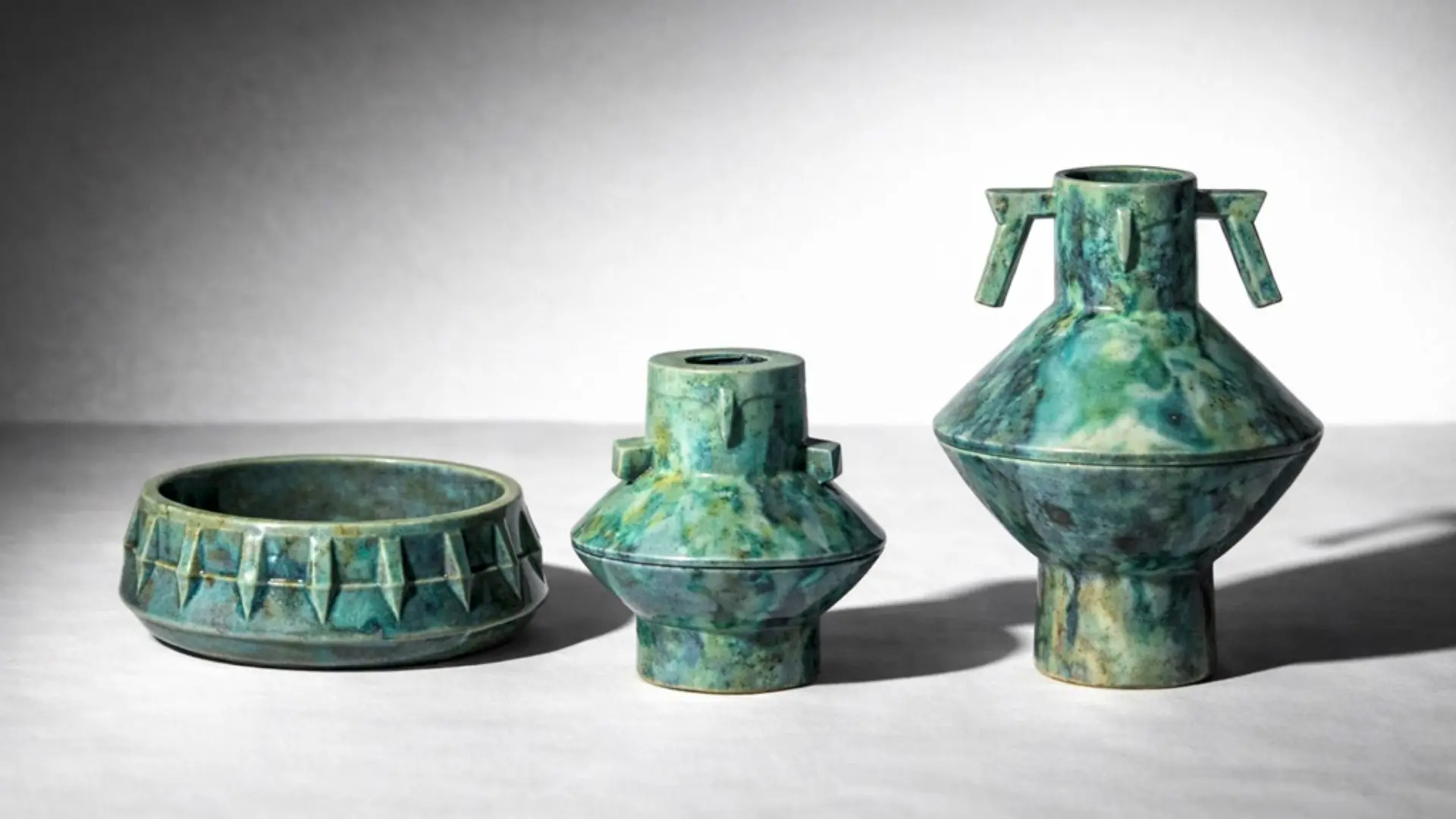
Made in MiC, sezione Minerva in Action Vaso Alto, Salvadanaio e Svuota Tasche Colorazione Sea Garden Uno dei sei progetti pilota avviati dal MiC, in collaborazione con designer, artisti, università, aziende e laboratori. Semi di Comunità – Piano Olivetti per la cultura In collaborazione con Nuoveforme Firenze, ©MiC
The 2026 edition also welcomes the Ministry of Culture with the exhibition MADE IN MiC, whose core will be the Archetypes section: a tribute to applied arts and proto-design between 1900 and 1945, when art entered interiors and transformed their language, architecture engaged with objects and the domestic scale, and craftsmanship evolved toward more structured forms of production. Visibile at Pavilion 22/24
As part of its role as an international contemporary design platform, the Salone del Mobile.Milano will be welcoming the Ministry of Culture, opening its system to a trajectory forged by heritage and design, memory and production. Not an insertion, but an addition – a presence that will expand the field of design and reconnect it with its cultural roots, making explicit that which often remains implicit - every single contemporary object is informed by a lengthy and stratified history.
There was a time when design had yet to be called design. A time when objects took shape through the convergence of artistic expression, craftsmanship and a drive towards modernity. It was during this period, between the late nineteenth and early twentieth centuries, that the foundations of Italian design were laid. This is where MADE IN MiC begins, with the Archetipi (Archetypes) section at its heart - not merely a collection, but a critical framework that interprets works of applied arts and proto-design from 1900 to 1945 as key milestones. It was during this period that a dialogue was forged between previously separate disciplines - art made its way into interiors and transformed their language, architecture engaged with the objects and the domestic scale, and craftsmanship evolved towards more structured forms of production. Thus the first codes of modern design were defined, poised between one-off pieces and mass production, between concrete function and symbolic value.
The layout doesn’t follow a linear chronology, but is divided into thematic nuclei that function as interpretative maps, making this complexity easier to read. The Interni d’autore (designer interiors) demonstrate the ways in which artists and designers redefined the domestic space; the Souvenirs d’autore (designer Souvenirs) narrate the conception of objects designed to transmit a cultural image of Italy, Dal Museo (from the Museum) highlights the role of collections as repertories of shapes and motifs for design; Domus illustrates the evolution of daily life through everyday objects; Trame (Textures) puts textiles at the forefront as the area in which technique, decoration and identity come together. Archetipi (Archetypes) therefore conveys an understanding of how Italian design was formed even before being defined as such, as a widespread, shared cultural practice.
The second half of the exhibition builds on this historic foundation, exploring how cultural heritage can become an active resource for the present. The project involves a network of institutions that are translating their own collections into contemporary objects - the Pinacoteca di Brera with Grande Brera, integrating design, sustainability and inclusion; VIVE – Vittoriano and Palazzo Venezia, interpreting the tradition of craftsmanship; the National Gallery of Modern and Contemporary Art with GNAMC-Design; the Museo Galileo with EcoMuse Lab, geared to sustainability. They are complemented by the Magna Grecia and Minerva in Action initiatives, which build further connections between heritage and design.
Designers, architects and production companies – including Mario Cucinella Architects, Artemide, BigBag, and Nuoveforme Firenze – are helping redefine museum merchandising, turning it from souvenir objects into designed everyday objects that fit seamlessly into daily life whilst maintaining a connection with our heritage.
Rounding off the experience, a programme of talks will run through the exhibition space as an integral part of the project. The events will bring together institutions, designers, businesses and the research community, highlighting the role of heritage in shaping the contemporary world and sparking a shared reflection on the future of design as a cultural practice.
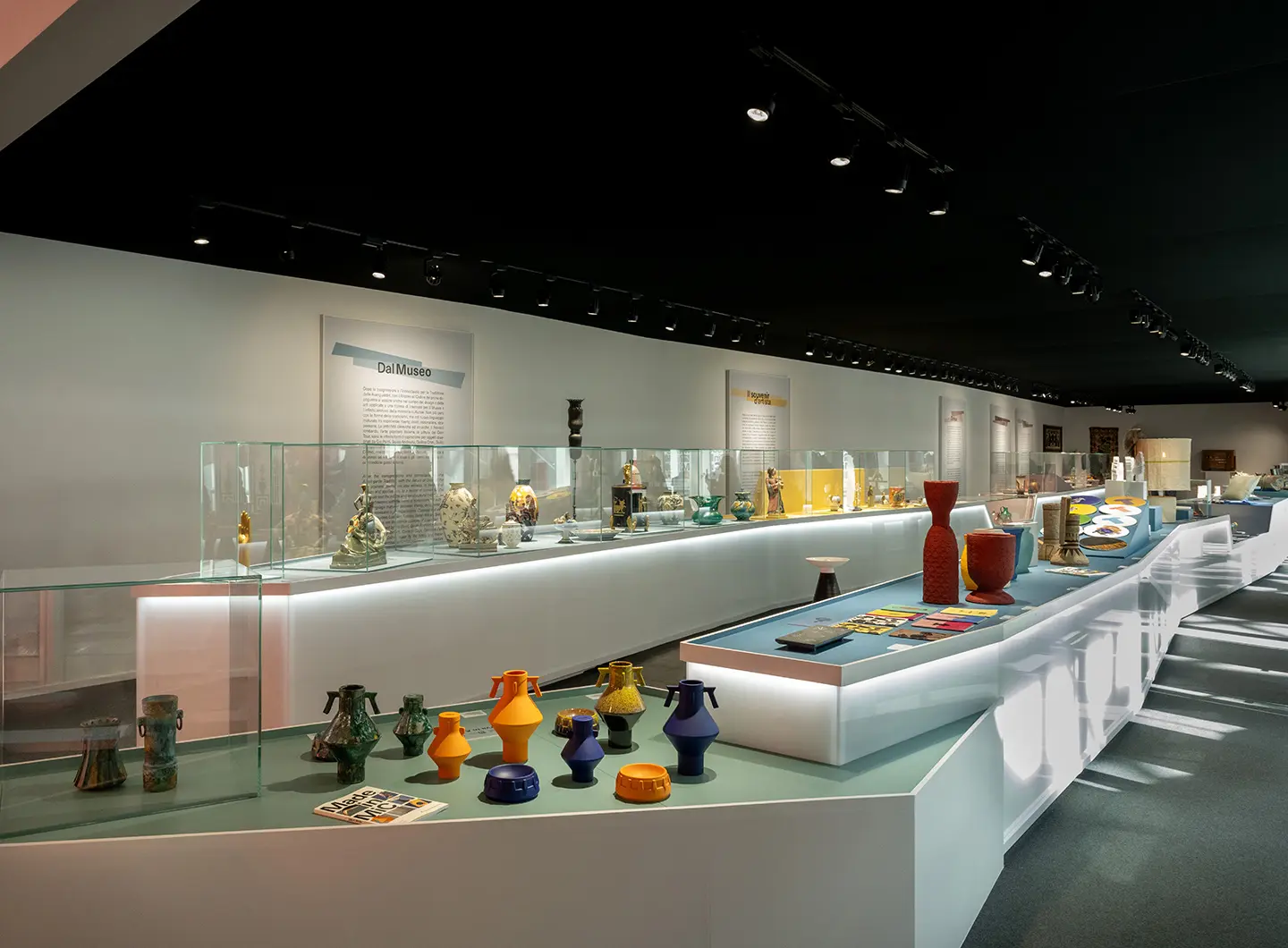
MADE IN MiC, Salone del Mobile,Milano 2026
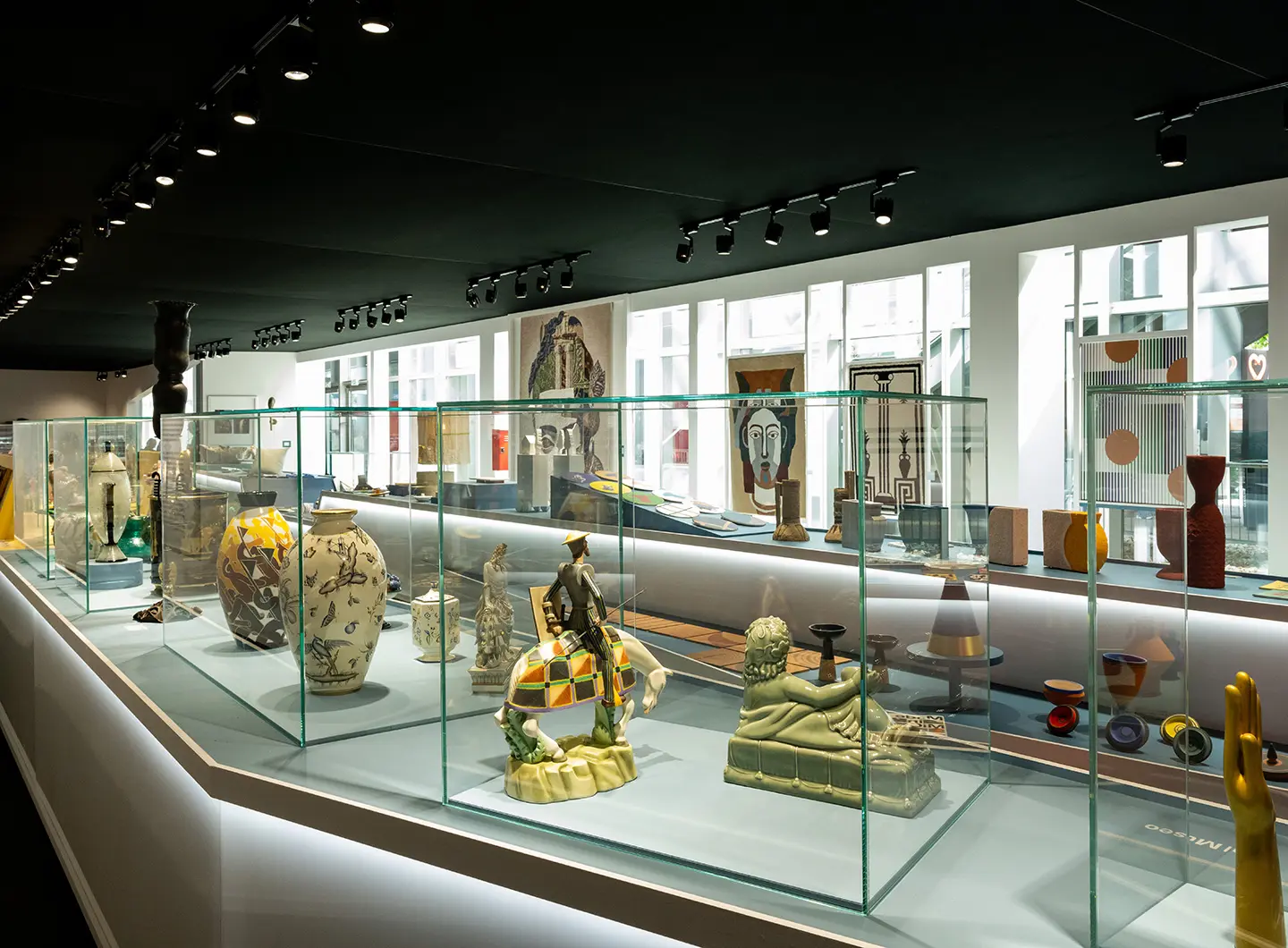
MADE IN MiC, Salone del Mobile,Milano 2026
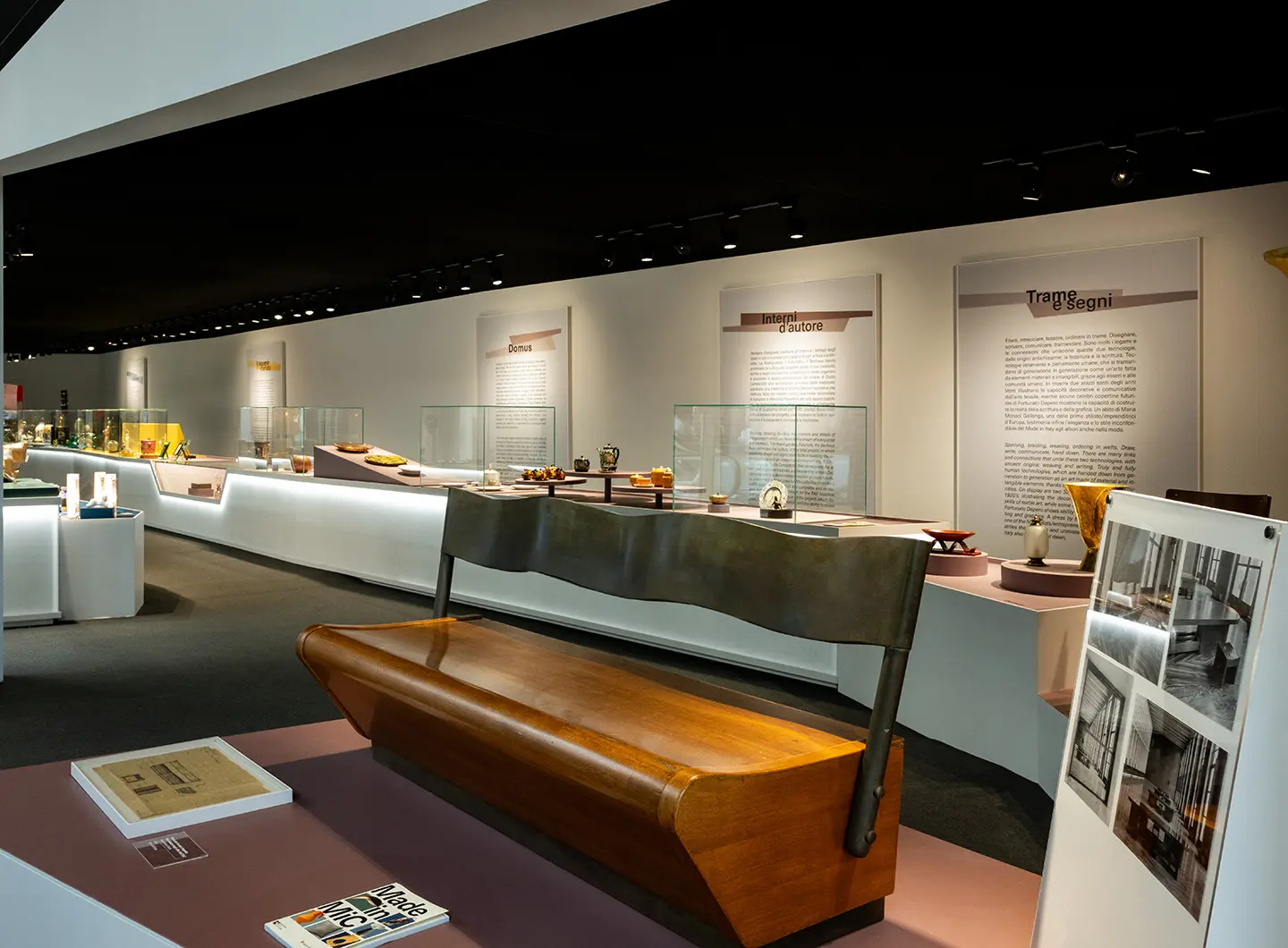
MADE IN MiC, Salone del Mobile,Milano 2026
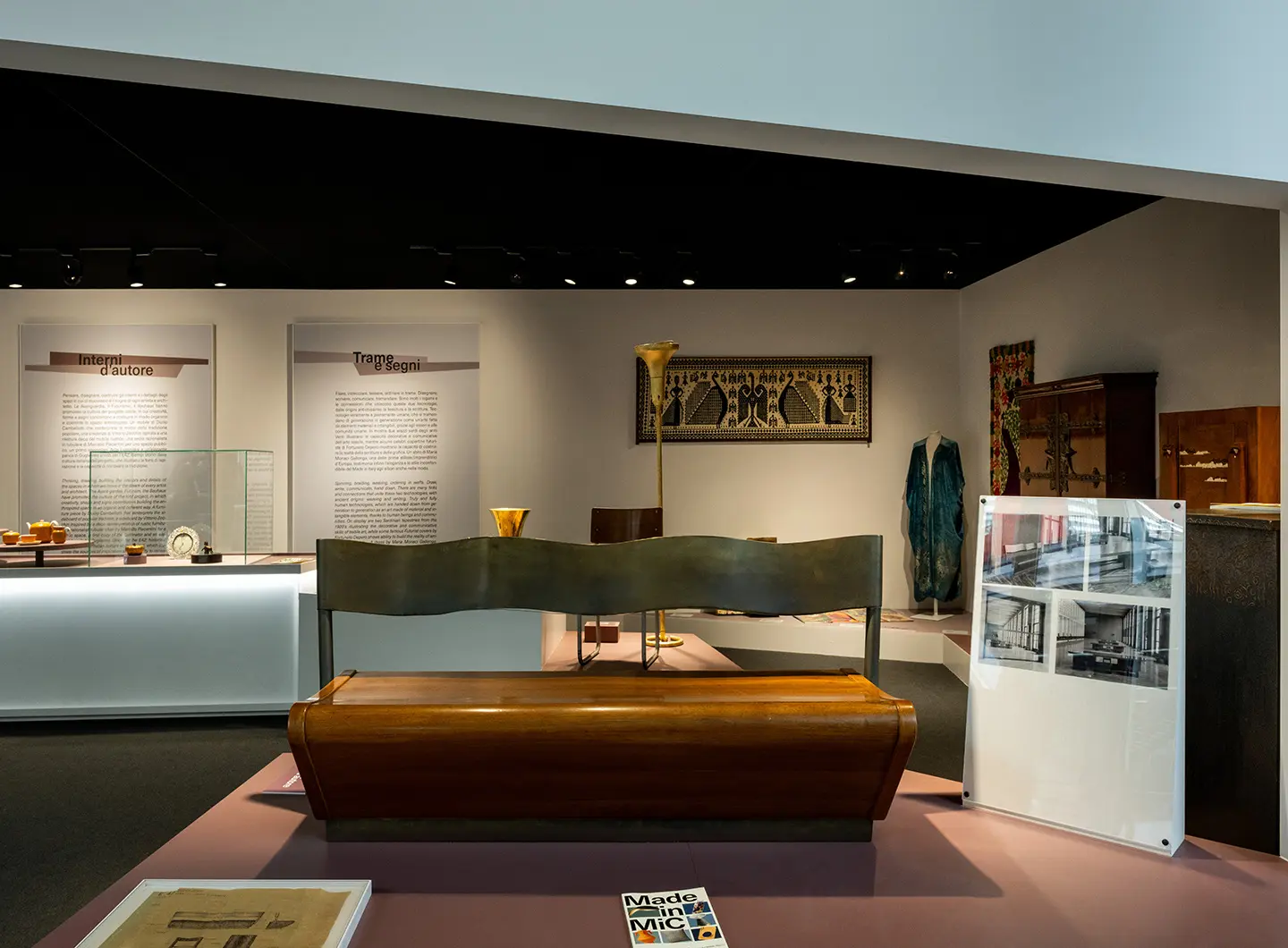
MADE IN MiC, Salone del Mobile,Milano 2026
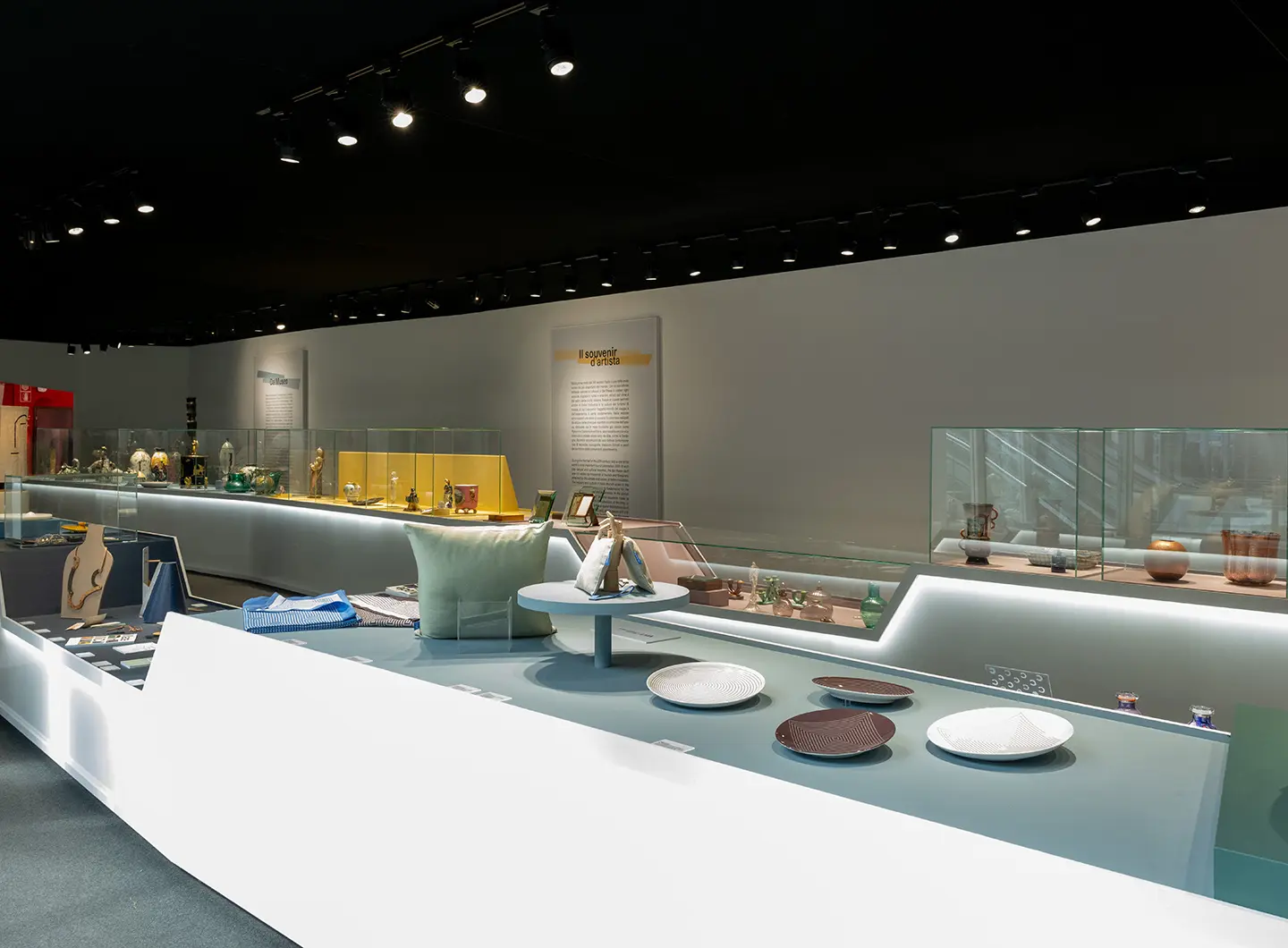
MADE IN MiC, Salone del Mobile,Milano 2026
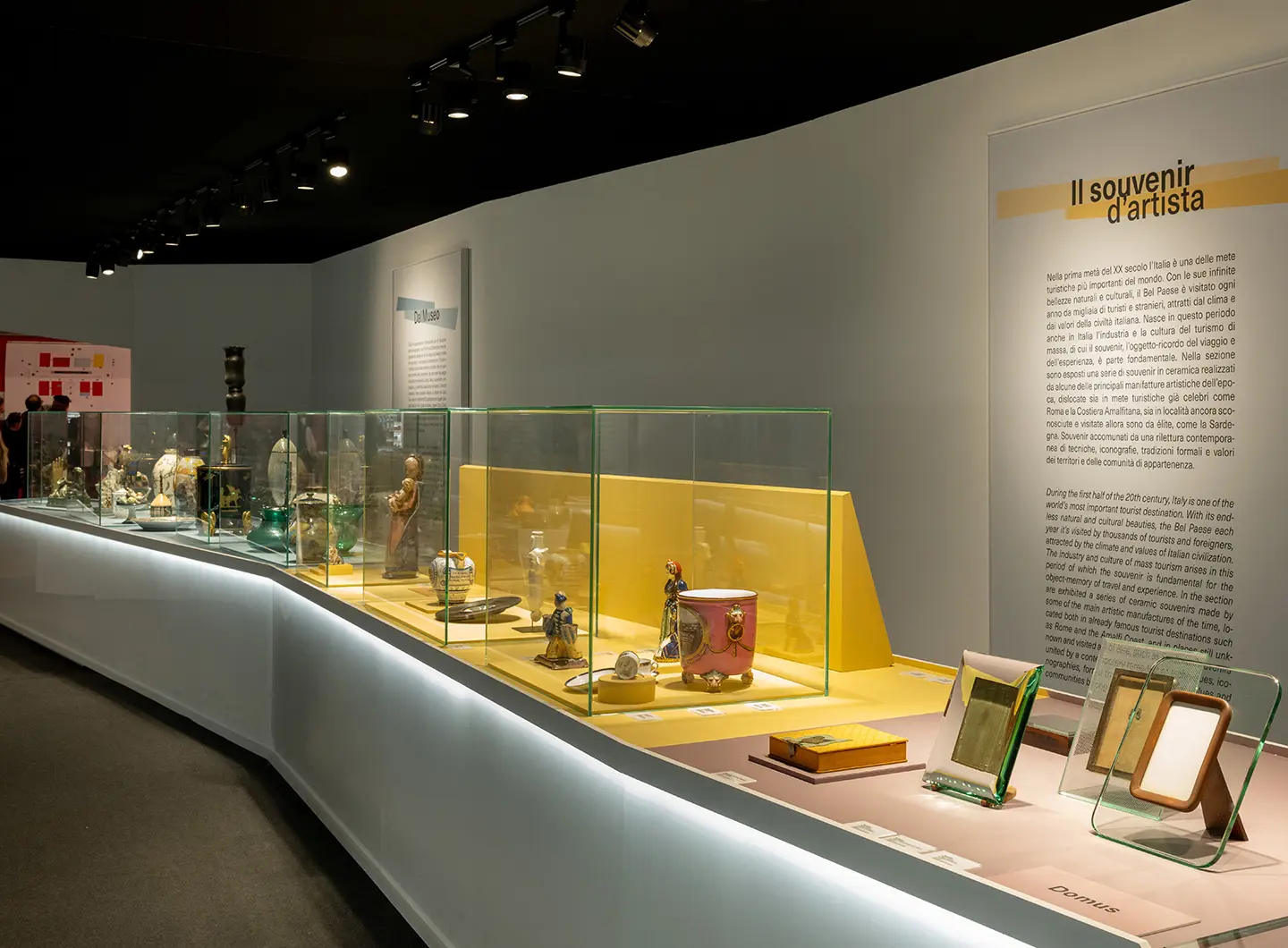
MADE IN MiC, Salone del Mobile,Milano 2026


SIDE EVENTS PROGRAMME PAVILION OF THE MINISTRY OF CULTURE
Curator: Gabriella Musto, Architect, Ministry of Culture
April 21st
Inauguration of the “Made in MiC” Pavilion
Welcome addresses (12:15 pm) Valentina Gemignani, Chief of Staff, Ministry of Culture Alfonsina Russo, Head of the Department for the Enhancement of Cultural Heritage
Reflections by the Directors General of Museums and cultural protagonists who contributed to the selection of artworks and the merchandising prototypes exhibited in the exhibition Archetipi. Tradizioni, Creatività, Valori. Introduction and moderation: Alfonsina Russo Edith Gabrielli, Director of VIVE – Vittoriano and Palazzo Venezia with Michele De Lucchi, Architect, Designer and Artist and Paolo Tassinari, graphic designer (12:30–1:00 pm)
Angelo Crespi, Director General, GRANDE BRERA (1:15–1:45 pm) with Mario Cucinella Founder & Creative Director MCA-Mario Cucinella Architects
Renata Mazzantini, Director of the National Gallery of Modern and Contemporary Art (2:00–2:30 pm)
Roberto Ferrari, Executive Director, Museo Galileo (2:45–3:15 pm)
Maria Chiara Ghiretti, heir of Alvino Bagni and Gian Paolo Monti, Sales NUOVEFORME s.r.l. (3:30–4:00 pm)
Giuseppe Scaglione and Nicola Malagrinò, Architects and Designers (4:15–4:45 pm)
April 22nd
Historical Narratives. Dialogues between Art and Design
Introduction and moderation: Alessio De Cristofaro, Director of the Central Institute for Economic Enhancement and Promotion of Cultural Heritage (IC-VEPP)
Matteo Fochessati, Curator of the Wolfsoniana in Genoa (10:00–10:30 am) The Wolfsoniana and 20th-century Italian furniture Oliva Rucellai, Decorative Arts Historian and Head Curator at the Richard-Ginori Museum Archive Foundation (10:45–11:15 am)
Gio Ponti and the invention of Made in Italy Consuelo de Gara, Head of Communications, Museo Ginori Foundation (11:30 am–12:00 pm)
Museum and enterprise. Ginori, an Italian story Alessio De Cristofaro, Director IC-VEPP (12:15–12:45 pm)
At the origins of Made in Italy: from industrial art museums to E.N.A.P.I.
Authorial Architectural Design for Museums and Construction Processes between Exhibition Design and Product Design
Introduction and moderation: Gabriella Musto, Architect - Ministry of Culture
Massimiliano Tita, Architect, Studio Abcplus (3:00–3:30 pm) Adaptive Museum Prototypes: Authorial Architecture, Digital Fabrication and Expansive Merchandising Camillo Botticini, Architect and Creative Director, Architecture DV Area (3:45–4:15 pm) A section on the urban history of ancient Brescia Margherita Guccione, Scientific Director, Grande MAXXI (4:30–5:00 pm) Towards the Grande MAXXI: new landscapes for the museum of the future
April 24th
Architecture and Design in the Contemporary Cultural Debate
Introduction and moderation: Gabriella Musto, Architect - Ministry of Culture
Giovanni Tortelli, GTRF Tortelli Frassoni Architetti Associati (10:30–11:00 am) Designing the museum: exhibition layouts with and for archaeology Gianfranco Tuzzolino, Professor of Architectural Design at the University of Palermo and President of the Committee for Contemporary Art and Architecture, Ministry of Culture (11:15–11:45 am) IN DIALOGUE WITH Luciano Galimberti, President of ADI Design Museum, Milan (12:00–12:30 pm)
The Birth of the Prototype: Idea / Design / Construction Introduction and moderation: Gabriella Musto, Architect - Ministry of Culture
Silvia Masetti (EcoMuse Lab / ISIA Firenze Design - Designer, Lecturer and ISIA Firenze staff), Paolo Deganello (EcoMuse Lab / ISIA Firenze Design - Architect, Designer and Lecturer), Andrea Magnani (EcoMuse Lab / ABA Firenze - Siliqoon Agency, Visual Artist and Multidisciplinary Designer), and Cecilia Milazzo (EcoMuse Lab - Designer, Artisan, Lecturer and PhD Candidate) (3:00–4:15 pm) EcoMuseLab. Designing sustainable products and spaces for museum bookshops. The experience of Museo Galileo, Artex, Academy of Fine Arts of Florence, ISIA Firenze Design and the University of Florence - SAGAS Dept.
April 25th
Project Culture and Relationship with the Territory: the Ministry of Culture’s Structures and Contemporary Enhancement Experiences within the Superintendencies
Introduction and moderation: Gabriella Musto, Architect - Ministry of Culture
Antonio Zunno, Superintendent of Brindisi, Lecce and Taranto (12:00–12:30 pm) Designing with light and visual suggestions for the Forte a Mare in Brindisi
Elena Anna Boldetti, Superintendent for the Metropolitan City of Cagliari and the Provinces of Oristano and South Sardinia (12:45–1:15 pm) Sardinia: from heritage to project. Regenerating through design
Chiara Delpino, Superintendent for the Provinces of Chieti and Pescara (1:30–2:00 pm) From research to form: experiences of dialogue between archaeology and architecture
Discussion
April 26th
Art / Culture / Process / Vision. New Creative Investigations on the International Scene
Introduction and moderation: Gabriella Musto, Architect - Ministry of Culture
Paolo Rosselli, Photographer (11:00–11:30 am) The Italian photographer and his gaze towards works of the past: a welcome fatality and a distancing from the objects he films
Marco Iuliano, Professor and Director of Research at the Centre for Architecture and Visual Arts, University of Liverpool School of Architecture (11:45 am–12:15 pm) Design as a learning tool: the new architecture school in Liverpool
Paolo Tassinari, TassinariVetta Studio, Designer (12:30–1:00 pm) The visual identity of VI-VE, Vittoriano and Palazzo Venezia
8 April 2026
Share