

 Stories





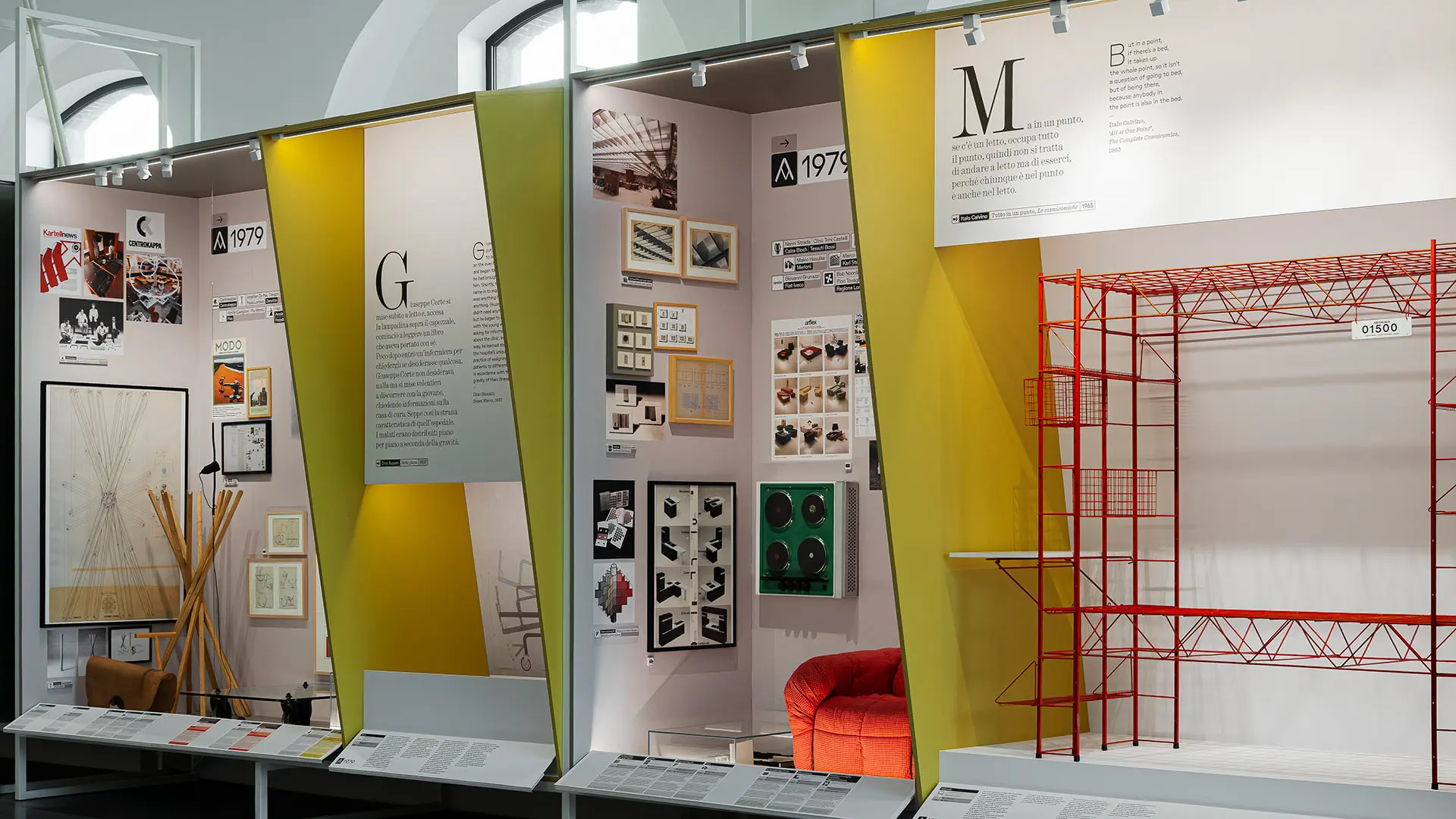
Five years since it opened, the museum in Milan presents the first new scientific reordering of its Historical Collection. Curator Maite García Sanchis relates how the way of interpreting over seventy years of design is changing, while Domitilla Dardi explains why the “Anthological” study enables the award-winning objects to dialogue with literature
What is Soviet architecture? History, images and pluralism
Text by
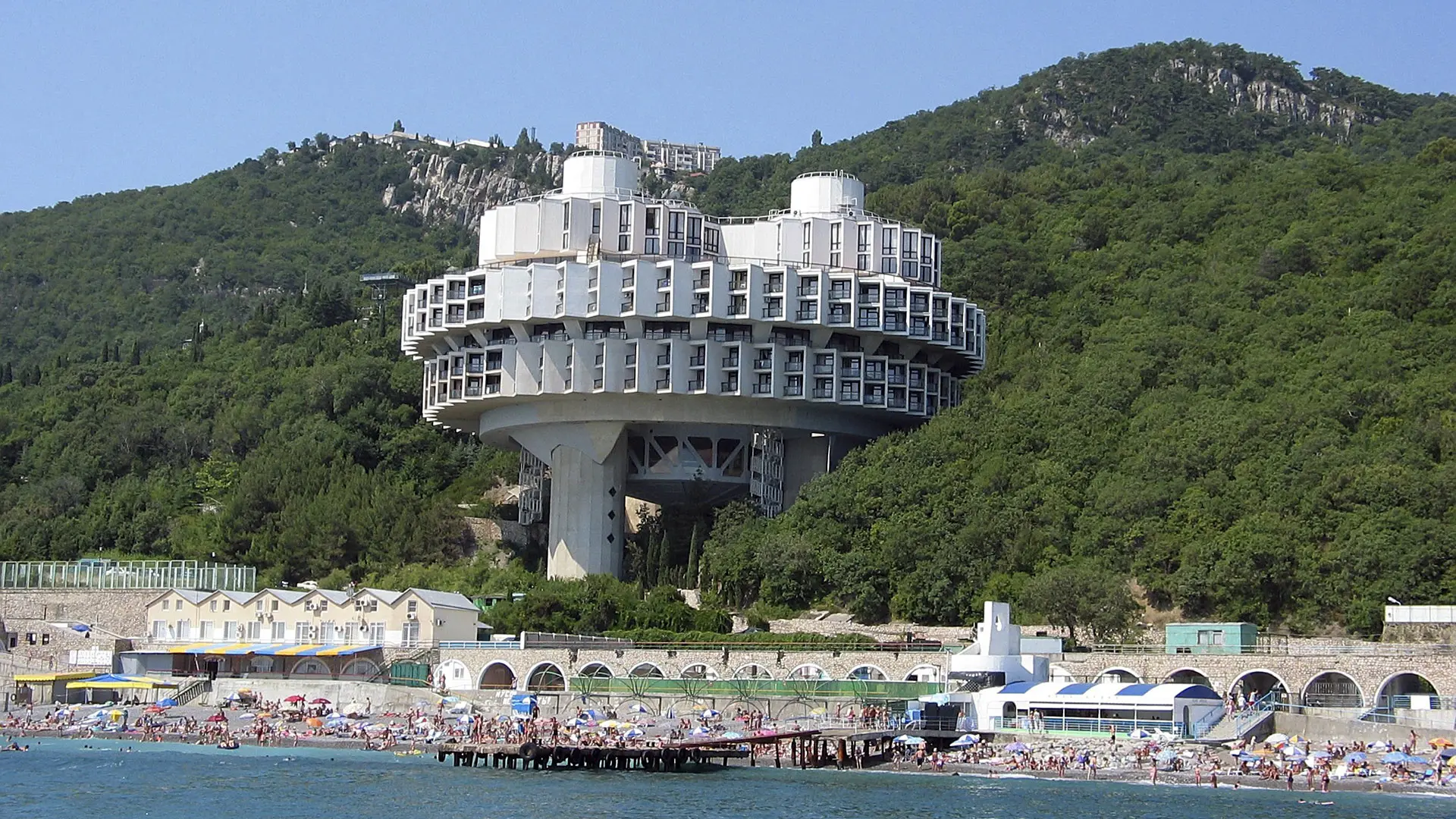
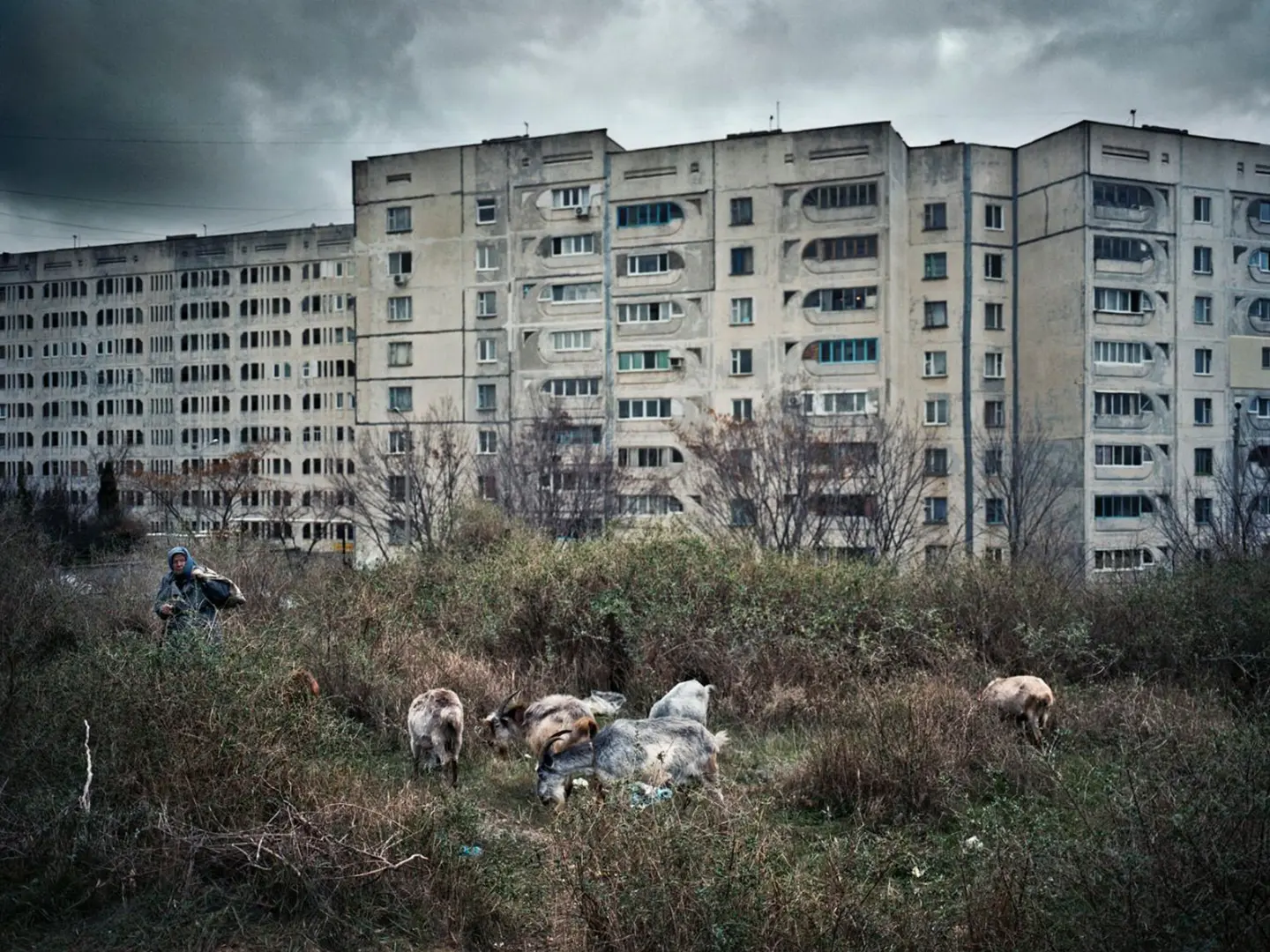
Druzhba Sanatorium, Yalta, Ukraine, 1985, ph. Thomas Vogt
Amid iconic images and critical reinterpretations, Soviet architecture is unfolding as a set of varied achievements spread across the space and time of the USSR. A journey through contemporary perception, history and case studies to go beyond visual simplifications
“The curious thing about Soviet architecture is that it is incredibly rich in profoundly photogenic buildings that appear simultaneously utopian in their conception and intent and distinctly dystopian in their dilapidated states of disrepair”. This observation, presented by Edwin Heathcote in Wallpaper, is intriguing by its ambiguity: not very effective in describing an architectural movement or the historical, cultural and territorial conditions that generated it, but surprisingly precise in expressing a widespread perception of the way this architecture is observed today.
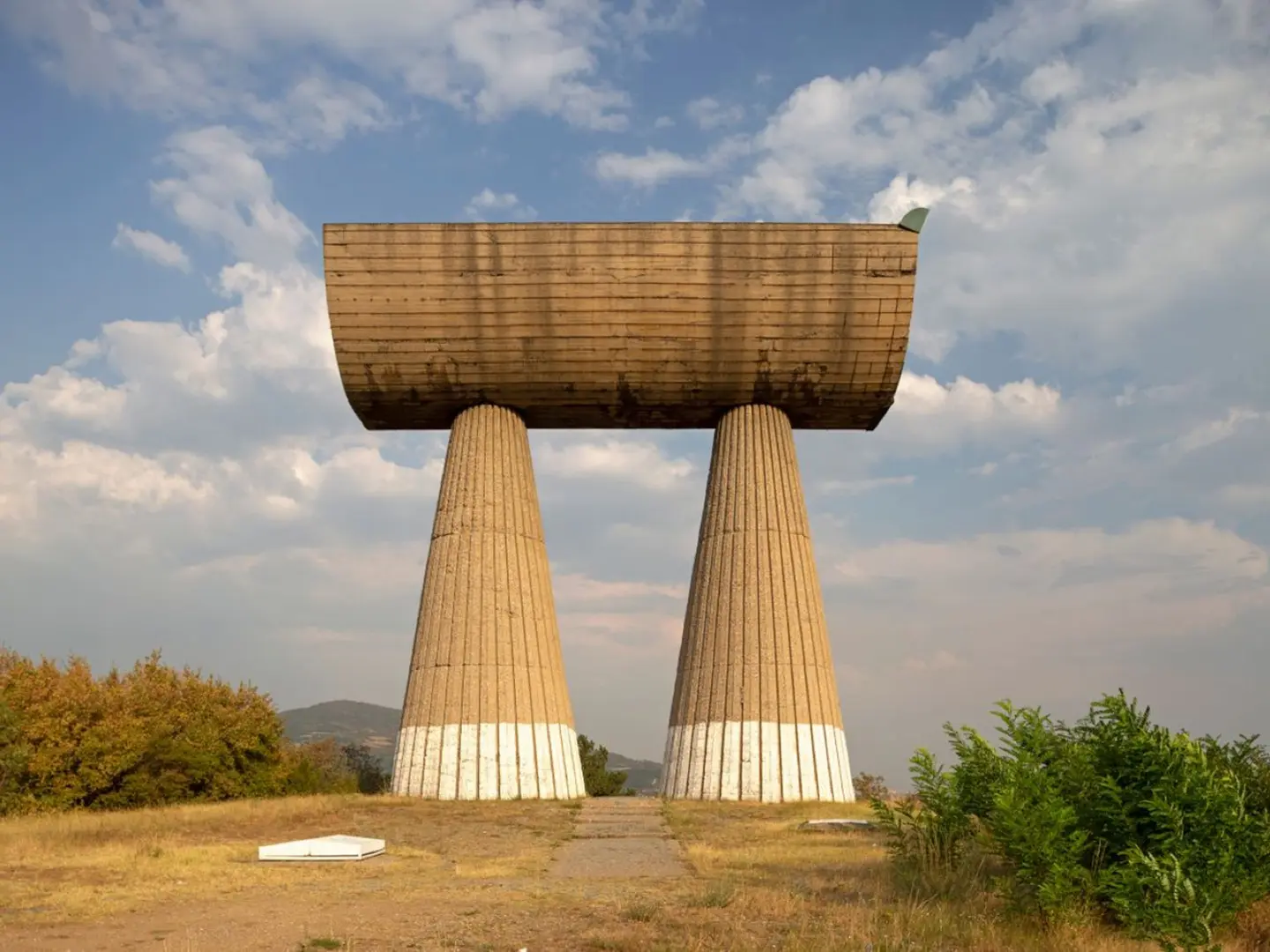
Monument to the Miners, Mitrovica, Serbia, 1973
Soviet architecture, images and contemporary perception
Rather than explaining Soviet architecture, this opposition between utopia and dystopia clearly brings out the way it is observed and its reception today, with a gaze that privileges the isolated image, the ruin, the photogenic monumentality, while ignoring the complex processes that created these buildings. Yet, this contemporary reception could represent a different opportunity. Not so much to attach new labels or consolidate a recognizable aesthetic, but to reopen some basic questions. What were the contexts in which these buildings were designed? What urban and social programs did they respond to? How have they been adapted, altered or neglected over time?
To do this, we need to bring some basic coordinates back into play. The Soviet Union (USSR) was a federal state stretching from the Baltic countries to the Pacific Ocean, passing through profoundly different climate zones, cultures and urban traditions, and it existed for over sixty years. This temporal and spatial scale makes some simplification inevitable, but it means any single-minded interpretation of “Soviet architecture” is problematic.
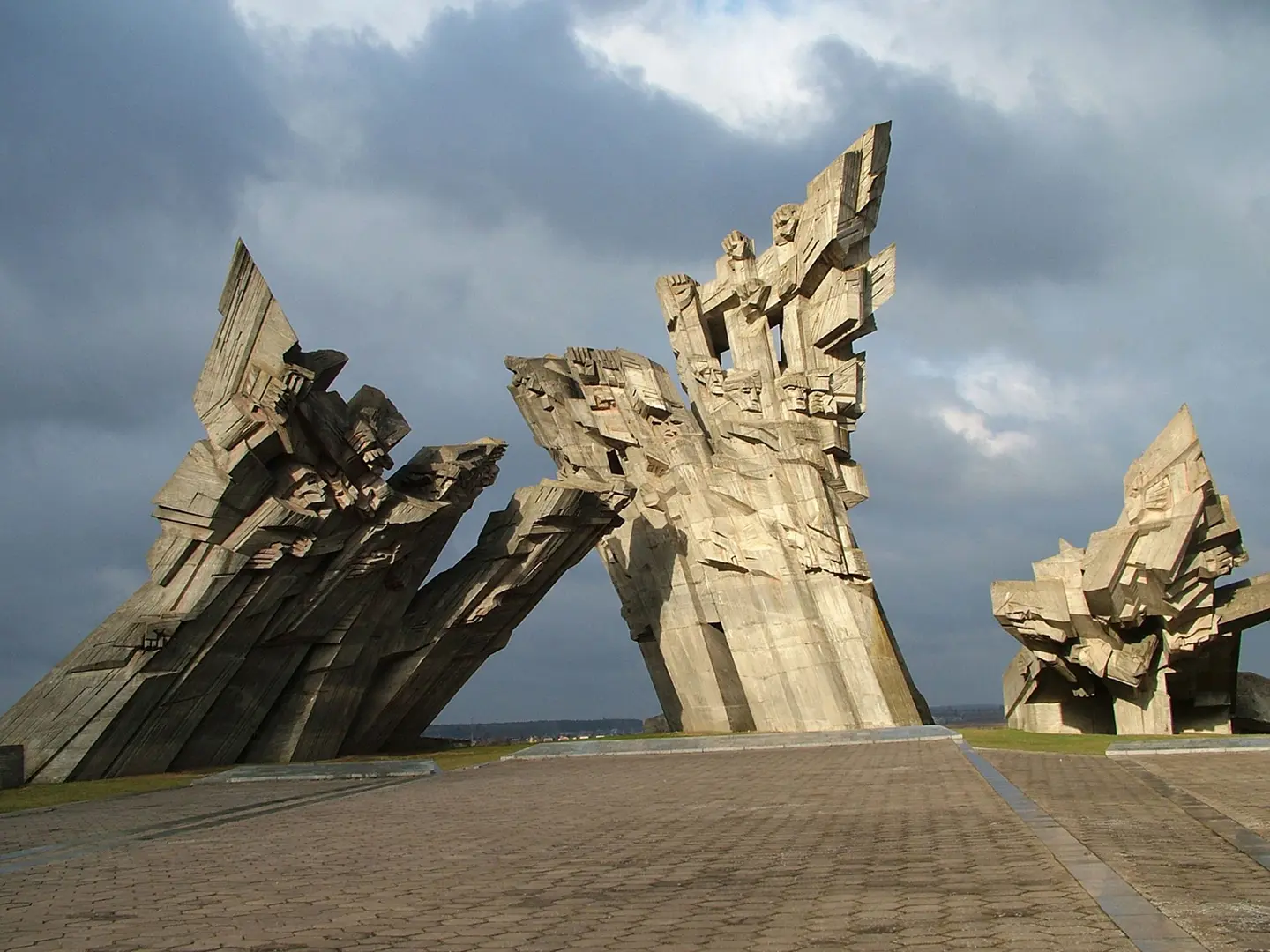
Monument of the Kaunas Ninth Fort, Lithuania, 1984, courtesy Kaunas Ninth Fort Museum
Architecture and the State in the Soviet Union
As Luka Skansi observes in his essay on the relationship between architecture and the State in the Soviet Union, published in his History of European Civilization: “It is possible to sum up very clearly its phases of development, main chapters and temporal boundaries. But it seems increasingly complex to provide an outline of any clear correlations between the strategies of the Soviet State, the social and economic changes that characterized the whole history of the Soviet Union and features of its architectural, artistic and urban culture”.
It follows that the topic is highly complex and any attempt at a synthesis will entail inevitable, though not neutral, reductions. A clear distance has opened up today between the circulation of images in the generalist media and research that seeks to precisely delimit times, places and programs. On the one hand, Soviet architecture as a visual icon, on the other as a stratified field of study that is still largely waiting to be explored.
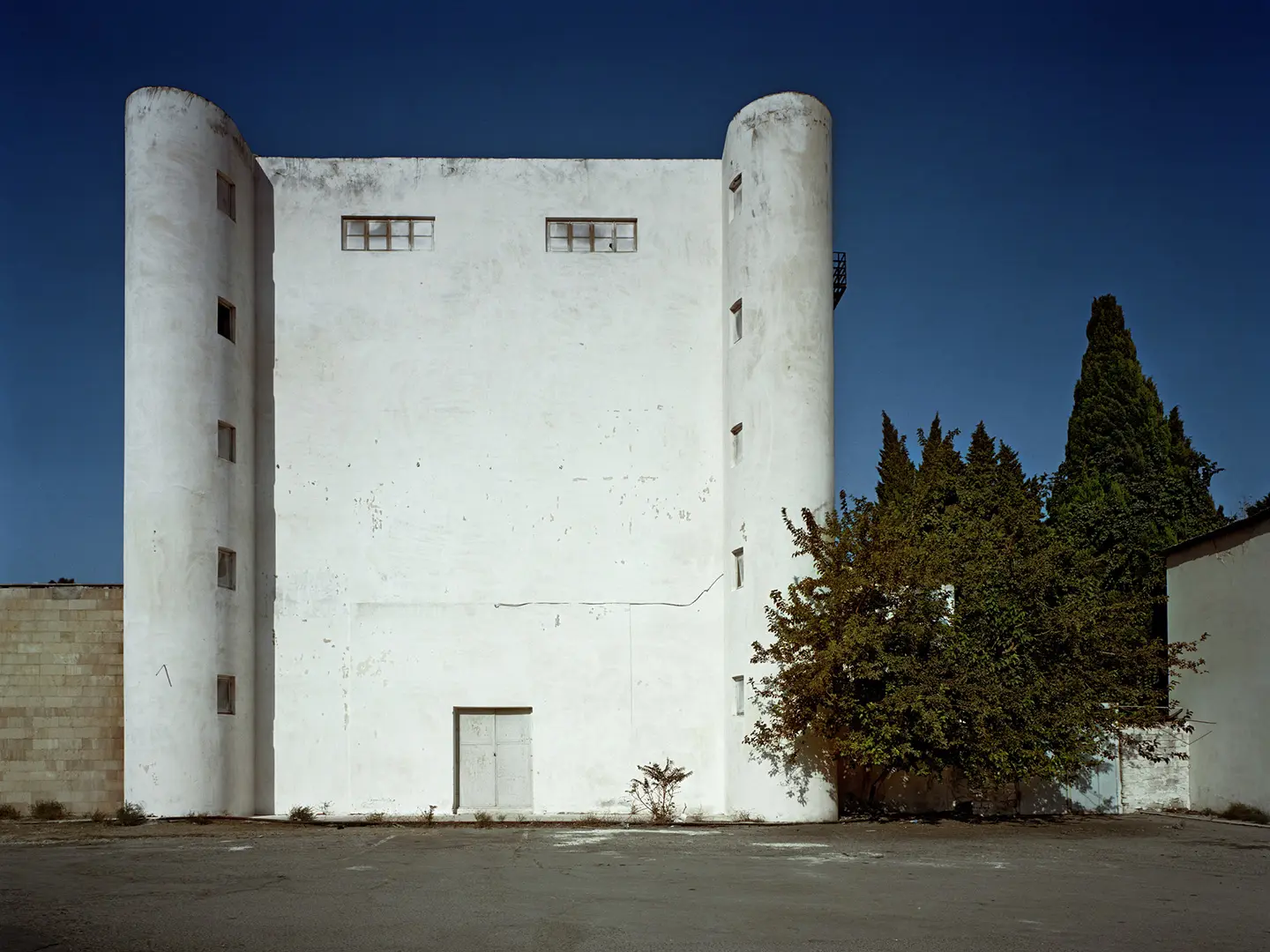
Surakhany Workers’ Club, Baku, Azerbaijan, 1929, ph. Richard Pare
The aesthetic features of Soviet architecture
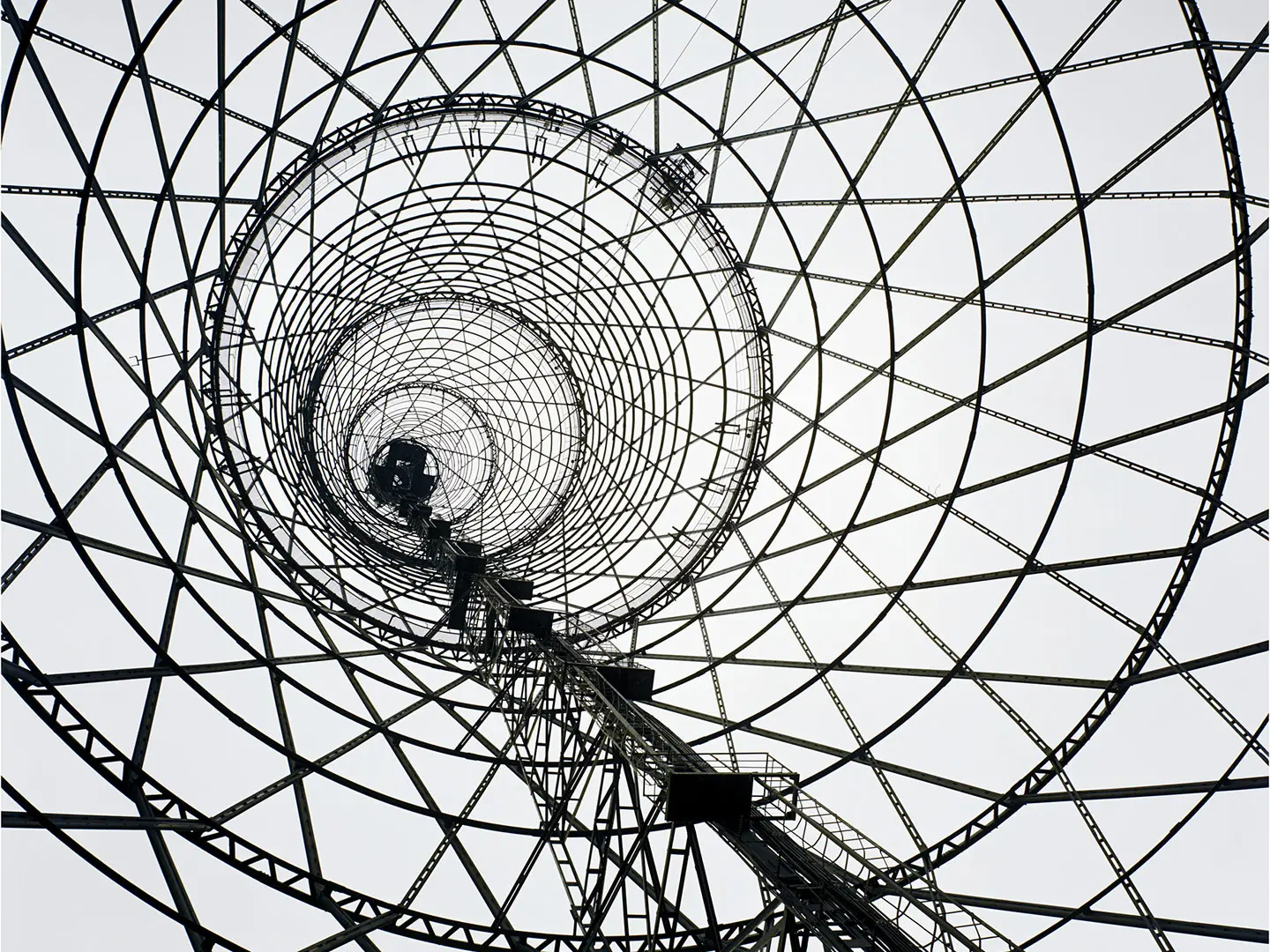
It is undeniable that many Soviet architectures are striking by their visual strength. Often of large dimensions, imposing in scale and structure, built largely of reinforced concrete, the buildings still exert a strong attraction today. The forms are extremely varied: from serial, box-shaped residential complexes to more experimental structures resembling huge concrete flowers, monumental towers or volumes that recall technological and spatial imagery.
Soviet architecture and post-Soviet imagery
In contemporary discourse, “Soviet architecture” often evokes oversized neighbourhoods, serially repeated buildings, massive infrastructures and a markedly decaying urban landscape. Cities and buildings appear vestiges of a different era, pushed to the margins by the post-Soviet transition, where everything seems to exist as a fragment of a powerful but bygone age.
Read also: Modernism: the architectural style that represents the American dream
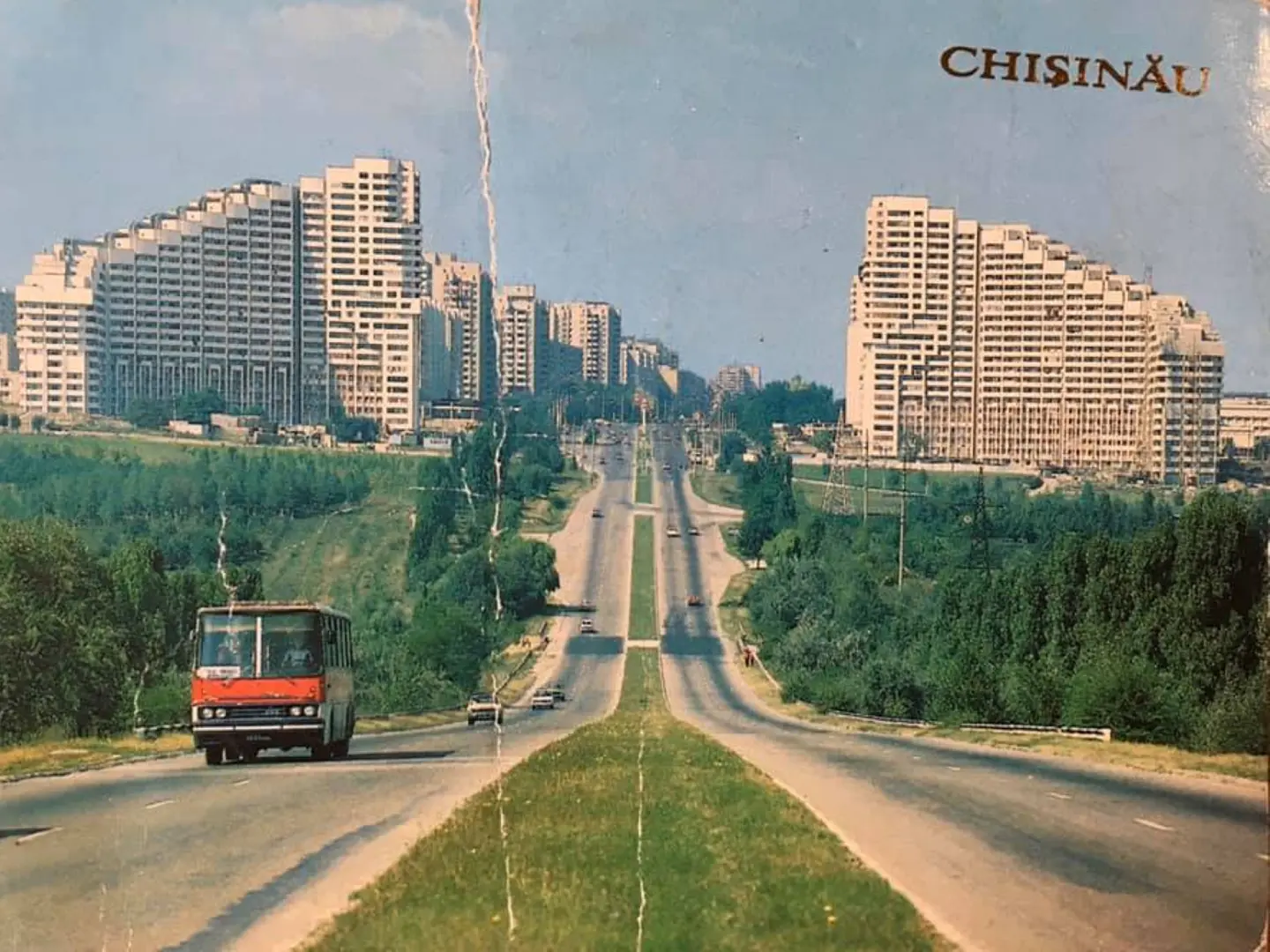
The Gates of Chișinău, Moldova, 1980
Case studies: exhibitions and critical reinterpretations
In this context, some recent events show that a different approach to Soviet architecture is possible. An emblematic example was the exhibition “Revolutionary Architecture in the Soviet Union, 1917–1937”, presented a few years ago by the MoMA in New York. The curatorial decision to focus exclusively on the first two post-revolutionary decades did not seek to offer an overall vision of Soviet architecture, but to investigate in depth a specific phase notable for its extremely intense theoretical thinking and design. In this case, the reduction of the timeframe was a necessary condition to restore the density of the debate, programs and experiments in those years.