

 Exhibitions


China accounts for 72% of the Asia-Pacific contract market potential
Mitterrand Gallery, Salone Raritas
In the exhibition design imagined by Formafantasma, international galleries, historic factories and companies specializing in unique craft skills tell their stories, each in their own way. Some display their know-how, others shift the focus back on the masters of the 20th century, while yet others call on contemporary artists and designers to collaborate
The curtain has finally risen on the first edition of Salone Raritas. Curated Icons, unique objects and outsider pieces, the platform curated by Annalisa Rosso, Editorial & Cultural Director, Advisor of Salone del Mobile, and dedicated to high-end craftsmanship, antiques and limited editions, not necessarily (or no longer, or not exclusively) for collectors but ready to take on a value from design. As we stroll through the corridors of this new “fair within a fair,” amid stands decorated in various shades of light-coloured and earthy tones, we find 28 companies from around the world. They have responded to the call for excellence in a personal way, each with its own character and expression. Some present small monographs focused on important, yet sometimes misunderstood, figures of art and design from the second half of the 20th century, or deep forays into specific historical periods. Others showcase the results of research projects conducted together with contemporary designers, reflecting with them on specific issues such as the upcycling of waste or a particular interpretation of the present.
The complete list of exhibitors comprises: 13Desserts, 1182 Ltd. ABI, Botticelli Antichità & Alessandra Di Castro, Brun Fine Art, Consorzio La Permanente Mobili Cantù, Galerie Philia, Galerie Zippenfenig, Hering Berlin, Marta Sala Éditions, Massimo Lunardon Edizioni, Matera, Max Radford Gallery, Mercado Moderno, Mitterrand Gallery, Mouromtsev Design Editions, Neutra, Nilufar, Officine Saffi Lab, Paradisoterrestre, Parasite 2.0 x Bianco67, Salviati x Draga & Aurel, Serafini, Side Gallery, Studio Francesco Faccin con Fonderia Artistica Battaglia, Studio Sabine Marcelis, Xavier Lust, Zaza Maizon by A1Architects.
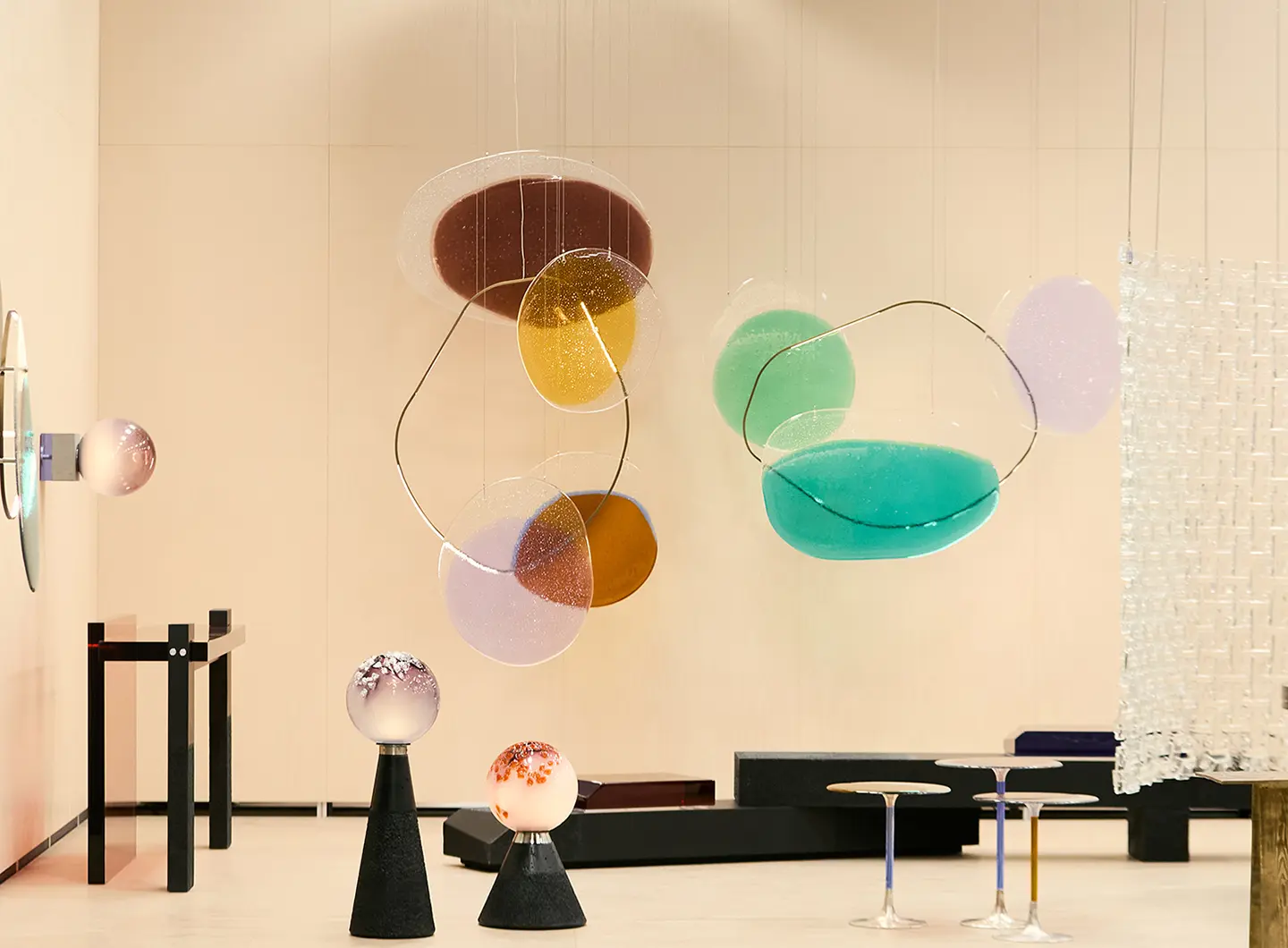
Massimo Lunardon Edizioni focuses on the figure of Andrea Branzi, currently also at the centre of an important retrospective at the Triennale. It presents a series of glass objects, one-off pieces and limited editions, which he designed during his long partnership with the Venetian master glassmaker. What unites them, in addition to transparency, is the presence of a strong poetic and reflective component. Branzi believed that glass was the supremely “traversable” material, capable not only of letting light filter through it, creating shimmering and fascinating reflections, but also of fostering connections between people, the organic presences that inhabit their homes – such as, for example, flowers or plants – and the home interior itself. Among the works on display are the Ice Dolmens, a collection of five works imagined by the designer and created by Massimo Lunardon between 2022 and 2023. In these archaic landscapes, the stones that form the famous megalithic monuments are transformed into thick sheets of glass, stimulating reflection on the primitive sacredness of the relationship between humanity, nature and artefact.
Salviati x Draga & Aurel, Salone Raritas
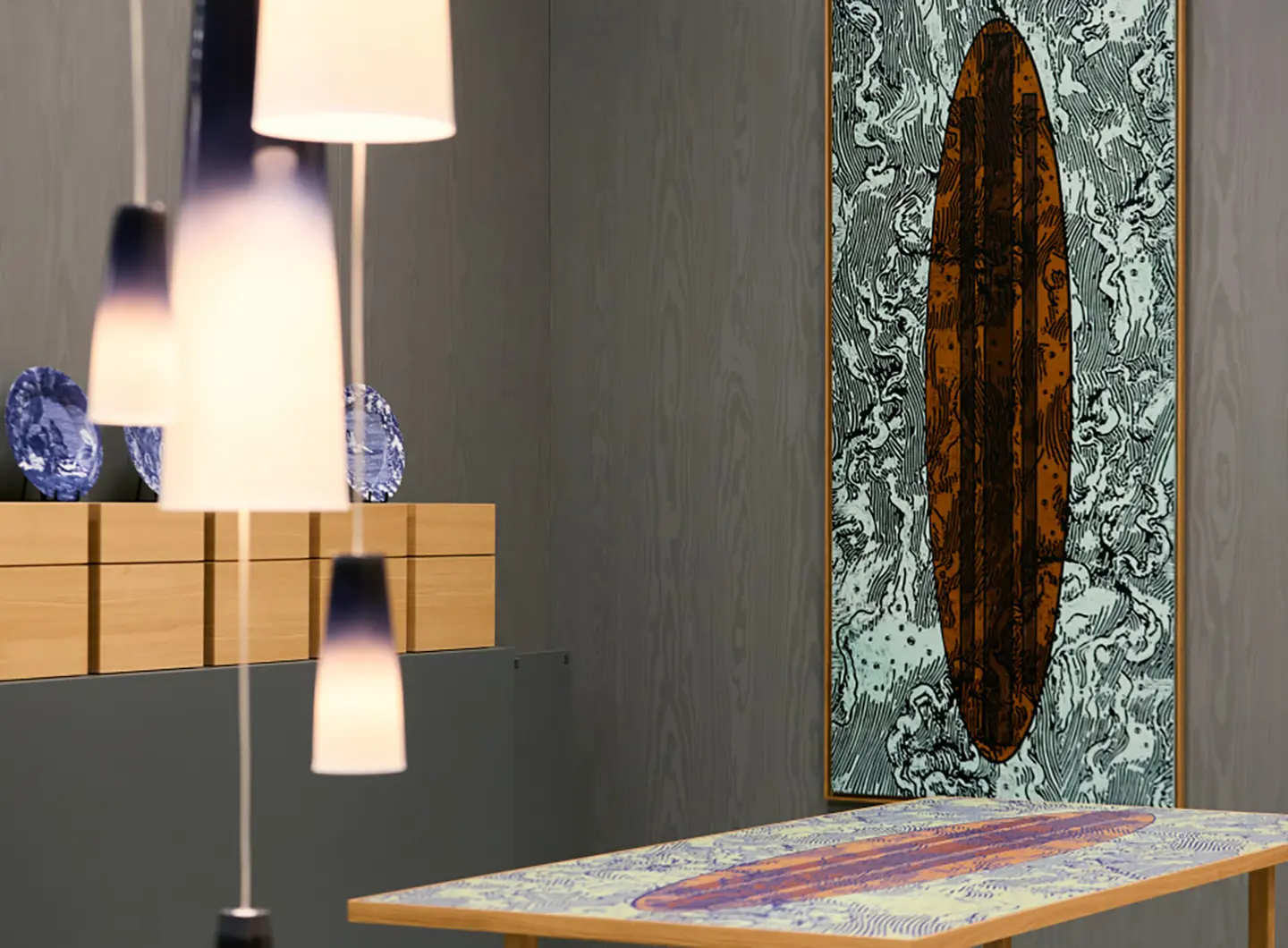
Salone Raritas
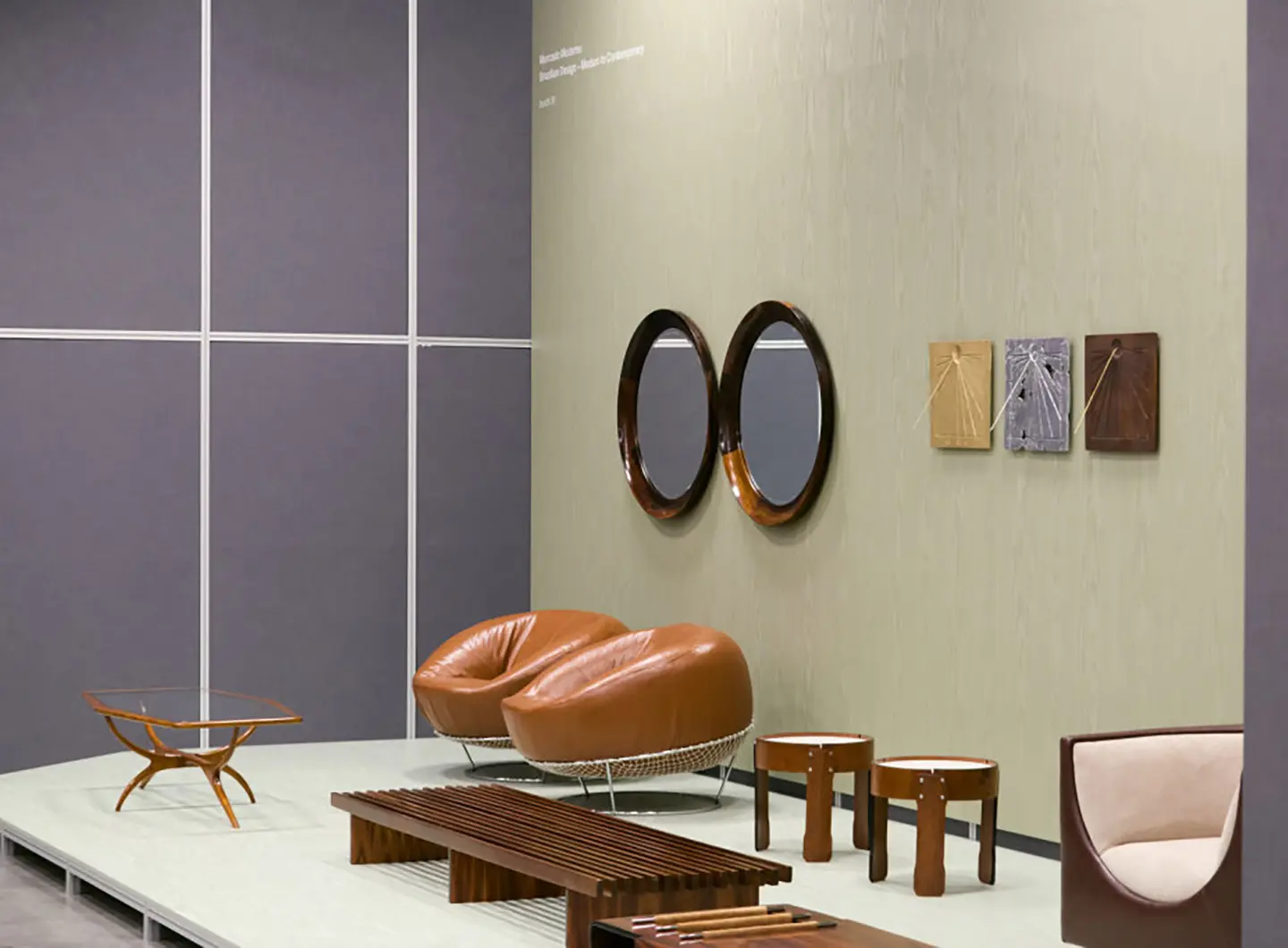
Mercado Moderno, Salone Raritas
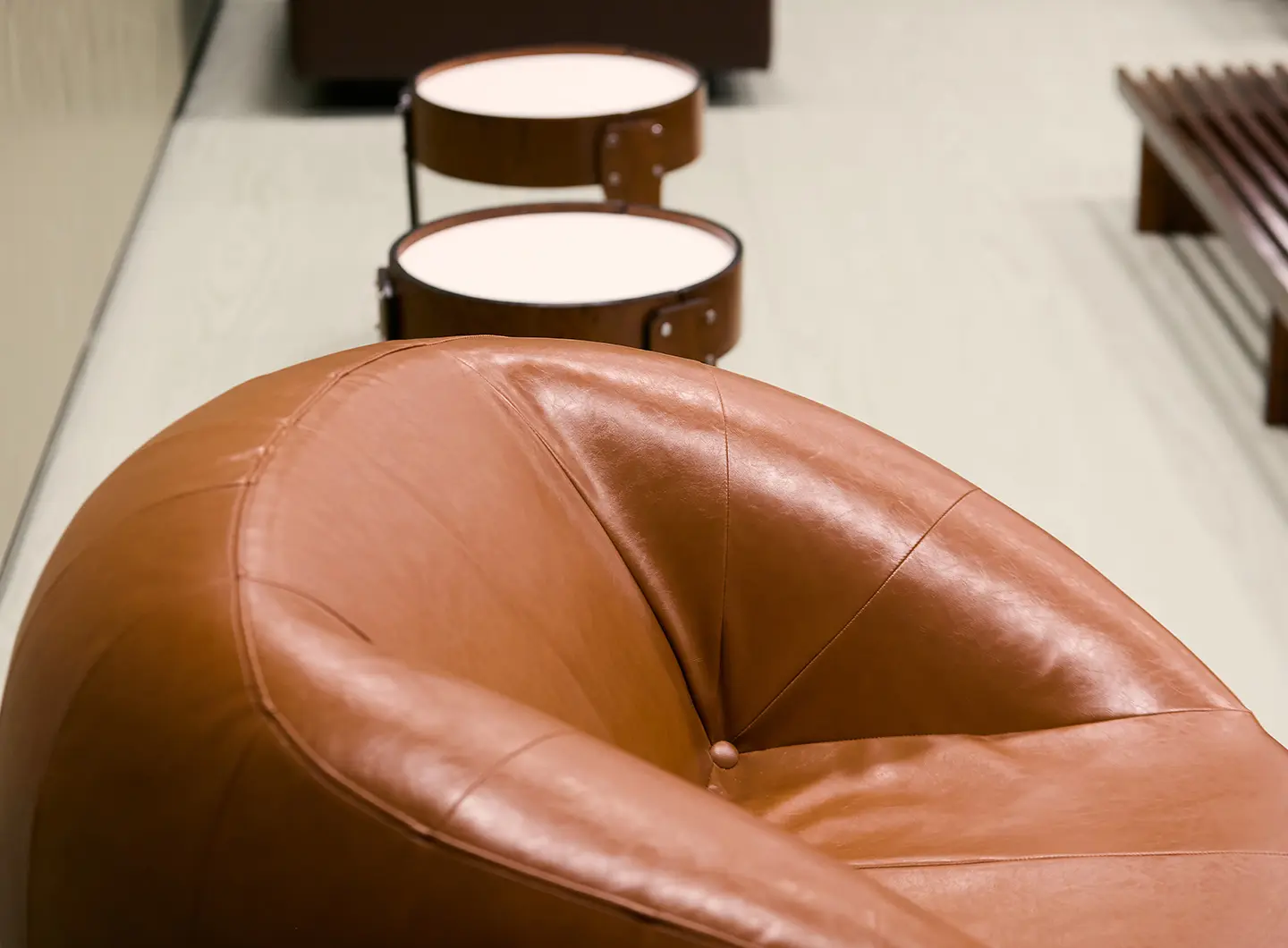
Mercado Moderno, Salone Raritas
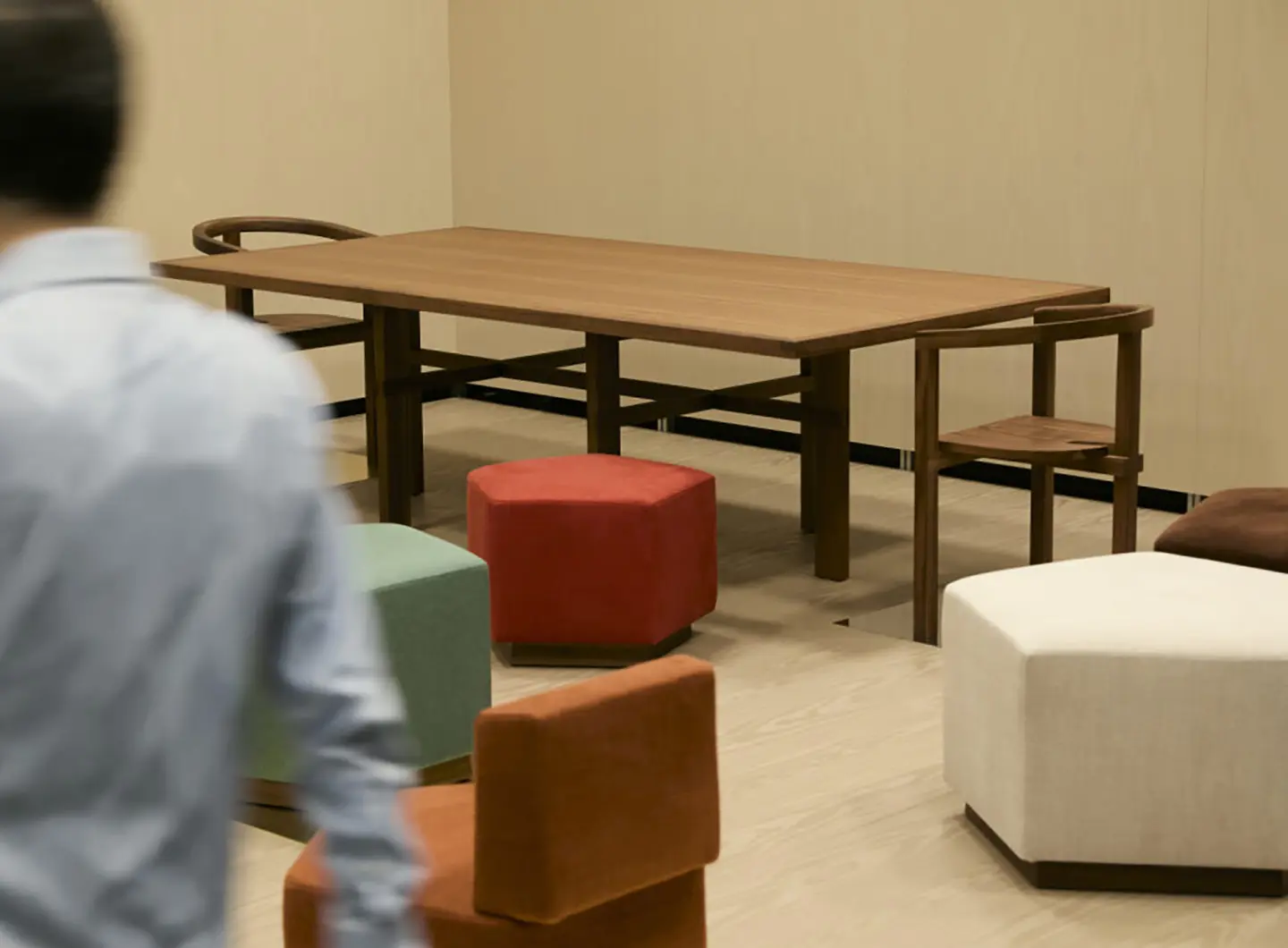
Marta Sala Éditions, Salone Raritas
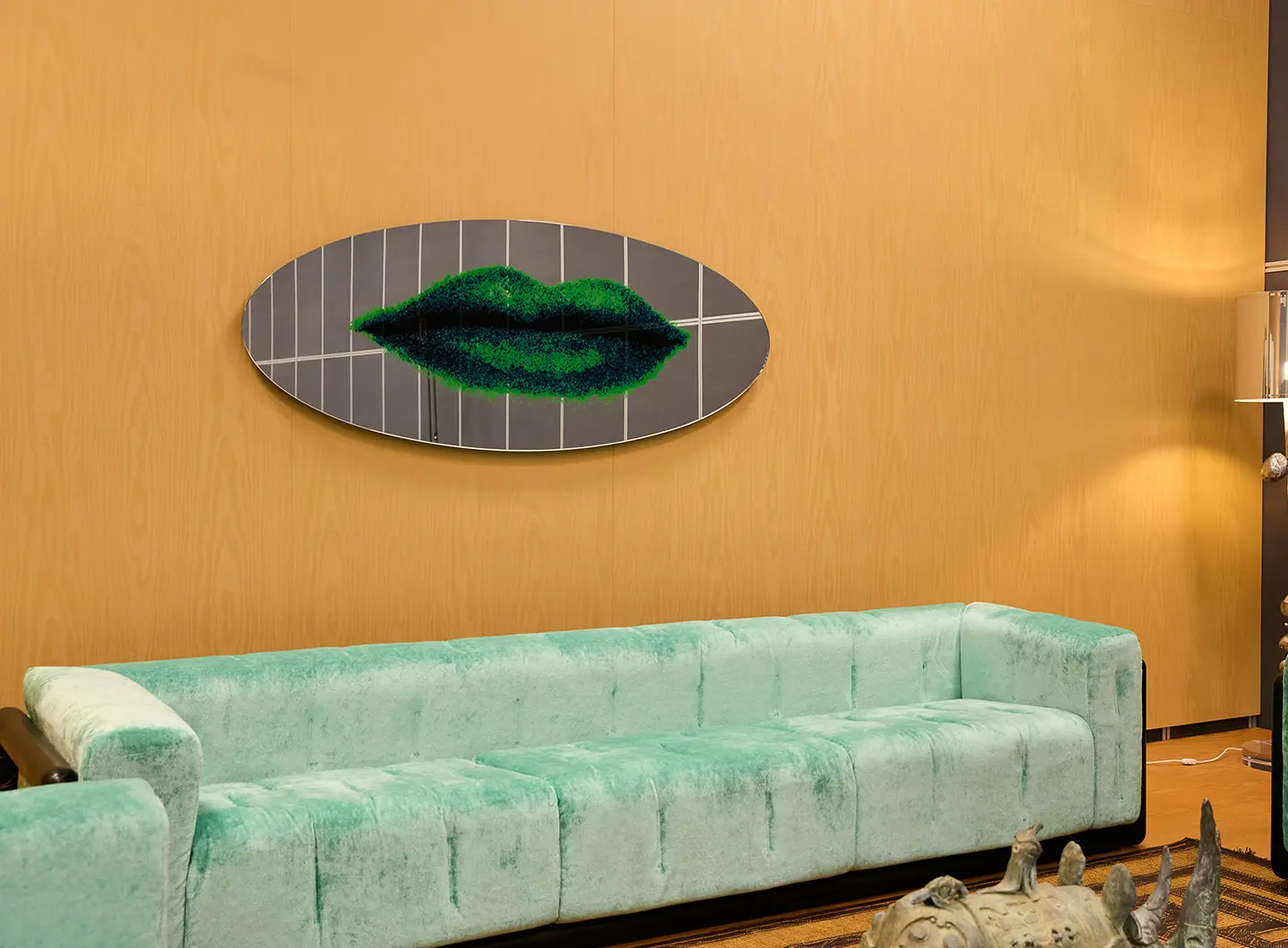
Paradisoterrestre, Salone Raritas
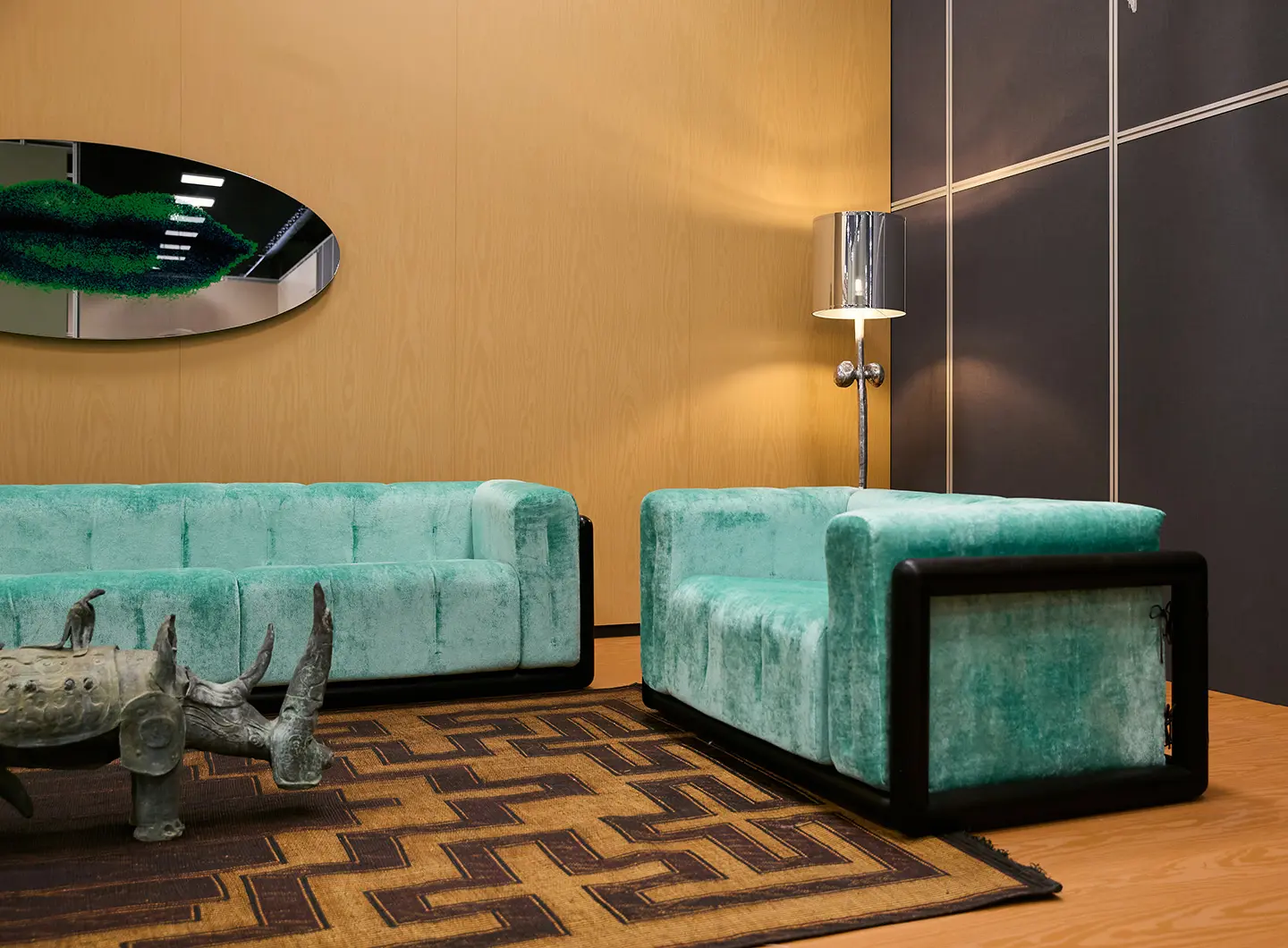
Paradisoterrestre, Salone Raritas
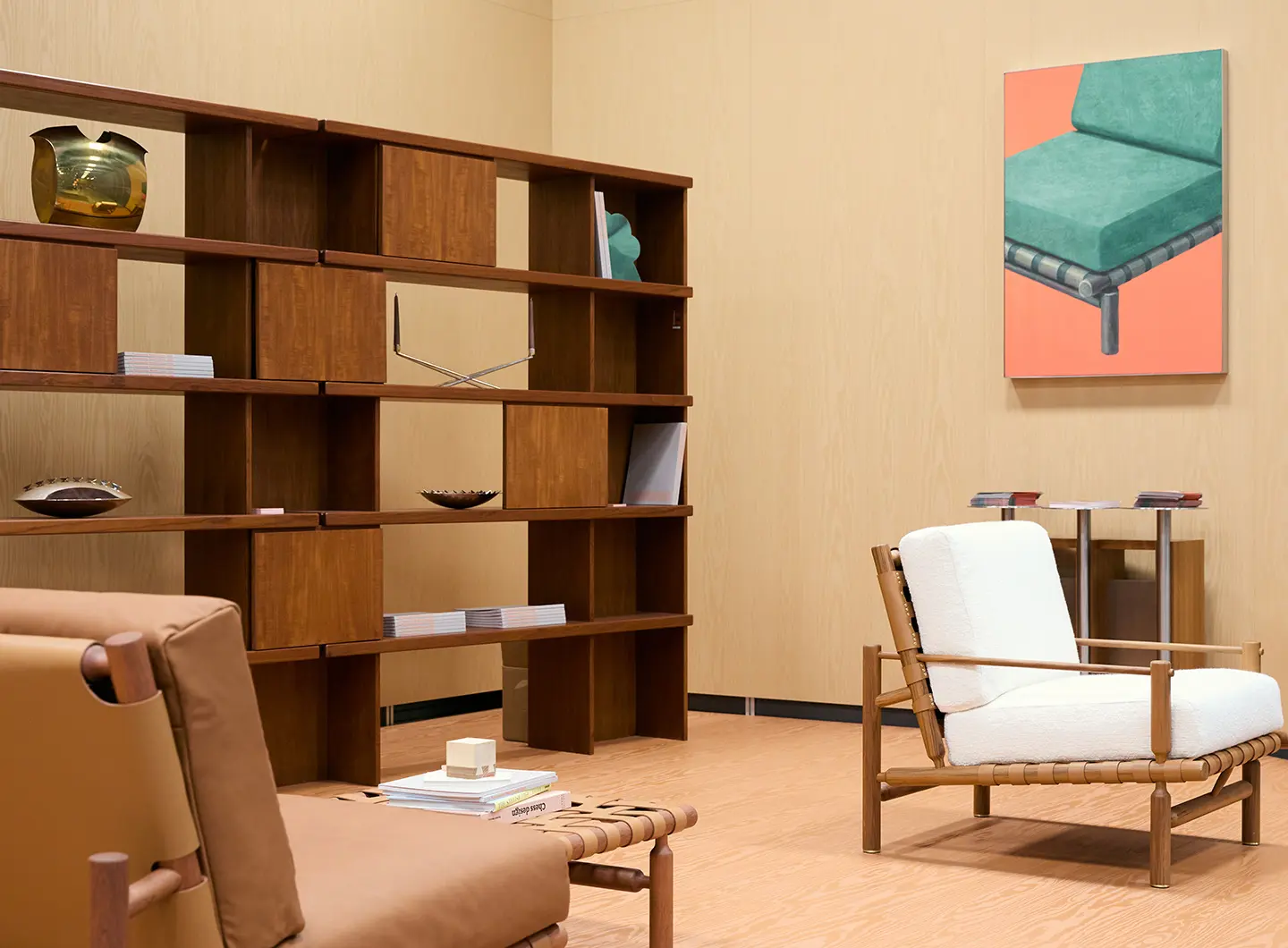
Salone Raritas
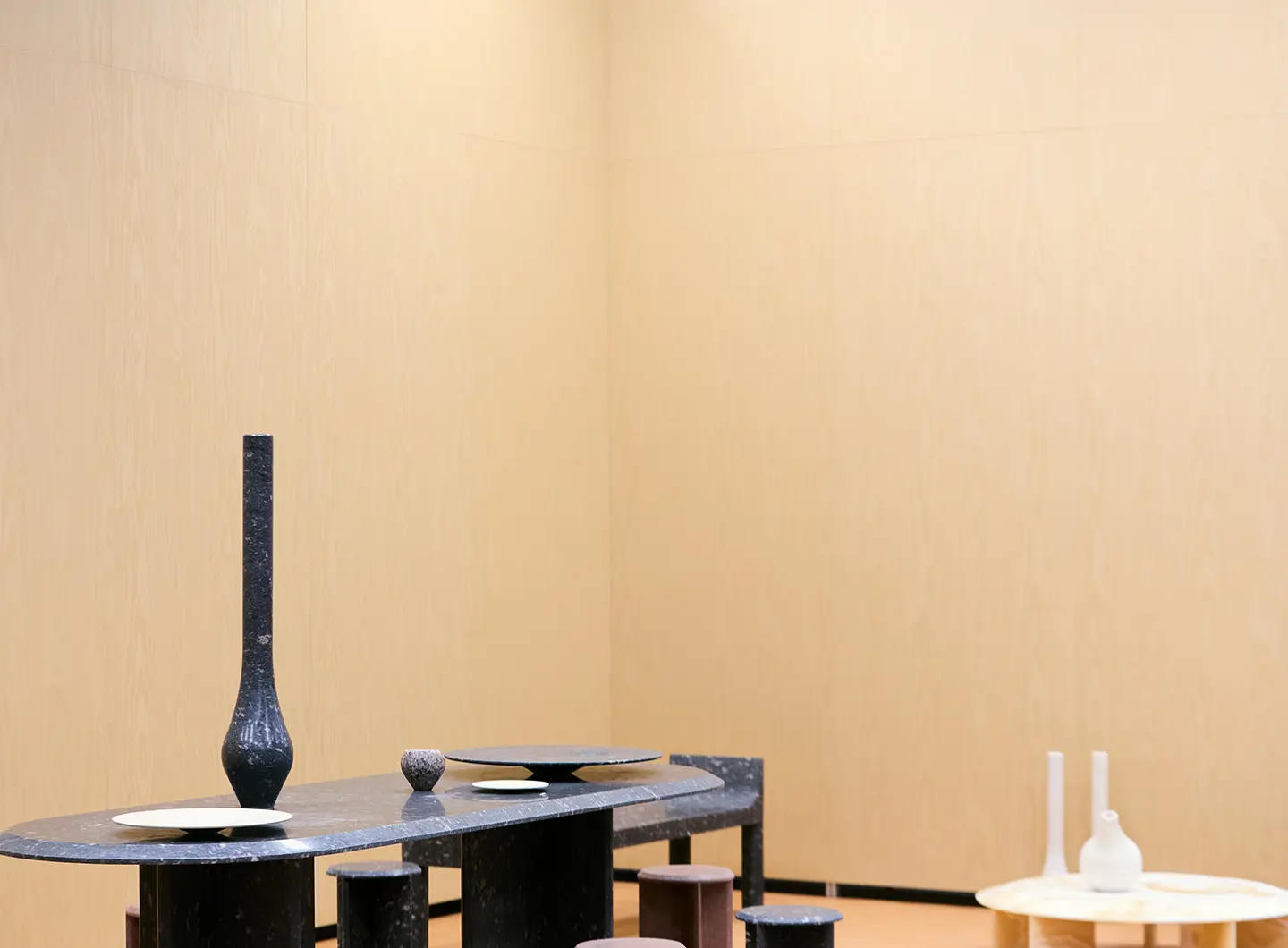
Salone Raritas
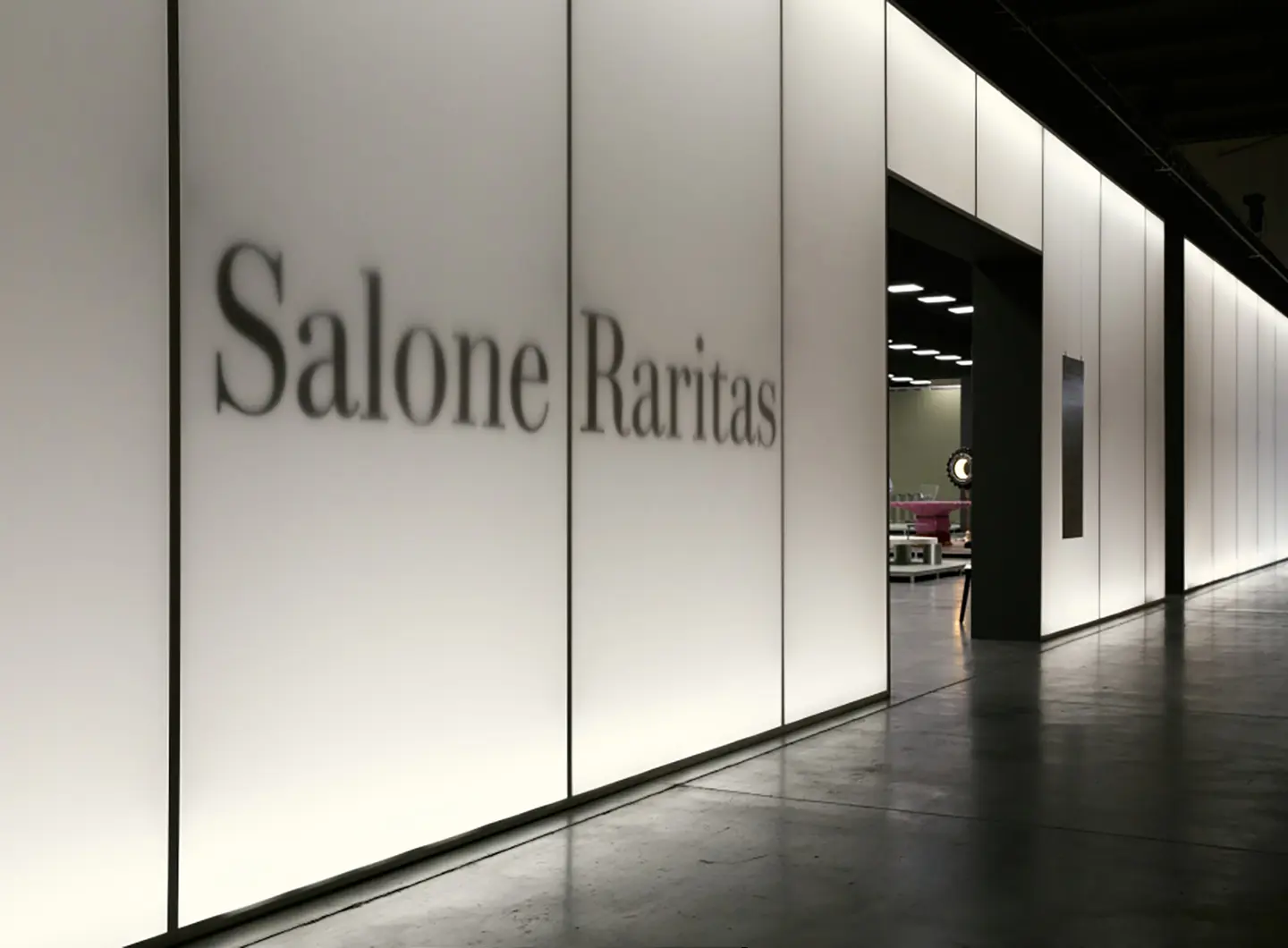
Salone Raritas, 64th edition of Salone del Mobile.Milano


Remaining “soft” – that is, kind, welcoming, ironic – when the going gets tough and the international situation uncertain. This could be the motto that sums up the spirit of the project with which the Mouromtsev Design Editions gallery, very young because it was founded in Dubai in 2025, is making its debut in Milan. At the centre is an original collection of six one-off pieces belonging to different types of objects (a daybed, a carpet, a floor lamp, a coffee table and a lounge chair) designed by Job Smeets with the curatorship of Maria Cristina Didero and created in collaboration with Gufram. Entitled Soft Parade, it has the mission of making the observer think by using irony and provocation, two arrows that have always been in the Belgian artist’s quiver. Fire, for example, which we are used to associating with danger, becomes a comfortable seat. The tyre, which alone could direct us into the semantic field of speed and industrial efficiency, here emits light and reminds us that “The World Will Be Saved By Beauty”.
The Galerie Zippenfenig, Vienna's only gallery specialising in collectible design, pays homage to an important Austrian figure: the architect and designer Heidulf Gerngross, born in Carinthia in 1939. At the root of his practice is his concept of the Archiquant, the architectural quantum, a geometric form that is both new and archaic, combining the curve and the straight line, which can be used to construct a whole alphabet of design. Starting from this module, and taking the human body as a fundamental frame of reference, the Carinthian designer has developed a complete system of functional objects – tables, stools and other pieces that the curator Stephan Hamel relates to a sculptural seat created by one of the country's most important visual artists, Franz West (1947-2012). “The dialogue between Archiquant and West develops along a slippage: from implicit structure to explicit experience,” explains Hamel. “Gerngross defines the conditions, West updates them. The first works at the level of generative grammar, the second at the performative level.”
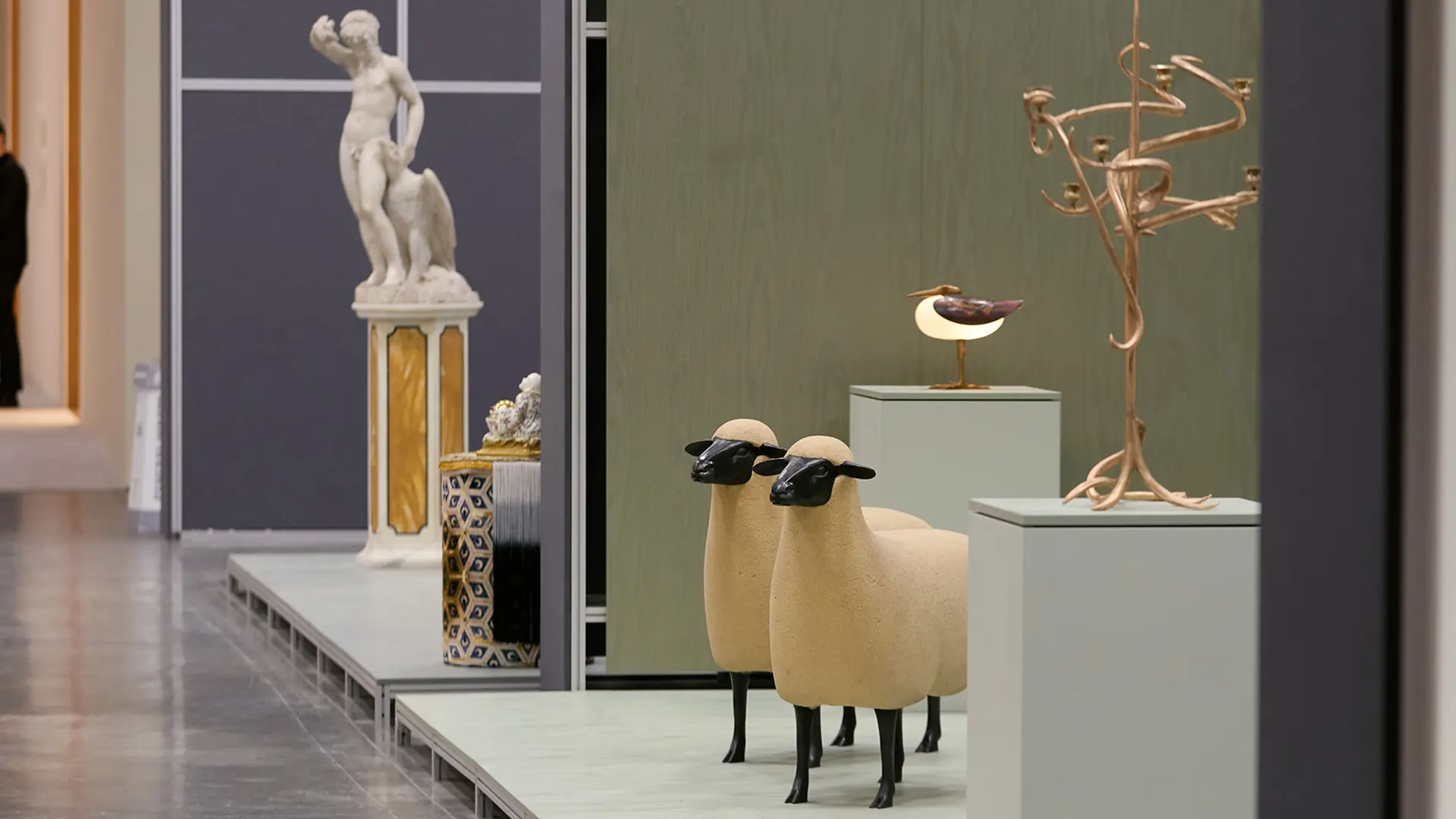
From Paris, the Galerie Mitterrand brings Salon Raritas a selection of works by Claude (1924-2019) and François-Xavier Lalanne (1927-2008), the duo of artists and designers who in the post-war period successfully projected Surrealist fantasy into the domestic environment, creating a highly recognizable universe of their own, populated by plants and animals as eccentric as they are fascinating. Among these we find, for example, the Williamsburg furnishings designed by Claude Lalanne in 1984 on commission for the Museum of Decorative Arts in Williamsburg, Virginia, a very important project in the artist's professional career, because it marked the transition to a greater integration of his works into the their settings. The singularity of her imagination is highlighted by Lampe Échassier, petit modèle from 1990, a lamp in bronze, copper and opal glass in which the rounded body of a bird becomes a light source, and the other pieces by François-Xavier, the male half of “Les Lalanne”.
Zaza Maizon, the only Saudi brand exhibiting at the Salone Raritas by the architect Abdulaziz Khalid Al Tayyash, embodies elements of the culture of the Persian Gulf country in a decidedly contemporary research in which the study of movement and its effects on forms plays a central role. The Vitturi Chair, a sculptural seat in stainless steel, captures the kinetic essence of the rapid gesture with which Saudis adjust the shemagh, the traditional headdress called a keffiyeh in other regions of the Arab world. The sculpture Tawāshuj has, of course, the features of a camel, but at the same time evokes a landscape made up of rocky reliefs shaped by the wind and sinuous waterways.
In the corridors of Raritas, however, the talk is not just about beauty and craft skills but also sustainability. In particular, two projects related to natural stone show how a material that humanity has used creatively since ancient times, yet certainly not considered ecological or with a low environmental impact can actually be managed responsibly. Secunda Natura. Nothing here is just a wall is the result of the collaboration between Bianco67 and the design and research studio Parasite 2.0. At its center lies the enhancement of production waste, fragments of travertine that cannot be used for standard production because they have small defects or crystalline inserts, and which here become the material with which to build the various elements – a table and two accessorized walls – of an open and modular system. The material “rediscovered” is transformed through the intervention of technology, and in particular a six-axis robotic arm that sculpts its surfaces with motifs inspired by the classical world and marine imagery.
Matera, a new venture founded in 2025 by designer Stefan Scholten and his wife Manuela Rotta, active in Amsterdam and Carrara, is presenting a collection of objects at the fair that are sculptural but small in size (the brief envisioned a precise height and width limit of 55 centimeters) created by internationally renowned designers and artists and numbered. Their call has been answered by – among others – Julie Richoz, Ronan Bouroullec, Richard Hutten, Joep van Lieshout and Job Smeets. The marble they worked with, moreover, comes from responsibly managed quarries.
22 April 2026
Share