

 Stories






Why darkness is a natural resource that must be protected against waste and light pollution
Slalom’s Acoustethics philosophy: a mix of acoustics, aesthetics and sustainability
Text by

Photo by Maria Teresa Furnari
In a society in which spaces are becoming increasingly multisensory, one of the challenges facing contemporary architecture is acoustics, no longer merely a technical requisite but a design discipline in its own right. Slalom is recognised at international level as a leading firm in the design field, redefining the concept of acoustic comfort in the contract and hospitality sectors
Slalom aims not simply to produce sound-absorbing products, but to customise them so as to integrate acoustics into architectural design in line with a philosophy encapsulated by the neologism Acoustethics. This term summarises the company's mission, which is based around the concepts of sensory well-being, research into materials, circular sustainability and product aesthetics, with regard to which Slalom stands out for its extensive system of certifications, both ecological, including GREENGUARD, HPD and VOC, and performance-related, such as those relating to fire resistance, making them concrete tools for designing safe, healthy and sustainable spaces.
While PET felt made from recycled plastic has always been Slalom's core material, the company's R&D department has invested significantly in research into bio-based materials over the last few years. This has led to the production of various types of sustainability-informed sound-absorbing walls, such as Bloom, which combines textile know-how with both the regeneration of plastic materials and the reuse of flower petals obtained from selected biological corridors. The concept of dried plants being pressed onto sheets of paper, traditionally conserved in Wunderkammers or the archives of botanical gardens, take on a new dimension in Bloom, as seen for example in the Elle Decor Alchemica project curated by Patricia Urquiola for Palazzo Bovara during the last Milano Design Week. In this case, Slalom took care of the acoustics by enveloping the entire space of the restaurant Herbarium in Bloom. Winner of the Office category of the Red Dot Design Award 2025, the Woody sound-absorbing wall boasts a combination of FSC® certified wood and GRS regenerated plastic obtained by a patented thermoforming technology that hybridises the materials, cutting waste and lending a harmonious undulation to the wall. Lastly, Chromody, is a stained FSC® wooden wall that blends acoustic comfort with chromatic research, opening up new expressive possibilities in interiors. In all these solutions, functionality is interwoven with the tactile and visual dimension, helping to create environments designed for concentration and wellbeing.
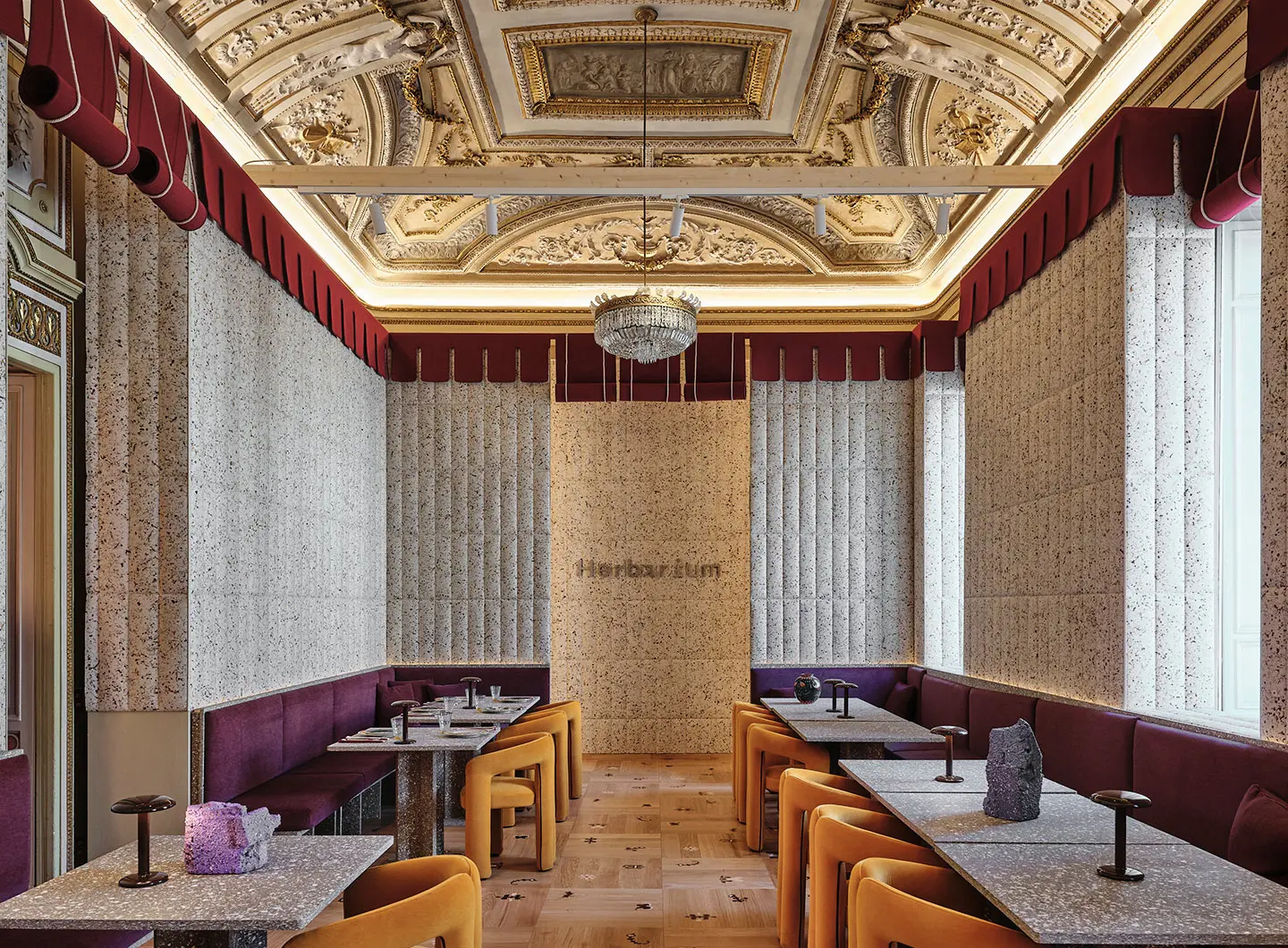
Milan Design Week 2025, Elle Decor Alchemica - Palazzo Bovara. Photo by Gianluca Bellomo
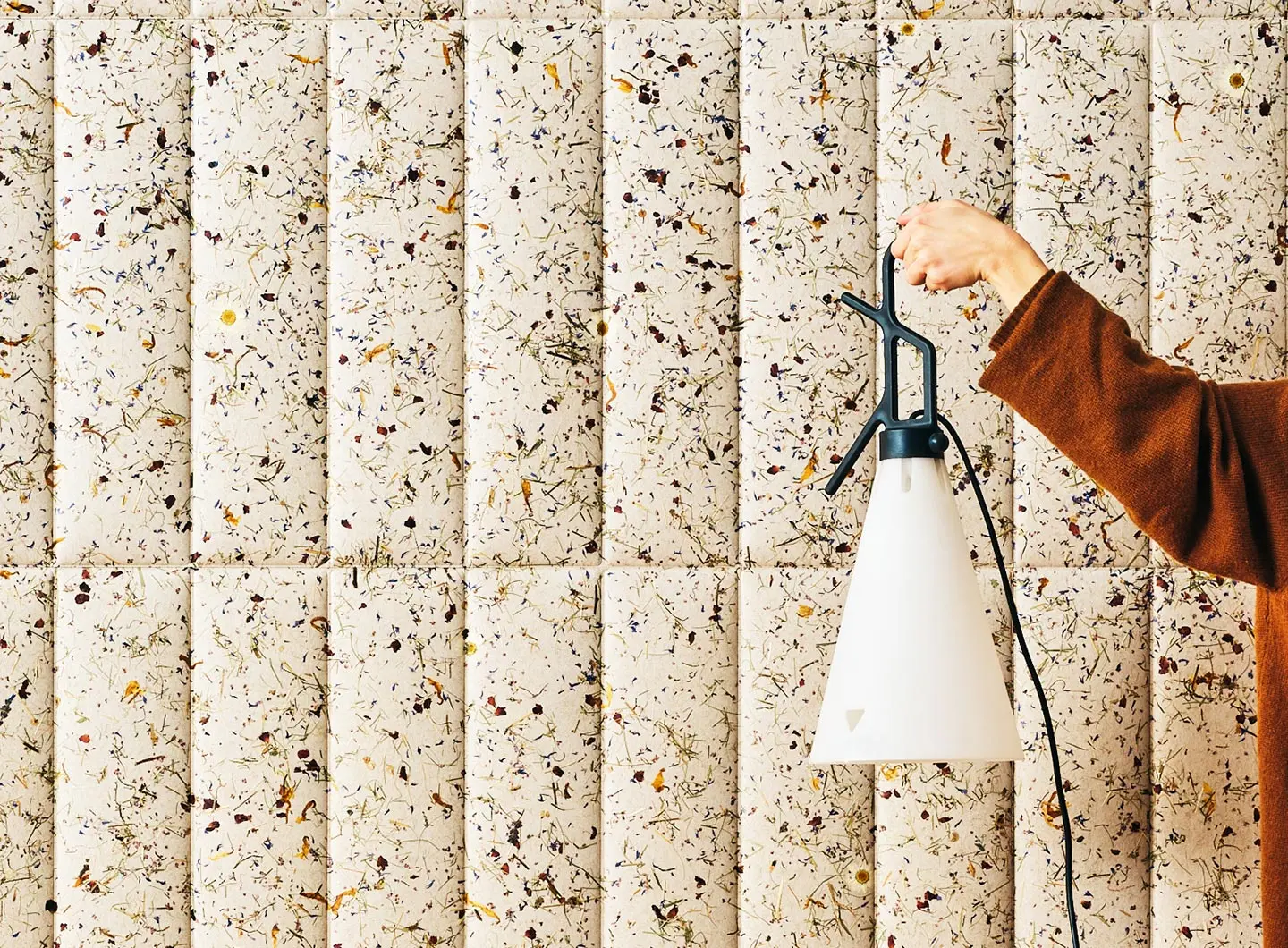
Bloom. Photo by Gianluca Bellomo
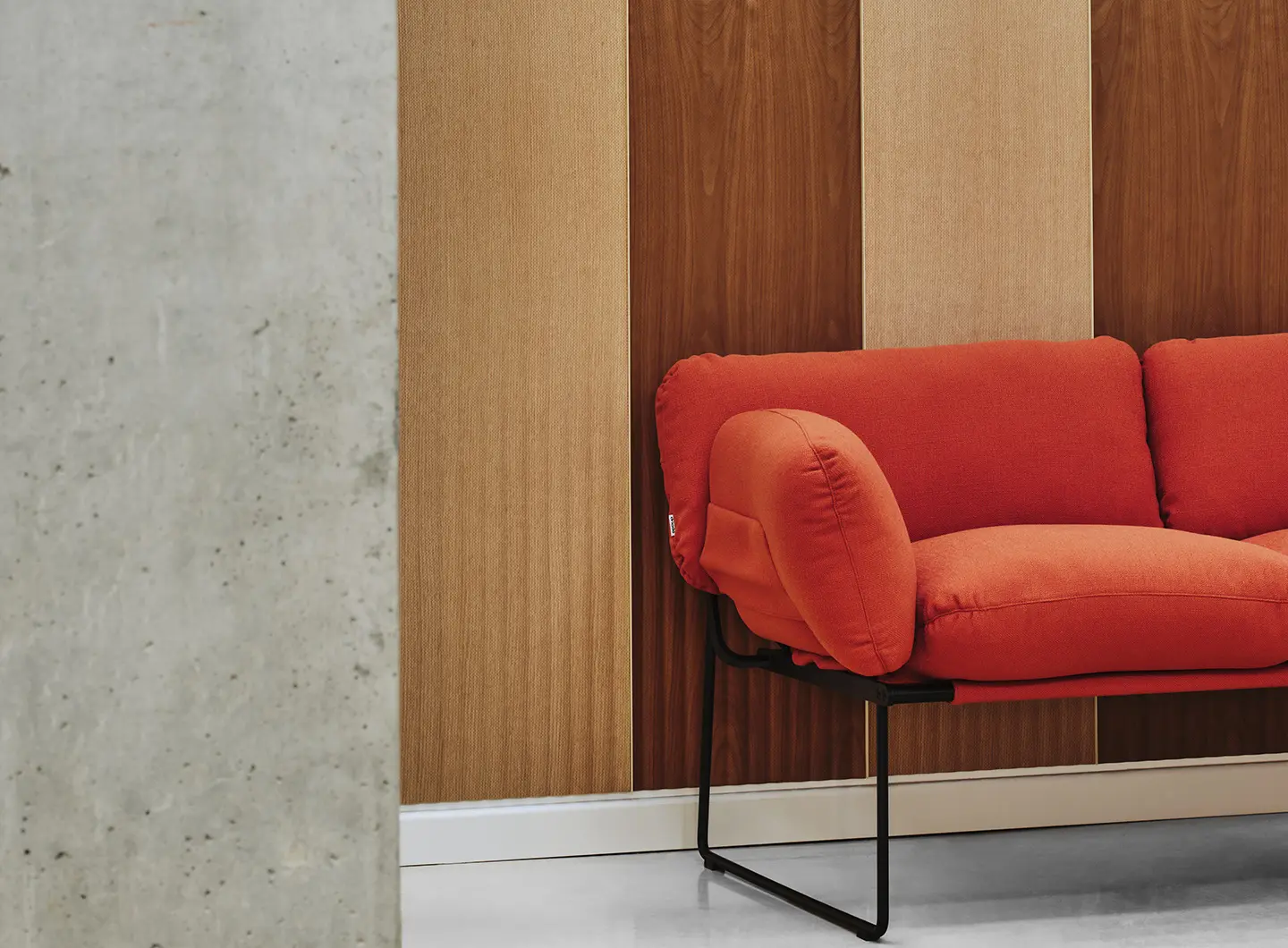
Woody. Photo by Gianluca Bellomo
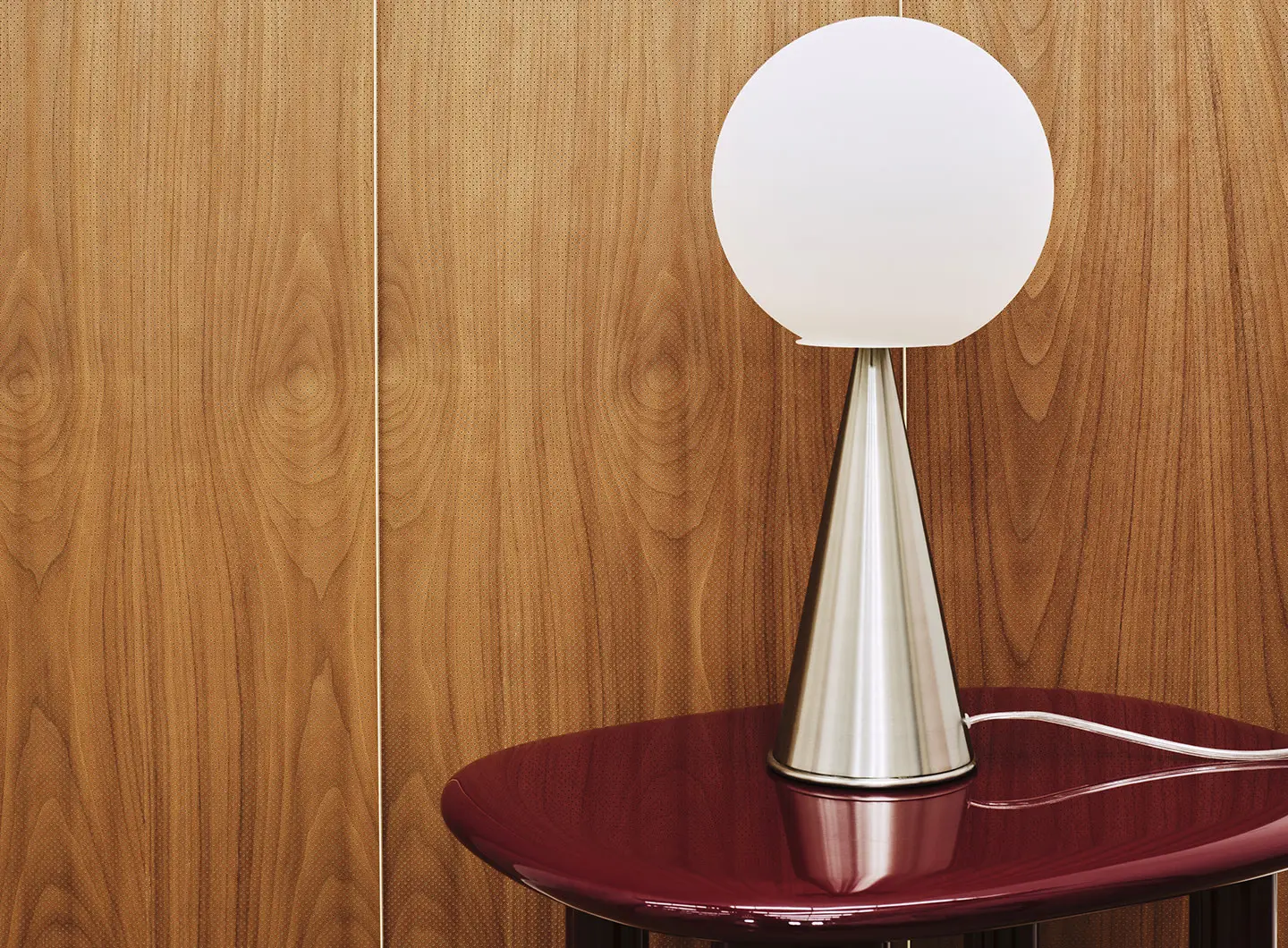
Woody. Photo by Gianluca Bellomo
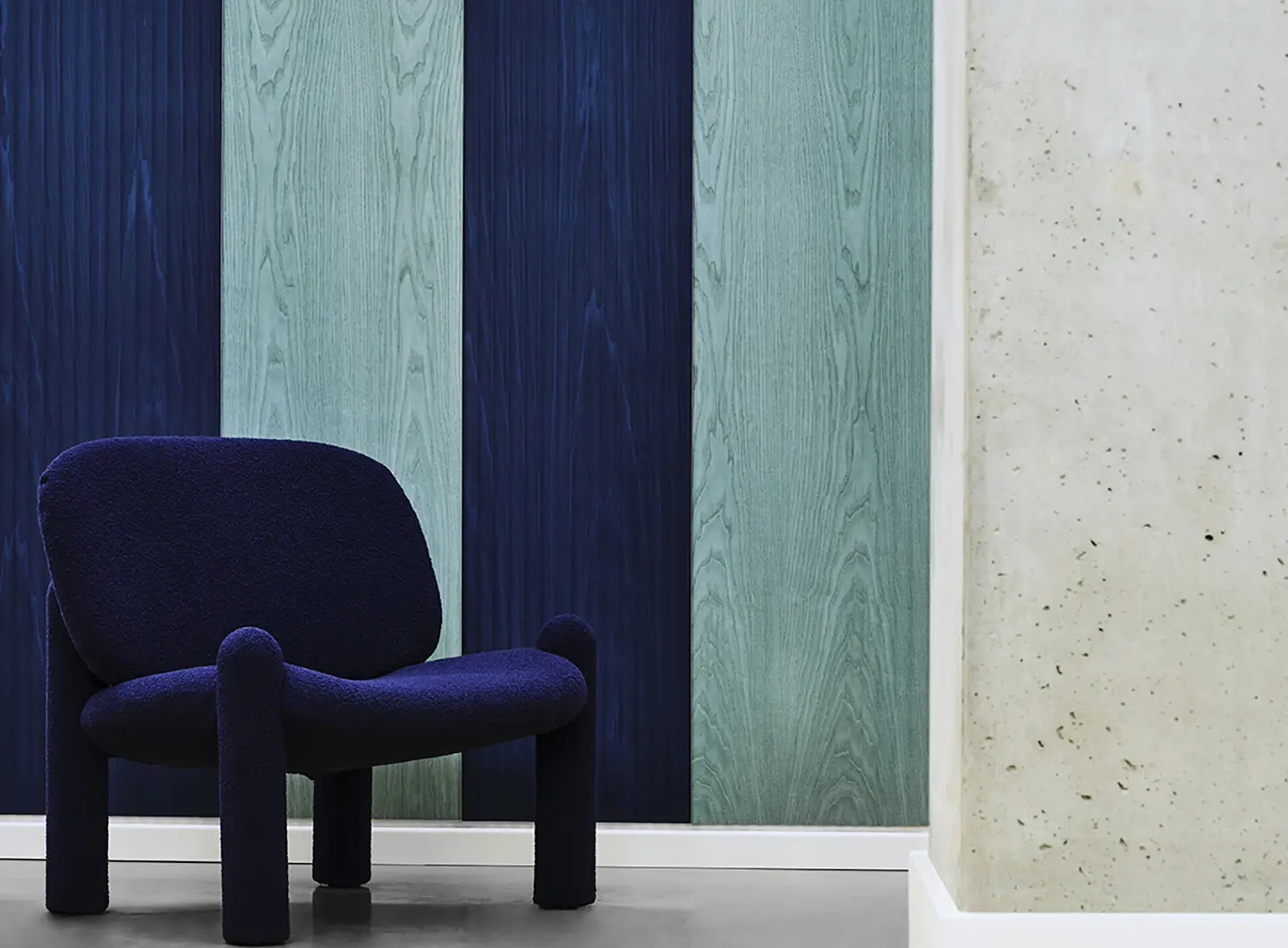
Chromody. Photo by Gianluca Bellomo
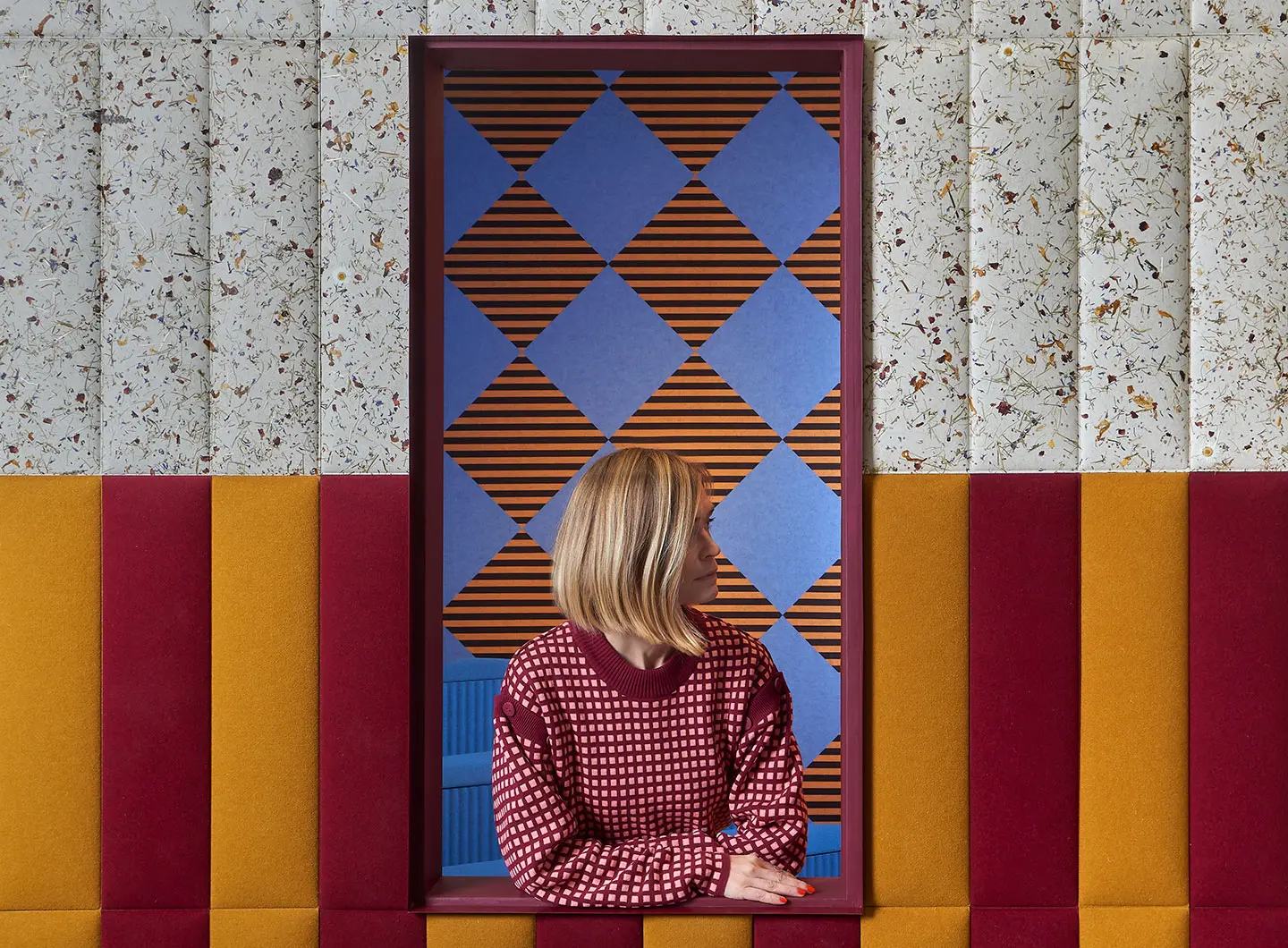
Stockholm Furniture Fair 2025, A box within a box. Teklan at the stand. Photo by Maria Teresa Furnari
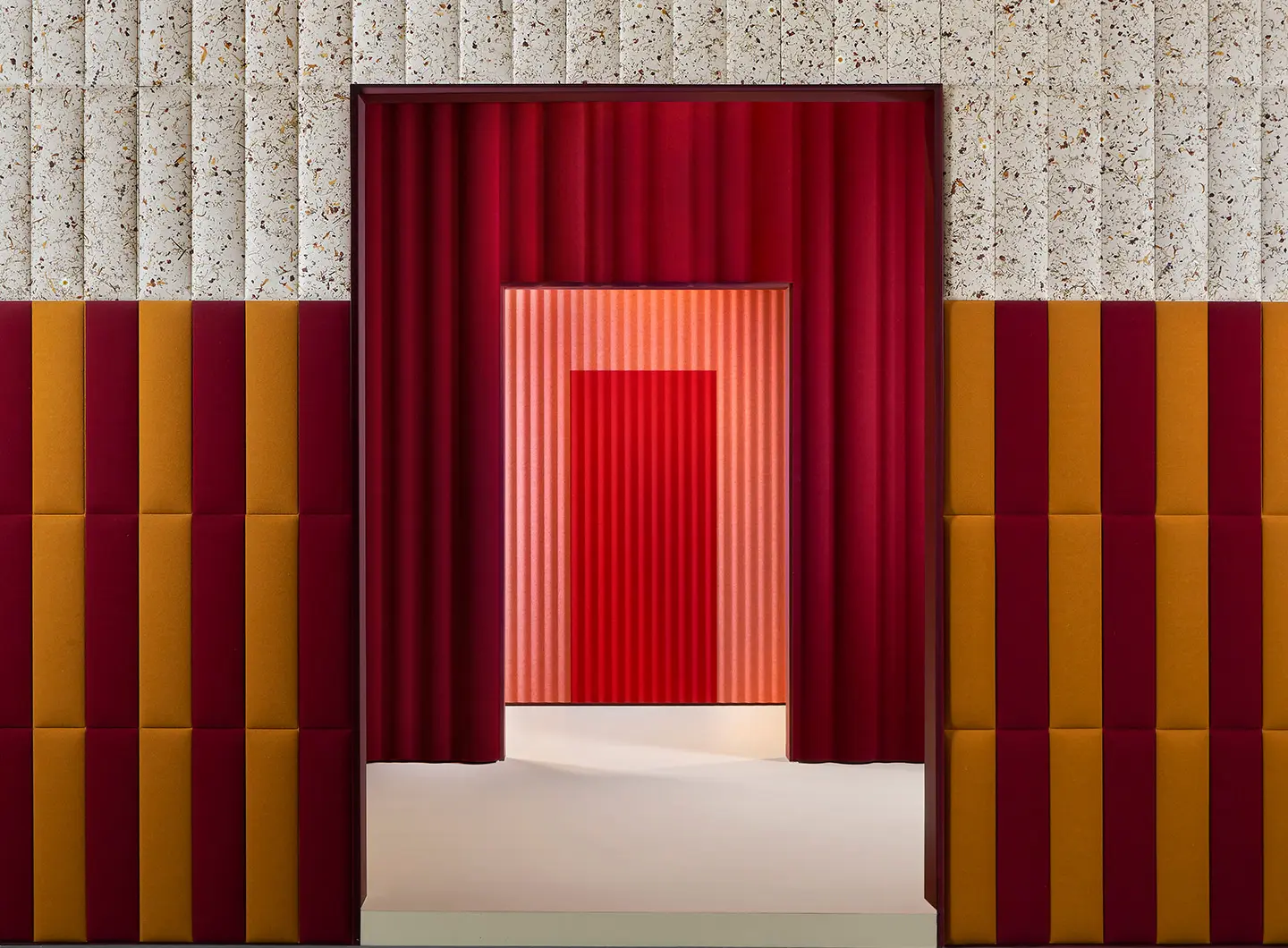
Stockholm Furniture Fair 2025. A box within a box. The Slalom stand designed by Teklan. Photo by Maria Teresa Furnari
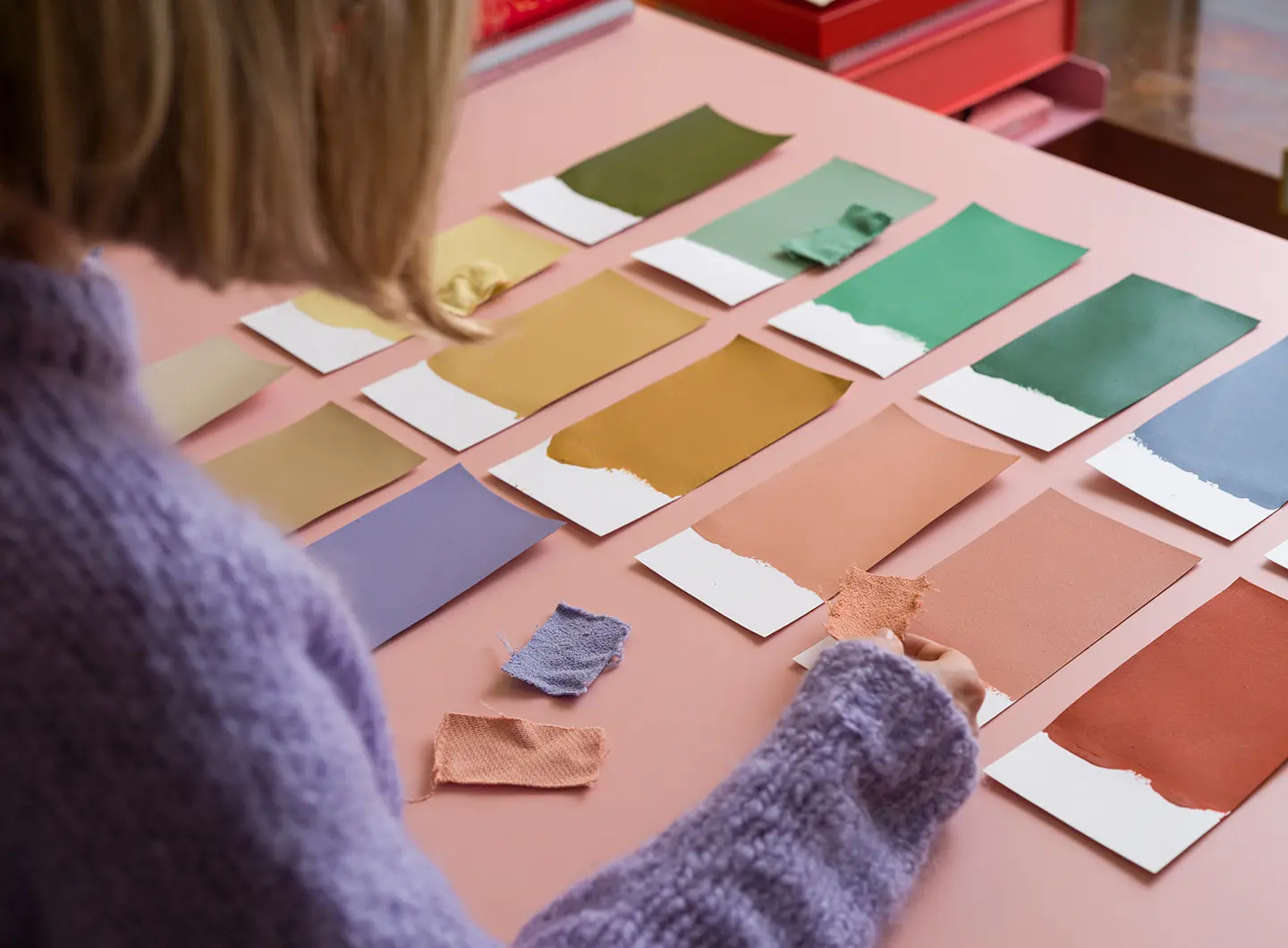
Teklan x Slalom, 2026. Photo by Bjorn Ceder
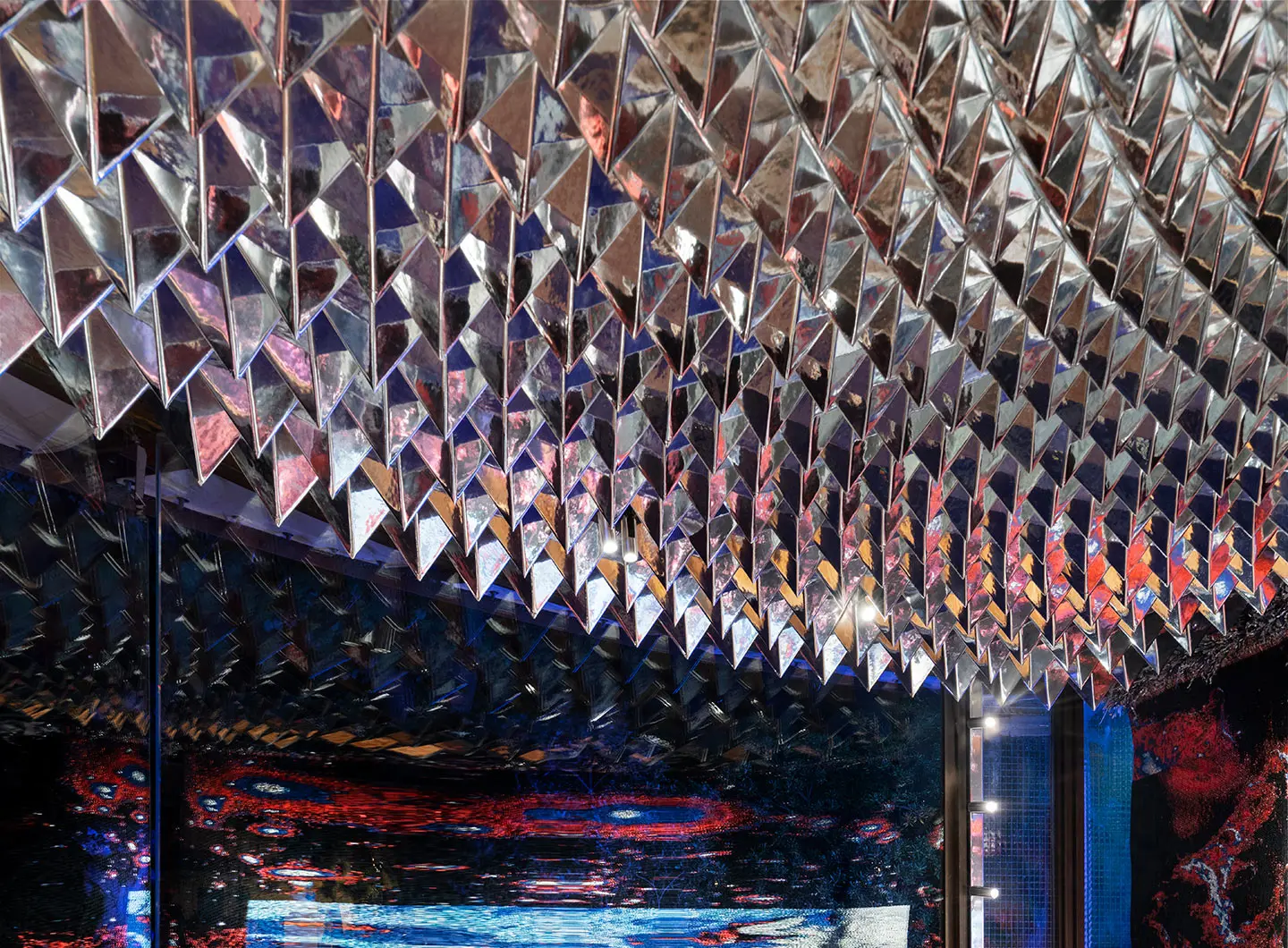
Slalom × UNA / UNLESS, Voice of Commons, Biennale Architettura 2025.Image courtesy UNA / UNLESS. © Melania Dalle Grave, DSL Studio, 2025.
Slalom × UNA / UNLESS, Voice of Commons, Biennale Architettura 2025. Image courtesy UNA / UNLESS. © Melania Dalle Grave, DSL Studio, 2025.


This focus on the visual and perceptual dimensions has also informed Slalom’s latest colour-focused research, geared to expanding the colour range of product finishes, resulting in the firm’s collaboration with the Swedish colourist and designer Teklan, which will be unveiled at the Salone del Mobile 2026. A number of sound-absorbing panel coverings have been reinterpreted taking account of the new colour palette developed by Teklan - bold yet carefully calibrated - and transformed into a chromatic experience. Colour becomes a design tool that reimagines the way we move within a space. A new Slalom project that highlights the way in which the material can transcend the dimension of the object itself. Teklan underscores the architectural potential of the product itself, with the aim of creating shades that not only clad but interact with the architecture, absorbing light, defining the atmosphere and influencing the representation of a space shaped by intuitive vision.
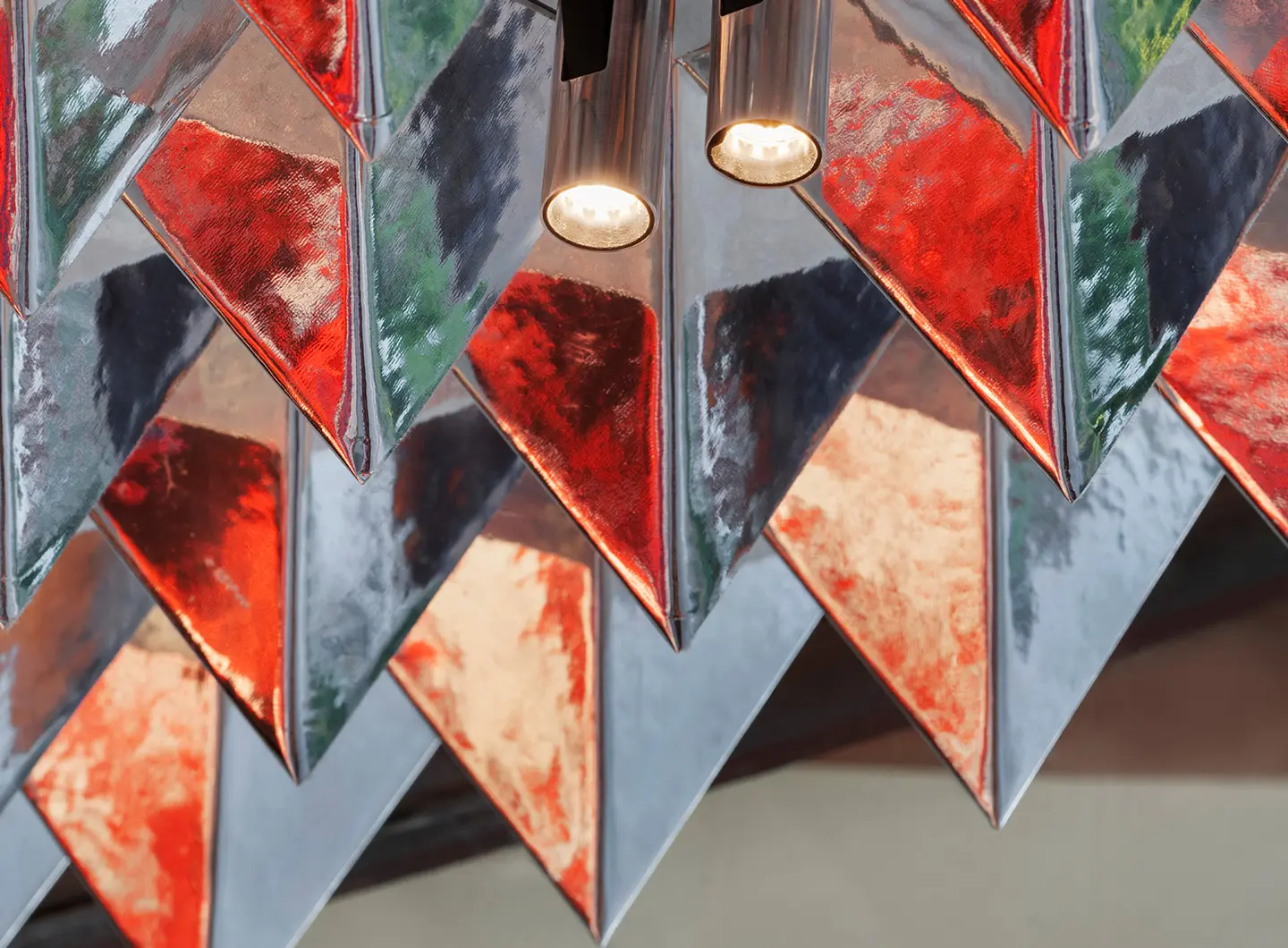
Equally, within the field of research into new forms of acoustics, SPYKON, designed by the architect Giulia Foscari, founder of UNA / UNLESS, is a constellation of prismatic elements that give shape to a continuous ashlar surface. Previously trialled by Slalom and Foscari at the Venice Architecture Biennale in 2025 (where SPYKON soundproofed Carlo Scarpa's historic ticket office, transformed by UNA /UNLESS into a stand for talks and podcasts on sustainability issues), it then featured at the BAM Open Air Design festival in Milan in the form of an environmental installation. At the Salone, SPYKON will be showcased as a product suitable for contract and hospitality projects, made from recycled and regenerated materials.
It is fair to say that Slalom’s products lend themselves to a wide and versatile range of uses in any setting, thanks to their shape, colour palette and materials, and are designed to be fluid, adaptable and versatile. Slalom represents excellence, not only as regards its commitment to sustainability - with collections achieving a 96% recycling rate - but also for the quality of its multidisciplinary team, two-thirds of whom are women. The company is laying the foundations for a sustainable world, prioritising research and responsibility in the field of materials and new technologies. A commitment that aims to train the designers and architects of the future, looking towards the next step in the acoustics of tomorrow.
Highlight content