


 Exhibitions


An interview with designer Ron Gilad on the importance of lighting in spaces and contemporary cities.

Mexico City, panoramic view of the city
A special guest in the land of the Aztecs is Marva Griffin Wilshire, founder and curator of the SaloneSatellite, who took part in a meeting with Andrés Lhima, Ramses Viazcan and Miguel Ángel Jiménez, moderated by the journalist Greta Arcila
On Tuesday, 25 February, the 9th edition of Italian Design Day is celebrated in Mexico City, under the title “Inequalities. Design for a better life”. For the occasion, the Italian Cultural Institute is hosting the ambassador of Italian design Marva Griffin Wilshire, founder and curator of SaloneSatellite, the event devoted to budding talents, this year in its 26th edition.
In pavilions 5 and 7 of Fiera Milano Rho, entitled NUOVO ARTIGIANATO: UN MONDO NUOVO//NEW CRAFTSMANSHIP: A NEW WORLD, this year the SaloneSatellite questions how craftsmanship can evolve, innovate and be transmitted, inviting 700 young talents and 20 Design Schools and Universities to reflect on how to preserve and reinvent timeless practices of inestimable value.
The event in Mexico City took place at the Italian Cultural Institute and was inaugurated by Ambassador Alessandro Modiano. On the day, Marva Griffin Wilshire spoke with three designers who took part in the SaloneSatellite: Andrés Lhima, Ramses Viazcan and Miguel Ángel Jiménez. The meeting was moderated by Mexican journalist Greta Arcila.
Italian Design Day is a project promoted and coordinated by the Italian Ministry of Foreign Affairs and International Cooperation, and which comprises the Ministry of Culture, the Associazione per il Disegno Industriale (ADI), the Fondazione Compasso d’Oro, Agenzia ICE, the Salone del Mobile.Milano, Triennale Milano, FederlegnoArredo, the Fondazione Altagamma and Confindustria.
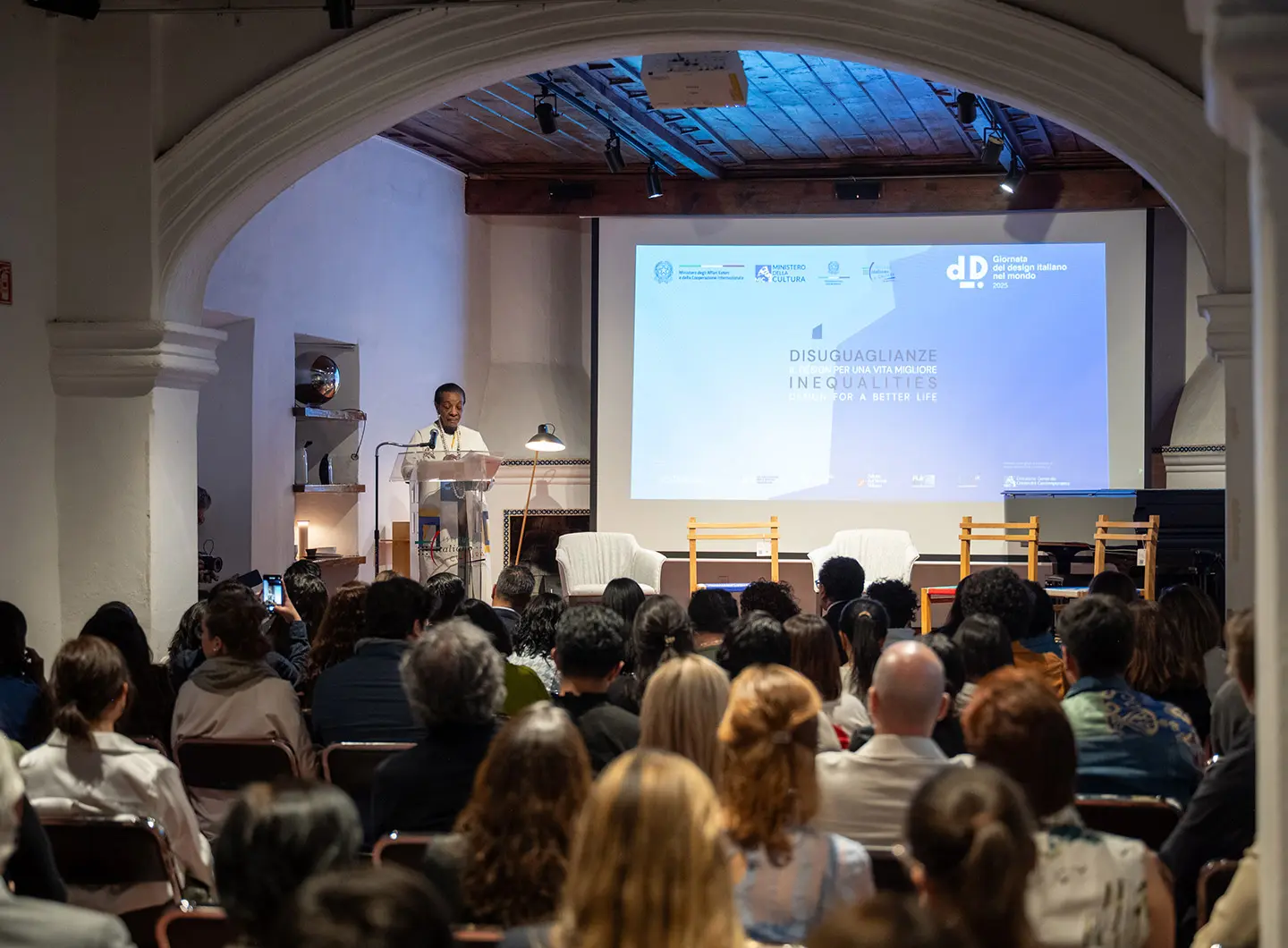
Marva Griffin Wilshire, Founder and Curator of SaloneSatellite
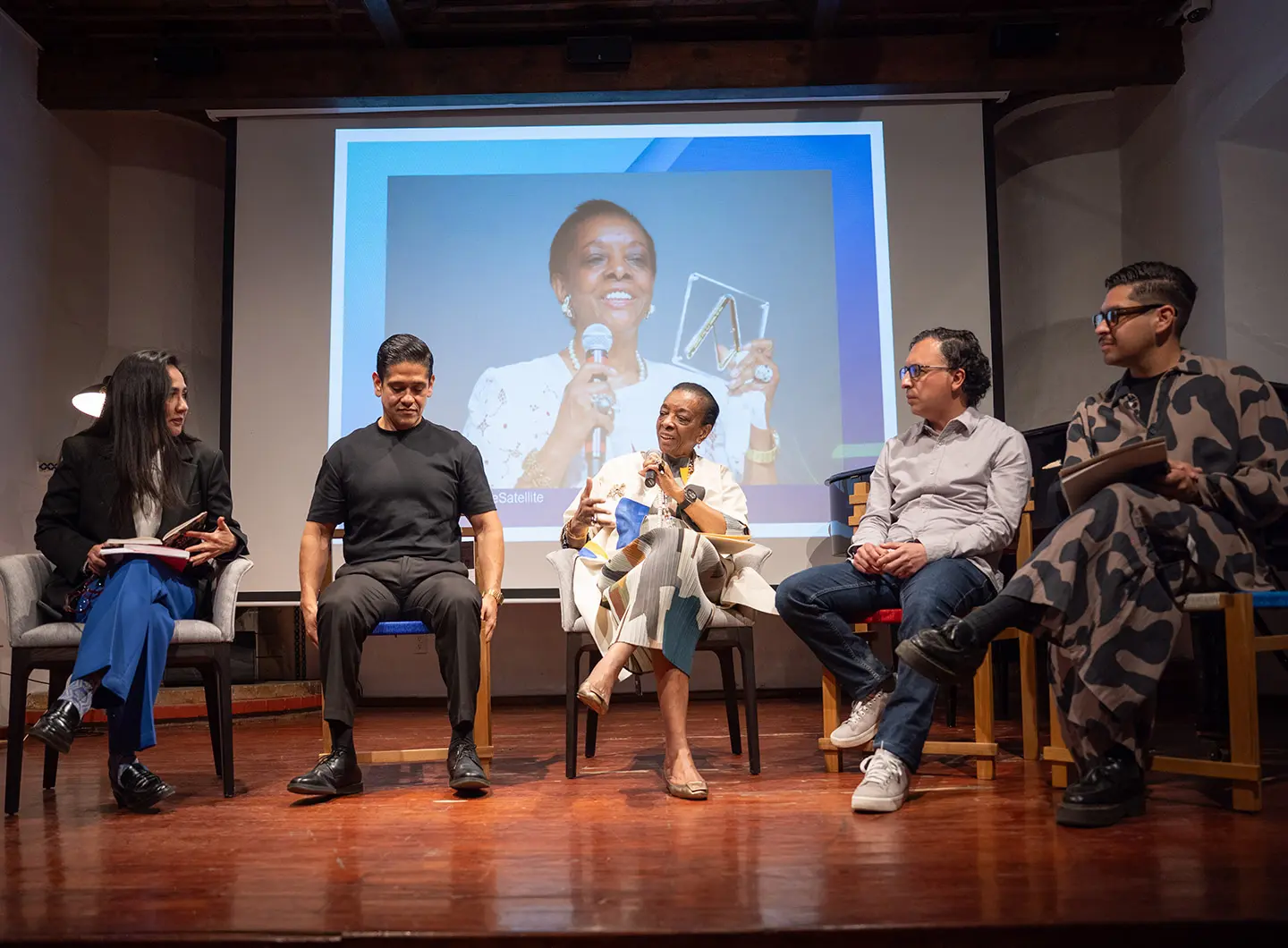
From the left: Greta Arcila, journalist; Andrés Lhima, designer; Marva Griffin Wilshire, Founder and Curator of SaloneSatellite; Miguel Ángel Jiménez, architect and designer; Ramses Viazcan, industrial designer
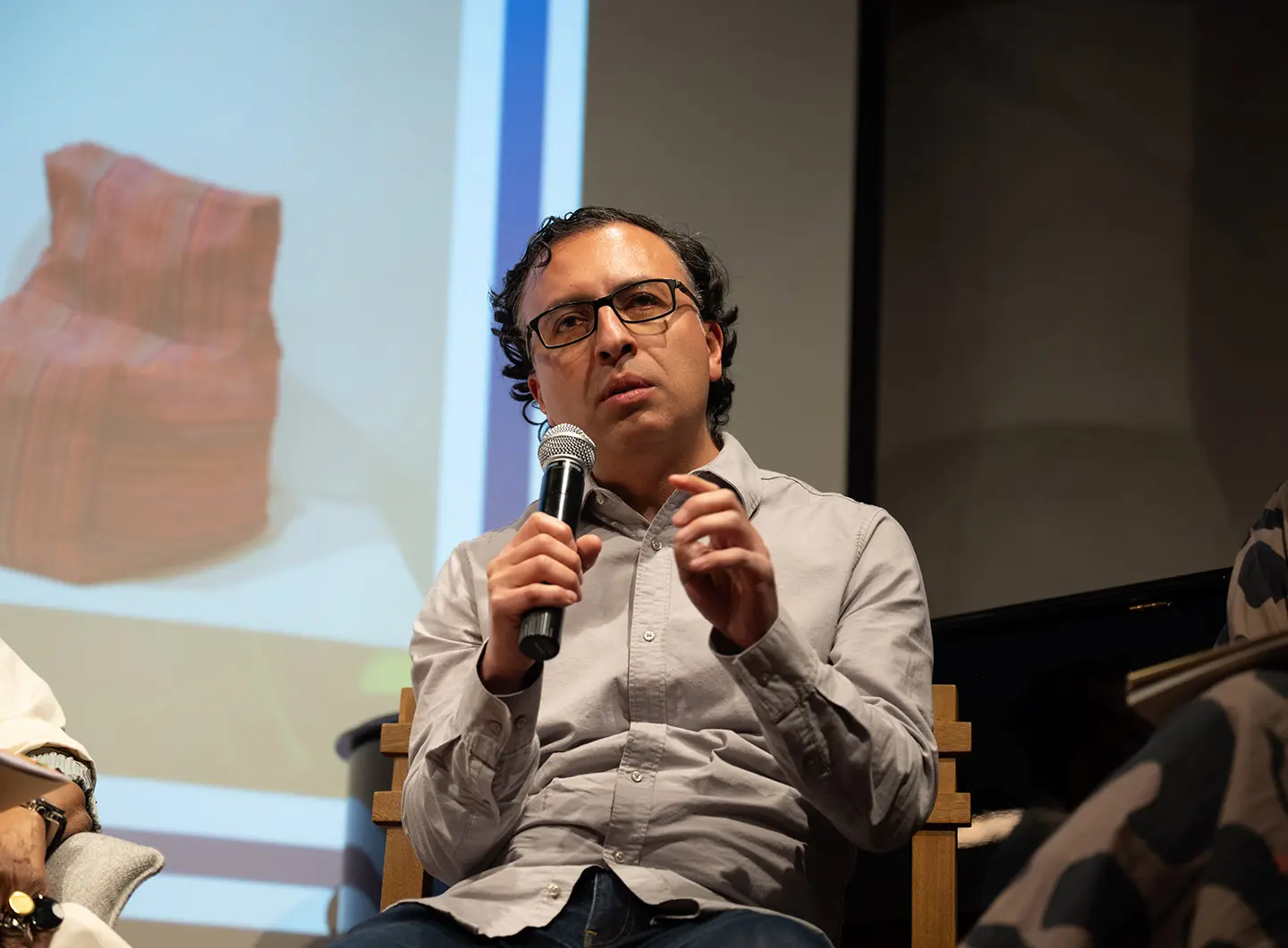
Miguel Ángel Jiménez, architect and designer
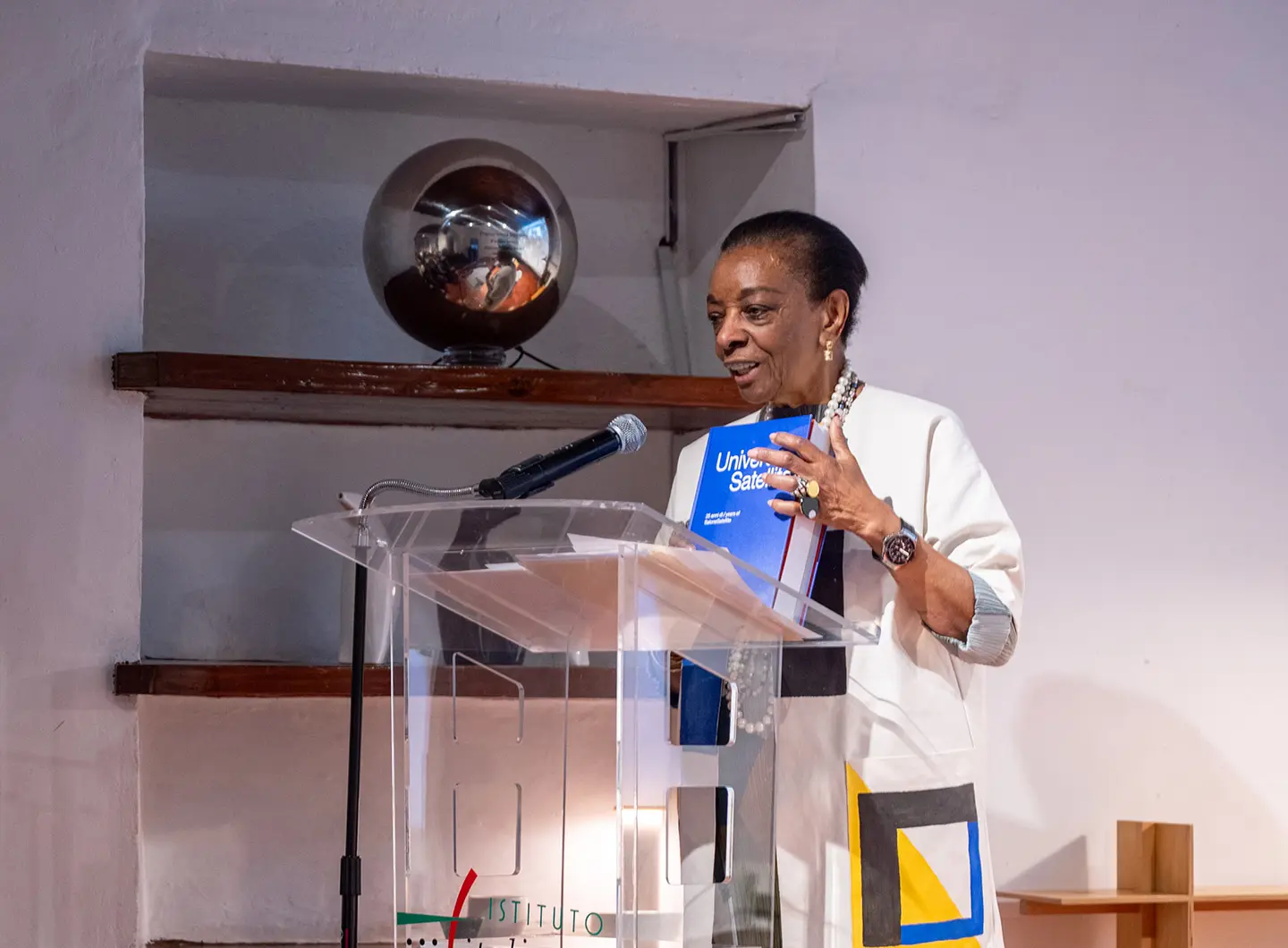
Marva Griffin Wilshire, Founder and Curator of SaloneSatellite
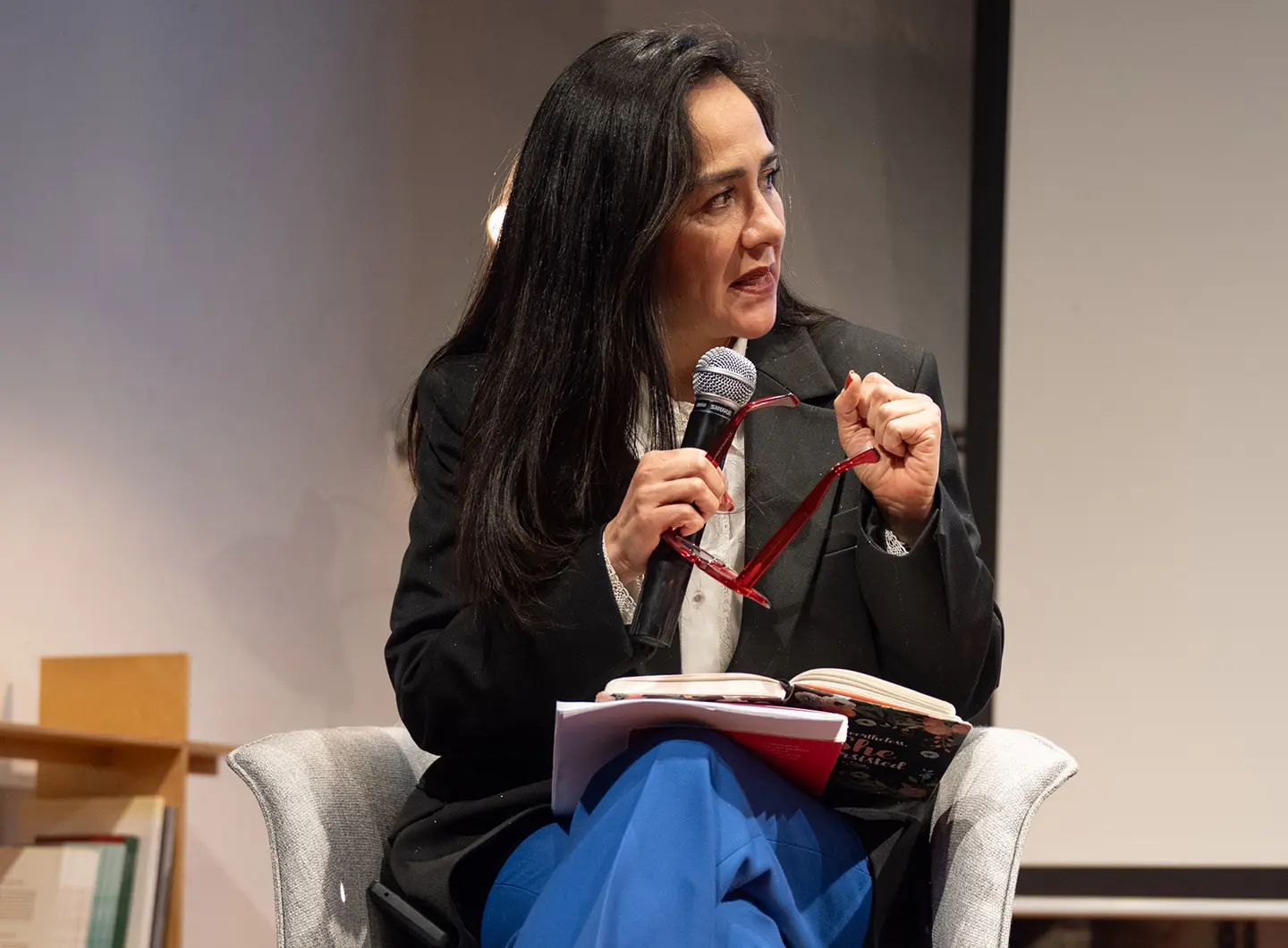
Greta Arcila, journalist
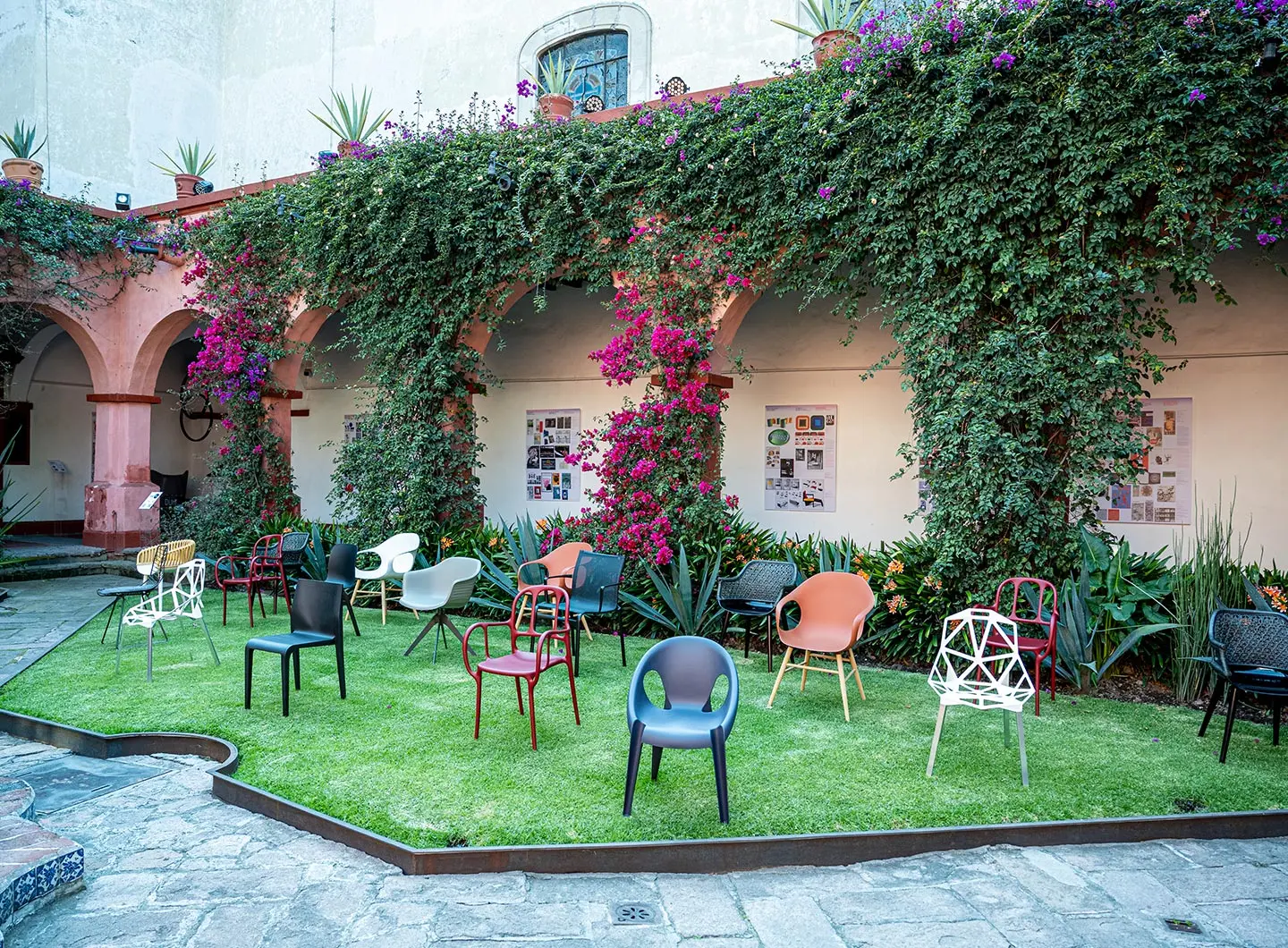
Italian Cultural Institute in Mexico City
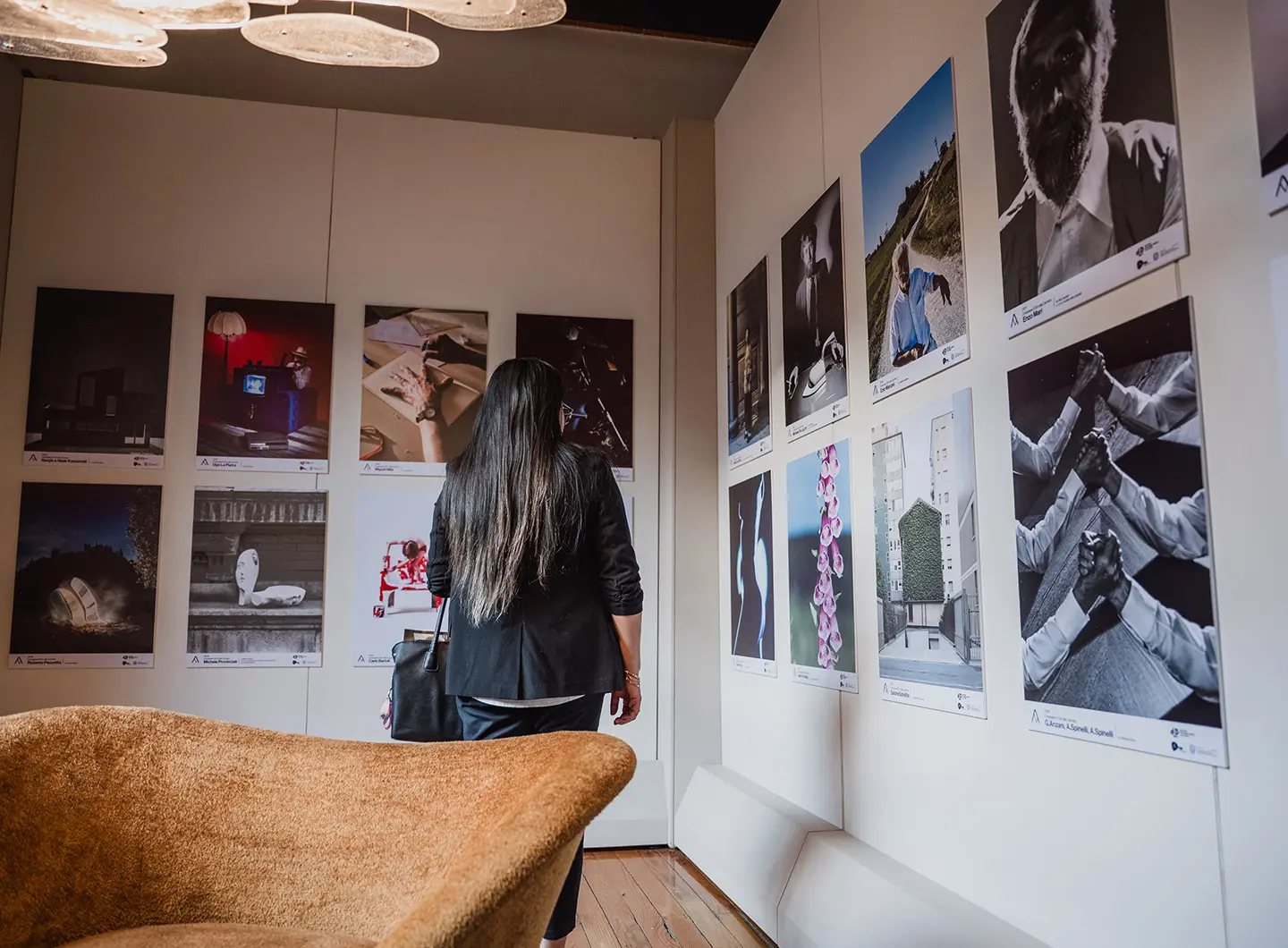
Italian Cultural Institute in Mexico City

Alessandro Modiano, Ambassador of Italy to Mexico


27 February 2025
Share





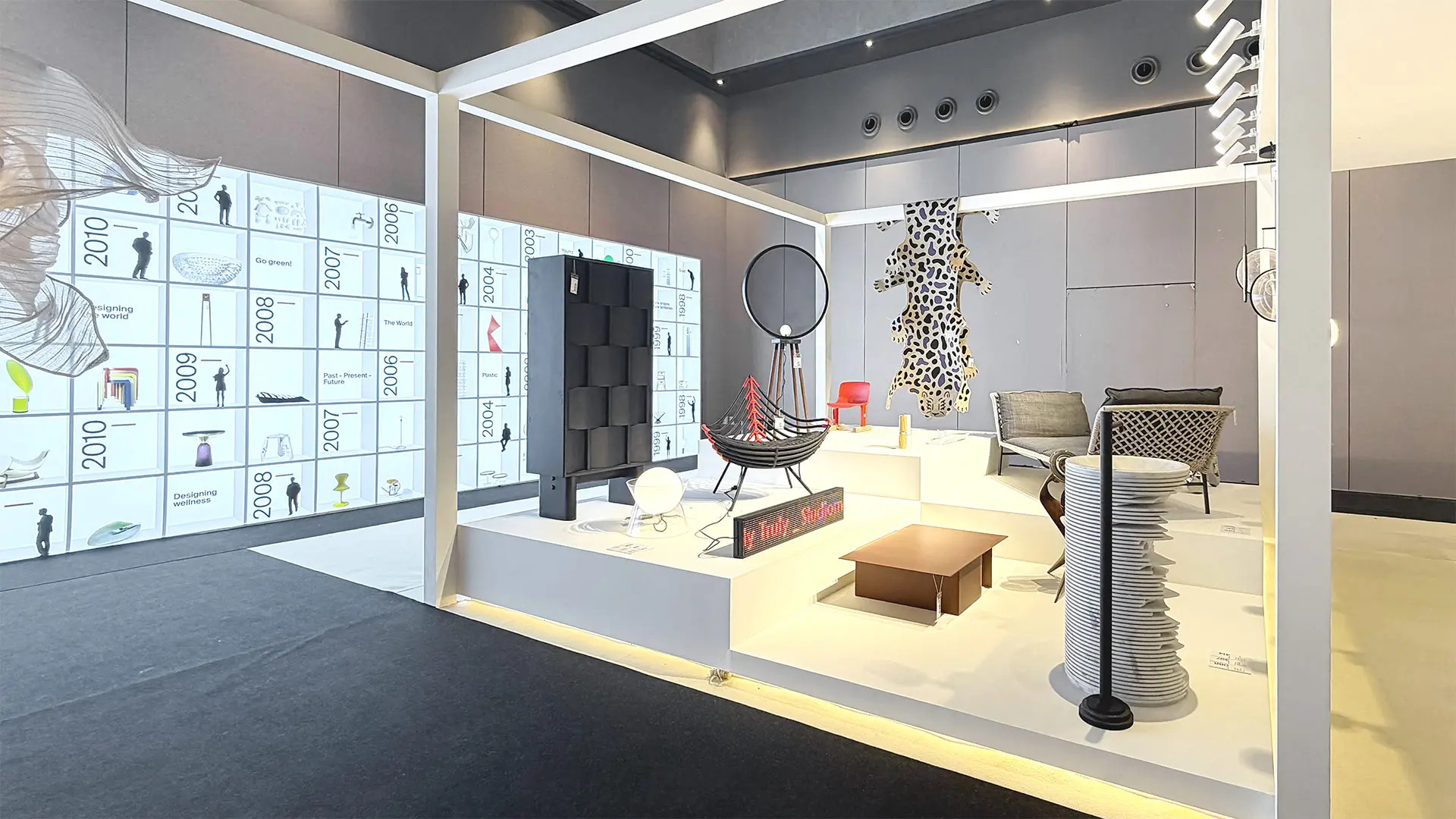
Road to Salone 2027: the SaloneSatellite Permanent Collection makes its debut in Jakarta
Indonesia will be the first stop on the Salone global tour: from 18th September to 18th October 2026, at Indonesia Design Week, the SaloneSatellite Permanent Collection will showcase 27 years of talent, enterprise and the future of design


