

 Stories






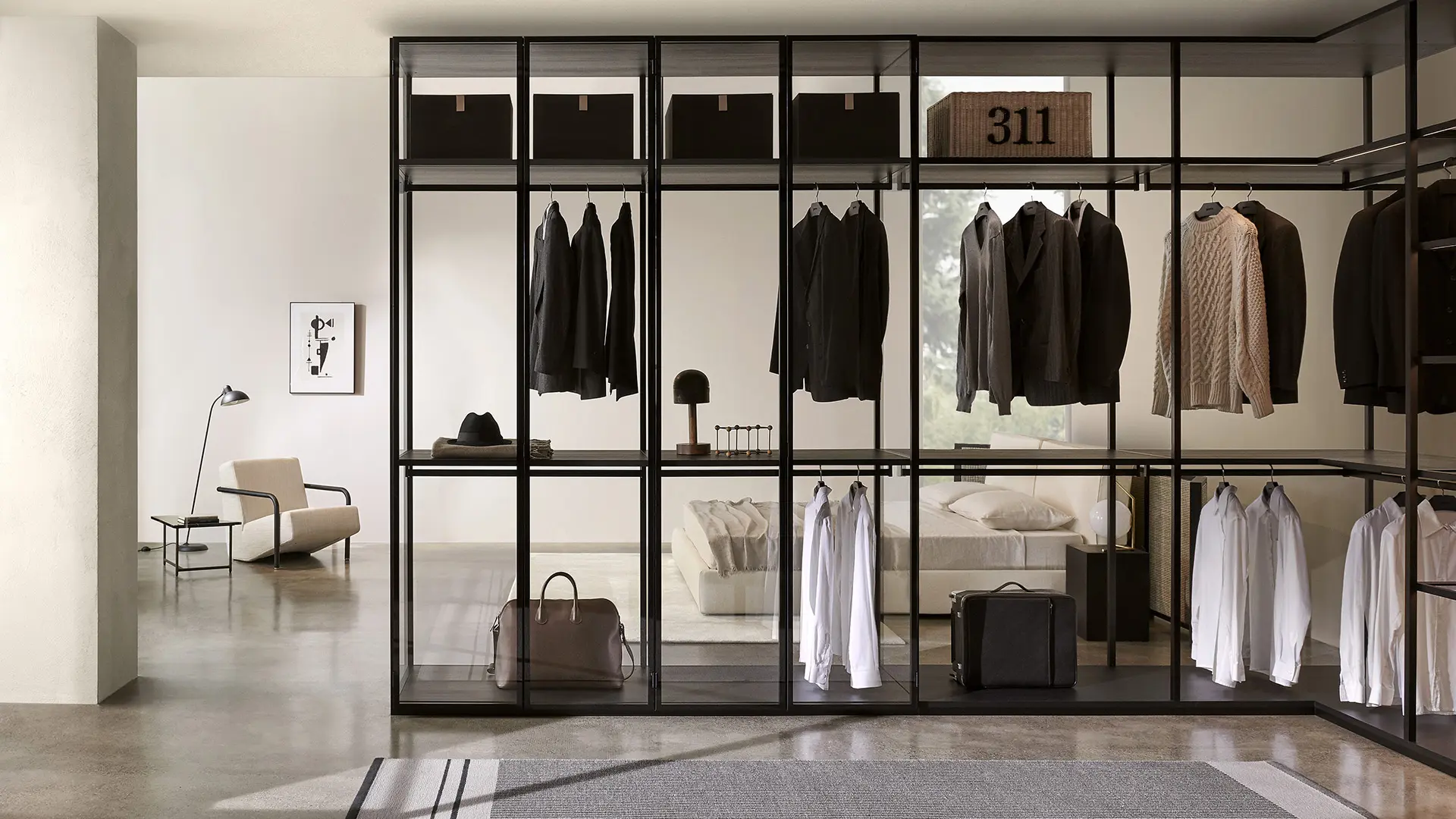
Bedrooms are the places where we are reborn each day, which is why they are deserving of particular attention. Our bodies are extraordinary machines, capable of regenerating themselves whilst we sleep, and our daily wellbeing depends, at least in part, on the quality of that sleep.
Edra: when design becomes the art of living and an expression of freedom
Text by
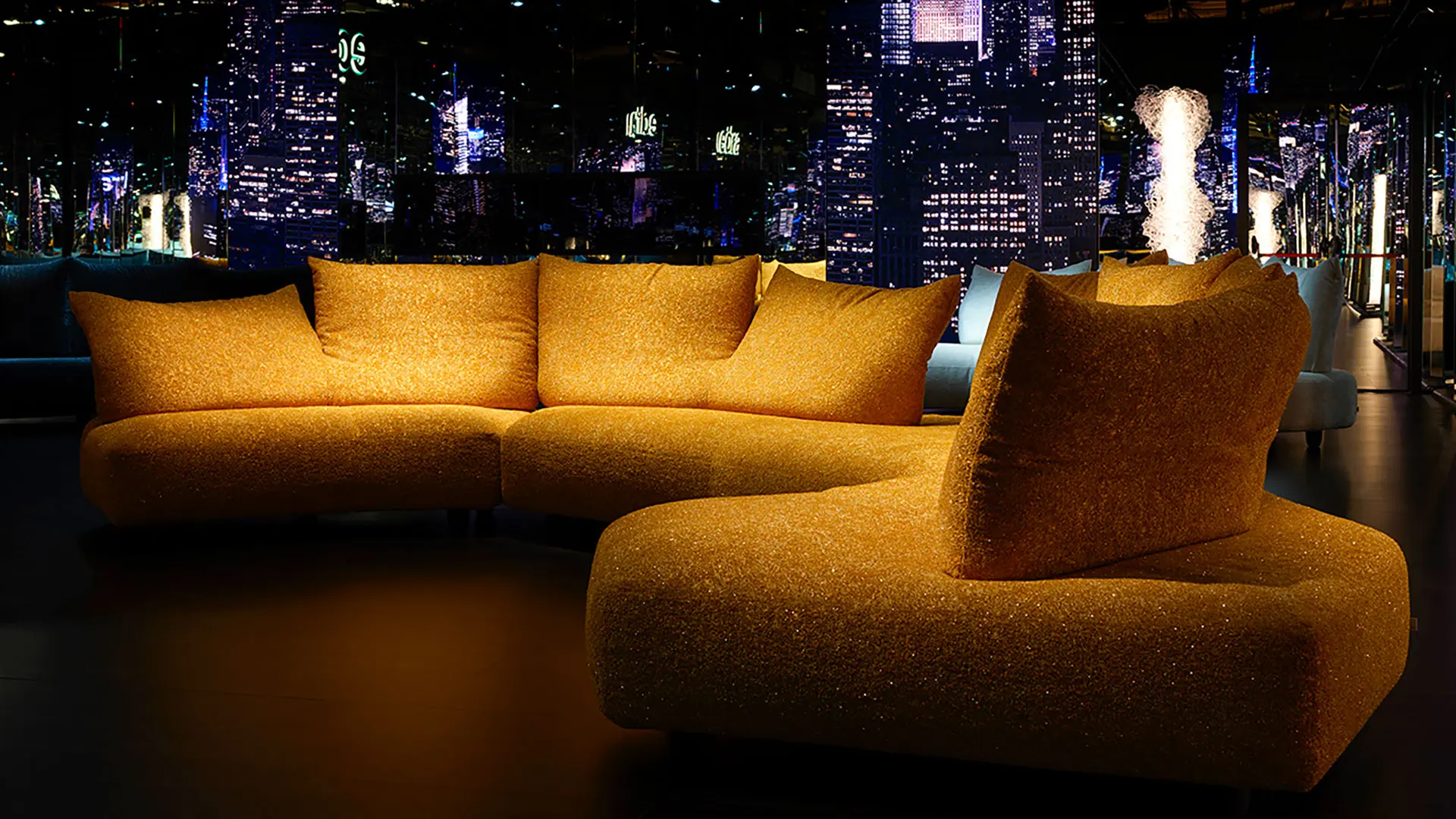
Ph. Pietro Savorelli
A family history that has transformed a solid tradition into a research laboratory. Where technology and craftsmanship coexist in synergy, inventing solutions destined to last over time
There are companies that produce furnishings and then there are firms that shape the art of living. Edra belongs indubitably to the latter. Founded by Valerio and Monica Mazzei in 1987 in Perignano, in the heart of Tuscany, over just a few decades it became a solid family tradition with an international vision of design, in which comfort, research and culture were indissolubly interwoven.
Right from the off, Edra chose not to be dictated to by the market, but to shape its own language, fashioned by ongoing experimentation and absolute attention to design, with products that would transcend time and fashions. Not serial objects, but the result of a lengthy, rigorous process, in which each and every detail has been studied, verified and refined, informing Edra’s philosophy, summed up by three words: comfort, elegance and performance.
This three-word philosophy is underpinned by extremely hard work. Comfort becomes “superlative” thanks to inventions such as Gellyfoam® and the Smart Cushion, with its 180 degree rotation, which redefine the way we experience the seat, making it flexible, adaptive, almost organic. The company has reinvented the concept of seating, freeing it from rigid schemes and introducing a new design freedom. Sofas like the Flap, On The Rocks, Standard and Anywhere, the latter showcased at the Salone del Mobile 2026, and all designed by Francesco Binfaré, speak for themselves. Elegance is universal, slotting naturally into a variety of contexts, from classical spaces to contemporary, urban and suburban ones. Ultimately, performance is the crucial measure of quality: technical and aesthetic excellence, but also durability, because every creation is designed to stand the test of time.
Another key factor in this synergic balance of tradition and innovation is the artisan dimension. Technology does not replace manual know-how, it amplifies it. Highly specialised crafts are an integral part of the creative process, as is materials research. The upholstery, designed and made exclusively, becomes a real "tailor-made suit", n materials that help define the identity of each piece. Experimentation isn’t just confined to the fabrics. In Jacopo Foggini’s Dilly lamp/sculpture, presented at the last Salone, the polycarbonate is crafted with great skill, with variations in each piece that highlight its character as a unique work of art.
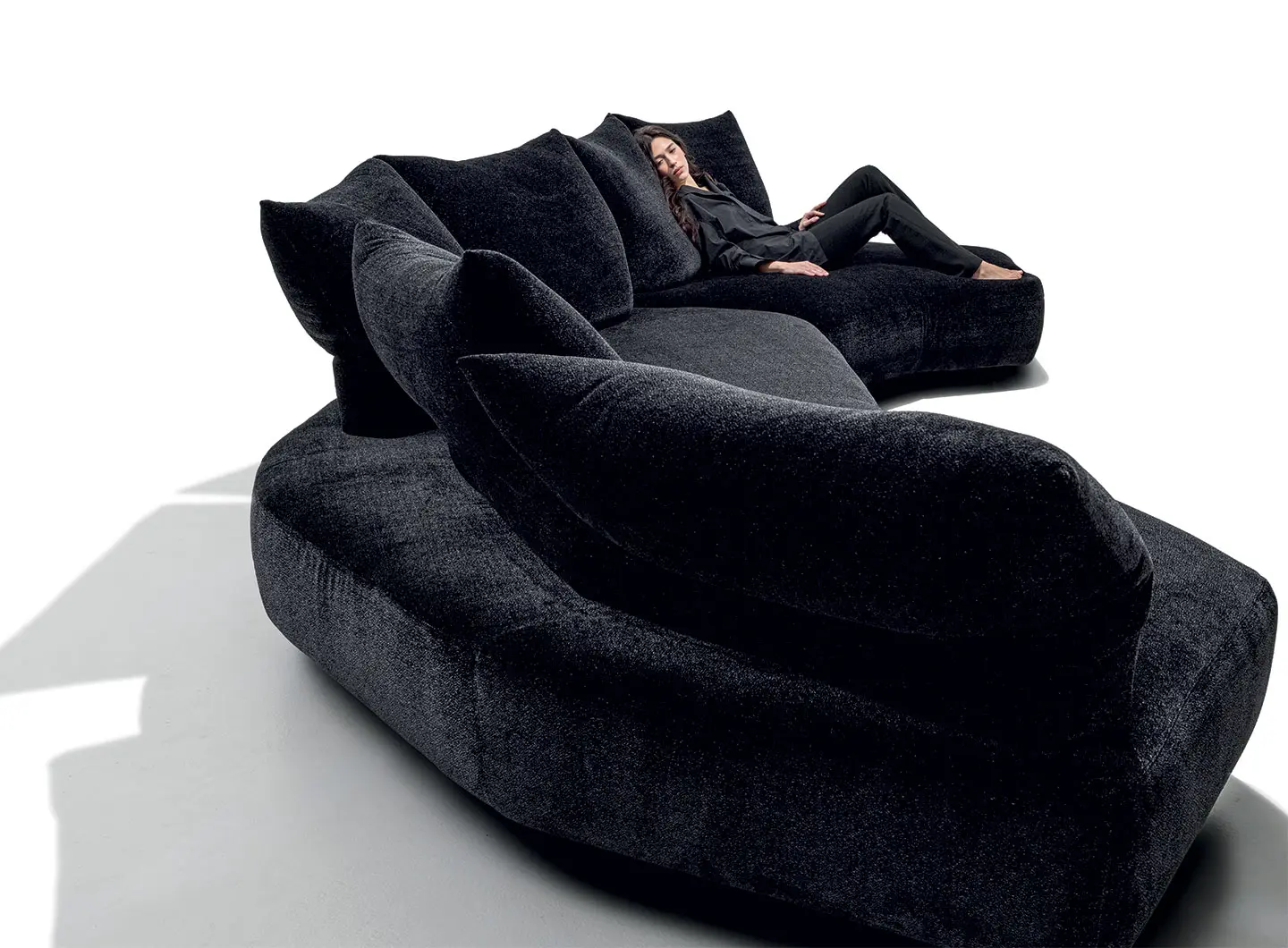
Edra, Anywhere - Ph. Alessandro Moggi
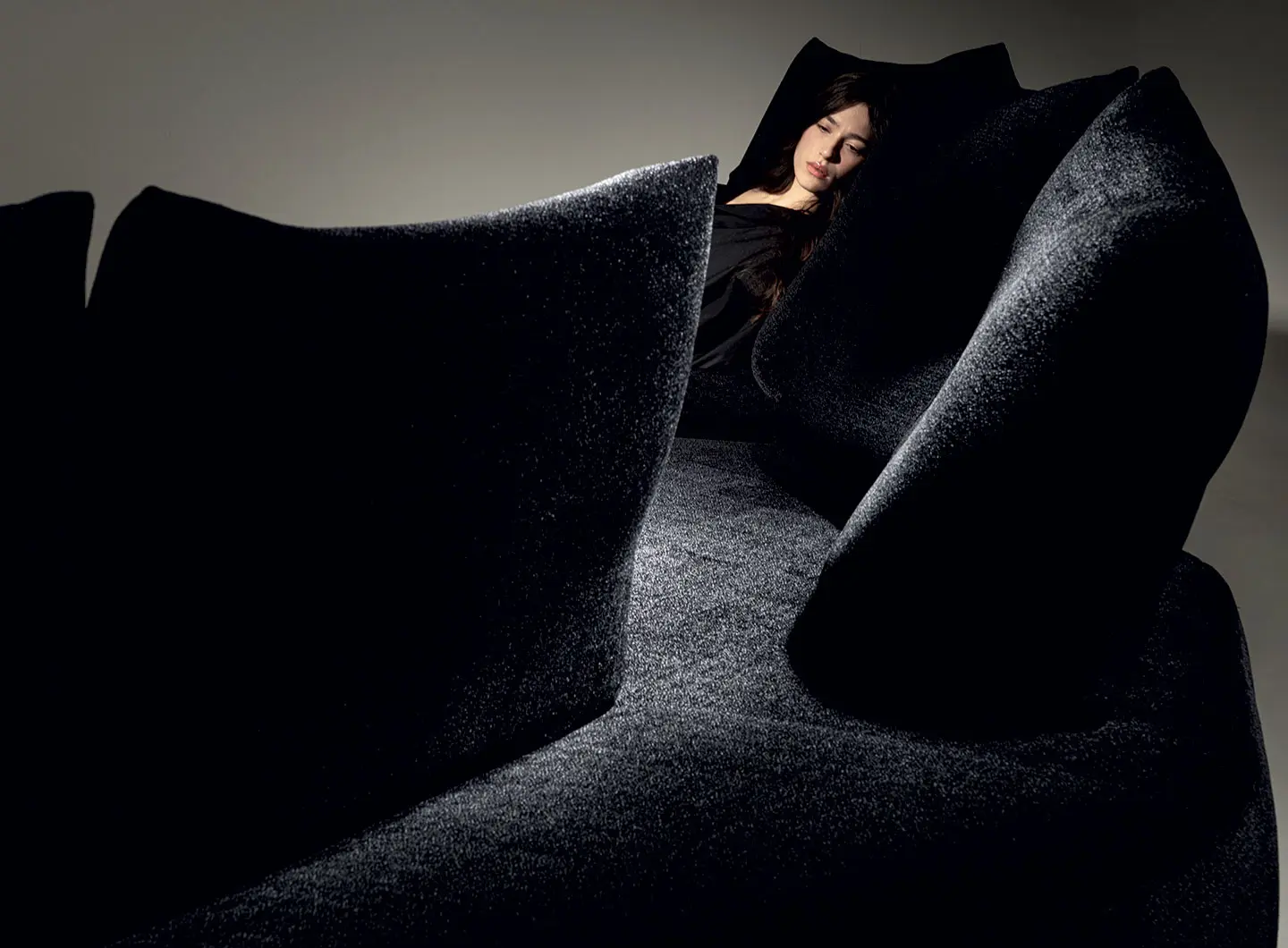
Edra, Anywhere - Ph. Alessandro Moggi
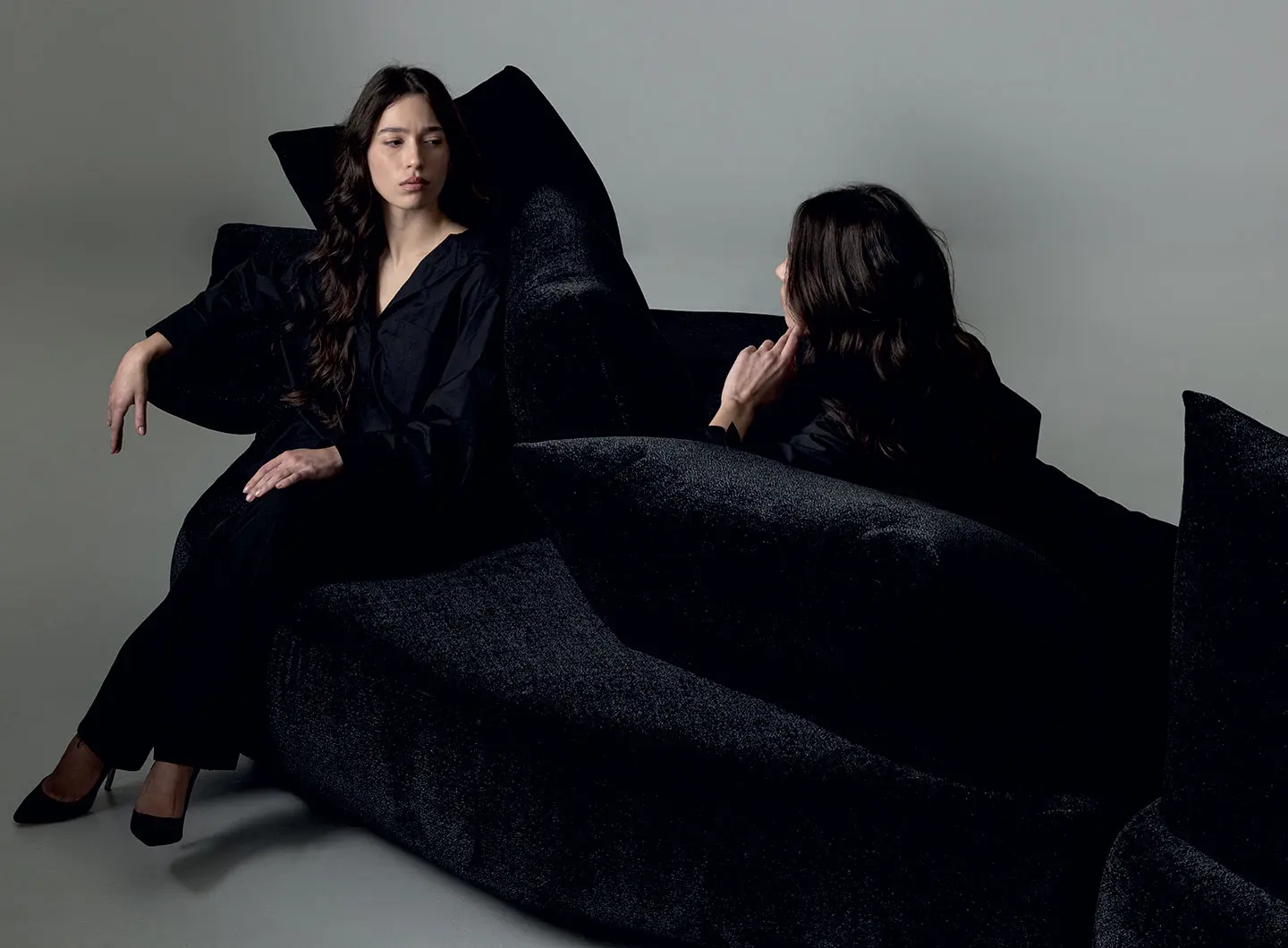
Edra, Anywhere - Ph. Alessandro Moggi
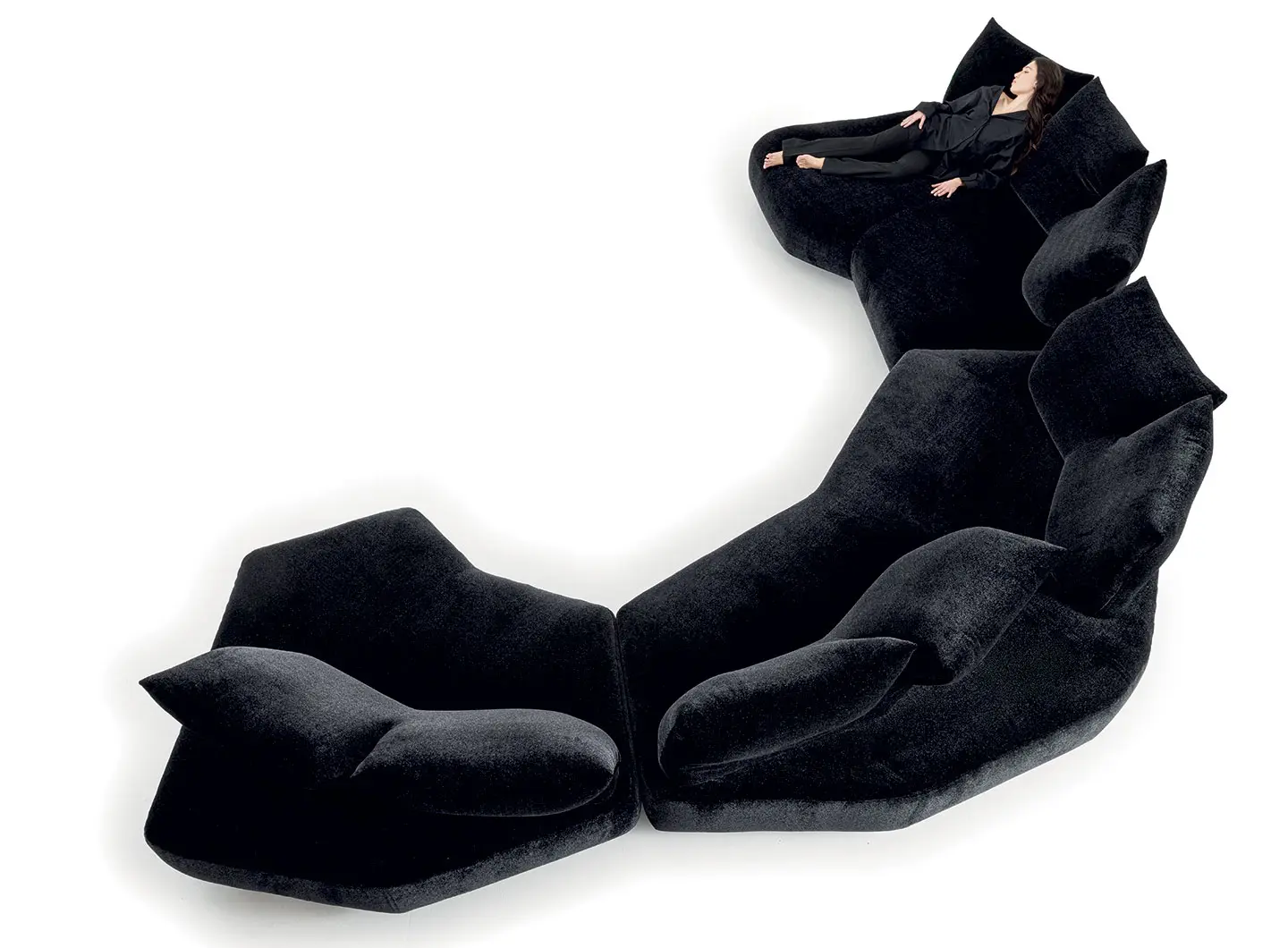
Edra, Anywhere - Ph. Alessandro Moggi
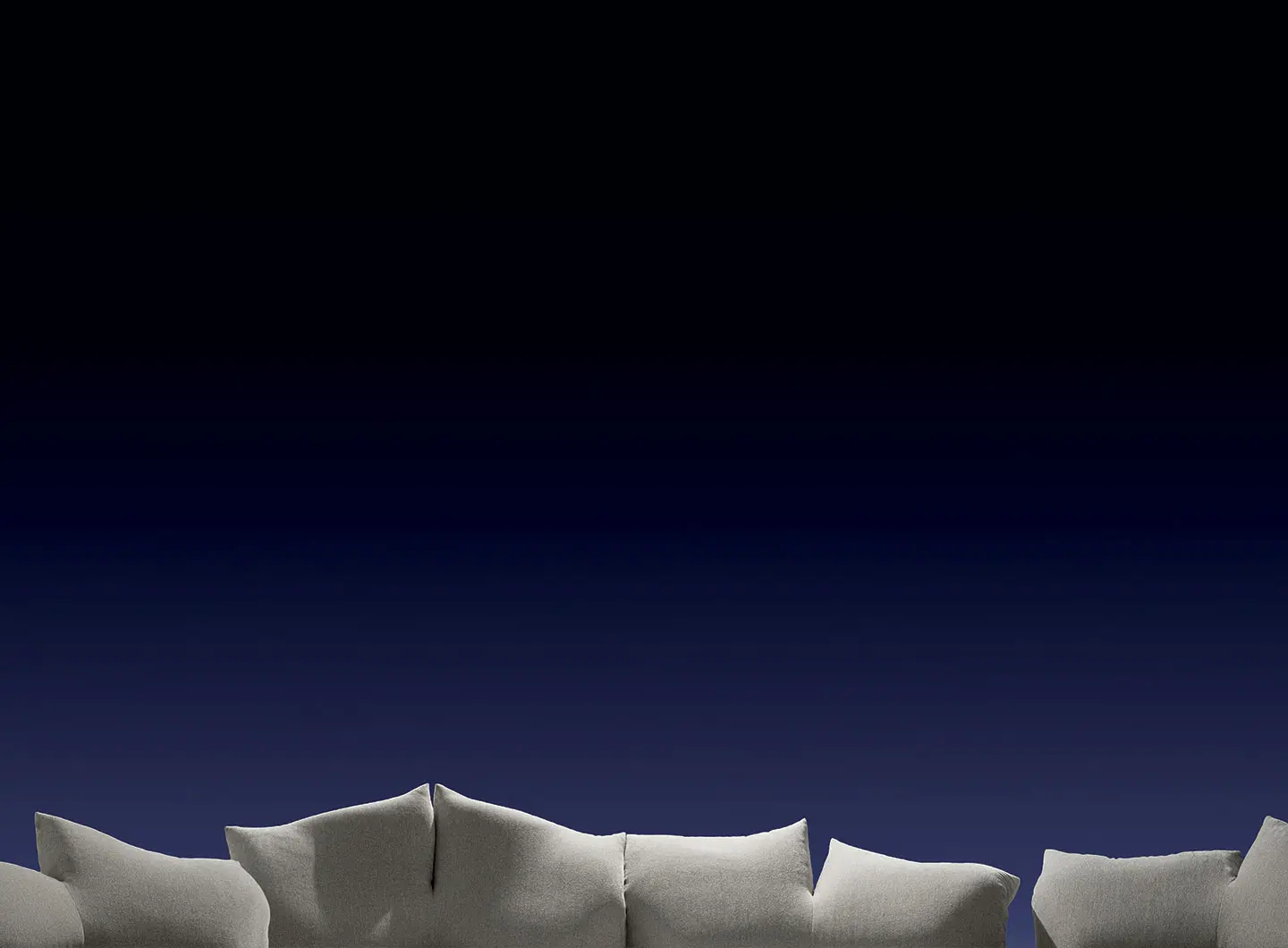
Edra, Anywhere - Ph. Alessandro Moggi
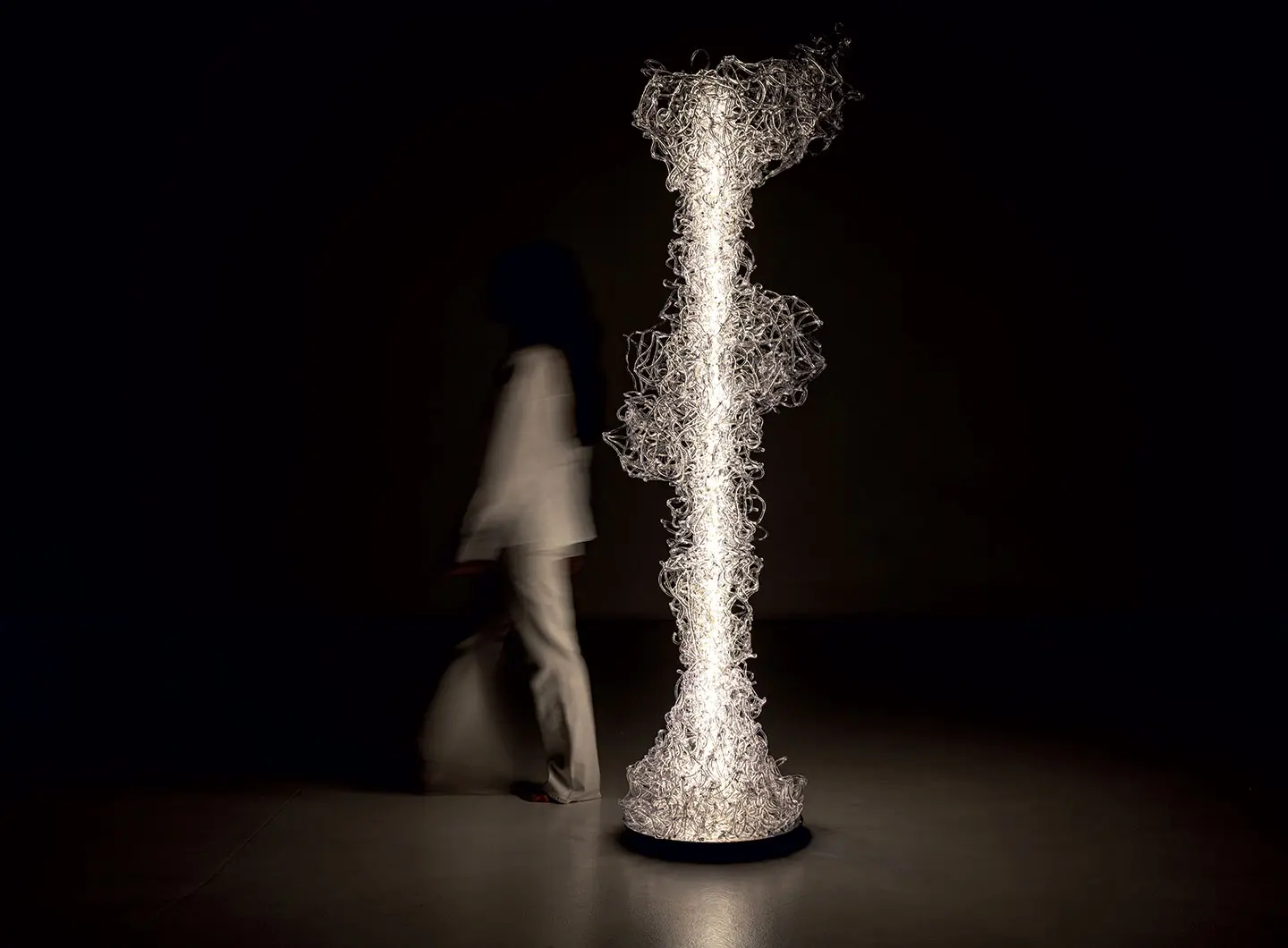
Edra, Dilly - Ph. Alessandro Moggi
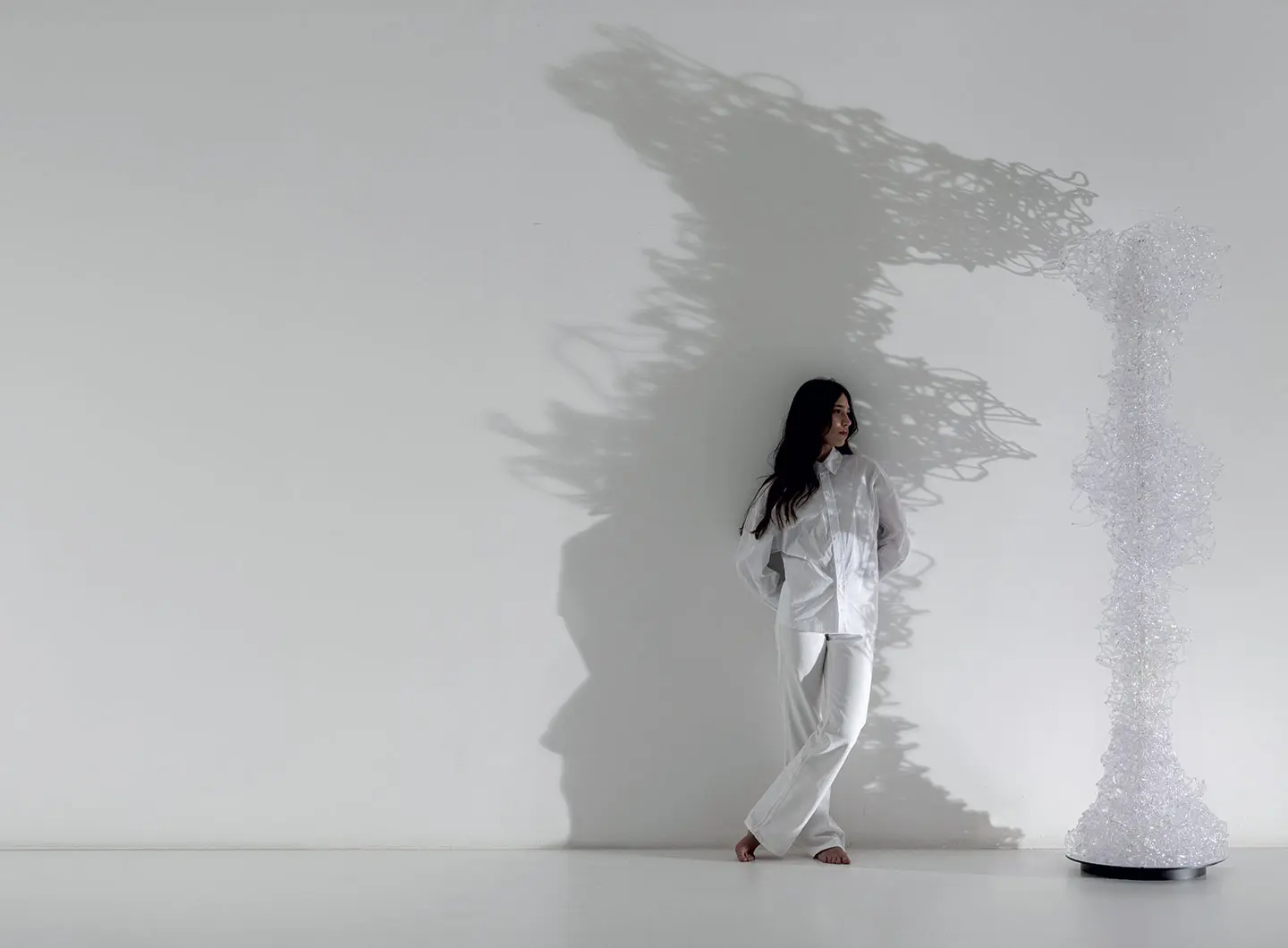
Edra, Dilly - Ph. Alessandro Moggi
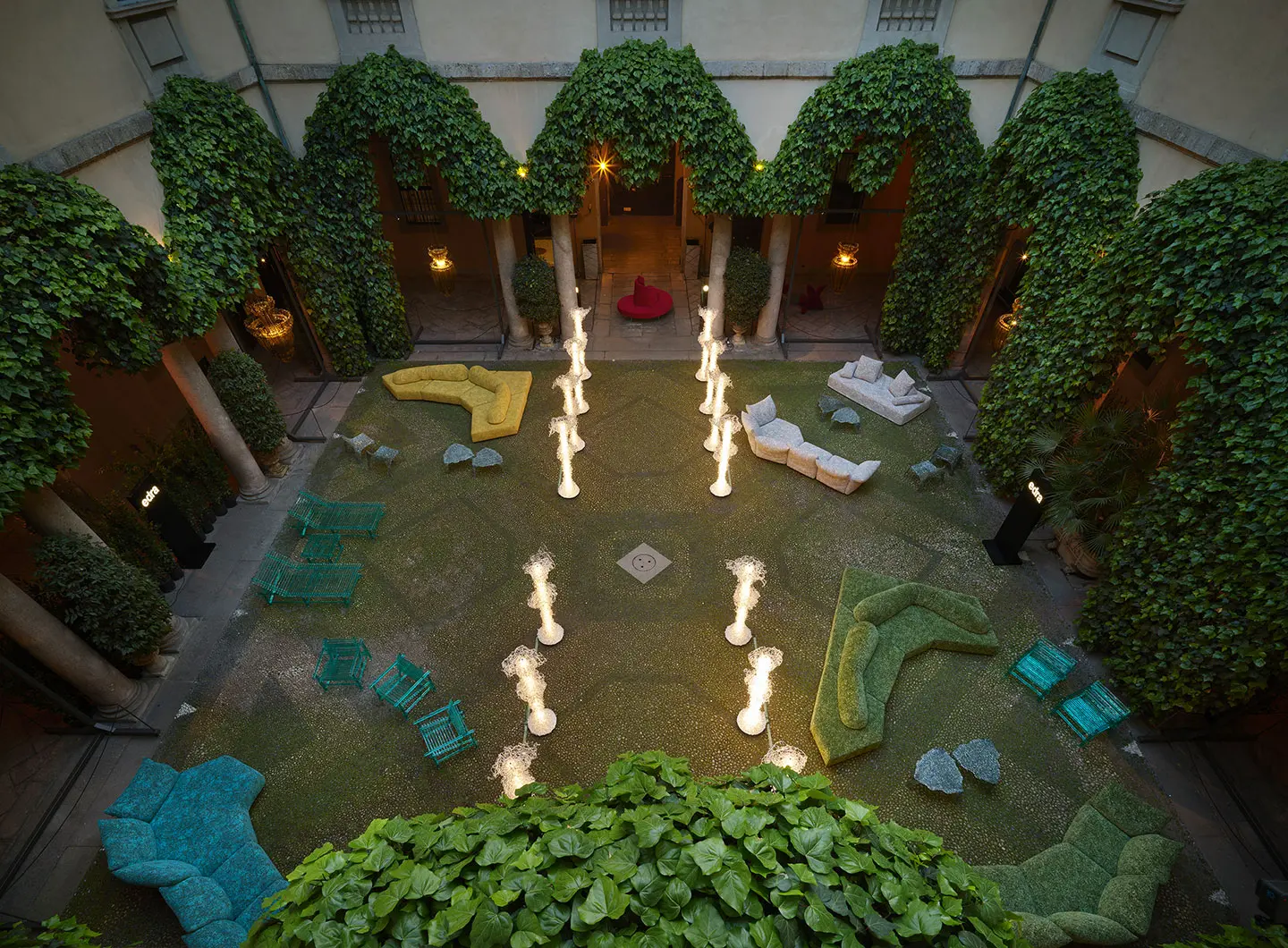
Edra, Palazzo Durini - Ph. Piero Savorelli
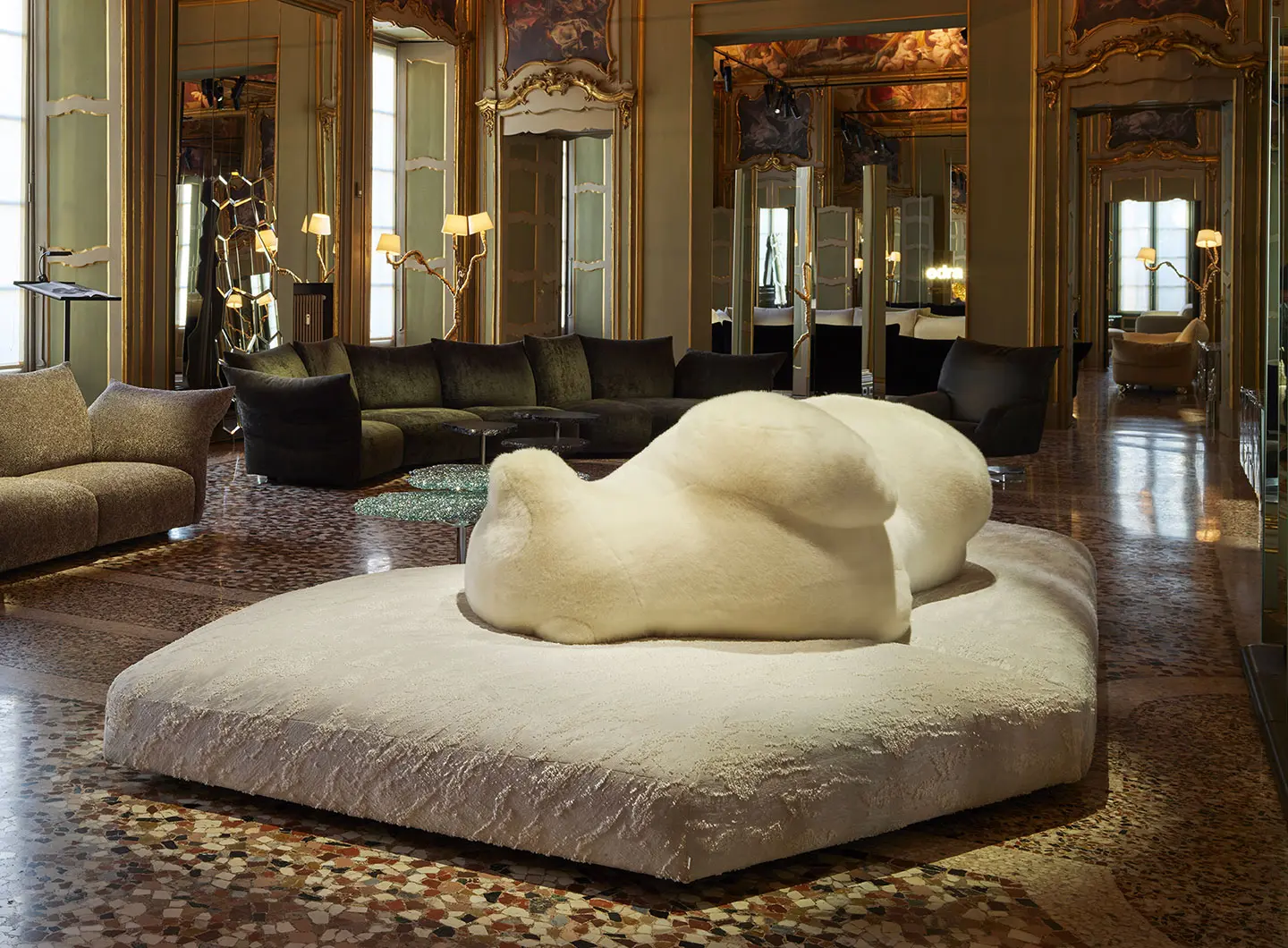
Edra, Palazzo Durini - Ph. Piero Savorelli


Two-way conversation with the designers, chosen not for their fame but for their affinity of vision, is also pivotal. Long-term collaborations with figures such as Francesco Binfaré, the Campana brothers, Jacopo Foggini and Zaha Hadid have helped to build a coherent path, in which each new creation represents a piece of a broader narrative. A story centred around the idea of a thaumaturgical design, capable of improving the relationship between the individual, space and environment.
It is precisely this tendency towards timeless that defines the company’s identity, along with a clear production philosophy, which is to prioritise quality over quantity. A collection developed with care, designed to stand the test of time both technically and culturally. Strategically, it is not sold online, but promoted through a communication policy ranging from catalogues to print magazines and even books. More than mere furnishings, these are interpretations of contemporary life, with an identity that transcends the boundaries of design to enter the realm of art. From MoMA in New York to the Centre Pompidou and the Musée des Arts Décoratifs in Paris, the Vitra Design Museum in Weil am Rhein, the Triennale Design Museum in Milan and the Fondazione Querini Stampalia in Venice. Edra can also be found in institutional buildings, and furnishes the chambersc of a number of Italian Embassies around the world.
Sustainability is also a major part of this vision, not as a statement, but as a daily practice, evidenced in the selection of the materials, in the fostering of local skills and in a production model that recognises the value of time and of work.
In a context dominated by speed and obsolescence, Edra has chosen to take a different path, that of research, depth and coherence. A path that encourages the creation of objects capable not only of furnishing, but of narrating and that, above all, have staying power.
Read also: Materials research and sustainability: Edra crafts the outdoors
Highlight content