

 Salone Selection





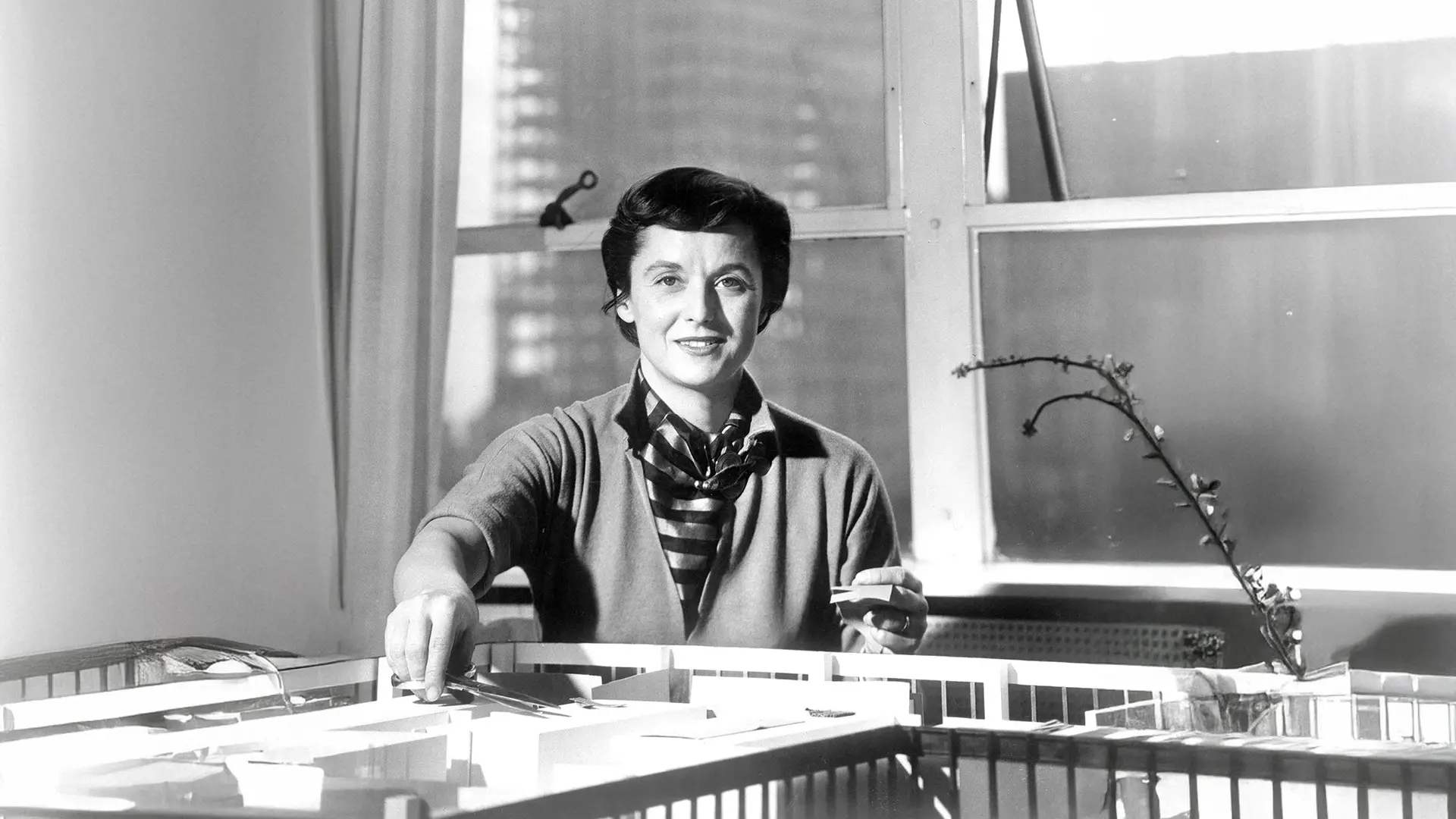
The Planning Unit, the collective catalogue of Mies, Saarinen and Bertoia and “meat and potatoes” furniture: how Florence Knoll invented the modern office whilst opting to stay out of the limelight.
Ten unmissable design exhibitions in autumn
Text by
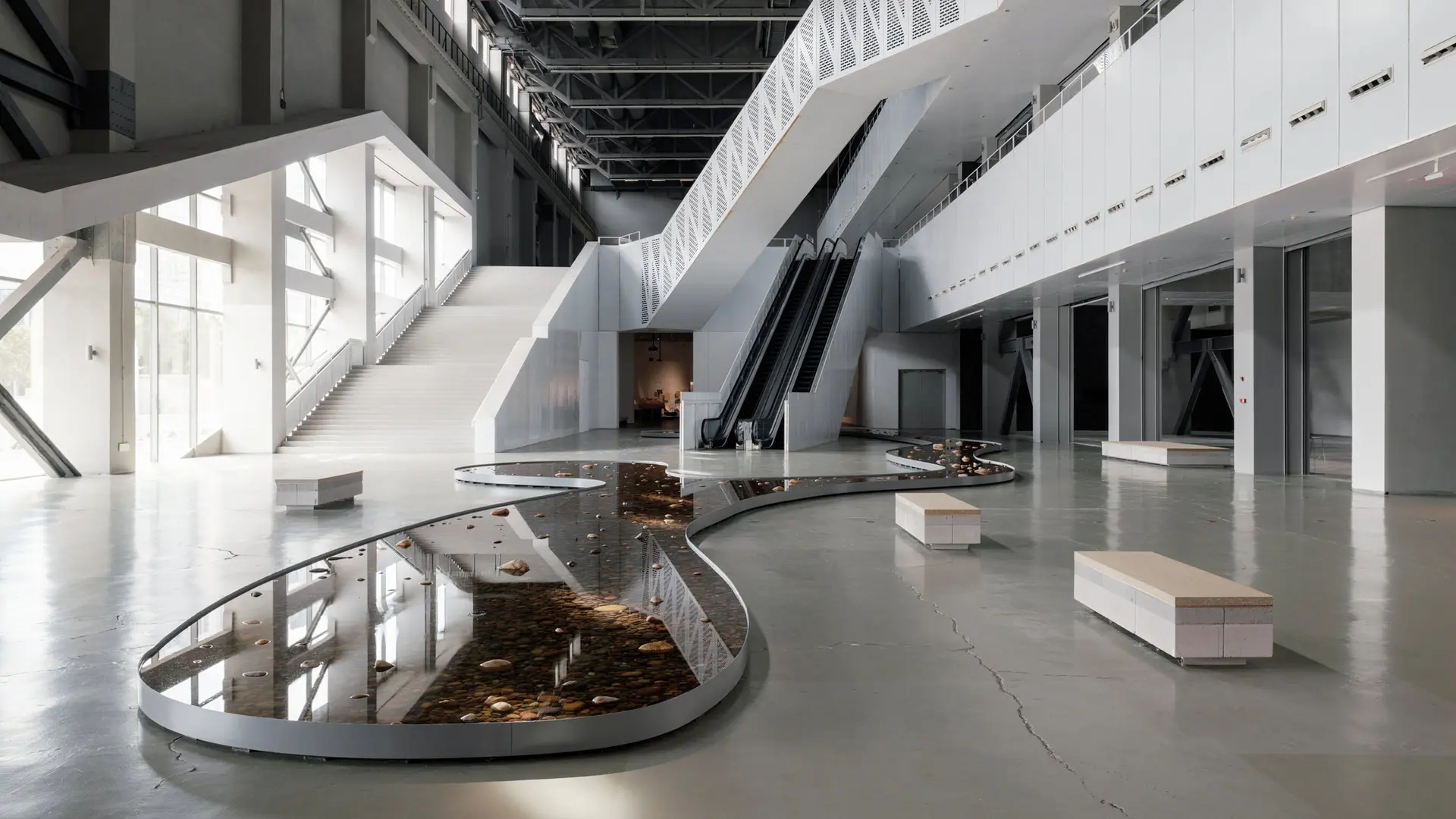
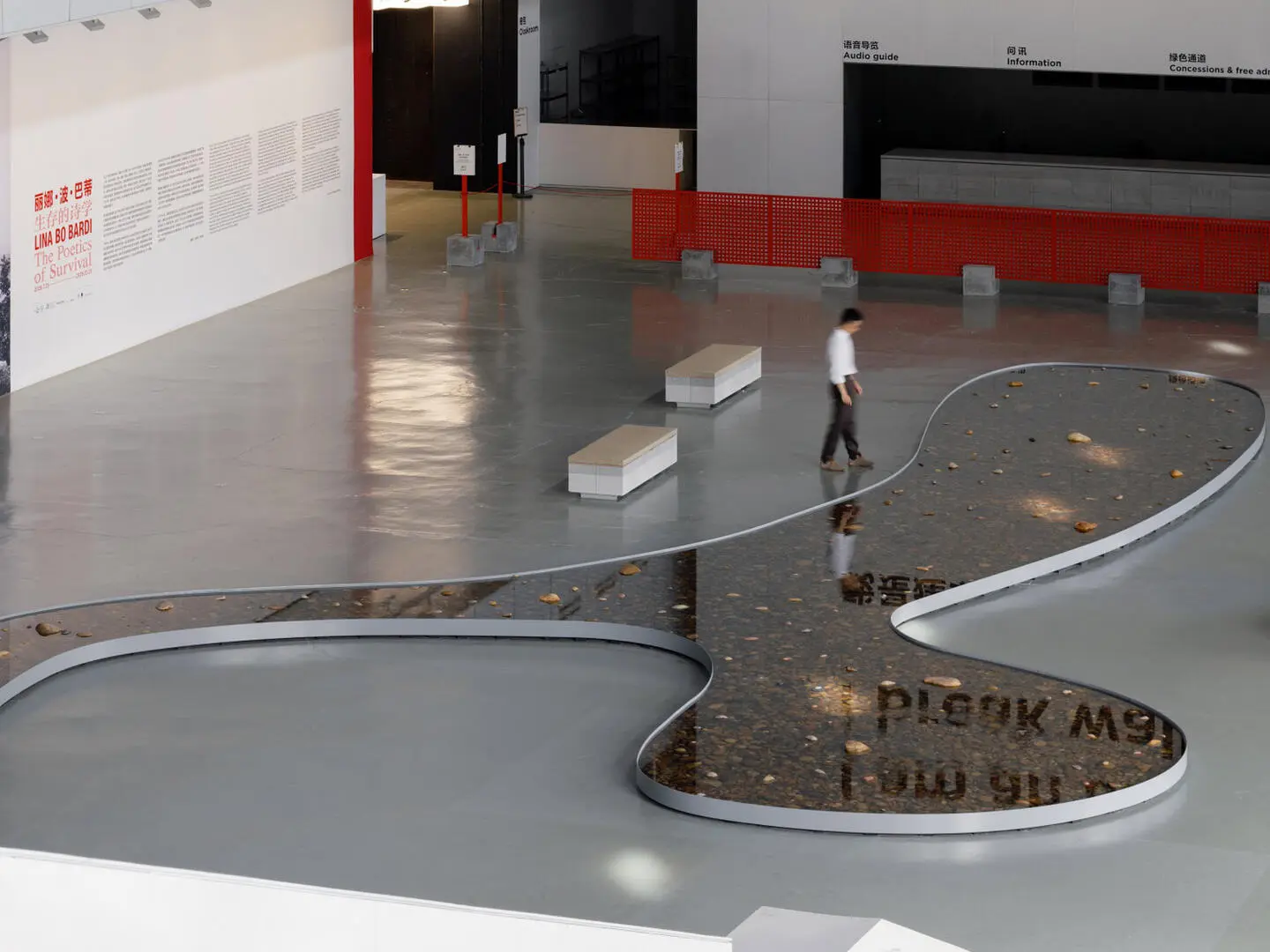
Lina Bo Bardi. The Poetics of Survival
Dialogues, appointments, transversal formats open to multidisciplinary dialogues, stretching the timeline to draw on history: for the design world, this October is a month of in-depth explorations
What does it mean to design today? The crucial question is posed by Joseph Grima, curator of the first, highly anticipated Design Triennial at the Walker Art Center in Minnesota. Designing today means understanding design as an architecture of universal values, in which words such as spirituality, emotional connection and a sense of community subvert the traditional rules of the production process. It means looking at the history of countries that are trying to rebuild a present for the new generations on the rubble left by wars and dictatorships, or imagining pushing the horizon of creativity where conflicts still rage and thought becomes a concrete act of resistance. Finally, it means understanding the historical memory of its key figures, being aware of the role and strength of women, while also leaving room for joy, recognizing in the lightness of a note the beauty of a city (Milan) that is still capable of surprising us. From Minneapolis to the most complex geographies on the planet, an itinerary that reminds us how much the true strength of the project lies in its ability to cure, reconstruct and transform every idea into an outpost of irreducible hope.
Walker Design Triennial: Beyond Materialism, Minneapolis
Curated by Joseph Grima, Beyond Materialism inaugurates the first Design Triennial at the Walker Art Center in Minneapolis. At a time when the concept of wealth no longer seems to correspond to that of well-being, the exhibition investigates a new design sensibility: about 50 new and recent works by 26 designers and collectives from over 10 countries are divided into 4 sections. These are the chapters through which Grima shifts his gaze from the production system to a more immaterial dimension, defined by transversal and universal values: spirituality, emotional connection, sense of community. To these values the curator entrusts the possibility of prefiguring other ways of inhabiting the future: “We need new metrics for prosperity,” he observes, indicating in the selection on stage a generation that is trying to supersede the logic of consumerism. The exploration begins with After Materials: Historical Notes, and the past becomes the key to understanding the changes underway: from the Shakers to Ettore Sottsass Jr., Buckminster Fuller, Nathalie Du Pasquier and Theaster Gates, a genealogy of experiences that have progressively moved design beyond the mere functional dimension. This is followed by A New Poetics: The Techno-Craftspeople, which, through the works of Germane Barnes, Kostas Lambridis and Objects of Common Interest, places materials at the centre of interest, interpreting them as a repository of memory and a narrative device. From here we observe the fractures of the present: Reclaiming Design: Technology, Environment, Politics, is the space where the works by Jonghoo Jeong, Maximilian Marchesani and Moon Seop Seo confront technological acceleration, the environmental crisis and inequalities. Finally, Ritual and Symbolism: New Ideas of Community and Agency goes beyond the object to arrive at design as social practice, made up of gestures, rituals and sharing. There are two new commissions: by Lucas Muñoz Muñoz and VESSEL (James Bridle and Navine G. Dossos). The only question that remains in the background: What does it mean to design today?
Where: Walker Art Center, Minneapolis (Minnesota, Usa)
When: From 17/10/26 to 14/02/2027

Walker Design Triennial: Beyond Materialism
Costantino Nivola. Scolpire il vento, Milan
Curated by Cecilia Alemani with an exhibition design by Alessandro Floris, Costantino Nivola. Scolpire il vento brings over 200 works by one of the most beloved representatives of transatlantic modernism on the international scene to the Triennale di Milano. A devotee of the dialogue between the arts, in 1939 Nivola fled fascist Italy for New York, where he found the freedom and space to reinvent his expression, rooted in the encounter between the archaic memory of the Mediterranean and the energy of the American metropolis. This is an affinity whose profound significance is fully grasped by the curatorship of Cecilia Alemani, an Italian who has chosen New York as the place of her training and work. The layout traverses sculpture, architecture, design and graphics, following the idea of an art capable of belonging to the community and inhabiting public space. They range from Nivola’s early graphic works for Olivetti to his revolutionary sand-casting technique developed in New York and his large anthropomorphic sculptures. Sand, concrete and metal thus became the tools of an artist capable of transforming the experience of exile and the encounter with modernity into a profoundly humanist idea of art: a bridge between the individual, community and space.
Where: Triennale Milano
When: From 11/11/26 to 14/02/27
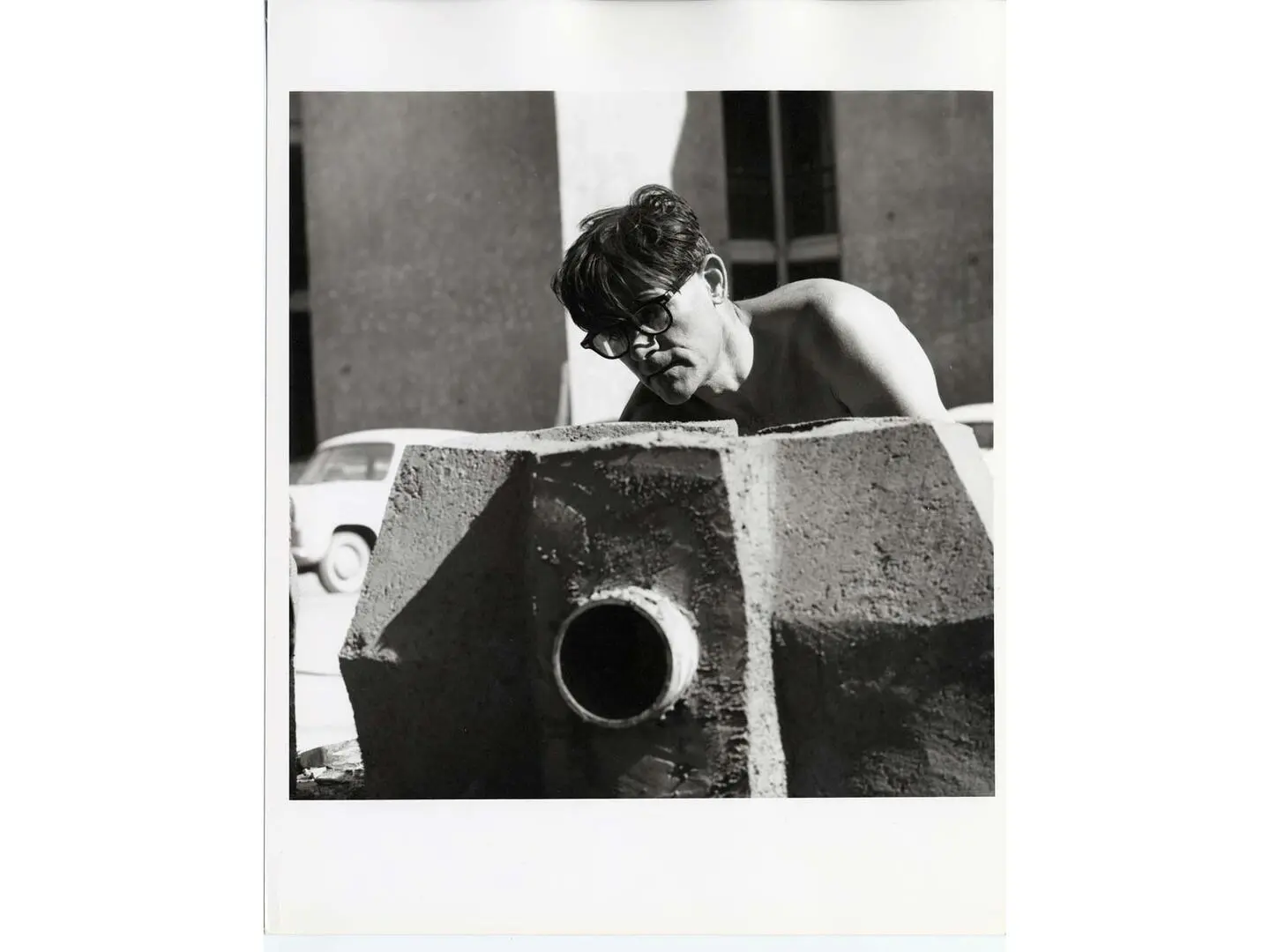
Costantino Nivola. Scolpire il vento
Selma Selman 1000 Tears, Bergamo
Born in 1991, Selma Selman hails originally from Bihać, Bosnia and Herzegovina: her research is built on her own skin, starting from the history of her family and the Roma community to which she belongs. One of the most incisive voices on the international scene, the artist transforms memory, trauma and identity into tools of resistance and self-determination: 1000 Tears is a project that restores in its most intimate and radical form a research in which personal experience, family memory and collective history become artistic material. At the centre of the exhibition space is a new excerpt from Crossing the Blue Bridge (2024), a film stemming from an episode experienced by Selman in 1994 when, during a ceasefire, her mother with her daughters crossed the Bihać Bridge, known as the Blue Bridge, covered at the time with corpses and dog carcasses: to protect her daughter from that vision, the mother tried to cover her eyes with one hand, while with the other she held their newly purchased provisions. The wind that kept blowing her hair across her face, preventing her from seeing, helped transform that crossing into an experience suspended between perception and bewilderment. Recalling the scene thirty years later means having the strength today to share a past overcast with shadows, and restoring the strength of the political gesture in the exhibition. Keeping memory alive is a form of resistance to oblivion that never ceases to question the conscience.
Where: GAMeC, Spazio Zero (BG)
When: From 01/10/26 to 24/01/27
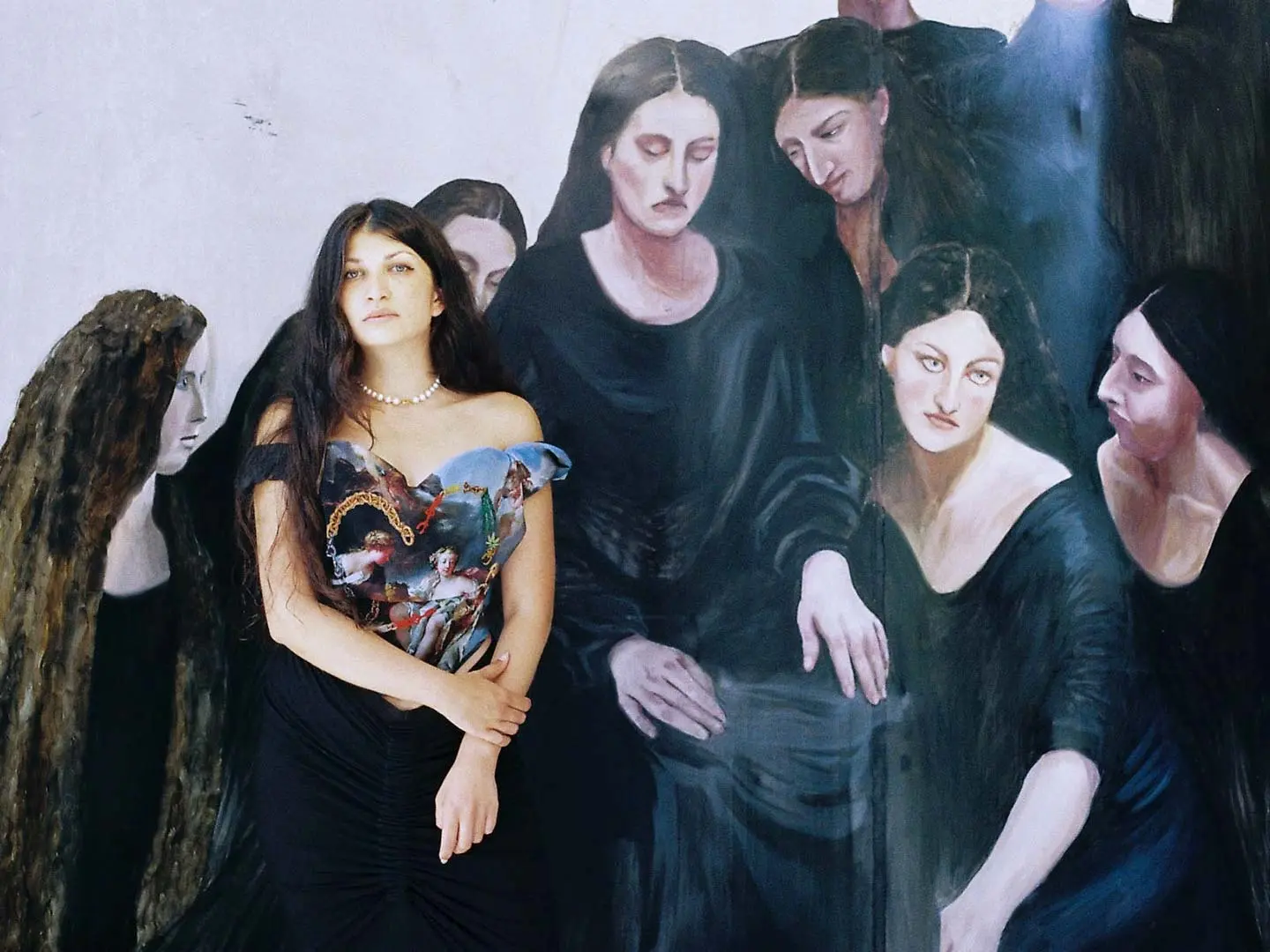
Selma Selman 1000 Tears - Ph. Vanesa Miteva
In Practice – as opposed to ‘in theory’, Timisoara (Romania)
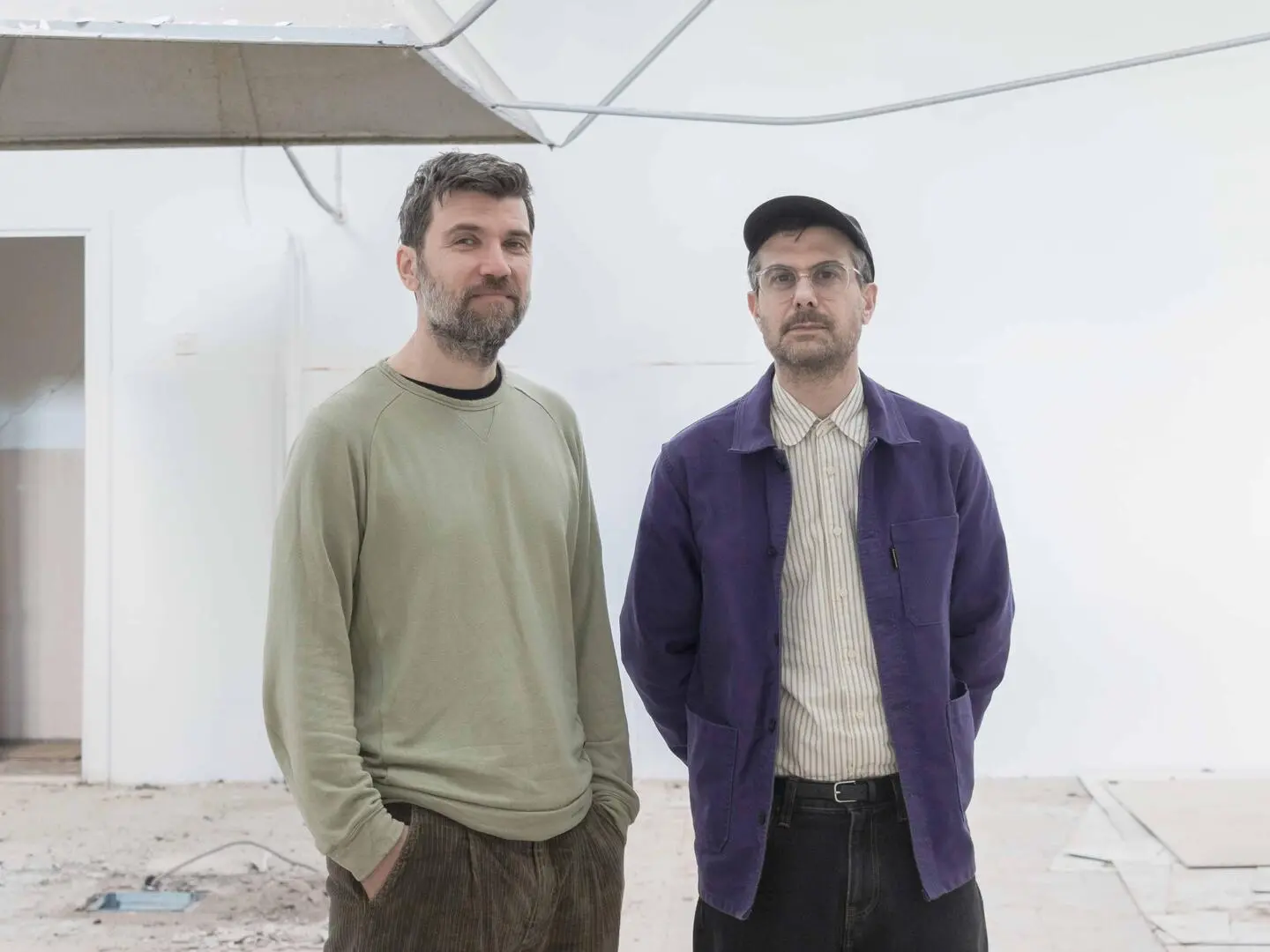
Why is the sixth edition of the Beta-Timișoara Architecture Biennial, curated by architects Andreas Kofler and Tudor Vlăsceanu, important? Not only because of the more than 40 projects from 15 countries, but because of the way it rethinks the role of architecture at this latitude: no longer as a finished object, but as a process of experimentation, negotiation and invention. In a Romania that still bears the traces of the long period of Nicolae Ceaușescu’s regime and the far-reaching changes that followed its fall, Beta looks at what remains not as an unchanging legacy, but as material from which to start again, questioning the relations between memory, urban change and new forms of living. Located next to the Botanic Garden, the former Ion Mincu School becomes an exhibition space and laboratory: projects, prototypes, installations, films, research and reuse projects test new possibilities for a building marked by time. Damaged windows are reinterpreted, new connections between the interiors are opened, materials from demolition are recovered, rainwater is collected, and spaces for coexistence are introduced. Not a single vision, but a cluster of hypotheses testing what a place can still become. Among the protagonists are Rotor, Bêka & Lemoine and HouseEurope!, together with a generation of young European designers and collectives, as witnesses to a more open and collaborative way of creating architecture, attentive to the social responsibility of design. A possible nouvelle vague that seeks to cultivate the new within the traces of the past and to transform Beta, beyond the duration of the Biennale, into an urban laboratory capable of questioning what a city can become when it decides to come to terms with what it has inherited.
Where: Ion Mincu High, Timisoara (Romania)
When: Until 25 October