

 Salone Selection





Our societies, as we know, change and evolve in keeping with more or less latent needs, and if design concurrently makes these developments its own, accompanying them and giving them shape, then the growth of median age and life expectancy is an urgent issue that design has to embrace and address
Summer reads. Lose yourself in architecture, objects and thoughts
Text by
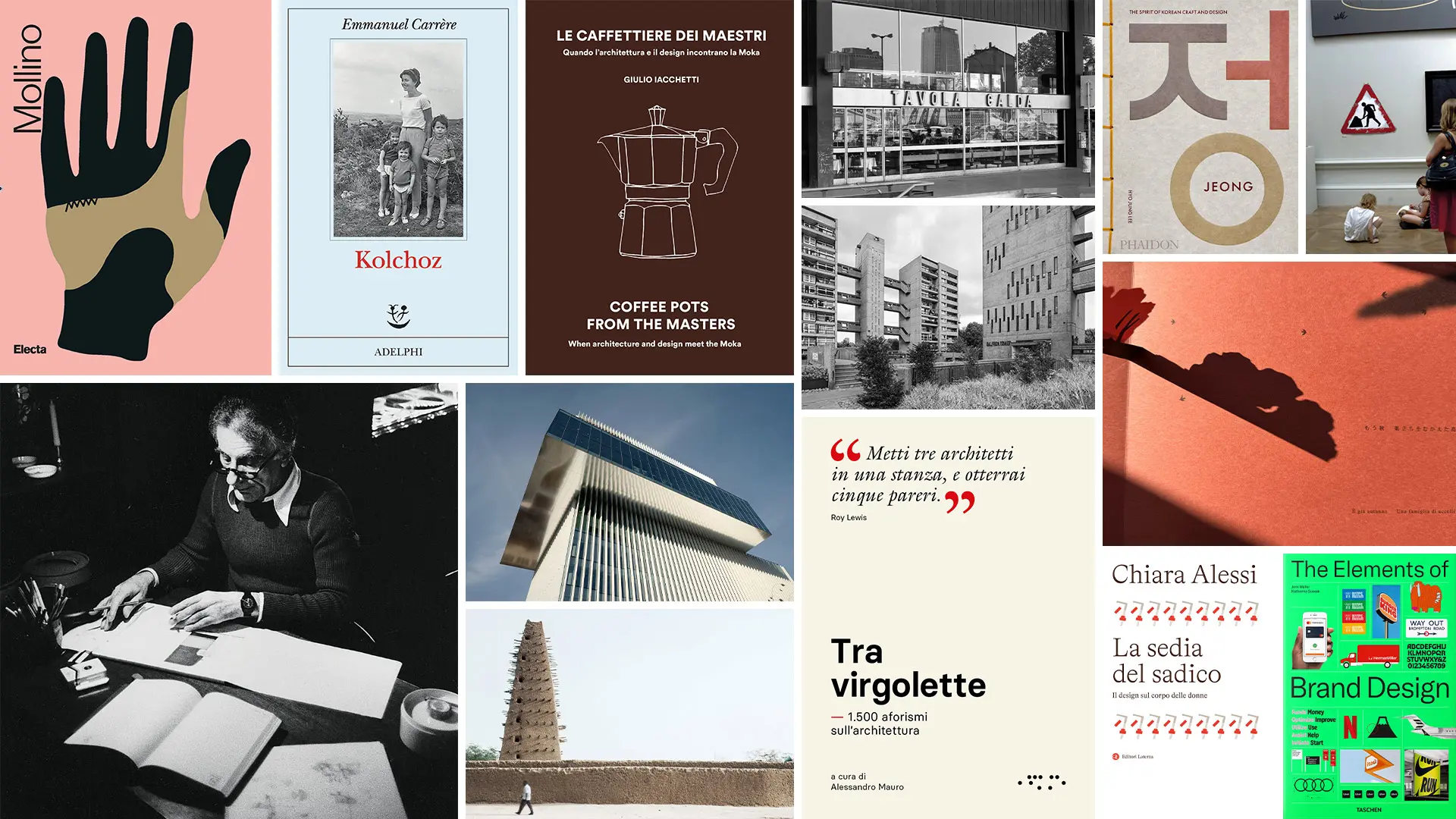
The creative world of Mollino, the collective work of Piuarch, Komagata’s pop-up tree, aphorisms from Socrates to Rem Koolhaas, and Emmanuel Carrère’s family furniture. 14 must- read titles
ARCHITECTURE
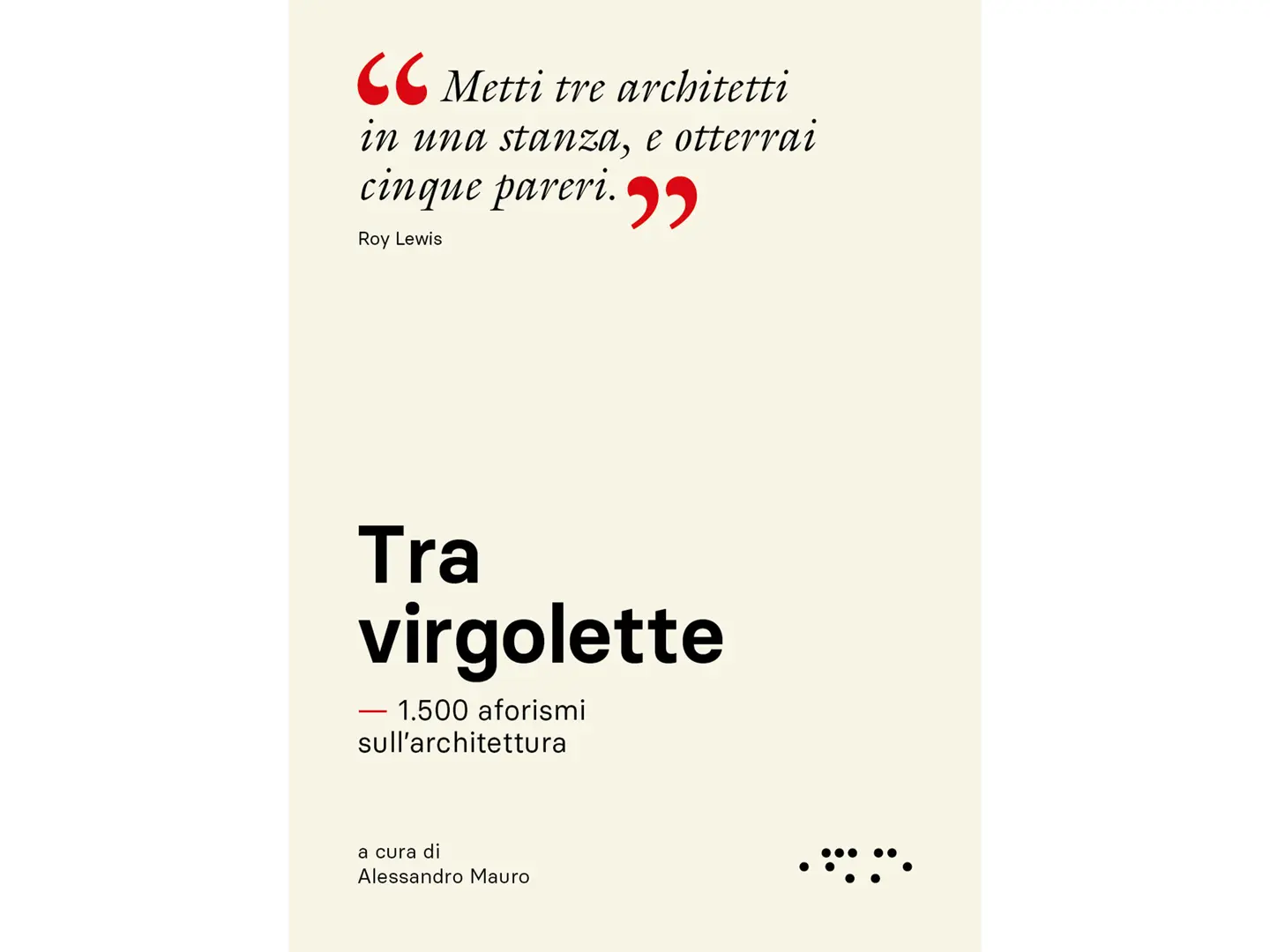
Tra virgolette, edited by Alessandro Mauro, LetteraVentidue Edizioni
According to Wolfgang Goethe, Jean Baudrillard and Gio Ponti respectively, architecture is frozen music, a blend of nostalgia and extreme anticipation, and an interpretation of life. These are just some of the 1,500 aphorisms, phrases and witticisms on architecture, art and creativity by renowned architects, designers, writers and philosophers throughout the ages, from Socrates to Rem Koolhaas. Now on his third collection, the editor asks: “Are aphorisms mere fleeting thoughts, too brief and therefore too superficial to be taken seriously, or do they embody that capacity for synthesis which is the essential quality needed to navigate these times with ease?” Are aphorisms silly yet brilliant phrases, good only for attention-grabbing social media posts, or are they the distillation of complex thoughts, often expounded at length on verbose pages by long-winded academics? In short, are aphorisms effective or simply populist?” It’s down to the readers to decide.
Tra virgolette, edited by Alessandro Mauro, LetteraVentidue Edizioni
BOOK DESIGN
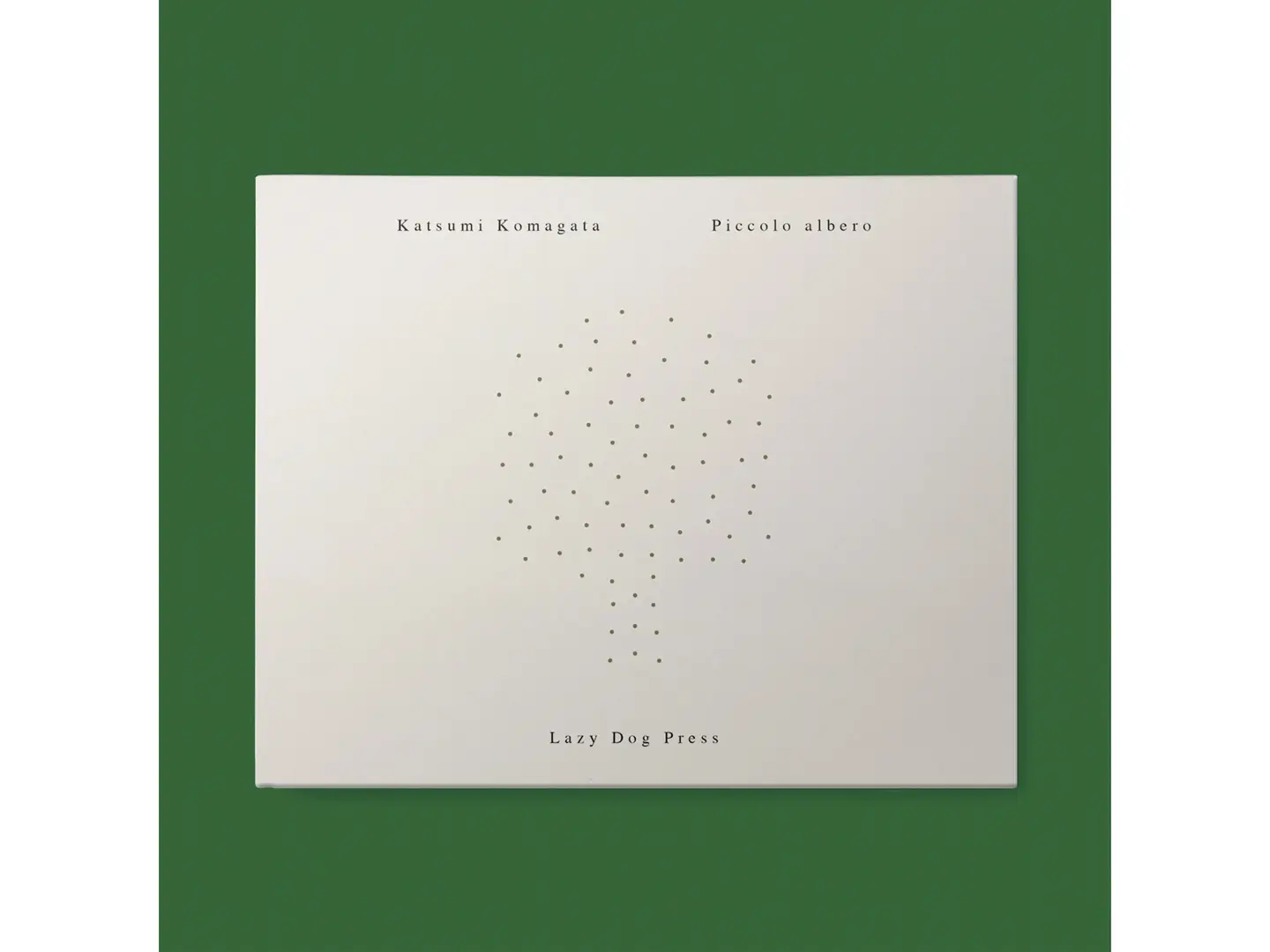
Little Tree, text, illustrations and book design by Katsumi Komagata, Lazy Dog Press
One of the absolute masterpieces by the great Japanese designer and heir to Bruno Munari, whose sensory and minimalist approach revolutionised children’s books. Poetry and tactile and visual storytelling combine harmoniously to bring to life a pop-up tree which, as you turn the pages, grows, season after season. It is a metaphor for life encapsulated within white pages in a play of folds, textures and paper cut-outs: the plant is born, grows and dies, yet leaves behind a seed that ensures its continuity. A winner of the Les Plus Beaux Livres Français competition in 2009 and honoured with a special mention at the BolognaRagazzi Award in 2010, this is the first (highly anticipated) Italian edition, hand-bound in Tokyo with exceptional craftsmanship. A book that feels as though it has always been part of our lives.
Little Tree, text, illustrations and book design by Katsumi Komagata, Lazy Dog Press
PHOTOGRAPHY
Paolo Monti, texts by Barbara Carnevali and Silvia Paoli, Humboldt Books
in Italian and English
The dynamic, ever-changing Milan of the period spanning 1957 and 1973 is portrayed in stark black and white by Paolo Monti, a pioneer of contemporary Italian architectural photography, in this twenty-sixth volume in the Time Travel series – dedicated to showcasing the archives of 20th-century photographers, artists and architects. “I am always interested in still life and composition, not only as excellent exercises and experiments but as a means of prising a secret from things,” he writes. The secret of the gaps left by wartime bombing, of railway yards, of suburbs undergoing transformation, of the newly built underground, of buildings by Viganò (the Marchiondi Spagliardi Institute), Moretti (the Corso Italia complex), Pagano (Bocconi University) and Muzio (Cà Bruta). Right up to the apotheosis of the Pirelli Tower and the Velasca Tower, immortalised as almost abstract presences with their geometric grids and always viewed from different angles, rejecting a frontal view from the outset. A captivating visual diary.
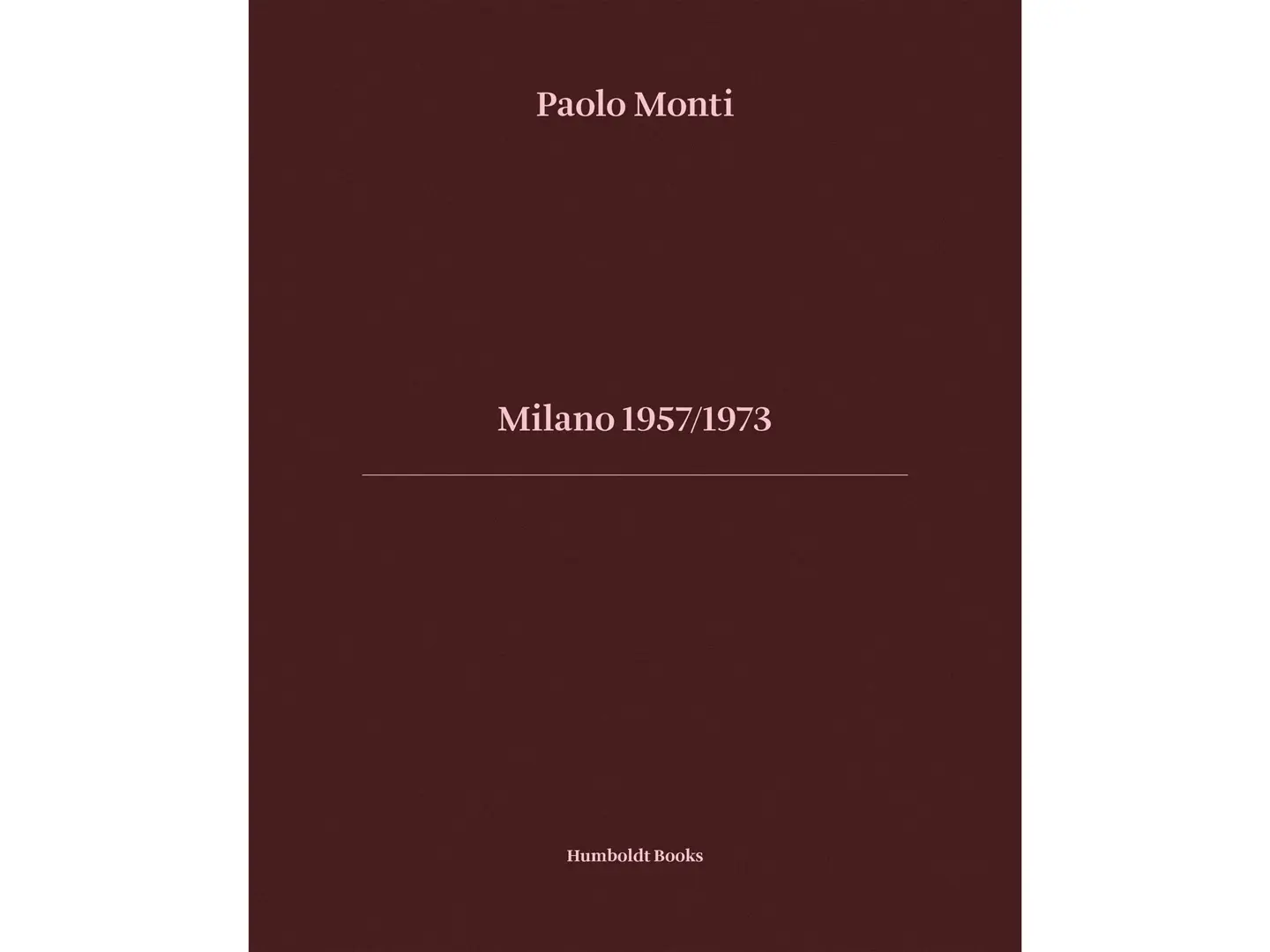
Paolo Monti, texts by Barbara Carnevali and Silvia Paoli, Humboldt Books
MONOGRAPHS
Piuarch, with an introduction by Alessandro Valenti, Forma Edizioni
in Italian and English
This is the fourth volume in Forma Edizioni’s new Progressive series, edited by Maurizio Carones for Forma Edizioni. It is made up of short, bilingual monographs that highlight examples of outstanding contemporary Italian architectural design through essays, project profiles and supplementary material. The subtitle, Selected Architecture 2010–2026, takes us to the heart of the work of Piuarch, a Milan-based practice founded by Francesco Fresa, Germán Fuenmayor, Gino Garbellini and Monica Tricario in 1996. By rejecting primacy of form as the basis of design in favour of a focus on processes, and by giving equal priority to collective work and individual expression, the practice – comprising an eclectic team of 50 people – has rapidly become established as one of the leading architecture and urban planning firms in Italy. The DNA of its projects – from the Fendi Factory to the Human Techopole HQ and the Manifattura Tabacchi in Florence – lies in a keen sensitivity towards its sites and a commitment to sustainability.
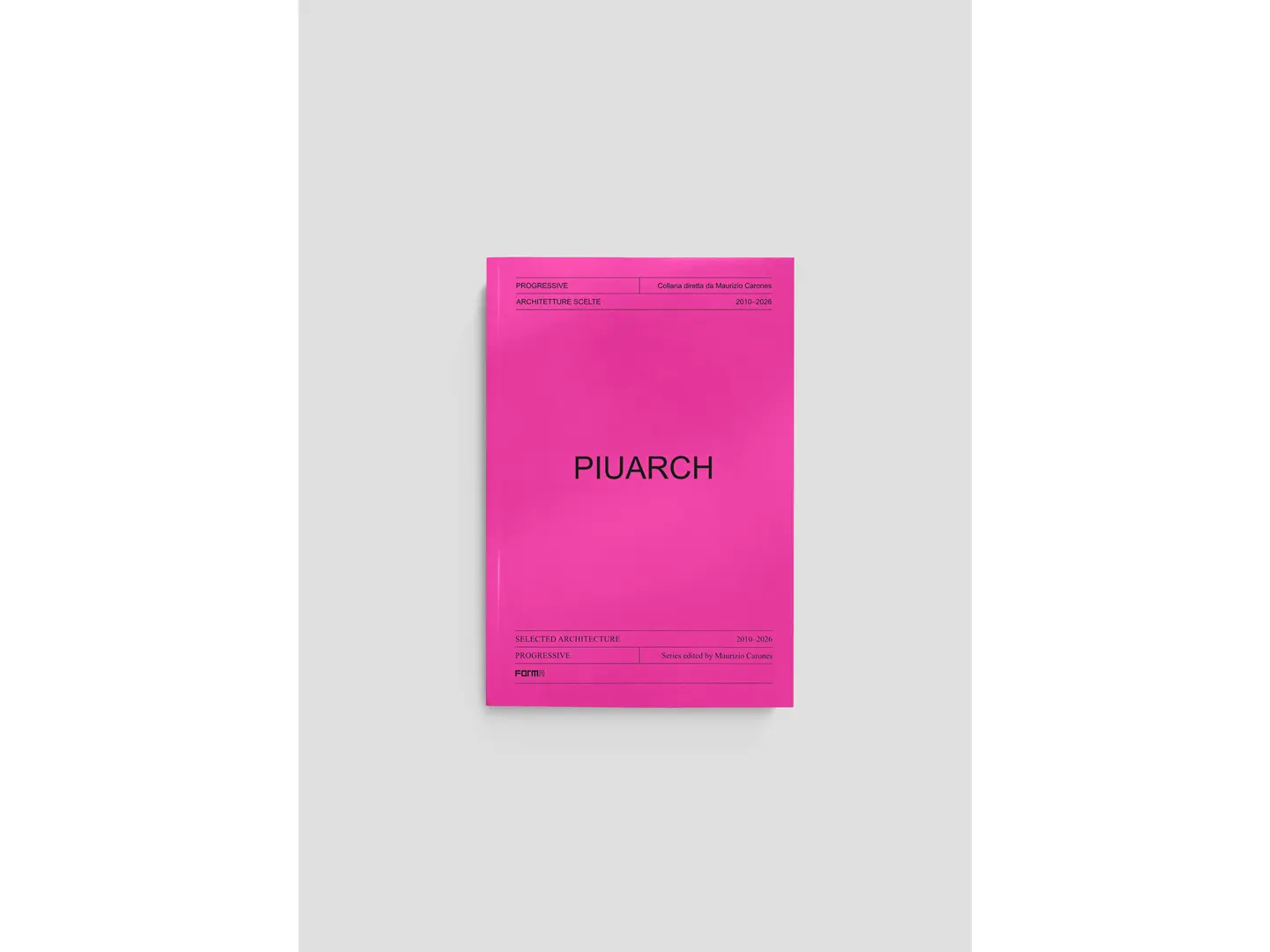
Piuarch, with an introduction by Alessandro Valenti, Forma Edizioni
PHOTOGRAPHY
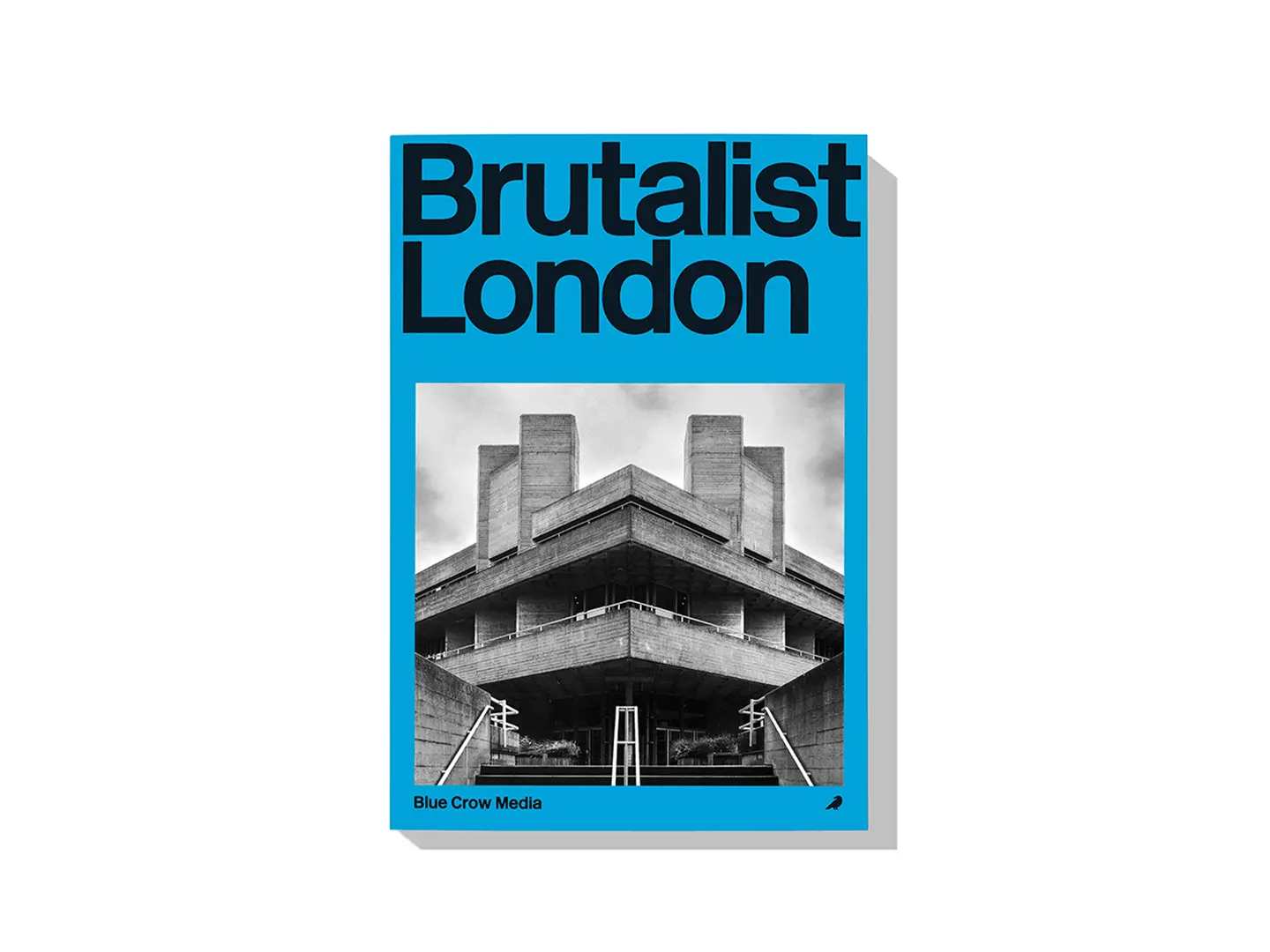
Brutalist London by Owen Hopkins, photographs by Nigel Green, Blue Crow Media
Ranging from London’s most famous buildings, such as the National Theatre and the Barbican Estate, to lesser-known examples – each of them examples of London’s Brutalist architecture, however – although, according to the author, there is no single ‘Brutalist’ label. The 50 buildings selected – skilfully depicted with meticulous attention to materials, surface and form – are actually remarkably diverse. Built as part of post-Second World War reconstruction, they are not simply isolated architectural objects, but part of a broader project aimed at rebuilding the city, tackling the housing crisis and imagining new forms of collective living. Many of these works are deeply embedded in London’s social and cultural fabric, and – according to the author – show how architecture can radically transform cities and societies. A reinterpretation of Brutalism as a complex phenomenon, understood not only in terms of rawness and power, but also defined by instances of precision, refinement and formal control.