

 Stories






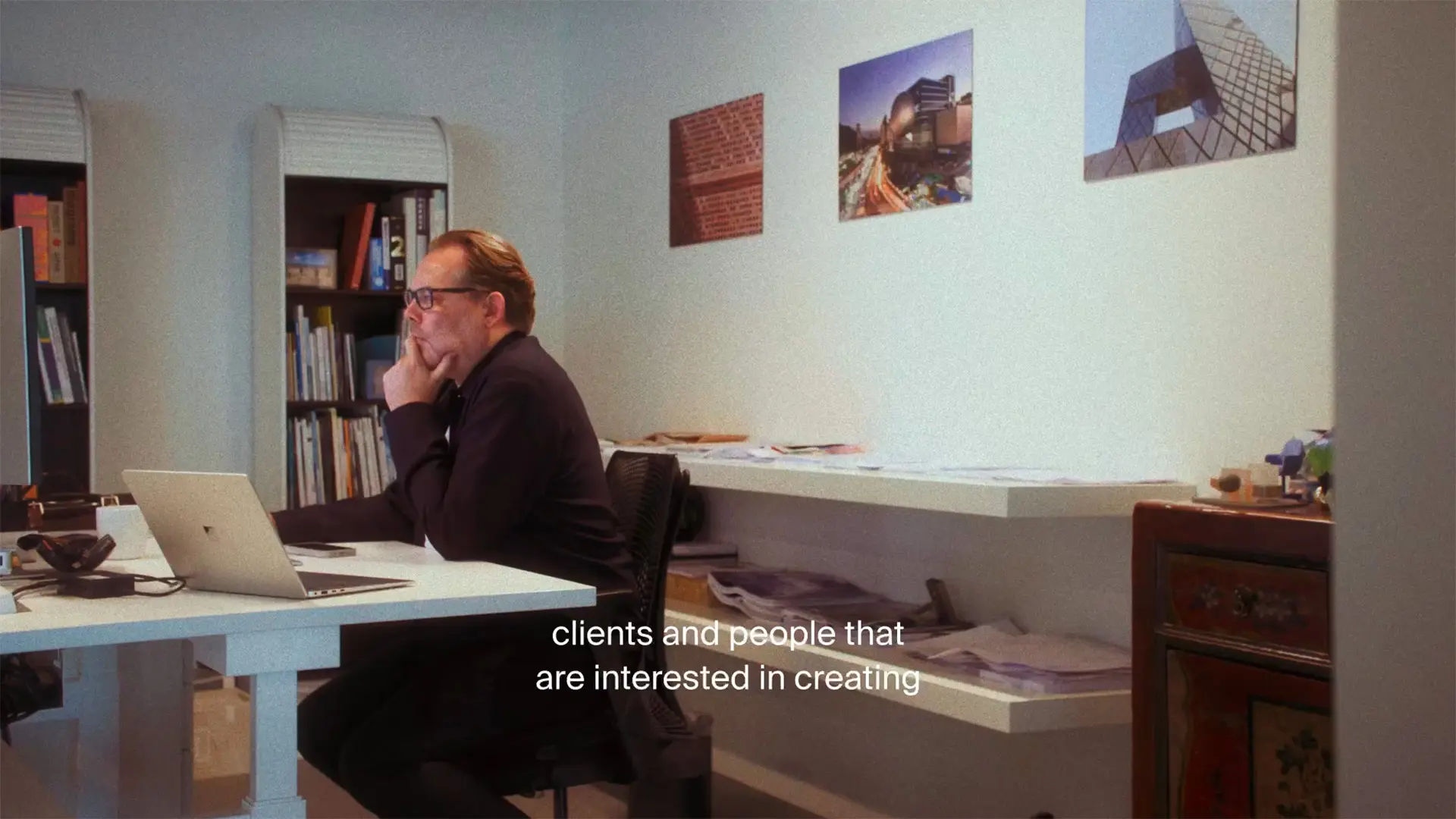
At the OMA studios in Rotterdam, we met David Gianotten to explore the vision behind the Salone Contract masterplan. A project that redefines the boundaries between architecture, integrated systems and major international flows
Alex Webb & Rebecca Norris Webb: imperfect rhymes
Text by
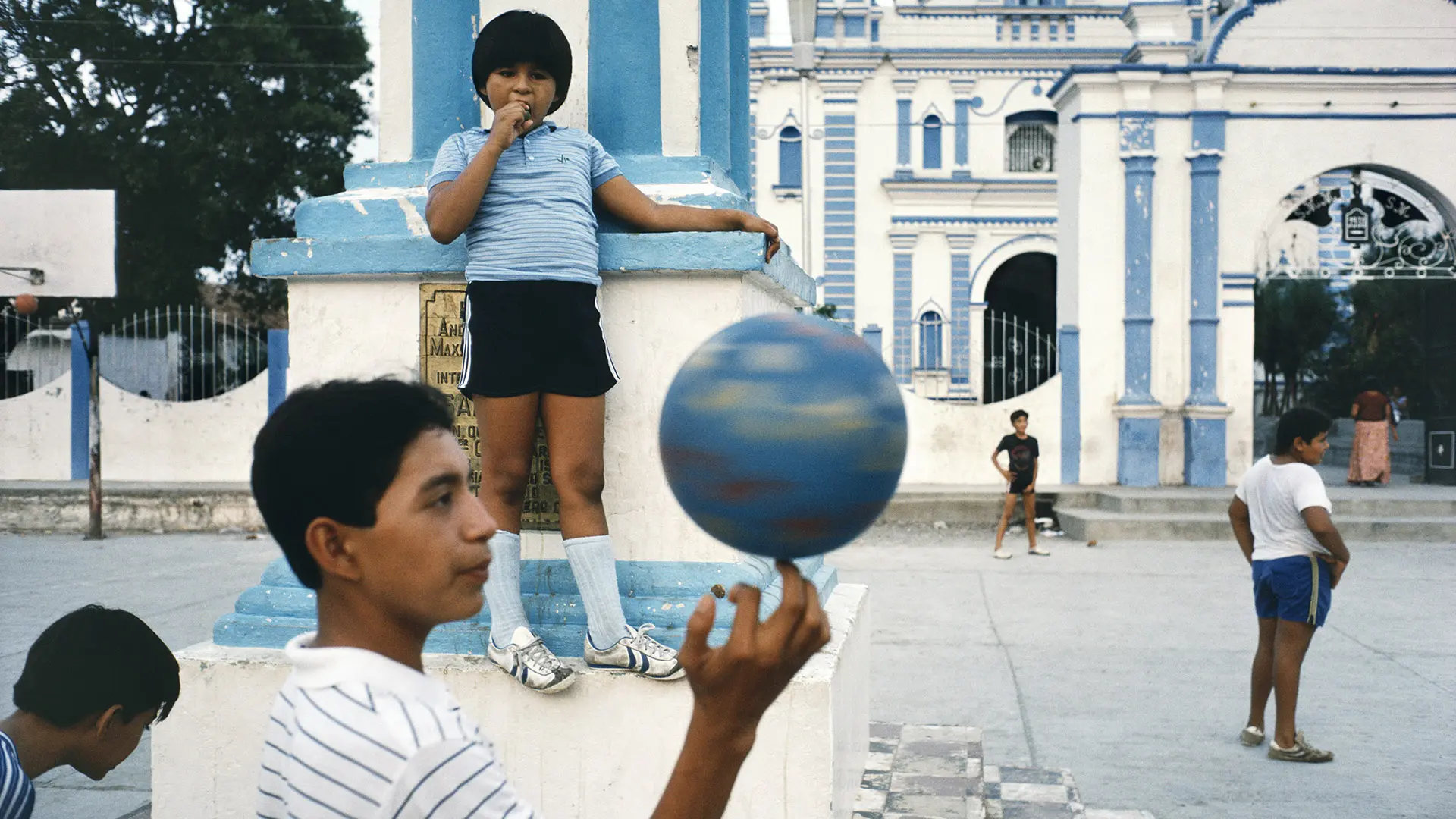
Tehunatepec Mexico, 1985 By Alex Webb
After three decades of hanging out, travelling and living together, this photographer couple sorted through their individual artistic output, turned it into couplets, and made it into a book.
Slant Rhymes, the title of this 2017 book, refers to the idea that these photographers’ poetics respond to one another without overlapping. If we sought to identify their individual approach, we might venture that Alex is the master of the long sequence shot, and Rebecca of Impressionism (but then we would also add that both of them work with love, and are adept at going beyond boundaries).
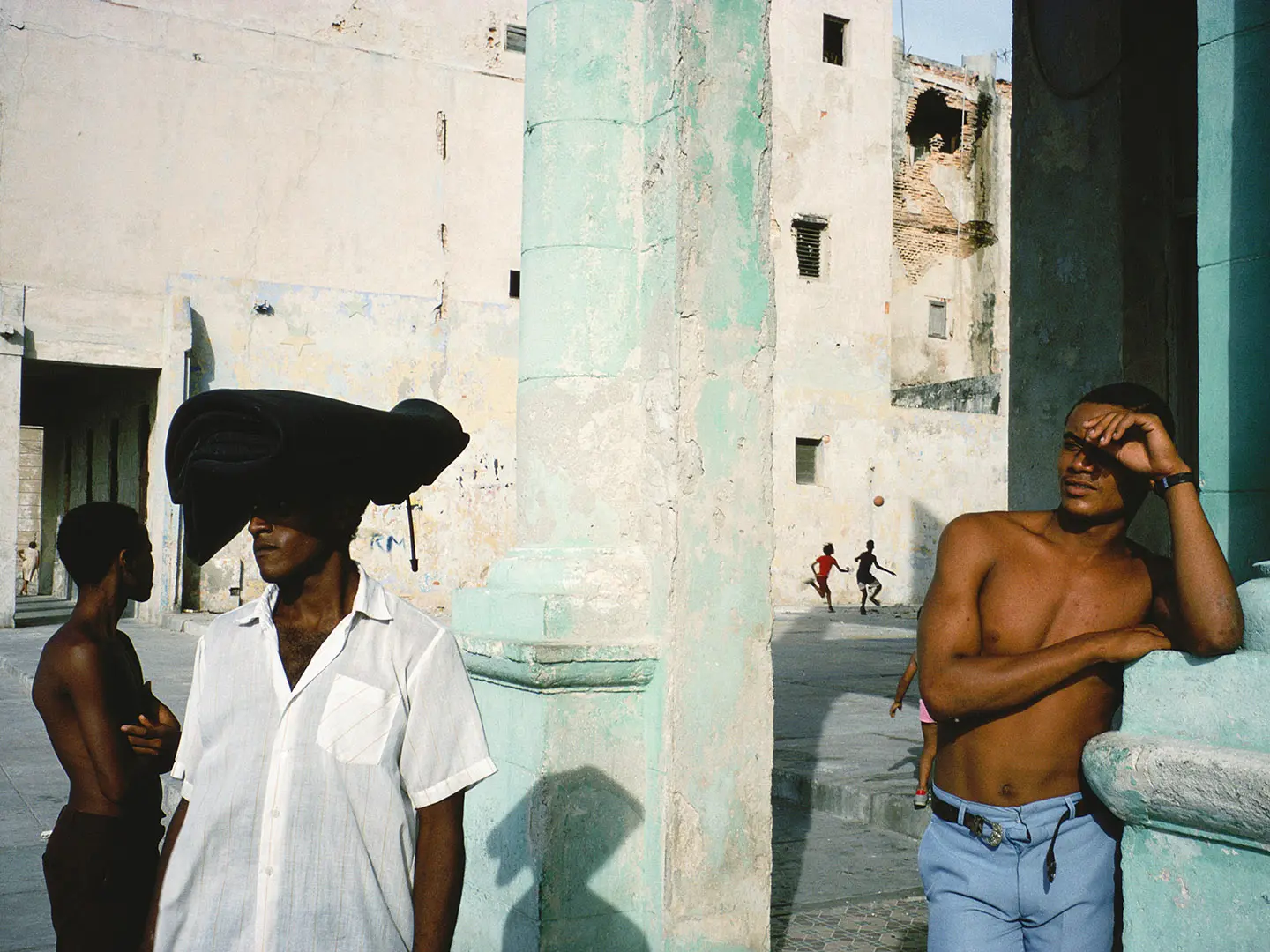
Havana Cuba, 1993 By Alex Webb
Rebecca Norris Webb’s frames – she is a poet too, combining photos and poems in her books and exhibitions – often capture an instant that is of this world yet outside of this world, an impression and a transfiguration that, as for the Impressionists, often has to do with the light or atmospheric effects; Alex’s shots, on the other hand, tend to compose a meaningful whole from multiple scenes and relationships that, unravelled, provide a trigger for a possible story, appearing as a section of a longer time span we are not privy to and yet strive to imagine.
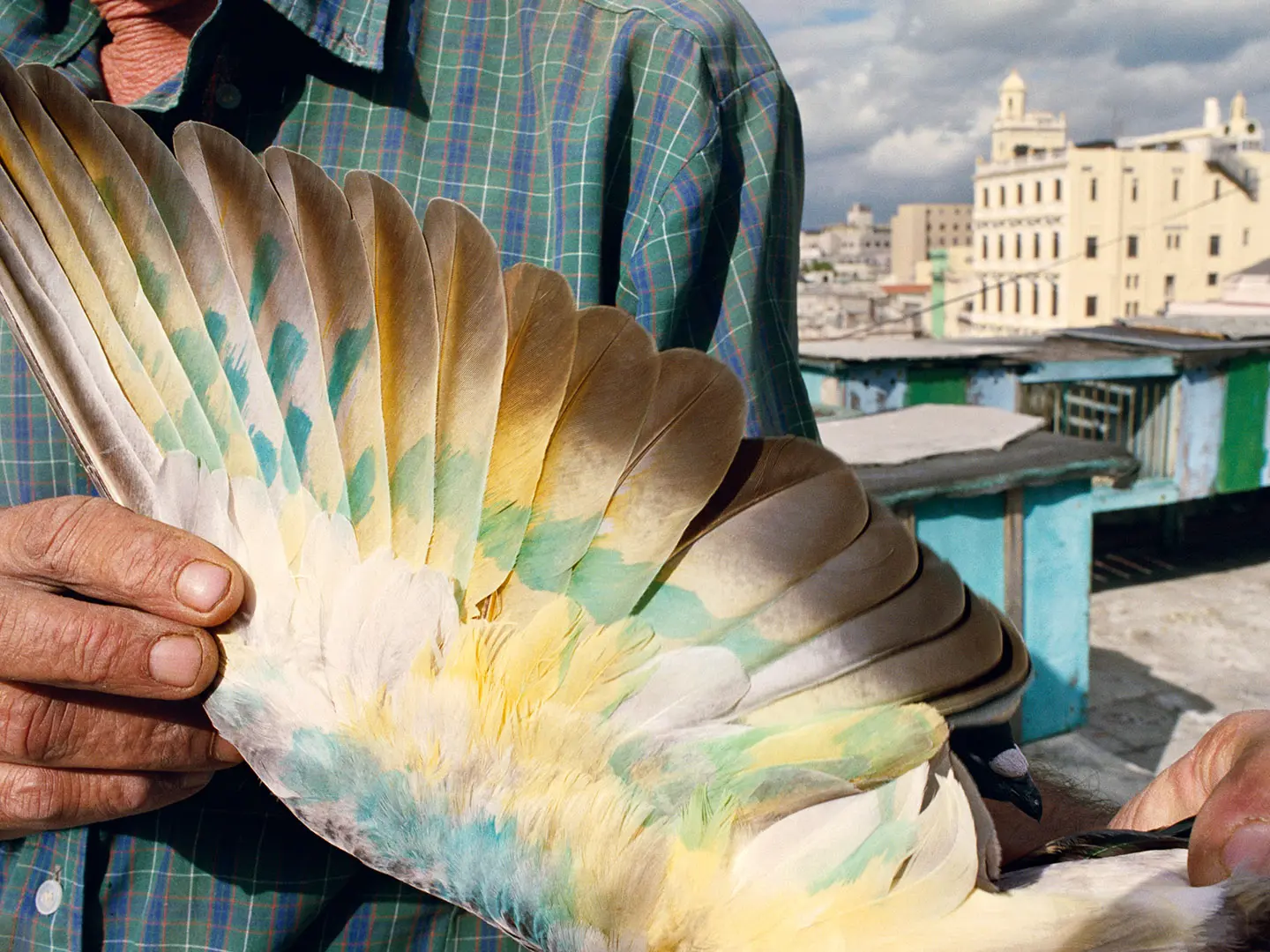
Havana, 2008 By Rebecca Norris Webb
In both cases, colour triumphs: indeed, rarely will you see it as vivid in photographic grain or as extended in a pictorial background.
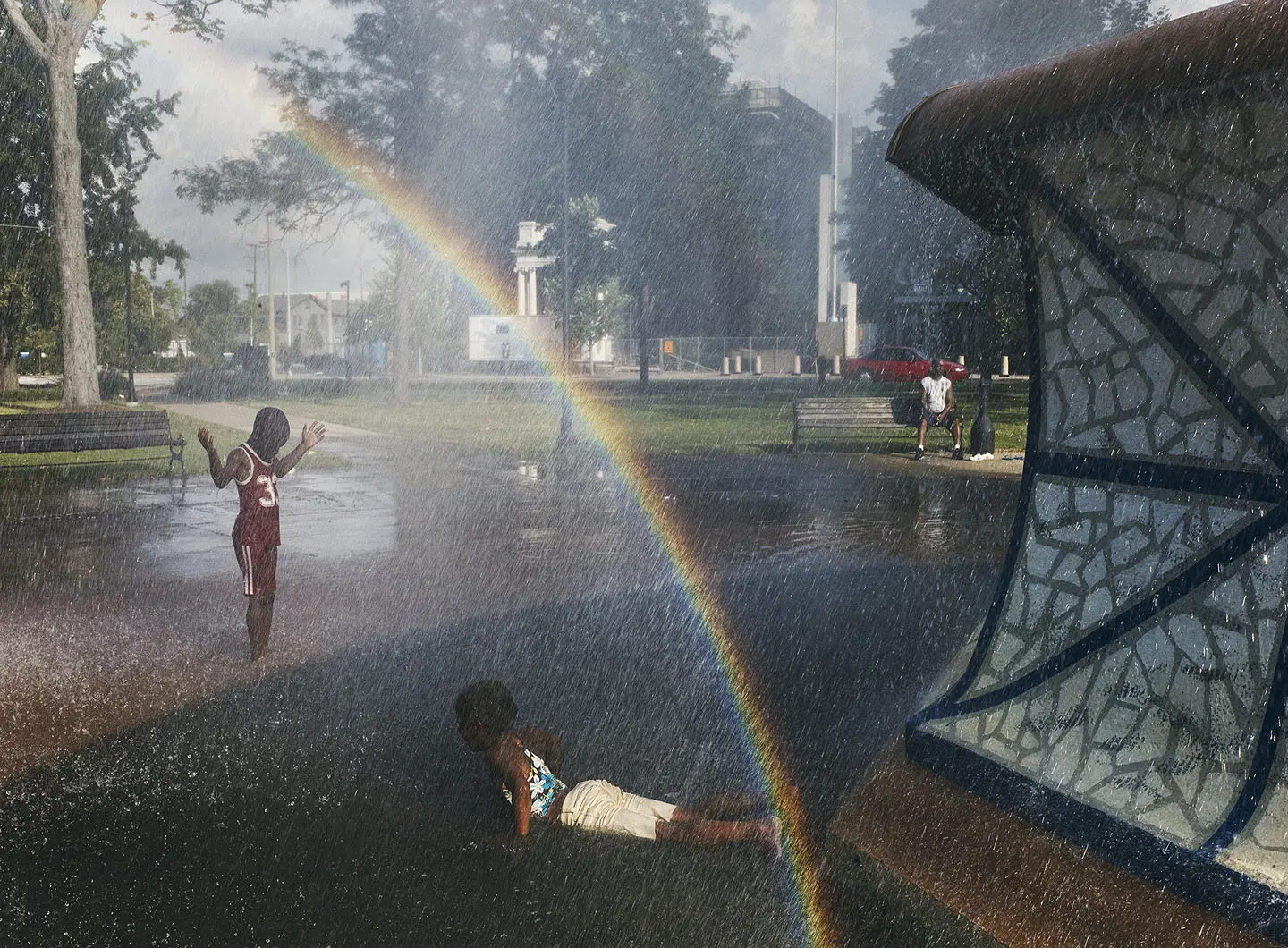
Pennsylvania, 2010 By Alex Webb
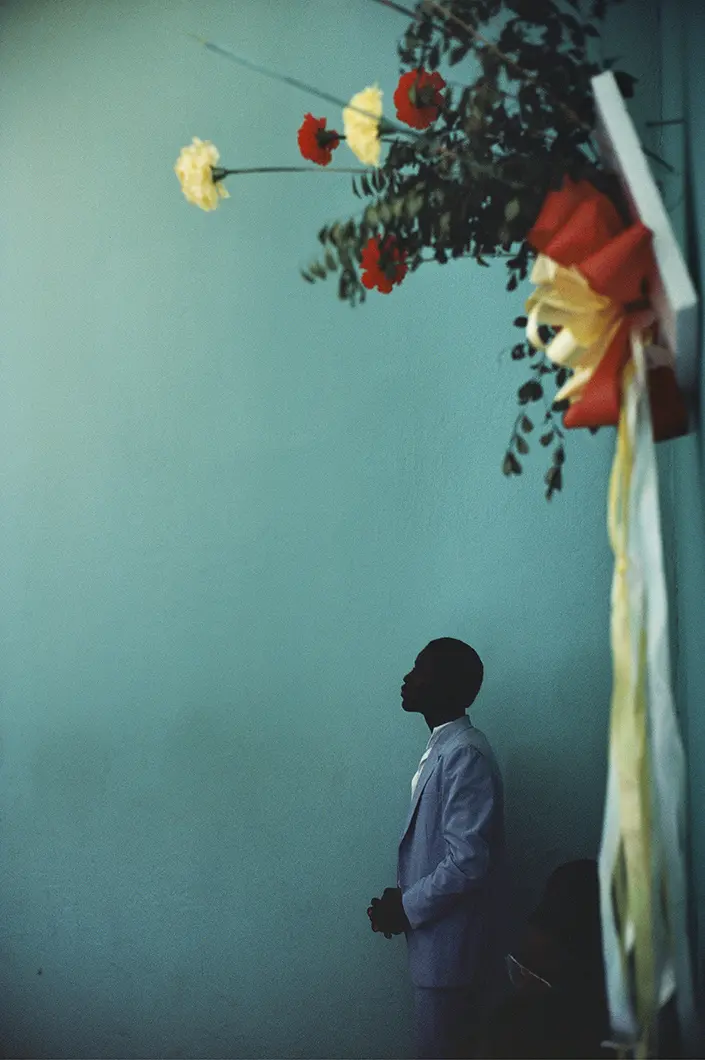
Arcahaie Haiti, 1987 By Alex Webb
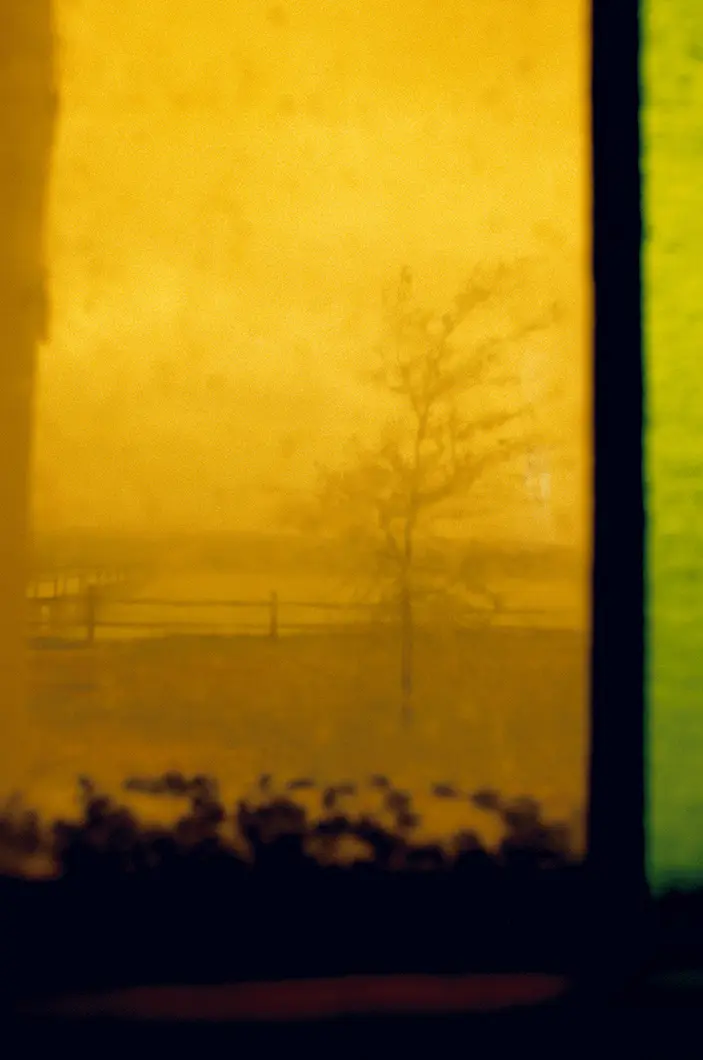
Stained Glass, South Dakota, 2006 By Rebecca Norris Webb
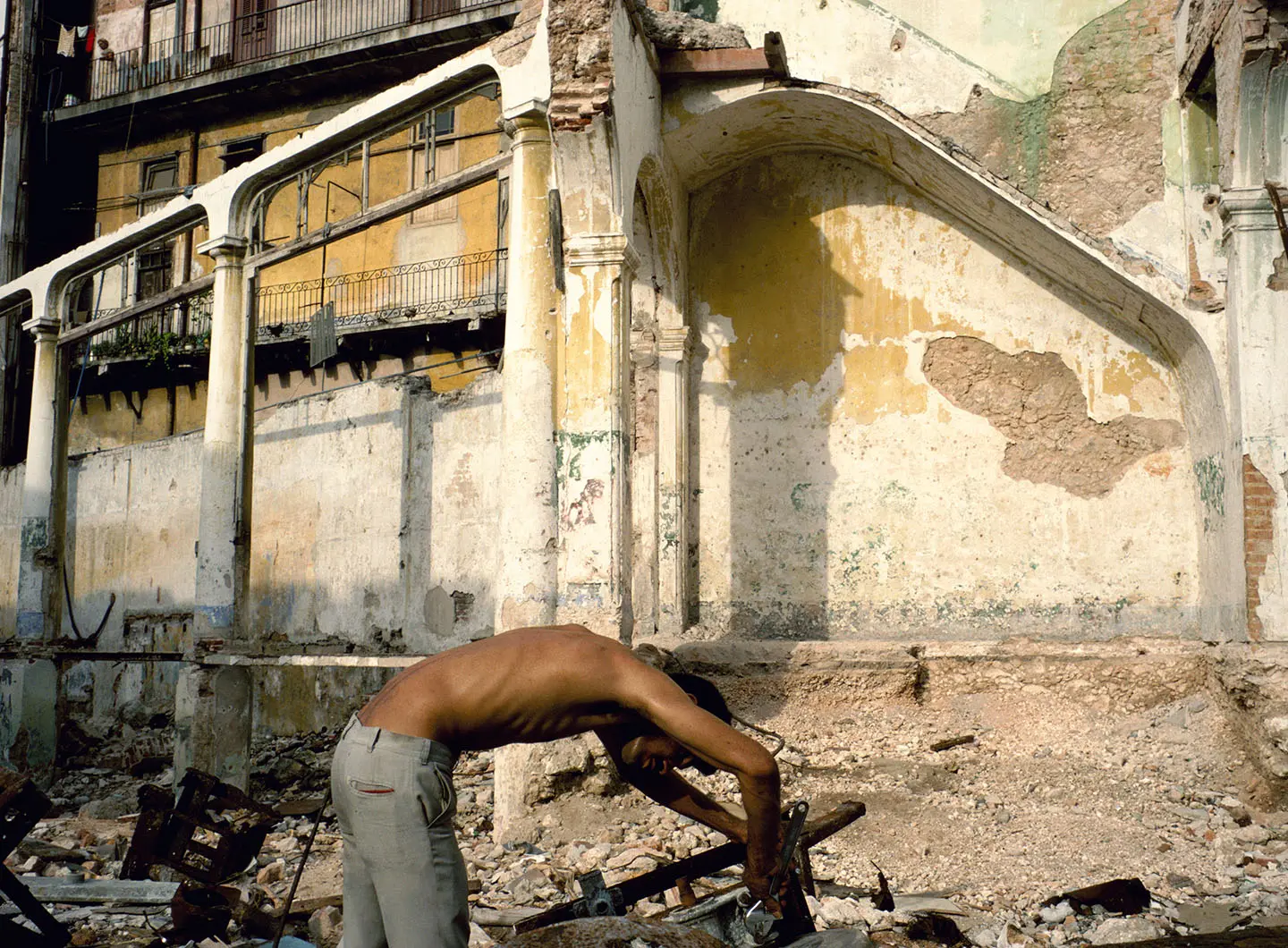
Havana Cuba, 1993 By Alex Webb
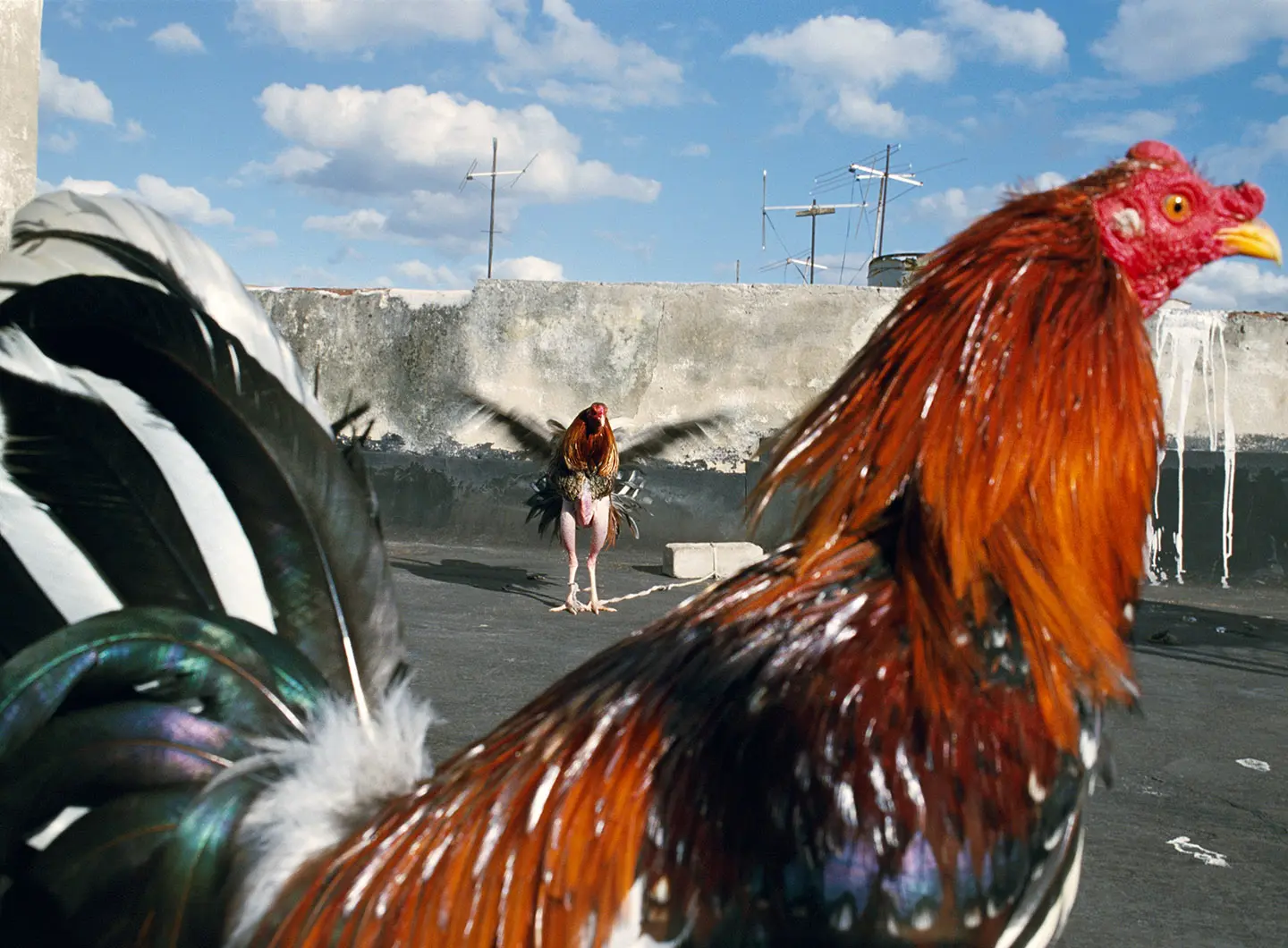
Havana Cuba, 2008 By Rebecca Norris Webb
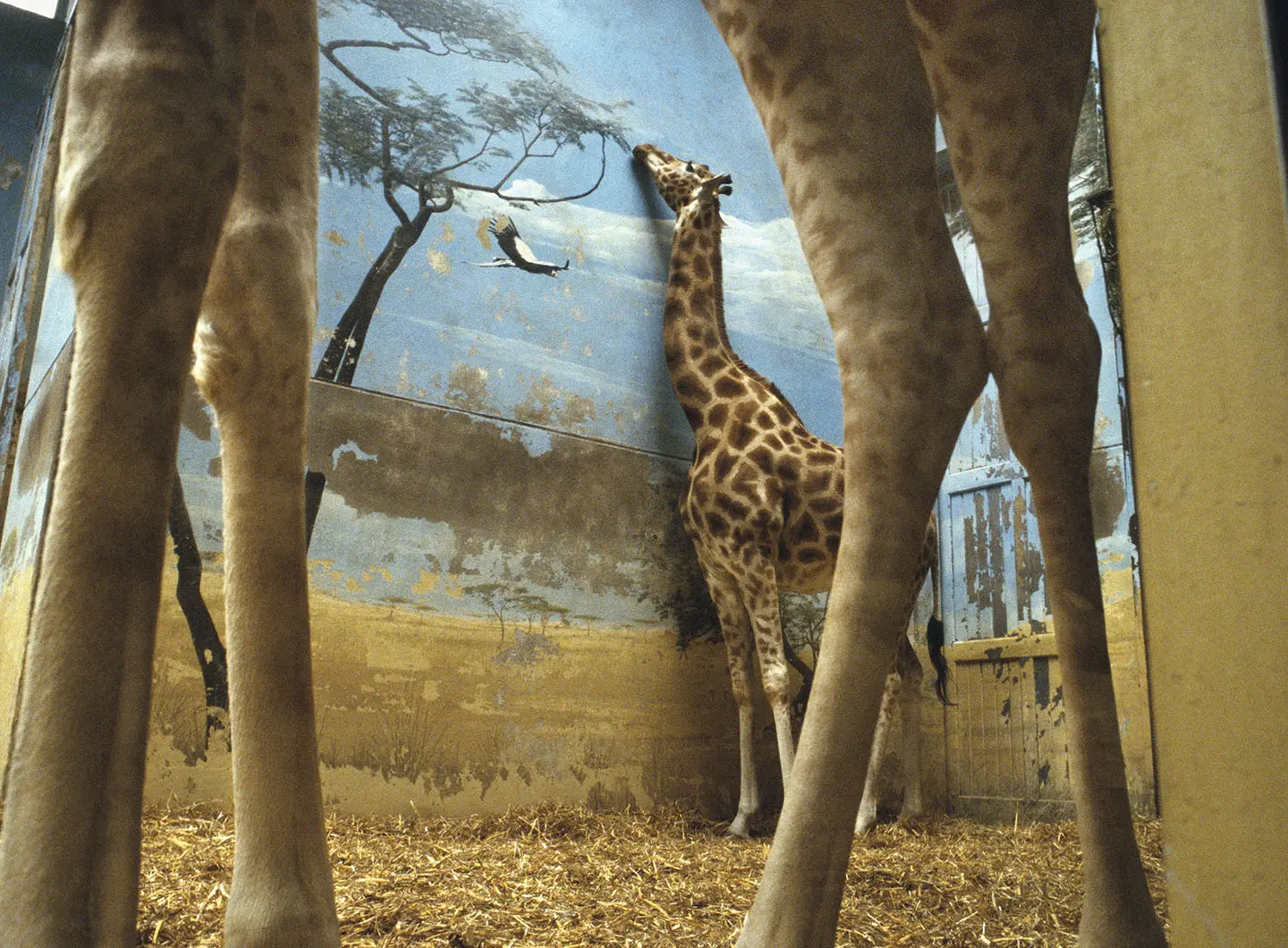
Giraffes, Paris, 2002 By Rebecca Norris Webb
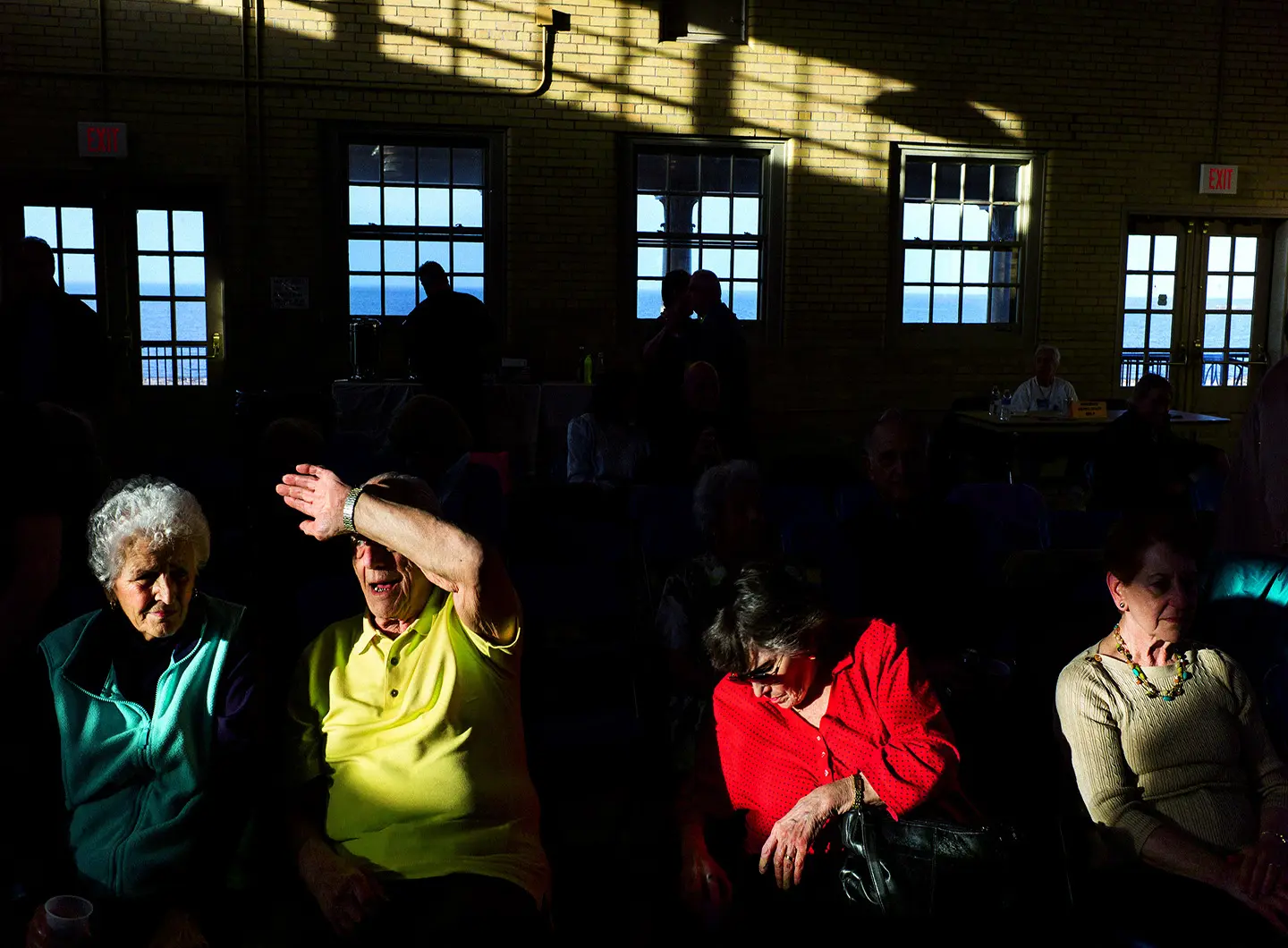
Rochester NY, 2013 By Alex Webb

Rearview Mirror, South Dakota, 2009 By Rebecca Norris Webb
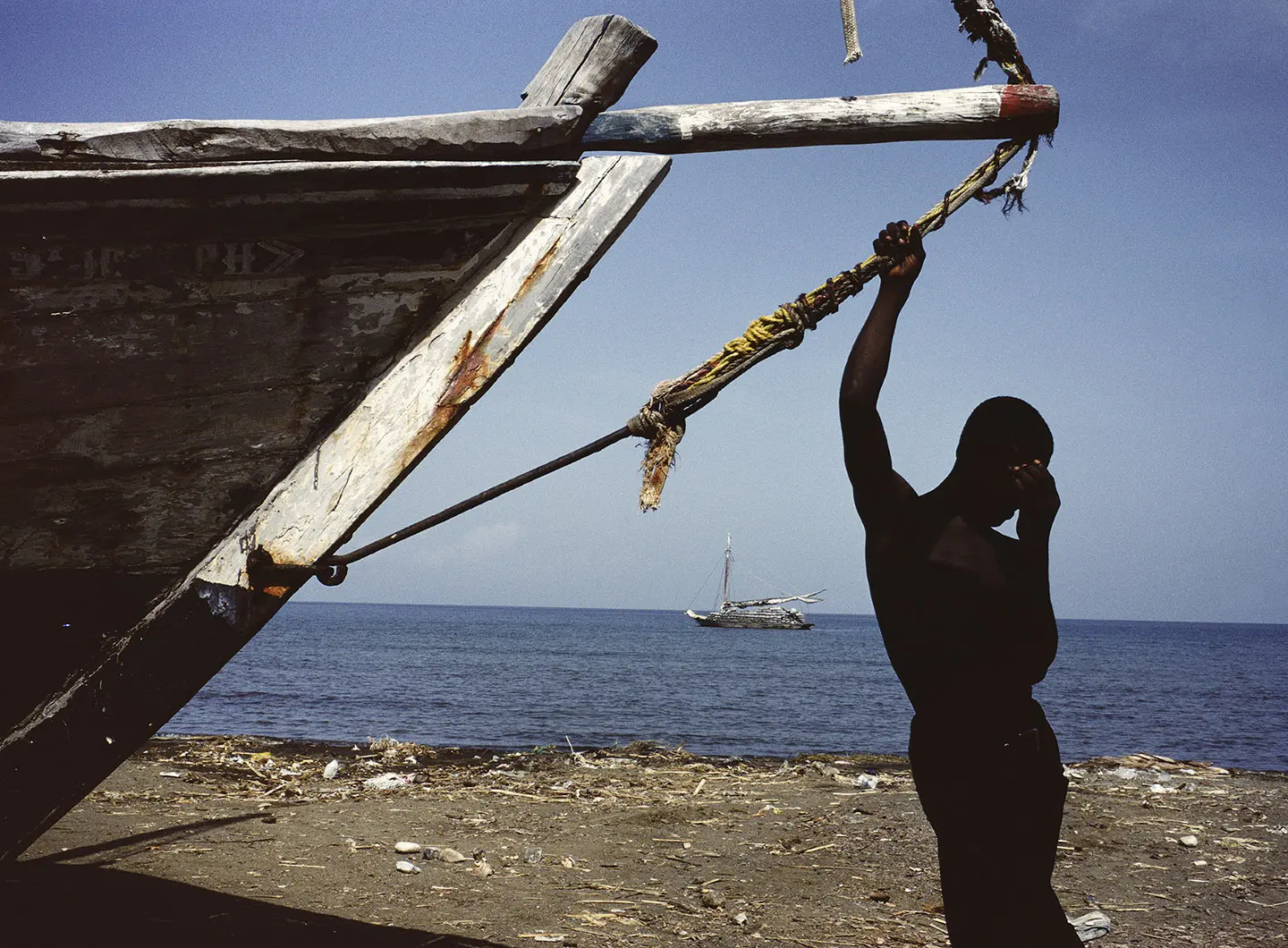
Leogane Haiti, 2000 By Alex Webb
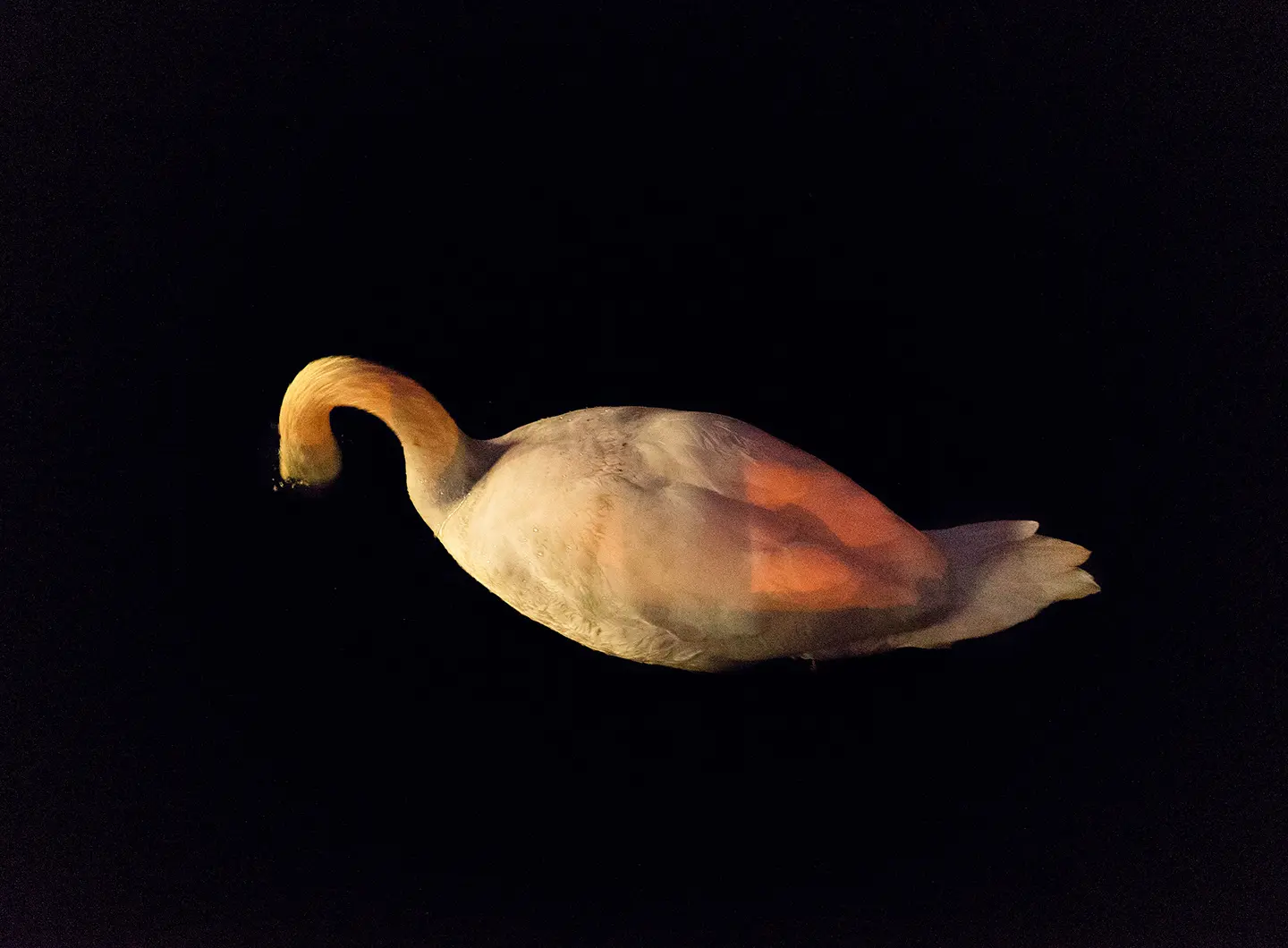
Mute Swan, Brooklyn NY, 2016 By Rebecca Norris Webb
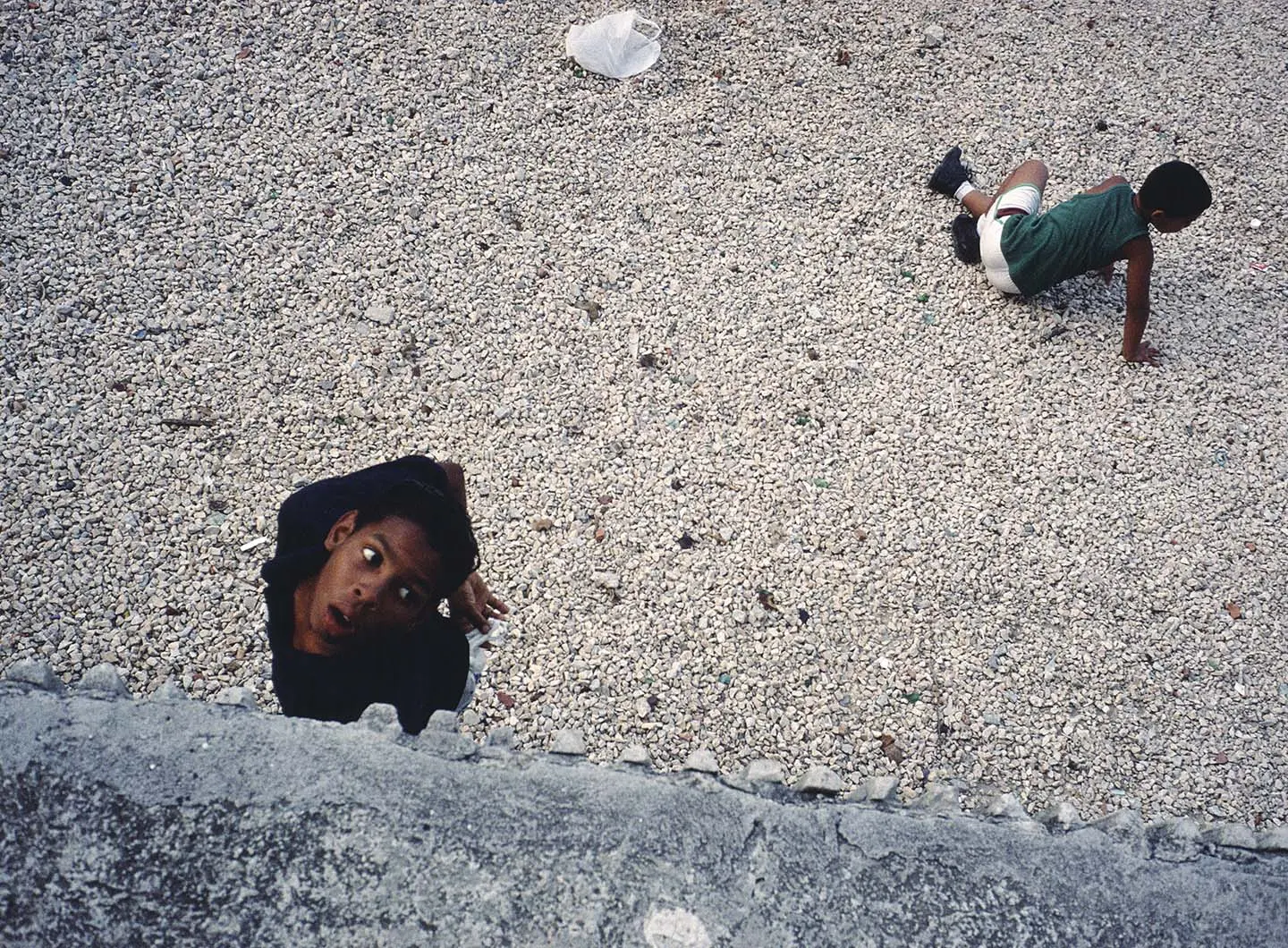
Havana Cuba, 2001 By Alex Webb