

 Salone Selection


China accounts for 72% of the Asia-Pacific contract market potential
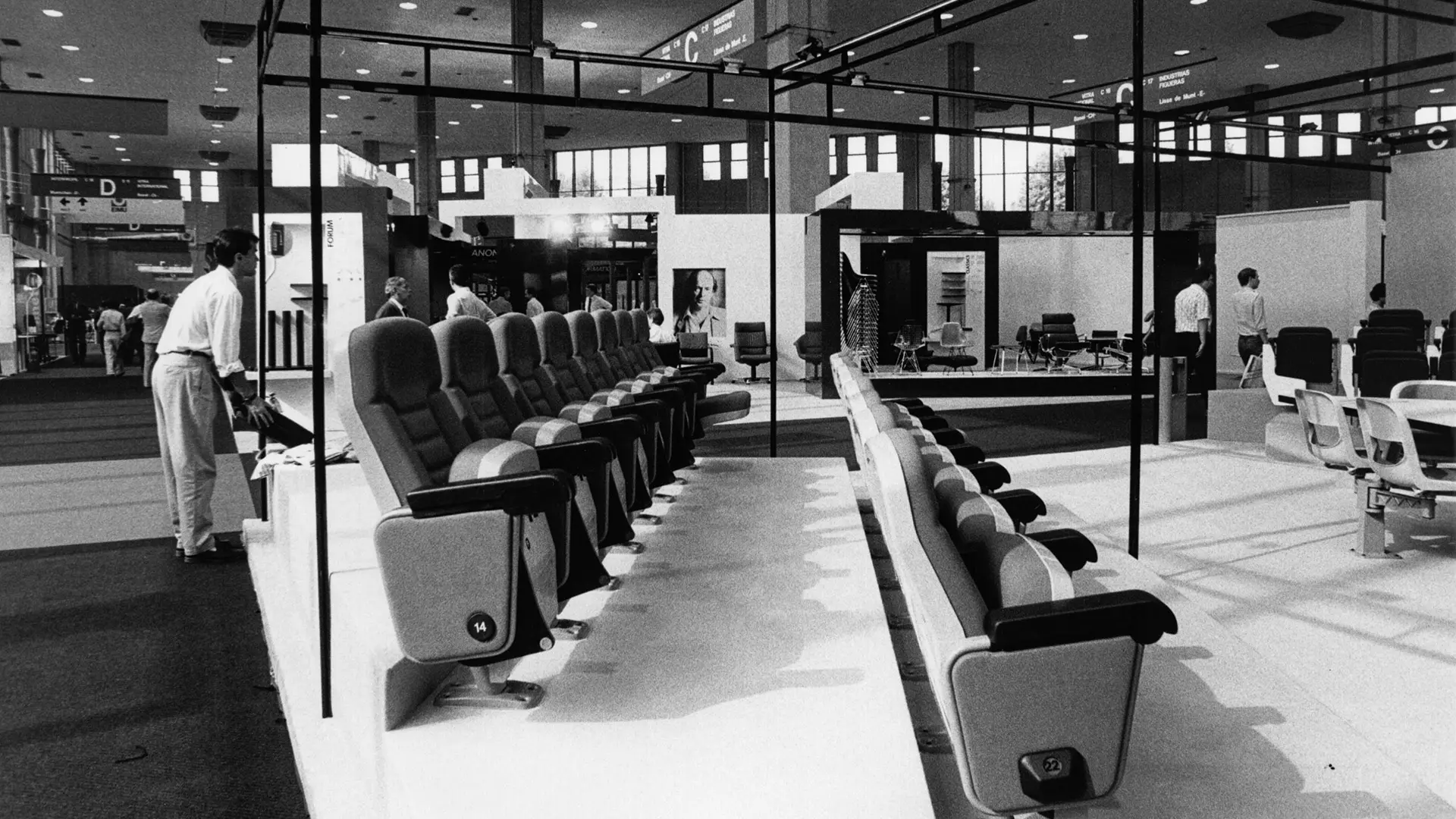
Fiera campionaria di Milano 1987
In Milan, in the spaces of the Compasso d’Oro museum, an exhibition devoted to Italian industrial and creative history
From 21 March to 15 April 2026, the ADI Design Museum is hosting the exhibition “Fiera Milano: Driver of Made in Italy”, an immersive journey through over a century of Italian industrial and creative history.
Designed as a digital itinerary, the exhibition makes a selection of the Fondazione Fiera Milano’s Historical Archives accessible to the public, and is part of the calendar leading up to National Made in Italy Day, scheduled for 15 April. The project unfolds as a visual story built up with posters, photographs, placards and graphic materials, documenting Italy’s economic, industrial and cultural development. The itinerary ranges through the different eras, starting from the first Trade Show in 1920, when the Trade Fair quickly established itself as an international showcase for a changing Italy.
At the centre of the narrative emerges the role of the Fiera di Milano, which has always acted as a privileged meeting place between companies, innovation and society, capable not just of accompanying but often anticipating changes in the Italian production system.
The account is further supported by an archival heritage of extraordinary richness: over a linear kilometre of documents, more than 500,000 images, tens of thousands of volumes and catalogues, together with films, objects and graphic materials that record not only the Fair’s history, but also that of the companies, workers and visitors who have enlivened its spaces over the years.
Read also: Fondazione Fiera Milano and its precious archive
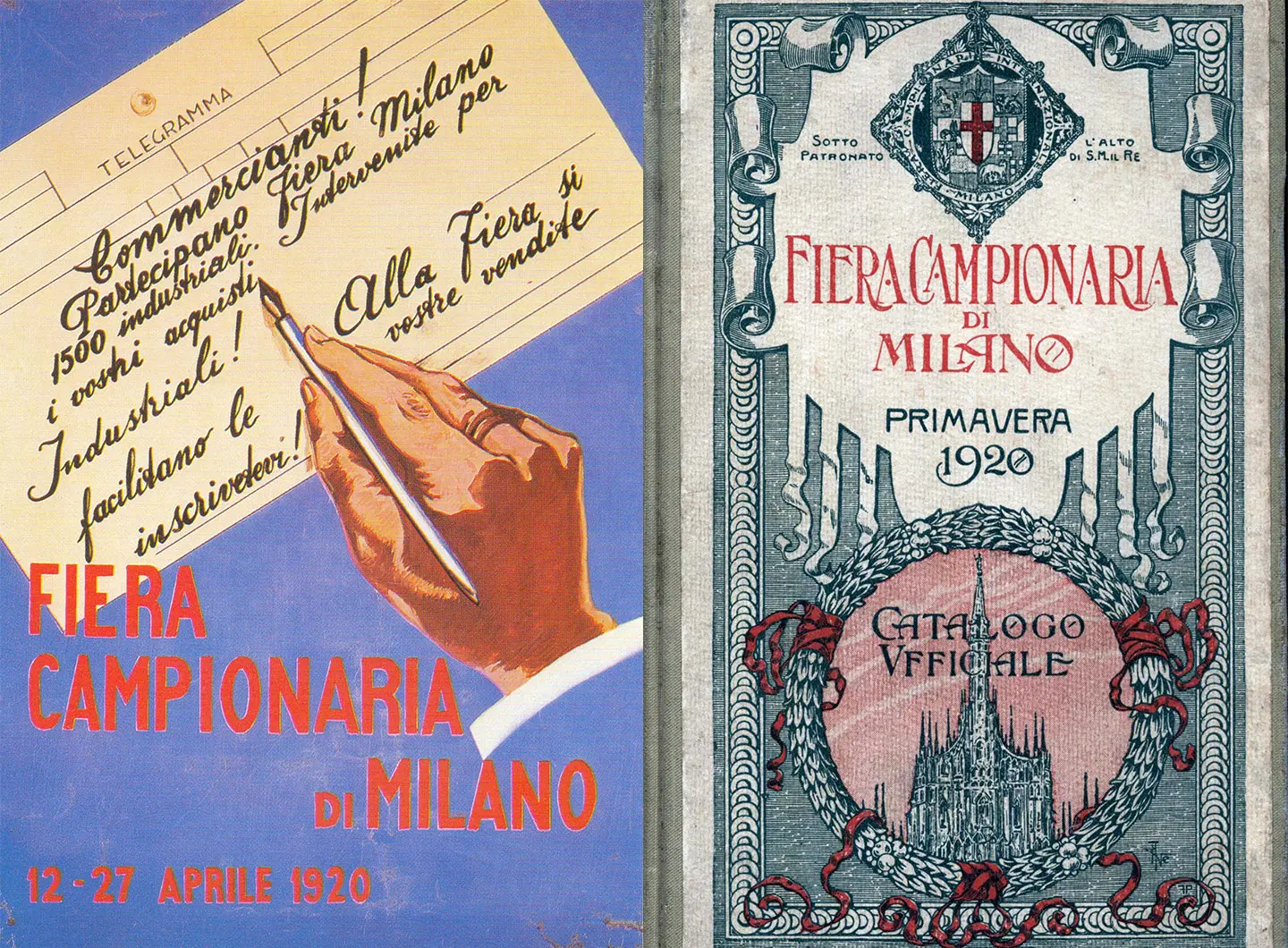
Manifesto and catalogue of Fiera Campionaria di Milano, 1920
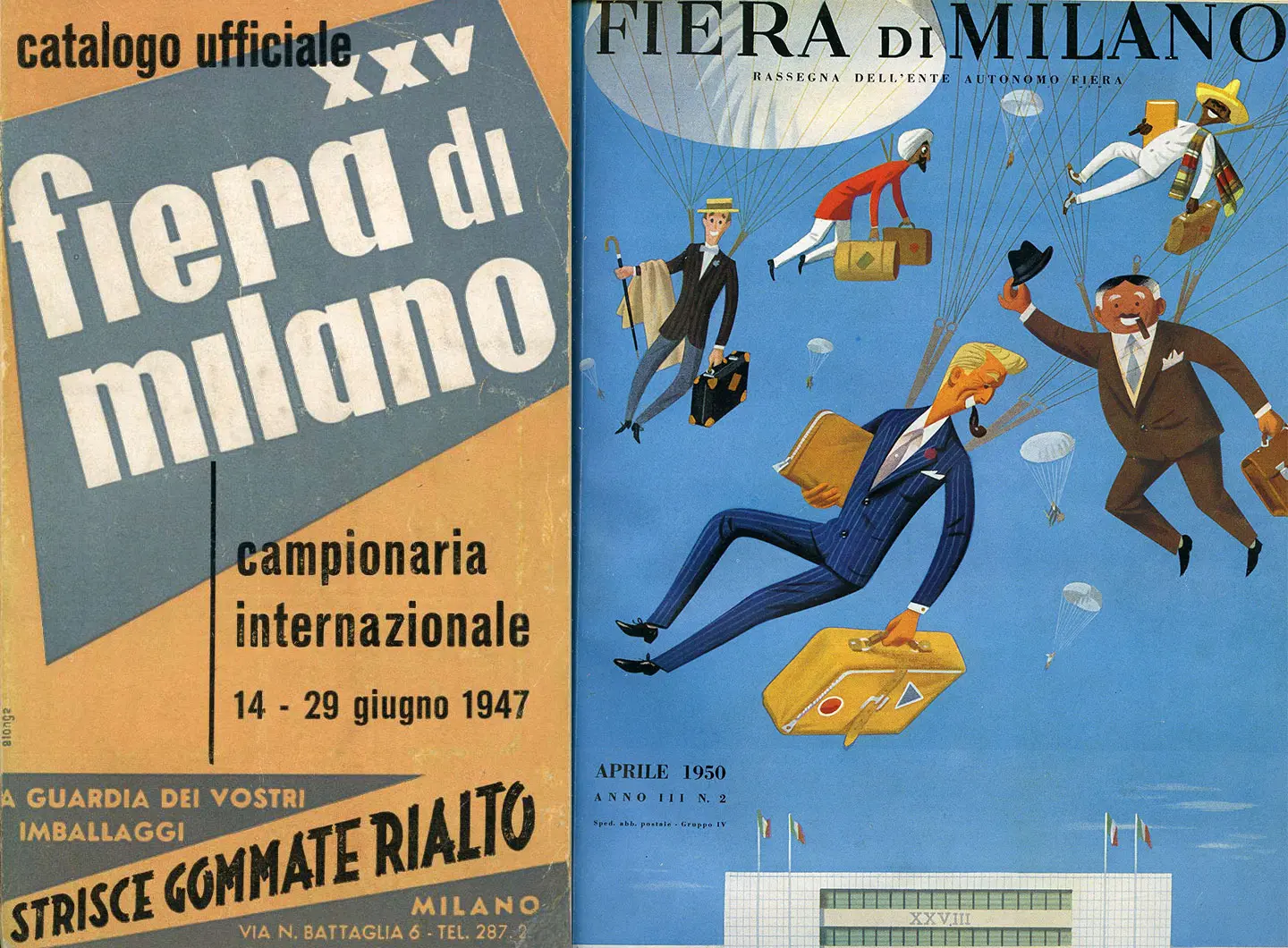
Catalogue of Fiera Campionaria di Milano 1947, Rassegna dell'ente autonomo Fiera di Milano 1950
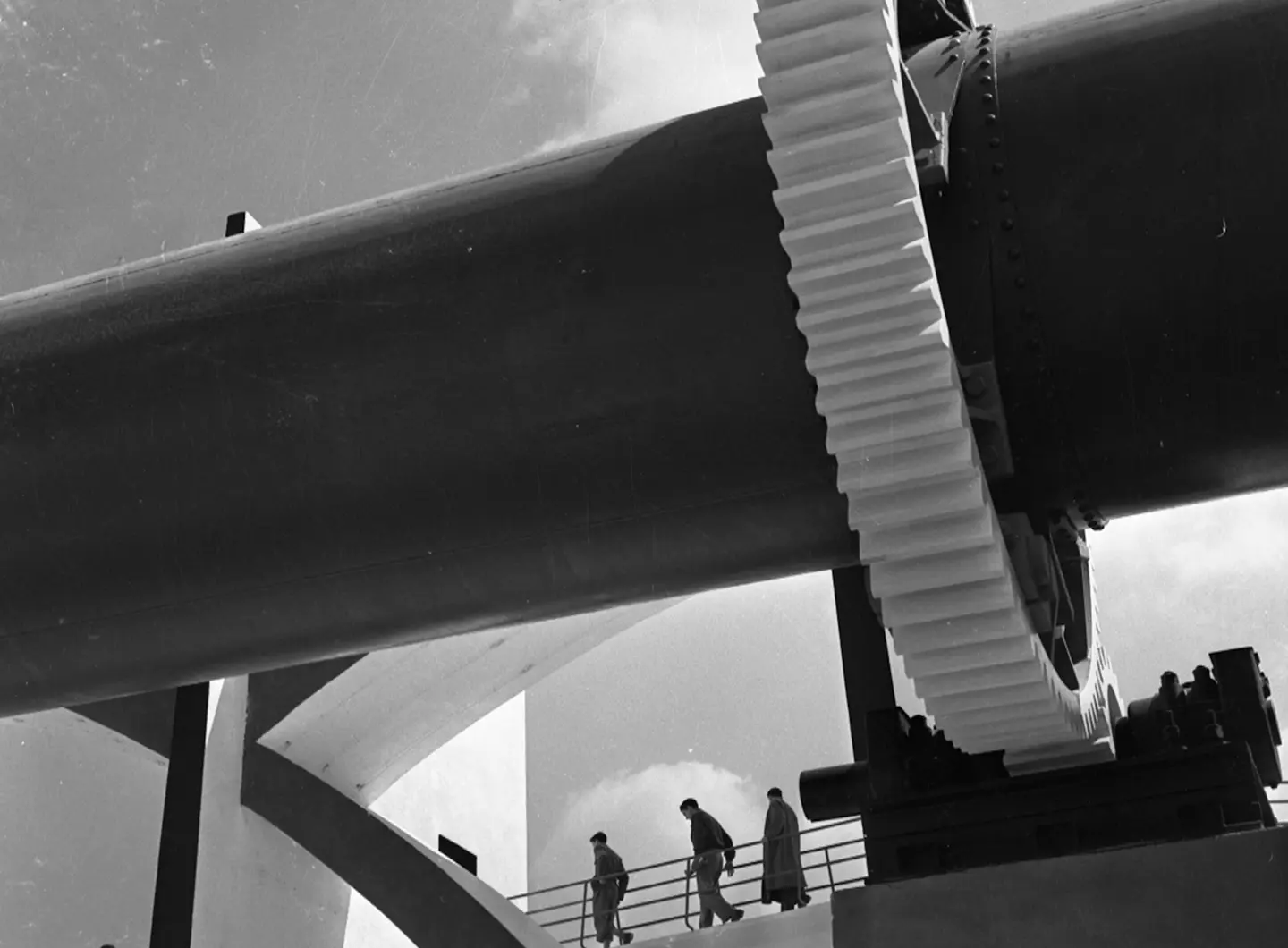
Fiera Campionaria di Milano 1951
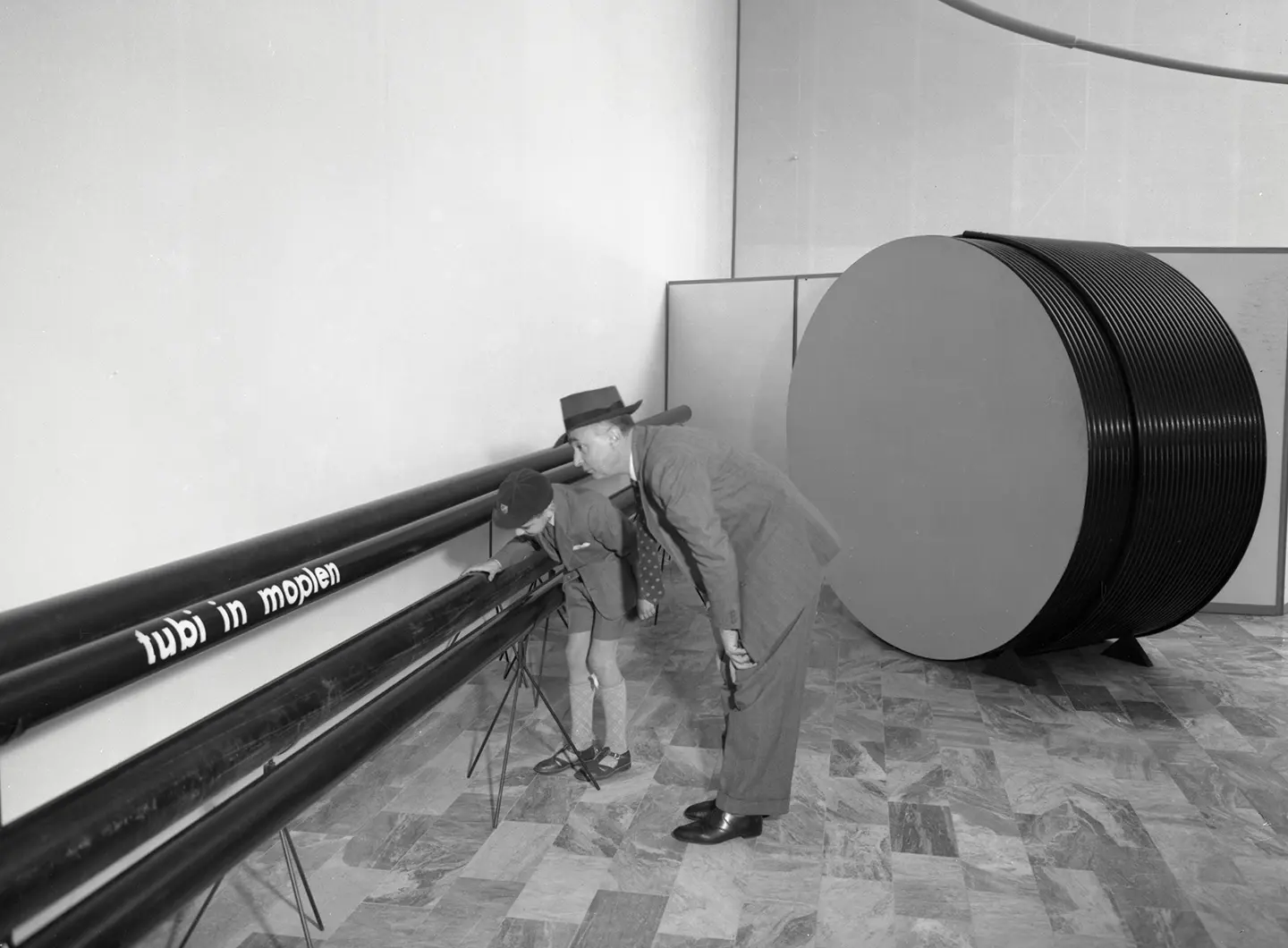
Moplen, Fiera Campionaria di Milano 1957
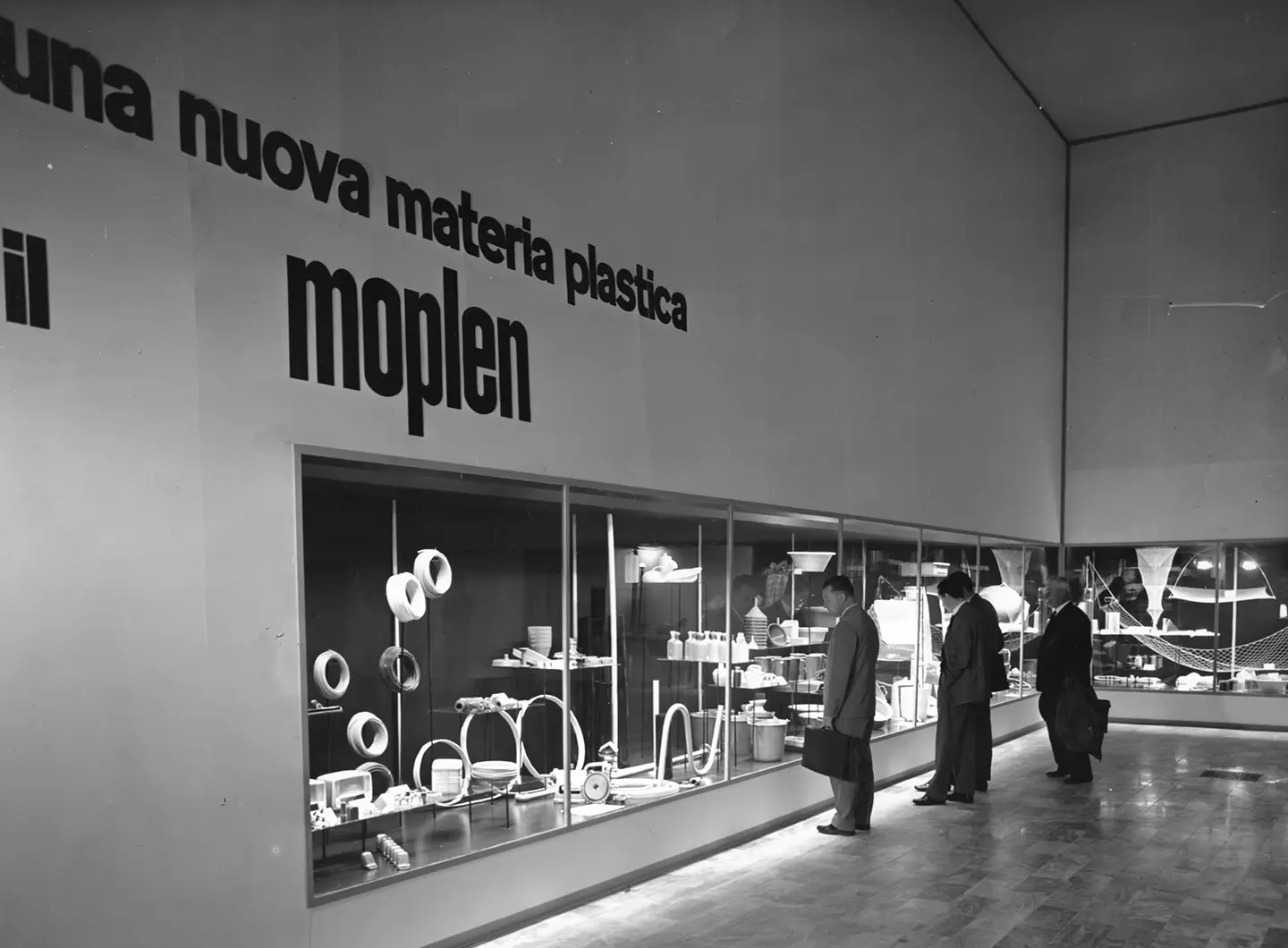
Moplen, Fiera Campionaria di Milano 1957
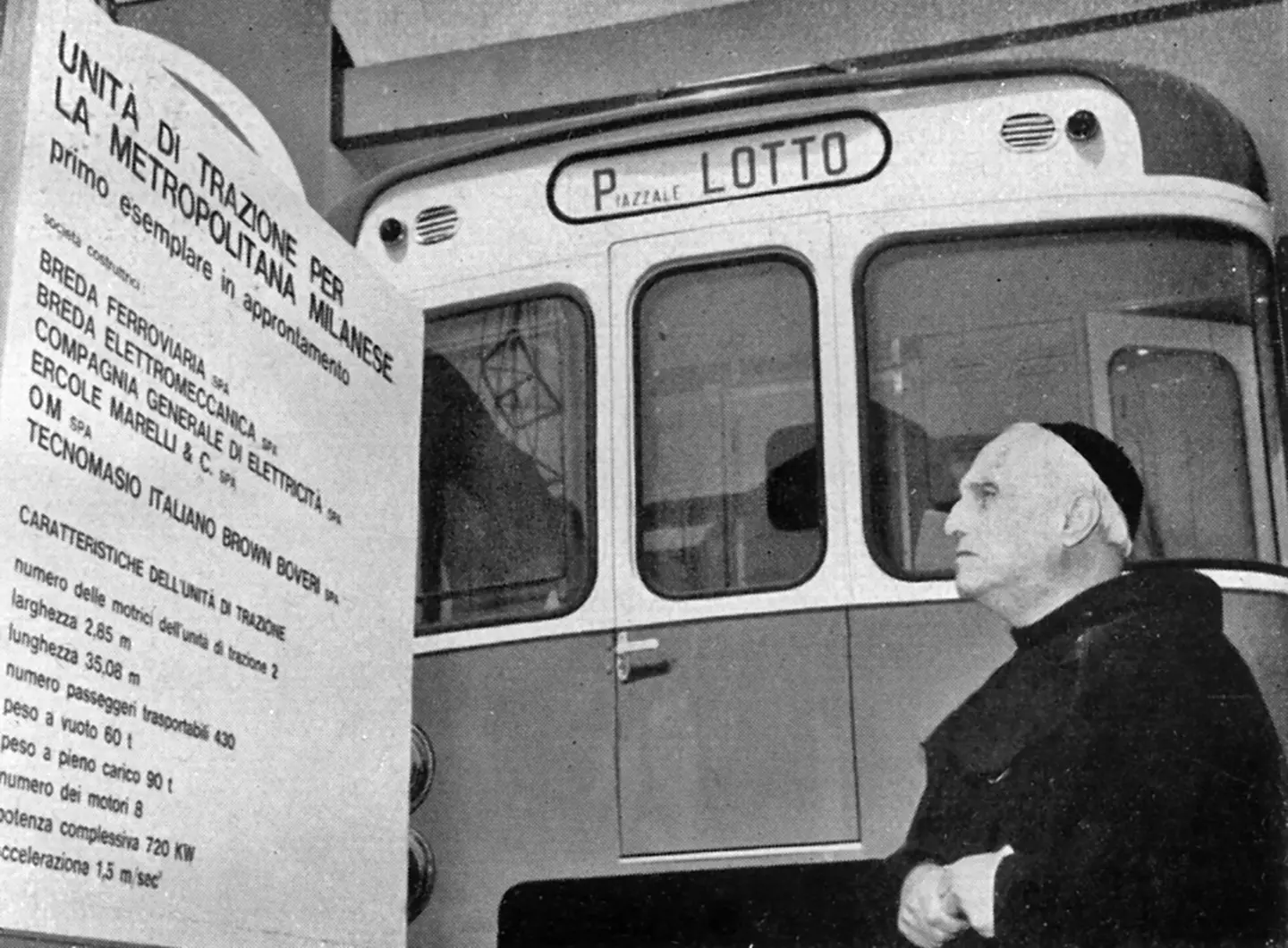
Padre Adler visiting Fiera Campionaria di Milano 1962
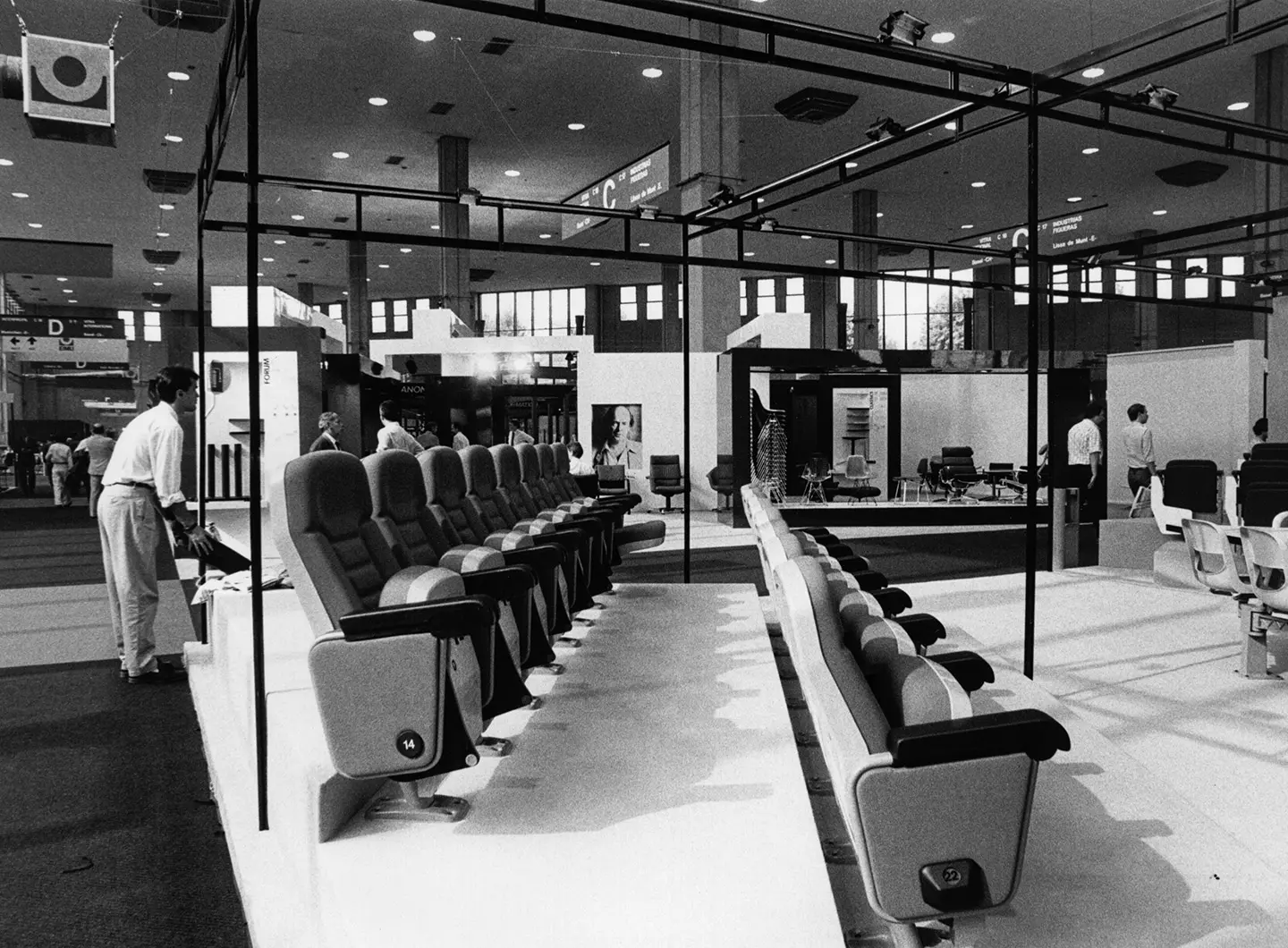
Fiera Campionaria di Milano 1987
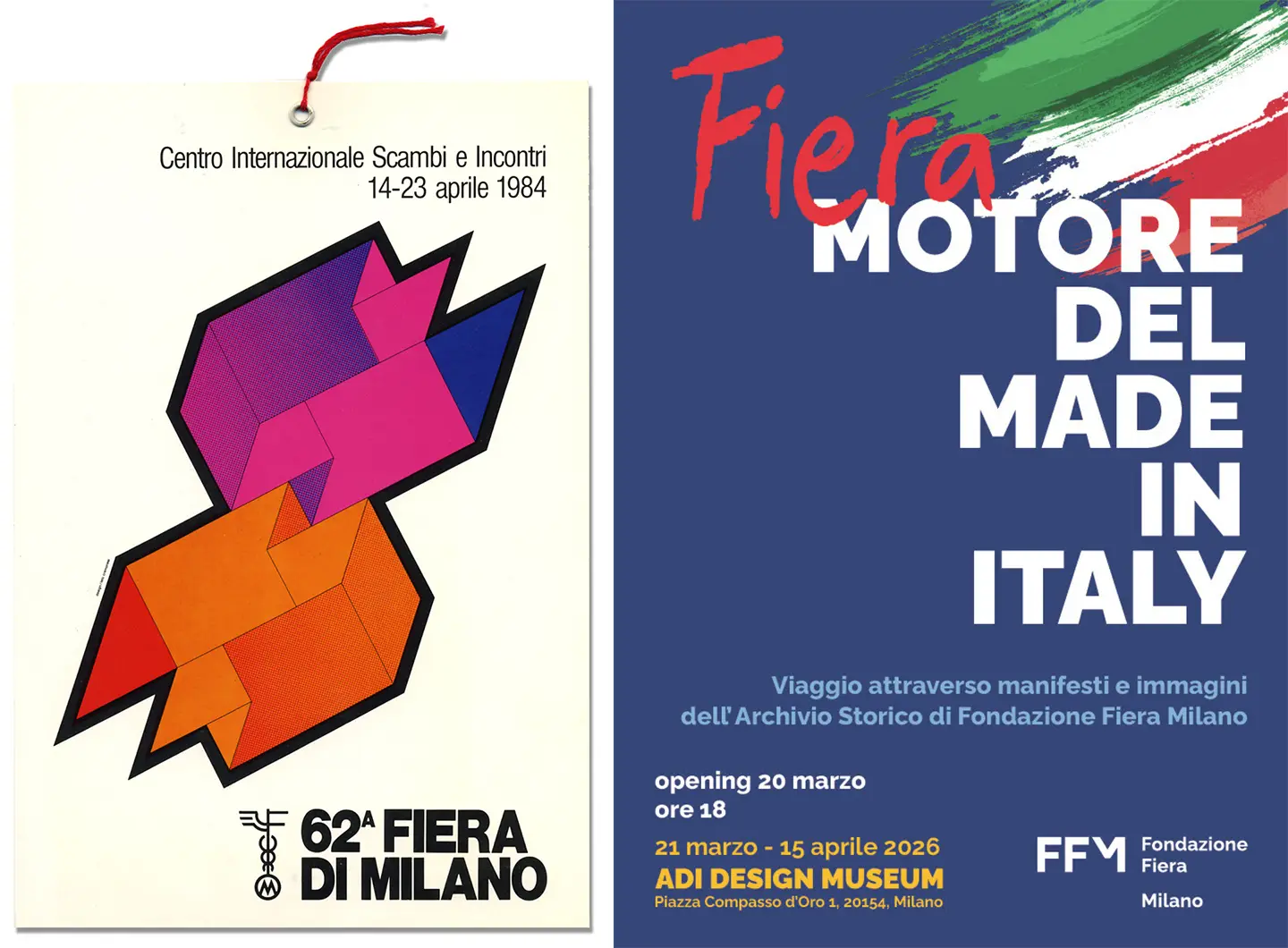
Manifesto Fiera Campionaria di Milano 1984, Opening Fiera Motore del Made in Italy 2026
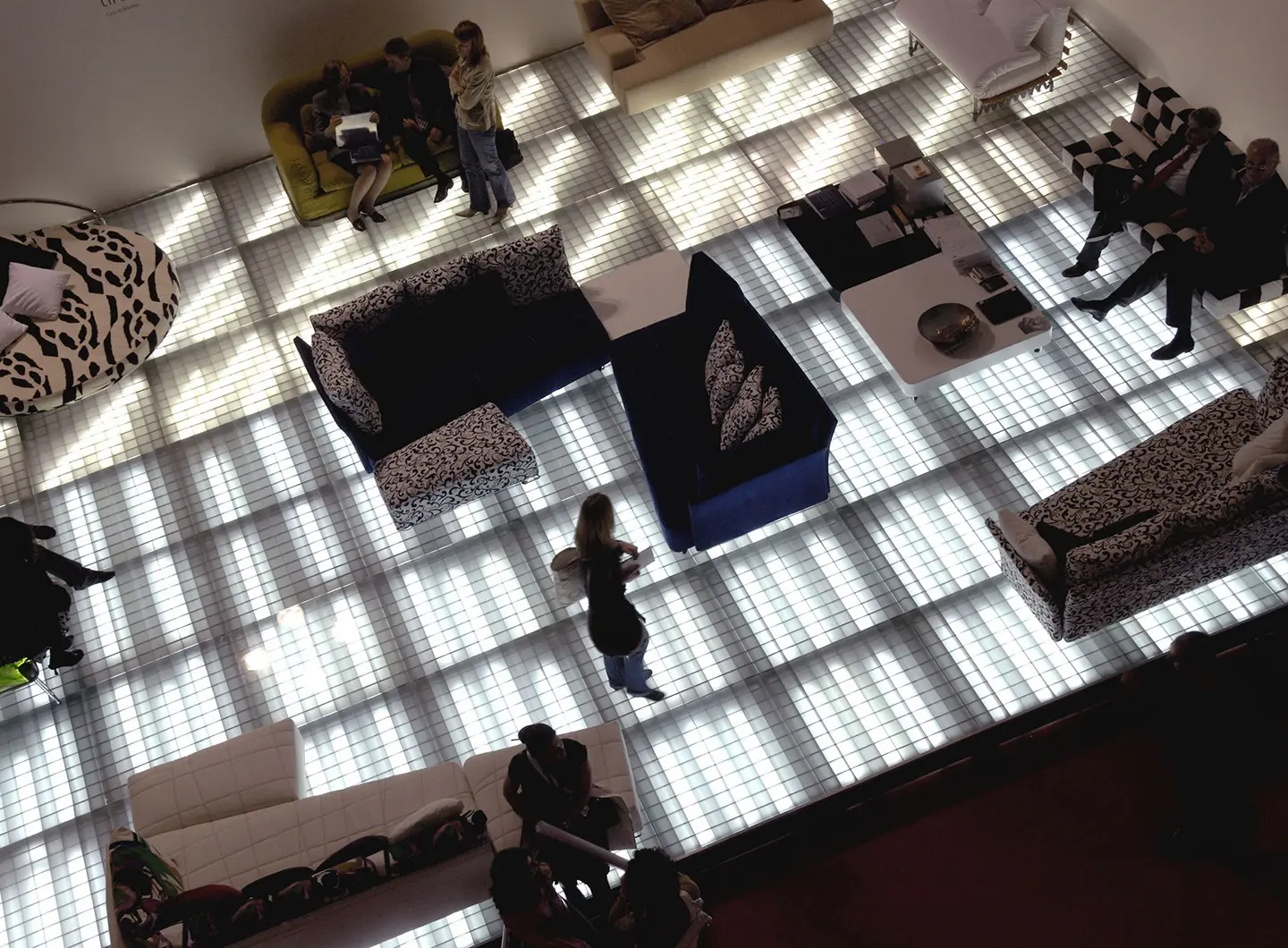
Salone del Mobile 2007


If the 1930s restored the enthusiasm for progress, between industrial settings and the early prototypes of cars, the post-war period was a phase of rebirth. The season at La Scala Opera House hosted in 1946 in the exhibition spaces, after the damage caused by the air raids, was emblematic. With the boom years in the 1950s and ’60s, the Trade Fair became a showplace for Italian modernity, with household appliances, new materials, television and innovative urban projects.
There are scores of icons that have marked the collective imagination and Italy’s industrial development, such as the Fiat Balilla and Moplen, the polypropylene destined to revolutionise the production of everyday objects.
The choice of the premises of the Compasso d'Oro museum underscores the close ties between the history of Milan’s trade fair and the excellence of national design and industry. The goal is to present a vivid cross-section of Made in Italy, enabling the public to understand the present through the past.
25 March 2026
Share