


 Salone Selection

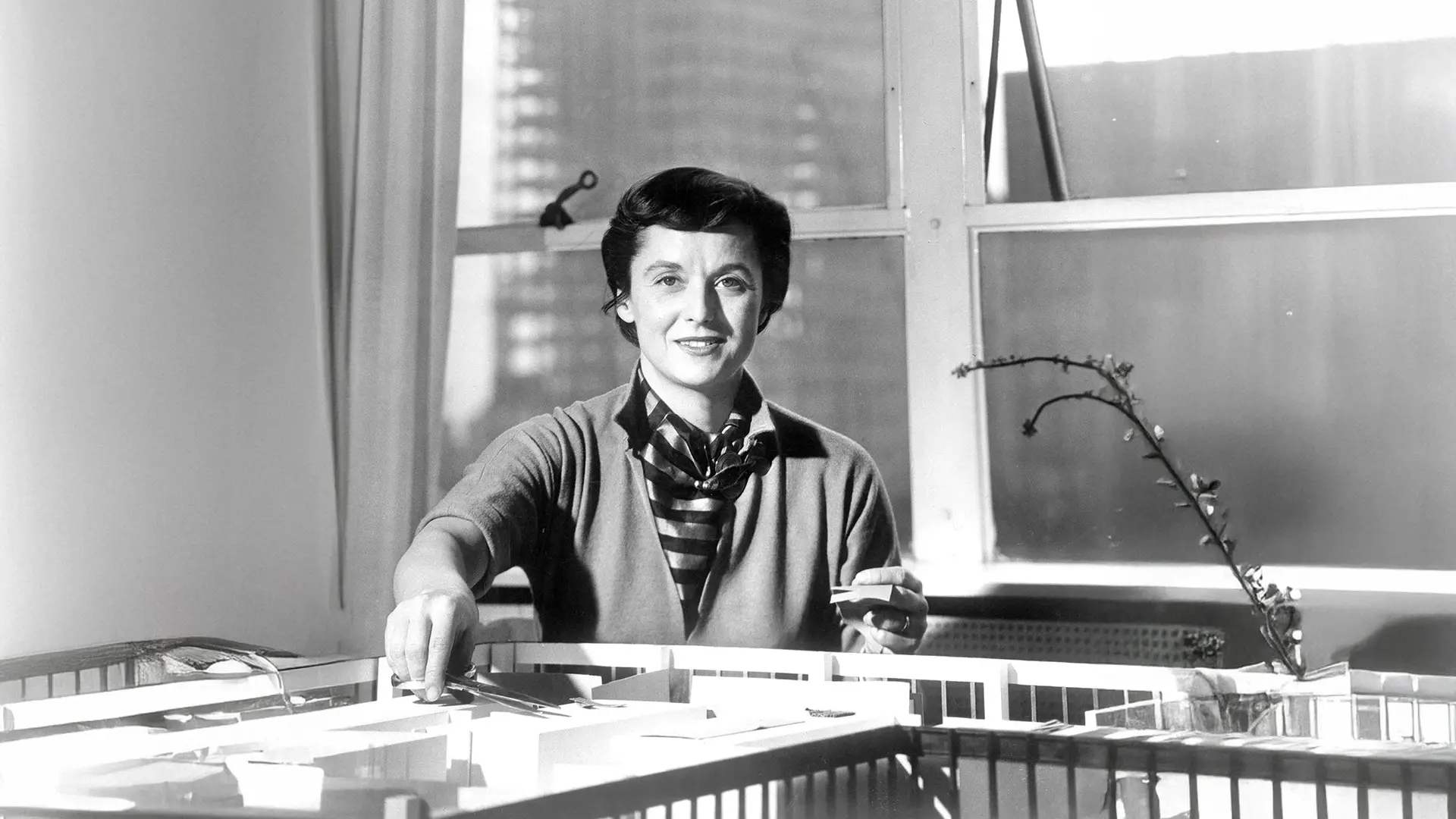
The Planning Unit, the collective catalogue of Mies, Saarinen and Bertoia and “meat and potatoes” furniture: how Florence Knoll invented the modern office whilst opting to stay out of the limelight.
ABITO: an exhibition in which fashion and design explore the transformation of society and the concept of living
Abito, Progetto e Curatela: Palomba Serafini Associati, Salone del Mobile.Milano 2026, ©Palomba Serafini e Associati
At Salone del Mobile.Milano, the exhibition organised by the Ministry of Foreign Affairs and curated by Palomba Serafini Associati explores the dialogue between permanence and transience to reflect on the changes in contemporary society
At the Salone del Mobile.Milano, design also serves as a way of interpreting the times. It is within this context that ABITO – an exhibition organised by the Ministry of Foreign Affairs and International Cooperation and curated by Palomba Serafini Associati – is taking place, interweaving fashion and design to illustrate, through objects and garments, how society is changing and, with it, the way we live and inhabit our spaces.
Taking part in the Salone del Mobile.Milano forms part of an ongoing dialogue between the Ministry of Foreign Affairs and the Salone, a progression that looks beyond national borders and recognises this platform as a hub for the dissemination of Italian design culture. From this perspective, the exhibition does not end at the Milan fairgrounds, but marks the beginning of a journey: a route that will take in Italy’s diplomatic and cultural network – Embassies, Consulates and Italian Cultural Institutes – taking the values, forms, gestures and visions of Italian design out into the world.
The title already contains a subtle tension: ‘abito’ meaning that which is worn, but also meaning a way of inhabiting the world. This ambivalence gives rise to a journey spanning the twentieth century to the present day, finding in the body and in space two surfaces upon which to tell a story. At its heart lies the evolution of the role of women, who, through changing clothing, evidence a deeper transformation: the conquest of movement, of public space, and of a new standing in the world. In parallel, domestic objects and environments are also transformed, adapting to new gestures, new freedoms and new ways of life.
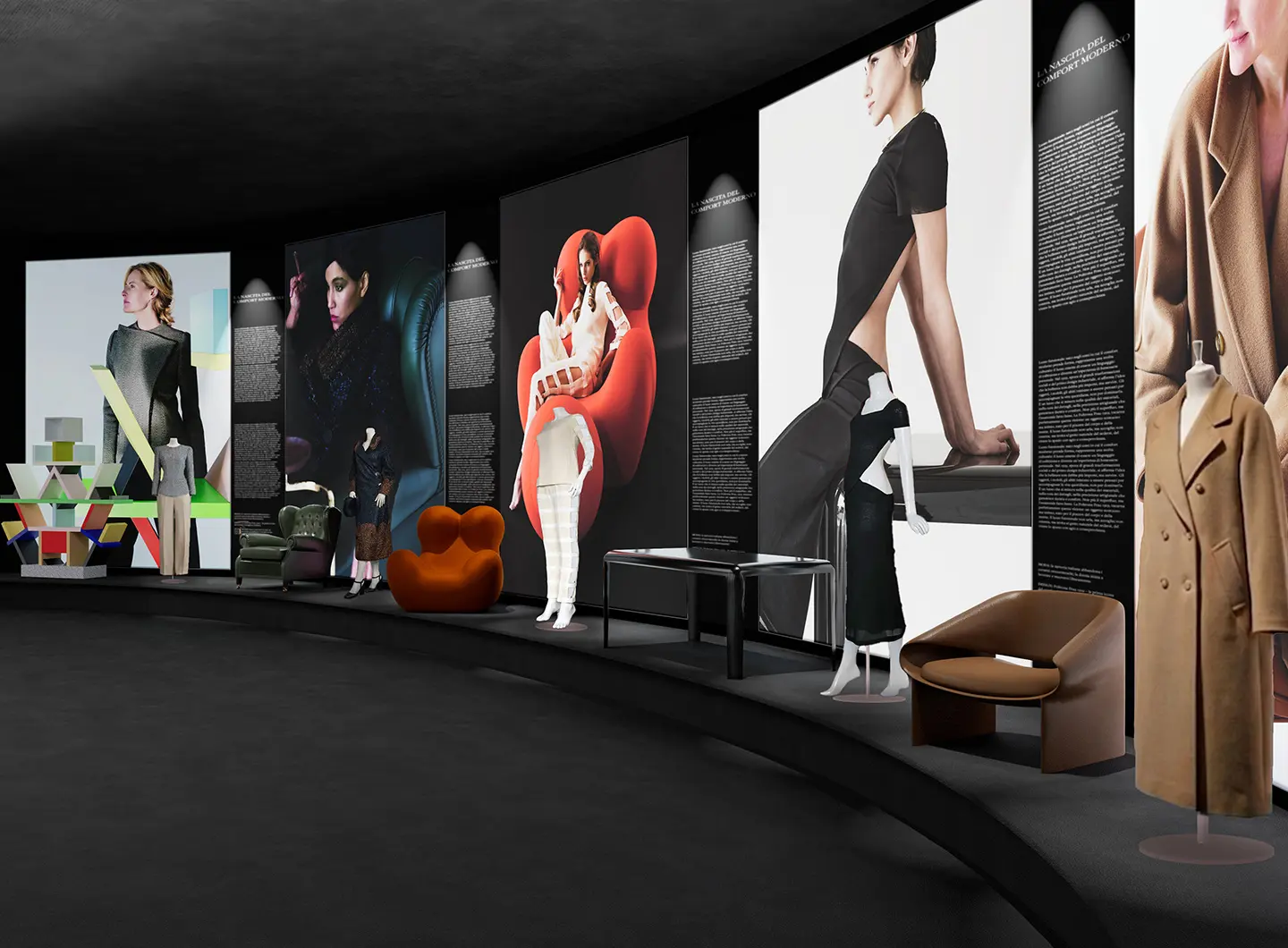
Abito Salone del Mobile.Milano 2026, Set Up Mostra, Render, ©Palomba Serafini e Associati

Abito Salone del Mobile.Milano 2026, Mostra Abito, Moda Laura Aponte 1967, Design Up, Gaetano Pesce, B&B Italia, 1969 Photo Roberto Palomba, ©Palomba Serafini e Associati
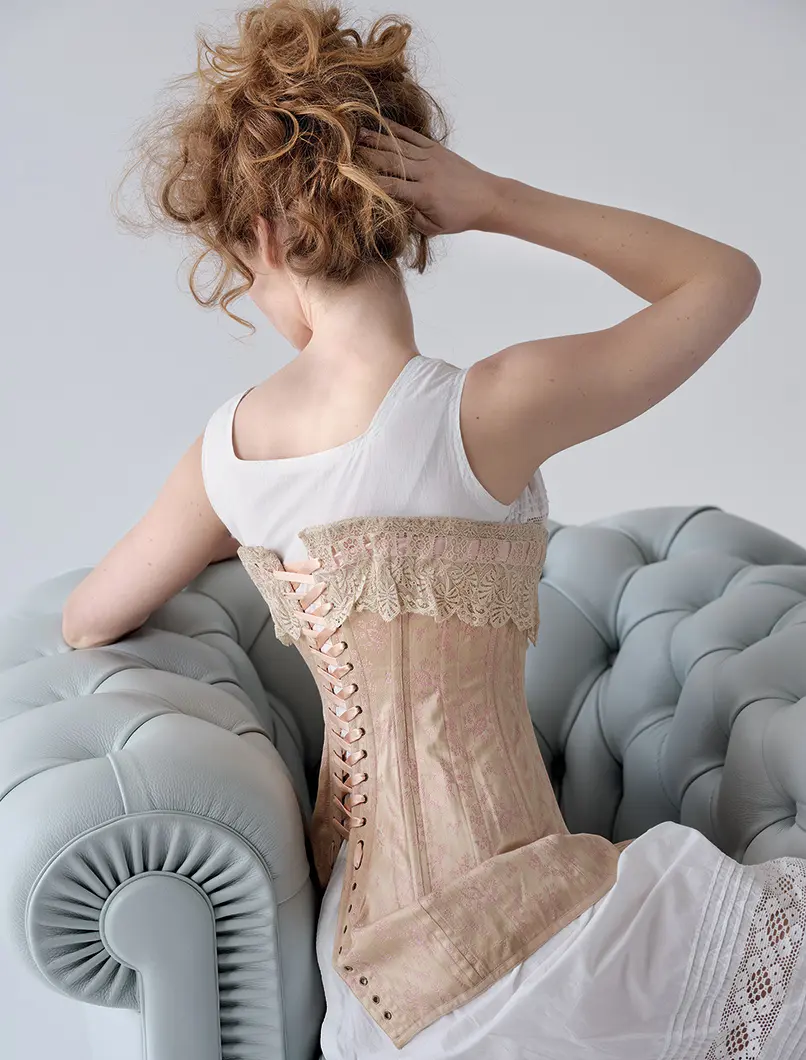
Abito Salone del Mobile.Milano 2026, Mostra Abito, Moda Anonimo 1905 Circa, Design Chester Poltrona Frau Renzo Frau 1912, Photo Roberto Palomba, ©Palomba Serafini e Associati

Abito, Salone del Mobile.Milano 2026, Mostra Abito, Moda Gucci Ss1997 Design Ferro Tavolo, Porro, Piero Lissoni, 1994 Photo Roberto Palomba, ©Palomba Serafini e Associati
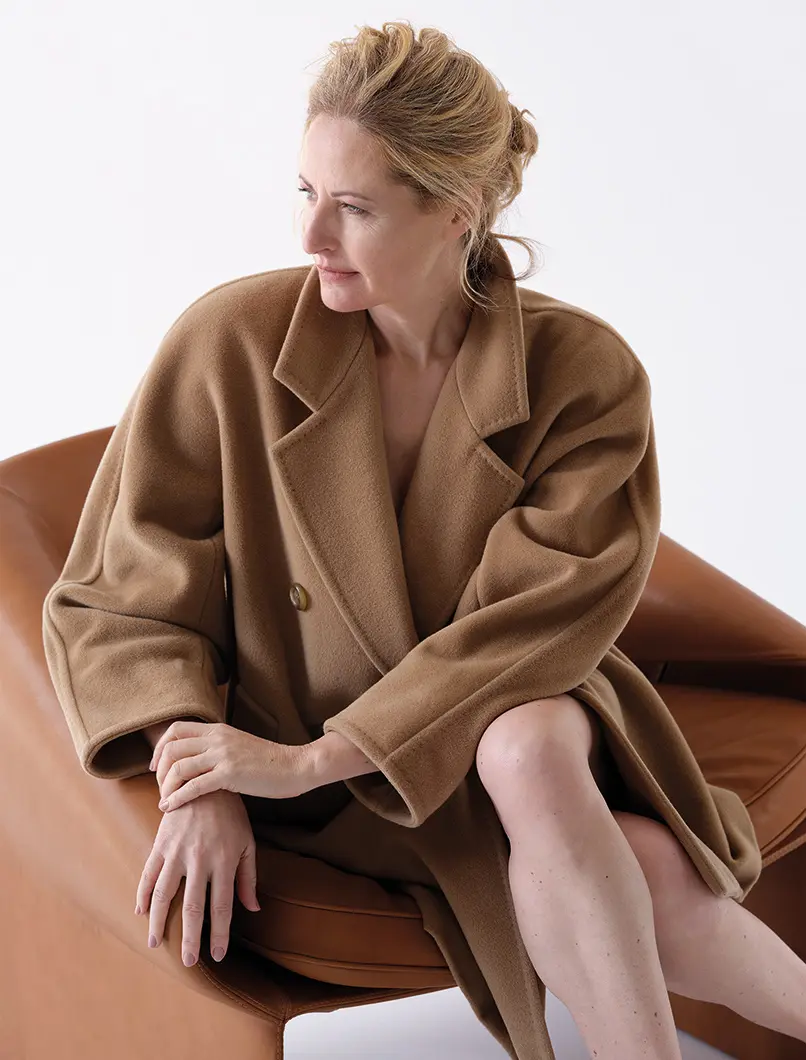
Abito, Salone del Mobile.Milano 2026, Mostra Abito Moda Max Mara Design Talenti Grace By Palomba Serafini Associati, Photo Roberto Palomba, ©Palomba Serafini e Associati
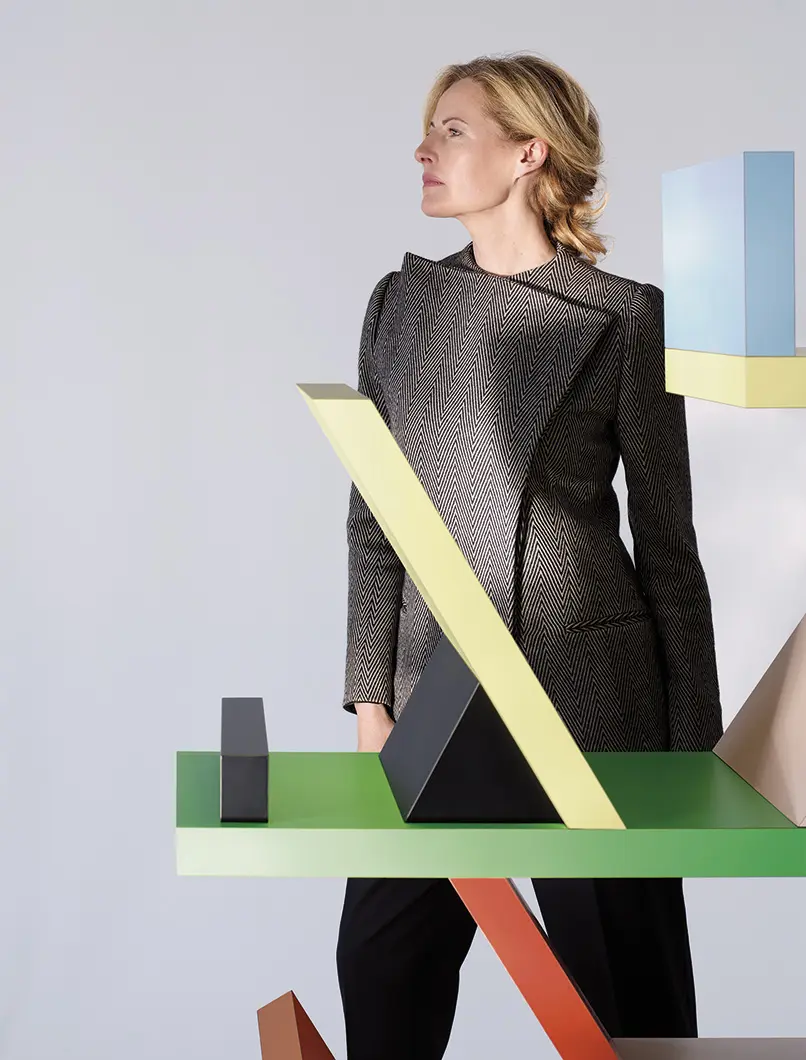
Abito, Salone del Mobile.Milano 2026, Mostra Abito, Moda Giorgio Armani Armani Fw1980, Design Carlton Memphis E Sottsass 1981, ©Palomba Serafini e Associati


The exhibition is organised by historical period, creating an ongoing dialogue between clothing and design objects. The garments, drawn from the Quinto Tinarelli Collection, span over a century of history and bear the tangible marks of time; alongside them, Made in Italy furnishing and objects still in production demonstrate the ability of design to endure and transcend eras without losing its meaning. Linking these different layers, a series of photographs creates a visual backdrop that amplifies the narrative and makes the transition between the different seasons of collective life tangible.
The curators Ludovica Serafini and Roberto Palomba had this to say: “Made in Italy design objects still in production that trace the evolutionary path of Italian design are contrasted with garments which, unlike design, follow the seasonality of fashion. This is precisely why the garments on display take on the value of precious testaments to a specific historical and cultural period. A way of preserving the collective memory of these objects, which remain important expressions of Italian culture and creativity”.
This contrast fuels a fruitful tension: on one hand, the permanence of design; on the other, the ephemeral nature of fashion. It is precisely in this distance that the meaning of the exhibition lies - every garment becomes a living trace of a specific time and every object measures design’s capacity to withstand the test of time, offering the visitor not merely a sequence of forms, but a genuine experience of Italy’s cultural transformation.

ABITO, Salone del Mobile.Milano 2026, curated by da Palomba Serafini Associati

ABITO, Salone del Mobile.Milano 2026, curated by da Palomba Serafini Associati

ABITO, Salone del Mobile.Milano 2026, curated by da Palomba Serafini Associati

ABITO, Salone del Mobile.Milano 2026, curated by da Palomba Serafini Associati

ABITO, Salone del Mobile.Milano 2026, curated by da Palomba Serafini Associati

ABITO, Salone del Mobile.Milano 2026, curated by da Palomba Serafini Associati
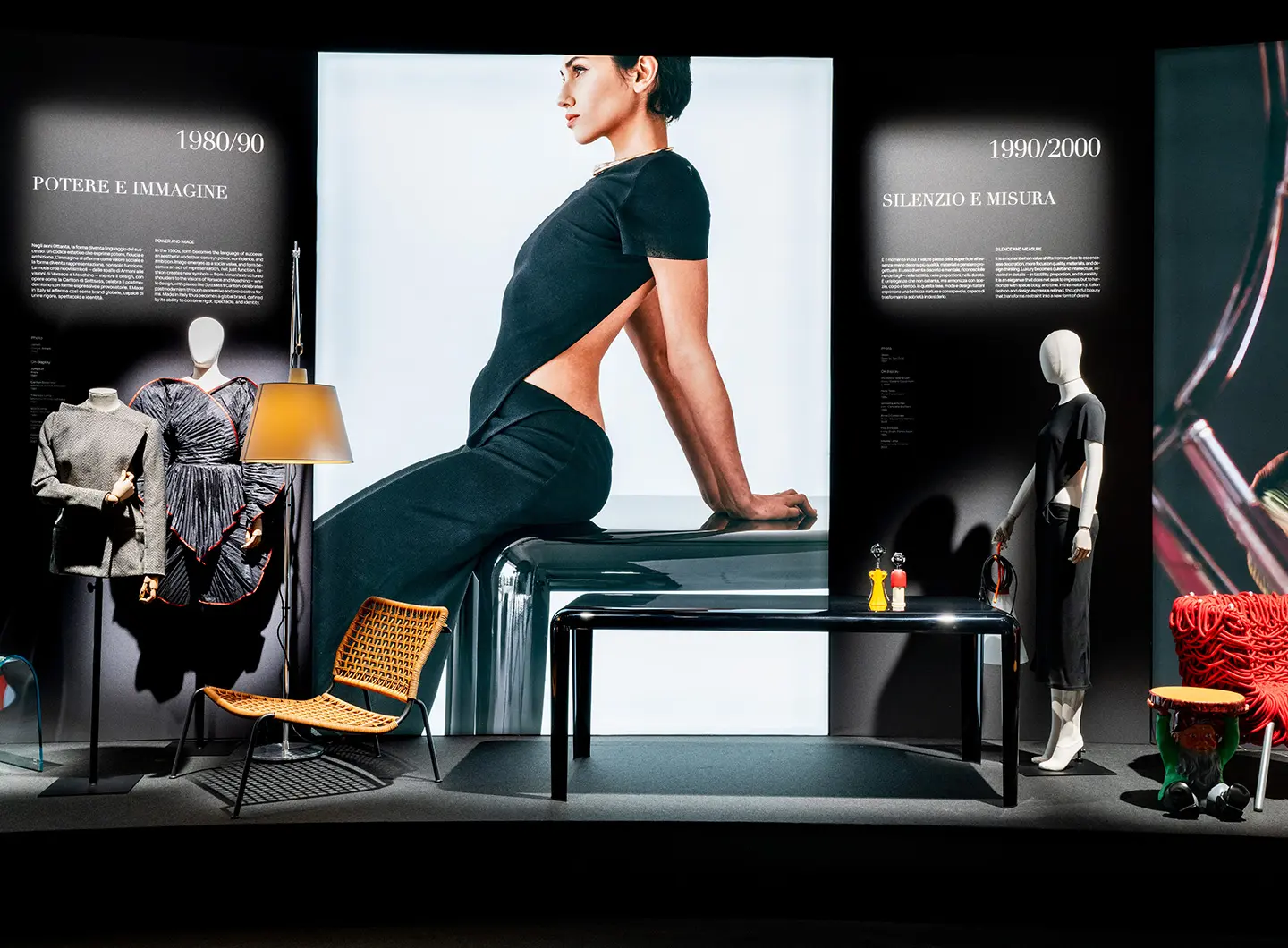
ABITO, Salone del Mobile.Milano 2026, curated by da Palomba Serafini Associati

ABITO, Salone del Mobile.Milano 2026, curated by da Palomba Serafini Associati
8 April 2026
Share




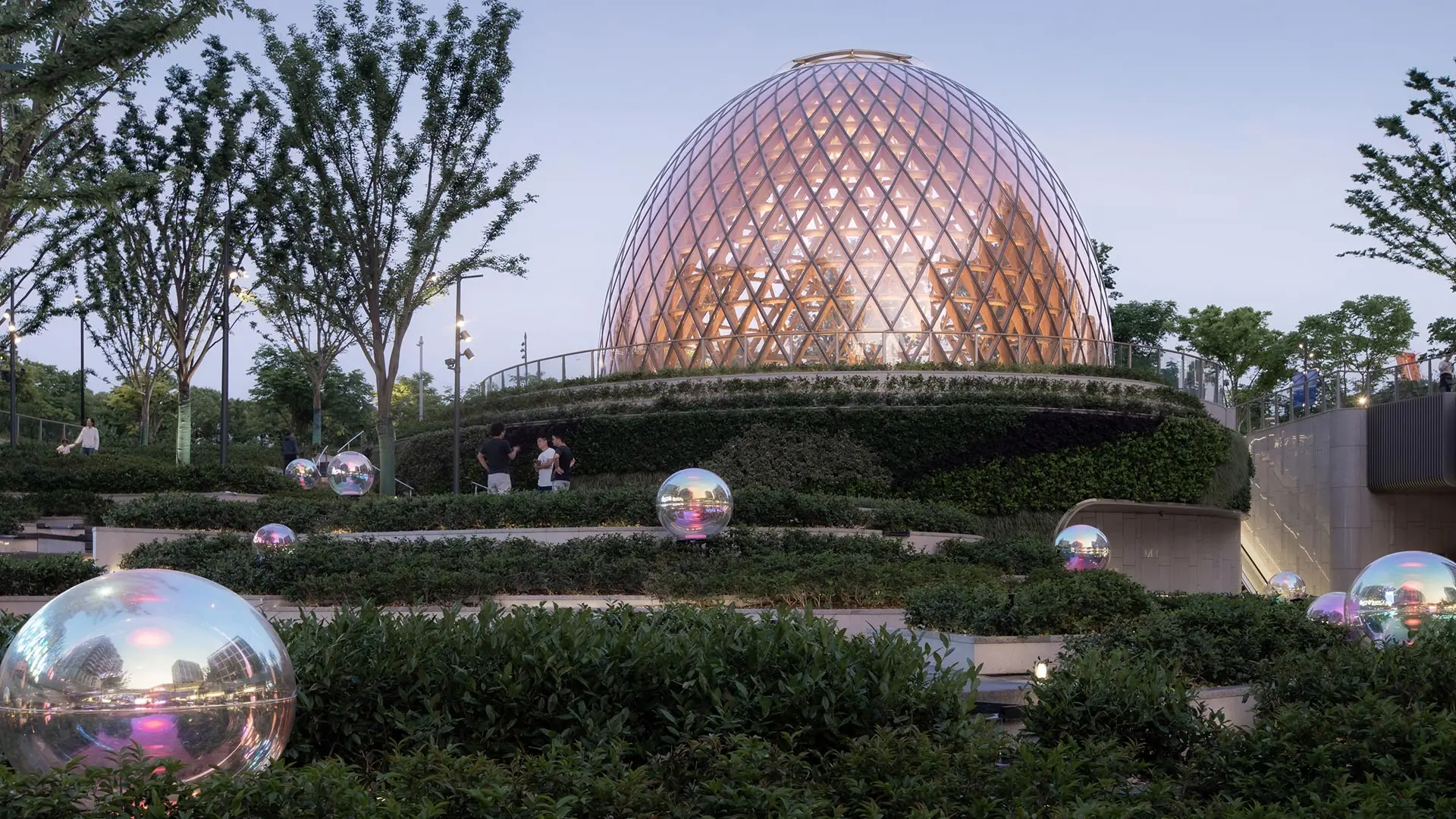
Shanghai World Financial Center, Oriental Pearl Tower and the city’s other iconic buildings
From Pudong's iconic skyscrapers and the Oriental Pearl Tower to first edition of the Salone Contract Tour, stop and the latest architectural landmarks along the Huangpu River: a journey into contemporary Shanghai


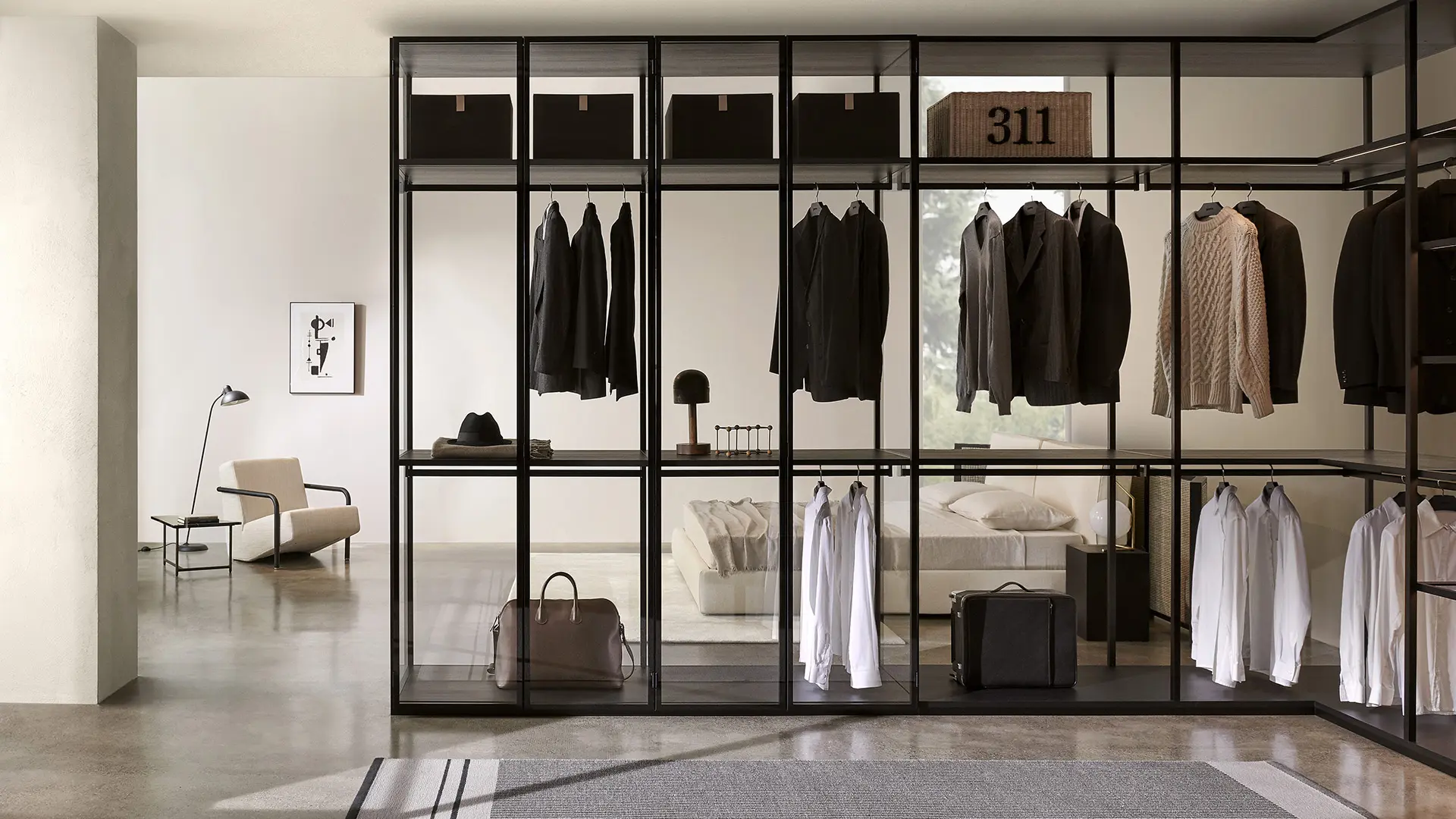
18 bedroom furnishing ideas
Bedrooms are the places where we are reborn each day, which is why they are deserving of particular attention. Our bodies are extraordinary machines, capable of regenerating themselves whilst we sleep, and our daily wellbeing depends, at least in part, on the quality of that sleep.
