

 Stories


Why darkness is a natural resource that must be protected against waste and light pollution
Bernhard Müller: “We want to create collections that open to new possibilities, not impose a strong gesture”
Text by
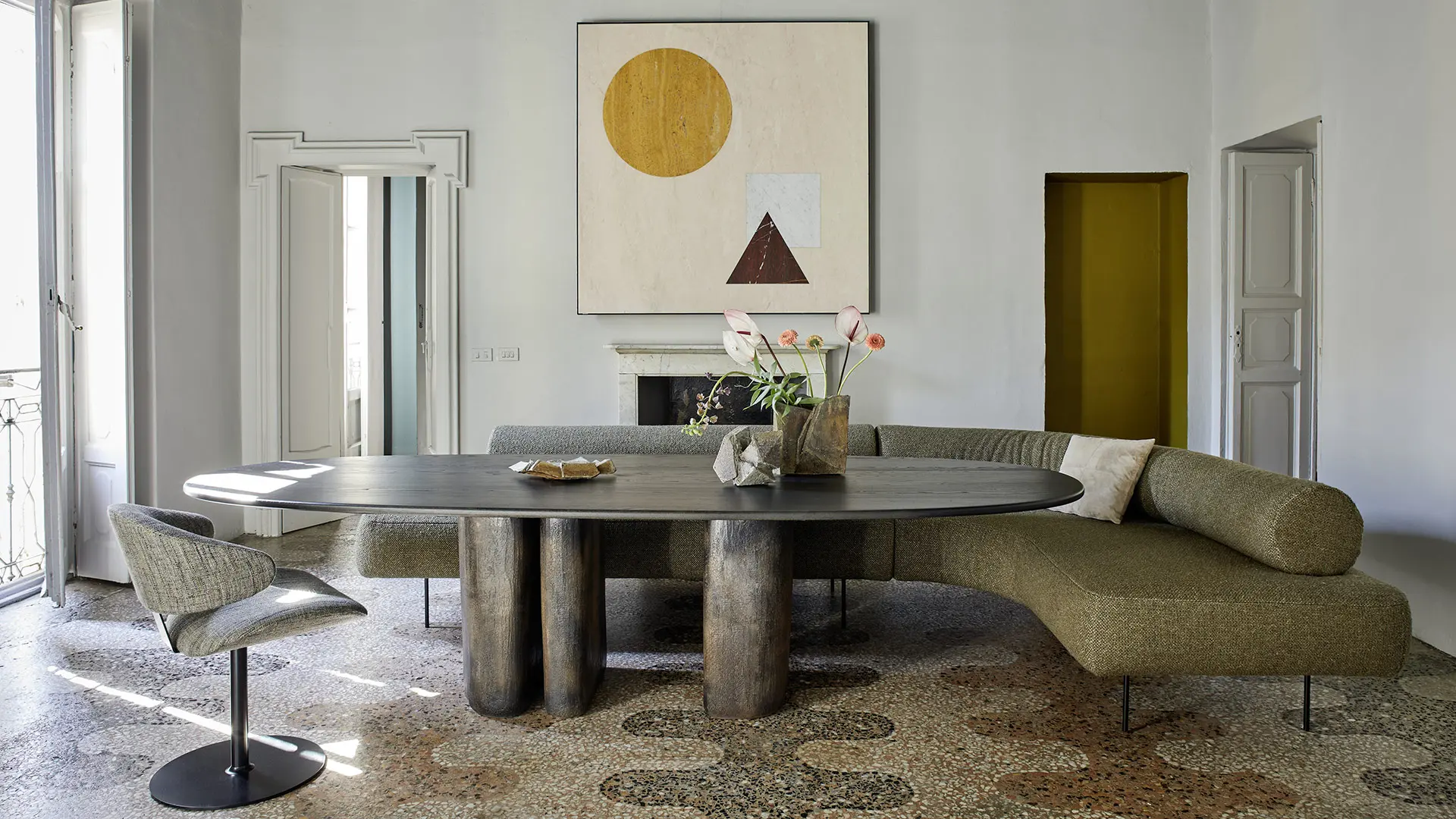
JAKU Table, LUZ Chair, ONDA Dining Sofa, more, designed by Bernhard Müller and Peter Fehrentz 2026
In this interview, the founder and designer behind more talks about his design vision and gives us a sneak preview of the collections he will present at the upcoming Salone del Mobile
Clean lines, authentic materials, and a strong dialogue with architecture: these are the principles that underpin Bernhard Müller’s design vision. He is the founder and designer behind more, the German company growing its presence in the furniture market thanks to understated, elegant, and sustainable collections that constantly engage with the space they inhabit. His approach transcends the idea of individual pieces of furniture to instead explore the broader dimension of living, placing people’s needs at the centre. This is achieved through collaborative work with architects and designers, fostering exchange and fresh inspiration that allows for the continuous exploration of new possibilities.
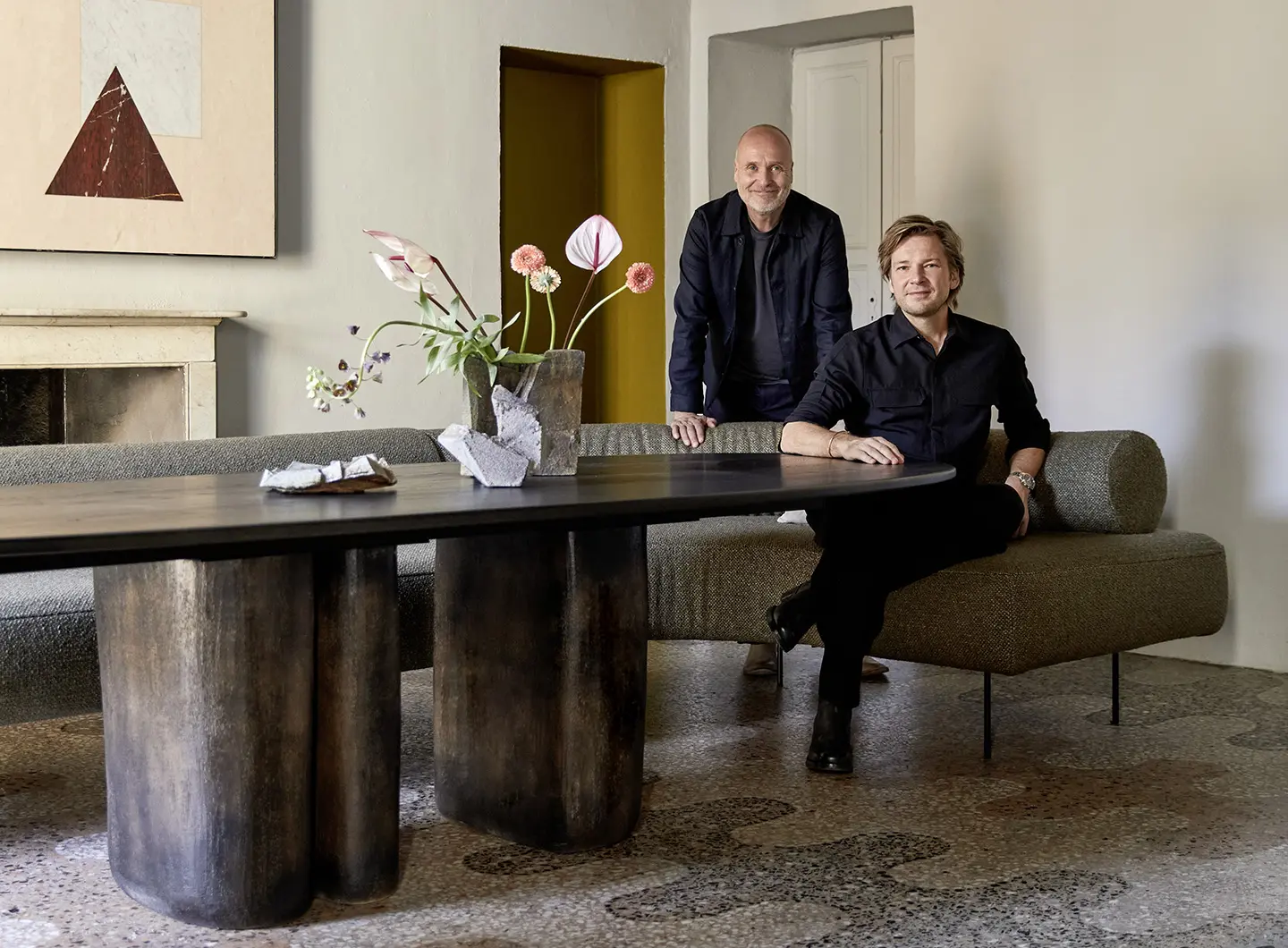
Bernhard Müller, founder and designer of more, together with designer and photographer Peter Fehrentz
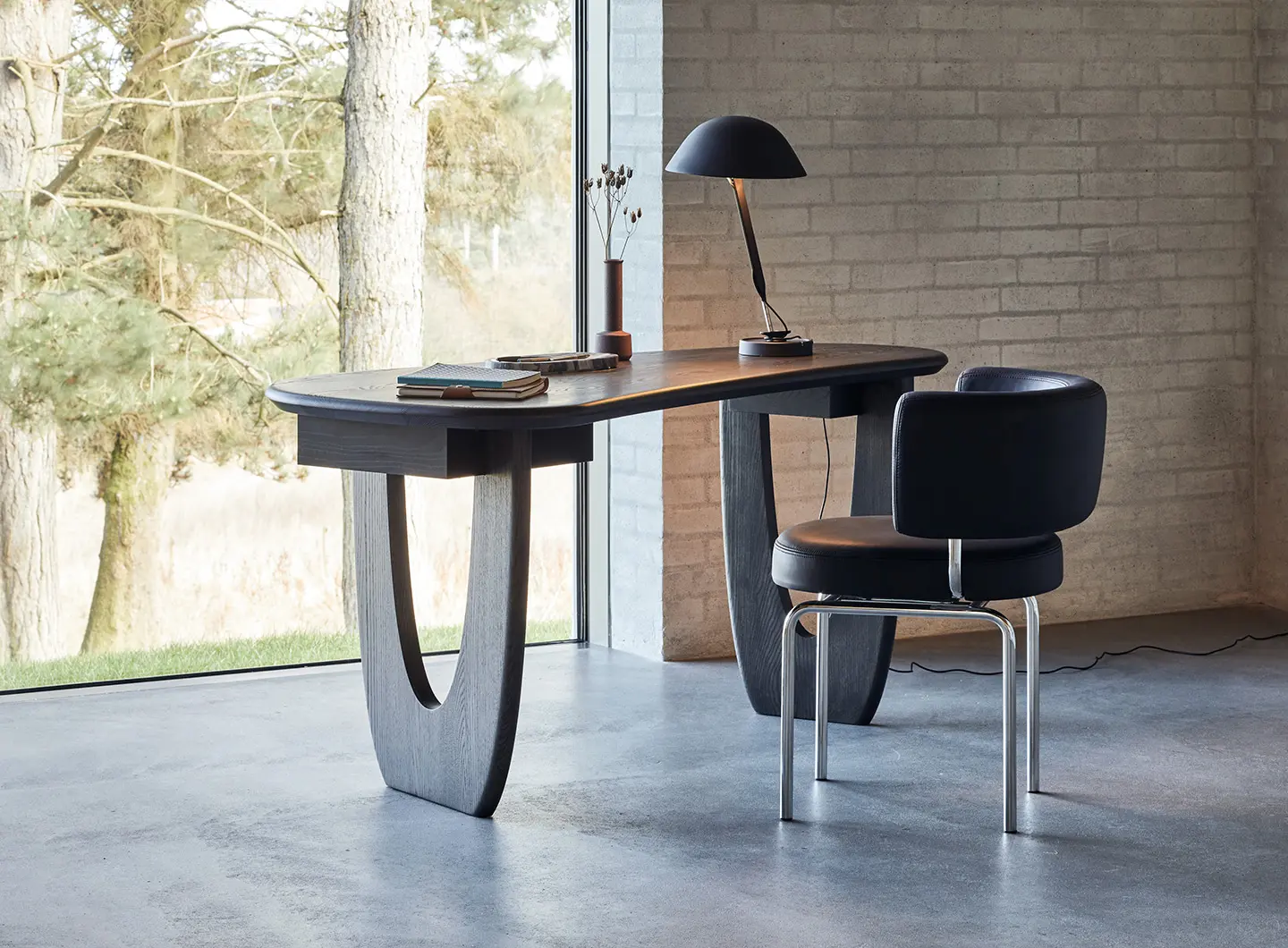
CALA Desk, more, designed by Gil Coste 2024/2025
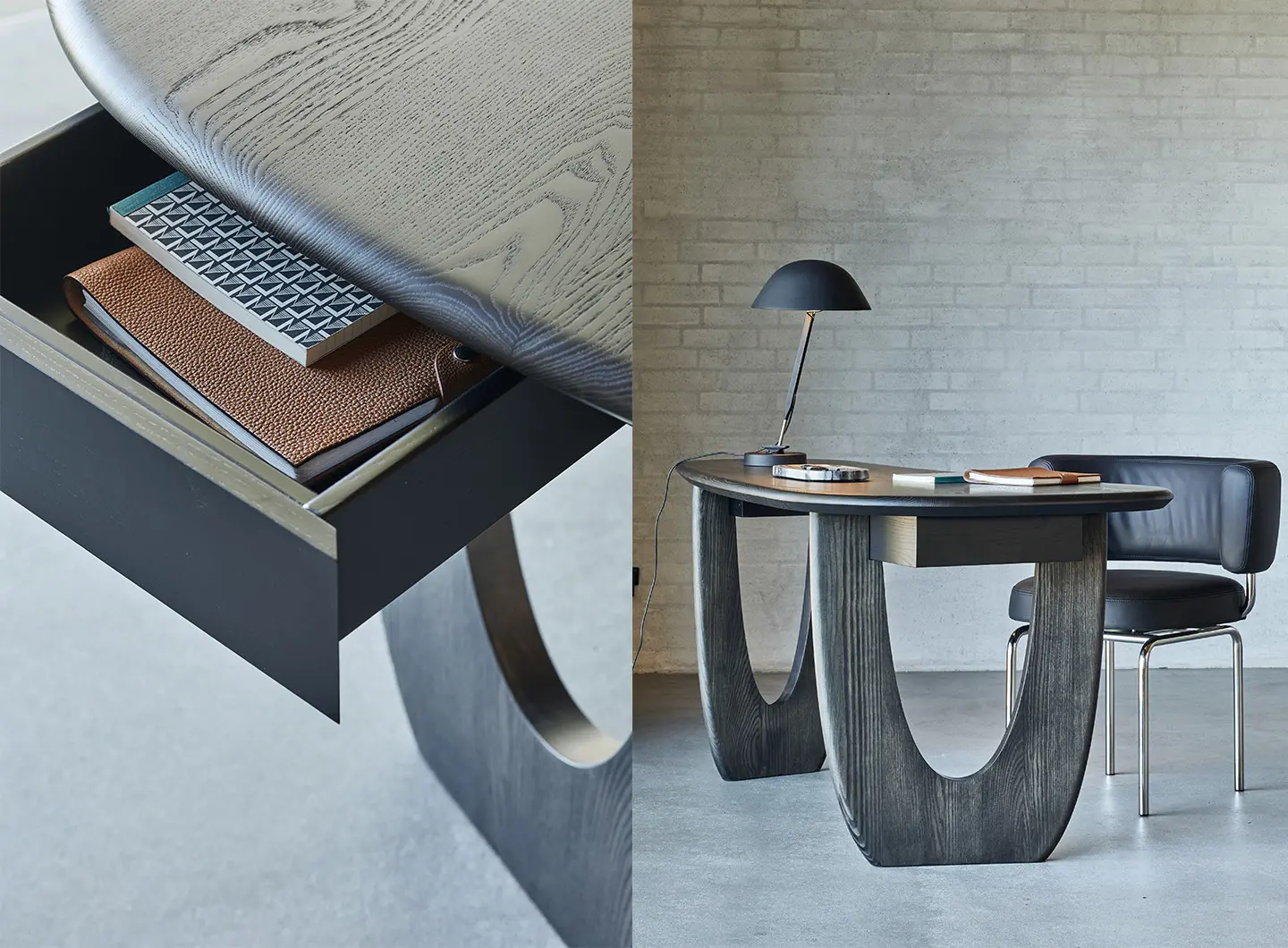
CALA Desk, more, designed by Gil Coste 2024/2025
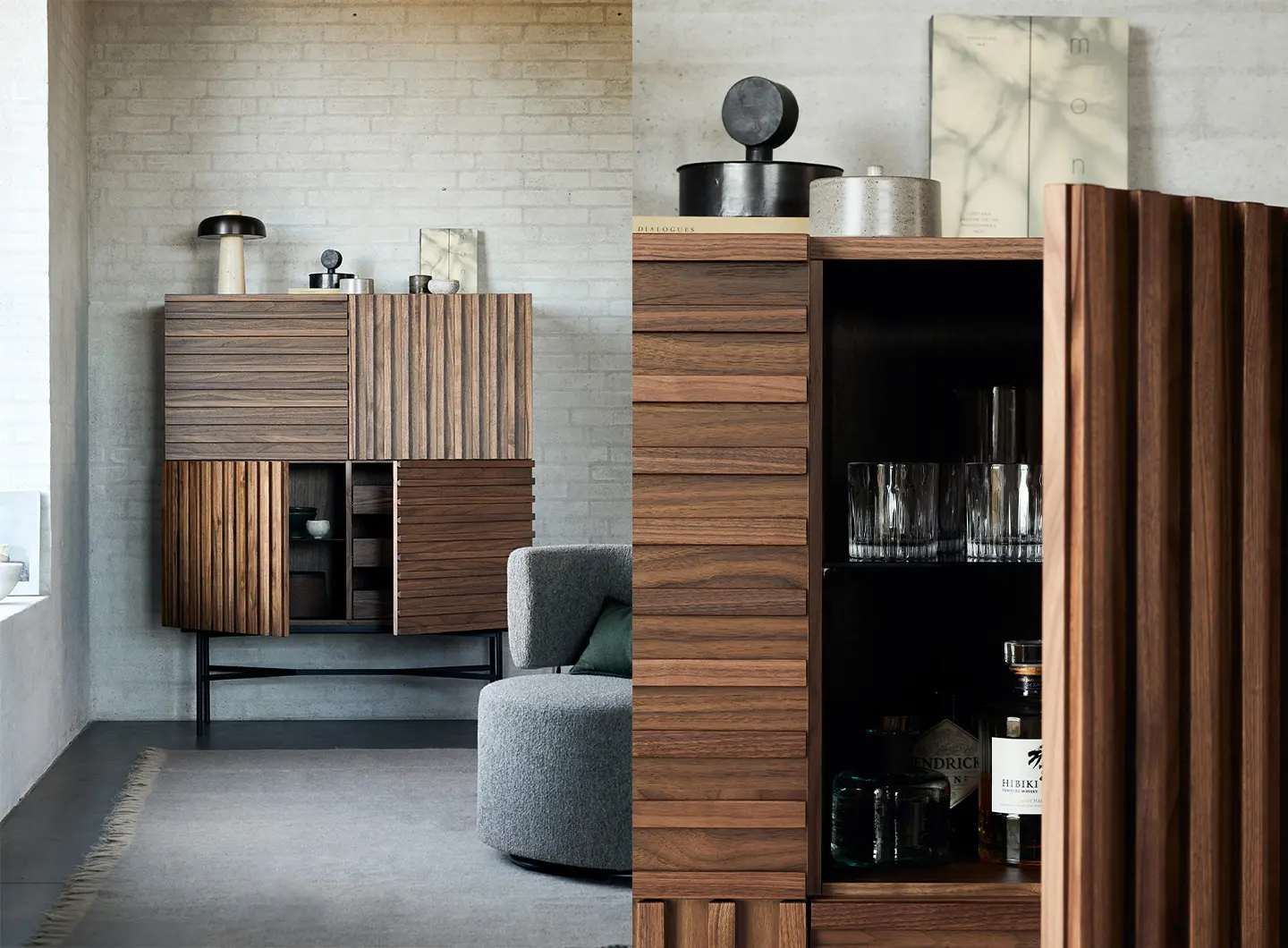
HARRI Cabinet, more, designed by Peter Fehrentz 2025
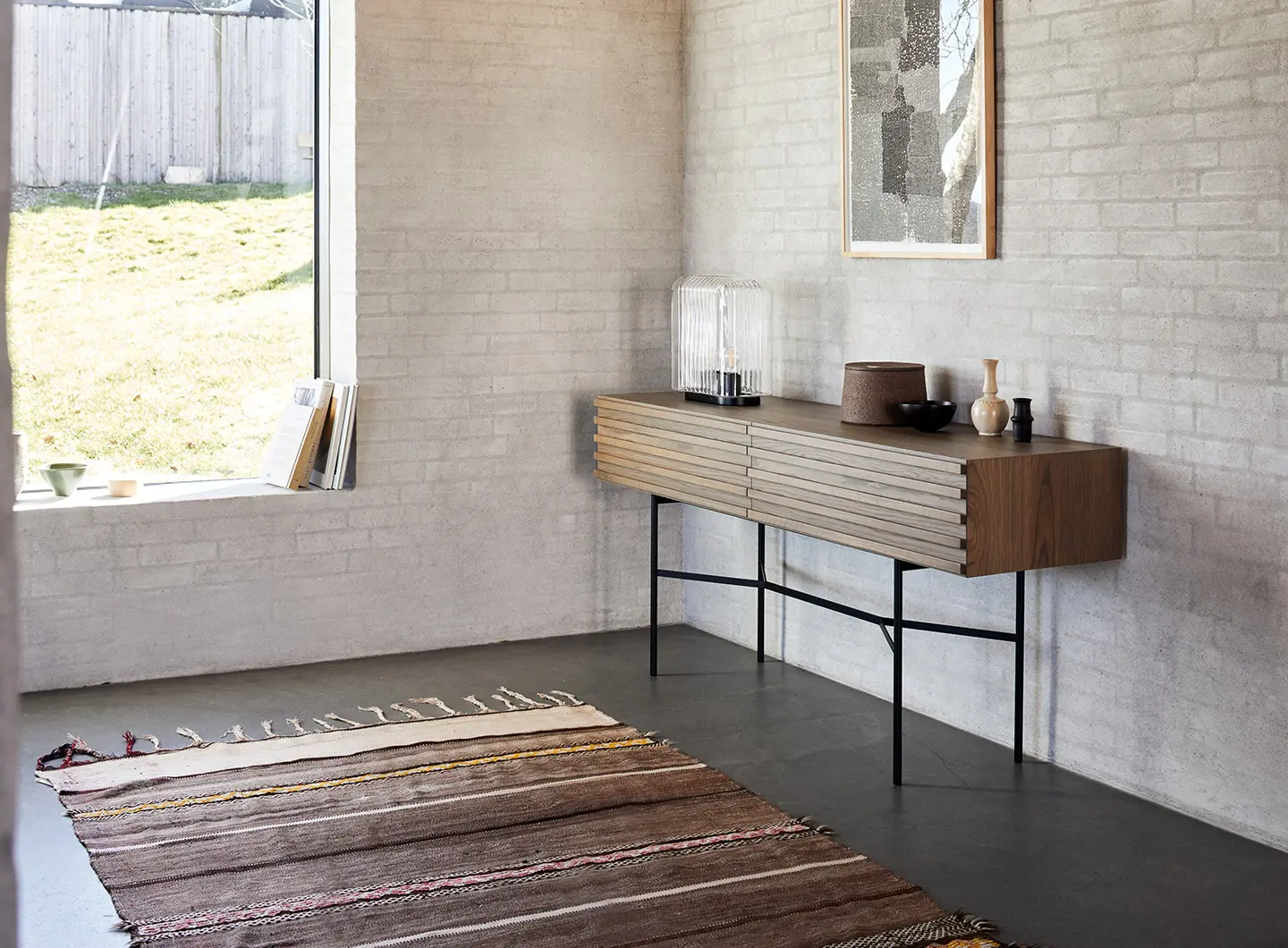
HARRI Console M, more, designed by Peter Fehrentz 2025
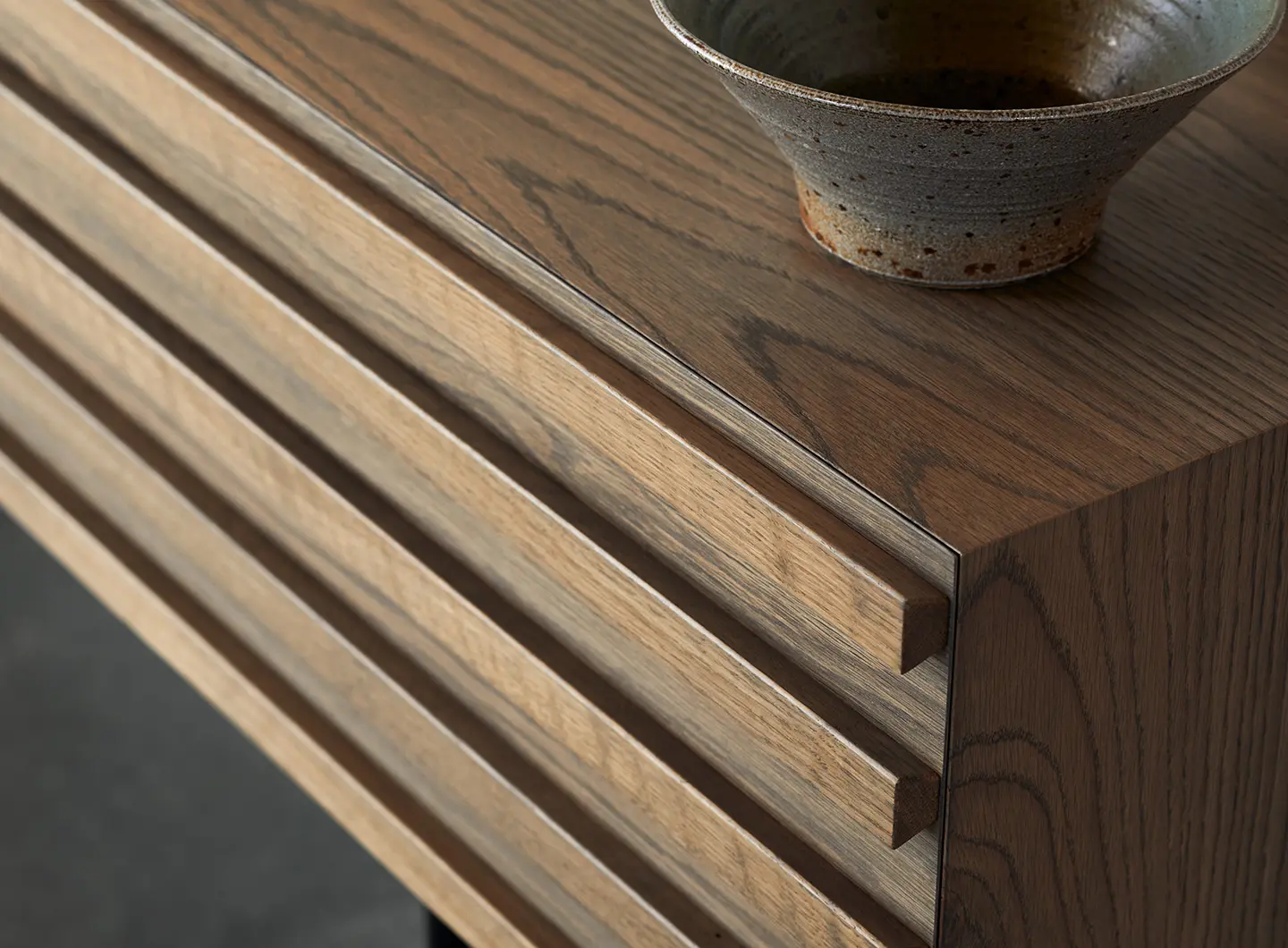
HARRI Console M, more, designed by Peter Fehrentz 2025
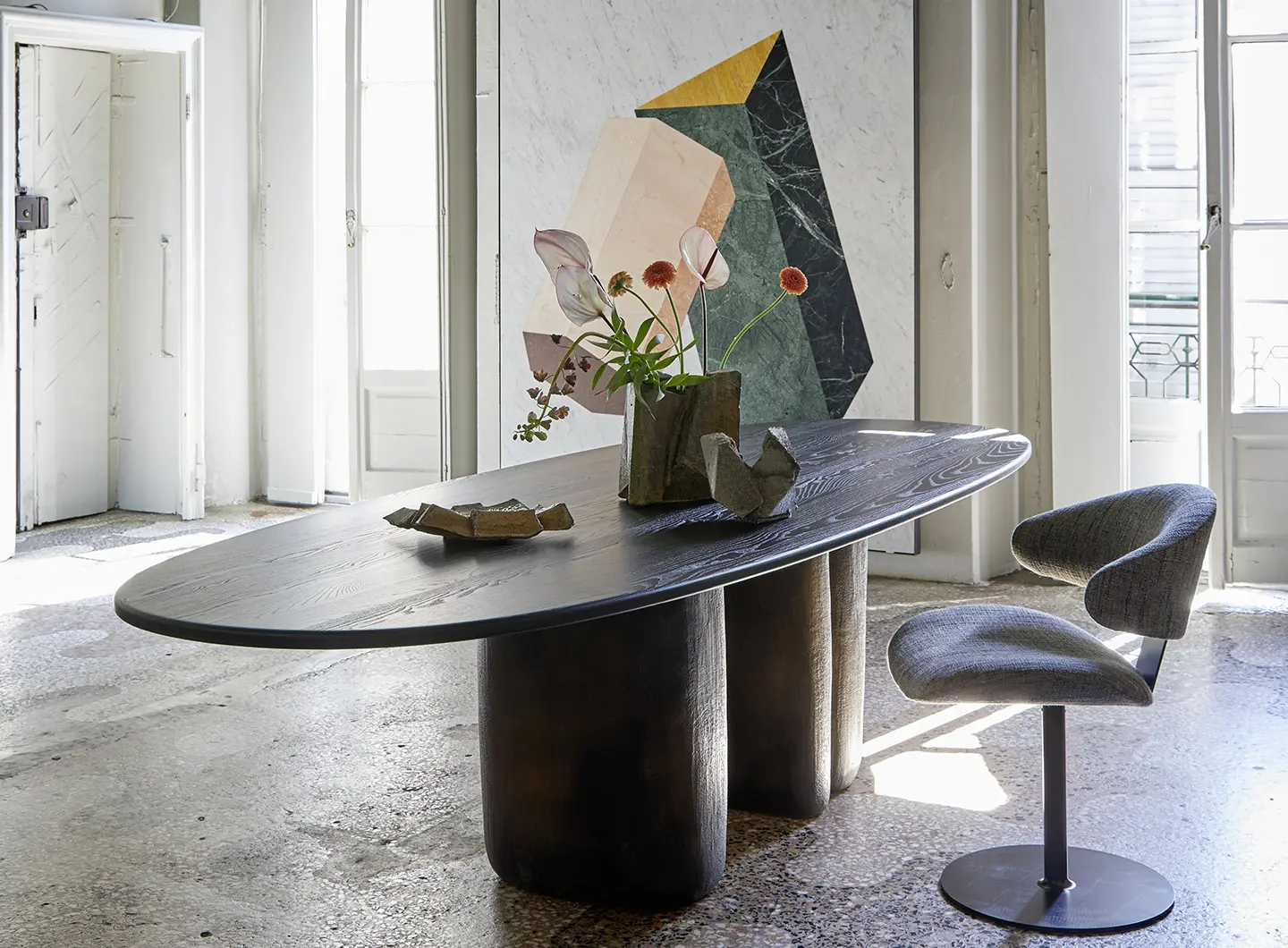
JAKU Table, LUZ Chair, more, designed by Peter Fehrentz 2026
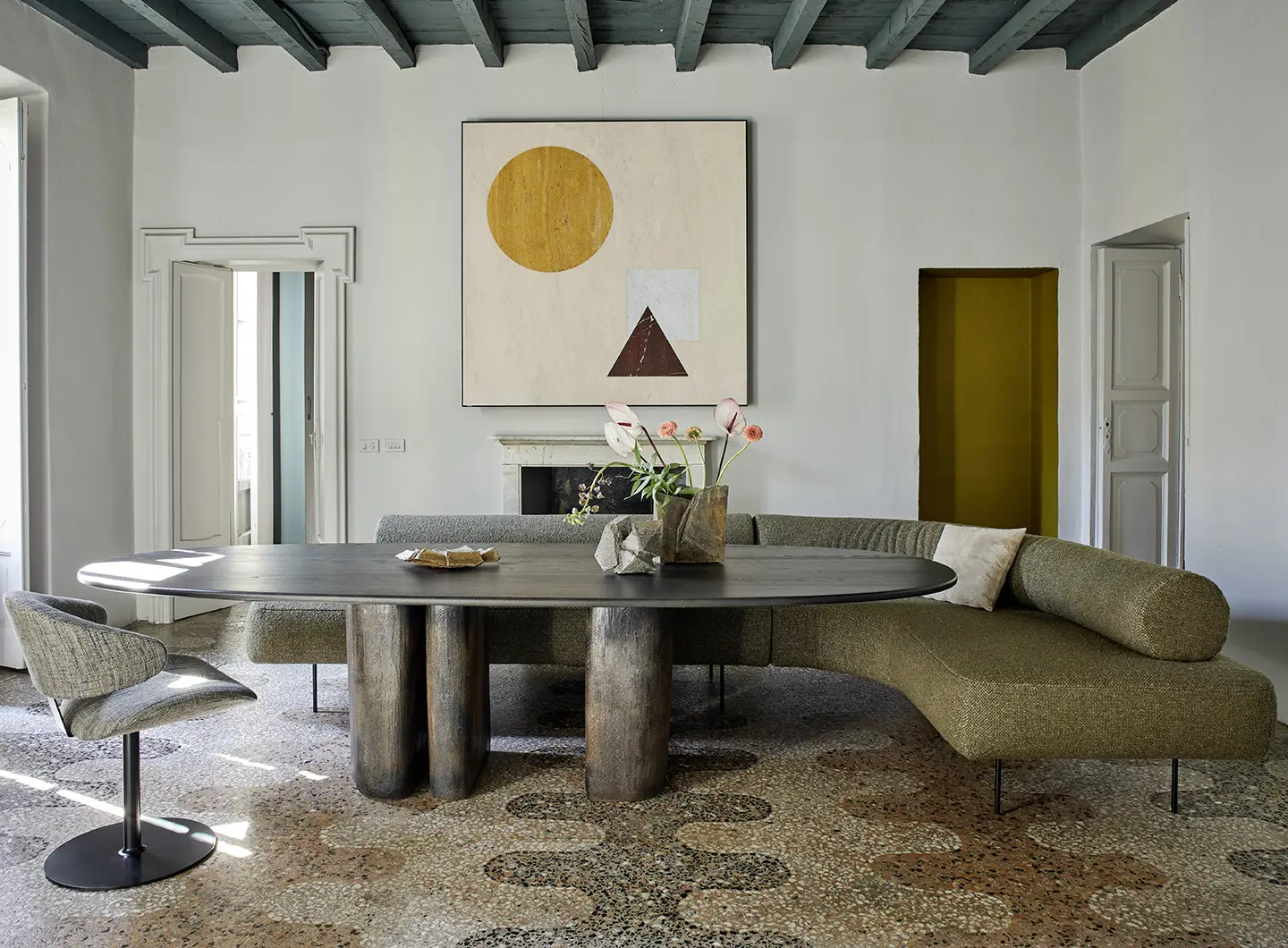
JAKU Table, LUZ Chair, ONDA Dining Sofa, more, designed by Bernhard Müller and Peter Fehrentz 2026
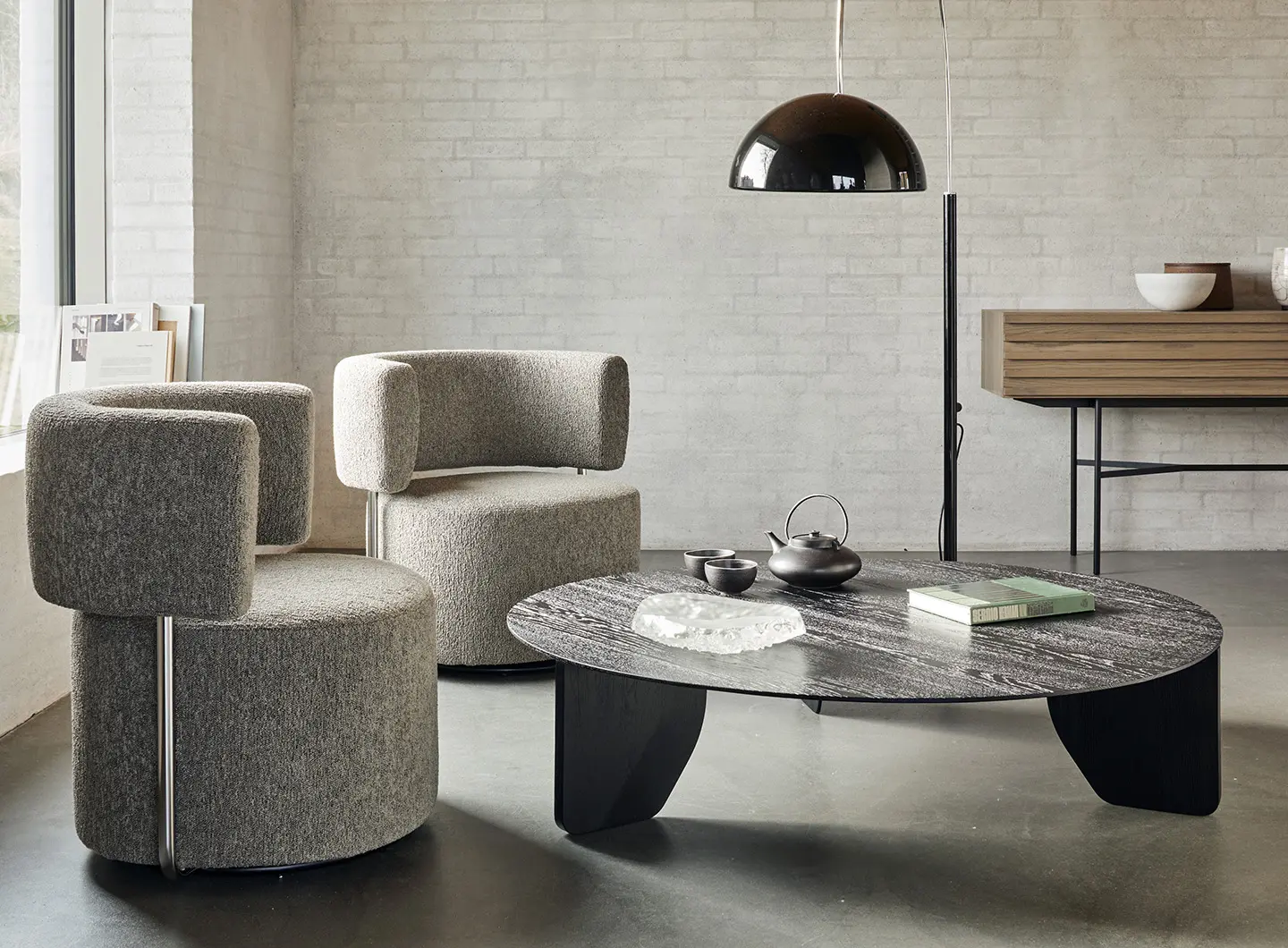
OSO swivel lounge chair S, more, designed by Peter Fehrentz 2025
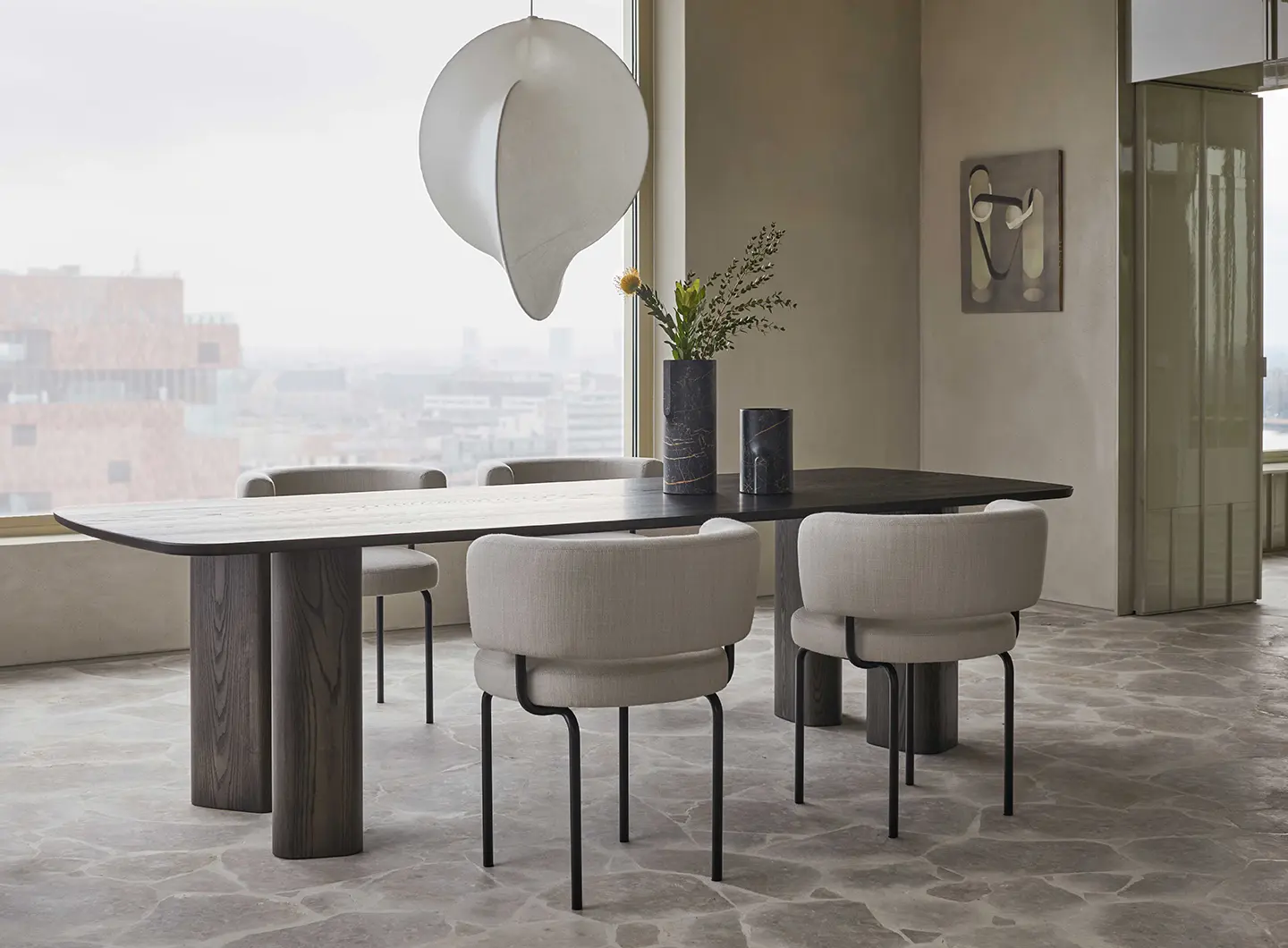
OSO Table, more, designed by Peter Fehrentz 2024
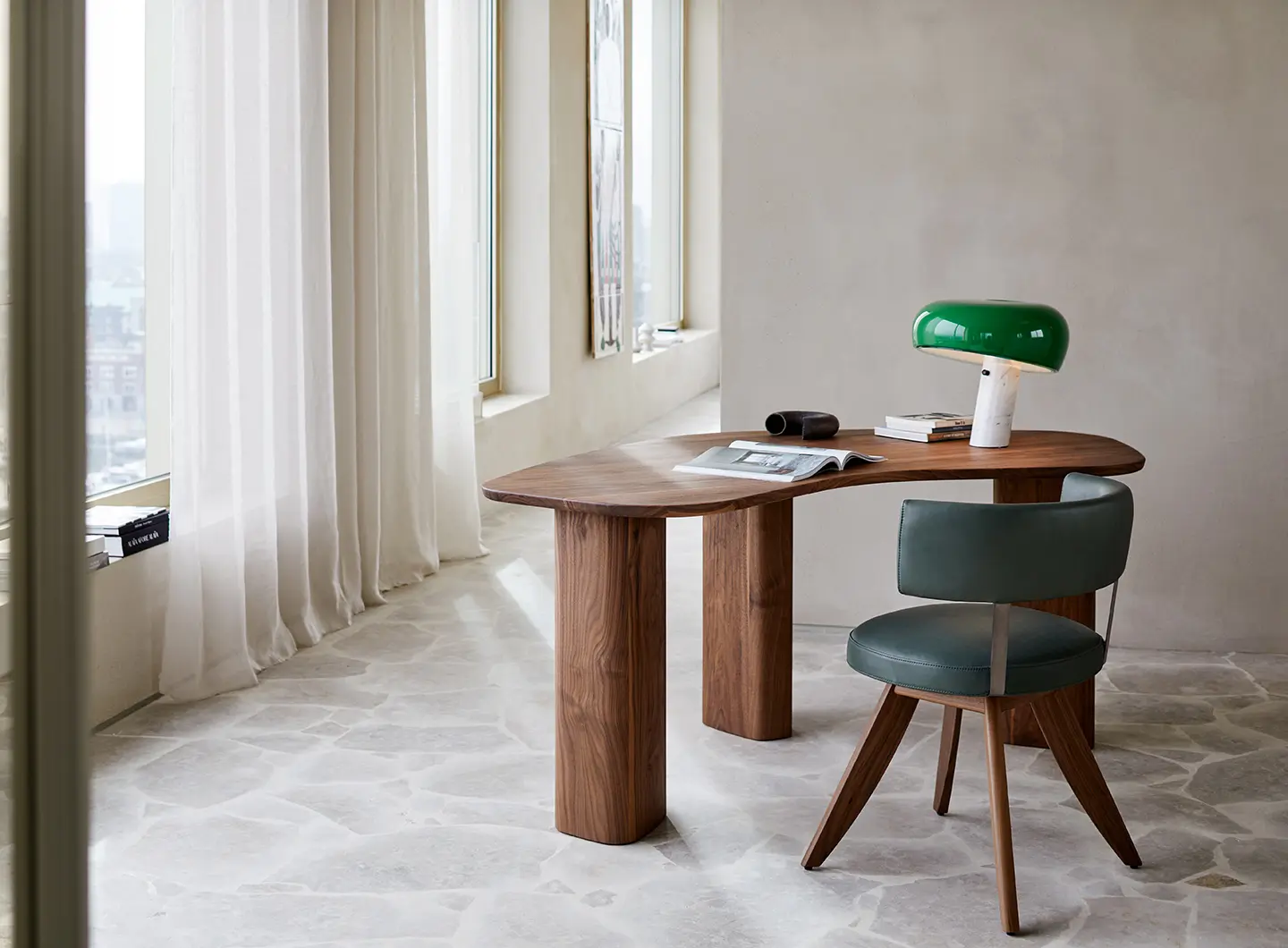
OSO Desk, more, designed by Peter Fehrentz 2024


At more, furniture is never conceived as an isolated object, but as an aesthetic contribution to a holistic spatial concept. Can you explain this design vision in more detail?
For us, furniture is always part of architecture. A chair or a table should never dominate a space; it should integrate naturally into the architectural concept and support it. When we design a piece, we think about proportion, light, material, and the way people move and interact within a room.
Our goal is to create furniture that opens possibilities rather than imposing a strong gesture. That is why our designs follow a clear and simple principle that can be realized in many materials, finishes, and dimensions. In this way, the furniture becomes part of a larger spatial language.
Ultimately, we are interested in creating what I would call “room for freedom” - spaces where architecture, objects, and people can interact harmoniously.
You maintain constant dialogue with planners, designers, and architects. How do you nurture and enhance this creative exchange?
Collaboration is fundamental to our work. Many of our projects are developed in close dialogue with architects, interior designers, and planners. Each project brings its own challenges - whether it is a hotel, a restaurant, or a conference facility.
The process often involves a continuous exchange of ideas: discussing proportions, materials, and the atmosphere a space should convey. Sometimes furniture needs to be adapted very precisely to the architecture, or even developed specifically for a project.
What makes these collaborations valuable is that they push the design further. When architects, designers, and manufacturers work together closely, the result can be something that no single discipline could achieve alone.
In your opinion, what are the elements that define a good design project?
A good design project begins with a clear idea but also with a strong understanding of context. Form, proportion, material, and function must work together.
At the same time, design must respond to how people actually live and interact with spaces. Good furniture should be intuitive to use, comfortable, and durable. It should feel natural in its environment.
Another important aspect is restraint. Many of the great design classics are still relevant today because they are simple, well-proportioned, and built from honest materials. Competing with these classics is one of the real challenges for contemporary designers.
How do you manage to combine the functional and emotional dimensions in your furniture?
Functionality is always the starting point: ergonomics, stability, and longevity are essential. But emotional value comes from the materials and the atmosphere a piece creates in a space.
Natural materials such as wood, leather, and wool have a tactile and visual warmth that people instinctively respond to. We try to preserve the authenticity of these materials rather than covering them up. For example, our leather retains its natural marks and our wood surfaces are often treated in ways that allow the material to breathe and age beautifully.
When function and material honesty come together, a piece of furniture can create both comfort and emotional resonance.
What makes more's designs truly unique and, above all, what makes them stand the test of time?
Timelessness is at the center of our philosophy. We try to avoid trends and instead focus on clear forms, strong structures, and authentic materials.
Many of our collections are based on a simple design idea that can evolve over time. This allows pieces to remain relevant even as contexts change. When furniture is well-proportioned, carefully crafted, and made from durable materials, it can remain part of a space for decades.
In that sense, sustainability and timeless design are closely connected.
The quality of materials is central to design. Can you tell us how more explores new possibilities and conducts research in this area?
Materials are essential to how a piece is perceived and experienced. Wood, for example, is still our primary material because of its warmth, individuality, and durability. We use slow-grown solid wood from European forests and work closely with our sawmills to ensure responsible sourcing.
At the same time, we continuously explore combinations of materials: wood with steel, marble, leather, or innovative textiles. These combinations allow us to create new aesthetic possibilities while maintaining structural clarity.
Research also means questioning established processes. Whether it is natural leather tanning using olive leaves or upholstery made from renewable raw materials, we are always looking for ways to combine high quality with more sustainable solutions.
Which of the latest collections best represent more's philosophy and identity?
Several collections express our philosophy particularly clearly.
The HARRI more collection, for example, reflects our interest in modern interpretations of classical design. It combines clear forms with refined materials and carefully considered details.
The MOUNT more collection explores generous proportions and comfort while maintaining structural clarity. The furniture appears almost to float on its steel legs, combining visual lightness with substantial presence.
And with the OSO more collection, we experimented with contrasts: heavy and light, opulent and purist - to create a design language that is both strong and open.
All of these collections show our approach: simple ideas that can evolve into a broader design world.
In your opinion, in what direction is contemporary living evolving and what trends are influencing the design of spaces?
Living spaces are becoming more fluid. The boundaries between living, working, and social environments are increasingly blurred. As a result, furniture must be more adaptable and capable of functioning in different contexts.
Another important development is the growing role of interior architects and planners. Many clients today approach their living or working environments as holistic projects rather than as collections of individual objects.
In this context, furniture becomes part of a broader spatial narrative.
Sustainability is a key issue today. How are you trying to conserve resources even more effectively, and what can you give up without compromising quality?
For us, sustainability begins with durability. Furniture that lasts for decades is already a strong contribution to conserving resources.
At the same time, we constantly ask ourselves how we can use materials more responsibly. This includes sourcing wood from sustainable European forests, using natural tanning processes for leather, and integrating renewable raw materials in upholstery.
The question is often: what can we simplify or reduce without losing quality? In many cases, the answer lies in using fewer but better materials.
What processes do you favor to reduce environmental impact during production, packaging, and transport?
We rely on regional production and long-standing partnerships with specialized workshops in Germany. Short transport distances and close collaboration allow us to maintain both quality and efficiency.
Many of our manufacturing partners also integrate renewable energy sources, such as solar power, and reuse production waste as a CO₂-neutral heat source.
In addition, because our furniture is produced largely to order, we avoid unnecessary stock production and reduce material waste.
Looking to the future, how do you imagine More evolving?
One direction we are exploring is outdoor furniture. However, we are taking our time because we want to identify materials that meet our quality and sustainability standards.
At the same time, we are expanding our work in architectural and project environments: hotels, restaurants, and conference spaces - where furniture becomes part of a larger spatial narrative.
In the future, I imagine more continuing to develop as a partner for architects and designers, creating furniture that contributes meaningfully to the spaces in which people live and interact. We work very closely both with architects and with our in-house design team, because the most interesting ideas often emerge from this dialogue. The more complex or exciting a project is, the more it motivates us. We enjoy searching for solutions together, testing possibilities, and adapting our designs to very specific spatial situations. This collaborative process is what drives us and allows us to develop furniture that truly belongs to the architecture.
At Salone del Mobile 2026 you will present several new products. Can you tell us about the ideas behind these new collections?
The new collections we are presenting this year are particularly exciting for us because we are exploring new material combinations and typologies. For the first time, we are combining solid wood with ceramic. This creates a very distinctive aesthetic: the warmth and natural character of wood contrasts with the precision and refined surface of ceramic, resulting in a completely new visual language within our collection.
Another highlight is a new dining sofa. It is conceived as a hybrid between a sofa and a dining bench: an organically shaped piece that brings a softer, more relaxed atmosphere to the dining area. We are very interested in these kinds of typological shifts, where furniture adapts to changing ways of living and socialising.
Highlight content
20 March 2026
Share