


 Markets

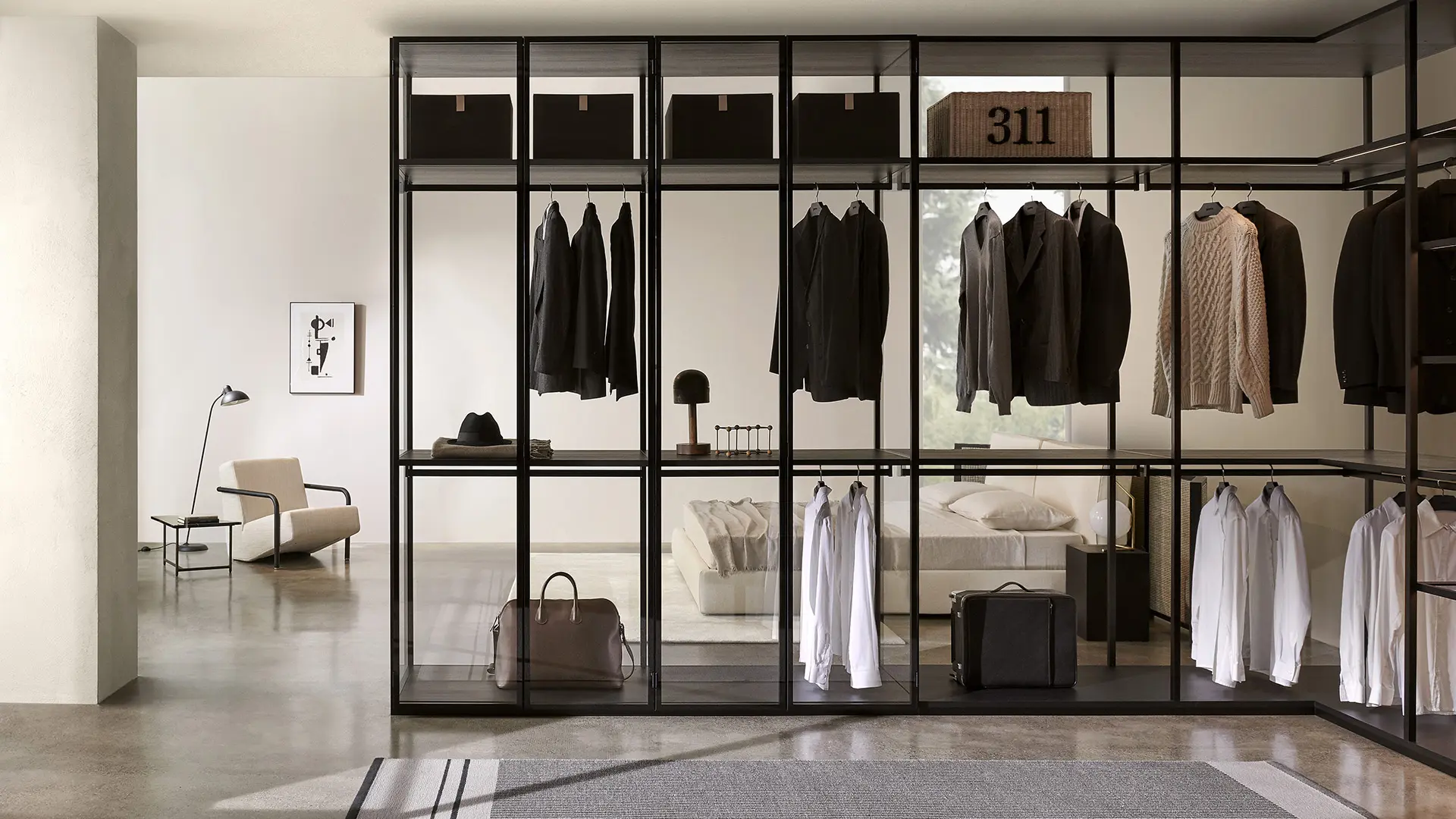
Bedrooms are the places where we are reborn each day, which is why they are deserving of particular attention. Our bodies are extraordinary machines, capable of regenerating themselves whilst we sleep, and our daily wellbeing depends, at least in part, on the quality of that sleep.
Contract furniture: what it is and how it works
Text by

Taipei Performing Arts Center, OMA - Ph. Chris Stowers
From hotels to offices, restaurants and retail spaces: a guide to contract furnishing, the various types, the sectors involved and its design
We go into a hotel, sit down at a restaurant table or read a magazine in a doctor’s waiting room: without realising it, we are using contract furnishing. Furniture outwardly similar to that we might purchase for our home, underpinned by bespoke design, materials studied for specific uses, legislation and solutions geared to the space to which they are destined. It is to this world that Salone Contract caters, a new Salone del Mobile event designed to read and interpret the complexity of the contract world: a platform that will take in a pavilion, a dedicated Forum and many other initiatives. But what exactly is meant by contract furniture, and what are its characteristics?
What does contract furniture mean?
The word itself gives it away: “contract” reflects the business-to-business nature of this particular market, in which producers and suppliers create solutions tailored to the specific needs of businesses and organisations. More precisely, contract furnishing identifies a field of interior and furniture design that is the upshot of a complex and structured process, involving the design, manufacture and supply of furnishings and accessories for hotels, restaurants, offices, commercial and other spaces. Whether it’s for a luxury hotel lobby, a shared workspace or a care home with specific needs, the aim is to deliver complete solutions for spaces that need to be aesthetically pleasing as well as functional, hard-wearing and capable of responding to the demands of the sector for which they are intended.
What is the difference between contract and retail?
On closer inspection, the major differences between contract furnishing and that destined for the retail market largely concern materials, performance and design. A lot depends on the use to which the furnishing is to be put, which in some contexts needs to be able to withstand specific stresses or particularly heavy use. In other cases, the materials and finishes have to respect precise hygiene and health, safety and durability requisites. As we will see, despite what we may think, the contract furnishing world almost inevitably calls for some degree of personalisation.
What is contract design?
As its name suggests, contract furnishing is part of a much larger process than just the supply of furniture, which includes planning, design, negotiation, production, installationand post-sales assistance. The aim is to coordinate a large number of different aspects, ensuring conformity to legislation, respecting timescales and budgets and managing the risks involved in often complex projects, sometimes spread over a number of different locations and countries. According to the nature of the project, a number of technical and contractual specifics come into play, along with relationships with clients, designers, general contractors and suppliers, right up to the delivery and ongoing maintenance of the furnishings.
Contract sector: Types
To better understand the large variety of activities discussed above, we also need to consider the equally huge field of use for contract furnishing, which spans the following sectors:
Offices: desks, work stations, archive systems, relaxation or meeting areas, destined for large multinational groups, as well as data centres and coworking spaces.
- Hospitality: not just hotels and resorts, but also luxury branded residences, along with restaurants, bars, cafés and events spaces – places that need to appear welcoming and aesthetically pleasing, but which also call for hard-wearing and easily maintained furniture.
- Healthcare: hospitals, clinics, outpatient clinics and nursing homes, demanding solutions conforming to specific, rigorous hygiene and healthcare standards, from waiting room chairs to more specialist furnishings such as examination couches.
- Training and education: from primary schools to university, including campuses and student residences.
- Sailing: the cruising and yachting world.
- Senior living: retirement homes and the wider third age sector.
- Logistics and industry.
That said, it’s easy to see just how the requisite characteristics can change according to intended purpose: conformity to fire response standards will, for example, be a crucial requisite in many parts of the naval sector, while durability, practicality and lightness can constitute priorities in the educational field.
Contract sector: Characteristics
What has been outlined so far helps us to understand the characteristics of furniture designed for the contract sector. If we were to identify a common denominator, we could certainly mention durability, customisation (sometimes in line with a specific brand identity), compliance with industry standards and, of course, the scalability required to adapt to projects of vastly different sizes and levels of complexity. A certain degree of flexibility is essential: the aim is to provide solutions that combine creativity, performance and functionality in order to meet specific requirements.
Contract furnishing projects
A number of different actors and professionals come into play when it comes to contract furnishing, each of which can also influence the choice of suppliers at a number of different levels:
- Developers: draw up objectives and budgets.
- Architects and interior designers: work on the project, identifying materials, finishes and products.
- General contractors: coordinate the execution, subcontracting and procurement.
- Project managers: oversee the process, timescales and costs.
- Brands: ensure projects are consistent with their own identity and the standards laid down at company level, especially in the case of retail and hospitality.
- Property and facility managers: the relationship doesn’t simply cease at the time of delivery – on completion of a project, they manage the maintenance, replacement and, over time, the renovation of the furnishings.
It is clear, therefore, that a certain level of complexity is what sets contract furniture apart: we are not just talking about furniture intended for professional spaces, but products designed with a specific location and purpose in mind, along with the people who will use them. Salone Contract will make its debut at the Salone del Mobile.Milano from 13th to 18th April 2027, with a dedicated pavilion, a sectoral Forum and a packed programme of events.
7 September 2026
Share