

 Stories






The Planning Unit, the collective catalogue of Mies, Saarinen and Bertoia and “meat and potatoes” furniture: how Florence Knoll invented the modern office whilst opting to stay out of the limelight.
Vernacular architecture is the response to global modernism
Text by
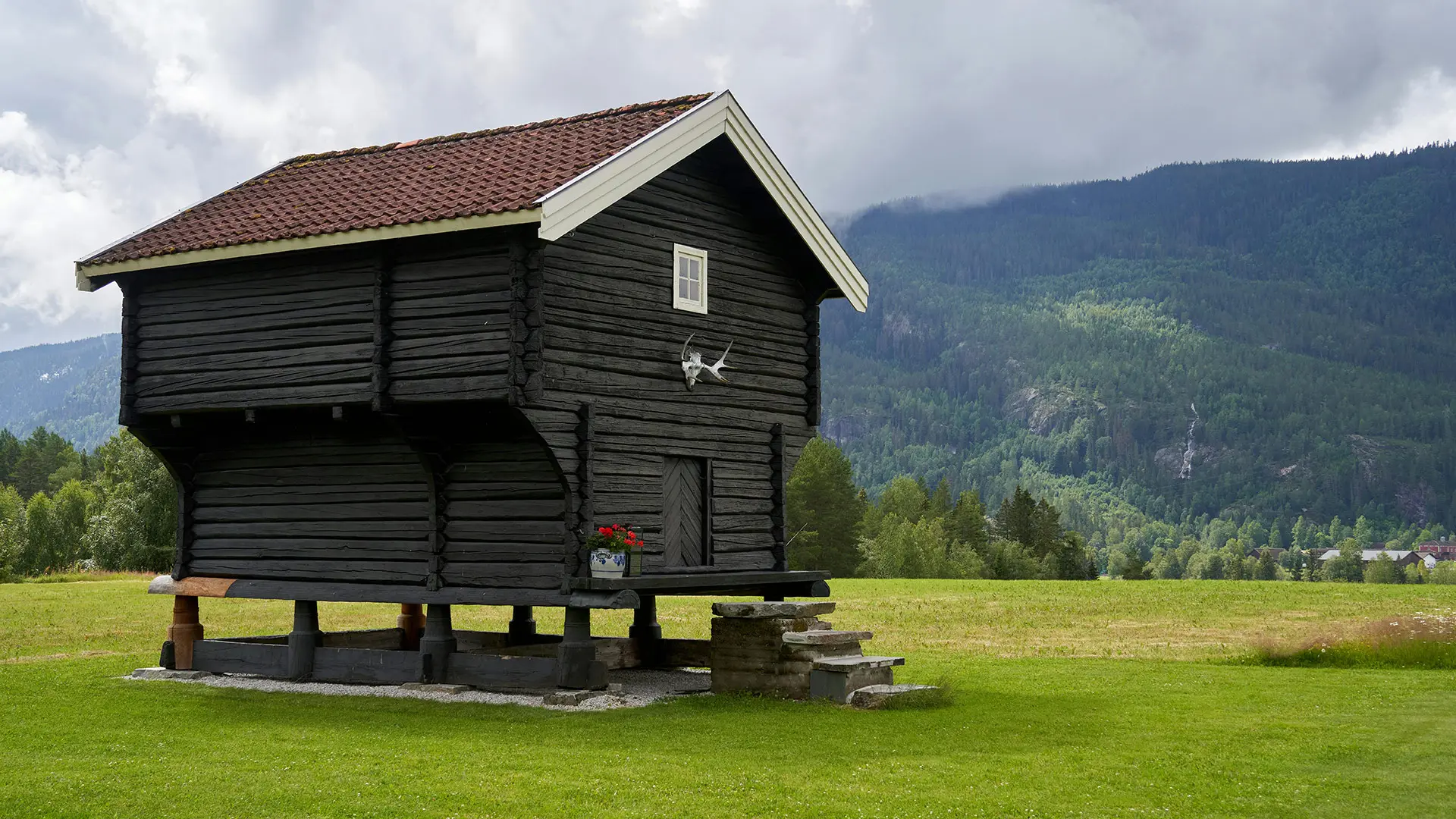
Stabbur: a traditional Norwegian building. It is used as an elevated storage facility for food, tools, or valuable goods, ph. Barnabas Davoti / Pexels
Traditional techniques, local materials, integration with the environment: vernacular architecture is architecture built by non-architects
When we talk about vernacular architecture, we are not referring to a specific movement or style, but to a broad and transversal category. It includes numerous building types and construction methods around the world, both historical and contemporary. Vernacular architecture – also known as folk architecture, architecture without a pedigree or architecture without architects – includes buildings built outside any academic tradition, not conceptualized but built according to local needs and knowledge. It is distinguished by the use of local materials, traditional construction techniques and design elements that reflect the local environment and cultural practices. While based on knowledge passed down over time and not requiring formal architectural training, vernacular architecture requires a profound knowledge of materials, climate, and local building techniques – knowledge typically possessed by local builders and craftworkers.
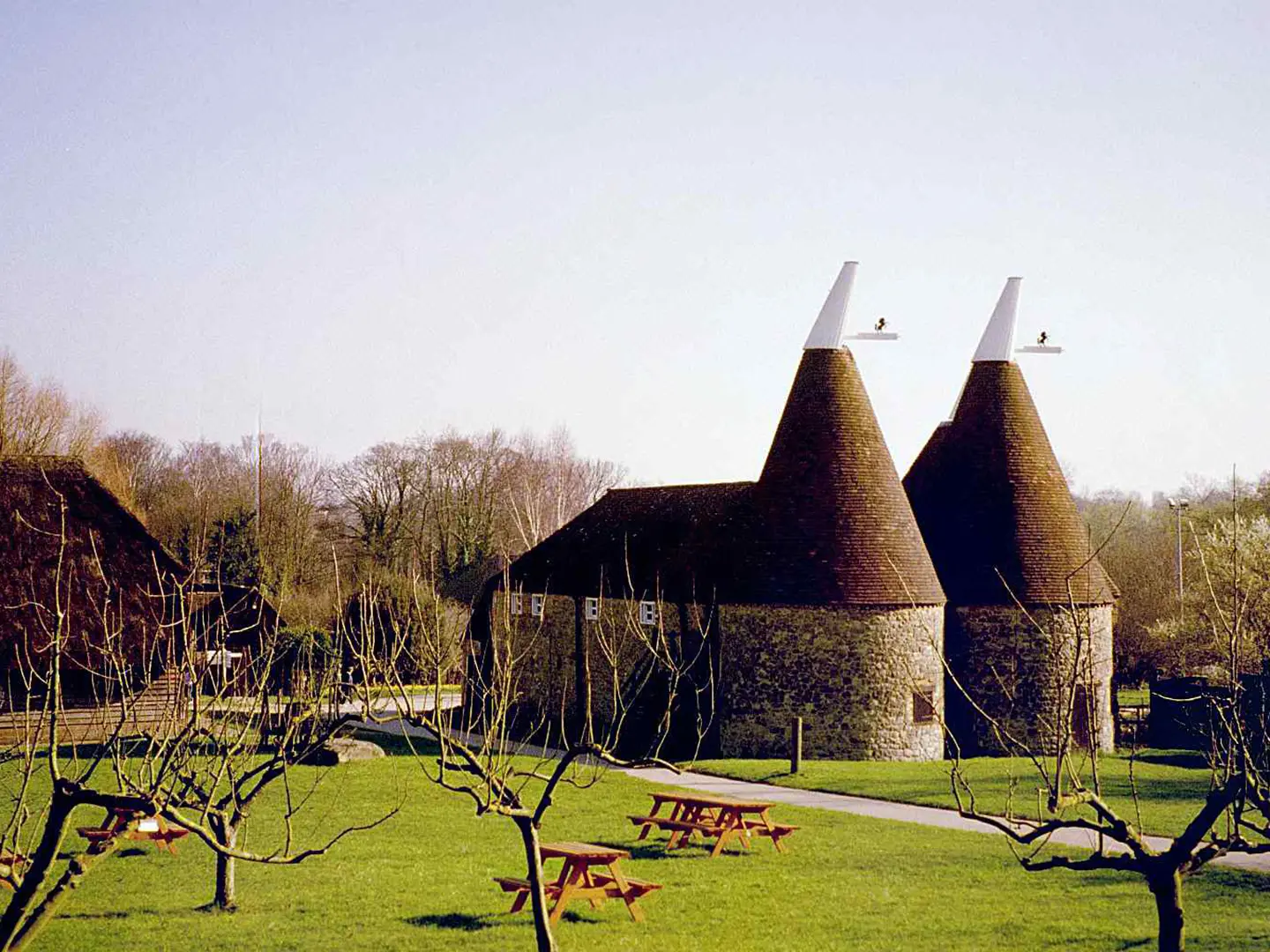
Oast houses are traditional buildings in England used to dry hops, a key ingredient in beer production, ph. Oast House Archive
If we look at the primary characteristics of vernacular architecture, we immediately realize that – despite the antiquated appearance of the buildings – they are still relevant. The emphasis is always on sustainability, the minimum consumption of energy and resources, integrating buildings with their surroundings, and reflecting the identity and culture of the community dwelling in them. Vernacular architecture generally uses materials available locally and compatible with the specific environment. Among the commonest are local stone, wood, bricks, raw earth, straw, reeds... These materials are chosen for their availability, durability and sustainability.

Hutongs are traditional Beijing alleyways: networks of narrow streets connecting siheyuan, courtyard houses., ph. Mitch Altman / Flickr
Vernacular architecture and the International Style: two contrasting approaches
If we consider architectural vocabulary, we can try to describe vernacular architecture in opposition to what can be considered the first global movement in architecture: the International Style. This term was coined by Philip Johnson and Henry-Russell Hitchcock in 1932 for the exhibition of the same name at the MoMA – Museum of Modern Art in New York. In an essay that accompanied the exhibition, the authors hoped for the birth of an international architectural vocabulary, free from any regionalism and based on the basic principles of modern architecture, exemplified in particular in the work of Mies van der Rohe: simplicity, functionalism and conscious use of modern materials. If the fundamental characteristic of the International Style is abstraction from the context, vernacular architecture is defined by having its roots in the region where it originated.
Etymologically, the term vernacular indicates the typical speech of a town or limited area. It is opposed to language and distinct from dialect, compared to which it is even more popular and local. Likewise, if we consider types of architecture as languages, the International Style can be compared to English: a global language, capable of crossing geographical boundaries, but often at the expense of the local identity.
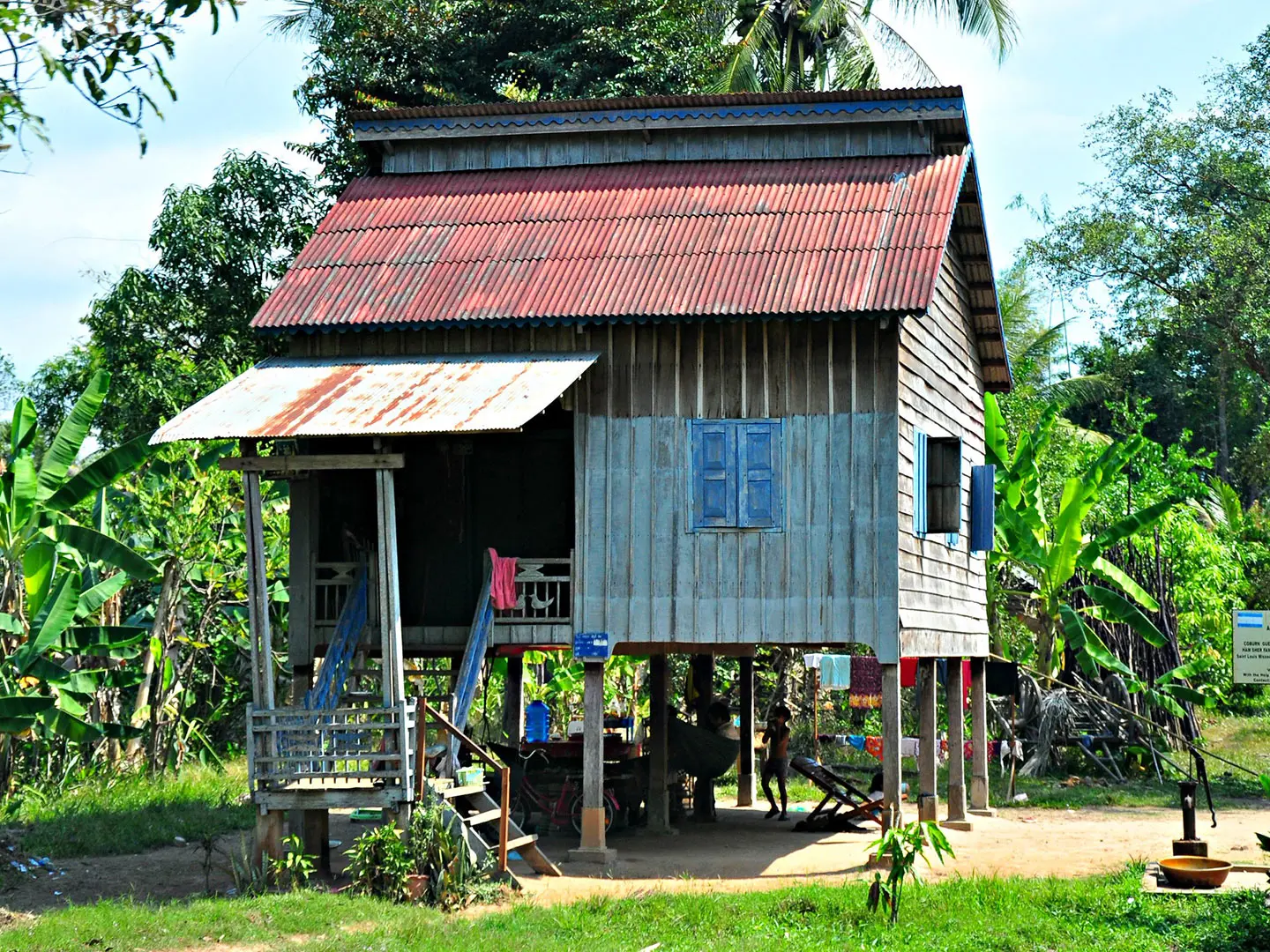
House in Cambodia with metal roof, ph. Brian Hoffman / Flickr
The Hero of vernacular architecture: Bernard Rudofsky
The exhibition "Architecture Without Architects", curated by Bernard Rudofsky at the MoMA in New York in 1964, marked a turning point in our understanding of vernacular architecture. Through a broad selection of photographs, slides and exhibition panels, Rudofsky displayed buildings from various parts of the world showing how communities without trained architects have developed forms of construction over time that are perfectly adapted to the local climate, landscape and culture. The exhibition, and its catalogue, subsequently published as a book (the MoMA allows you to download it for free at this link), denounced modern architecture's over-reliance on formal and academic principles, while revaluing the collective wisdom and practical ingenuity of traditional cultures. In this way Architecture Without Architects became a manifesto for a more sustainable, contextual and human architecture, capable of embodying memory, necessity and the environment in spontaneous and functional ways.
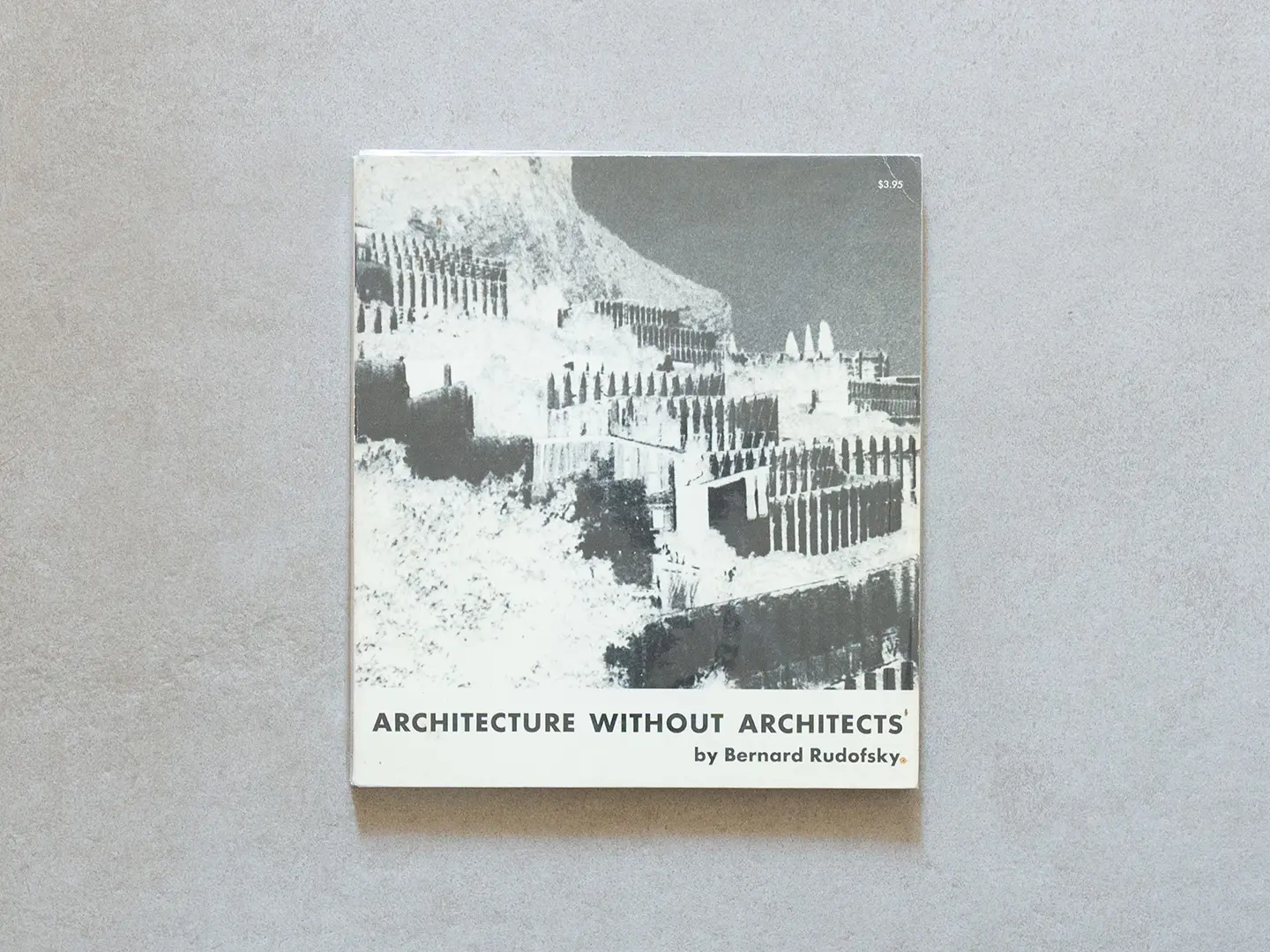
The cover of the book Architecture Without Architects
A journey through Italian vernacular architecture
From the Trulli in Puglia to the Case Palaziate of Ravello, from the Dammusi in Pantelleria to the Casoni in Veneto. An editorial project by the architect Serena Acciai in the online magazine Professione Architetto, recounts Italian vernacular architecture, an “itinerary of 25 stages/articles to discover the historical and cultural influences that have given vernacular architecture in Italy a wealth of architectural elements that, in the words of Bruno Zevi, only dialects possess.”
Acciai highlights the (necessary) connections of vernacular architecture in Italy with the cultures and traditions of the cultures that inhabit the shores of the Mediterranean, “searching for the signs of other civilizations that must not disappear today in the face of the contemporary changes to this heritage. Its protection passes through the enhancement of both its material and immaterial components that have always been deeply entwined in vernacular architecture".
Read also: Brutalism: from architectural movement to global trend