

 Stories

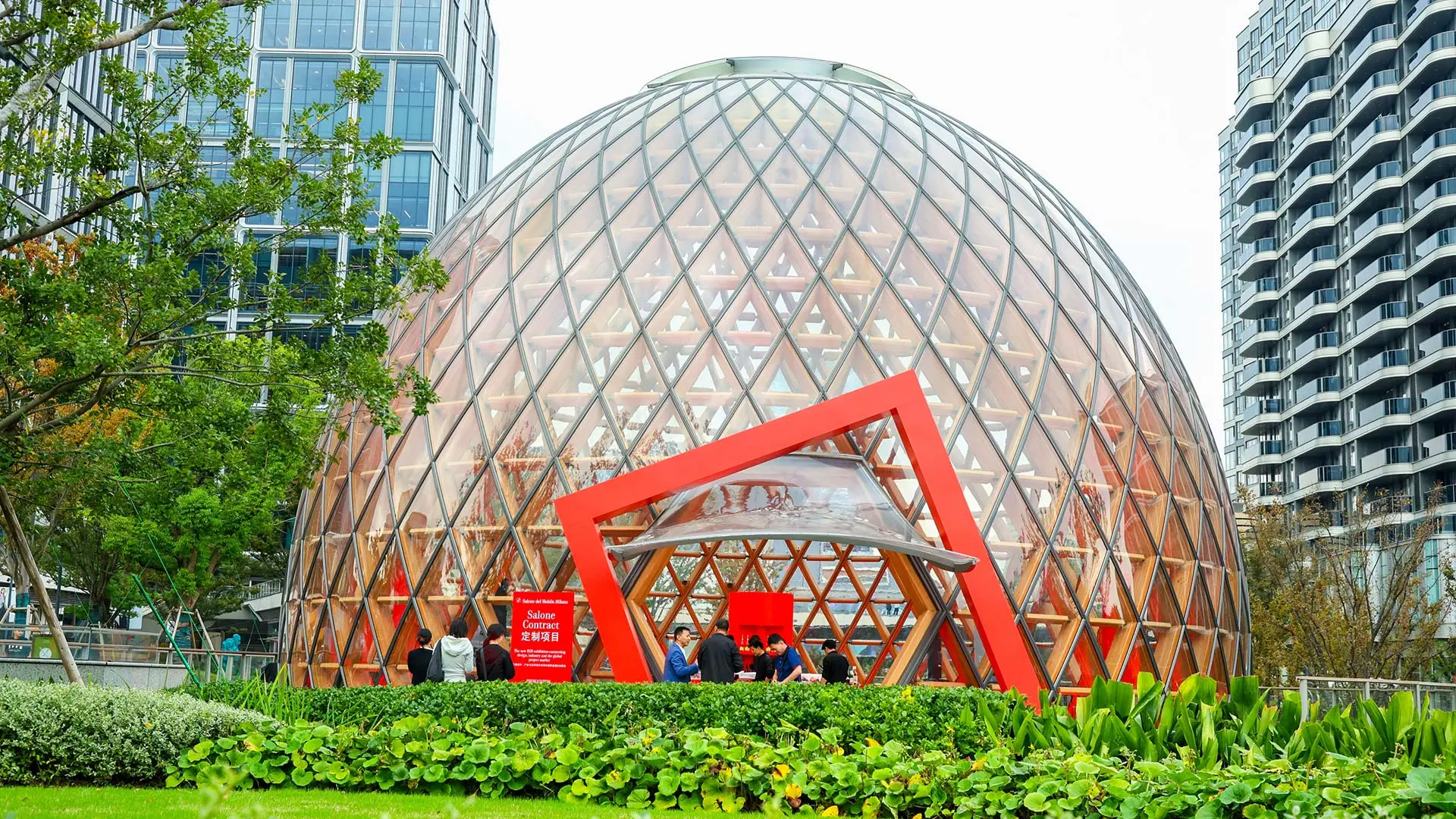
China accounts for 72% of the Asia-Pacific contract market potential
How to change the world of living from an early age, reading
Text by
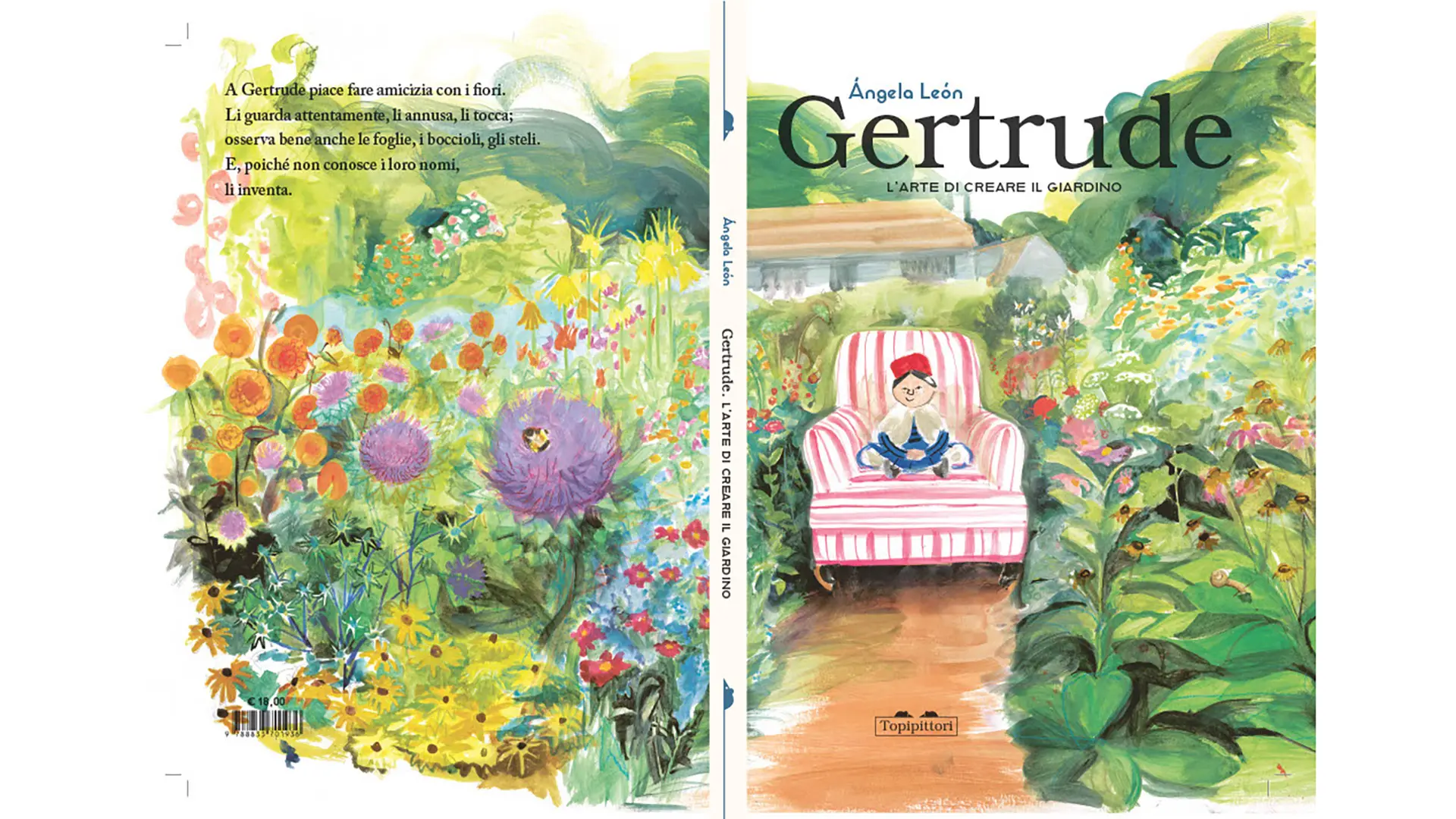
Gertrude. L’arte di creare un giardino (Topipittori, 2026)
Gertrude. L’arte di creare un Giardino [Gertrude. The Art of Creating a Garden] by Ángela León, published by Topipittori, has just been released. It is the third in a series of books dedicated to extraordinary women who have changed the way we live and inhabit
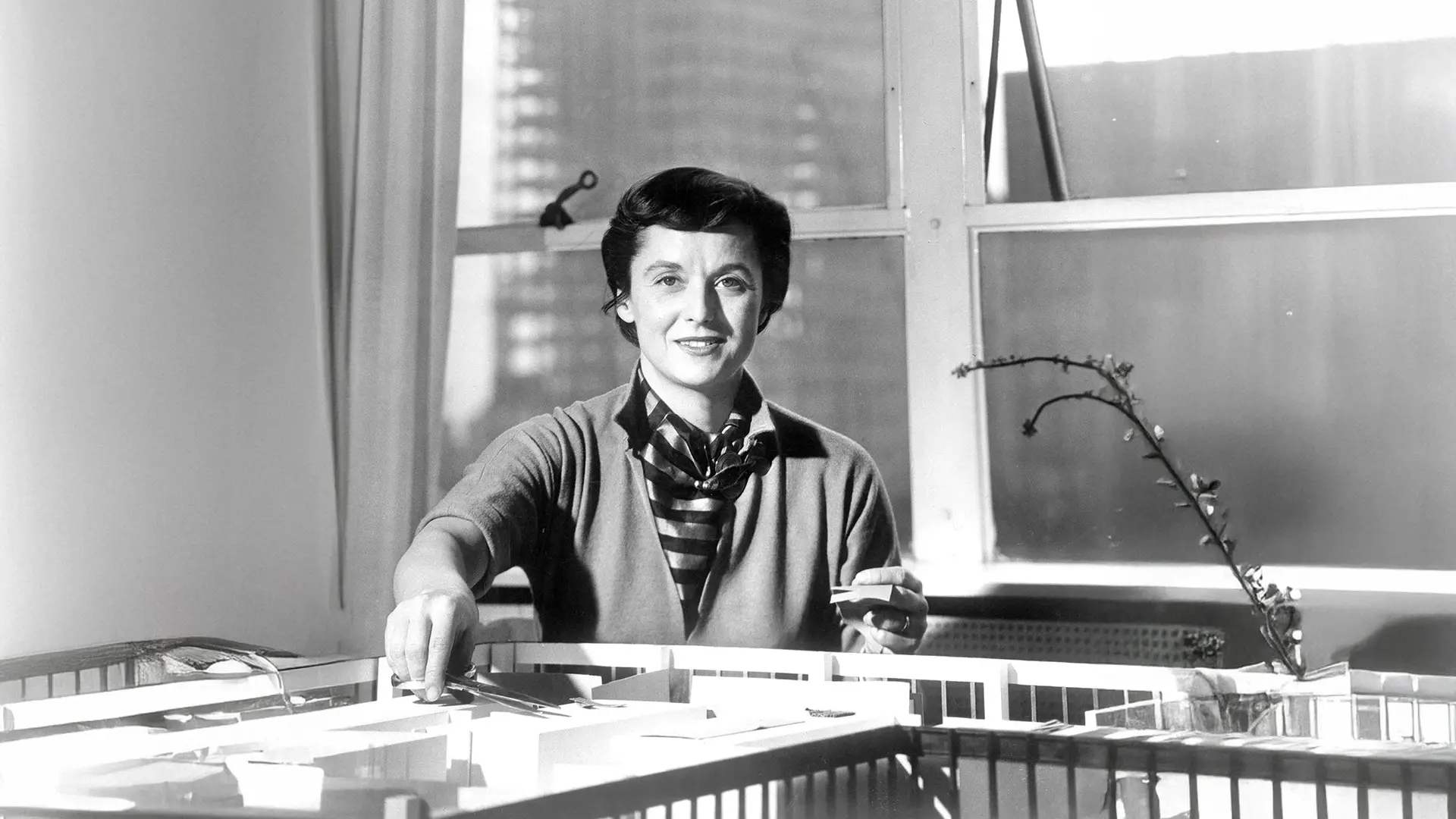
Lina was born in 1914. Charlotte was born in Paris in 1903. Gertrude was born in London in 1843. In different years and settings that shaped their passions and their talent, beautifully told by Ángela León for the Topipittori publishing house. Lina is the architect Lina Bo Bardi, Charlotte is the designer Charlotte Perriand and, lastly but not least, Gertrude is Gertrude Jekyll, the garden designer and subject of the recently published Gertrude. L’arte di creare un giardino (Topipittori, 2026). What unites them is the fact that they were all exceptional yet little-known women, or at least not as well-known as they deserve to be, given what they achieved. They are also brought together by the interest that Ángela León and Giovanna Zoboli, founder of the publishing house together with Paolo Canton in 2004, showed in them, keen to bring their stories to light through these wonderful illustrated texts.
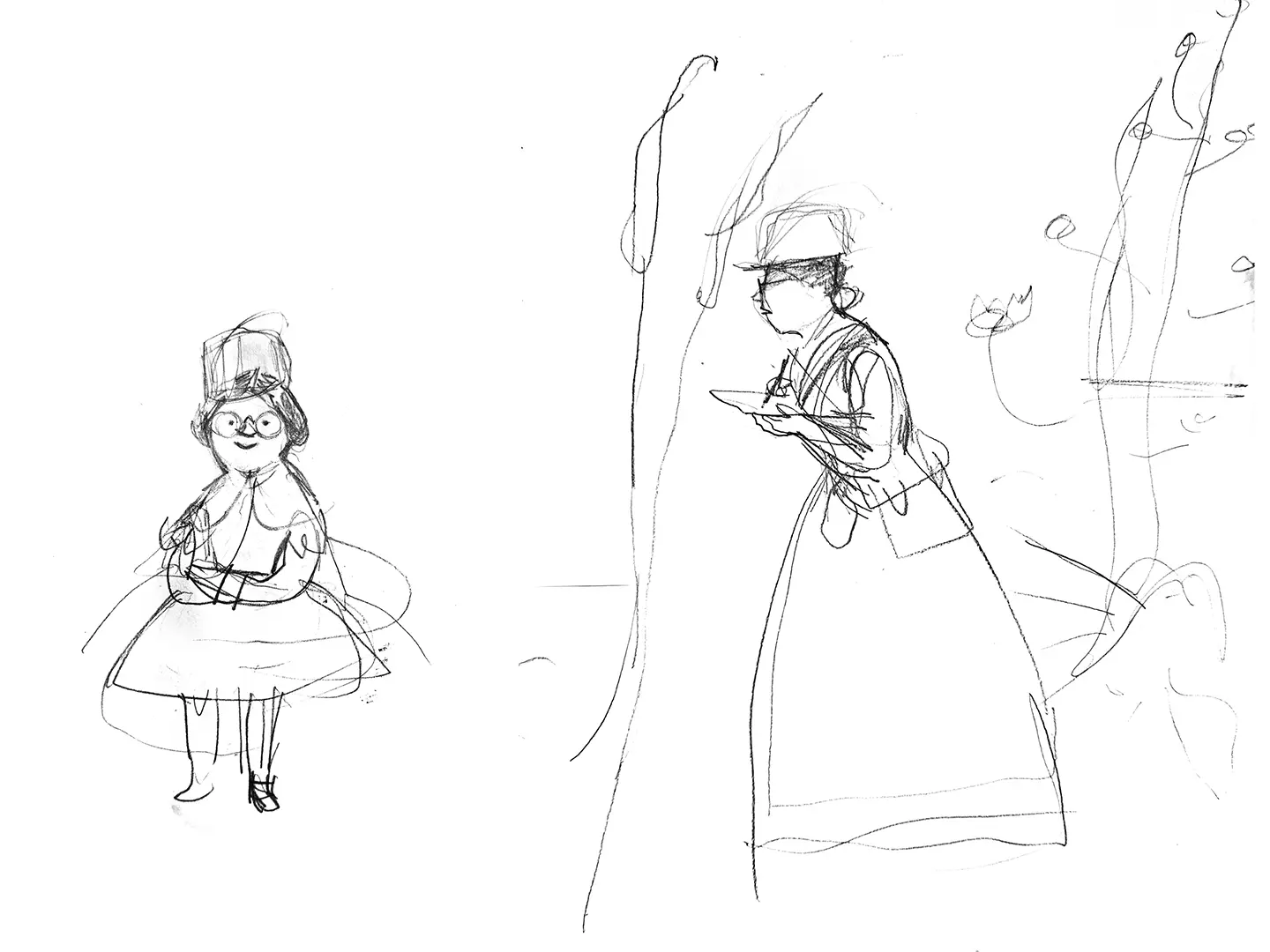
Gertrude. L’arte di creare un giardino (Topipittori, 2026)
How did your relationship begin?
Zoboli: Our relationship with Ángela León began thanks to Guido Scarabottolo who years ago showed me some drawings for a fantastic guide to the city of São Paulo, made by an extraordinary hand. I believe that people who know how to draw architecture, landscapes and faces in a very fluid way are also the best at knowing how to narrate them. I was really impressed by them. Our collaboration with Ángela began with a book published in partnership with the Musei Fiorentini for our Piccola Pinacoteca Portatile series; a book on the colour green in art. Shortly after that, Ángela came up with a proposal for a project on the life and figure of Lina Bo Bardi, who, entirely coincidentally, I had just discovered. Ángela’s work on Lina sparked a format that then also proved ideal for telling the stories of other exceptional women, such as Charlotte Perriand and Gertrude Jekyll. In England, Jekyll is something of a national treasure: the English garden as we know it today is almost entirely down to her. She was also an exceptional writer on the subjects of gardening and nature, to which much of the British love for plants, animals and the landscape can be ascribed.
León: We didn’t start off with the idea of creating a series of stories about women. Topipittori asked if I was interested in illustrating a book on Lina Bo Bardi and, given that I had lived in Brazil and greatly admired her, I asked them if I could write it too. I enjoyed doing it and we decided to publish another, and then another and that gave rise to the series, which we hadn’t necessarily planned. The aim of telling stories is to make them exciting and, preferably, original. In fact, there have been many talented women who haven’t been talked about enough. Doing so is also a way of appreciating them and making up a bit for the fact that they did not get the recognition they deserved when the time was right. Topipittori and I started discussing Lina because there was an exhibition at the Nilufar gallery in Milan at the time, and then she was awarded the 2021 Architecture Biennale Special Golden Lion for Lifetime Achievement some time afterwards. When I started the book about Charlotte, the Louis Vuitton Foundation had organised a fabulous exhibition about her. Over the last few years we have started to pay attention to figures such as them, but I don’t think, for example, that there are any books about them in Spanish, so it’s important that inspiring stories are published about them.
Children are also the protagonists of all three stories – firstly because the stories all begin when the three women are children and then because they themselves involved children when planning their creations.
Zoboli: It’s interesting that Ángela decided to start from the roots and the childhoods of these women, and also that at the beginning it’s not just them as children but also the context in which they grew up. As if to say: we have been born and we absorb everything, and we are able, through creativity, to change the world into which we have arrived. All three of these girls had genuine enlightenments in childhood. When Charlotte went into hospital to have her appendix removed, she discovered the beauty of white walls, empty spaces, essential for a hospital, and fell in love; Lina couldn’t wait to be older and have adventures; Gertrude discovered nature, invented names for plants and, after she and her family escaped to the country to get away from a highly polluted London, she became a wild child, roaming alone through the countryside and making friends with the animals she encountered. She would later experience other great passions, like painting, which she had to give up because of problems with her eyesight, but she went back to nature and discovered her greatest talent, the ability to create gardens. What these three figures have in common is the idea of nature as a central element from which to draw inspiration and measure themselves against in order to build architecture, milieus, internal and external spaces, and their passion for the creativity of artisans, work done by hand, techniques. These two aspects weave a common thread into a collective story.
León: I’m now working on a new book on Margarete Schütte-Lihotzky. Like the other three, she too was an extremely creative and courageous woman, who took unconventional and risky decisions, not just as regards the way she worked, but also the way she lived. They all had a very particular sensitivity towards aspects of the world around them, such as nature, ways of life and social justice. They are all highly inspiring.
Who inspires you in your work?
León: I usually turn to work by my favourite artists: Maira Kalman, Yann Kebbi and Roger Duvoisin. I didn’t study illustration and I’ve still got a lot to learn, so for me these are models that I study when I have to make concrete decisions while I’m in the process of composing a design. But what inspires me, or gets me into the mood to work well, enthusiastically, might be a film, a concert, a garden or an object in everyday use. I believe that any well-made piece of work is a source of inspiration.
25 February 2026
Share