

 Stories


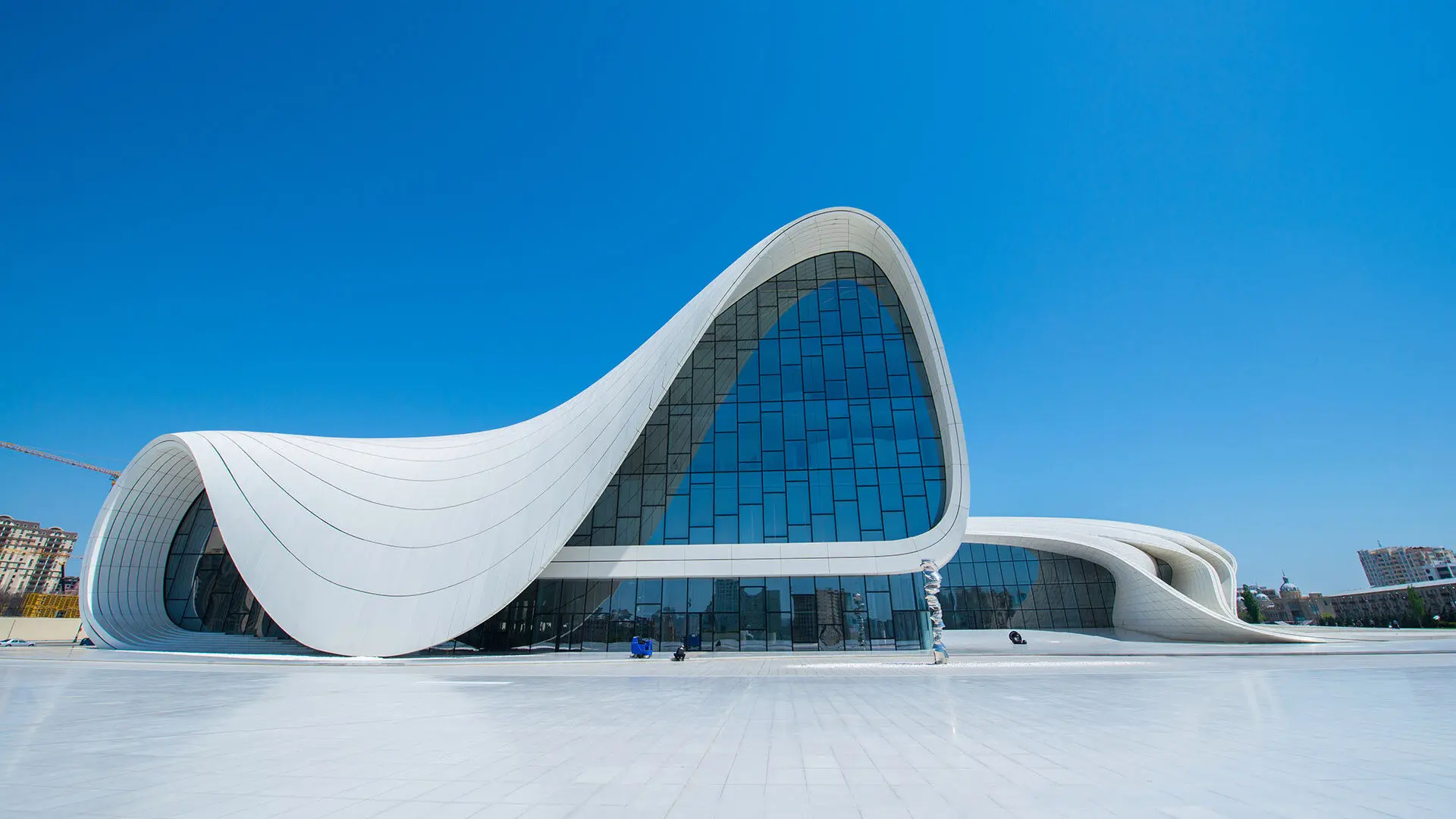
From Luigi Moretti at the 1960 Triennale to Patrik Schumacher’s manifesto and the works of Zaha Hadid: a history of architecture that entrusts form to algorithms, and which seeks to evolve from a method into a style
Bosa and the infinite potential of ceramics. Presenting new interpretations and functions
Text by
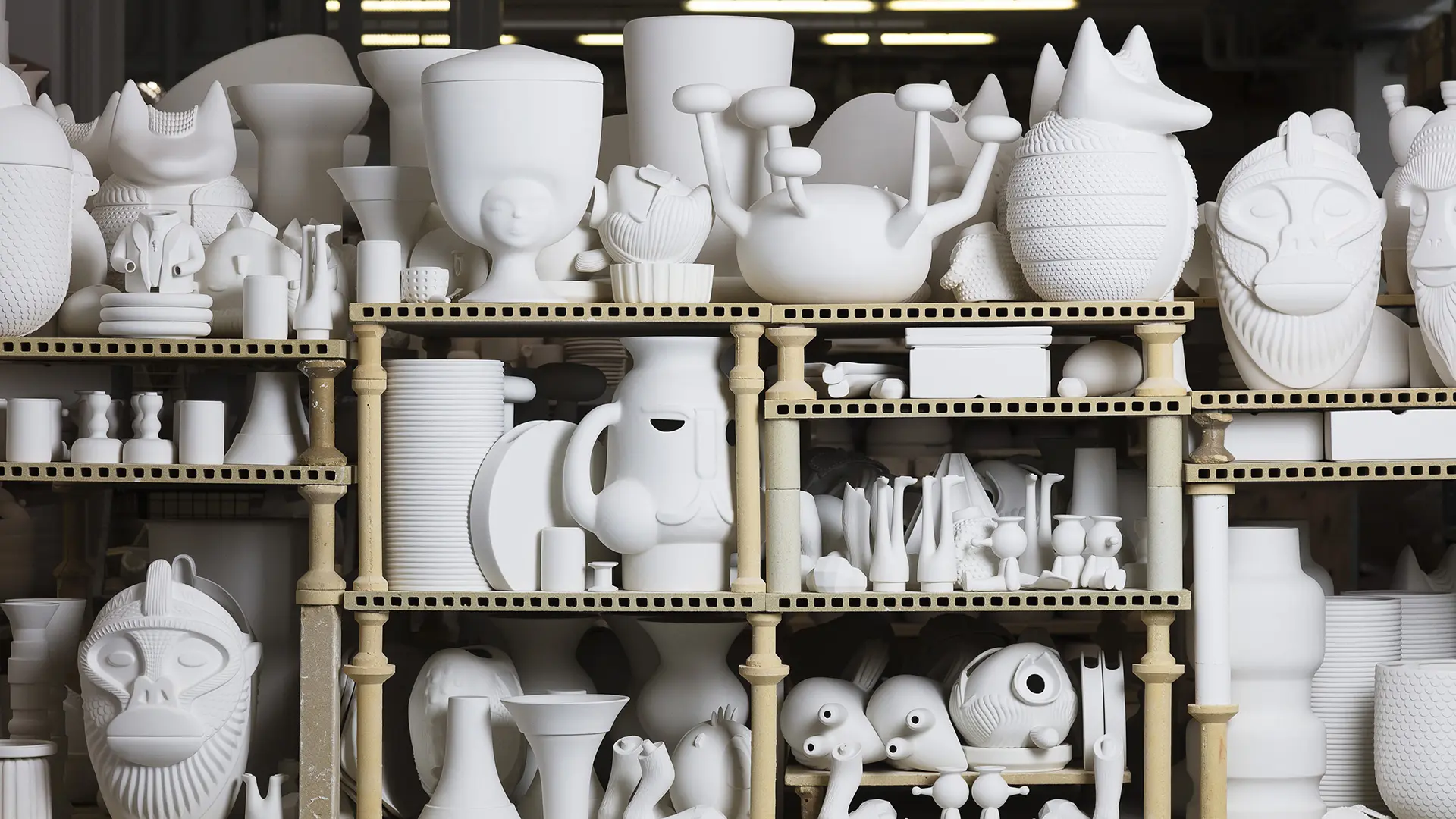
Bosa, ph. Lea Anouchinsky
50 years of research and innovation at the Veneto-based company that is a leader in its sector. Its incessant experiments combine craftsmanship and contemporary styles. The objective: to intrigue with imagination and color
“Products are good when they’re well made”: Bosa has invariably sought to fulfil this declaration of intent ever since 1976, the year it started ceramic production in a craft workshop at Borso del Grappa, in the foothills of the Veneto. And it has succeeded in a big way, as clearly shown by its presence in 50 countries and consequent international success, positioning it in the high-end range. Its continuous experiments with art, craft skills and a contemporary idiom begun by its founder, Italo Bosa, and passed on to his wife, daughters and collaborators, has led to the creation of a kaleidoscopic catalogue consisting of iconic and refined objects possessing a special soul, transmitting a strongly positive feeling through irony. Anthropomorphic figures with long donkey ears, owls, monkeys, mermaids, hippogriffs, minotaurs or totems that combine the features characteristic of the masters of design or women of all cultures and all times. These pieces characterized by the gestures of design and the strength of color explore the material, formal and functional potential of ceramics.
Bosa is, essentially, synonymous with high craftsmanship. Its products are made strictly by hand with special ancient techniques – echoes of the great tradition of ceramics from nearby Bassano del Grappa – together with the use of precious metals such as gold, platinum, copper and glazes with a specially created color palette. “Fashioning our products by hand is what makes us unique”, explains Francesca Bosa, Art Director, who has been with the company since 1994. “It’s a lot of effort: at the production level we can’t go beyond a certain number of products, and we certainly don’t want to. We are conditioned by the atmosphere, by fire, by chemistry. If there’s a wind, we already know that something will not work in the firing”. The result is a unique catalogue made up of craftsmanship and incessant experimentation: very complex projects both by the difficulty of the molds and the XL dimensions, underscoring the founder’s special propensity to share adventures in design with the mostly young designers of European origin who experiment with new forms of expression. The company’s refined, exclusive objects express the concept of beauty as a daily experience and transform ceramics into contemporary sculptures, to be experienced as a part of everyday life. An example is Vento, one of the latest collections presented at the Salone del Mobile 2025 by Assia Karaguiozova, inspired by the strength of the natural elements.
Exploring the expressive potential of ceramic has always been another undisputed mission of the company. This is how it created objects and collections that go beyond being simple furnishing accessories, functional and decorative. They are rich in symbolic, cultural and formal meaning, veritable totemic presences, capable of fascinating and involving, conveying a strong vitality and telling stories. Many stories, like Primates by Elena Salmistraro, which invites us to reflect on the ties between humanity and nature through the figure of an ape. Or HopeBird, a limited edition sculpture created by Jaime Hayon, an expression of optimism and a vision of the future. Alongside the special understanding created with Salmistraro and Hayon, the firm’s creative range is broad and includes designers such as Patricia Urquiola, Luca Nichetto, Sam Baron and Nika Zupanc.
These are important names, like those of the various leading companies that Bosa has worked with. They range from Disney, which chose the firm to celebrate Mickey Mouse’s 90th anniversary, to Warner Bros and Smiley, with which it celebrated 100 and 50 years respectively. Its partnerships extend to the fashion world, with Karl Lagerfeld, and since 2020 to the defense of the environment through a donation to the WWF in support of nature and endangered species. This is how Elena Salmistraro’s panda Bernardo and Vittorio Gennari’s Dab Penguin came to be created, followed by Alessandra Baldereschi sea turtle Margot and elephant Surus.
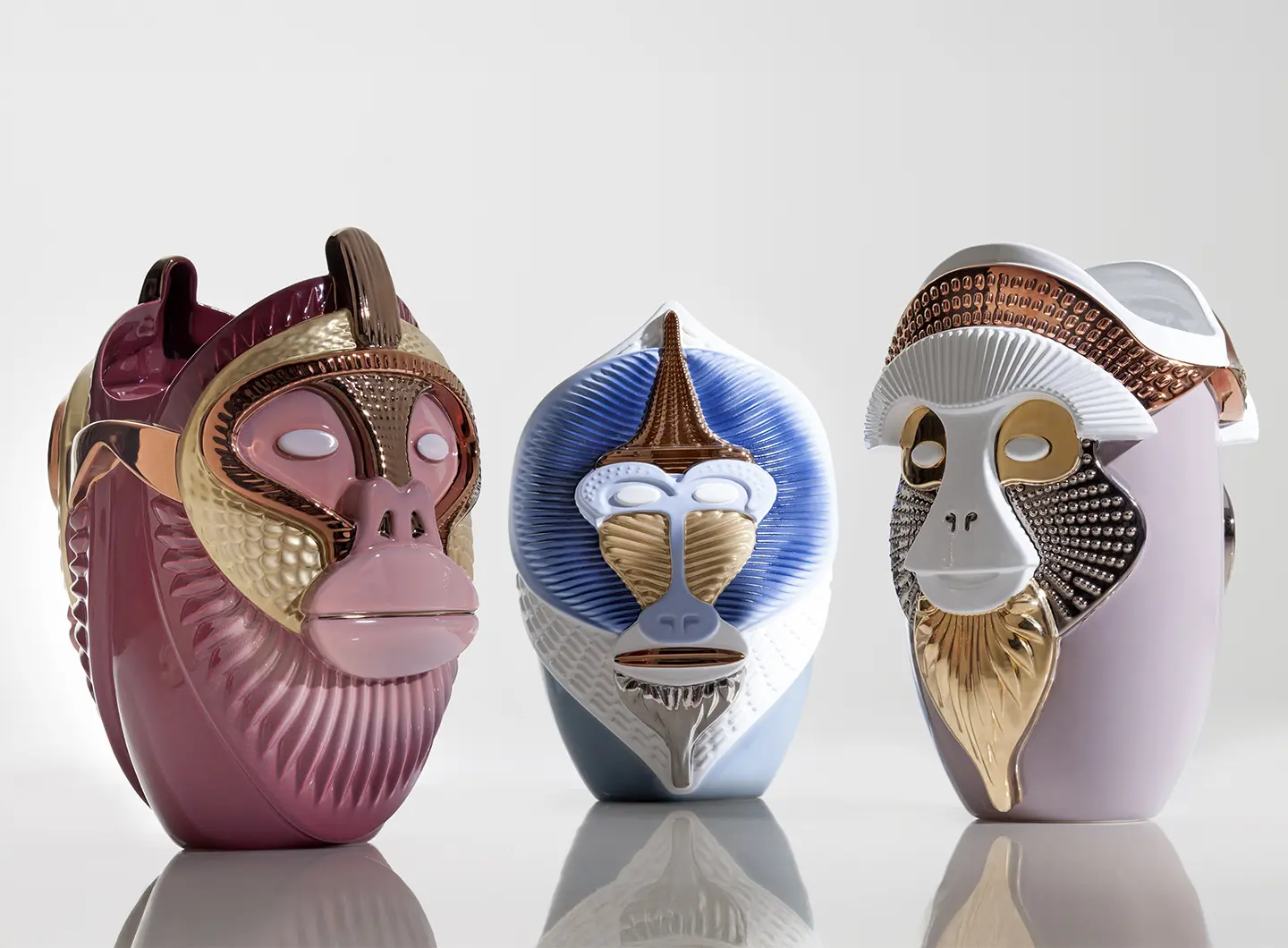
Primates, design Elena Salmistraro
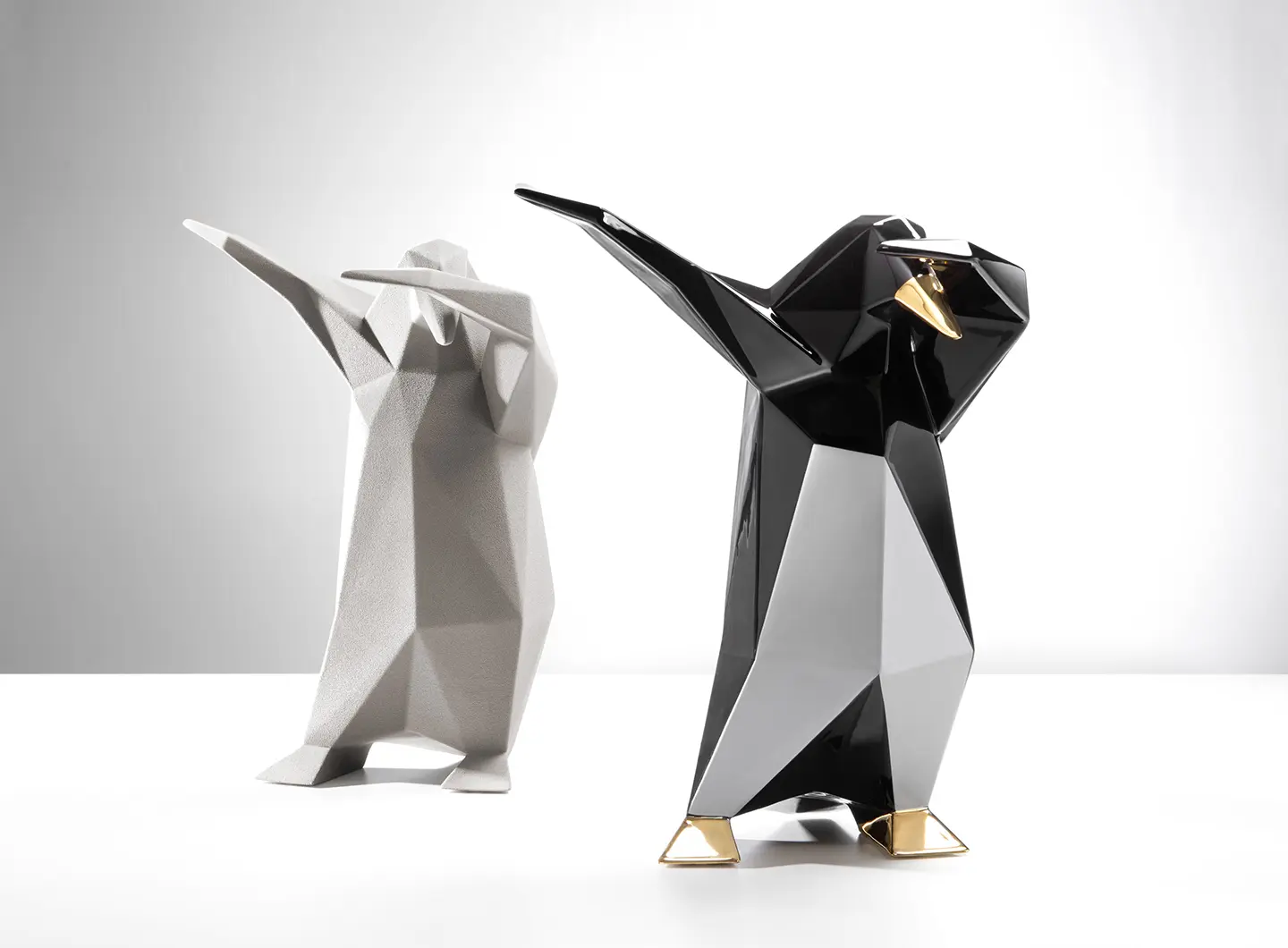
Dab Penguin, design Vittorio Gennari
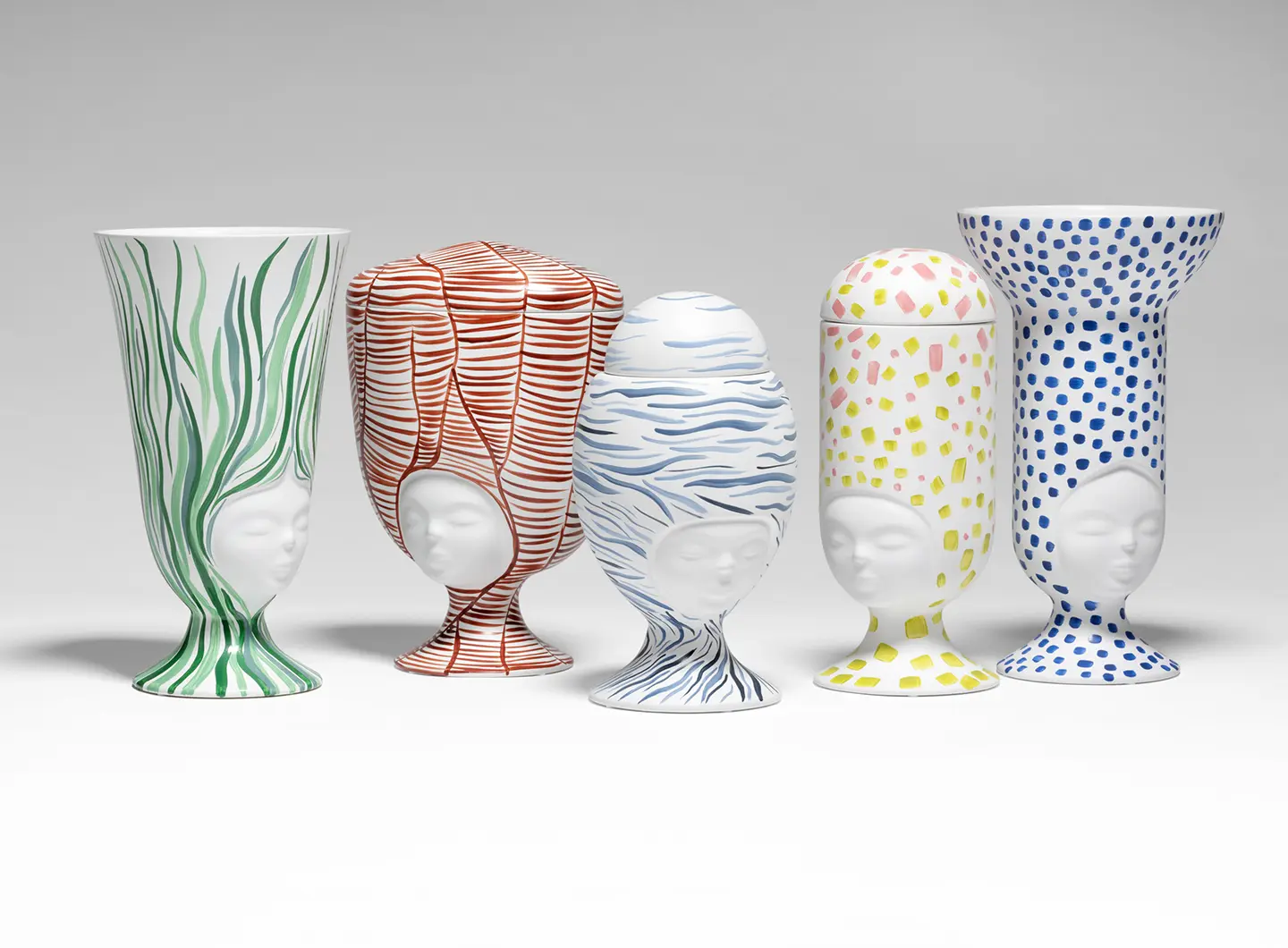
Sisters, design Pepa Reverter


A concern for the environment and sustainability is reflected firstly in the firm’s maintenance of high quality standards and by minimizing emissions in the atmosphere. Its production processes also reflect this commitment. Components hazardous to the workers’ health, such as lead and cadmium, have been eliminated, and the workspaces are equipped with state-of-the-art extraction systems capable of effectively capturing any airborne dust. In addition, every item intended for the table or for contact with food and beverages undergoes specific safety tests to ensure it releases no harmful substances.
Bosa’s care for the creation of exclusive and original objects extends to the environment, through responsible decisions affecting the whole production cycle: from packaging, which favors paper and cardboard and, where necessary, recyclable materials, to the use of photovoltaic panels that cover a large part of the company’s energy needs. It includes the sustainable management of the water used in manufacturing, which is purified, sedimented, and reused in the wash cycle in spray booths. Completing this commitment, in the areas adjacent to its workshops, the company has planted trees with high CO₂ absorption capacity, flowering shrubs to support bees, and berry‑bearing species as food for birds.
Bosa’s creative vocabulary is like an everevolving alphabet, a celebration of the interplay between art and everyday life, whose guiding thread is an ironic, playful, and lighthearted touch. “Bosa’s goal,” explains Francesca Bosa, “is to intrigue. A vase has to do more than just contain flowers, it also needs to be a beautiful object to that catches the eye. The important thing is that they make you feel good. And after all, this is the true meaning of design: that it creates harmony in the home and within ourselves”.
23 January 2026
Share