


 Markets

From Luigi Moretti at the 1960 Triennale to Patrik Schumacher’s manifesto and the works of Zaha Hadid: a history of architecture that entrusts form to algorithms, and which seeks to evolve from a method into a style
The kitchen, a technological and cultural hub. Interview with Edi Snaidero
Text by
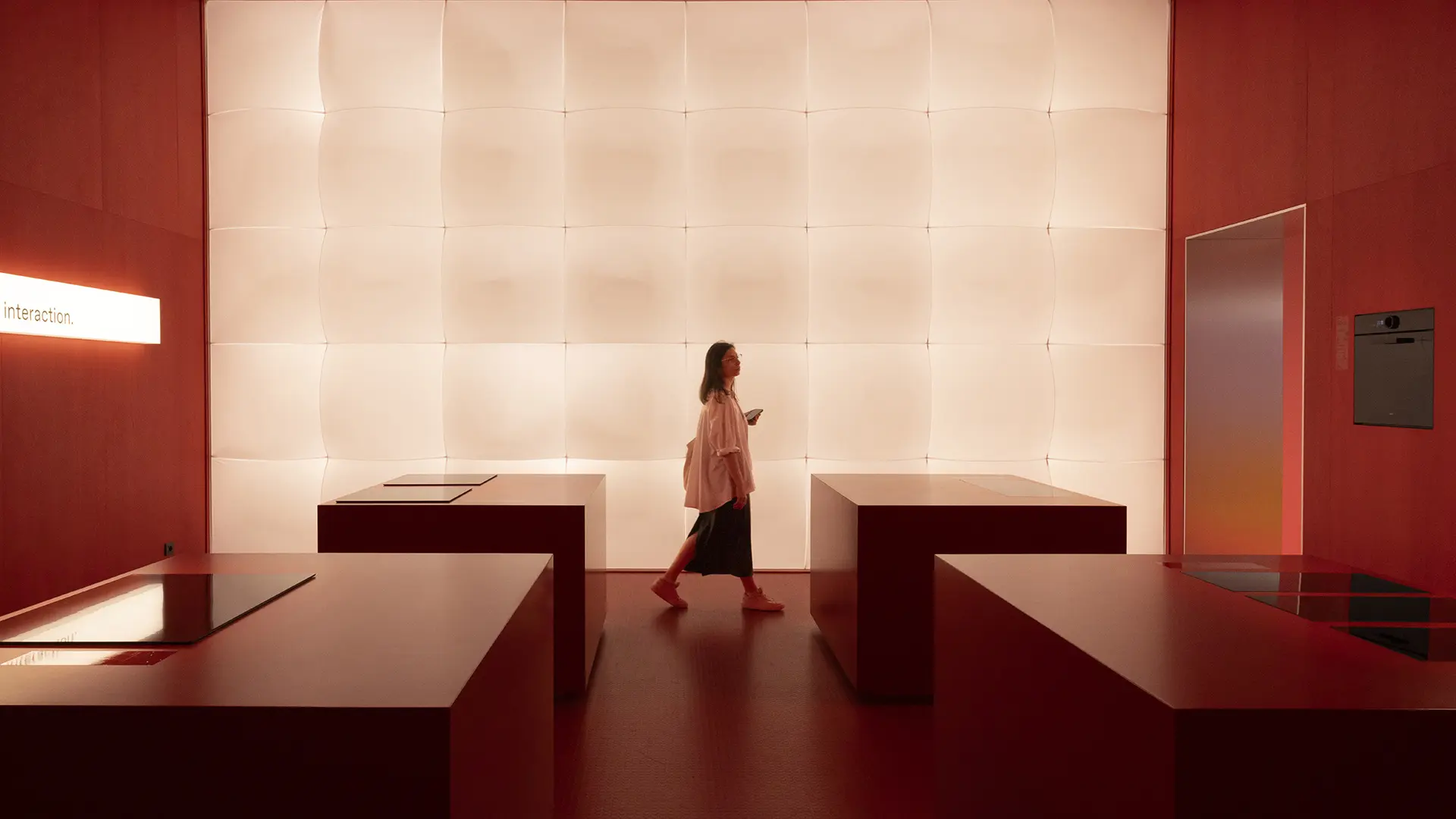
FTK, Technology For the Kitchen Salone del Mobile.Milano 2024 ©Diego Ravier
Through the words of Edi Snaidero, appointed counsellor to the Assarredo Kitchen Group, we explore developments in the kitchen sector and the innovations that will take centre stage at EuroCucina / FTK - Technology For the Kitchen 2026
The kitchen sector is constantly evolving, ready to face global challenges with a spirit of unity, innovation, and a focus on technology, quality, and Italian design. This conversation with Edi Snaidero, appointed counsellor of the Assarredo Kitchen Group, offers an overview of the goals achieved, the industry’s transformations, and the prospects for the 2026 edition of Eurocucina, scheduled from 21 to 26 April.
What do you expect for this edition?
I believe a significant step was taken in last edition, with the new format beginning with Euroluce. It’s now well-established and was a significant milestone. Eurocucina is highly sought-after internationally, and in recent years, players from countries like Germany have recognised its value. This has made it a global benchmark for the kitchen industry: perhaps not the largest event in terms of numbers, but certainly the most meaningful in terms of quality.
We’ve also observed a growing integration of appliances as functional elements in modular kitchens. Today, rather than considering FTK separately, I see Eurocucina as a single ecosystem in which technological components are integral to the project.
What transformations do you envision for the kitchen, and what innovations can we expect?
We must consider the kitchen as a hub, the technological centre of the home, and recognise manufacturers’ ability to be receptive to needs, as we have always done with appliances. We are shifting towards an even more intelligent environment, capable of integrating family and home life and of interacting with the realms of architecture, design, research, and lifestyle.
This means extending innovation and research, staying ahead of the curve: it’s the only way to be competitive. Salone del Mobile has become even more international, with foreign visitors representing a bigger share than ever, so we can conclude its importance is being recognised worldwide.
What trends will we see in terms of aesthetics and materials?
Expect to be surprised. Environmental awareness is driving the search for innovative materials. While the post-Covid era saw a predominance of white and minimalism, we are now witnessing a strong return to tactile and extraordinary finishes in materials like ceramic. One example is the Abitum project, where ceramic countertops – the highest quality option – stand out for their durability but also for their aesthetic appeal and warm tones, suitable for open-plan kitchens designed to be fully experienced. It’s no coincidence that companies are also developing the living area adjacent to the kitchen, to ensure consistency of materials and finishes. The outdoor theme is developing too, although it remains a high-end niche.
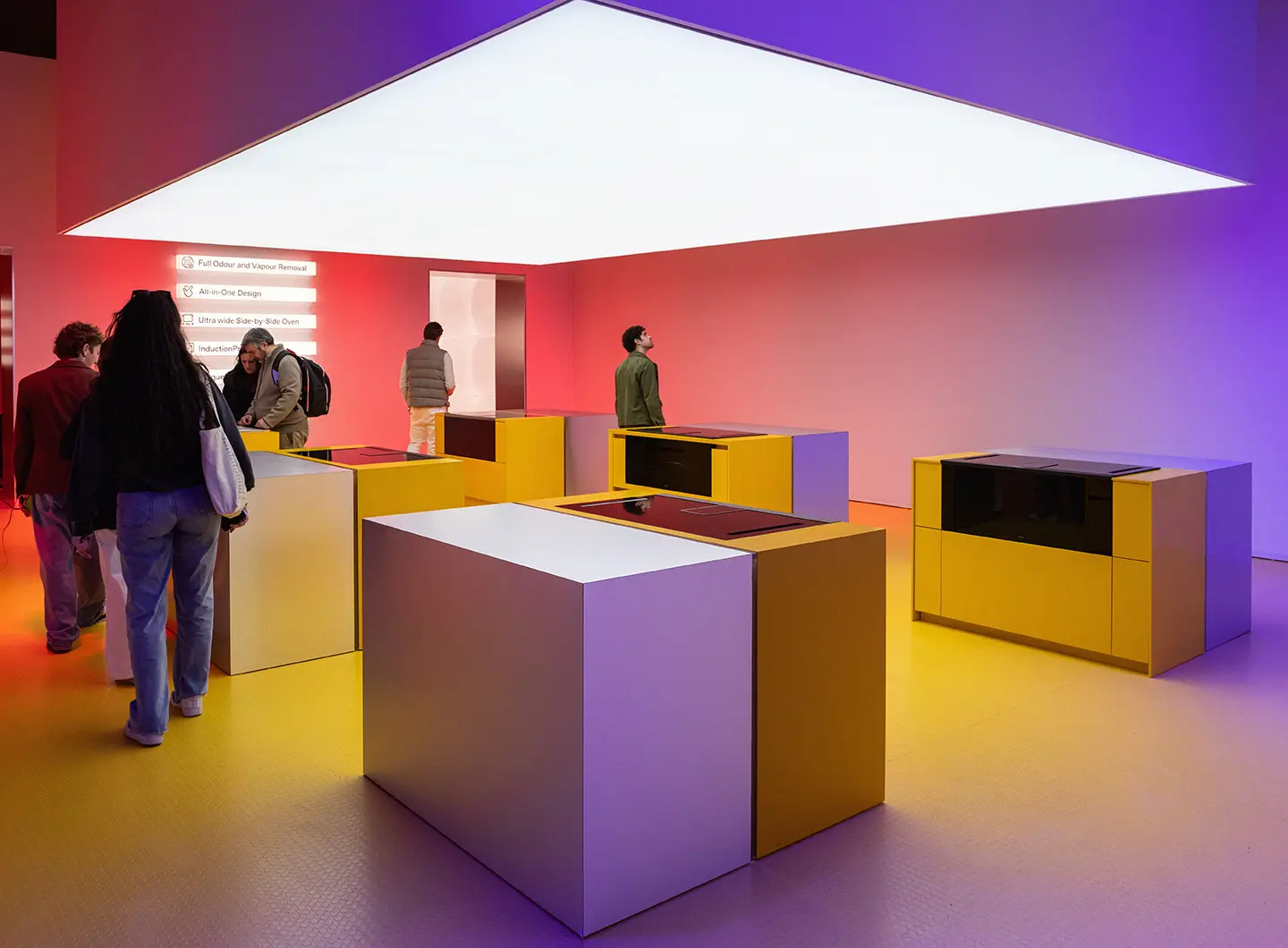
FTK, Technology For the Kitchen Salone del Mobile.Milano 2024 ©Andrea Mariani
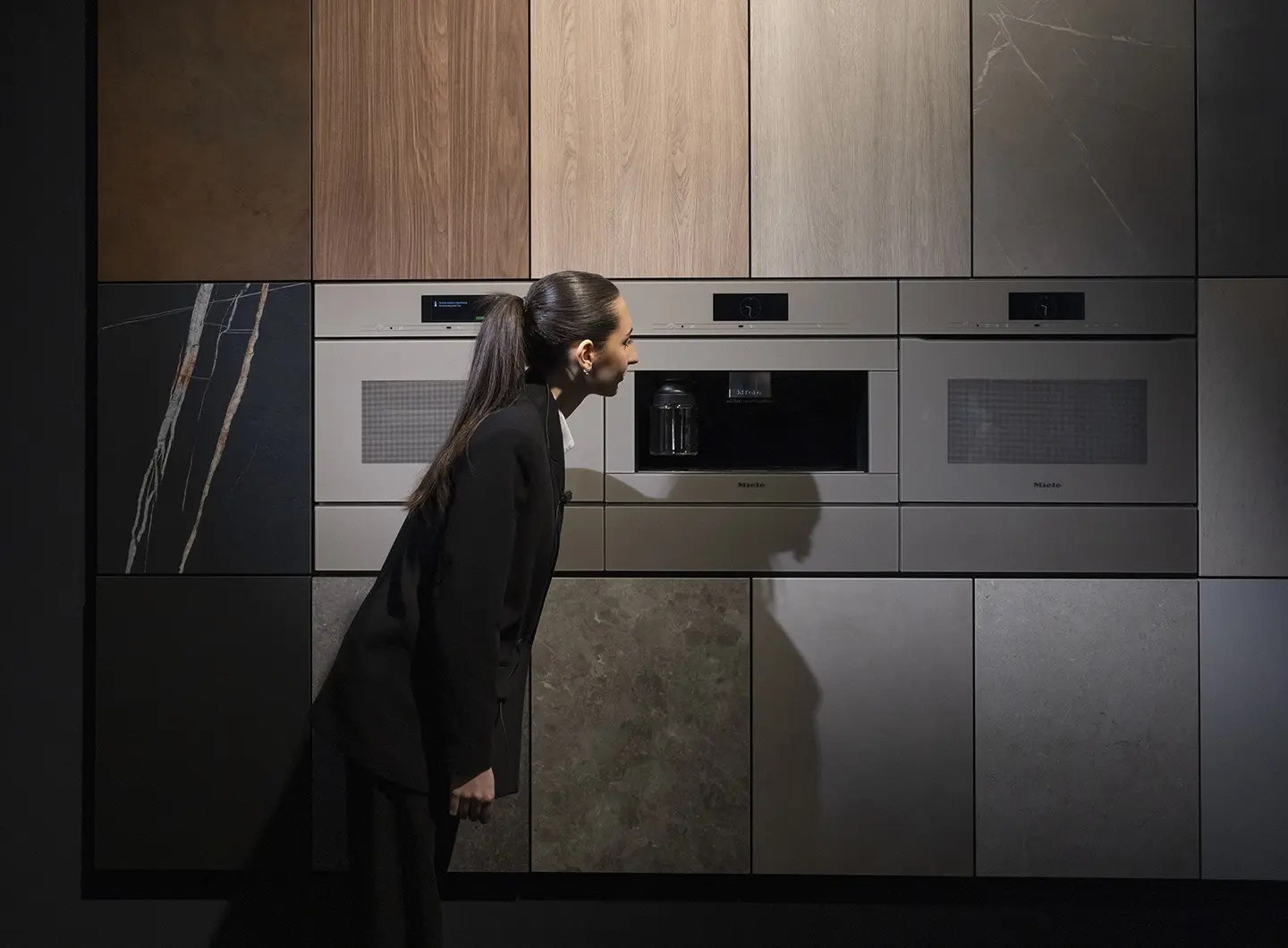
FTK, Technology For the Kitchen Salone del Mobile.Milano 2024 ©Diego Ravier
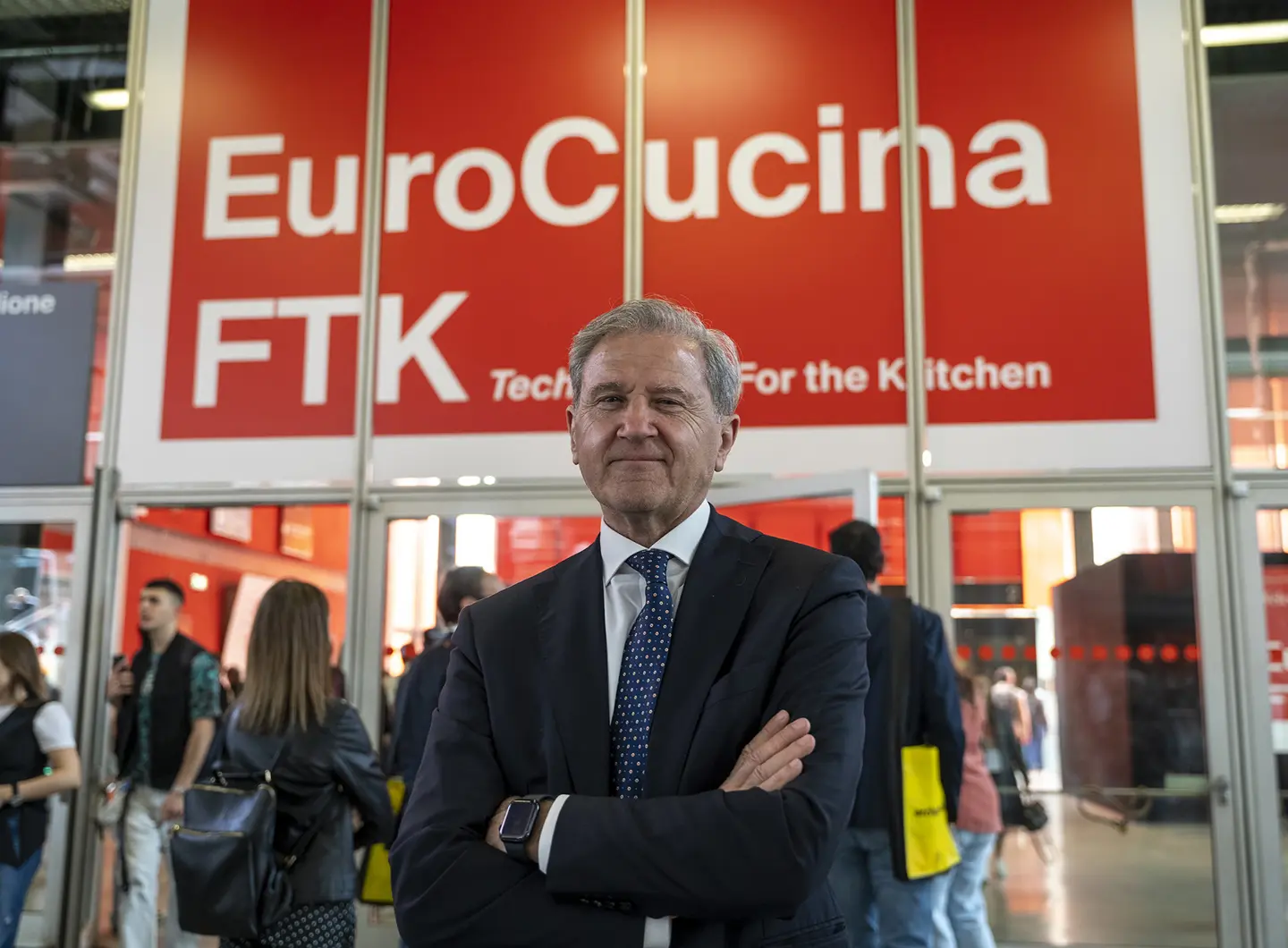
Edi Snaidero, Appointed Counsellor to Federlegno's Assarredo Kitchen Group and President of the European Furniture Industries Confederation (Efic)


Have you seen an increase in people’s awareness of the importance of protecting intellectual property?
The EFIC (European Furniture Industries Confederation), of which I have been president for five years, has achieved significant results thanks to its collaboration with EUIPO (European Union Intellectual Property Office), which is based in Alicante, Spain and is responsible for managing EU trademarks, designs, and models as well as EU geographical indications for artisanal and industrial products. Our long-standing relationship began with EFIC, but the first to connect with this project was FederlegnoArredo. We have completed courses both as the national Federation and as the European Federation.
What reasons push entrepreneurs to join the Assarredo Kitchen Group?
One is international trade, where information and support are needed for export activities. The second concerns intellectual property protection, which is key for exporters unless the company has its own legal department. Another important issue concerns new regulations, such as those on deforestation. The Group’s support was crucial in this because many companies didn’t know how to navigate the legal context: this is a good example of what belonging to an association can mean, and how helpful it can be. In addition, there are even more stringent regulations on eco-design. FederlegnoArredo is well organised and relies on trained technicians. Non-members don’t have access to as many tools.
How are international markets doing?
Let me preface my answer by saying that, until last year, the Italian kitchen industry showed strong growth in exports. Italy and Germany are the two largest manufacturers of quality kitchens in the world, recognised in emerging markets as well as in North America. Over the past year, things have changed somewhat, partly due to the uncertainty caused by tariffs. The United States and France, the two most important export markets, have been hit hardest. The French economy has been struggling recently, and consequently, so have our exports. The tariffs have also impacted the North American, Northern European, and British markets, leading to uncertainty in the contract sector. I believe there will be a positive rebound this year, but companies must get used to living with critical situations.
What’s the next step?
Salone del Mobile is about to launch a project focusing on the world of contact, where we will see significant innovations, highlighting the ability to develop environments and products tailored to the way people live, build, and sell products internationally. In 2027, this will lead to the debut of Salone Contract – with a Masterplan by Rem Koolhaas and David Gianotten (OMA) – to explore the main themes of this evolving ecosystem. The event will pave a new path for the contract sector, which has been receiving significant attention from all our companies, not just kitchen manufacturers.
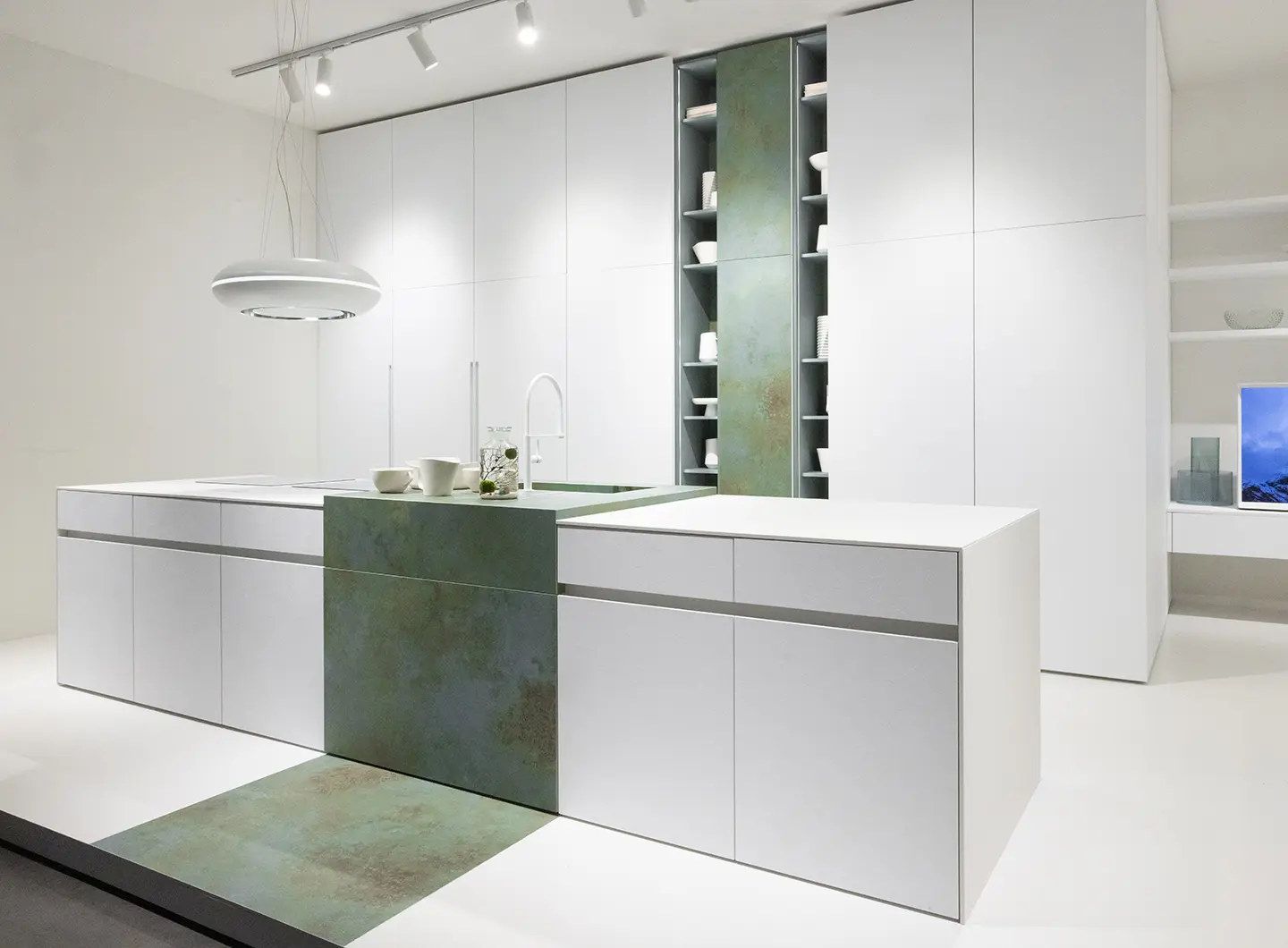
EuroCucina Salone del Mobile.Milano 2024 ©Diego Ravier
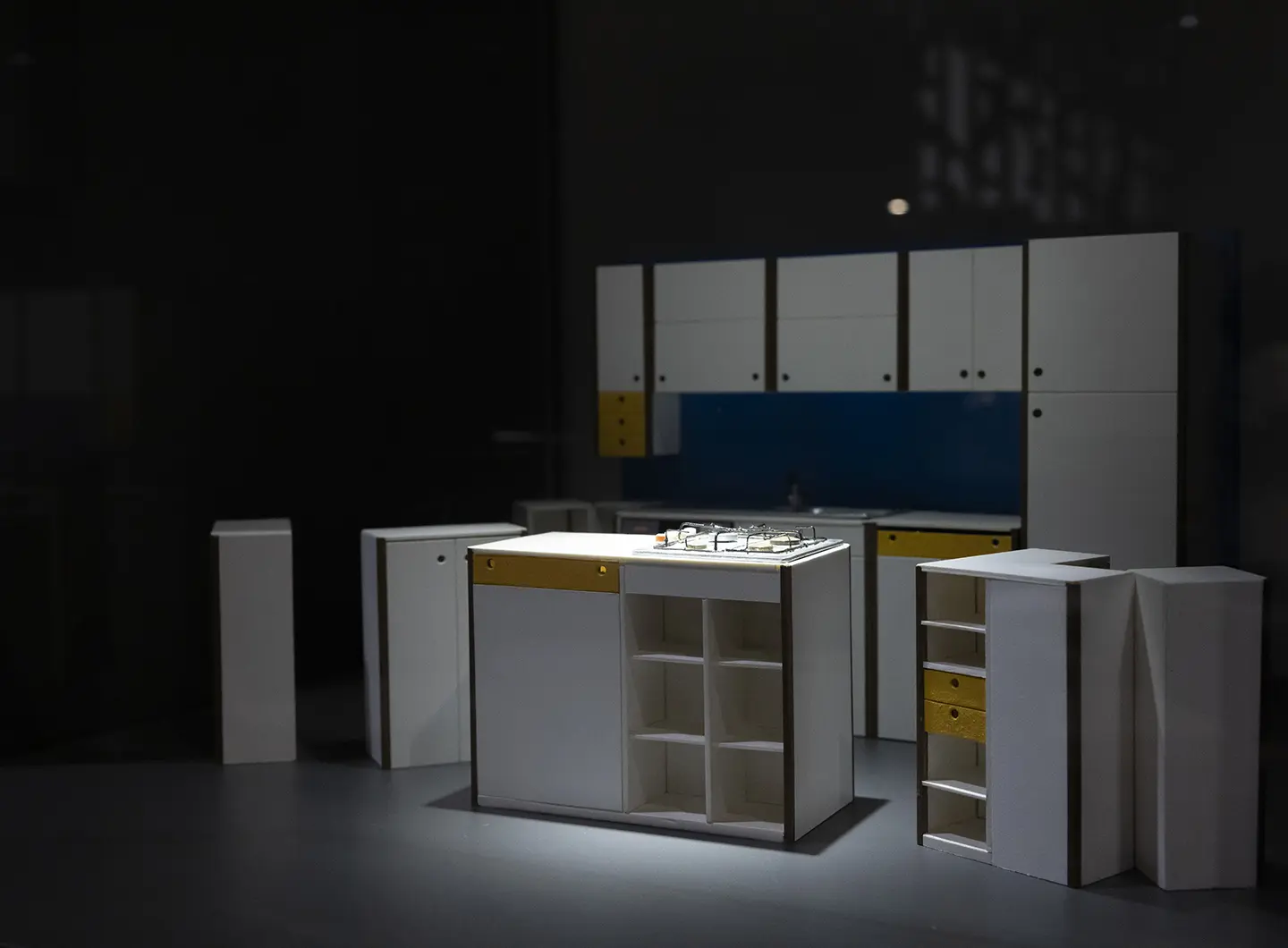
EuroCucina Salone del Mobile.Milano 2024 ©Diego Ravier
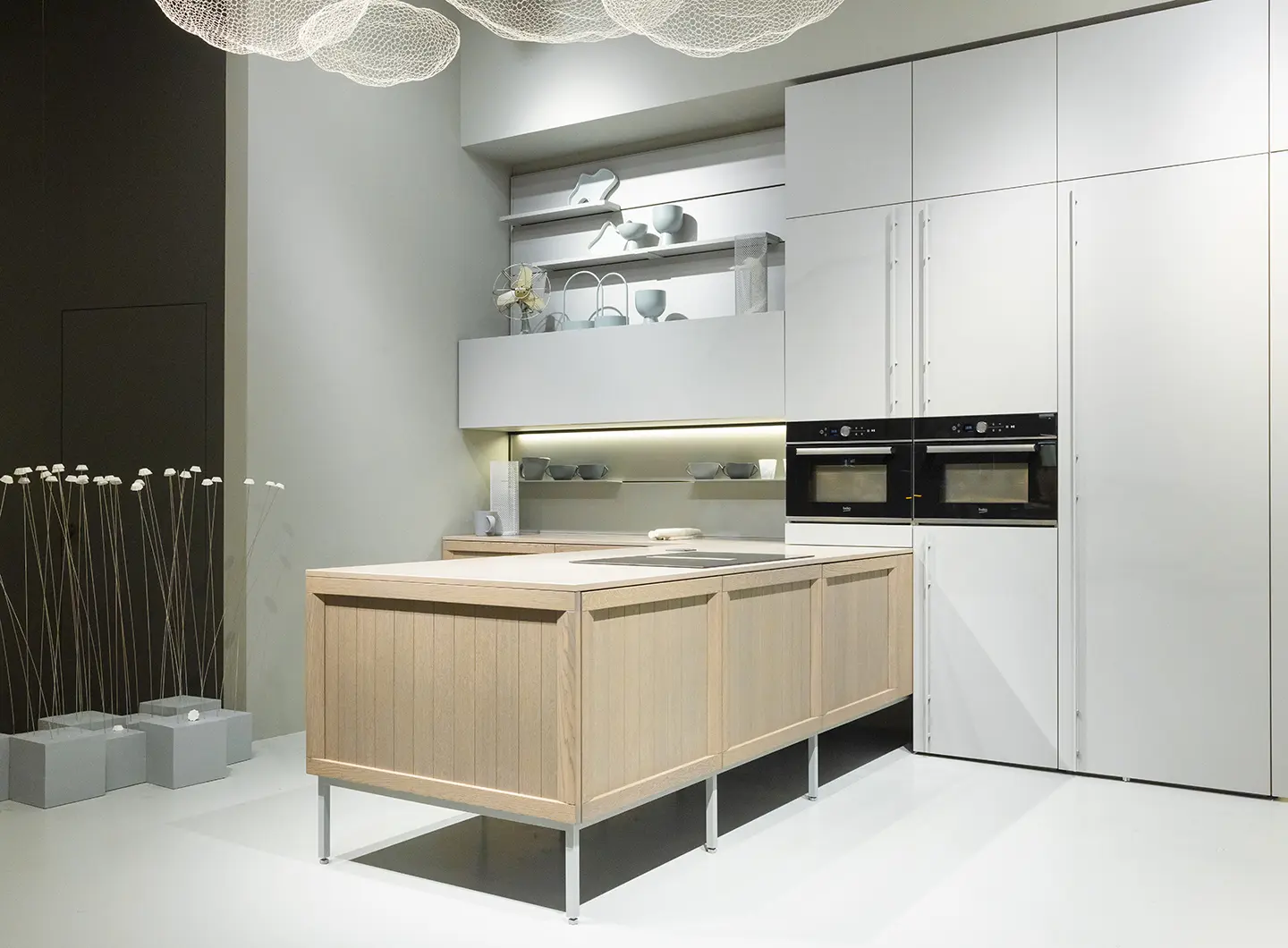
EuroCucina Salone del Mobile.Milano 2024 ©Diego Ravier
3 February 2026
Share




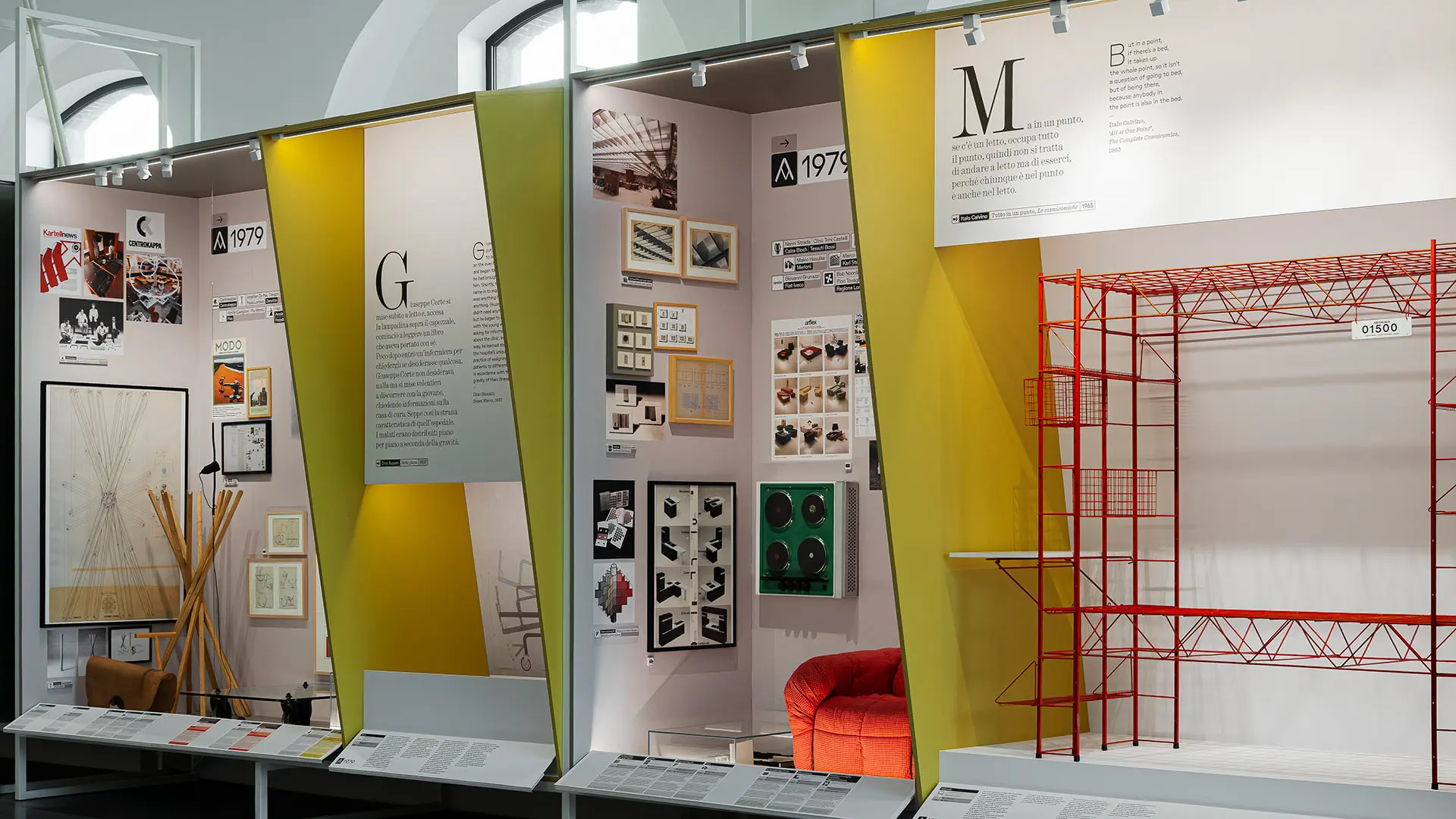
ADI Design Museum: the Compasso d’Oro collection reinterpreted from scratch
Five years since it opened, the museum in Milan presents the first new scientific reordering of its Historical Collection. Curator Maite García Sanchis relates how the way of interpreting over seventy years of design is changing, while Domitilla Dardi explains why the “Anthological” study enables the award-winning objects to dialogue with literature


