

 Stories





Everything you need to know about the 64th edition: dates, times, tickets, the return of EuroCucina / FTK – Technology For the Kitchen. And then the International Bathroom Exhibition, and the absolute novelties such as Salone Raritas, Salone Contract and the installation “Aurea, an Architectural Fiction”
Achille Castiglioni: design, function and the culture of everyday life
Text by
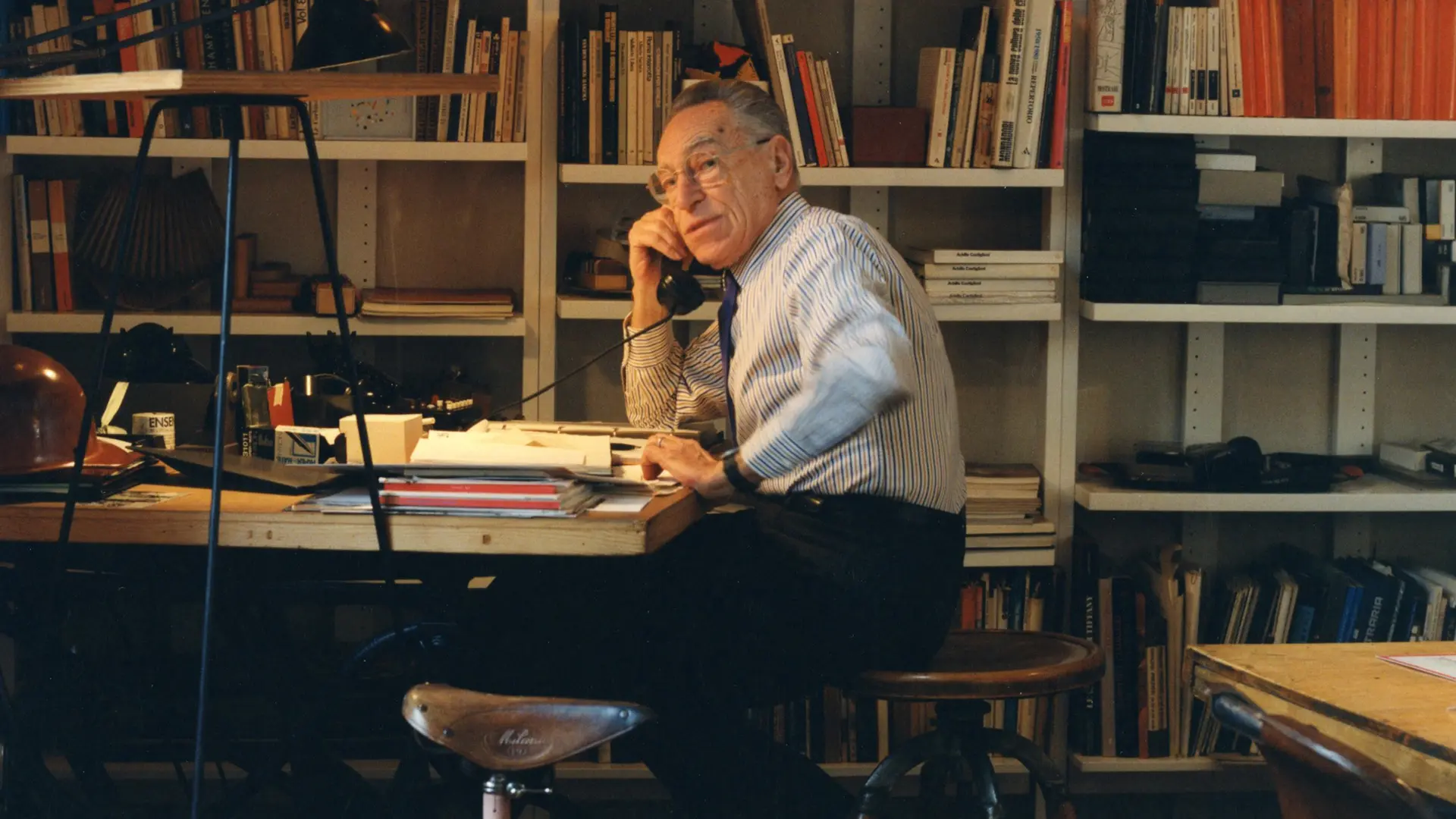
Achille Castiglioni, courtesy Fondazione Achille Castiglioni, ph. Gianluca Widmer
A glance over Achille Castiglioni’s work, taking in the best loved objects as well as lesser-known projects, where function, use and a concern for the users guided every choice
Achille Castiglioni was a Milanese architect, designer and academic (1918–2002), one of the most important and widely recognised in Italy and internationally. He was one of the leading figures who contributed decisively to the creation of the myth of Design Made in Italy, and is unanimously regarded as among the great Masters of Design. He began his career as a designer in 1944. On graduating from the Politecnico di Milano, he joined the practice founded by his brothers Livio and Pier Giacomo. In fact, it is hardly possible to talk about Achille Castiglioni without including his brother Pier Giacomo Castiglioni. The designs were always created by the two Castiglioni brothers without a real division of roles. As has often been said, “They both tackled the same problem together, together they came up with the good idea, together they built the model, and together they enjoyed many national and international successes. Two bodies, one head”. The partnership lasted until 1968, the year of his brother’s death. Achille Castiglioni’s career, on the other hand, spanned almost six decades and accompanied some of the most far-reaching social and cultural changes of the twentieth century. He was never a passive spectator, but one of the figures who contributed most to the evolution of the design of the home in Italy and abroad.
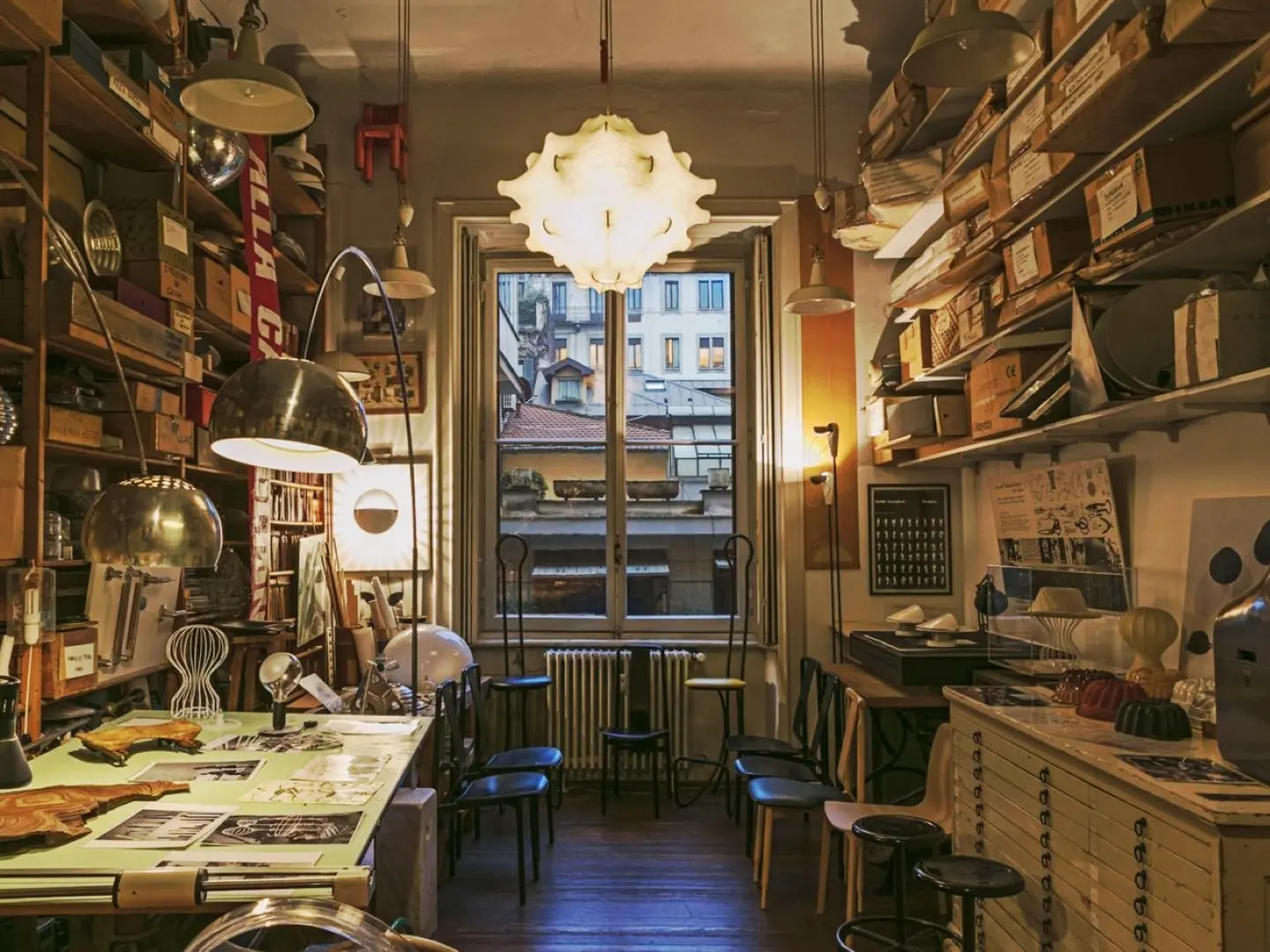
View of the Achille Castiglioni Studio Museum, Milan. Courtesy Fondazione Achille Castiglioni
Achille Castiglioni is further considered a Master of Design because of the profoundly instructive nature of the relationship between his objects and their users. It is difficult to use one of his designs without questioning the reason for the formal, constructive or functional choice that it embodies. His objects stir curiosity, invite understanding and often prompt their owners to investigate their functioning and origins, transforming everyday use into a moment of storytelling and awareness. During his career he contributed decisively to the international spread of Italian design, working with some of the most prestigious brands in the sector. These included Alessi, Kartell, Flos, Zanotta, De Padova, Poltrona Frau, Siemens and Brionvega, to name just a few. In the almost sixty years of his career, Achille Castiglioni created more than a hundred design objects, some of which are now part of the permanent collection of the Museum of Modern Art in New York and other important international museums. His greatest success, however, is perhaps different: silently or as a protagonist entering the homes of millions of people. Achille Castiglioni died in the early years of the new millennium, at the age of 84, in his studio in Piazza Castello in Milan, which since 2005 has become the Achille Castiglioni Studio Museum.
We have tried to tell the story of his work, his vision and his design practice through a necessarily limited selection of objects: a map that brings together some of his most widely recognised products, unusual projects and iconic collaborations with the brands featured in the Salone del Mobile.
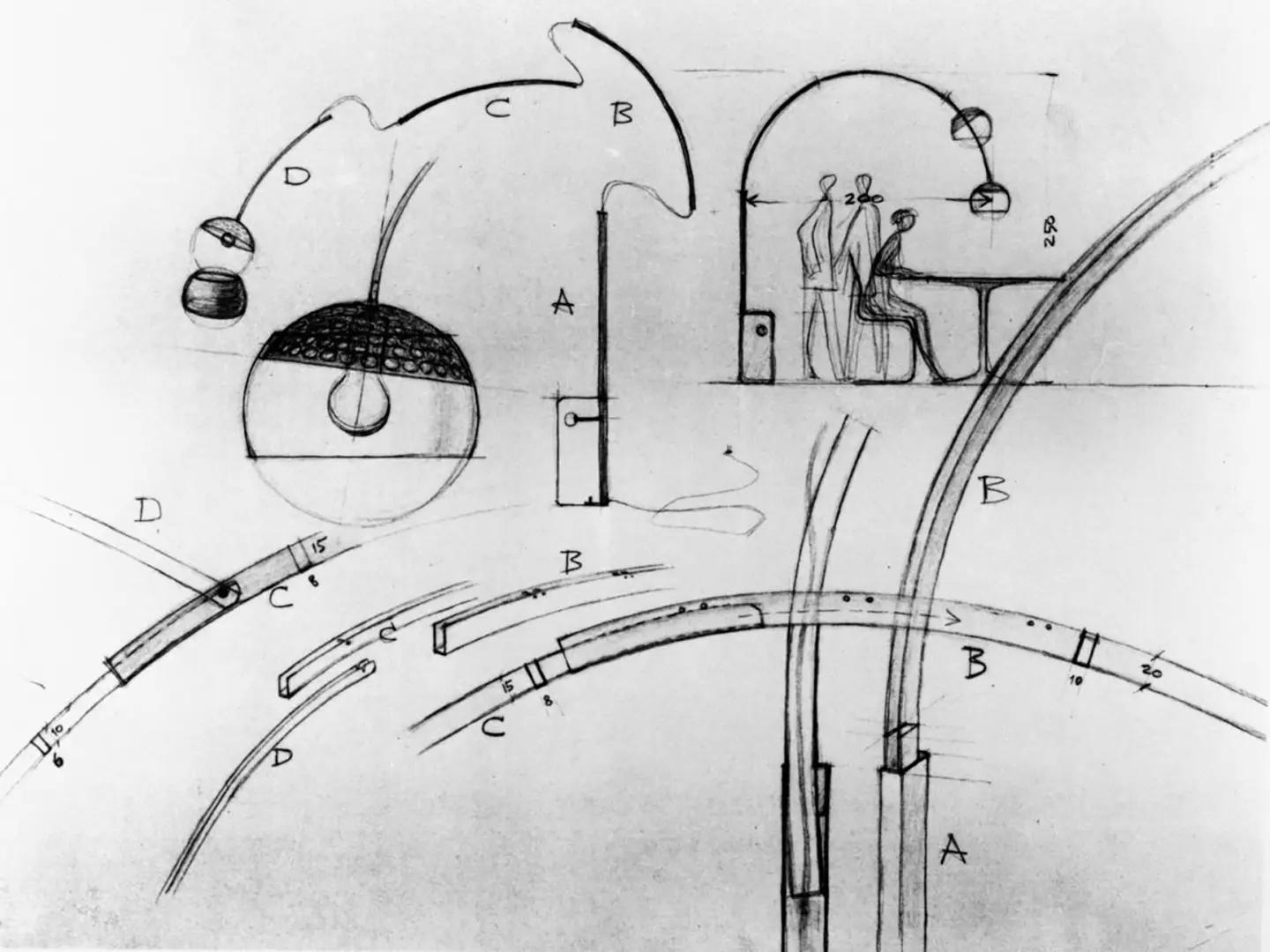
Achille and Pier Giacomo Castiglioni, study for Arco lamp, drawing. Courtesy Fondazione Achille Castiglioni
Achille Castiglioni’s lamps
In the design of light fixtures, Castiglioni drew on all his experience gained in exhibition and museum installations, settings where artificial lighting does more than just illuminate: it integrates and shapes the architectural space. In many of his projects it can be seen how the use of light is innovative even before the form of the object. Among his greatest successes – not only commercially – is the Arco lamp, still present in the Flos catalogue. Arco is the luminaire that redefined the relationship between the table and lighting, freeing light from the fixed position on the ceiling and introducing a new freedom of use in the domestic space. In Arco nothing is decorative. Even the rounded edges of the base have the specific function of avoiding knocks. In the same way the hole in the base is not an arbitrary feature, but makes it easier to move. Arco is also the first industrial design object to be given copyright protection as an artwork. A product that, in over forty years of production, has undergone only one modification – that of the electrical system – exclusively to comply with current regulations.
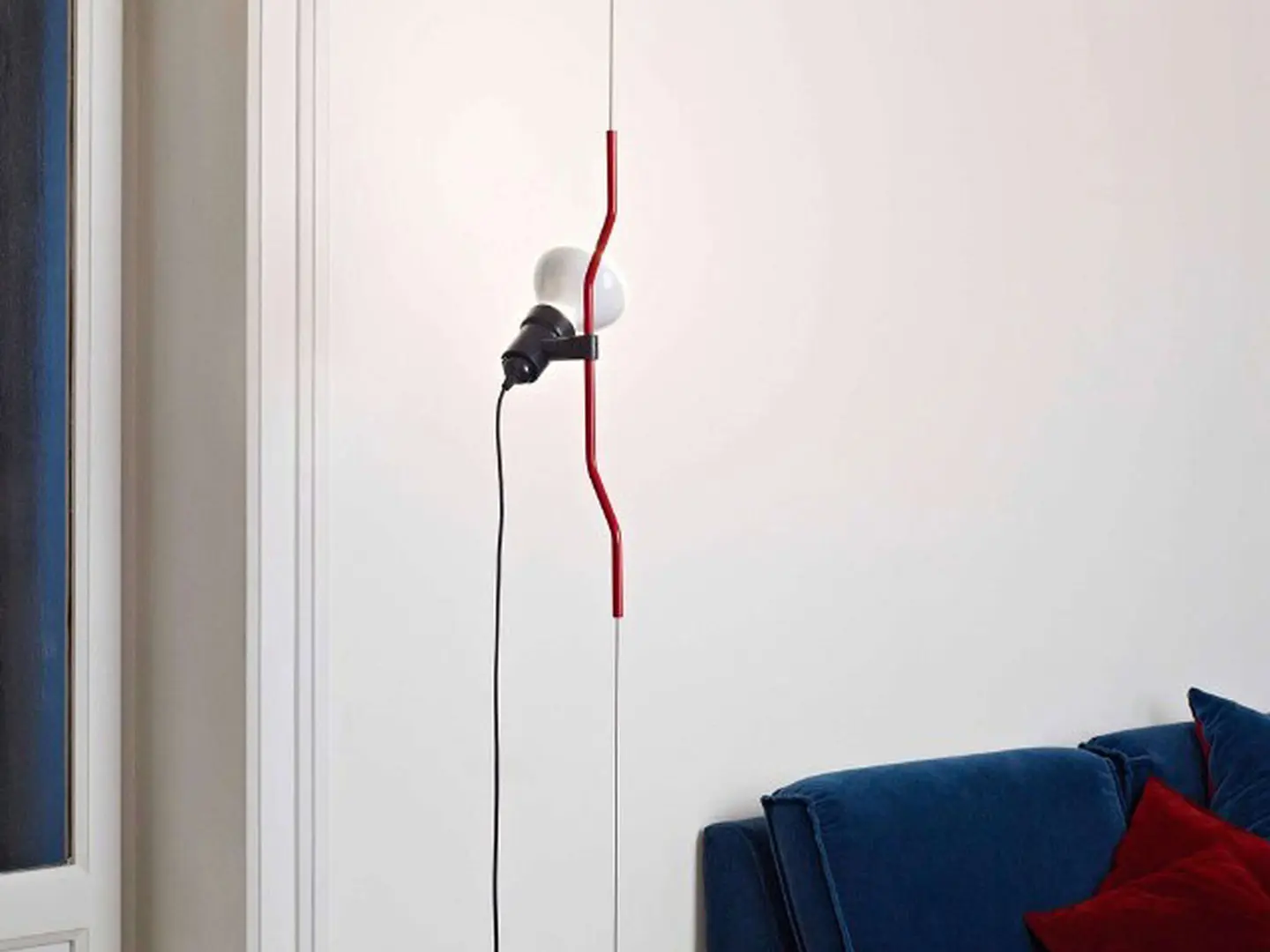
Parentesi lamp, designed by Achille Castiglioni (from an idea by Pio Manzù), produced by Flos, 1971
Suggested by a sketch by Pio Manzù, who died prematurely in 1969, the Parentesi lamp consists essentially of a stainless steel cable suspended from the ceiling and kept taut by a base on the ground, along which slides a tubular bulb holder. It is precisely the shape of this tubular element, resembling a parenthesis, that gives the name and character to one of the most iconic rise-and-fall lamps in contemporary design. Parentesi is offered to the public in a kit, designed by Achille Castiglioni himself: a case containing all the components of the lamp, which can be easily assembled. Again in this case the manufacturer is Flos, and the product is still present in the firm’s catalogue.
Snoopy is a table lamp designed by the Castiglioni brothers for Flos in 1967. It consists of a metal reflector painted black, a thick sheet of glass and a white marble base with an innovative, for the time, dimmer that adjusts the intensity of the light. Such a technical and neutral description of the product, however, overlooks its principal quality: irony. Its name clearly shows that the lamp, mainly with the form of its lampshade, is intended to be a tribute to the character in Peanuts, the famous comic strip created by Charles M. Schulz.
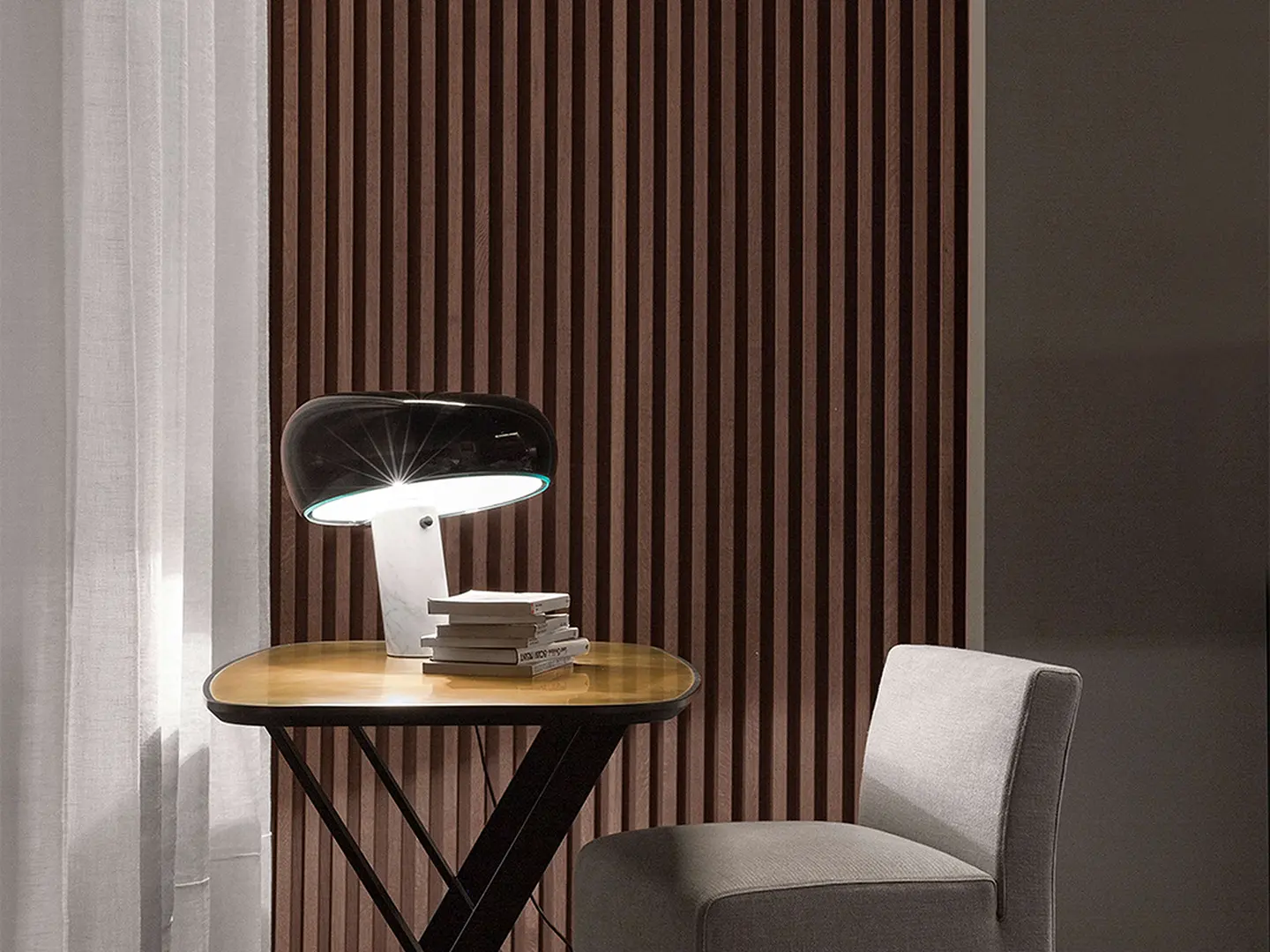
Snoopy lamp, designed by Achille and Pier Giacomo Castiglioni, produced by Flos, 1967
Achille Castiglioni’s “offbeat” objects
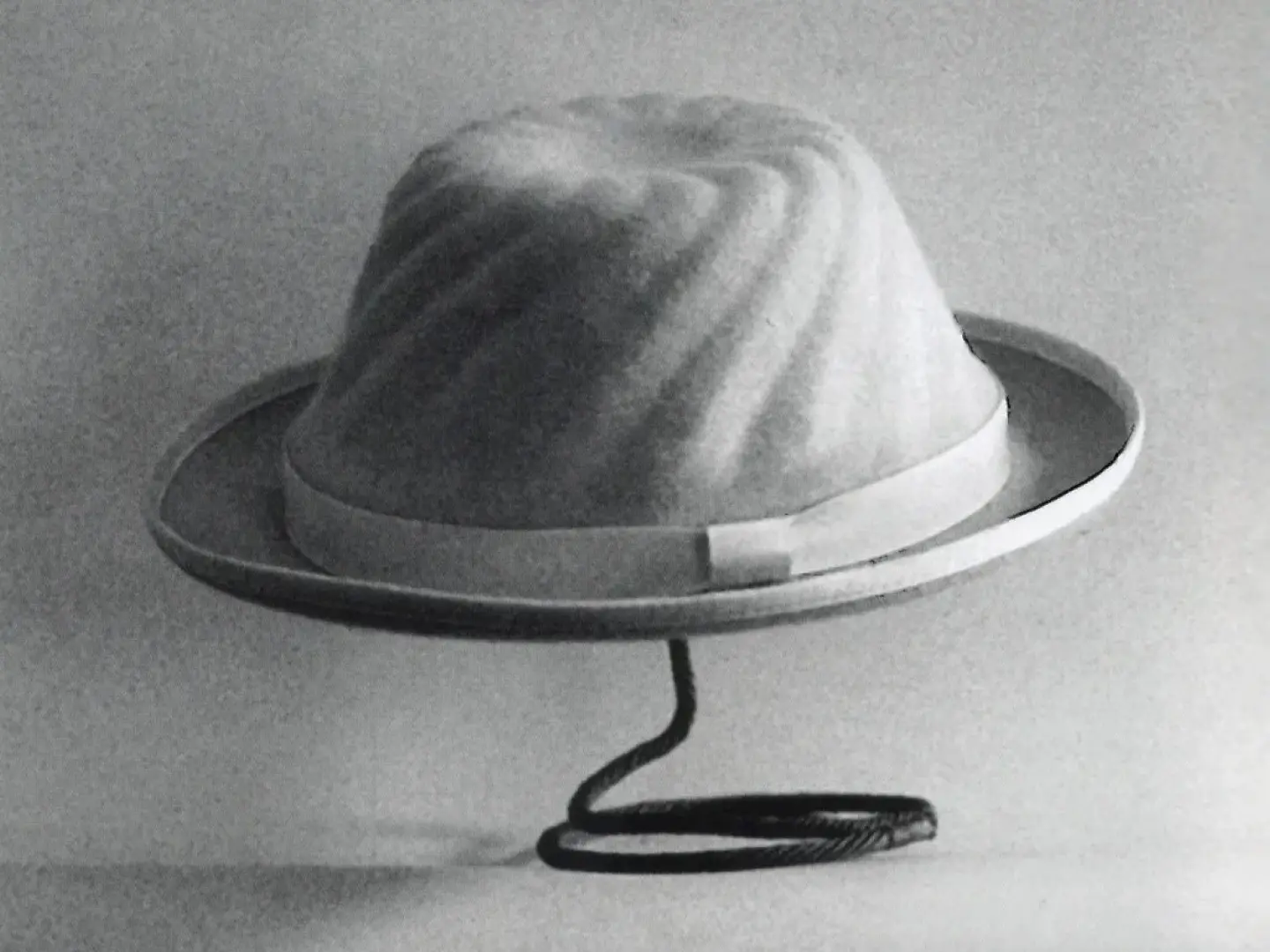
These are not exhibits that one generally comes across at the Salone del Mobile, but all the same they are capable of clearly rendering the Master’s many facets: his extraordinary adaptability to very different contexts and his inexhaustible urge to experiment, play, observe and discover. Always ready to test himself in new fields, Castiglioni also tried his hand at clothing design, creating this prototype of a man’s hat for Borsalino presented in the exhibition “Hats and Shoes by 12 Designers”, which represented an authoritative selection of Italian stylists. Inspired by objects of domestic memory, Castiglioni twisted the felt to create a cup with a striking shape, rather like grandma’s pudding mould, resting on a short brim. The project mingles irony, familiarity and formal rigour.