

 Salone Selection





China accounts for 72% of the Asia-Pacific contract market potential
Christmas 2025: the most interesting design and architecture books issued this year
Text by
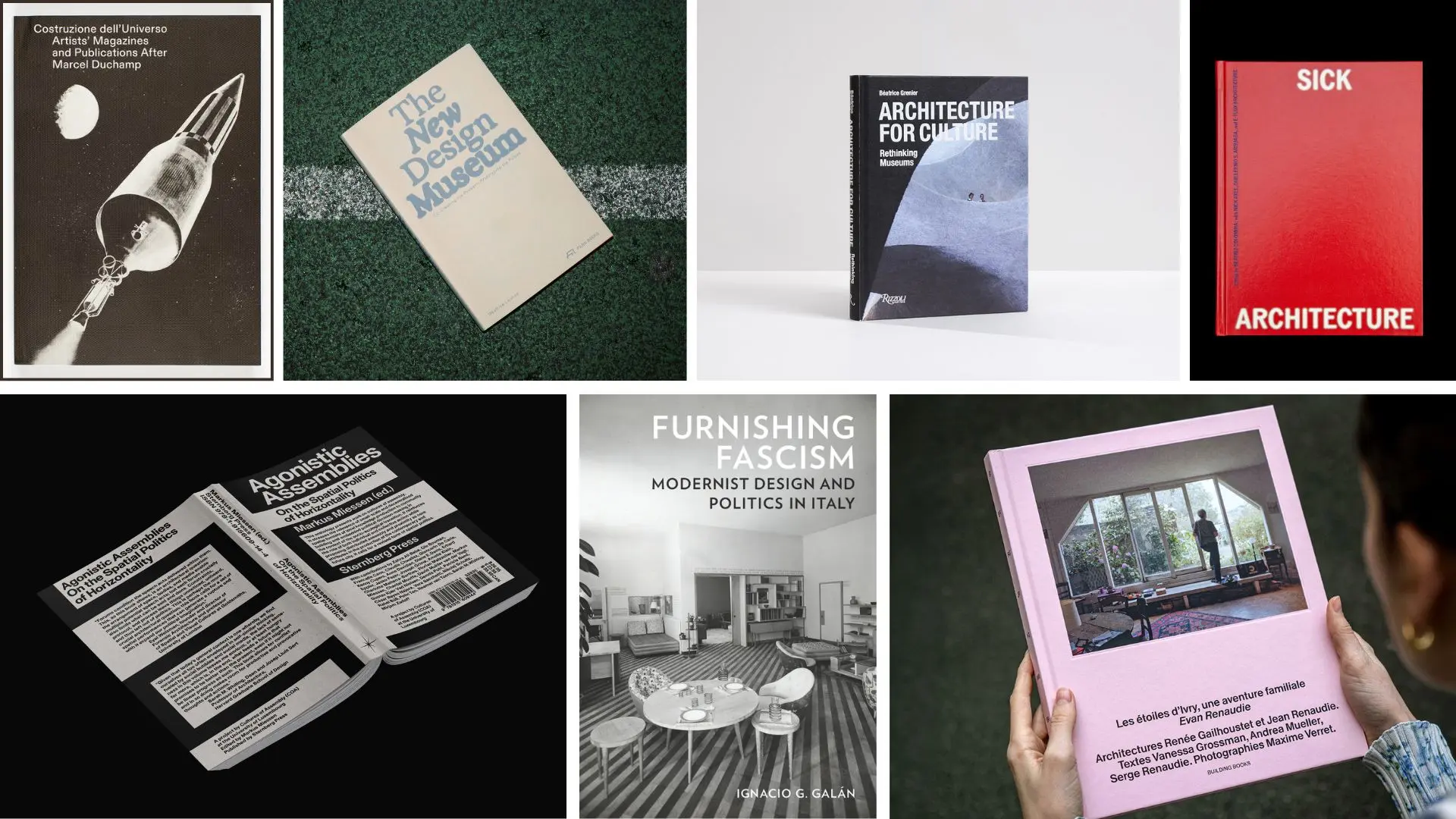
This year as every year, I like to share a selection of the most beautiful books published in the last twelve months (with one exception for a book published in 2024). The selection is varied and comprises books dealing with design and architecture through photography and images, and more theoretical texts on the development of the respective disciplines
Sick Architecture by Beatriz Colomina, with Nick Axel, Guillermo S. Arsuaga, e-flux Architecture, The MIT Press
Sick Architecture reconstructs the history of humanity through the relationship between architecture and illness. The book is part of the research already begun by Colomina in previous years, in particular starting in 2018 with the publication of X-Ray Architecture (Lars Müller Publishers). Returning to this theme after the whole game has been reshaped by Covid-19 is crucial to understanding the direction we need to take in future.
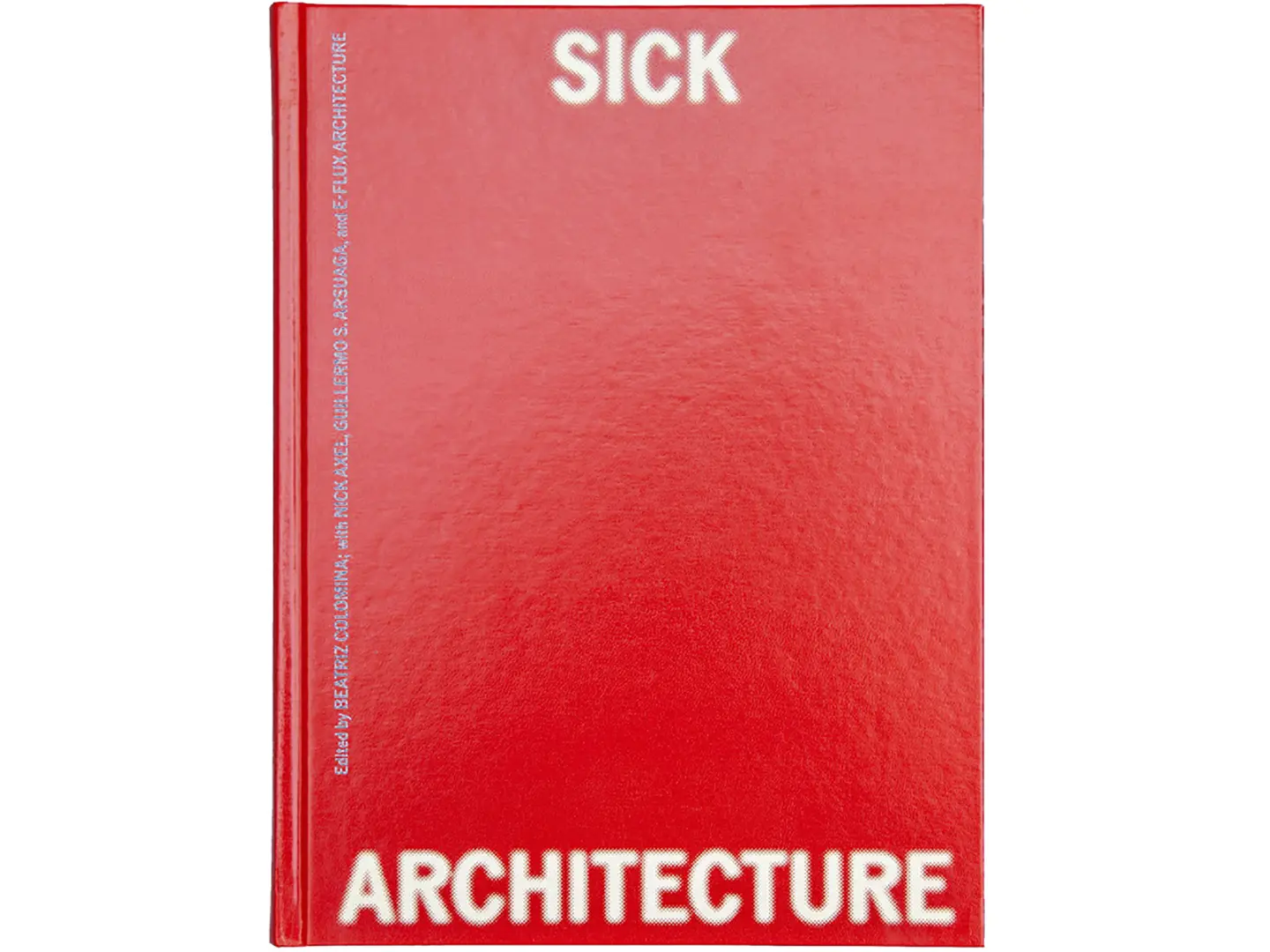
Sick Architecture by Beatriz Colomina, with Nick Axel, Guillermo S. Arsuaga, e-flux Architecture, The MIT Press
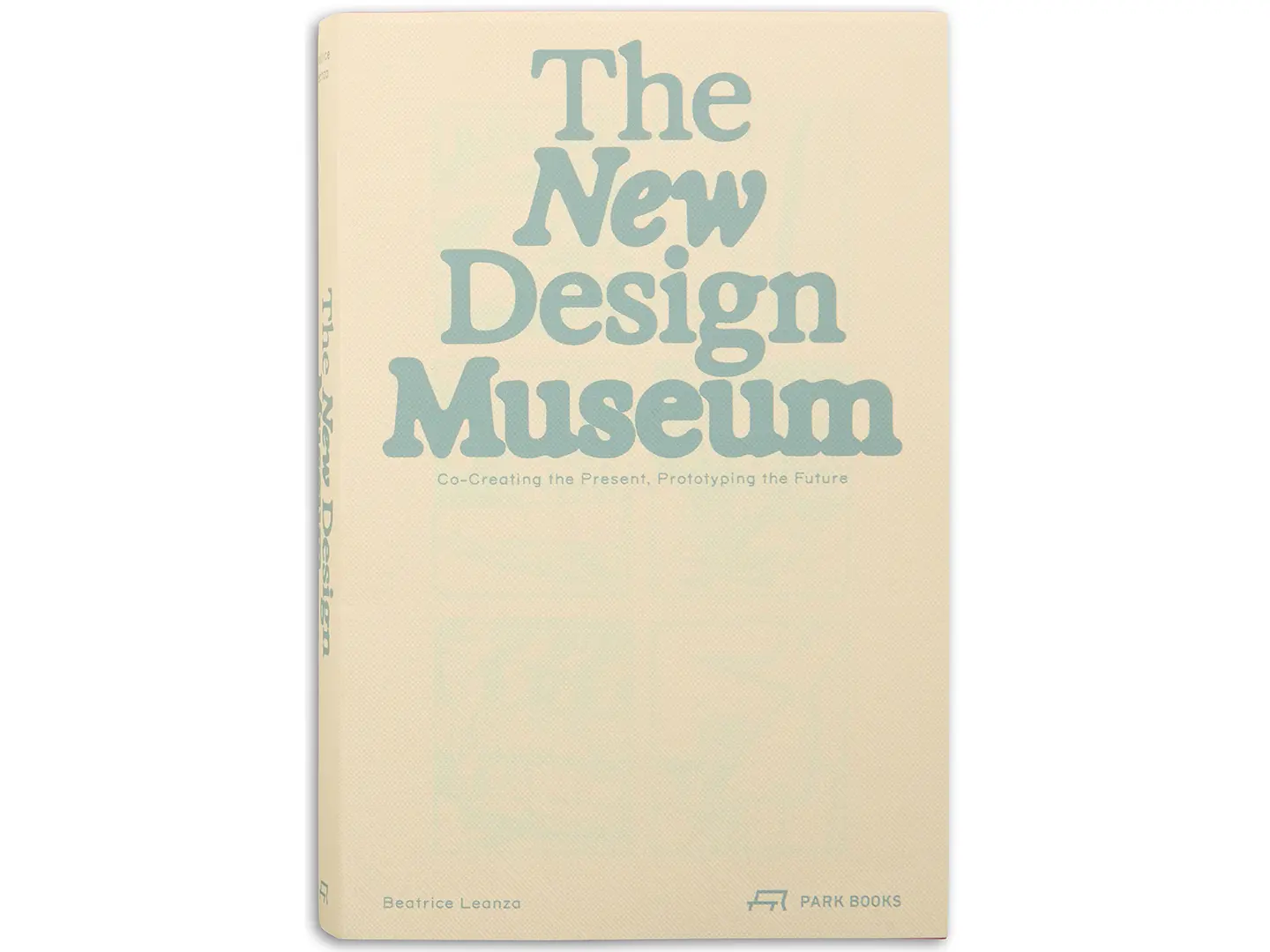
The New Design Museum by Beatrice Leanza, Park Books
In The New Design Museum, Leanza provides theoretical support for imagining the design museum of the future, exploring the reasons why today we have to rethink the very concept of the “museum” as a static place. The theme of the book is a central topic in the history of design and other fields. In particular, since World War II, the criticism of the museum as a place that displays its exhibits like “garments in store windows” (1961), to quote Adolfo Natalini, founder of Superstudio, has led numerous scholars to conduct research and suggest ways of rethinking the spaces devoted to art. Leanza offers an innovative and courageous point of view, putting on paper her years of experience in the field, and showing the new approaches designers could be taking tomorrow.
The New Design Museum by Beatrice Leanza, Park Books
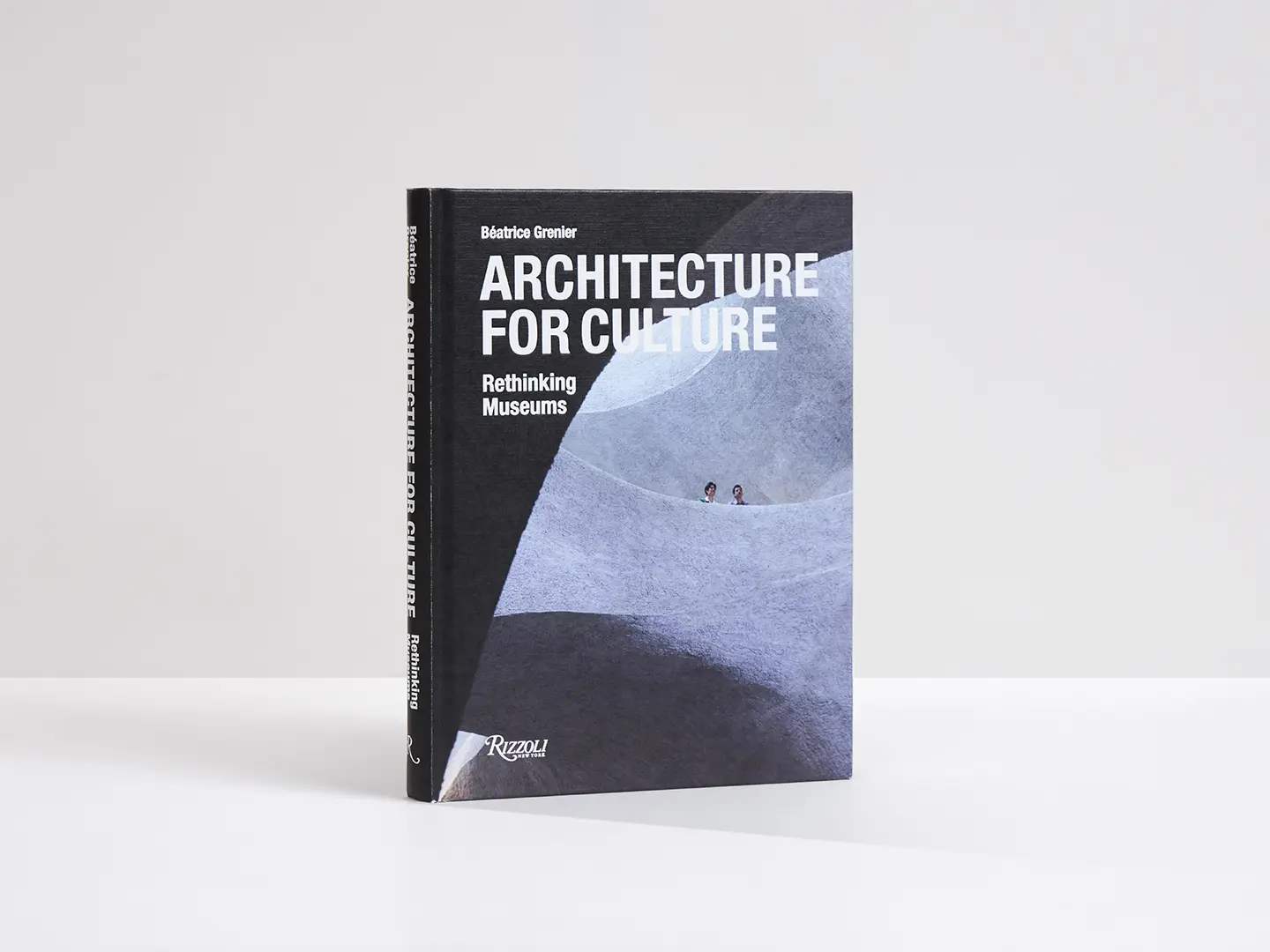
Architecture for Culture: Rethinking Museums by Beatrice Grenier, Rizzoli
Beatrice Grenier has also chosen to focus on “rethinking museums”, but from a different perspective – one that looks especially at the relationship between the artwork and the space designed to host it, in this case museums, at a historical moment increasingly shaped by the rise of the digital revolution. It is interesting to note how strong the need is – today more than ever – to rethink the very concept of museum and cultural institutions, to the point where this becomes the central theme of Grenier’s book as well as Leanza’s. I’m really curious to see what their theoretical reflections will produce, and I hope that they will be read by the committees that currently run museums. In my opinion, they seem increasingly fossilized, in both their spatial configurations and the way that committees and leadership roles are defined.
Architecture for Culture: Rethinking Museums by Beatrice Grenier, Rizzoli
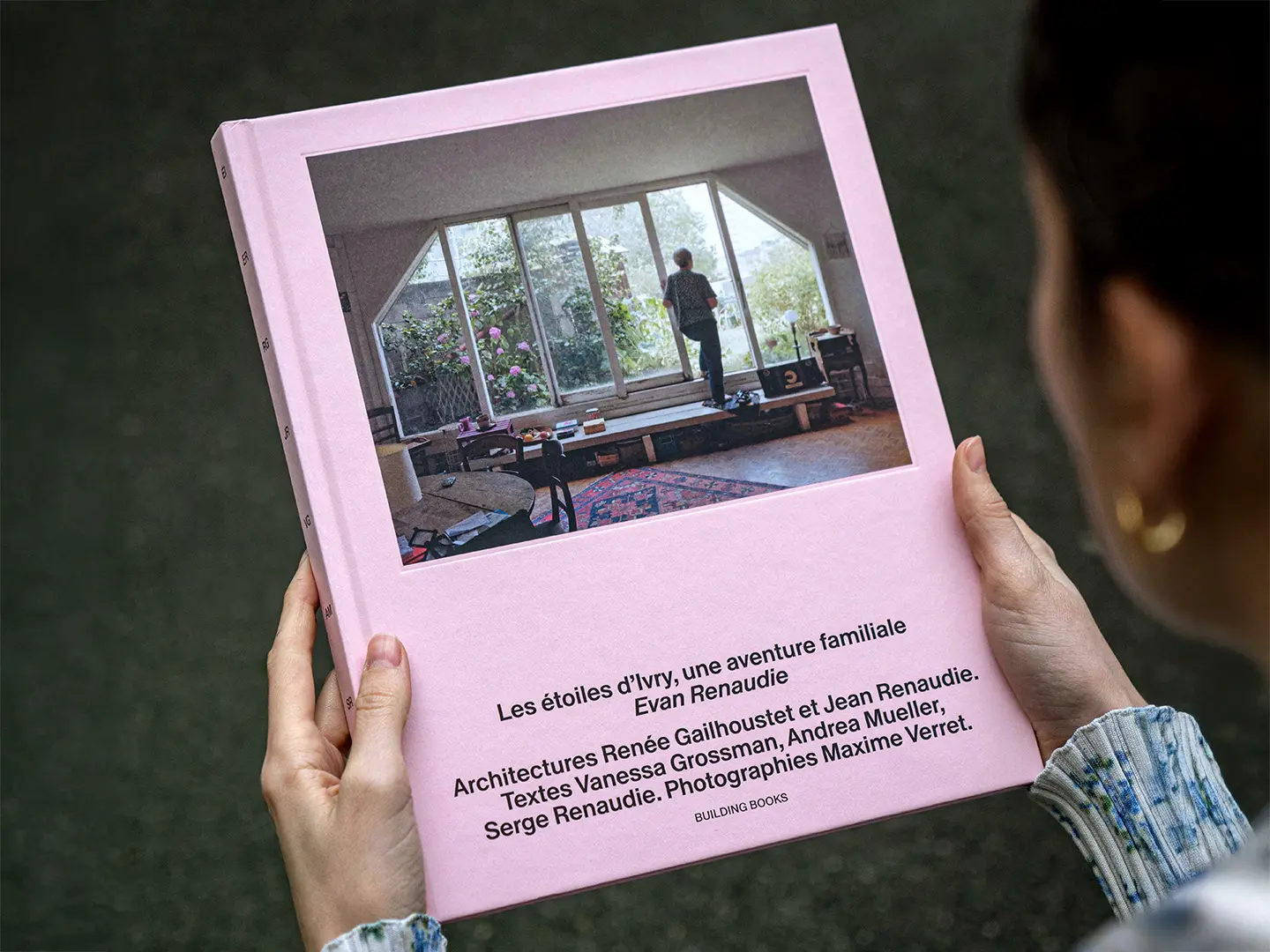
Les Étoiles d'Ivry, une aventure familiale by Evan Renaudie, Building Books
A deeply moving book devoted to the architecture of Renée Gailhoustet (1929–2023) and Jean Renaudie (1925–1981) in Ivry-sur-Seine, France. The volume combines archival material, contemporary photographs taken by Maxime Verret and an intimate and private account that retraces this couple’s life story, narrated by their son Serge Renaudie and grandson Evan Renaudie, the book’s author. Although it is an architecture book, there is nothing conventional about it: starting from the union of heterogeneous materials and Verret’s photographs, which sometimes render architecture from the exterior and sometimes depict the domestic spaces that welcome and protect those who live in them. A book that manages to make project and life coexist.
Les Étoiles d'Ivry, une aventure familiale by Evan Renaudie, Building Books
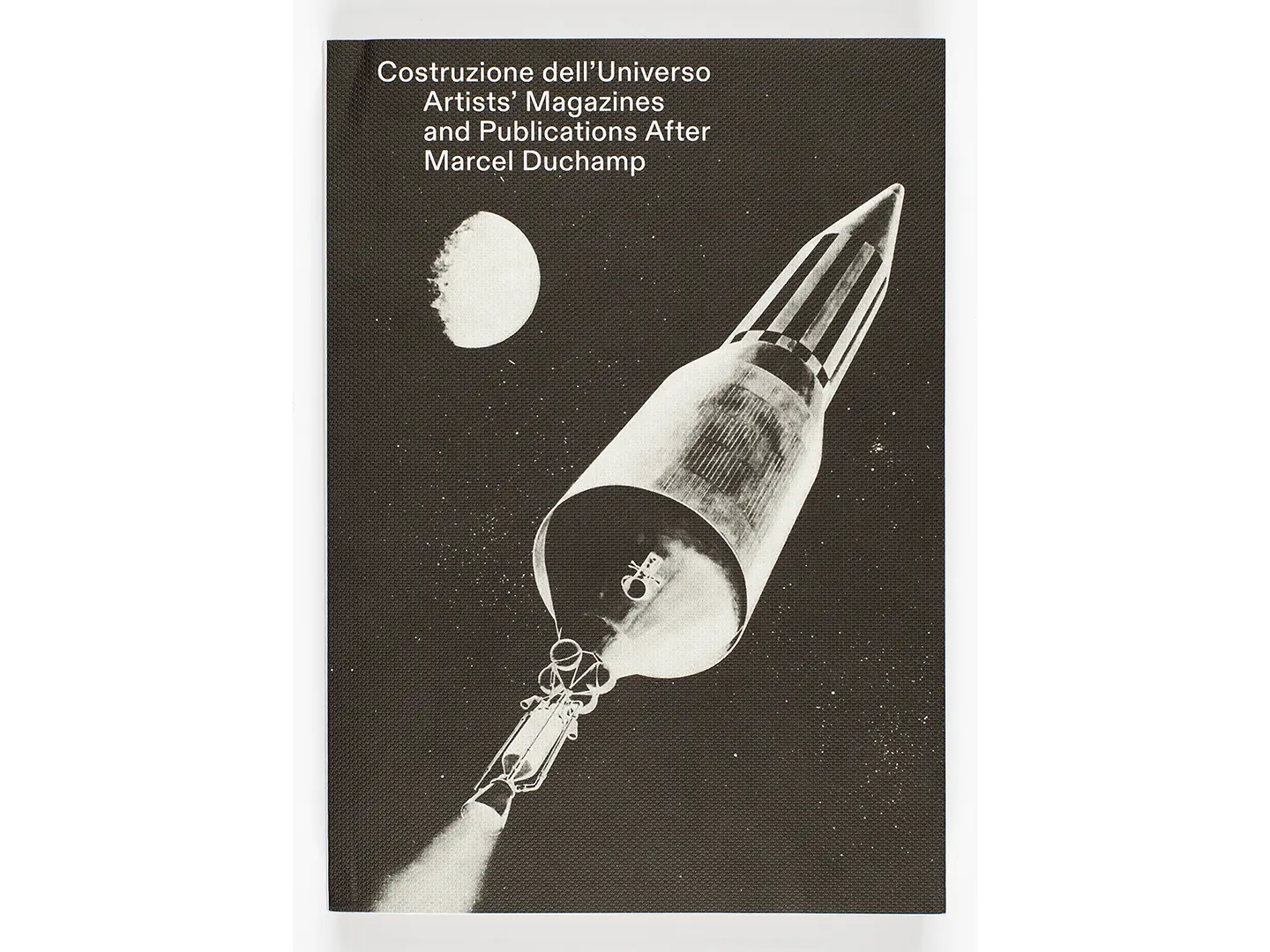
Costruzione dell'Universo: Artists’ Magazines and Publications after Marcel Duchamp by Emanuele De Donno and Amedeo Martegani, Viaindustriae
You’ll forgive the exception – this is one of the two titles from 2024 – but I feel it’s one of my favourite books. Costruzione dell’Universo is a wonderful collection of publications on art and architecture “on paper” (1968), to use Germano Celant’s words. They were produced amid the revolution – editorial as well as artistic – initiated by Duchamp. The book brings together experiences that move within that “no man’s land” (Natalini, 1966) where art and architecture meet and intersect without boundaries, experimenting with languages, formats, and ideas. From “Archigram” to the UFO collective in Florence, from the fanzines of London’s 1950s “Swing Society” to “Forma 1” and “Art Visive,” Costruzione dell’Universo recounts a period when the publication itself was elevated to the status of a work of art – to the point where Celant himself organised the exhibition “Book as Artwork 1960/1972” at the Nigel Greenwood Gallery in London in 1972.