

 Markets

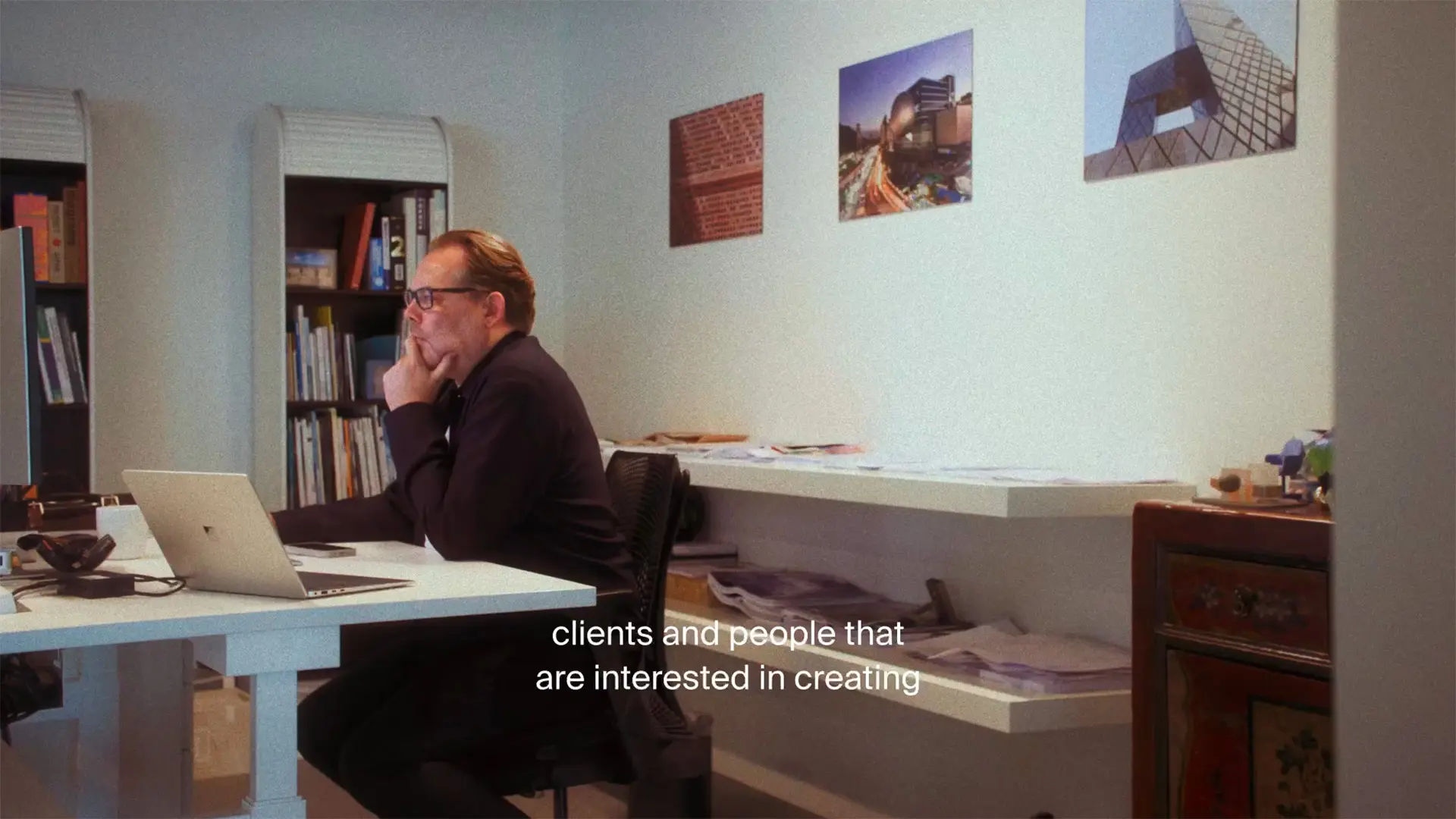
At the OMA studios in Rotterdam, we met David Gianotten to explore the vision behind the Salone Contract masterplan. A project that redefines the boundaries between architecture, integrated systems and major international flows
Getting closer to the International Bathroom Exhibition 2026. Interview with Elia Vismara
Text by
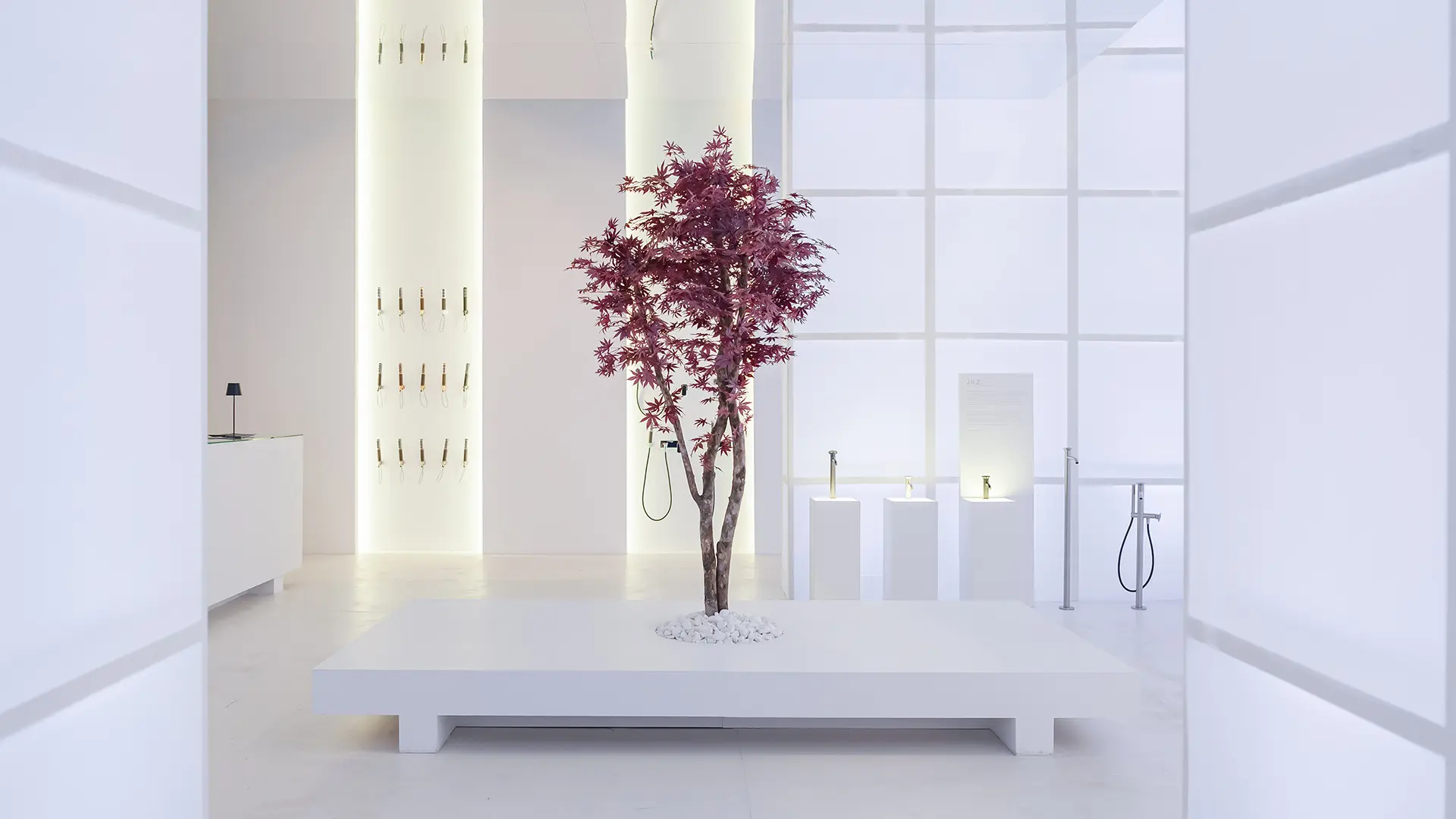
Rubinetterie Zazzari, International Bathroom Exhibition, Salone del Mobile.Milano 2024, ph. Ruggiero Scardigno
Towards the 2026 International Bathroom Exhibition: Elia Vismara, President of FederlegnoArredo’s Assobagno, outlines the new trends and technological developments that will transform the bathroom environment in the coming years
Today, bathrooms are the very centre of domestic well-being, as spaces we increasingly dedicate to self-care and quality time. How is product design evolving to meet these new expectations? Which trends are emerging in the light of new purchase behaviours, and which technological innovations are proving truly relevant for consumers? We asked Elia Vismara, President of FederlegnoArredo’s Assobagno, in view of the 2026 edition of the International Bathroom Exhibition, scheduled for April 21st to 26th.
What are your thoughts on Salone Contract, which will début in 2027?
I believe Salone Contract is very interesting for the bathroom sector, which – as proven by the data we have on hotels in the five-star and five-star-luxury categories – plays a central role in the high-end hospitality experience. Guests spend significantly more time in bathrooms compared to other areas of their suites, making them an increasingly strategic space.
This is why many companies are choosing to invest in the hospitality sector, transforming the hotel bathroom into a highly aspirational space. It will be interesting to see how OMA will structure this process: there are specific complexities to presenting a bathroom environment at a trade fair, that can be overcome only with strong project curatorship. The attempts we’ve seen in the past have not always led to satisfactory results.
The contract sector is currently the one that offers the greatest rewards in both financial and development terms. This is a significant challenge, but also a great opportunity.
How does Assobagno support companies in the definition of common standards?
One of Assobagno’s key activities is to bring together all the players in the supply chain, fostering dialogue between product categories – faucets, furniture, sanitary ware, shower enclosures – that often speak different languages. This allows us to have a 360-degree view, which is essential for fostering debate on shared issues and evolving trends.
In recent years, we have also focused more on internationalisation. This area had been somewhat neglected, but is now strategic both for addressing the issue of tariffs and for navigating an increasingly complex geopolitical landscape. Our Research Centre supports us through aggregated data and statistical analysis, allowing us to provide companies with useful insights for their strategic decisions.
Regarding Bathroom Design Monitor, what important changes have emerged?
Compared to ten years ago, the digital component has become key in information and pre-sale processes. Data show that 97% of European consumers educate themselves before buying, and 44% of them go online to search for information. However, the actual sales continue to happen mostly in person, with consumers arriving at the store with much higher levels of awareness.
In the past, we feared that digital channels would replace traditional ones. Today, it’s clear they have instead added to the in-real-life experience. The multi-channel approach has not reduced opportunities, but layered different journeys.
Another interesting metric refers to decision drivers: when choosing a product, in addition to function and value-for-money, people keep in strong consideration sturdiness – even more than design. This is an important message, telling us that robustness is perceived as a proxy for quality and durability.
Which technological innovations are becoming truly relevant to consumers?
The introduction of colour represents one area of remarkable innovation. From a technological standpoint, the evolution of surface treatments – PVD in particular – has paved the way for a multitude of finishes: from bronze to gold, from copper to gunmetal and nickel.
Until six years ago, metal products were available almost exclusively in chrome finishes. Today, in the production of high-end faucets and shower enclosures, polished chrome has gradually given way to brushed steel, black, and a wide range of bronze shades. This small but significant colour revolution was made possible by the evolution of surface treatment technologies.
For consumers, it may simply come down to an aesthetic choice. But from an industrial perspective, giant strides have been made over the past ten years. This year’s many returning and new exhibitors indicate a dynamic market, in which authentic innovations will be necessary to stand out. For this reason, I’m personally curious to visit the booths.
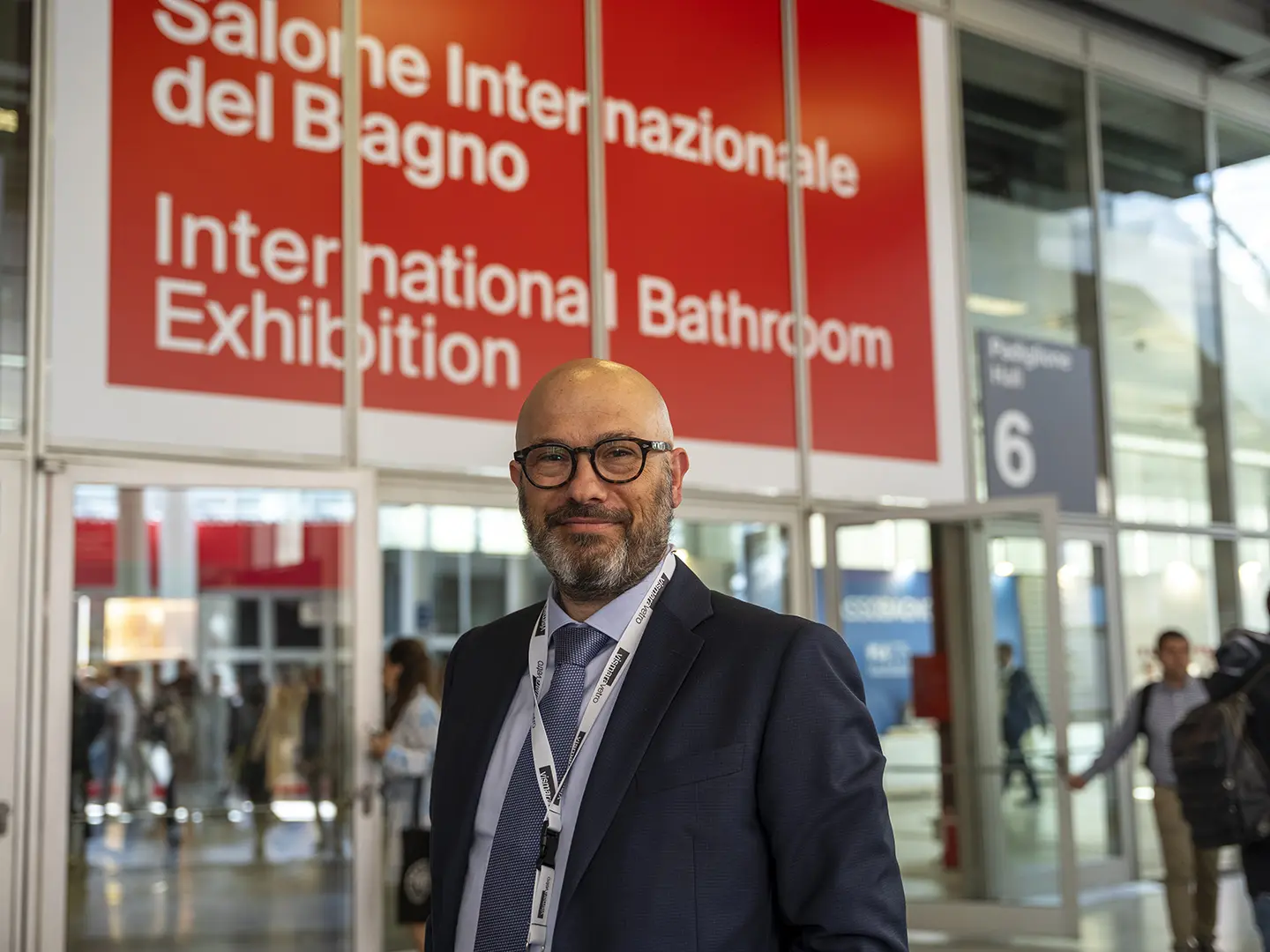
Elia Vismara, President of FederlegnoArredo’s Assobagno, Courtesy FederlegnoArredo
During the press conference, Maria Porro mentioned the topic of returning exhibitors as well.
All exhibitors were satisfied with their experience at the International Bathroom Exhibition in 2024. I believe many of the companies that chose not to participate wished they had. The International Bathroom Exhibition is still very attractive for exhibitors, and we continue to have numerous submissions.
Taking part in the exhibition requires substantial investments and recognisable design. You cannot show up with standard or pre-built solutions: presenting clear and distinctive product innovations is a must.
What trends are emerging in bathroom design today?
Let’s take what’s happened in the world of shower enclosures. Ten years ago, the dominant trend was for “naked” options, completely devoid of frames. Today, we see profiles return. This allows for colour characterisation and for stronger definition of the perimeter of a transparent element, while maintaining maximum visual lightness.
In general, we’re also seeing a growing preference for the so-called “total look”. Bathtubs are disappearing in their functional role, with the exception of a few freestanding models that show great formal value – veritable sculptures that stand out in the bathroom, and sometimes even in other rooms. Spaces, volumes, and the time spent using a bathtub have deeply changed.
Technological innovation is meant to save us time, yet it seems like we never have enough…
Perhaps this is the real problem: to transform bathrooms from purely functional rooms into spaces dedicated to personal well-being, we need to first stop and develop a new appreciation for time.
If you could design the ideal bathroom for 2030, what elements would be absolute requirements? What will the next great transformation be?
We can already see the first sparks of change, particularly in the area of connectivity. Some international brands are introducing advanced features into their products: in the United States, for example, a well-known sanitary ware company is testing solutions that integrate the monitoring of medical parameters, such as blood sugar or other health indicators. Others, as if inspired by science fiction, envision information screens that activate during the shower.
It’s likely that greater connectivity will become part of our bathrooms, although, in my opinion, it will never become a dominant theme. Longevity will be more central: the bathroom is the room that, more than any other, must be able to adapt to the passage of time and to the changing nature of daily life. Solutions such as floor-level access, non-slip surfaces, integrated seating, and discreet support will become increasingly relevant.
Tell us more about the bathroom as an intimate and inclusive space.
Inside our homes, bathrooms may be the only room where we still tend to lock the door. An intimate space, almost a small domestic sanctuary. That’s precisely why we need to shift from an exclusive environment to an inclusive space, with new forms and architectural solutions that can meet diverse needs.
It’s not about exclusiveness, but about investing quality time in ourselves. And while the bathrooms in our homes protect our personal dimension, the International Bathroom Exhibition should be increasingly open and inclusive: a place to meet, exchange ideas, and share, for the entire design supply chain.
11 February 2026
Share