


 Stories

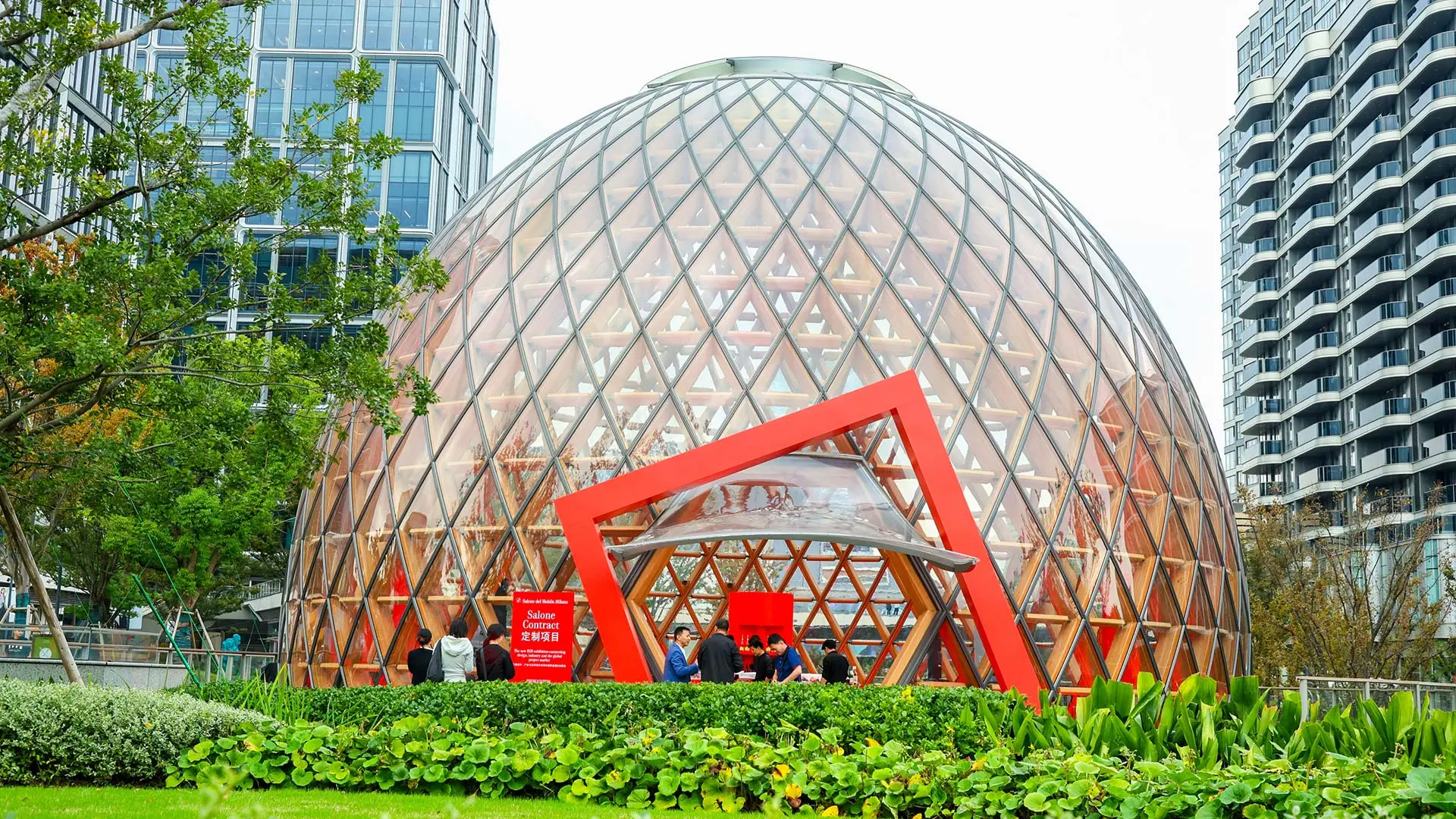
China accounts for 72% of the Asia-Pacific contract market potential
Nicolas Polli and his acrobatic objects
Text by
Photo by
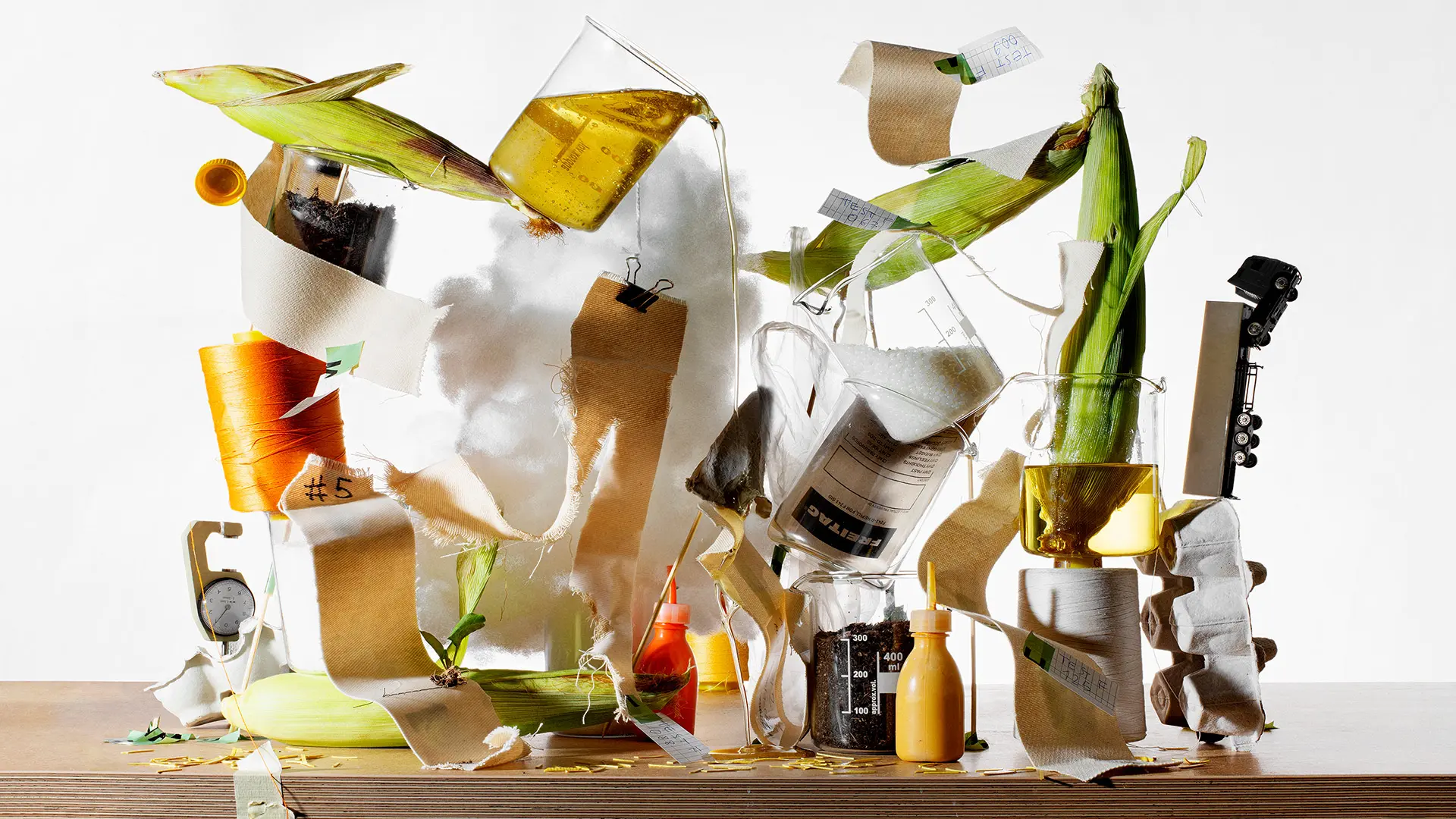
Freitag Research Lab, 2021, ph. Nicolas Polli
Polli turns his back on simple compositions, favouring still life and an imagination that recalls something akin to a Mannerist style.
Everyone is familiar with the paintings of Giuseppe Arcimboldo and his allegorical portraits composed of vegetables, flowers, books, and fish. Although his compositions do not assume any recognisable forms, Nicolas Polli’s art does share some common elements with those of Arcimboldo: phantasmagoria, acrobatic circus-style arrangements, the use of food, fruit, and vegetables (especially tubers), and the search for wonder in the arrangement of objects in incongruous and unexpected positions. One factor, in particular, contributes to the setting of the tone of his works, which draws the viewer into the image: the objects are positioned in such a way that they create a precarious, if not impossible, balance. Plates, forks, and chairs are juxtaposed to document a surreal, or at most instantaneous, situation.
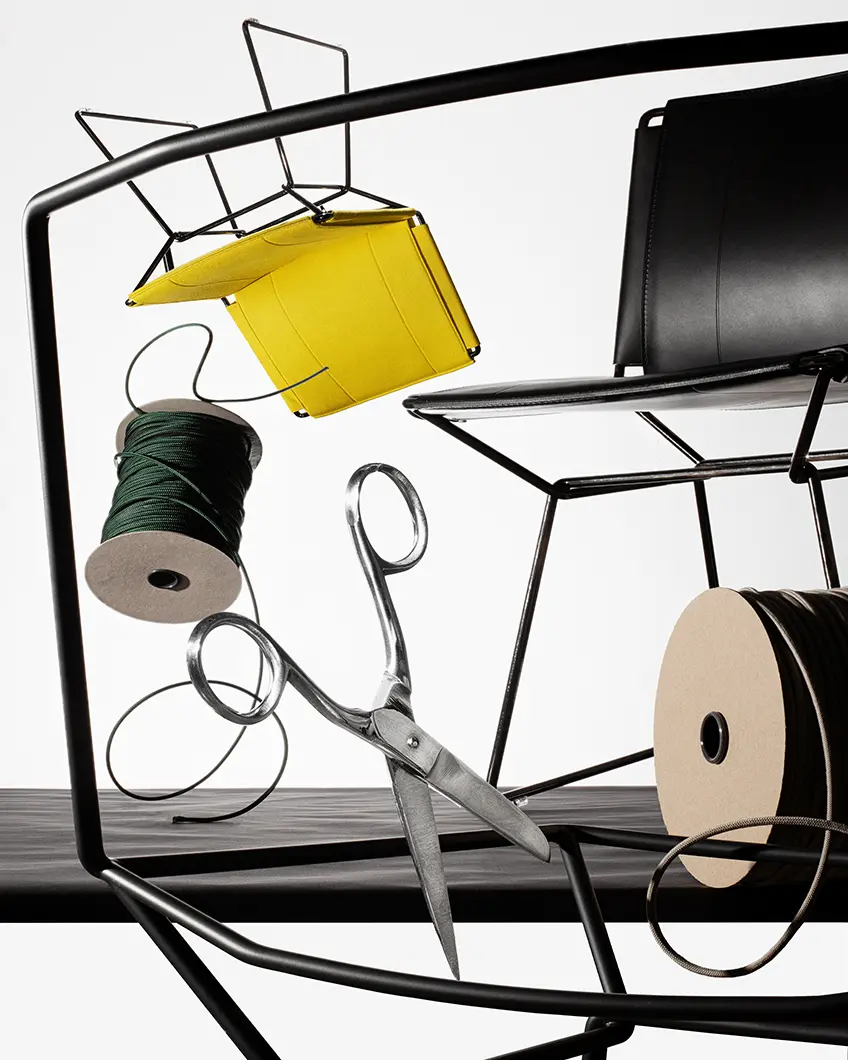
MDF Italia Neil Collection, 2022, ph. Nicolas Polli
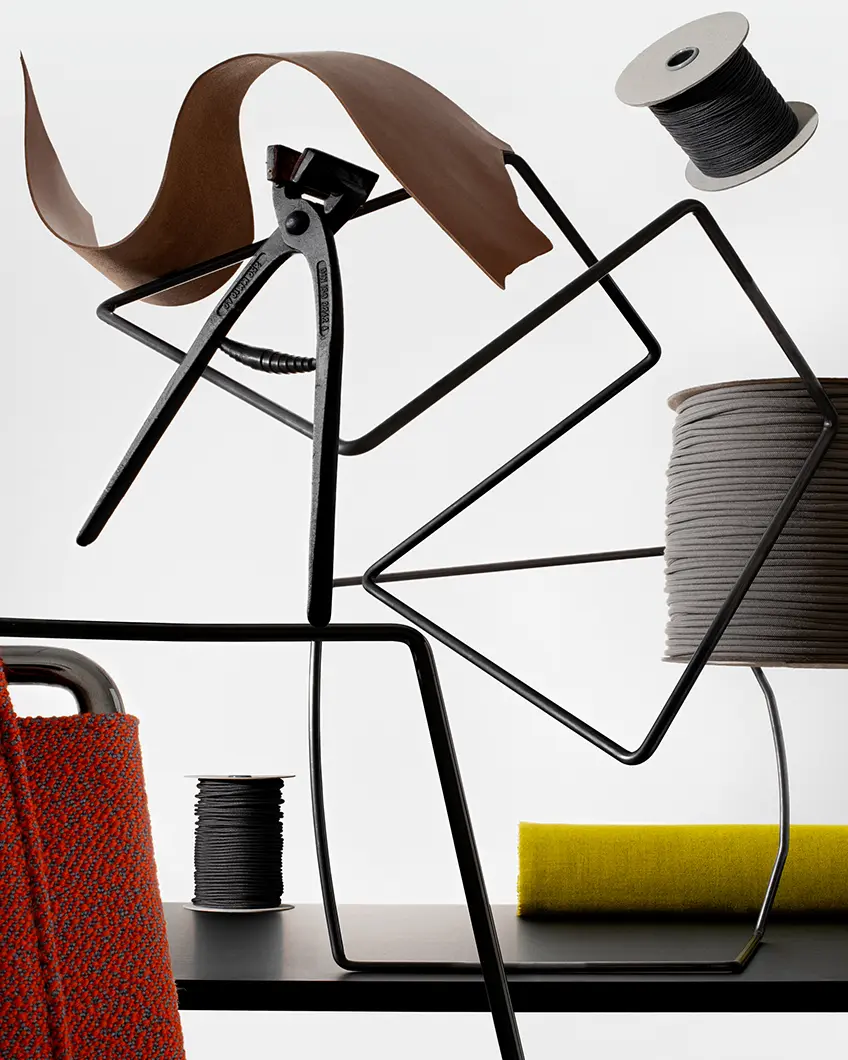
MDF Italia Neil Collection, 2022, ph. Nicolas Polli
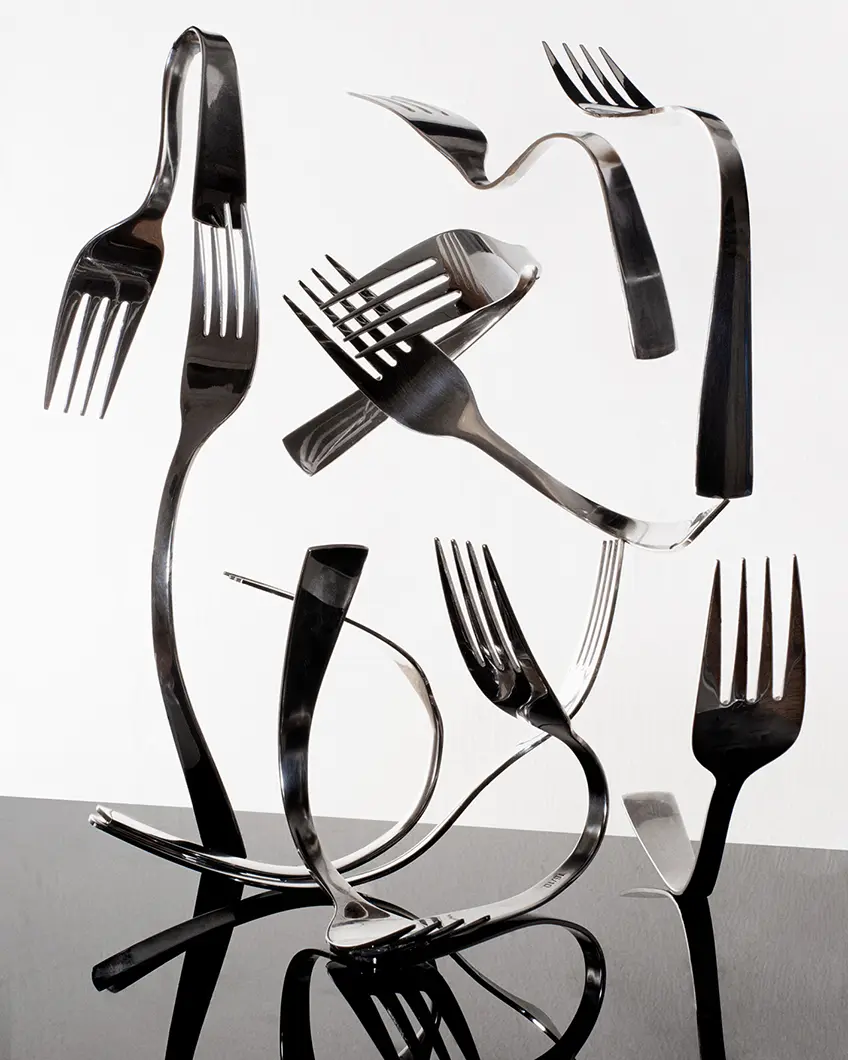
Informational catalog ECAL, 2020, ph. Nicolas Polli
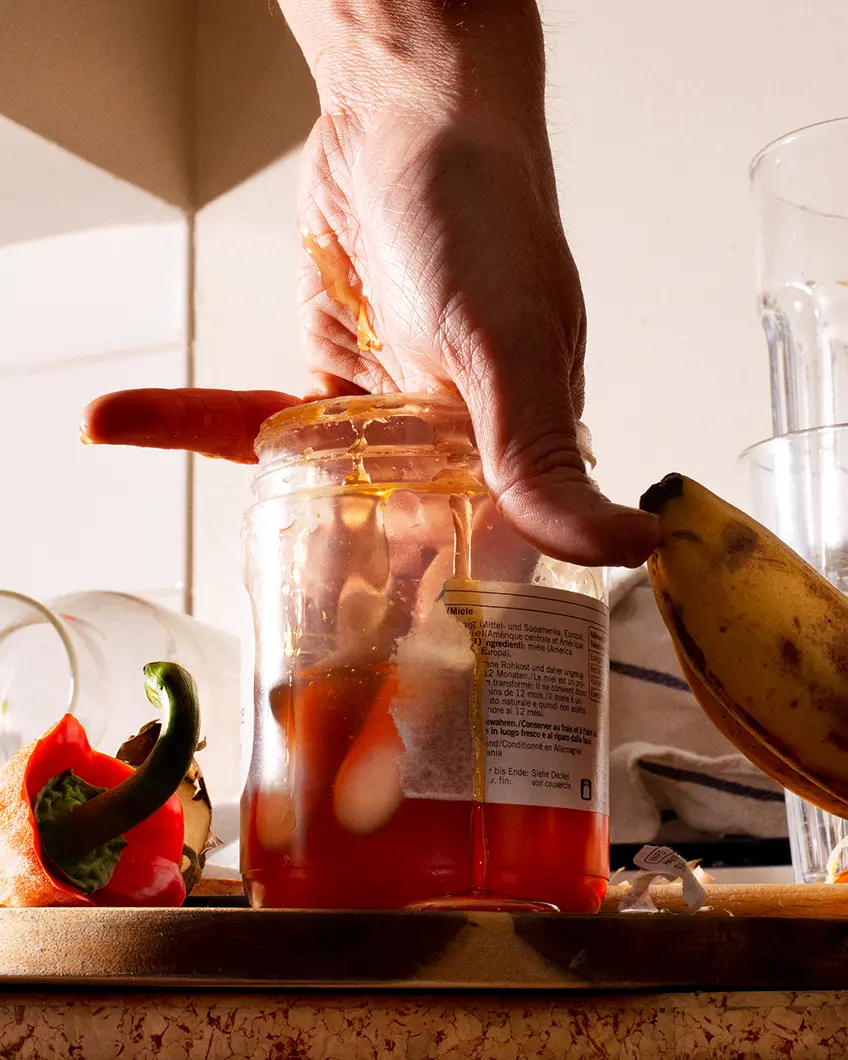
When Strawberries Will Grow on Trees, I Will Kiss U, 2020, ph. Nicolas Polli

When Strawberries Will Grow on Trees, I Will Kiss U, 2020, ph. Nicolas Polli
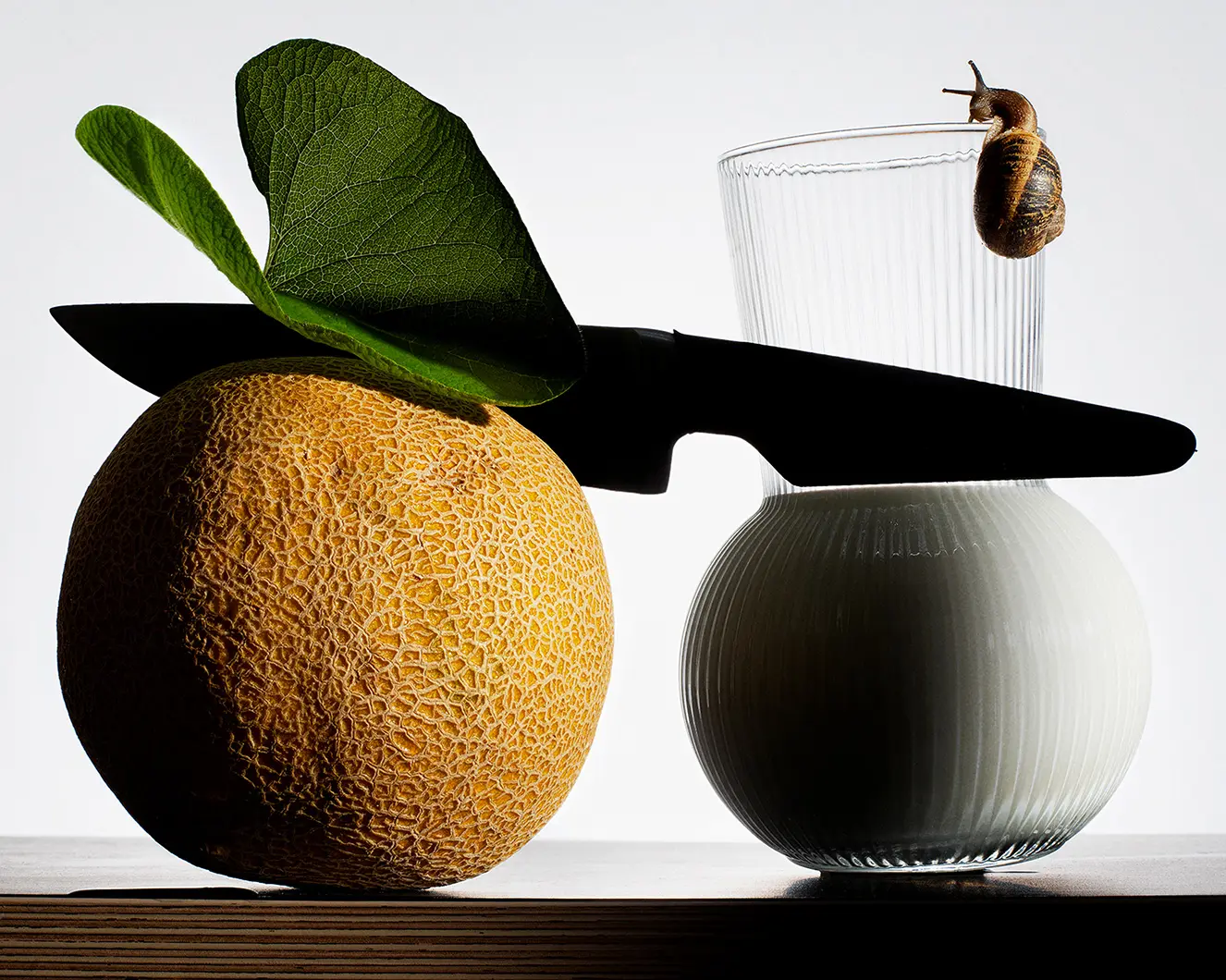
Untitled, 2021, ph. Nicolas Polli
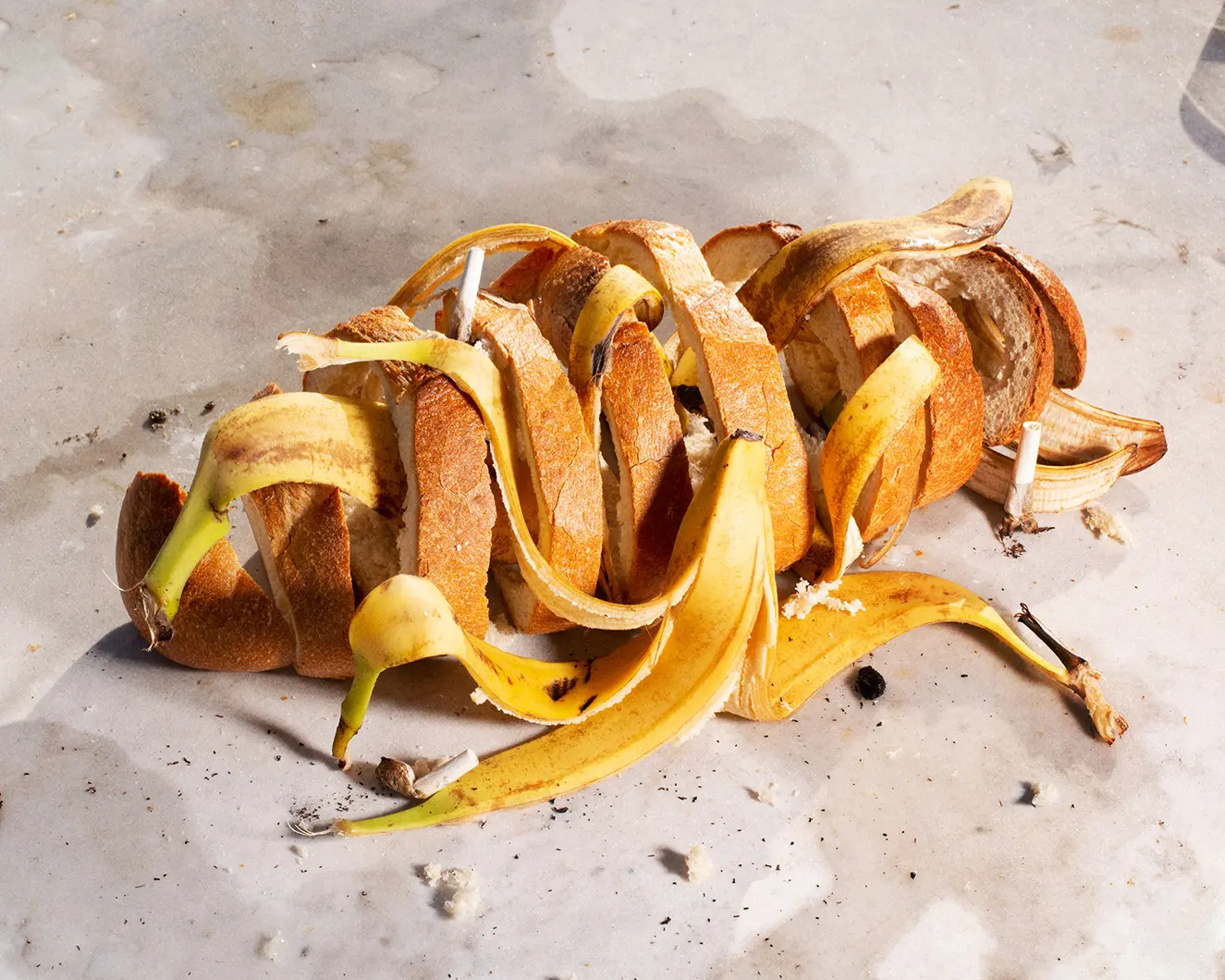
When Strawberries Will Grow on Trees, I Will Kiss U, 2020, ph. Nicolas Polli

Informational catalog ECAL, 2020, ph. Nicolas Polli
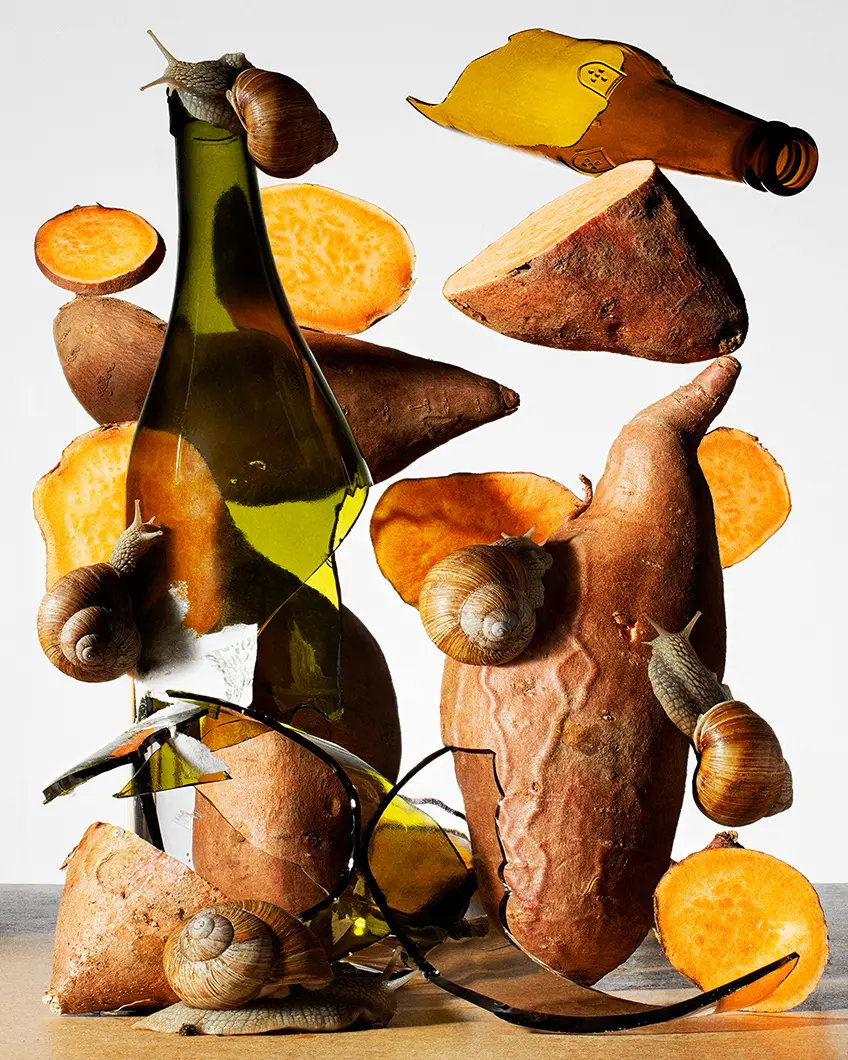
The beauty of trash, 2021, ph. Nicolas Polli
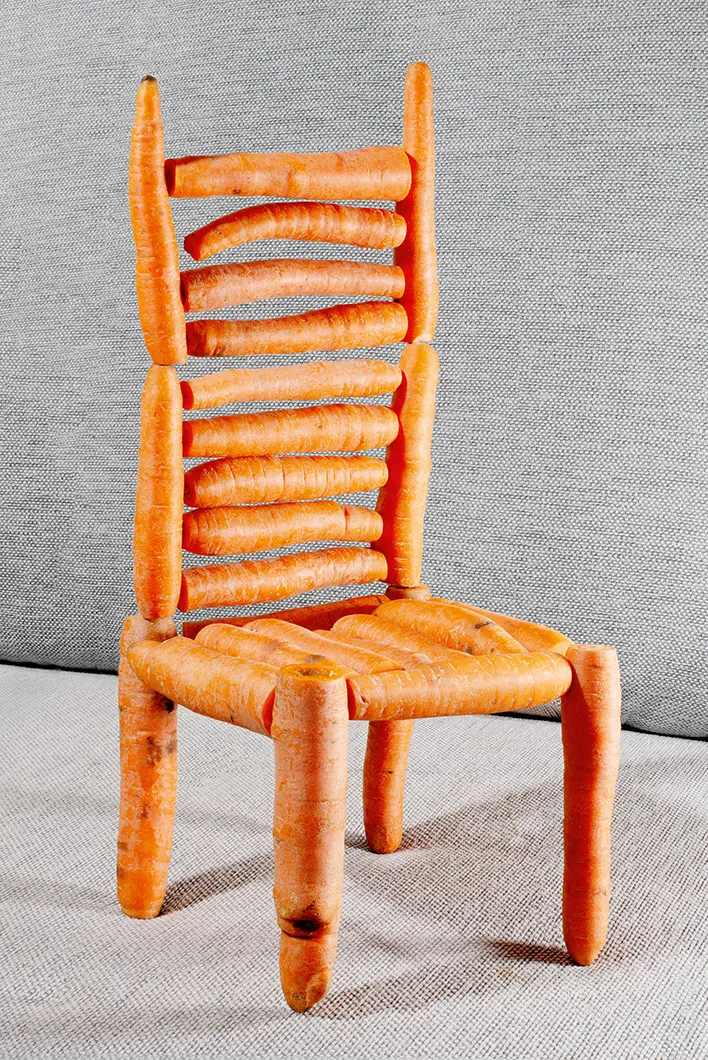
Informational catalog ECAL, 2020, ph. Nicolas Polli
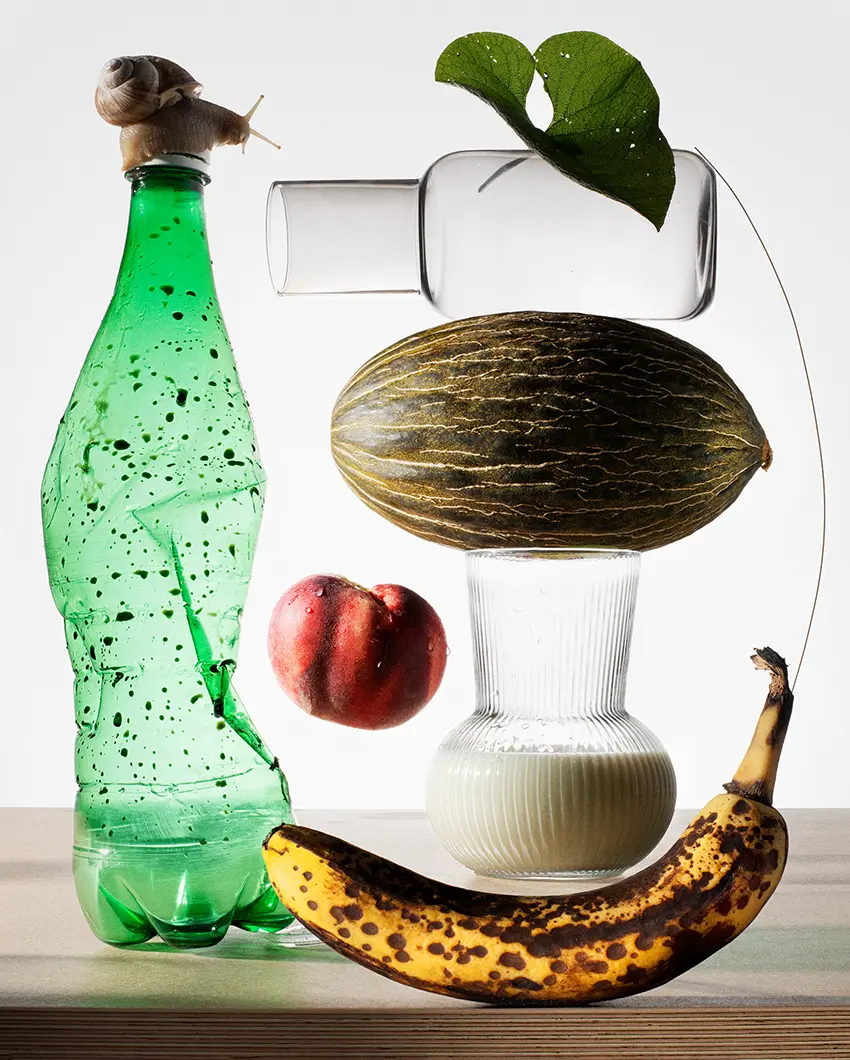
Milk Agency, 2021, ph. Nicolas Polli
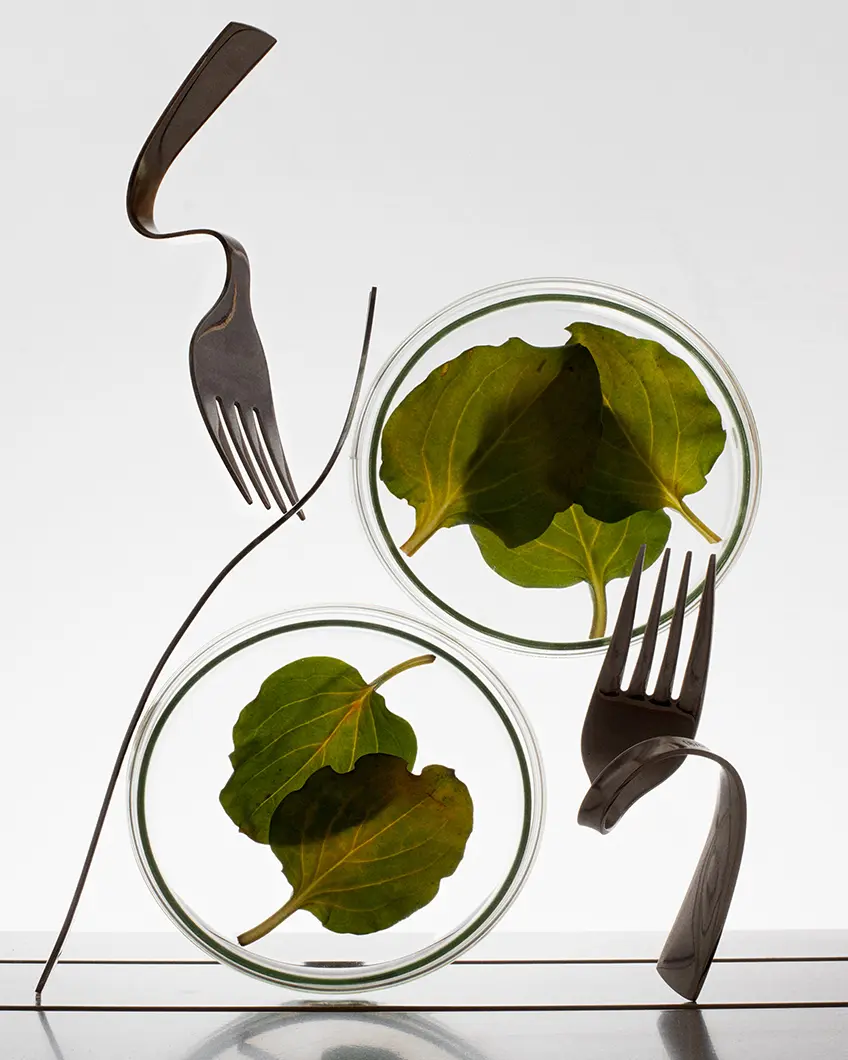
Swissnex Network, 2020, ph. Nicolas Polli
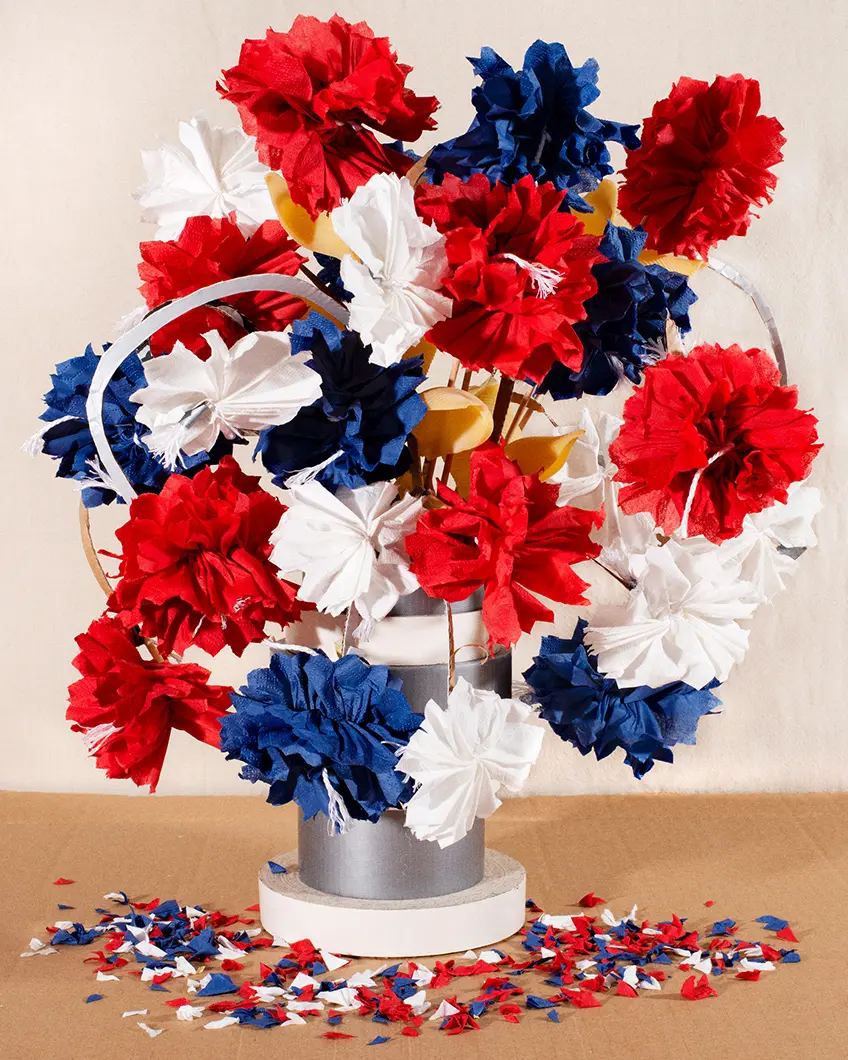
When Strawberries Will Grow on Trees, I Will Kiss U, 2020, ph. Nicolas Polli


13 March 2022
Share




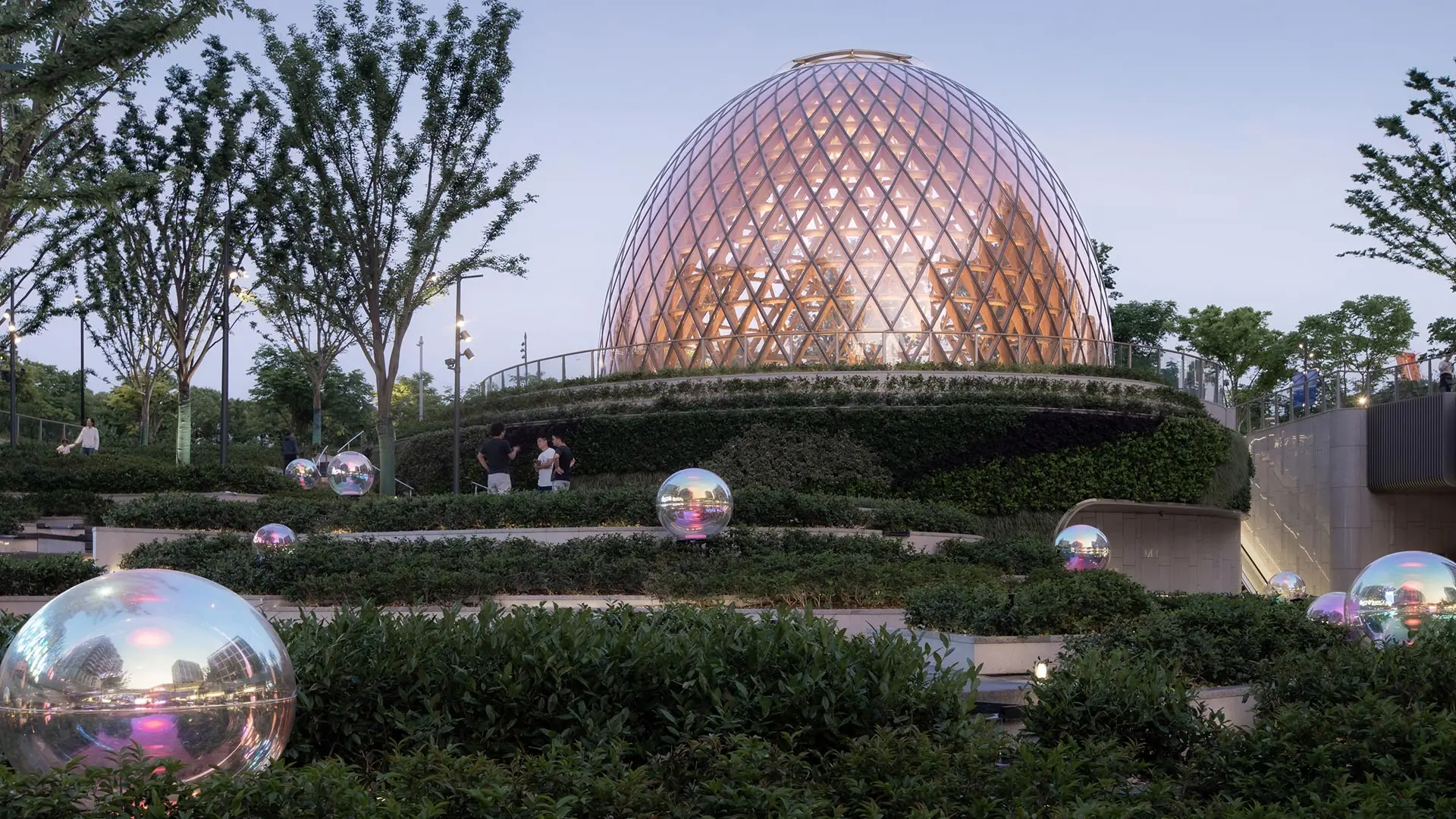
Shanghai World Financial Center, Oriental Pearl Tower and the city’s other iconic buildings
From Pudong's iconic skyscrapers and the Oriental Pearl Tower to first edition of the Salone Contract Tour, stop and the latest architectural landmarks along the Huangpu River: a journey into contemporary Shanghai


