


 Salone Selection

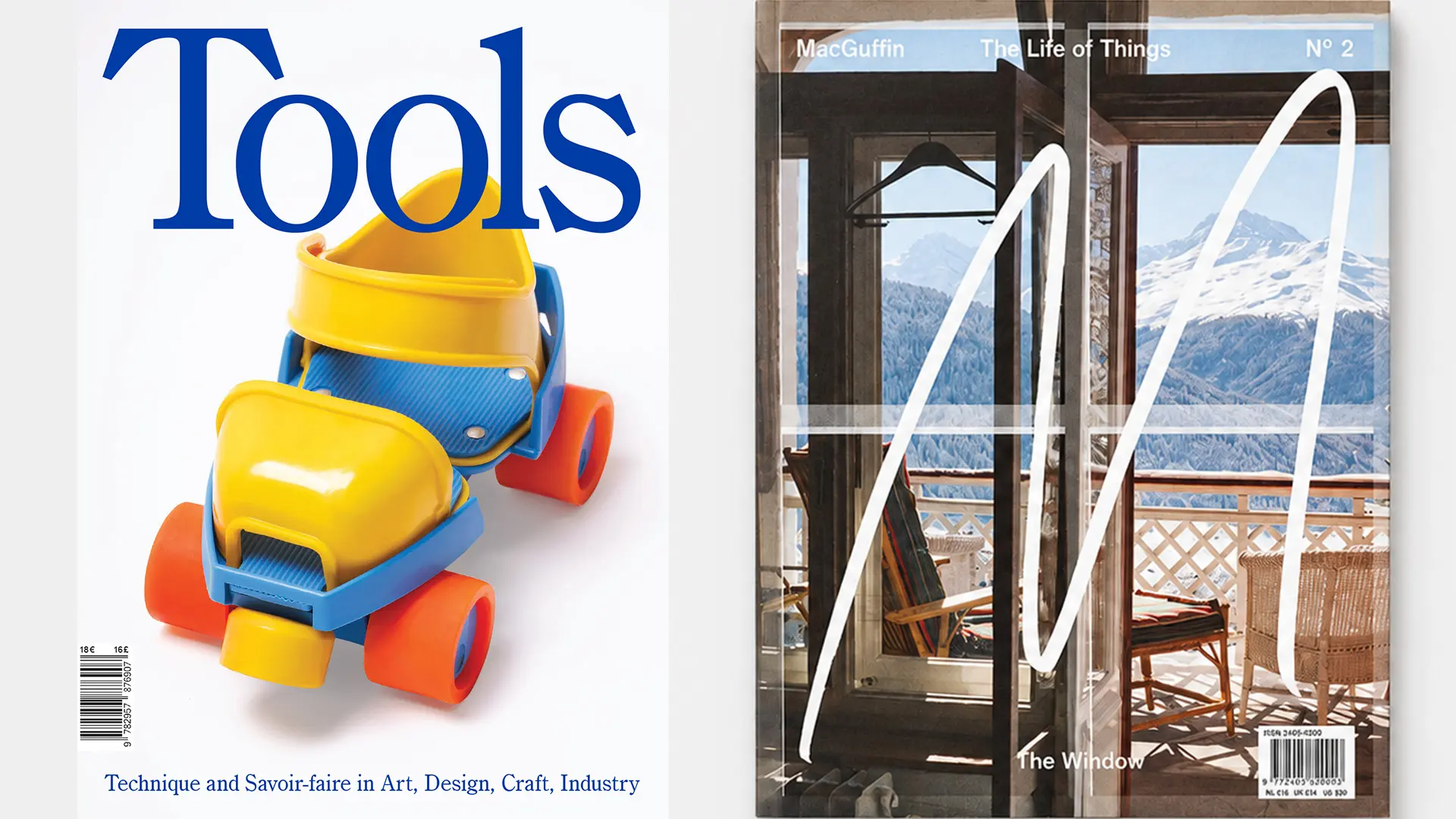
There are some magazine that we always remember our first encounter with. The place we came across them, the cover, the surprise of discovering a whole universe behind a seemingly tiny topic. Sometimes all it takes is a window. Or a roller skate.
Miart is back, for another dialogue between present and past
Text by

After an enforced pause, Milan’s modern and contemporary art fair is slated for 17th to 19th September, bringing artists of various different generations together.
Miart returns to Milan from 17th to 19th September with its twenty-fifth edition, an edition that confirms the identity of the fair, which rests on the dialogue between modern and contemporary art. What’s new - aside from being scheduled for the autumn, thanks to the slippage of appointments from last spring, just like the Salone del Mobile.Milano – is its artistic direction, entrusted this year to Nicola Ricciardi, formerly curator of the OGR in Turin. The new director has decided to carry on along the same lines as his predecessors, Alessandro Rabottini and Vincenzo de Bellis, who gave a crucial nudge to the reinstatement of the fair. As before, the attention of the public and collectors alike is being trained on art historical cross references to the Novecento, with intergenerational dialogues at the fair stands.
This is also true of design, for example, Nilufar’s stand will be featuring Martino Gamper paired with Gio Ponti. The focus of the presentation will be a console produced by Gamper for the 2008 performance of Gio Ponti translated by Martino Gamper, in which the designer from Alto Adige broke up and then reassembled furnishing pieces designed by Ponti for the Hotel Parco dei Principi in Sorrento, it but will also feature a comparison of pieces by both designers: Gamper’s ironic Wikatoria pouffes and Berber rugs, alongside Ponti’s upholstered Mod. 803 sofas and armchairs, floor lamps, sconces and small table, including one from the Hotel della Città et de la Ville in Forlì, produced for the Garzanti Foundation.
Unlike previous years, at this edition there will not be a dedicated design section, known as Object, perhaps also due to Covid, which may also be to blame for a drop in the number of gallerists taking part. In any event, the director has chosen to avoid the distinctions between art and design, mixing up the galleries and thus valorising those previously dedicated to design, which didn’t actually enjoy a particularly privileged position. “One of the things that has set Miart apart from other fairs is its ability to reflect the history of the city in which it’s held,” said Ricciardi, explaining his decision. “Obviously the history of Milan is closely bound up with that of design. For that reason many stand-out works in this field – both local and not – will be included. However, I don’t feel particularly passionate about labels, and have found it much more stimulating to work with the galleries to ensure that, rather than being compartmentalised, design is represented in all the different sections – from Contemporary to Masters, from Emergent to Generations – thus underscoring the nuances, the different spirits, the interconnections and the historic and stylistic evolution. We have been guided by the individual projects, not by an a priori categorisation.”

Floor Lamp, GioPonti

Nilufar Gio Ponti And Paolo De Poli, Three Pavonessa, photo @danieleiodice

Galileo Chini e Tito Chini, serie di vasi eseguiti in maiolica policroma a lustri 1920-1930

Arturo Martini “La Fuga degli Amanti” 1929, ceramica modellata e decorata in policromia.


Historic design will feature at the stand of the antique dealers Galleria Gomiero, which will showcase 40 tapestries by an artist who been overlooked for some time. Helga Ottolenghi Wedekind devised an innovative process for decorating tapestries, rugs and furnishing fabrics in around 1920, using symmetrical inkblots, reminiscent of the Rorschach Test used to diagnose psychological disorders at that time, and who she had great success in the leading exhibitions of decorative arts of the period. The 1920s are also protagonists of the Piacenza-based ED Gallery’s stand’s The Charm of Art Dèco, an exhibition that narrates the eclectic, worldly and international taste acquired by society following the Great War, the fading of the last nineteenth-century myths and the affirmation of industrial representation. It will be showcasing ceramics, glass, metals and textiles that reflect the value of craftsmanship and proto-industrial and the advent of Made in Italy design.
Contemporary design features right in the midst of the Fondazione Officine Saffi stand, which is exhibiting the work of five Danish ceramists of different generations, born from 1964 to 1995: Marie Herwald Hermann, Pernille Pontoppidan Pedersen, Turi Heisselberg Pedersen, Aya Simone Bækhøj Schmidt and Lone Skov Madsen. The concept was sparked by the major role that women have played in traditional Danish ceramics since 1775, when the Royal Copenhagen porcelain manufacturer was founded under the protection of Queen Julian Marie, and female ceramists accounted for a large part of the staff.
Ceramics are also to the fore with Rossella Colombari, who is celebrating 40 years as a gallerist with a Wunderkammer in which she has set up another intergenerational dialogue, this time between 90s ceramics by Bruno Gambone, born in 1936, and lamps and designs by the stylist Antonio Marras, born in 1961. Straddling art and design, Andrea Sala is represented on Schiavo Zoppelli’s stand with recent sculptures and designs from his Balcone series. On the other hand, distinctions between the disciplines are old hat, and Miart appears to be right up to speed.

Ico Parisi (Palermo 1916 – Como 1996) Specchiera da terra - Courtesy: Eredi Marelli, Cantù

Utopia realizzabile per Como – 12 cartoline di Ico Parisi - Courtesy: Eredi Marelli, Cantù

Ico Parisi (Palermo 1916 – Como 1996) Appendiabiti componibile a base ottagonale - Courtesy: Eredi Marelli, Cantù

Studio BBPR, Etagère trasportabile con incastri laterali a vista - Courtesy: Eredi Marelli, Cantù

Svenja Deininger, Untitled, 2020

Svenja Deininger, Untitled, 2020

Andrea Sala, L'Anticamera, 2020

Andrea Sala, La Cameretta, 2020
13 September 2021
Share




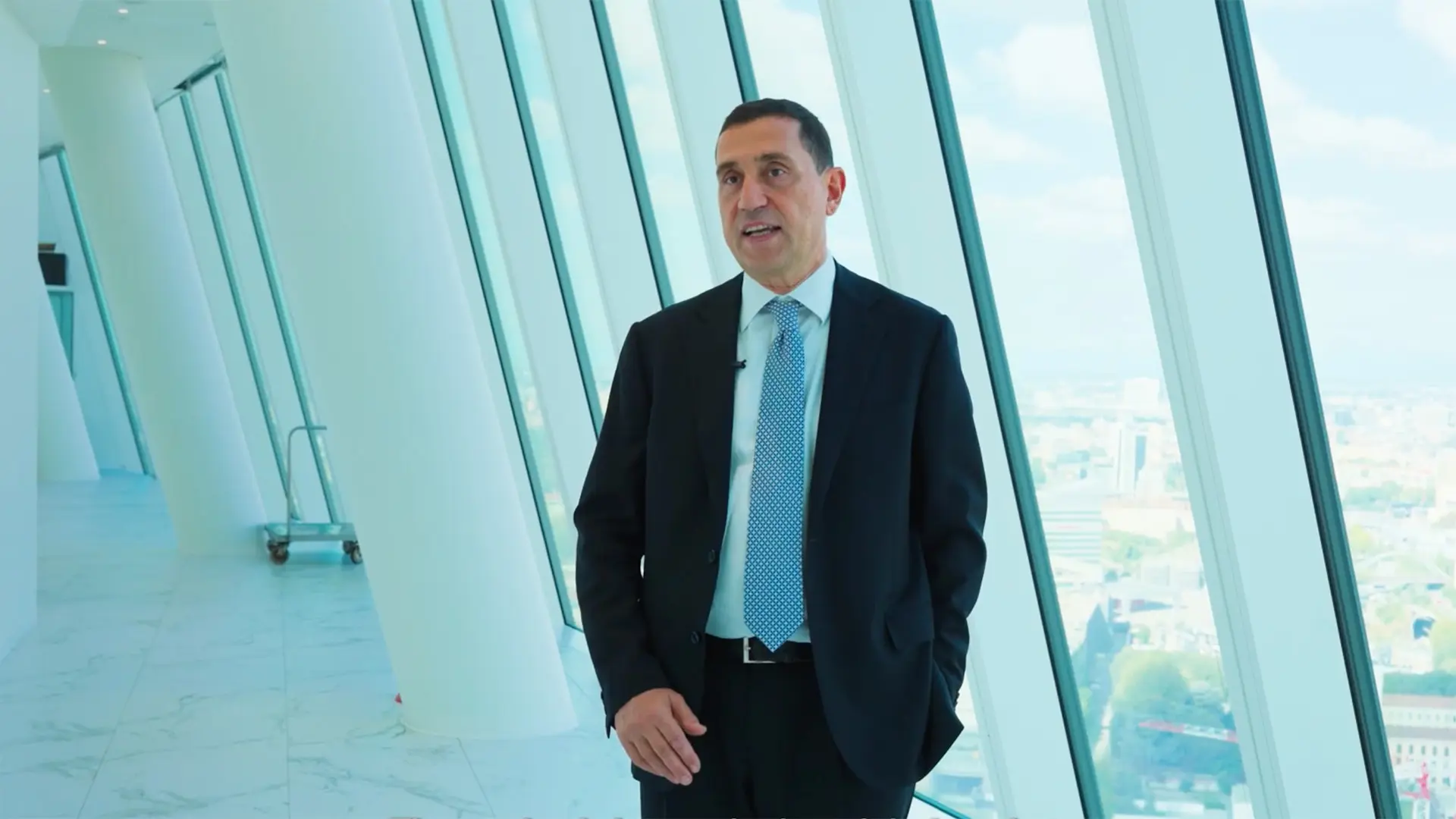
Luca Mangia (Coima REM): "In large-scale projects, there will be an ever-increasing need for contract; the client needs a point of reference"
Coming from the meeting at the PwC Tower in Milan leading up to the Salone Contract 2027, the General Manager of COIMA REM explores the strategic link between real estate development, urban regeneration, and major international events, analyzing how design and bespoke projects are reshaping the future of real estate


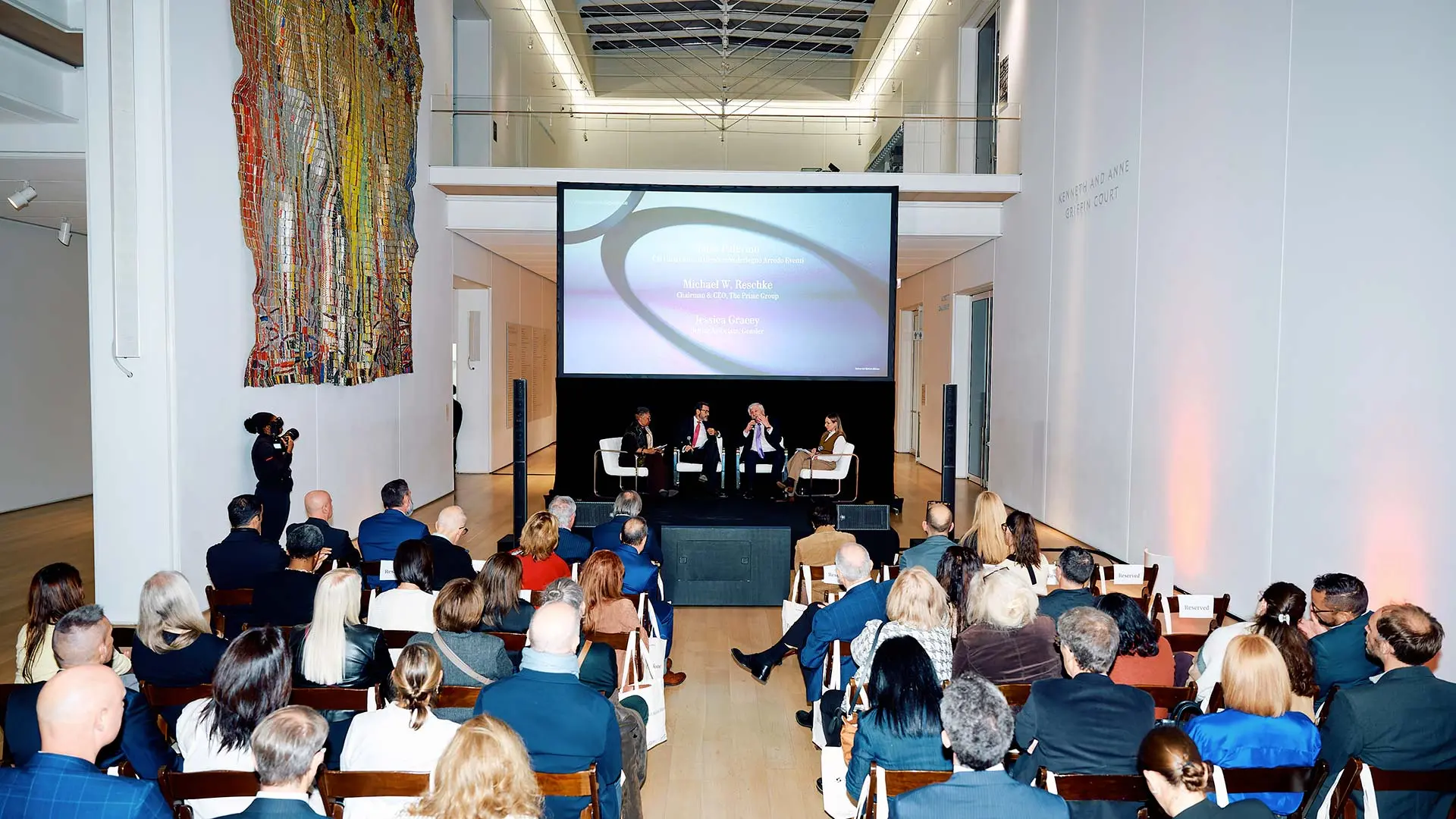
Road to Salone 2027: a focus on workspaces in Chicago
At the Art Institute of Chicago, the first edition of the Salone Contract Tour brings together The Prime Group and Gensler for a discussion spanning property investment, architecture and lighting. The focus is on the transformation of existing buildings and new opportunities for the sector, ahead of the debut of Salone Contract 2027
