


Steinberg GmbH
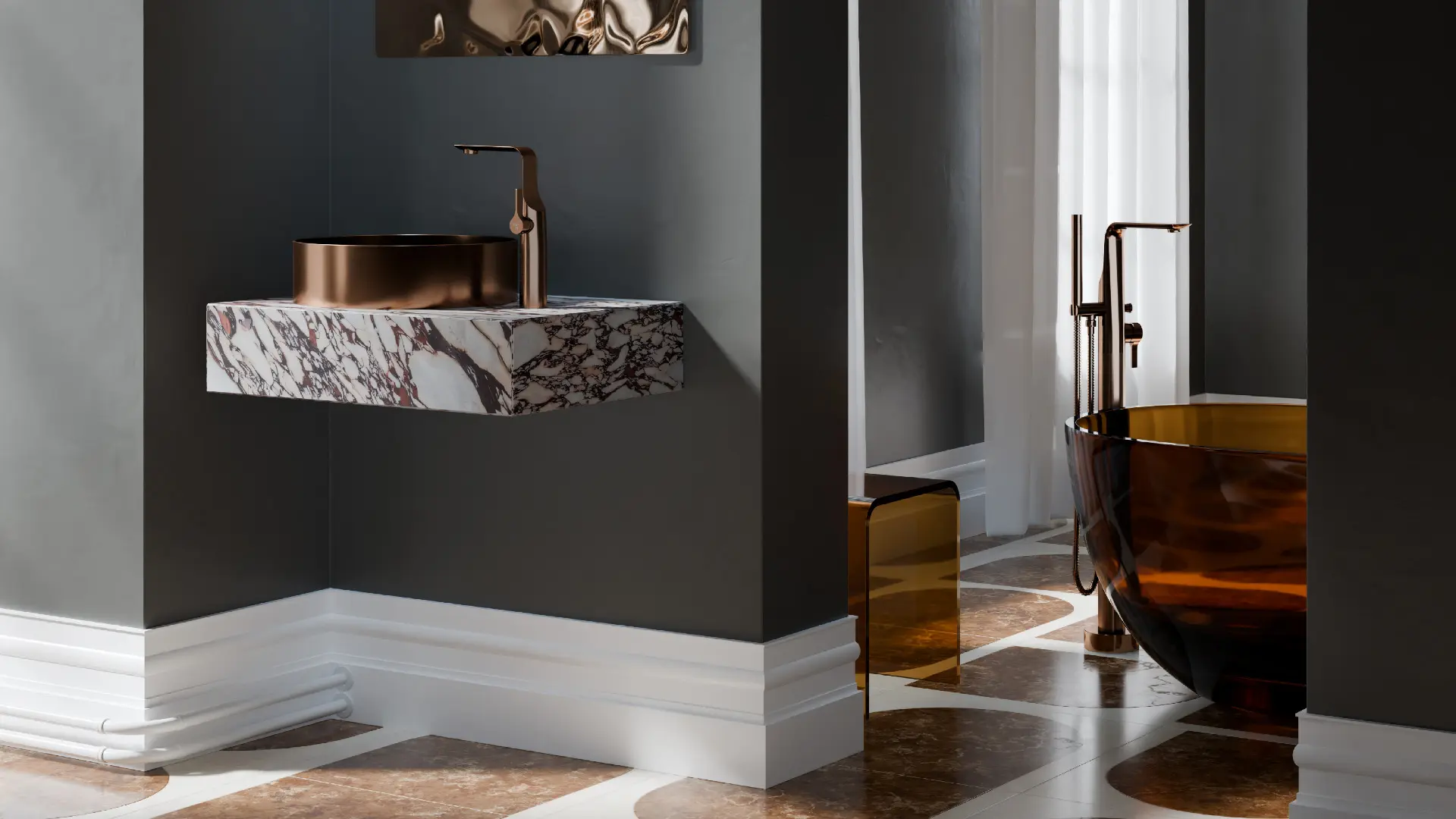
Steinberg faucets represent design-driven solutions with a clear architectural attitude. Precise details, high-quality materials, and balanced proportions define products that shape spaces with confidence.
Steinberg is a German brand dedicated to design-driven faucets and shower solutions with a strong architectural character. Rooted in precision engineering, the brand combines technical expertise with a clear, reduced design language that feels calm, intentional, and enduring.
High-quality materials, meticulous craftsmanship, and carefully considered proportions define every product. Surfaces, haptics, and functionality are treated as an integrated whole, resulting in faucets that not only perform reliably but also contribute to the spatial atmosphere. Steinberg designs are created to complement contemporary architecture and interior concepts rather than dominate them.
With a focus on longevity, material integrity, and visual clarity, Steinberg stands for products that remain relevant over time. The brand speaks to architects, designers, and planners who value consistency, restraint, and a refined approach to water in the built environment.
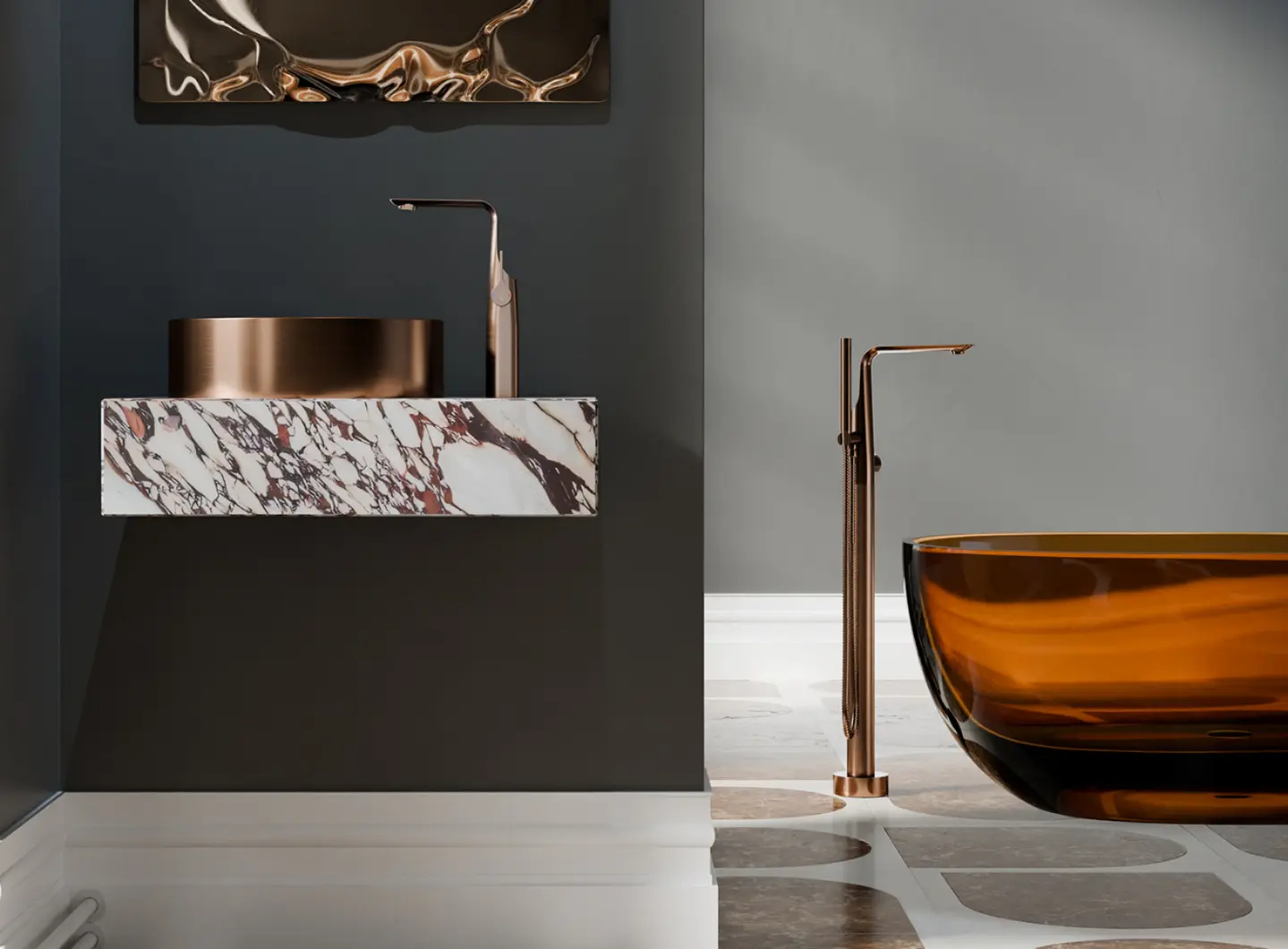
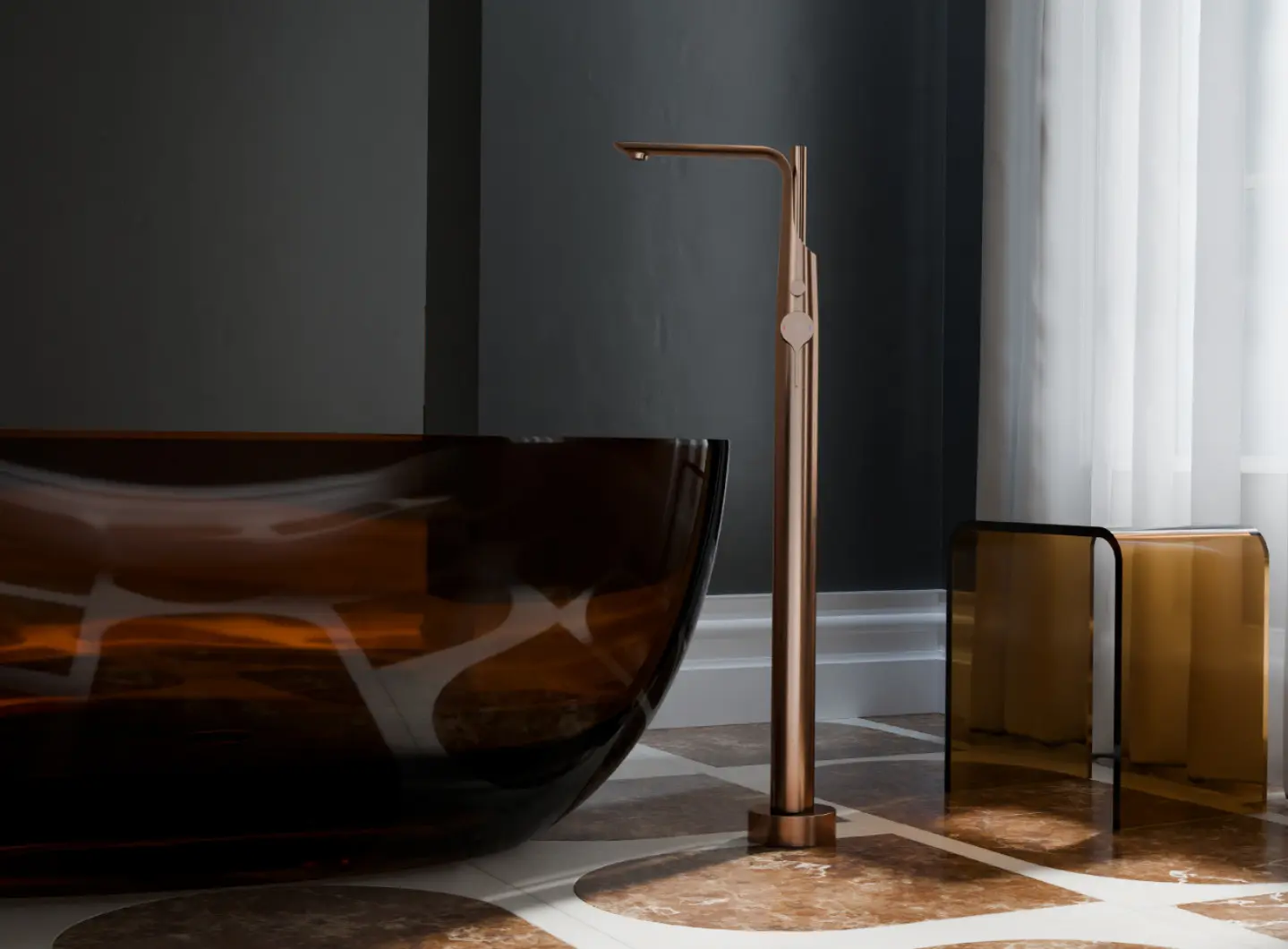
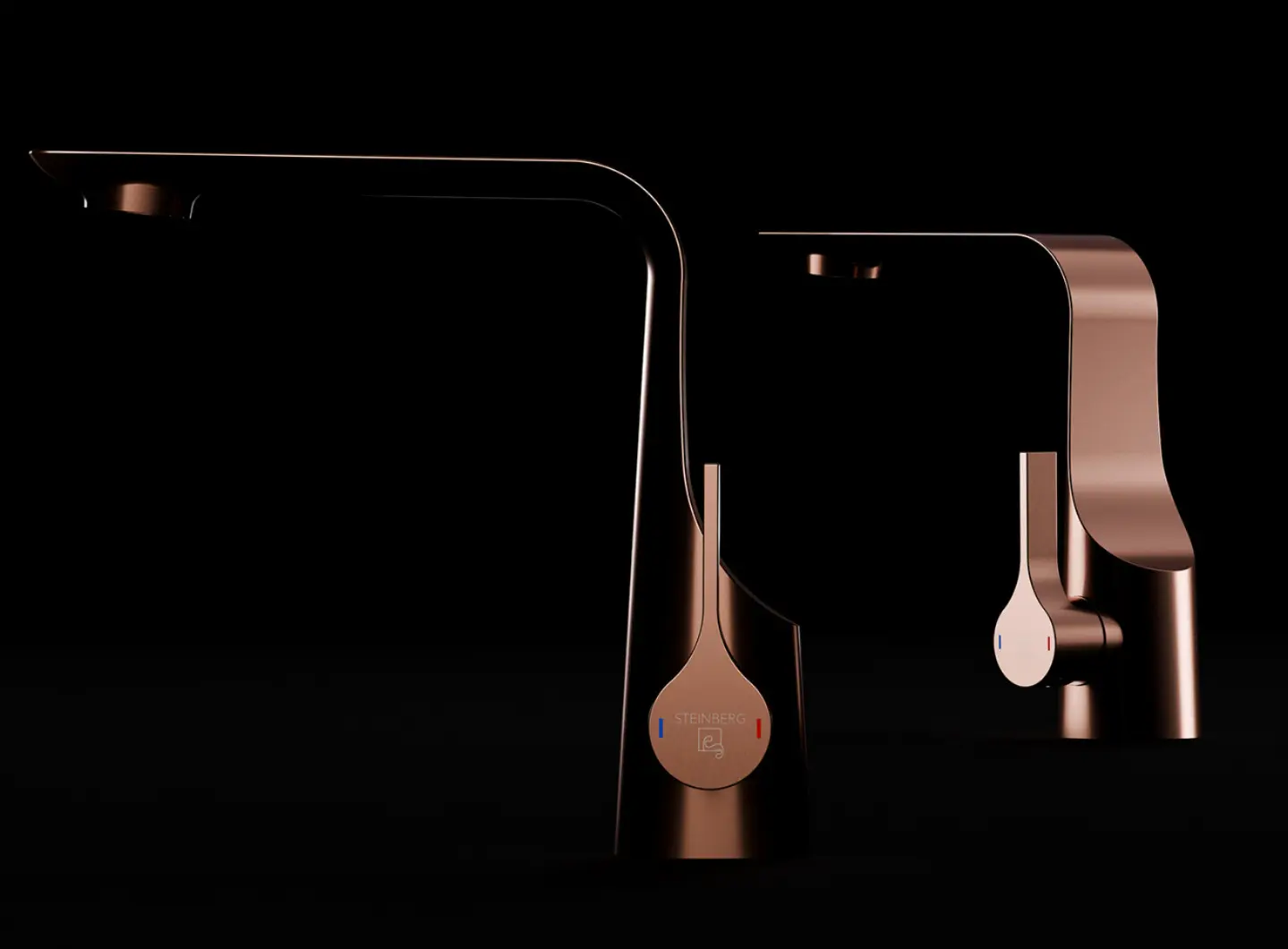


Series 290 is defined by clear geometry and a calm form. Slender lines and precise transitions give the faucets a restrained presence. In combination with natural materials, reduced spaces emerge in which water becomes the central element.
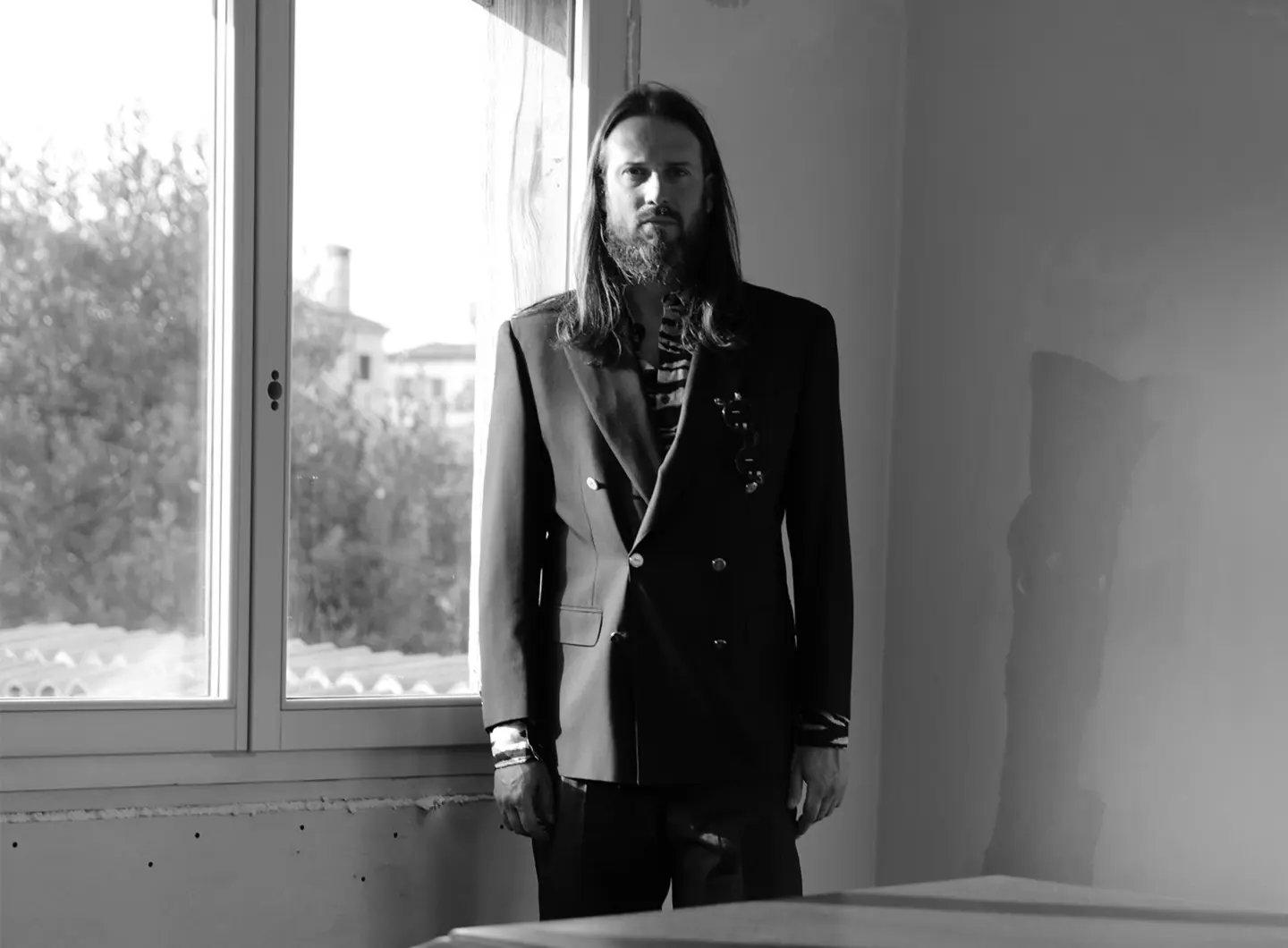
Metamorphosis is the conceptual core of the collaboration between Steinberg and Daniele Daminelli.
As part of the AD100, Daminelli represents a curatorial design approach. Historical fragments, art-related references, and precisely staged contrasts are not quoted, but transformed. Context becomes a design tool.
Within the staging created with Steinberg, the perception of the faucet shifts: precise proportion and technical clarity meet raw materials, ornamental depth, and architectural tension. Contrasts remain intentionally visible.
Metamorphosis here describes the transformation from a functional product to a cultural object.
The faucet is not placed — it is curated.